

These markets have caused mayhem and a word of caution has been spread across the whole world in relation to them, they have been in the picture for a long time and also have become a host to the world’s deadliest pandemic.But their eradication can lead to a cultural and an economic crisis as well.
Wet market is a type of market which sells putrescible goods which includes a diversity of meats from sea food to poultry, the price ranges are overwhelming, one can find the rarest of meats and it’s definitely a jaw dropping sight to behold.
As we spread our raging voices over social media, through protests and education over animal rights and preserving and protecting endangered species and animal conservation, there will always be a component which we will be unable to change, and in this case it’s the wet markets.
It’s a million dollar business, the merchants, dealers and middle men earn thousands in a day under this trivial and disturbing business. It contributes greatly to any economy and is one of the important factors when it comes to the export and import in case of businesses as it can escalates both imports and exports and lead to an extraordinary rise in the market economy. The existence of wet markets is not a new trend but rather a very old one and they have been a part of the society from ages and continue to expand.
Most of Southeast Asia has wet markets all over the counties be it China, Malaysia, Indonesia or Japan etc. and even in certain parts of India .These wet markets are host to selling meat from all kinds of animals be it wild or even endangered animals such as bears, pangolin, bats, dogs, snakes, exotic bird species, diverse sea animals and even monkeys.
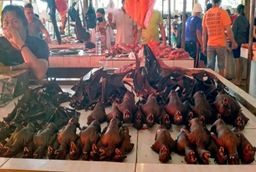
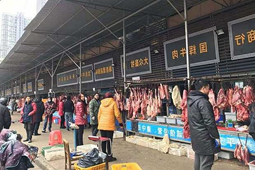
These wet markets which are lurking with unique meats and other items can be eye opening for many of us who have heard or seen them for the first time and can also come as a shock when we hear about the items being sold inside the market, but for many southeast Asians these are a common sight, these markets have consumers coming on a regular basis to buy fresh produce, besides meat they also do sell unusual herbs as well. And one can actually find fresh produce at whole sale prices most of the times.
People who buy from the wet markets generally buy products in bulk and hence majority of the consumer who are regular visitors completely depend on these markets. As most of the people living in towns and tiny villages and cities are everyday visitors of these markets, they are part of the community and hold a strong connection with the people.
Most of the restaurant and hotel owners buy their fresh ingredients for some of their extravagant delicacies from wet markets, hence the value which wet markets hold is quite high and eradicating them completely from the picture would put millions of lives at stake as not only will the regular consumers be effected but even the merchants along with the economy will also be affected.
It’s the wet markets which have been blamed for the spread of the current pandemic which has engulfed the world with chaos and has been blamed for the life changing calamity, these markets are not well kept they are crowded and there is hardly any space to walk around in the compact area of these markets, when it comes to hygiene maintenance its very low and the meat being sold has a very low shelf life hence have to be displayed in certain manner, which makes them a host to numerous faults and they have the capacity to start many epidemics. These markets don’t even meet the demands which a regulated and inspected market should have. But China along with many other countries is not ready to put a permanent lock on this business as it will disrupt the financial system of their countries.
Many have signed petitions to put an end to these markets forever but looking at the consequences which affect the population and economy people are not willing to wipe them completely from the picture.
Abdhi Upadhyay

 Eduindex
You must be logged in to post a comment.