

As soon as we hear the name Prakrit, the only thing that strikes our mind is that of environment or nature and what we do is to use the words nature and Prakrit synonymously. What Prakrit actually means is Natural; all those objects that have naturally emerged are put in the category of Prakrit.
As far as the linguistic studies are concerned, Prakrits are the oldest languages till now. Also it’s pertinent to mention here that Prakrits are set of language and not one language. As a matter of fact, Prakrit hails from Indo-Aryan Branch of linguistics family.
Prakrit was existing in many forms, including:-
Shauraseni – was spoken in and around the ancient kingdom of Shurasena (Mathura). It serves as the reference point for most Prakrit grammarians.
Pali – was spoken in the Eastern region of the Gangetic plains.
Paishachi – was spoken in the Bahlika (modern day Balkh; at that time Balkh was called as Bahlika) regions such as Punjab, Sind, Baluchistan, Quetta, Afghanistan and other parts of Northwest India.
Magadhi – was spoken in the region of Magadh.
Ardhamagadhi – was spoken in the Western region of the Gangetic plains. Maharashtri – a later form of Prakrit that was spoken in the Western region of the Deccan plateau, preferred by Prakrit poets.
Apabhramsha – last form of Prakrit that was in use in the Northern India. It was later divided into Khadi Boli, Braj, Avadhi, Bundeli, Dhundari, etc.
These were the major six categories of Prakrit, that were used in various regions of India in various phases of time.
Ashokan edicts are the oldest inscriptions found in India. They are engraved in the Magadhi Prakrit, and written in the Brahmi and Kharoshthi scripts.
So Ashokan edicts= Magadhi Prakrit language+ Brahmi/ Kharoshthi scripts.

Presently, Prakrit is restricted largely to learned Jain scholars, who learn Prakrit through the teacher-pupil tradition. Also, there exist some ancient and medieval texts describing Prakrit grammar in great detail, that have been written in Sanskrit only. The most famed one is that of Jain scholar Hemchandra’s Prakrit Grammar text. Prakrit is used by the Jain community in their daily worship rituals, currently.
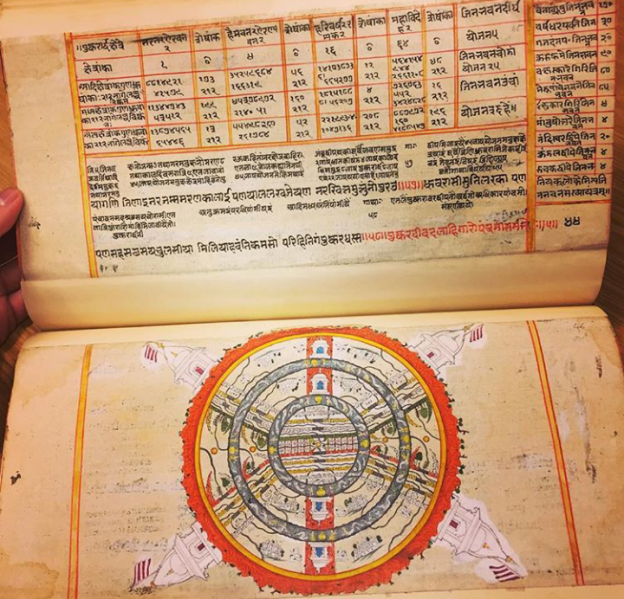
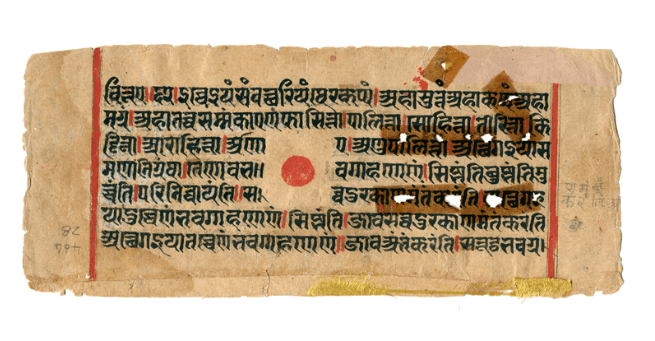
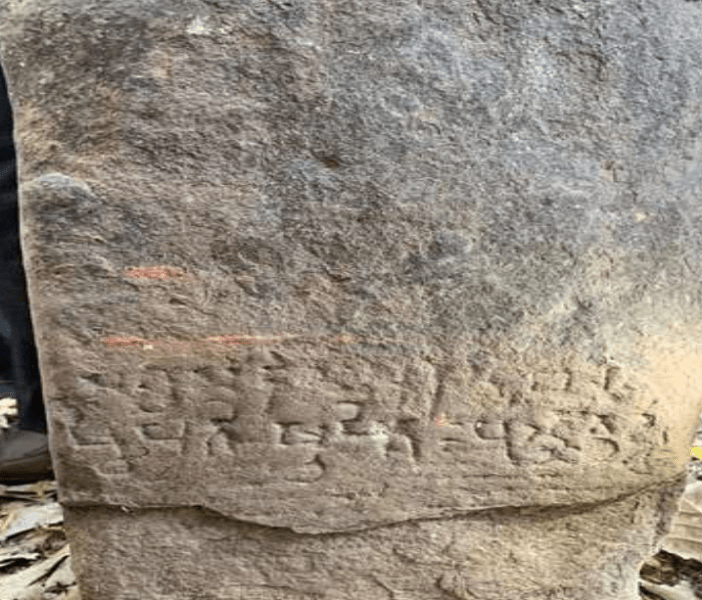
Recently, in the excavation of Babhaniyav Village near Varanasi (Uttar Pradesh), the team of archaeologists have found an inscription dating back to the period of the Kushans . The language of the inscription is Prakrit mixed Sanskrit, whereas the script is Brahmi.
On the very other note, Mirza Khan’s Tuhfat al-hind (1676) describes Prakrit as the language of “the lowest of the low”.
As a suggestive part of the topic, it should be mentioned that since Prakrit – as an entire linguistics branch, has met its ill fate without getting ample amount of attention from the mass through the passages of time. It is rather suggested that young generations must study the language, adding a feather in their cap, for becoming a multi lingual folk as well as protecting the linguistic heritage side by side.

 Eduindex
You must be logged in to post a comment.