Why Your Support System Is Important for Your Success

Your social support system is a network of people you trust and look to for guidance. Our immediate support networks often include our family and friends, but students can also look to their classmates, professors and advisors for additional help.
College is the perfect time to develop meaningful relationships with new people and to strengthen the relationships you already have. You’ll face both big and small challenges throughout your academic and professional career, and it’s important to have people to lean on in times of need.
In addition to assistance in making friends and identifying new mentors, your support system can help you:
  • Handle difficult situations—When obstacles inevitably arise, we sometimes need a little help keeping our goals in perspective. The people in your support network will be there for you when you need to talk after a long day, or when you’re feeling overwhelmed with work, school or your other obligations. Supportive friends, family, professors and colleagues will celebrate your successes and help you learn from your failures, providing the encouragement that you need to meet each challenge with determination and a positive attitude.
  • Find needed resources—Your professors and advisors can be invaluable resources to you throughout your college career and after you graduate. With expertise in their respective fields, the faculty at your university can offer you sage career and academic advice. They can also help you develop your professional network, and may even be willing to write a recommendation letter for you in the future. Take advantage of your professors’ office hours and talk to them about your dreams, goals and challenges. They’ll help you figure out which steps you need to take to be successful, both academically and professionally.
  • Get motivated—Forming relationships with your classmates and your peers will help you stay engaged in your coursework and motivate you to succeed. If you are ever overwhelmed or struggling in school, the classmates in your support network will be willing to help you and offer their guidance, insight and strategies for success. You’ll benefit from working closely with others in your program and might even forge long-lasting friendships.
You might already have a network of friends and family that you rely on at home, but there are a few steps you can take to develop your support system at school:
  • Join a club or a campus organization. Clubs, athletics and volunteer organizations are great ways to meet people who have similar interests and goals as you. Becoming more involved on campus will also help you establish several different social support networks.
  • Start a study group for your class. Study groups hold you accountable to your academic work and are also an easy way to get to know the other students in your classes.
  • Refer a friend. In addition to making new friends at school, you can also support your current friends by referring them to a counselor or instructor at your school who can help them identify their career goals and find the program that meets their personal and professional needs.
Cultivating and maintaining a social support system will benefit you throughout each of your life’s endeavors. Support networks do more than offer a sense of community and belonging—they can also help you achieve academic and professional success.

Faculty Story: We are Possible

My name is Dee Dee Collette, and I am the Technology Program Chair for Herzing University Online and the Herzing-New Orleans campus. My job is a perfect fit, but the journey wasn’t always easy! I’d like to share my personal and professional story with you, and I hope that it is both an inspiration and a reminder that you are not alone in your challenges. With a little hard work, patience and determination, you can achieve great success!
– – –
It was a crisp afternoon in February when I first walked through the doors of Herzing University in Madison, Wis. I sat down in the admissions office and said, “I want to enroll in the Computer Networking program. Yes, I know classes start on Monday, but I’m ready.”
Earlier that day, I had been overlooked for a promotion at work and that sparked my stubborn determination to make a change. At the time, I was the single parent of an awesome 3-year-old girl. I had been working as many hours as possible at a local department store trying to keep a roof over our head and food on our table. I wanted to make something of myself and had set my eyes on the store’s management training program. I volunteered for extra hours, stayed late and worked holidays in an attempt to work my way up. When I didn’t get the job, I knew there had to be something better in store for me. I also knew that I needed a degree to make it happen. I decided to enroll in Herzing’s IT program because the industry was growing quite rapidly and I felt that a career in technology would provide stability for my family and me.
The next few years, I spent many hours in the library, the bookstore, the park and the McDonald’s playland—anywhere my daughter could play safely nearby while I spread my books across the table to study. There were days that I had to choose between paying the electric bill and filling up the car with gas. I received several late notices on my apartment door. Sometimes, my daughter would get sick, or her daycare would close without notice, or my car would break down, and needless to say, my homework wasn’t always turned in on time. It wasn’t easy! My instructors were firm, yet understanding. My classmates quickly became like family, and I’ve remained lifelong friends with many of them. We studied together, struggled together and ultimately succeeded together.
I graduated in 2004 with my A.S. in Computer Networking and my B.S. in Business Technology Management. I later went on to complete my MBA in Technology Management at another institution. Since completing my degree, I’ve held a variety of different positions in business, information technology and higher education.
A year and a half ago, I had the awesome opportunity to join the faculty at Herzing, first as an adjunct instructor and later as the Technology Program Chair. I was excited to return to the place that had marked one of the biggest accomplishments of my life. I consider myself blessed to have the opportunity to help others overcome obstacles, discover their potential and obtain a degree that will change their lives and the lives of their families in the future.
I know how hard it can be, and I know that some days you will want to give up. I know it’s hard to keep pushing on when life seems to be weighing on you from all directions. However, I also know that it’s possible to succeed despite the obstacles. I know how incredible it feels to finish that degree and how empowering it is to take back control of your family’s future.
It’s easy to get caught up in what seems to be going wrong. It can be frustrating when things aren’t going the way you think it should. That being said, sometimes you’ve just got to pull on what I like to call your “stomping boots,” stand up, move forward and crush the obstacles that are in front of you. It may not be perfect.
It may not always be pretty. It definitely won’t be easy, but it can happen, and you’re the only one who can do it!
Dee Dee Collette is the Technology Program Chair for Herzing University Online and Herzing-New Orleans campus. She is a mother to a 10-year-old son and a 19-year-old daughter, who is currently enrolled in Herzing’s business program. In her spare time, Dee Dee likes to play volleyball and also enjoys euchre, board games and trivia. Her personal mantras include: be proactive, not reactive; be approachable; be an awesome communicator; be organized; and, above all, enjoy what you do.
Faculty Story: We are Possible

Overcoming the Challenges of Re-Enrollment

Finishing your college degree after being away from school for months or years is difficult, especially when school is not your primary focus.
In fact, most adult learners returning to school say that employment is their top priority, according to the National Center for Education Statistics. Family responsibilities are often a major factor as well.
That’s why students need an easier way to attain a degree and accelerate their career advancement while still concentrating on their full-time position and family. While there are several challenges to re-enrollment, the good news is that there are ways students can overcome those obstacles and earn the degree for which they’ve worked so hard.

Flexibility

It can be difficult to find an institution that is flexible about re-enrollment. Many schools will require students to re-take courses they’ve already completed in order to earn their degree. When searching for a transfer school, don’t hesitate to ask questions about the re-enrollment process. For instance, does the school:
  • Provide classes that are outside of traditional work hours?
  • Offer courses that don’t require you to commute to campus?
  • Give credit for professional experience?
These are questions you can ask that will help you select a school that caters to your needs and recognizes your accomplishments. After all, you shouldn’t have to put your life on hold in order to earn your degree.

Cost

Even if the upfront cost of re-enrollment doesn’t appear daunting, the real financial impact comes from the number of credits lost in the transfer process. For instance, if a school requires students to take various courses they’ve already completed, students will be shelling out money for something they’ve already learned. With the right institution, however, re-enrollment can be affordable. When looking at different schools, inquire about transfer credits and research your financial options, including everything from grants and loans to scholarships and student employment.

Adjusting

Re-enrolling in school can take some adjustment, especially if you’ve been out of the game for some time. This is why it’s also important to consider a school that will assist you as much as possible with that transition. Does it have student services that will help you achieve your academic goals despite your other priorities? After all, re-enrollment shouldn’t be daunting. Select a school that will make the transition process as smooth as possible.
Herzing University offers re-enrollment options that allow you to take advantage of career programs and flexible learning options that don’t uproot your life. The university also provides ways to achieve your academic goals without having to re-take unnecessary course work you’ve already completed. Herzing provides nontraditional pathways that give you the opportunity to earn your degree without career sacrifices.

What Are Paralegals And What Do They Do?

The most prominent positions in the legal field are obvious — lawyer and judge. But what about those who work behind the scenes to ensure that the lawyers are well-prepared for trial and that the evidence can hold up in court?
Paralegals, also known as legal assistants, serve an important function in legal proceedings. Paralegals provide support to the lawyer by assisting with research and preparing important legal documents. While they do not provide legal services or advise clients, paralegals play a vital role in helping lawyers and other members of the legal team be more effective in court.

What do paralegals do?

Paralegals help lawyers prepare for hearings, trials, closings and meetings. Paralegals also help investigate the facts of a case and identify the laws, judicial decisions and legal articles that could be relevant to a particular case. In addition to preparatory work, paralegals draft important legal documents such as contracts, mortgages and separation agreements.

Where do paralegals work?

There are opportunities for paralegals in all areas of law, including family law, criminal law, labor law, litigation and more. While 70 percent of paralegals work for law firms, some paralegals are employed by the government or corporate legal departments.
There are three different types of paralegals:
  • Private sector paralegals work for law firms or corporations and often assist on projects relating to employee benefits plans, shareholder agreements, financial reporting, government labor regulations, government law and civil law
  • Public sector paralegals may work for government agencies at the community level, assisting with projects that help people who cannot otherwise afford legal services. Paralegals who work in litigation for a government agency might assist with file maintenance, policy research, preparation of explanatory documents and compiling data for agency hearings.  
  • Freelance paralegals provide short- or long-term services for lawyers, law firms or legal departments. They may work in a specialty area of the law or provide general assistance on various types of projects.

How much does a paralegal make?

According to the Bureau of Labor Statisticsparalegals/legal assistants earn an average salary of $54,500 per year ($26.20 per hour). Average pay will vary based on your education, place of employment and experience level.

How do I become a paralegal?

Most paralegals have a certificate or associate’s paralegal degree in legal studies, but some paralegals choose to advance their careers by pursuing their bachelor’s or master’s degree. At a minimum, law firms require an associate’s degree or a certificate in legal studies.
Herzing University offers several educational options, including on-campus paralegal/legal assisting programs in Atlanta and New Orleans, and an online paralegal/legal assisting program for students on other states. We also offer undergraduate degree options in legal studies to help you build a strong foundation in pre-law and become qualified for many job options in the field of law, including paralegal.
Graduates of either paralegal education program will be prepared to work as a paralegal in an organization’s legal department or at a legal firm. Some graduates also choose to continue to law school.
Although paralegals are not at the forefront of the action in the courtroom, they are highly valued members of the legal team. Many paralegals find their work both challenging and rewarding, and they enjoy being able to help their firm—and its clients—be successful.

10 Keyboard Shortcuts to Make Your Life Easier

There are plenty of time-saving strategies to make everyday tasks easier, including the work you do on your computer or laptop. Many users rely on a mouse or trackpad to perform simple functions, such as making adjustments to text or transitioning between different pages and windows. However, many of the functions that seem to require a mouse can be easily completed with a few taps on the keyboard.
You might think, “Keyboard shortcuts only save me a few seconds. That can’t possibly make a difference!” In fact, keyboard shortcuts help you maximize your productivity by allowing you to work faster and more efficiently.
Here are a few common shortcuts that every student should memorize and use:
  1. Copy selected text or items

    PC Shortcut: Ctrl + C and Ctrl + X
    Apple Shortcut: Cmd + C and Cmd + X
    If you need to copy selected items or text, use Ctrl + C or Cmd + C. This will store the selection in your “clipboard” for later use and leave the original selection behind.

    Both Ctrl + X or Cmd + X will store a copy of the selection in your clipboard, but will remove it from the page you are currently working on.

  2. Paste selected text or items from clipboard

    PC Shortcut: Ctrl + V or Shift + Insert
    Apple Shortcut: Cmd + V
    Both of these shortcuts allow you to insert an item that is stored in your clipboard.
  3. Undo or redo recent changes

    PC Shortcut: Ctrl + Z or Ctrl + Y
    Apple Shortcut: Cmd + Z or Cmd + Y

    Ctrl + Z or Cmd + Z will undo a recent change and can be pressed multiple times to undo several changes. Ctrl + Y or Cmd + Y will redo the undo, or any other recent edits.

  4. Move cursor to a specific location in a document

    PC Shortcut: Ctrl + Home or Ctrl + End
    Apple Shortcut: Cmd + up arrow or Cmd + down arrow

    If you need to move your cursor to the beginning of the document, use Ctrl + Home or Cmd + up arrow. If you need to move the cursor to the end of the document, use Ctrl + End or Cmd + down arrow.

  5. Save or print a file

    PC Shortcut: Ctrl + S and Ctrl +P
    Apple Shortcut: Cmd + S and Cmd + P

    To save your work, use Ctrl + S or Cmd + S. To open a print preview, press Ctrl + P or Cmd + P.

  6. Switch between open windows and programs

    PC Shortcut: Alt + Tab
    Apple Shortcut: Cmd + Tab

    When you have multiple programs open, you can easily switch between windows by pressing Alt + Tab or Cmd + Tab.

  7. Search for a word or phrase

    Windows Shortcut: Ctrl + F
    Apple Shortcut: Cmd + F

    This shortcut allows you to find exactly what you’re looking for without having to manually search through pages of text. Ctrl + F (or Cmd +F for Apple users) will open up the ‘Find’ box. Type the word or phrase you want to find, and the application will automatically sort and highlight matching selections.

    In addition to these common shortcuts, both Apple and Windows operating systems have unique shortcuts to improve the user experience. Here are a few bonus shortcuts you can add to your repertoire:
  8. Take a screenshot

    On an Apple computer, you can take a screenshot by selecting Cmd + Shift + 4. Drag the crosshairs of your cursor to expand your selection of your screen. Your selection will be stored as an image on your desktop.
  9. Split your screen

    If you have Windows 10, you can split your screen evenly between up to four different windows. Press Windows + Left Arrow to move a window to the left, and press Windows + Right Arrow to move a window to the right.
  10. Open and close new tabs

    Apple users can easily open a new tab in Google Chrome by pressing Cmd + t and close tabs by pressing Cmd + w.
Now that you know a few basic keyboard shortcuts, you’re ready to start putting them to use. Although it may be tempting to reach for your mouse at first, start using these keyboard shortcuts and they’ll quickly become another useful timesaving habit!

Faculty Development Program (FDP) conducted by Track2Training from June 10 to June 20, 2020

  The Faculty Development Program (FDP) conducted by Track2Training from June 10 to June 20, 2020, was a comprehensive and immersive online event designed to enhance the skills and competencies of educators in various aspects of teaching and learning. Here is a detailed overview of the program:

Overview

Event: Faculty Development Program
Dates: June 10 – June 20, 2020
Mode: Online
Organizer: Track2Training
Objective: To equip faculty members with modern teaching methodologies, technological tools, and innovative strategies to improve educational delivery and student engagement.

Key Components

  1. Curriculum and Content:

    • The program covered a broad range of topics relevant to contemporary educational practices.
    • Sessions included pedagogical innovations, assessment and evaluation techniques, curriculum design, and integration of technology in teaching.
  2. Schedule and Structure:

    • The FDP was structured over 10 days, with daily sessions divided into lectures, workshops, and interactive discussions.
    • Each day consisted of multiple sessions, including keynotes from industry experts, hands-on training, and Q&A segments.
  3. Learning Management System:

    • The program was facilitated through a robust online learning management system (LMS) that provided seamless access to resources, recorded sessions, and interactive tools.
    • Participants had access to a dashboard for tracking progress, submitting assignments, and engaging with peers and instructors.
  4. Expert Speakers and Facilitators:

    • The FDP featured a lineup of distinguished speakers and facilitators from academia and industry.
    • Experts shared insights on various educational trends, technological advancements, and best practices in teaching.
  5. Interactive and Practical Approach:

    • The sessions emphasized active learning through case studies, group activities, and role-playing exercises.
    • Participants were encouraged to share their experiences and apply new strategies in simulated classroom environments.
  6. Assessment and Feedback:

    • Participants underwent periodic assessments to gauge their understanding and application of the content.
    • Feedback mechanisms were in place to provide constructive criticism and guide improvement.

Detailed Session Breakdown

  1. Day 1-2: Introduction to Modern Pedagogy

    • Overview of current trends in education.
    • Understanding student-centered learning.
    • Techniques for fostering critical thinking and problem-solving skills.
  2. Day 3-4: Technology Integration in Teaching

    • Utilizing digital tools for effective teaching.
    • Introduction to e-learning platforms and virtual classrooms.
    • Best practices for creating engaging multimedia content.
  3. Day 5-6: Curriculum Development and Assessment

    • Principles of curriculum design and alignment with learning outcomes.
    • Innovative assessment techniques for measuring student performance.
    • Designing effective rubrics and feedback mechanisms.
  4. Day 7-8: Enhancing Student Engagement

    • Strategies for motivating and engaging students.
    • Incorporating gamification and interactive elements in lessons.
    • Understanding diverse learning styles and adapting teaching methods.
  5. Day 9: Research and Innovation in Education

    • Encouraging research-based teaching practices.
    • Exploring opportunities for educational research and publication.
    • Introduction to grant writing and research funding.
  6. Day 10: Reflection and Future Directions

    • Reflecting on learning outcomes and personal growth.
    • Developing action plans for implementing new strategies.
    • Networking and collaboration opportunities with fellow educators.

Outcomes and Benefits

  • Enhanced Skill Set: Participants gained practical skills in curriculum development, technology integration, and student engagement.
  • Professional Development: The program contributed to participants’ professional growth, enhancing their teaching effectiveness and career prospects.
  • Networking Opportunities: Attendees connected with peers, experts, and industry leaders, fostering collaboration and knowledge exchange.
  • Certification: Participants received a certificate of completion, validating their participation and newly acquired competencies.

The Faculty Development Program organized by Track2Training from June 10 to June 20, 2020, was a highly impactful initiative that equipped educators with essential skills and knowledge to navigate the evolving landscape of education. Through a blend of theoretical insights and practical applications, the program successfully addressed the challenges faced by modern educators and provided a platform for continuous learning and professional advancement.

Resource regions

 Natural resources are material and constituent formed within environment or any matter or energy that are resulting from environment, used by living things that humans use for food, fuel, clothing and shelter. These comprise of water, soil, minerals, vegetation, animals, air and sunlight. People require resources to survive and succeed. Everything which happens naturally on earth are natural resources that is minerals, land, water, soil, wind that can be used in many ways by human being.

The total cultivable area in India is 19,45,355 km² (56.78% of its total land area), which is shrinking due to population pressures and rapid urbanisation. India’s major mineral resources include Coal (4th largest reserves in the world), Iron ore, Manganese ore (7th largest reserve in the world as in 2013), Mica, Bauxite (5th largest reserve in the world as in 2013), Chromite, Natural gas, Diamonds, Limestone and Thorium. The major resource region in India include

1) Western Himalayan Region

This region consists of three distinct sub zones of Jammu and Kashmir, Himachal Pradesh and Uttar Pradesh hills. Lands of the region have steep slopes in undulating terrain. Soils are generally silty loams and these are prone to erosion hazards.

2) Eastern Himalayan Region

Sikkim and Darjeeling hills, Arunachal Pradesh, Meghalaya, Nagaland, Manipur, Tripura, Mizoram, Assam and Jalpaiguri and cooch bihar districts of West Bengal fall under this region, with high rainfall and high forest cover. Shifting cultivation is practiced in nearly one third of the cultivated area and this has caused denudation and degradation of soils with the resultant heavy runoff, massive soil erosion and floods in the lower reaches and basins.

3) Lower Gangetic Plain Region

This region consists of West Bengal. Soils are mostly alluvial and flood prone.

4) Middle Gangetic Plain Region

This region consists of 12 districts of eastern Uttar Pradesh and 27 districts of Bihar plains. This region has a geographical area of 16 million hectares and rainfall is high. About 39% of gross cropped area is irrigated and cropping intensity is 142%.

5) Upper Gangetic Plain Region

This zone consists of 32 districts of Uttar Pradesh. Irrigation is through canals and tube wells. A good potential for exploitation of ground water exists.

6) Trans Gangetic Plain Region

This zone consists of Punjab, Haryana, Union territories of Delhi and Chandigarh and Sriganganagar district of Rajasthan. The major characteristics of this area are highest net sown area, highest irrigated area, high cropping intensity and high ground water utilization.

7) Eastern Plateau and Hills Region

This zone consists of eastern parts of Madhya Pradesh, southern part of West Bengal and most of inland Orissa. The soils are shallow and medium in depth and the topography is undulating. Irrigation is through tanks and tube wells.

8) Central Plateau and Hills Region

This region consists of most parts of Madhya Pradesh and south eastern Rajasthan. This region has undulating topography with sandy soils.

9) Western Plateau and Hills Region

This zone comprises the major part of Maharashtra, parts of Madhya Pradesh and one district of Rajasthan. The average annual rainfall of the zone is 904 mm. The net sown area is 65% and forests occupy 11%. The irrigated area is only 12.4% with canals being the main source.

10) Southern Plateau and Hills Region

This zone comprises 35 districts of Andhra Pradesh, Karnataka and Tamilnadu, which are typically semi-arid zones. Dry land farming is adopted in 81% of the area.

11) East Coast Plains and Hills Region

This zone comprises of east coast of Tamilnadu, Andhra Pradesh and Orissa. Soils are mainly alluvial and coastal sands. Irrigation is through canals and tanks.

12) West Coast Plains and Ghats Region

This zone comprises west coast of Tamilnadu, Kerala, Karnataka, Maharashtra and Goa with a variety of crop patterns, rainfall and soil types.

 13) Gujarat Plains and Hills Region

This zone consists of 19 districts of Gujarat. This zone is arid with low rainfall in most parts and only 32.5% of the area is irrigated largely through wells and tube wells.

14) Western Dry Region

This zone comprises 9 districts of Rajasthan and is characterized by hot, sandy desert, erratic rainfall, high evaporation and scanty vegetation. The ground water is deep and often brackish. Drought is the common feature of the region.

15) Islands Region

This zone covers the island territories of Andaman & Nicobar and Lakshadeep, which are typically equatorial with rainfall of 3000 mm spread over 8-9 months. It is largely a forest zone with undulating lands. Depending on the variation in ecological characteristics of one region from the other, they have different types of vegetation, which suits best to their ecological conditions.

Literature: The Mirror of Society

Literature is an effective tool that reflects a plethora of sociopolitical and psychological occurrences of a society which helps people to comprehend the attitude and perception of the society as a Whole. Literature has never failed to serve the role of a satiric reflector while still being as real and as relatable as possible in its essence.


History, on the contrary, records the events in a chronological manner that take place in a society and Sociology, on the other hand, gives an overview of the constructive and the structural patterns through which a society operates. However, the main objective of Literature is to bring forth the essence of realism which includes instances of the various psychological, social and political phenomena that keep arising in a societal sphere. Therefore, Literature can be considered as a tool that adds an emotional and spiritual value to the technicality along with a sense of practicality that is usually presented by the other domains of studies.


Poetry is an effective part of Literature that plays a major role in representing the perception of a society to the readers. For instance, T.S Eliot through his works like “The Waste Land”, “The Love Song of J. Alfred Prufrock” and “The Hollow Men” managed to bring forward the emptiness and hopelessness of the contemporary “modern” society which is again very similar to the nihislistic ideologies of philosopher Nietzche in a very unusual yet an interesting way.


Realist authors from the third world countries have made use of the opportunity in a prodigious way to define their instances of the sociopolitical hardships they have had to face for a prolonged period of time due to the external and internal subalternization following by a process of constant hegemonization and misrepresentation of their values, ideas and ethics by a so-called superior power since the beginning. African novels like Things Fall Apart by Chinua Achebe; Weep Not Child by Ngugi Wa Thiongo, Indian works like Untouchable by Mulk Raj Anand; Midnight’s Children by Salman Rushdie; Australian works like My Place by Sally Morgan; The Swan Book by Alexis Wright are some of the major examples of how authors from the third world countries have put forth their history of exploitation and suppression they had to go through for decades and ages.


Words tend to get different perspectives along with new syntactical meanings through literature. For instance, the apparent ‘modernness’ and the concept of so-called ‘modernity’ in the ‘modern’ world have been portrayed by various modernist writers through their works. The word “modern” is an arbitray one with a fragile conception associated with it. It keeps changing its meaning and image with the passage of time. In the medieval era, Chaucer had been considered to be the ‘modern’ poet since he was the first one to break through the preconceived traditional poetic forms of the Anglo Saxons and then a few centuries later it was Shakespeare who did the same within his own environmental sphere. Similarly, T.S Eliot, W.B Yeats, Ted Hughes, Thomas Hardy and their contemporaries have been marked as the modernists of the twentieth century. Thus, the word gets a new time and a new perspective every time some new poet/writer/author from a different time period expresses their views of their contemporary society through literature.


Apart from reflecting the societal truth, the objective of Literature goes beyond to being a representative of life, a reflector of human existence through which a shared belief system comes into existence. It does not confine itself into a perishable sphere. It goes beyond the mortality of the world and allows human beings to explore different metaphysical along with a profusion of metaphorical domains through which it manages to bring about a collective consciousness that transcends all physical barriers and eventually gives us a sense of unparalleled aestheticism.

– Suvasree Bandyopadhyay.

QUARANTEENED TEENAGERS!

The nation wide lockdown came into effect on 24th march 12:00 midnight and our country is still not been able to uplift it. During this unprecedented situation there were different sets of problems faced by different groups of our society, the age group 10-21 is commonly categorized as teenage group . Being a teenager is a long, slow process of growing away from your family. Yet young people are suddenly being thrust back into the heart of their families, whether or not they want to be. This group having the most aspirations and full of energy,having there adrenaline level at peek, were also locked inside their homes just like the others, their freedom were terminated  and all they had to be within 4 walls figuring out how this quarantine can be made more productive and less lethargic.

STUMBLING BLOCK DURING LOCKDOWN:

The commensurating covid19  start resulting in the shut down of the institutions with the immediate effect which consequently leads to the major disturbance in the  Students mindset. As before the outbreak they  were preparing for exams or the new session with full efficacy  but an indefinite break came in between caused a great disturbance in there day to days schedule .as a result of unclear vision of near future their time table gradually start causing restlessness and frustration .After the government or the concerned authorities issued guidelines the tension was released to some extent.No doubt they’ll be relying on digital tech more than ever before, which evidently seems tough chase for the authorities at the moment . although This is fine – but teenagers should still emphasise the need to get enough sleep, to learn new things, to respond to anything their teacher suggests , to be physically active and to have face-to-face time with the family.

RECUPERATE PERIOD:

After a few days there was lucidity about that this problem will persist for a long period of time so the need of the hour was to take serious steps towards keeping the teenagers engaged with some activities so that they do not feel unengadged . Institutions started with online classes , assignment and even some higher educational organizations arranged for WEBINARS, internships and online presentations.This problem was resolved quickly which was needed otherwise the teenage group already being the most vulnerable must have faced serious issues of mental health like stress, anxiety and other related issues . However this problems was faced by some teenagers despite of the steps taken but it was addressed within recoverable time.

a few precautions to reduce the stress, anxiety and other related issues, caused by this pandemic. 

WHO suggests, to reduce the amount of news we are in-taking about COVID-19 and to only take news from reliable sources. BBC suggests, to have breaks from social media and mute things which are/can be triggering. Also suggestions were made to wash your hands but not excessively. For people with OCD and anxiety, being told to constantly wash your hands can be difficult to hear. 

Decreasing Concentration was the issue with many of them as they were facing tremendous pressure due to lack of mental care heath .as in the normal working hours they are not aware of the mental health care requisites .  young generation doctors of mental health care are also facing this  havoc senerio  for first time. 

also not to neglect the physical health which we can enhance during this time can be done by- Exercising:which is one of the ways to keep your body fit and it also helps in reducing stress, anger and frustration. Also, practicing deep breathing or meditation are also great ways to reduce stress and anxiety.As we are staying home and looking at the same four walls in our house everyday, it is quite easy for our minds to fluctuate and think about things which are of less importance which often  called as overthinking by the people,increasing tension. To avoid this situation of over-thinking, one can engage themselves into doing something productive.

During this adverse time of pandemic , being productive or self motivated is a good idea but somewhere it can also put more pressure in one’s mind because it normalyy is abstract process. Remember, being productive is a choice and not a necessity. We are not bound to do things which others tend to do as we are one a kind and do things which makes us happy.

THE COVID -19 TRAUMA

The outbreak of coronavirus disease 2019 (COVID-19) has created a global health crisis that has had a deep impact on the way we perceive our world and our everyday lives. Not only the rate of contagion and patterns of transmission threatens our sense of agency, but the safety measures put in place to contain the spread of the virus also require social distancing by refraining from doing what is inherently human, which is to find solace in the company of others.

Coronavirus disease (COVID-19) is an infectious disease caused by a newly discovered coronavirus.

Most people infected with the COVID-19 virus will experience mild to moderate respiratory illness and recover without requiring special treatment. Older people, and those with underlying medical problems like cardiovascular disease, diabetes, chronic respiratory disease, and cancer are more likely to develop serious illness.

The best way to prevent and slow down transmission is be well informed about the COVID-19 virus, the disease it causes and how it spreads. Protect yourself and others from infection by washing your hands or using an alcohol based rub frequently and not touching your face.

The COVID-19 virus spreads primarily through droplets of saliva or discharge from the nose when an infected person coughs or sneezes, so it’s important that you also practice respiratory etiquette (for example, by coughing into a flexed elbow).

At this time, there are no specific vaccines or treatments for COVID-19. However, there are many ongoing clinical trials evaluating potential treatments. WHO will continue to provide updated information as soon as clinical findings become available.

In December, while Wuhan province was witnessing the beginning of the actual Covid-19 pandemic, India was facing massive and violent uprisings. Hundreds of thousands of Indians protested all over the country against the discriminatory anti-Muslim citizenship law that had just been passed by its parliament—the Citizenship Amendment Act (CAA)—and as a backlash violent attacks occurred on universities and Muslim working-class neighbourhoods by armed vigilantes. All this while the authorities were negating the presence of community transmission of the virus despite the first cases appearing way back in January to finally declare a 21-day lockdown on the midnight of 24 March, with only a 4 hour notice. This announcement, as in France, has triggered migration from the cities to the countryside, but of a completely different nature: in India, the internal migrant workers, day labourers and the poor—deprived of resources—have decided to return to their native villages. This tragic and deadly exodus of migrants fleeing cities is the most visible stigmata of the profound health, economic and social crisis that this threefold essay offers to analyse.

Some say covid is round and spikiest of them all,

I also hear he is the deadliest of them all.

He is here, he is there,

Travelling time to time in the air.

Young, old or small,

He doesn’t care at all.

He has made the roads clear,

For now, he is our greatest fear.

The birds are free,

Chirping on the wonderful tree.

The whales are swimming, the deer, galloping,

Wondering where the humans are who tried to destroy us all.

But I do believe our faith in god,

Who is the mightiest of all,

Will help us conquer this fear once in for all,

I hope a wonderful better tomorrow is near for us all.

With the number of COVID-19 cases leaning dangerously more than 200,000 and the worldwide death toll crossing more than 8,000, the World Health Organization (WHO) declared the virus outbreak a pandemic in the second week of March 2020, four months after the novel virus first made headlines.

Nearly 162 countries are steadily going into lockdown, and businesses across the globe are operating in fear of an impending collapse of global financial markets. This situation, clubbed with sluggish economic growth in the previous year, especially in a developing country like India, is leading to extremely volatile market conditions. Let’s understand how the coronavirus is impacting business and subsequent tax reforms in India.

It is unequivocal that this pandemic has led to a near total disruption of our social fabric. Global economics have been all but paralyzed. Under these circumstances, one can imagine the psychological toll is significant.

While there is no doubt that COVID-19 is causing significant stress, we won’t grasp the long-term mental health effects until we conduct future research. At the same time, and because of this pandemic, we see a positive impact on the way we consider mental health and how the healthcare system operates.

Removing barriers and improving access to care. Since the COVID pandemic, the mental health field has shifted almost completely to telehealth encounters with visits through video or phone. This shift, together with the response from insurers to expand payment for telehealth have resulted in better integration of care and improved access.

The worldwide disruption caused by the COVID-19 pandemic has resulted in numerous impacts on the environment and the climate. The severe decline in planned travel has caused many regions to experience a drop in air pollution. In China, lockdowns and other measures resulted in a 25 per cent reduction in carbon emissions and 50 per cent reduction in nitrogen oxides emissions,which one Earth systems scientist estimated may have saved at least 77,000 lives over two months.However, the outbreak has also provided cover for illegal activities such as deforestation of the Amazon rainforest and poaching in Africa,hindered environmental diplomacy efforts,and created economic fallout that some predict will slow investment in green energy technologies.

Dear Covid 19 ,
Your arrival has created havoc in my technical world.
The roads are empty, with crowds too small,
And no trace of life outside, noone at all.
Every human is locked up in their house,
And the sunny play ground, now looks bleak.
Why does our wide world look so desolate now?
What a silly question, even a toddler would have the answer.
Cause, there’s a you out there,
Who can make even breathing like hell.
You are tinier than our cells, but are still causing a huge pandemic,
If you enter our body, you may wreak havoc.
Coughs or sneezes are like your private jets,
And to your lungs, you are a threat.
We, who always chat and dine in groups,
Now prefer to stay away,
And with a mask on our mouths,
Nobody’s going to school anymore,
No child playing in the park,
Nobody’s even opening the door,
Except for grocery or stock.
We used to giggle and play
On our swings and slide,
Now, we’re caged in our homes,
As you gambol outside.
We, who are social animals,
Now dread the door bell.
Sadly, we are told to see,
Every visitor as an unwelcome virus.
When can we really be free?
When can we stick our heads out?
When will the dawn arrive?
The four decades before your arrival were marked by vast technological changes. Cell phones and planes connected people across the world, banking and entertainment were merely a click away. But technology’s true potential to radically change the lives of the world’s poor – to be more than just entertainment or convenience – was unleashed in the aftermath of your arrival.
You stopped..
Just stopped everything
It is was no longer a request. You made it mandatory.
You brought the supersonic, high speed merry-go-round to a halt
You stopped the planes the trains the schools the malls the meetings the frenetic, furied rush of illusions and “obligations” that keep you from hearing the single and shared beating heart, of our mother earth
And now all of us are suffering.
Last year, the firestorms that scorched the lungs of the earth did not pause the world
Nor the typhoons in Africa, China, Japan.
Nor the fevered climates in Japan and India.
We haven’t been listening.
It is hard to listen when we were.so busy all the time, hustling to uphold the comforts and conveniences that scaffold your lives.
But the foundation is giving way,
buckling under the weight of our needs and desires.
Lockdown 1.0
Lockdown 2.0
Lockdown 3.0
Lockdown 4.0
Lockdown 5.0
You have brought firestorms to our body
You have brought fever to our bodies
You have brought the burning, searing, and flooding to your lungs.
We are not well.
The dirt of the world is washed away by the tsunami of your havoc.
You are not our enemy. You are the Messenger.
It’s time to move beyond our individual concerns and consider the concerns of all;
It’s time to look up into the sky, streaked with fewer planes, and see it, to notice its condition: clear, smoky, smoggy, rainy? How much do you need it to be healthy so that you may also be healthy?
To look at a tree, and see it, to notice its condition: how does its health contribute to the health of the sky, to the air you need to be healthy?
Many of us are afraid now.
But you have taught us a lesson for life time .
The health of a tree, a river, the sky tells me about the quality of my own health,
A last thank you and sorry
We will Stop.
Just stop.
Be still.
And Listen to the voice of our healing earth.

If the huge impact of coronavirus spread on the economy at large, including the loss of wage work to millions of those in the unorganised sector aside, the lockdown measures being implemented by the State government as part of the nation-wide shutdown have come as a blessing in disguise to the two power distribution companies running in losses.

With a major section of commercial establishments such as malls, cinema halls, restaurants and bars, showrooms of all sizes and public transport such as metro rail completely shut, service sectors such as banks, IT and ITES companies curtailing their on-site functioning by allowing as many employees as possible to work from home and many State and Central government offices running with skeletal staff, the demand for energy in the State has been on the slide for over a week now.

We have to admit that the COVID-19 pandemic has shown us examples that lack humanitarianism. This may be due to the chaos caused by the spreading threat. However, such lack of humanitarianism seems to be deep-rooted. This is because of some countries’ and their ruling elites’ incurable egoism. Those who proclaim themselves as moral leaders with democratic traditions did not unite all parties to seek mutual understanding. Instead, they started to act according to the law of the jungle, regardless of etiquette rules and ethical constraints.

Everyone wants to turn the page on COVID-19 as soon as possible. But lessons are inevitable. And it’s up to each of us to decide if those lessons are right.It’s time to give up conventional thinking based on stereotypes and finally start acting from a moral perspective. After all, our best bet is a happy future for all who live on Earth, our common home.


The future of Indian education system?

So before  talking about the future of Indian education system let us know first how our current Indian education system is holding on to the expectations of the fellow Indian citizens.Let’s start our talk from the primary division what are the students thought in that process of time?They are thought to copy paste their books to the answer sheets during the exam. This leads to an uneven habit in the children to just fill as much information in them and then spill it on the paper and forget what they had done. This process is carried out till 10th standard. Lets talk about the higher Secondary education where the world is different for students irrespective of which stream they choose, they are asked to forget what all they had Learned in the previous classes as it was false and what now they are going to learn is true and right according to the world. Now let’s talk about the students clearing the 12th grade but not with a good set of marks but with remarkable practical skills, but in India we get our seats through marks so there’s another problem a brilliant student might not get an admission in a good college. Now let’s talk about the colleges in India, let us take the example of Engineering colleges where they ask the students to maintain 75% attendance irrespective of the fact that they understand the class or not. The assignments which can be done via computers are asked to be written down to papers,is this not wastage of time and paper? Are we building engineers or robots? These are the questions the engineering students ask themselves everyday.Now let’s talk about the future of Indian education, for now the scenario is quite unclear and deemed upon. The government has not quite raised alot of funds for schools in the rural areas, this should take place in order to give opportunity to every child to study and make a name for himself. As of now the schools and colleges are teaching the students that have a job to do and make money and that’s what the student think, instead we should teach them how to think and build and compose and attract money by doing the thing in which you are keen interested in. The focus should be more on practical skills of the student rather than a pen and paper assignment but all this looks a bit difficult if we consider the future of Indian education.Now let’s see what the government can do about this-1- improving access and quality of education at all levels.2-increasing funding in the higher education3-improving infrastructure and management4- improving literacy rates5- keeping in mind the progress and development which needs to be carried out in the coming 5 years.One of the major problems is the non availability of schools within a reasonable distance. Many remote areas of the country have no educational institute at all. This difficulty should be overcome to improve the education system of the country.

Digital Marketing: Unfolding of a new arena

In today’s digital era, when almost every information out there is in your hands using a smartphone and an internet connection, even the markets of advertising and content creation have undergone a shift from conventional channels like the radio, print, television towards mire internet-based options like being a blogger, YouTuber, podcasts, etc.

Due to this shift, more eyeballs are now fixed on a smartphone screen than ever, hence even brands are now channelizing their branding and advertising towards digital mediums. That’s where a new hot area of self- employment, entrepreneurship, or even business gave birth to digital marketing.

From a student’s perspective, it is a great opportunity, provided that the millennials are so comfortable and easily adapt to the fast pace changes coming forth in the world of the internet. Data is believed to be the new oxygen of this century and more than 500 million internet users in the Indian subcontinent alone prove it. This number is set to increase across the globe that’s where this arena of being a digital marketer becomes the new hotspot of employment and business like the IT industry picked up the boom in the early 2000s after the burst of the dot-com bubble.

Digital marketing is like a combination of a variety of skills like Search Engine Optimization (organic marketing), Search Engine Marketing (inorganic marketing), social media marketing, blog writing as per keyword researches, managing social media handles, online reputation management and many more. From being an employee at a digital marketing company to being a self-employed blogger or starting your own business without almost no investment, whatever your work ethic suits you, this budding field has everything in the pack for you.

Now, the question arises from where to learn this skill of digital marketing?
It’s easy, start simple. Learn about some of the terms and key factors involved in it from well established digital marketers like Harsh Aggrawal, Ankur Aggarwal, Mark Manson, etc. Either learn from their blogs or some of them even have their YouTube channels. Also, as a beginner, I would recommend you to get certified in the fundamentals of digital marketing by the most used search engine and the tech-giant: Google itself. Yes, you read it right! There is a free course on Google Digital Garage, absolutely free of cost (with certification).

Just start it as a hobby along with your regular education, and have a learning attitude because within a few years you will possess a great skill that will be greatly relevant for your future. Moreover, then you can start your website through a domain and hosting provider or work as a digital marketing intern. Further, it is believed that skills like digital marketing, communication skills, presentation skills are going to have omnipresent demand in almost every career choice amongst the multi-talented coming generation. These skills are more practical application and experience-based unlike conventional theoretical based. So, in this social media age, the students should have a mindset not to be just a content consumer but also be a creator or marketer of a particular niche to have an edge over the competition.

Missions to exploring Sun: World Exclusive Report @2020-21

The Indian Space Research Organization (ISRO) is preparing for its first scientific expedition to study the Sun, Aditya-L1. It would be placed into a point in space known as the L1 Lagrange point.

  • Aditya L1 will be ISRO’s 2nd space-based astronomy mission after AstroSat, which was launched in 2015.
  • Aditya 1 was renamed as Aditya-L1. The Aditya 1 was meant to observe only the solar corona.

AstroSat

  • AstroSat, was launched in September, 2015, by PSLV-C30 from Sriharikota (Andhra Pradesh).
  • It is the first dedicated Indian astronomy mission aimed at studying celestial sources in X-ray, optical and UV spectral bands simultaneously.

Key Points

  • Launch Vehicle: Aditya L1 will be launched using the Polar Satellite Launch Vehicle (PSLV) XL with 7 payloads (instruments) on board.
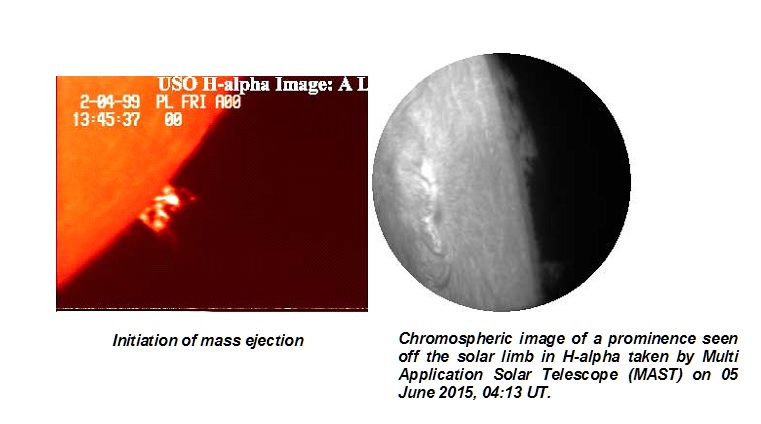
  • Objective: Aditya L1 will study the Sun’s corona (Visible and Near infrared rays), Sun’s photosphere (soft and hard X-ray), chromosphere (Ultra Violet ), solar emissions, solar winds and flares, and Coronal Mass Ejections(CMEs), and will carry out round-the-clock imaging of the Sun.
  • Challenges: The distance of the Sun from Earth ( approximately 15 crore kms on average, compared to the only 3.84 lakh kms to the Moon).This huge distance poses a scientific challenge.
    • Due to the risks involved, payloads in earlier ISRO missions have largely remained stationary in space; however, Aditya L1 will have some moving components which increases the risks of collision.
    • Other issues are the super hot temperatures and radiation in the solar atmosphere. However, Aditya L1 will stay much farther away, and the heat is not expected to be a major concern for the instruments on board.
Credits- Third Party Reference

Importance

  • Evolution of every planet, including Earth and the exoplanets beyond the Solar System, is governed by its parent star i.e the Sun in our case. The Solar weather and environment affects the weather of the entire system. Therefore, it is important to study the Sun.
  • Effects of Variation in Solar Weather System: Variations in this weather can change the orbits of satellites or shorten their lives, interfere with or damage onboard electronics, and cause power blackouts and other disturbances on Earth.
  • Knowledge of solar events is key to understanding space weather.
  • To learn about and track Earth-directed storms, and to predict their impact, continuous solar observations are needed.
  • Many of the instruments and their components for this mission are being manufactured for the first time in the country.

Lagrange Point 1

  • Lagrange Points, named after Italian-French mathematician Josephy-Louis Lagrange, are positions in space where the gravitational forces of a two-body system (like the Sun and the Earth) produce enhanced regions of attraction and repulsion.
  • The L1 point is about 1.5 million km from Earth, or about 1/100th of the way to the Sun.
  • L1 refers to Lagrangian/Lagrange Point 1, one of 5 points in the orbital plane of the Earth-Sun system.
  • These can be used by spacecraft to reduce fuel consumption needed to remain in position.
  • A Satellite placed in the halo orbit around the Lagrangian point 1 (L1) has the major advantage of continuously viewing the Sun without any occultation/ eclipses.
  • The L1 point is home to the Solar and Heliospheric Observatory Satellite (SOHO), an international collaboration project of National Aeronautics and Space Administration (NASA) and the European Space Agency (ESA).

Aditya L1 Mission

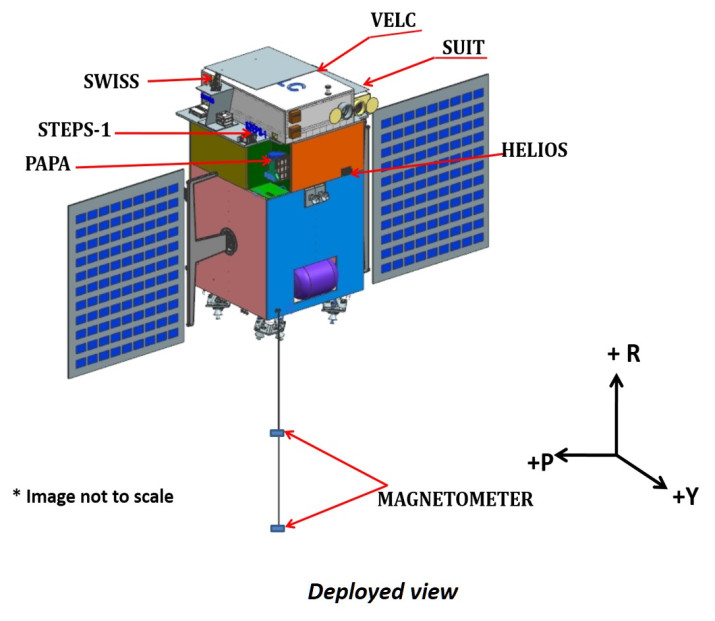
The Aditya-1 mission has conceived as a 400kg class satellite carrying one payload, the Visible Emission Line Coronagraph (VELC) and was planned to launch in a 800 km low earth orbit.  A Satellite placed in the halo orbit around the Lagrangian point 1 (L1) of the Sun-Earth system has the major advantage of continuously viewing the Sun without any occultation/ eclipses.  Therefore, the Aditya-1 mission has now been revised to “Aditya-L1 mission” and will be inserted in a halo orbit around the L1, which is 1.5 million km from the Earth.  The satellite carries additional six payloads with enhanced science scope and objectives.

The project is approved and the satellite will be launched during 2019 – 2020 timeframe by PSLV-XL from Sriharikota.

Aditya-1 was meant to observe only the solar corona.  The outer layers of the Sun, extending to thousands of km above the disc (photosphere) is termed as the corona.  It has a temperature of more than a million degree Kelvin which is much higher than the solar disc temperature of around 6000K. How the corona gets heated to such high temperatures is still an unanswered question in solar physics. 

Aditya-L1 with additional experiments can now provide observations of Sun’s Corona (soft and hard X-ray, Emission lines in the visible and NIR), Chromosphere (UV) and photosphere (broadband filters).  In addition, particle payloads will study the particle flux emanating from the Sun and reaching the L1 orbit, and the magnetometer payload will measure the variation in magnetic field strength at the halo orbit around L1.   These payloads have to be placed outside the interference from the Earth’s magnetic field and could not have been useful in the low earth orbit.

Credit- Third Party Reference

The main payload continues to be the coronagraph with improved capabilities.  The main optics for this experiment remains the same.  The complete list of payloads, their science objective and lead institute for developing the payload is provided below:

  • Visible Emission Line Coronagraph (VELC): To study the diagnostic parameters of solar corona and dynamics and origin of Coronal Mass Ejections (3 visible and 1 Infra-Red channels); magnetic field measurement of solar corona down to tens of Gauss – Indian Institute of Astrophysics (IIA)
  • Solar Ultraviolet Imaging Telescope (SUIT): To image the spatially resolved Solar Photosphere and Chromosphere in near Ultraviolet (200-400 nm) and measure solar irradiance variations – Inter-University Centre for Astronomy & Astrophysics (IUCAA)  
  • Aditya Solar wind Particle Experiment (ASPEX) : To study the variation of solar wind properties as well as its distribution and spectral characteristics – Physical Research Laboratory (PRL)        
  • Plasma Analyser Package for Aditya (PAPA) : To understand the composition of solar wind and its energy distribution – Space Physics Laboratory (SPL), VSSC        
  • Solar Low Energy X-ray Spectrometer (SoLEXS) : To monitor the X-ray flares for studying the heating mechanism of the solar corona – ISRO Satellite Centre (ISAC)
  • High Energy L1 Orbiting X-ray Spectrometer (HEL1OS): To observe the dynamic events in the solar corona and provide an estimate of the energy used to accelerate the particles during the eruptive events – ISRO Satellite Centre (ISAC)and Udaipur Solar Observatory (USO), PRL
  • Magnetometer: To measure the magnitude and nature of the Interplanetary Magnetic Field – Laboratory for Electro-optic Systems (LEOS) and ISAC.

With the inclusion of multiple payloads, this project also provides an opportunity to solar scientists from multiple institutions within the country to participate in space based instrumentation and observations.  Thus the enhanced Aditya-L1 project will enable a comprehensive understanding of the dynamical processes of the sun and address some of the outstanding problems in solar physics.

Other Missions to the Sun

  • NASA’s Parker Solar Probe’s aim is to trace how energy and heat move through the Sun’s corona and to study the source of the solar wind acceleration.
    • It is part of NASA’s ‘Living With a Star’ programme that explores different aspects of the Sun-Earth system.
  • The earlier Helios 2 solar probe, a joint venture between NASA and space agency of erstwhile West Germany, went within 43 million km of the Sun’s surface in 1976.

A more recent technical report on this topic by Dr. Angel, in which the idea is taken to another stage in development using only electromagnetic launch from Earth and no construction on the Moon or at L1

So we hope these mission will able to unveiled the secret of Sun’s Atmosphere and its Corona. Aditya L1 mission will create history for Indian Space Program and proved to be landmark as expected.

Reference- https://www.drishtiias.com/

Indian Cinema: A Hostage to Controversies

Bollywood is a traditional Indian movie. Vector illustration with marquee lights

Bollywood never runs out of issues that capture the nation’s headlines. Anyone who is a Bollywood fan knows that controversies and cinemas go hand in hand. The issues can be related to anything to everything in a movie, be it, the cast of the film or their personal beliefs to their personal lives, everything revolves around it.

Every time there is a movie that will attract politicians, certain communal groups or even the Indian censor board and it is not easy for a film to go down the throat of the sensitive people.

Over 63 movies have faced controversies by different communities since 2008 according to an internet source. The reasons range from religious (PK gained criticism for the projection of Hindu God in a manner unacceptable to people), political (Ae Dil Hai Mushkil was in the fire for casting a Pakistani actor, Fawad Khan), historical (Bajirao Mastani was accused of distorting facts related to the ruler Peshwa Bajirao and his wives) and community (Ek Thi Daayan has a report filed against it for the projection of witches in a bad light).
Lately, filmmakers have been struggling to make movies, a smooth run but the protestors have it all. Be it blackmailing to burning down the school bus, nothing seems to be enough for the haters to calm down their ‘pride’ and ‘ego’.
Moreover, there was a threat to chop off Deepika Padukone’s nose referring to the epic Ramayana where chopping off nose was a punishment.
Madhur Bhandarkar, a filmmaker said “Let’s accept that making historical and political films is a problem in India,” who refers to an old experience with Indu Sarkar (July, 2017) as a nightmare.
Nonetheless, the truth remains that the real issues that need peoples’ concern are lacking behind and are considered shameful to talk about.
We show rejection, intolerance for a movie being released who casts a Pakistani actor. Why? Was this reaction to be made over the issues like dowry, poverty or even women protection?
The humor is getting lost and people are becoming a hard rock statue that reacts only when it opposes ‘their’ sentiments or beliefs.

The thought needs to change, let the 1.3 billion people decide whether the movie is worth it or not.
Chief Justice Dipak Misra says”Cinemas are an inseparable part of the right to free speech and expression, States cannot issue notifications prohibiting the screening of a film.”
A movie despite controversies and hatred of certain groups still remains purely INDIAN, purely BOLLYWOOD that has the hard work of lakhs of people who worked day and night to get good results not anger and anguish of people.
Let’s think whether the ”VIRODH PRADARSHAN” is fair enough on part of being an Indian and a responsible human being.


IMPACT OF CORONA VIRUS ON POVERTY

                                                 -BY RAKESHITA

There is the world without grains and full of pains, mother with an empty stomach and father with the empty pocket who has that miracle rocket that took their pain and makes this tear rain stop make them walk?

This pandemic name COVID-19 is the virus which has a figure like a corona or crown they are a large family of viruses which may cause illness in animal and human beings.

The terms[1] we should understand are:


 Epidemic: it means an increase often sudden in a number of cases which can disturb the population of that area.

Endemic: As per the CDC, constant   presence or prevalence in a population within a geographical area.

Pandemic: An epidemic that has spread over several countries or continents usually affecting a large number of people.

Herd immunity: As per the CDC, herd immunity occurs when a sufficient proportion of a population is immune to an infectious disease through vaccinations on prior illness to make it spread from person to person unlikely.

Lockdown: that is the measure taken by the Indian government which is limiting the moment of the entire 1.3 billion population of India as preventive measures against the COVID-19 pandemic India.

Poverty is an economic imbalance, which can be classified as a curse to developing nations, society, community and individuals. There is a direct relationship between poverty and pandemic. The critical situation is when the poor were doing a job in the corners of the world and some in the different regions of the country when this was spread many people were dying due to disease and some with the future uncertainties, the basic issue was no job  then no money so how to live the life all the obligation of the family is on the man who is earning the bread and butter mainly the focus is the labour who stuck for the work in the other city while their family were in another place this made them wholly broken emotionally and psychologically.

The responsibility of the context was on the government they made sure that this category, of people, is undergoing through a lot they bring the labour to the home places through buses and various other possible alternatives. Pandemic was not at all in control at this circumstance still the work was intact by the government. In the scenario of the pandemic while other people we’re enjoying uncertain holiday these people were fighting for bread butter and the pain of not able to see the family.

The data[2] depicts the critical situation of the country by providing

-Active Cases 97,581

-Death 5598 

 -Migrated 1

Still, the government was not silent on the injustice for the daily wage worker. Many schemes were launched for example, PM SAVANIDHI scheme launched by the government to provide the affordable, loans to street vendors.

The measures taken by the government were highly appreciated. Therefore, the pandemic has deployed the country and economy. Blaming and questioning the government and authority is easy but being the member of this country every individual hold responsibility which arrives with the little efforts by sharing .

God doesn’t create poverty but we because, we don’t share.           

                                                                                                          – Mother Teresa

The first step is to save and stop the wastage as normal individual throwing the morning meal at evening, think the individual who doesn’t have any meal to eat, don’t waste give to the needy give to animals and utilise the resources rather than wasting. Think upon it little efforts can make things better rather than pointing the question on others. We need to understand the pressure on the government. In the final analysis, the one quality that all successful, people have is the ability to take responsibility.


[1] https://www.cdc.gov/globalhealth/countries/india/default.htm

[2] https://www.mohfw.gov.in/