

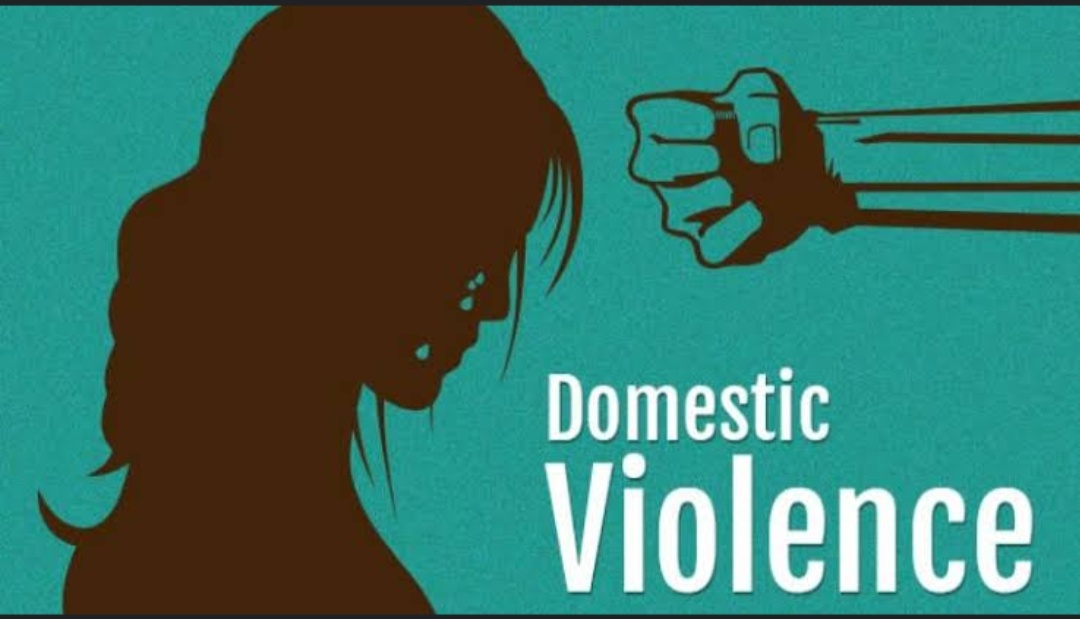
Domestic violence in India includes any form of violence suffered by a person from a biological relative, but typically is the violence suffered by a woman by male members of her family or relatives.
Domestic violence, or intimate partner violence (IPV) as it is sometimes called, is a worldwide problem.[10] Domestic abuse includes physical, emotional and sexual violence of any form. In India, the PWDVA also includes economic abuse under the definition of domestic violence.
Definition and law
Domestic violence is currently defined in India by the Protection of Women from Domestic Violence Act of 2005. According to Section 3 of the Act, “any act, omission or commission or conduct of the respondent shall constitute domestic violence in case it:
1: harms or injures or endangers the health, safety, life, limb or well-being, whether mental or physical, of the aggrieved person or tends to do so and includes causing physical abuse, sexual abuse, verbal and emotional abuse and economic abuse; or
2: harms, injures or endangers the aggrieved person with a view to coerce her or any other person related to her to meet any unlawful demand for any dowry or other property or valuable security; or
3: has the effect of threatening aggrieved person or any person related to her by any conduct mentioned in clause (a) or clause (b); or
4:otherwise injures or causes harm, whether physical or mental, to the aggrieved person.”
2005 it was made illegal Jammu and Kashmir, which has its own laws, has enacted in 2010 the Jammu and Kashmir Protection of Women from Domestic Violence Act, 2010.

Victims of domestic violence:
Women make up the largest group of victims. However, men, children, and elderly people may also be victims of domestic violence. Domestic violence occurs at all levels of society and in all population groups.
Abuse is usually intentional, but not always. For example, often people can no longer cope with family care. The situation can then escalate and lead to abuse.
Facts of domestic violence in India
The issue of gender-based violence in India has been on the political agenda for many years. And with substantial data, one thing is clear: rampant domestic violence against women in India is a reality. Every third woman, since she was 15 years of age, has been confronted with domestic violence of various forms in the country, according to the National Family Health Survey (NHFS-4) released by the Union Ministry of Health. Thus, the incubation of a new round of debate on the cultural underpinnings of domestic violence.
According to the survey, 27 percent of women have experienced physical violence in India since the age of 15. This experience of physical violence between women is more common in rural areas than among women in urban areas. Domestic violence cases, where women reported physical abuse in rural and urban areas, were 29 percent and 23 percent respectively.
The Protection of Women from Domestic Violence Act 2005 (PWDVA) sets out a comprehensive definition of domestic violence that encompasses all forms of physical, emotional, verbal, sexual, and economic violence and covers both actual acts of violence and threats of violence. Also, the PWDVA recognizes marital rape and treats harassment in the form of unlawful dowry claims as a form of abuse.
Domestic violence cases in India on the rise during CoVid-19
Recent data released by the National Legal Services Authority (NALSA) suggest that the nationwide lockdown has led to a rapid increase in cases of domestic violence. The data, which is categorized according to cases in different states suggest that Uttarakhand recorded the highest number of domestic violence cases in the last two months of lockdown. Haryana ranks on number two and the national capital Delhi on number three.
The report by NALSA documents cases from the start of the lockdown till May 15 and was collected through 28 State Legal Services (SLAs). Some shocking numbers were revealed in the report which mentioned that a total of 144 cases of domestic violence were reported in Uttarakhand. From Haryana, the number of cases were 79 and a total of 69 cases surfaced from Delhi.
The situation of increase in cases of domestic violence is not restricted to only India. The lockdown has brought the world to a standstill. The lives of women across the globe, who are in an abusive relationship have also come to a halt. The same violence is repeated and perpetrated frequently, and on a regular basis during the lockdown. Various domestic violence helplines and organizations all over the world are working constantly to deal with this global issue.
The COVID-19 lockdown has brought simmering tensions to the fore with many couples struggling to find a common ground and retain their sanity. From division of household chores, a partner binge eating or drinking or spending too much time on social media, all of these situations are giving rise to increased animosity among couples. Here’s how you can address each of them.
Steps That Survivors Of Domestic Violence Should Take:
1: Call the cops. If you are physically or sexually assaulted by your spouse, partner, or anyone else, call the police and ask for help immediately.
2: Take videos of the injuries. It’s important to keep some evidence of that attack, 3: Create a safety. Survivors of domestic violence should set up a safety plan for themselves and their children. A safety plan may involve stashing some money, clothing, phones, extra car keys, passports, I.D.s, and other essential documents in a safe place outside the house.

Conclusion
Domestic violence is one of the most egregious types of harassment suffered by women in our culture today. Statistics show that 85% of victims of domestic violence are female. Only 15% of the victims are men. Domestic violence can happen to anyone, regardless of race, creed, religion, or standing in the victim’s society. If the issue of domestic violence is not dealt with adequately, this type of abuse will continue to exist in all classes of society without an end. For us, as a society, to eradicate this horrible type of abuse, we need to stand together and make tougher laws to protect the victims of this abuse.

 Eduindex
You must be logged in to post a comment.