Life with or without Social media

There was a time when word social media wasn’t introduced. Earlier, there was plenty of time when people gather and gossip with each other, telling stories, myths and realities. Most interesting narratives were granny’s fables. People used to write letters for their loved ones and take around a week to reach. Then after some evolution radio came up. Listening to national or international news became very important and after some time print media came, then reading newspapers became an important part of life. Then, with incredible innovation of the human mind television came. Developing cities and growing villages are starting to influence television. First black and white came then colored boxes capture the prime location of every household. Whole families started watching television together which shows channels like DD national and other private channels. Other print mediums like weekly newspapers, magazines started appearing on a large scale. Then time changed and the process of communication came with word social media. It becomes a source for everyone to be updated about everything happening around the globe. Now, communication can be done so far in the world and in India. Social networking becomes a popular source of communication and entertainment as well. Some social networking sites like facebook, instagram, whatsapp, twitter, Skype etc.If we talk about the benefits and disadvantages of these then there are many such perks.

It has narrowed the distance between individuals. A man sitting in New York can chat anytime instantly. While in the past, it took days to send a photograph through courier. Now, one doesn’t need to wait to be updated about the latest news. One can easily get through social media easily. From watching movies to listening to songs, knowledge, latest updates everything is available on these social media platforms.

But it is not that social media don’t have demerits. In fact they have plenty of them. We even forget the phone numbers of our dear ones because of these smart social networking sites. We can connect through messaging or video conferencing. Right from morning to night people found themselves indulge into their smartphones they can’t even sit together for while without having their phones.

Our lives have been trapped in the net of networks. Now even we do not have time for yourself to sit with a free mind and relax for a while. A village dweller living in a remote location doesn’t even know about his personal data, his identity, his dislikes and we are living in a developed region storing all this information in the form of data on social networking sites.

Not even this, using phones all time leads to headaches in our youth. This generation is so advanced that they don’t know about customs, traditions. They only know how to socialize their world and to be trendy in their circle.

At its best, social media offers opportunities to reach a wide range to people with good connectivity and its worst, social media offers everyone an unprecedented opportunity to share without reflection.

Cash for vote scam.

Cash for vote scam.

The cash-for-votes scandal was an Indian political scandal allegedly masterminded by then Opposition Party Bharatiya Janata Party politician Sudheendra Kulkarni in which the United Progressive Alliance, the majority-holding parliamentary-party alliance of India led by Sonia Gandhi, allegedly bribed Bhartiya Janta Party MPs in order to survive a confidence vote on 22 July 2008. The vote in the Lok Sabha arose after the Communist Party of India (Marxist)-led Left Front withdrew support from the government, who wanted to pursue an Indo-US nuclear deal.

A Delhi court on Thursday put 11 former members of Parliament on trial for the 2005 cash-for-query scam. Special Judge Kiran Bansal framed graft and criminal conspiracy charges against the MPs. The trial will begin from January 12.

A sting operation by online news site Cobra post that aired on a private TV channel on December 12, 2005, showed the 11 MPs accepting cash in exchange for raising questions in the Parliament.

Out of the 11 MPs accused in the case, six were from the BJP, three from BSP, and one each from the RJD and Congress. They were Y G Mahajan (BJP), Chhatarpal Singh Lodha (BJP), Anna Saheb M K Patil (BJP), Manoj Kumar (RJD), Chandra Pratap Singh (BJP), Ram Sewak Singh (Congress), Narender Kumar Kushwaha (BSP), Pradeep Gandhi (BJP), Suresh Chandel (BJP), Lal Chandra Kol (BSP) and Raja Rampal (BSP). The Lok Sabha expelled 10 members, while Lodha, who was the sole Rajya Sabha member, was also expelled.

On December 24, 2005, the Parliament voted to expel the 11 MPs in a historic vote. Pranab Mukherjee, the leader of the house at the time, introduced a resolution asking for expulsion of the members while then Prime Minister Manmohan Singh did the same in Rajya Sabha.

While all parties had clamoured for action against the accused MPs, the BJP walked out of the vote saying it was a ‘kangaroo court’. BJP senior leader LK Advani, who was leader of the Opposition at the time, said that while what the MPs had done was corruption, but “more than that it was stupidity” and the punishment of expulsion was too harsh.

In January 2007, a Supreme Court verdict upheld the Parliament’s decision to expel the MPs. The MPs had filed a petition challenging their expulsion, which ignited a debate whether the court could interfere in Parliament procedures.

The Delhi High Court in 2007 directed the Delhi Police to book people involved in the offence. Two cobra post journalists, Aniruddha Bahal and Suhasini Raj, were also named in the chargesheet for abetting the offence under the Prevention of Corruption Act, but the case against them was later quashed, with the court ruling that no one could be prosecuted for carrying out sting operations.

The cash-for-vote scam rocked both the houses of parliament on Thursday after senior BJP leader L.K. Advani challenged the Government to arrest him in connection with the 2008 scandal. Speaking in the Lok Sabha, the BJP Parliamentary Party chief said that if the two BJP MPs are guilty in the cash-for-votes scam, then he should also be arrested.

Advani said that he was aware of a sting BJP conducted in 2008 to expose the UPA’s willingness to buy support to survive a trust vote.

Both the Lok Sabha and the Rajya Sabha had to be adjourned as the BJP pressed for the suspension of the Question Hour and demanded immediate discussion on the issue. While the Lok Sabha was adjourned till noon, the Rajya Sabha was adjourned till 12:30 PM after uproar over the scam.

Advani gave a notice for suspension of Question Hour in the Lok Sabha to discuss the new developments in the case. A similar notice was given in the Rajya Sabha by BJP member Ravi Shankar Prasad. It may be recalled that BJP MPs, Faggan Singh Kulaste and Mahavir Singh Bhagora, along with former Samajwadi Party leader Amar Singh were on Tuesday sent to judicial custody in the cash-for-votes scam.

Advani’s former aide Sudheendra Kulkarni, who has also been charge sheeted in the case, has been ordered to appear in court on September 19. The BJP and other Opposition parties have questioned as to why the Congress-led UPA government, which was the prime beneficiary in the cash-for-votes scam, has not been investigated.

With the onset of political stability and the introduction of universal adult suffrage, the votes had been the greatest liability offered to people of the country to choose their own government. But amidst the growing greed of power, the authenticity of casting of votes within the country and within the parliament had been a far cry. The cash for vote scam is one such type of scam, gained notion now-days, revealing the bitter secrets of the chosen one’s within the parliament.

The elected members of the parliament played a key role in bringing out new reforms and bills that would help the nation and the people of the nation to progress and develop. But seeing the today’s world scenario ,where money and politics go hand-in-hand, this power of the members has opened a door for outside gratifications for his valuable vote in favour of a particular party. The cash for vote scam reveals the involvement of Member of Parliament in changing their votes on the US-India Nuclear deal, thereby bringing in the ambiguity over its authenticity.

The involvement of senior samajwadi party leader Amar Singh and MP’s of Bhartiya Janta Party shows that the fixture on the deal had been on a very high level than thought. The US-India Nuclear deal is one of the important deals between India and US paving way for future development, thus an unbiased voting would have brought in a clear state of response. But the scam brought in an enigma among the members thus making the worst out of the deal, out of which the most can be make out.

The cash for vote scam also put forward the weakened disciplinary acts against the tormenters of democracy and showcases the line of breakage of trust among the members of the same party leading towards a huge political upheaval, showing clear signs of anarchy onset in the country. As the parties are facing a growing distrust from people, bringing in the need for a stable and fare government. A raging behaviour has started to grow up among the people of the country giving a clear sign of cutting off such types of scams.

 In a huge relief to former Samajwadi Party leader Amar Singh, L K Advani’s ex-aide Sudheendra Kulkarni and three BJP leaders including two MPs, a Court here today gave a clean chit to them in the 2008 cash-for-vote scam, saying facts on record do not create sufficient grounds for proceeding against them.

While discharging Kulkarni, BJP leaders Ashok Argal, Faggan Singh Kulaste (sitting MPs), former BJP MP Mahabir Singh Bhagora, and party activist Sohail Hindustani, the court said they had “the intention to expose horse was trading” which was corroborated by the fact that currency notes were taken to Parliament House and tabled to be viewed by the entire nation.

However, of the 7 accused, only one, Amar Singh’s former aide Sanjeev Saxena was ordered to be proceeded against under section 12 of Prevention of Corruption Act (abetment of offence relating to illegal gratification to a public servant). He was discharged of criminal conspiracy.

The cash-for-vote scam pertains to the BJP MPs displaying wads of currency notes during the July 22, 2008 trust vote in the Lok Sabha after the Left Front withdrew its support to UPA-I government on the issue  Of Indo-US nuclear deal.

While Singh and Kulkarni spent 49 and 52 days respectively in jail before they were granted bail, Kulaste, Bhagora and Hindustani spent two-three months in jail. Argal was granted anticipatory bail.

“…on study of record on the case and the documents submitted and after hearing the parties, this court has come to an opinion that facts that have emerged on record do not create sufficient grounds for proceeding against Sudheendra Kulkarni, Sohail Hindustani, Faggan Singh Kulaste, Mahabir Singh Bhagora, Amar Singh and Ashok Argal.

“They are accordingly discharged of all the offences,” Special Judge Narottam Kaushal said while absolving them of charges of criminal conspiracy and various provisions of the Prevention of Corruption Act.


Microservices part-2

Challenges facing with microservices

Automating the components 

Debugging

Configuration management

Different types of test for microservices

Unit testing

Acceptance test

Performance testing

Microservices vs Application interfere system

Microservices are an architectural style for web applications, where the functionality is divided up across small web services, APIs are the frameworks through which developers can interact with a web application

Design patterns for microservices 

It is divided into five patterns

Decomposition patterns

Decomposition of the application according to 

Subdomains of application

Business capability

Integration patterns

API gateway

Database patterns

Database per service

CQRS(Command Query Responsibility Segregation)

Images

Observability patterns

Performance matrix

Health check

Cross-cutting concern patterns

Circuit breaker 

Principles behind microservices

Independent&autononomous service

Scalability

Availability

De centralization

Isolation from failure

Companies using microservices

Amazon

Amazon’s “service-oriented architecture” was largely the beginning of what we now call microservices

Google

Google built systems that share many characteristics with microservices

Netflix

The microservices architecture allowed Netflix to greatly speed up development and deployment of its platform and services

How do microservices communicate?

Generally, microservices communicate using HTTP (hypertext transfer protocol)

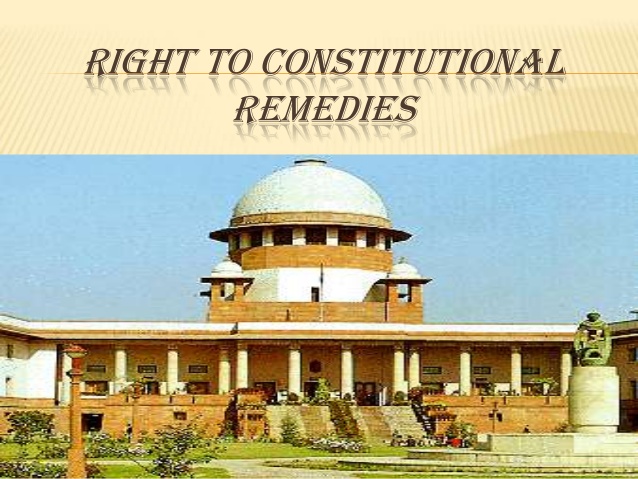
Fundamental Rights – Right to Constitutional Remedies

Introduction

Fundamental rights are those rights which are essential for intellectual, moral and spiritual development of citizens of India. As these rights are fundamental or essential for existence and all-round development of individuals, they are called ‘Fundamental rights’. These are enshrined in Part III (Articles 12 to 35) of the Constitution of India.

These include individual rights common to most, such as equality before the law, freedom of speech and freedom of expression, religious and cultural freedom, Freedom of assembly (peaceful assembly), freedom of religion (freedom to practice religion), right to constitutional remedies for the protection of civil rights by means of writs such as Habeas Corpus, Mandamus, Writ of Prohibition, Certiorari and Quo Warranto.

Fundamental rights apply universally to all citizens, irrespective of race, birthplace, religion, caste or gender. The Indian Penal Code, Code of Criminal Procedure and other laws prescribe punishments for the violation of these rights, subject to the discretion of the judiciary. Though the rights conferred by the constitution other than fundamental rights are also valid rights protected by the judiciary, in case of fundamental rights violations, the Supreme Court of India can be approached directly for ultimate justice as per Article 32. 

There are six fundamental rights recognised by the Indian constitution:

  1. Right to equality (Articles. 14-18)
  2. Right to Freedom (Articles. 19-22)
  3. Right Against exploitation (Articles. 23-24)
  4. Right to Freedom of Religion (Articles. 25- 28)
  5. Cultural and Educational Rights (Articles. 29-30), and
  6. Right to Constitutional remedies (Articles. 32-35)

ENFORCEMENT OF FUNDAMENTAL RIGHTS  

The right to constitutional remedies is present for enforcement of fundamental rights.

Right to constitutional remedies (Articles 32 to 35) empowers the citizens to move to a court of law in case of any denial of the fundamental rights. For instance, in case of imprisonment, any citizen can ask the court to see if it is according to the provisions of the law of the country by lodging a public interest litigation. If the court finds that it is not, the person must be freed. This procedure of asking the courts to preserve or safeguard the citizen’s fundamental rights can be done in various ways. The courts can issue various kinds of writs protecting the rights of the citizens. These writs are:

  • habeas corpus
  • mandamus
  • Writ of Prohibition
  • quo warranto
  • certiorari

This allows a citizen to move to court if they believe that any of their Fundamental Rights have been violated by the State. Article 32 is also called the citizens’ right to protect and defend the constitution as it can be used by the citizens to enforce the constitution through the judiciary. Dr. B. R. Ambedkar declared the right to constitutional remedies “the heart and soul” of the Indian constitution. When a national or state emergency is declared, this right is suspended by the government under article 359.

Under article 32 Supreme court acts as a guarantor and defender of the fundamental rights. Furthermore, it is originally under the Supreme Court’s jurisdiction power to issue the writs. By virtue of Article 32, an aggrieved Indian citizen has the right to file a fundamental right enforcement action directly at the Supreme Court. In Ramesh Thappar v. State of Madras, AIR 1950 SC 124, the Supreme Court ruled that a petitioner can go straight to the Supreme Court to enforce his rights without having to go to a High Court first.

Thus, it means that a person can directly approach the Supreme court for the remedy instead through the way of appealing.

Also, it is important to note that article 32 can be invoked only to get remedies related to fundamental rights. Thus, it cannot be there for any legal or constitutional right. For these rights, there are different laws available.

The High Courts of India, also have the jurisdiction to entertain matters on enforcement of Fundamental Rights. Article 226(1) of the Indian Constitution provides as follows:

Notwithstanding anything in Article 32, every High Court shall have powers throughout the territories in relation to which it exercise jurisdiction to issue to any person or authority, including in appropriate cases, any Government, within those territories, directions, orders or writs including writs in the nature of habeas corpus, mandamus, prohibitions, quo warranto and certiorari, or any of them, for the enforcement of any of the rights conferred by Part III and for any other purpose”

The scope of the High Court’s jurisdiction is much wider than that of the Supreme Court. However, unlike the Supreme Court which has jurisdiction over the whole of India, territorial jurisdiction limits the scope of the High Court.

CONCLUSION

The fundamental rights created under the India Constitution are necessary for a democratic society. Articles 32 and 226 are very vital provisions, as they give citizens the medium through which they can enforce their fundamental rights, and seek appropriate remedies.  They protect and act as a guardian of fundamental rights of the citizens enrished in part III of the Constitution.

Legal Aspects of Domestic Violence Against Men


The term “domestic violence” includes a broad range of violent acts committed by one member of a family or household against another. It often refers to the mistreatment of a child or spouse, and includes not only physical harm but also threats and verbal, psychological, and sexual abuse. The relationship of the abuser to the victim is the key distinction between other assault crimes and domestic violence. In India, domestic violence is always believed to be inflicted on women. However, during personal interactions with many males in society and in the organized setups such as industries and offices, it was observed that men also suffer from domestic violence. Due to stereotyped gender roles, it is hardly believed by society that a woman can inflict violence on men. Many courts also commented on false allegations of domestic violence by women. Men are still not ready to speak of this violence against them and they are ignorant about any legal help to avoid this.

Comparison of India and Other Countries

The prevalence of spouse/intimate partner violence (51.5%) in the latest Indian study2 was found to be higher than data collected for domestic violence under partner abuse state of knowledge project (PASK) from the USA, Canada, and the UK (19.3%).

Domestic violence was recognized as a criminal offense in India in 1983. The offense is chargeable under section 498A of the Indian Penal Code.

Prevalence

Scarce research data on domestic violence against men are available in the scientific literature.

However, according to a recent study, 51.5% males experienced violence at the hands of their wives/intimate partner at least once in their lifetime and 10.5% in the last 12 months.

According to the National Family Health Survey, 2004, this violence is not always inflicted by the female partner/wife but many a time by a male relative of the wife attacks or threatens the man. When physical violence and threats against men by wife’s relatives are taken into account, an estimated 3 crore men are facing domestic violence in India.

In a study conducted by My Nation along with Save Family Foundation (Delhi) on domestic violence against men, between April 2005 and March 2006, 1,650 men were interviewed and their personal cases looked into. The study concluded that Indian women were the most abusive and dominating.

From all over India, 98% of the respondents had suffered domestic violence more than once in their lives. The study covered Indian husbands from various socioeconomic strata, but the bulk of the respondents, according to the researchers, came from the upper middle class and the middle class.

Nadda et al found much higher physical violence, 35% and 26.9%, respectively, against women this reflecting that Indian women are much less physically aggressive than Indian men. Gender symmetry does not exist in India for physical violence.

Types of Violence

Domestic violence has been recognized across the world as a form of violence that affects a person’s life in every way, physically, mentally, emotionally, and psychologically, and is a violation of basic human rights. In a recent study by Malik and Nadda, the most common spousal violence was found to be emotional followed by physical violence.

Physical Violence

This can include slapping; pushing; hitting by wife, her parents, or relatives; or throwing objects like utensils, cell phones, and crockery at the husband. In physical violence, slapping was identified as the most common form (98.3%) and the least common was beaten by weapon (3.3%). Only in one-tenth of the cases, physical assaults were severe.2

Psychological Violence

In emotional violence, reported 85% abuse against the men was criticism, 29.7% were insulted in front of others, and 3.5% were threatened or hurt. It can also be in the form of mental abuse such as constant threats to the husband and his family under false allegations of dowry and domestic violence.

Types of Crime Committed Against Men in India

At home or at the workplace to avoid punishments or to get some rewards, men too can be involved in sexual activity by force. In many states of India, a young man with good qualifications and income is abducted and forced to marry without his consent. False rape and other charges such as molestation are also common. Since law and society always traditionally favor females as the weaker sex, many a time, false complaints of sexual abuse/rape are lodged against men. This is true regarding cases against men under 498A (domestic violence) and false dowry cases, and the same was expressed by various courts during their proceedings.

Effects of Domestic Violence Against Men

Any violence affects life physically, mentally, emotionally, and psychologically. It is also a violation of basic human rights. Unreported and unnoticed violence against men may lead to denial in accepting the family, divorce, depression, or suicide in extreme cases. It has been observed that suicides were more in married men as compared to separated/unmarried men. According to WHO (2002), women think more about committing suicide, whereas men die by suicide more frequently. This is also known as a gender paradox in society.

According to WHO, exposure to violence can increase the risk of smoking, alcoholism, and drug abuse; mental illness and suicidality; chronic diseases such as heart disease, diabetes, and cancer; infectious diseases such as HIV, and social problems such as crime and further violence.

Legal Issues

Despite the data available, suggesting violence against men, no law to protect men is yet to be formed by the legislature. All laws for controlling domestic violence consider women as victims. Antidowry laws Dowry Prohibition Act, 1961, and later Section 498A passed by the Supreme Court of India already show the concern and asked to stop the “Legal Terrorism” in the form of misuse of 498A and the necessary changes to be made by the Parliamen

Need for Gender Neutral Laws

In cases where men are falsely accused of violence or dowry, a law which can address these false allegations is the need of the hour. Human rights and gender equality should include both men and women. Domestic violence should be considered as spousal violence and must not be differentiated due to gender.

Domestic violence act in India is for women only. Studies show that men are also the victims of violence at the hand of women. Hence, necessary amendments addressing violence against men are suggested.

‘Education for All’ Policy in India

For any nation to thrive ,great well being and training are sine qua non for dominant part of its populace. No nation can develop in a manageable way on the off chance that it doesn’t have an accomplished society. Further a law based framework suits taught individuals, as they can cast their decision in a free and reasonable way.

India has seen jobless development since 2000, which has added to GDP numbers however has not converted into great life for a lion’s share of its populace. Still half of individuals are in engaged with horticulture and are poor. India has extremely helpless record of kid care and instruction. Henceforth a few authoritative and managerial advances were taken to improve instructive status of people.

India instituted right to instruction act in year 2000 and propelled the sarva shiksha abhiyan crusade to taught the majority. The law which made essential instruction upto 14 years old a crucial right was not fruitful and the administration saw countless dropout kids from training. The reason for this was dissected and it was discovered that the neediness which hits countless populace is an obstacle in the best possible usage of the program. Consequently another arrangement was worked out that of early afternoon supper framework, which accommodated one blistering and sound dinner for each kid going to class. This plan certainly observed increment in youngsters going to class.

Training framework in India anyway experiences numerous ceaseless issues initially is helpless learning and second is higher number of self destruction among children’s.

An ongoing report by ASER shows low quality of learning , countless understudies of class VIII couldn’t do essential science and couldn’t peruse class third content . Does this examination show failure of Indian youngsters ? the response to this inquiry is a major NO. As cited by Jackie Chan in a film “There is not at all like an awful understudy just the educator is awful”. the statement shows that youngsters are not awful just the training framework can’t take into account their necessities . It is progressively focused on bundling of instruction in various classes and quantitation of result as far as rate . It doesn’t concentrate on learning just as assessment as a procedure .

So also the issue of youngsters ending it all because of helpless numbers in board or different classes because of companion or parental weight appears to have originated from the terrible showing of instruction framework. The framework punishes youngsters for not acting as imprints. Educators regularly embarrass student who get helpless imprints in assessment . There is no extent of offering support to such understudy nor does the instructor discovers issues in his educating techniques. As the instructor is given a recognizable objective of getting more pass rate henceforth he/she utilizes all methods important to force youngsters to get however much checks as could be expected.

The rate arrangement of assessment squeezes kids in their youth. Training should give learning ground and condition to youngsters, it must urge them to learn things at their pace.

In India Glorification of higher rate workers in class X and XII board further compounds circumstance. It should in certainty think about execution of training framework.

The school sacks of kids are one more issue . The heaviness of school sacks have been continually expanding , kids are troubled with physical load of the books as well as with ceaseless schoolwork’s and task. Every one of these things leave almost no an ideal opportunity for self examination and play.

Games and sports are not influence of educational plan in India. There is no imprints given on that premise, henceforth focal point of our instruction framework is slanted. It doesn’t target in general improvement of kid.

Impact of Digital Technologies on Globalization

Globalization is the free progression of products, administrations, thoughts, individuals and culture over the globe and positively it is legitimately relative to the modernity and infiltration of the advanced innovations as in the above case. The above model is only a scaled down type of the bigger picture that shows the effect of advanced advances on globalization. Truth be told in the time of digitization the free stream has gone past the physical boundaries and come to connect with the ways of life and financial direction of people. From utilization of the online networking to the watching of kid’s shows on the TV are all piece of the globalization procedure.

The advanced innovation has a broad effect on the economy; it might be stream of products or administrations. The web has empowered the development of the administration area past the physical field. The rising KPO’s, BPO’s, IPO’s in the creating countries like India because of arrangement of talented and modest work is one of the effects. Additionally the utilization of the well informed items in extremely determined by and thus drives the globalization procedure. Utilization of GPS for route is a piece of regular daily existence of the metropolitan scene. The globalization activated by advanced advances surely assists without hardly lifting a finger and empowers improvement and yet it has restrictions which are noticeable on the different measurements. Isn’t it genuine how the American govt abused the innovation in the war against Iraq to misinform the neighborhood troops into a snare? Additionally the innovation involves conflict on the military and the key side in India also that traces the nearby observing the basic data of the remote land. Isn’t it genuine that the blue whale game that as of late got well known among youth took the blameless carries on with driven by numbness of the adolescents including the pernicious goals of the engineer? This isn’t just restricted to these unequivocal effects rather goes much past this. The utilization of an outside innovation or great or thought or administration instigates both positive and negative effects. On one side it assists with the procedure of social designing in this way helping the breaking of restrictions, particularities and generalizations. However, then again it regularly detaches the people from the social real factors and obligations. Additionally his/her direction changes inverse to the requests of the general public. By what means can a little kid learn as the profundity of his social and virtues if at the early age he is associated with the web based life like Facebook, gaming applications and remote culture based kid’s shows. This estranges him from the general public as well as ruins with the procedure of his inside and out turn of events. He/she can’t blend in with the general public and will in general create social and mental injury like a sleeping disorder, discouragement, and so on. The counter social and hostile to human activities of youngsters with the prompting of the Blue Whale game are one such delineation of the bigger picture. Likewise the vicious gaming applications or the unlawful recordings or applications degenerate of these youthful personalities. Delicate issues like sex are available to the kid as sex entertainment that drives the kid into indecencies. The thing which ought to have been steady through the sex instruction at different levels presently enters along the social instruments of socialization and frequently debases their psyches. The equivalent goes straightforwardly and in a roundabout way with the individuals working in the administration division as per the clock of a remote country. These people get an occasion for a Christmas however not for neighborhood celebrations like Diwali for the Indian case. They are mingled and refined purposely and non-deliberately in a manner that isn’t fit isn’t fit to their genuine condition. They also are estranged from their prompt environmental factors and need to confront different criticality. On the opposite end the physical preparation also makes the people face a torment of an outsider social milieu that isn’t at standard with the social and good needs of his. He can’t appreciate the ends of the week with his family positioned a great many kms away. He can’t share his accomplishments and disappointments through the physical methods. By the manner in which it is computerized innovation that assists with the correspondence like the video calling applications and others.

By the by this procedure has assisted with the reconciliation of the countries at a pace a lot quicker than what the conventional procedures can. The intermixing of the way of life and breaking of the social biases are not many of the numerous advantages this empowers. Like a young lady sitting in a room gets associated with the estimations of various social orders discovers that she is no not as much as his sibling who is offered a superior eating regimen and treatment in the family. She may learn on the off chance that she wishes different channels legitimate just as good to drive an adjustment in the mentalities and conduct of her family. Additionally the guardians may understand reality that is taken cover behind the shroud of obliviousness and these breaks with the deep rooted exploitative practices that are injust and improper.

The reconciliation of computerized innovations and globalization are one of the most basic changes in the anthropological feeling of the term. It is this that should acquire the fourth modern upset. The effect is multi-faceted and multi-dimensional. The countries need to ensure this is arranged and managed so as to make it serve the procedure of human turn of events. As it is properly said “Science/innovation is a decent hireling however a terrible ace”

Raising an ECO-FRIENDLY Generation

We as a generation were born with resources available to us at a switch of a button. But would that be the same considering our irresponsible usage?

Let’s make a few lifestyle changes and teach our kids to become eco-friendly and live in a sustainable environment and household.

  • WATER CONSERVATION:
Cropped image of woman putting toothbrush under water - Stock ...

Do not encorage your kids to take long showers. Teach them to take a bucket water bath and advice them on keeping the taps shut. If they brush their teeth with running tap water, show them how water is needed only while rinsing the mouth. Tell them the importance of water in our lives and how it is essential to survive.

  • PAPER WASTAGE:
Using Technology To Reduce Paper Waste - Food & Nutrition Magazine

Encourage your children to use both sides of the paper. Tell them how papers are made from trees and the importance of trees in our lives. Adopt paper savvy techniques like using of eco-friendly notebooks and e-newspapers instead of hardback papers.

  • PLANT TREES, INHALE FRESH:
How to start your own tree planting project — TreeSisters

Plant trees in your backyard with them. You can teach them the art of gardening and also tell them about compost pits. It is a good hobby for your kids to row up nurturing a living organism and to be compasssionate towards others.

  • BEST OUT OF WASTE:
Best Out Of Waste Ideas : Best Things Made From Car Tyres

Making interesting and useful objects at home from waste will be a good bonding activity. One can make creative items like newspaper wall hangings, old plastic bottles can be made into show pieces or pen stands,etc.Show them how to reusee than discarding and hence creating less wastage.

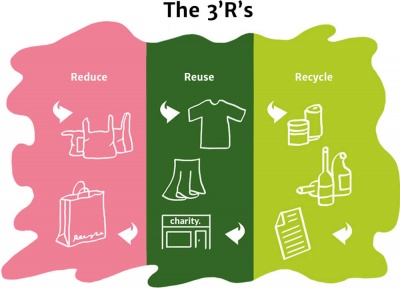
  • REUSE- REDUCE -RECYCLE:
Reduce, Reuse, Recycle - Knowledge Bank - Solar Schools

Use tote bags or bins when shopping, say no to the plastic shopping bag. Select packaging that does not have a lot of excess waste. Use dinnerware that can be washed instead of paper plates and plastic ware. Only buy things that you will use in the immediate future.

Give your discards a chance at a second life by holding a yard sale or donating items to Goodwill, the Salvation Army, Habitat for Humanity, or other charitable outlets.  Contact schools and nursery schools to find out different types of items they reuse for art projects.  Donate used books to the Library.  Several organizations take used cars and even boats. 

India as the elected Non-Permanent member of the UNSC

India has been elected as a non-permanent member of the UN Security Council.

For this two-year term, India is the only endorsed candidate from the Asia Pacific States. The country has won 184 votes out of the 192 ballots cast in the entire elections.

The country’s term as the non-permanent member of the UNSC would commence from January 1, 2021. It of course, isn’t the first time when India has served in this position as the country is all set for its 8th term as the non-permanent member at the Security Council.

The previous eight years for India have been for the terms 1950-1951, 1967-1968, 1972-1973, 1977-1978, 1984-1985, 1991-1992 with the last term being in 2011-2012.

The countries such as Ireland, Norway and Mexico have also won the Security Council elections along with India for the non-permanent membership.

Ministry of External Affairs had launched a brochure during the election campaign which outlined India’s priorities. According to that, the country will be directed by five priorities under the predominant theme of New Orientation for a Reformed Multilateral System (NORMS). These priorities include would include:

Firstly, the new opportunities for progress. As a constructive contributor to the security of the global commons and undoubtedly a rule-abiding democracy, India will work positively with the partners with the aim to bring inclusive and innovative solutions which would foster development. The objective specifically revolves for greater engrossment of women and youth to shape a new paradigm. The idea behind it is to present a platform for a coherent, nimble, pragmatic and effective collaboration to ensure complete sustainability of peace in a generation of rapidly shifting global security landscape.

To an effective response to International terrorism, India had also planned to pursue strong and result-oriented action by the Council which is aimed at addressing the abuse of the Information and Communication Technology by terrorists. It is also aimed at disrupting their nexus with transnational organised criminal entities and their sponsors. Additionally, it will also be halting the flow of terror finance. Thus, strengthening operative and normative frameworks for greater coordination with other multilateral mediums.

Reforming the mentioned multilateral system will also commence. Thereby addressing the widespread concerns of the inadequacy and lack of existing multilateral establishments to deliver outcomes or meet the new challenges.

The reformation of the multilateralism is looked as a must for the post-COVID19 era. The first and the most vital step which is sought at the moment is the reform of the Security Council itself. It looked to amend so that it reflects contemporary realities in order to be more effective.

A comprehensive approach which will also be taken towards the International peace and security as India’s vision for the same is steered by the dialogue and cooperation, mutual respect, and ofcourse its commitment to international law.

However, streamlining the UN peacekeeping is an overdue task. Greater clarity, professionalism, direction must be ensured in the UN Peacekeeping Operations.

Thus, promoting the technology with a human governance stands as a driver of solutions. To this, India mentions to encourage partnerships which will harness the benefits of technological innovations. Ultimately reducing the human suffering, enhancing the ease of living and building resilient communities.

The country looks to pursue these priorities through the Five-S approach plan: Samman (Respect), Sahyog (Cooperation), Samvad (Dialogue), Samriddhi (Prosperity) and Shanti (Peace).

International organisational behaviour

The international organisational behaviour examines from an international perspective and within the international context.

Influence of international organisational behaviour

• how culture effects human performance

• how culture diffefences can be used to enhanced key organisational functions

• cultural values and major frameworks for understanding culture

• Motivation and work values, communications, negotiations and crosscross-cultural conflict resolution , groups and teams, leadership , decision making , ethics, and human resources management .

Singnificance of International Organisational Behaviour

▪︎The international context of OB is becoming increasingly significant as organisations expand beyond their national boundaries

▪︎Managers of Multinational firms have to manage a variety of social, political and economic environment as well as unique individual differences

▪︎The difference at the level of the individual include individualism/ collectivism , power distance , uncertainty avoidance , and masculinity/femininity , which are different in different countries.

▪︎ Managerial leadership is the process of influencing others to direct their efforts towards the achievement of specific goals

▪︎ It is not possible to transfer business practices directly from one country to other country

▪︎ In some countries, the emphasis on production rather than productivity becomes a barrier to the improvement of the performance of the organisation

Organisational characteristics in an International context

cross cultural influences are found to exist on:

▪︎Environment

▪︎Technology

▪︎Organisational structure and organisational change

Universalism in leadership

Transformational leadership is projected as an approach which can cut across cultural barriers and be effective in any organisation anywhere in the world and represents a higher level of leadership.

Specially the transformational leader:

  • Articulates a vision
  • Breaks from status quo (current affairs)
  • Provides goals and plans
  • Gives meaning or purpose to goal
  • Takes risk
  • Build a power base expertise, respect and the admiration of followers
  • Demonstrates high ethical and morale standards

The international context of organizational inbehavior is becoming increasingly significant as organizations expand beyond their national boundaries. Managers of multinational firms have to manage a variety of social, political and economic environments as well as unique individual differences. The differences at the level of the individual include individualism/collectivism, power distance, uncertainty avoidance, and masculinity/femininity, which are different in different countries.

Managers need to be sensitive to cultural differences across different countries to achieve their goals in the global economy. The various aspects that differentiate cultures are people’s perceptions, their relationship with their environment, the time dimension, and the importance attached to public and private space. Differences between countries in these cultural aspects affect the way business can be conducted across the globe. Employees who travel to a foreign country for work find it difficult to adapt to the new culture because of factors like parochialism, ethnocentrism and culture shock.

 In some countries, the emphasis on production rather than productivity becomes a barrier to the improvement of the performance of the organization. It is not possible to transfer business practices directly from one country to the other. It is also not possible to use either the home country practices or the traditional practices of the host country. In such a situation, the best approach for expatriate managers would be to operate within the scope of home office policies, after adapting them to fit the culture of the host nation.

Theory Z is an example of an organizational approach that integrates American and Japanese management styles. The traditional and conservative approach to leadership cannot be used for organizations with a global presence. Globally competent managers have a good understanding of the worldwide business environment from a global perspective and try to learn about various cultures in order to carry out business operations in different countries successfully.

WORLD HEPATITIS DAY

Hepatitis D Symptoms and Transmission

World Hepatitis Day, observed on July 28 every year, aims to raise global awareness of hepatitis — a group of infectious diseases known as Hepatitis A, B, C, D, and E — and encourage prevention, diagnosis and treatment. The date of 28 July was chosen because it is the birthday of Nobel-prize winning scientist Dr Baruch Blumberg, who discovered hepatitis B virus (HBV) and developed a diagnostic test and vaccine for the virus. This year’s theme is “Hepatitis-free future,” with a strong focus on preventing hepatitis B among mothers and newborns. On 28 July, WHO will publish new recommendations on the prevention of mother-to-child transmission of the virus. According to the World Health Organization (WHO), after tuberculosis, the second major killer infectious disease is Hepatitis.

Your liver is located in the right upper area of your abdomen. It performs many critical functions that affect metabolism throughout your body, including:

  • bile production, which is essential to digestion
  • filtering of toxins from your body
  • excretion of bilirubin (a product of broken-down red blood cells), cholesterol, hormones, and drugs
  • breakdown of carbohydrates, fats, and proteins
  • activation of enzymes, which are specialized proteins essential to body functions
  • storage of glycogen (a form of sugar), minerals, and vitamins (A, D, E, and K)
  • synthesis of blood proteins, such as albumin
  • synthesis of clotting factors

Hepatitis is an inflammation of the liver. The condition can be self-limiting or can progress to fibrosis (scarring), cirrhosis or liver cancer. Hepatitis viruses are the most common cause of hepatitis in the world but other infections, toxic substances (e.g. alcohol, certain drugs), and autoimmune diseases can also cause hepatitis.

There are 5 main hepatitis viruses, referred to as types A, B, C, D and E. These 5 types are of greatest concern because of the burden of illness and death they cause and the potential for outbreaks and epidemic spread. In particular, types B and C lead to chronic disease in hundreds of millions of people and, together, are the most common cause of liver cirrhosis and cancer.

Hepatitis A and E are typically caused by ingestion of contaminated food or water. Hepatitis B, C and D usually occur as a result of parenteral contact with infected body fluids. Common modes of transmission for these viruses include receipt of contaminated blood or blood products, invasive medical procedures using contaminated equipment and for hepatitis B transmission from mother to baby at birth, from family member to child, and also by sexual contact. 

Acute infection may occur with limited or no symptoms, or may include symptoms such as jaundice (yellowing of the skin and eyes), dark urine, extreme fatigue, nausea, vomiting and abdominal pain.

Scientists have identified 5 unique hepatitis viruses, identified by the letters A, B, C, D, and E. While all cause liver disease, they vary in important ways.

Hepatitis A | Bureau of Infectious Disease Control | Division of ...

Hepatitis A virus (HAV) is present in the faeces of infected persons and is most often transmitted through consumption of contaminated water or food. Certain sex practices can also spread HAV. Infections are in many cases mild, with most people making a full recovery and remaining immune from further HAV infections. However, HAV infections can also be severe and life threatening. Most people in areas of the world with poor sanitation have been infected with this virus. Safe and effective vaccines are available to prevent HAV.

Hepatitis B virus (HBV) is transmitted through exposure to infective blood, semen, and other body fluids. HBV can be transmitted from infected mothers to infants at the time of birth or from family member to infant in early childhood. Transmission may also occur through transfusions of HBV-contaminated blood and blood products, contaminated injections during medical procedures, and through injection drug use. HBV also poses a risk to healthcare workers who sustain accidental needle stick injuries while caring for infected-HBV patients. Safe and effective vaccines are available to prevent HBV.

Hepatitis C virus (HCV) is mostly transmitted through exposure to infective blood. This may happen through transfusions of HCV-contaminated blood and blood products, contaminated injections during medical procedures, and through injection drug use. Sexual transmission is also possible, but is much less common. There is no vaccine for HCV.

Hepatitis D virus (HDV) infections occur only in those who are infected with HBV. The dual infection of HDV and HBV can result in a more serious disease and worse outcome. Hepatitis B vaccines provide protection from HDV infection.

Hepatitis E virus (HEV) is mostly transmitted through consumption of contaminated water or food. HEV is a common cause of hepatitis outbreaks in developing parts of the world and is increasingly recognized as an important cause of disease in developed countries. Safe and effective vaccines to prevent HEV infection have been developed but are not widely available.

How hepatitis is diagnosed

History and physical exam

To diagnose hepatitis, first your doctor will take your history to determine any risk factors you may have for infectious or noninfectious hepatitis.

During a physical examination, your doctor may press down gently on your abdomen to see if there’s pain or tenderness. Your doctor may also feel to see if your liver is enlarged. If your skin or eyes are yellow, your doctor will note this during the exam.

Liver function tests

Liver function tests use blood samples to determine how efficiently your liver works. Abnormal results of these tests may be the first indication that there is a problem, especially if you don’t show any signs on a physical exam of liver disease. High liver enzyme levels may indicate that your liver is stressed, damaged, or not functioning properly.

Other blood tests

If your liver function tests are abnormal, your doctor will likely order other bloodtests to detect the source of the problem. These tests can check for the viruses that cause hepatitis. They can also be used to check for antibodies that are common in conditions like autoimmune hepatitis.

Ultrasound

An abdominal ultrasound uses ultrasound waves to create an image of the organs within your abdomen. This test allows your doctor to take a close at your liver and nearby organs. It can reveal:

  • fluid in your abdomen
  • liver damage or enlargement
  • liver tumors
  • abnormalities of your gallbladder

Sometimes the pancreas shows up on ultrasound images as well. This can be a useful test in determining the cause of your abnormal liver function.

Liver biopsy

A liver biopsy is an invasive procedure that involves your doctor taking a sample of tissue from your liver. It can be done through your skin with a needle and doesn’t require surgery. Typically, an ultrasound is used to guide your doctor when taking the biopsy sample.

This test allows your doctor to determine how infection or inflammation has affected your liver. It can also be used to sample any areas in your liver that appear abnormal.

This year’s theme is “Hepatitis-free future,” with a strong focus on preventing hepatitis B among mothers and newborns. On 28 July, WHO will publish new recommendations on the prevention of mother-to-child transmission of the virus. According to the World Health Organization (WHO), after tuberculosis, the second major killer infectious disease is Hepatitis.

Worldwide, 290 million people are living with viral hepatitis unaware. Without finding the undiagnosed and linking them to care, millions will continue to suffer, and lives will be lost. On World Hepatitis Day, 28 July, we call on people from across the world to take action and raise awareness to find the “missing millions”.

When the existence of supreme Hindu Lord Rama, was questioned in the courtroom. Good or Bad of Democracy? |You Decide

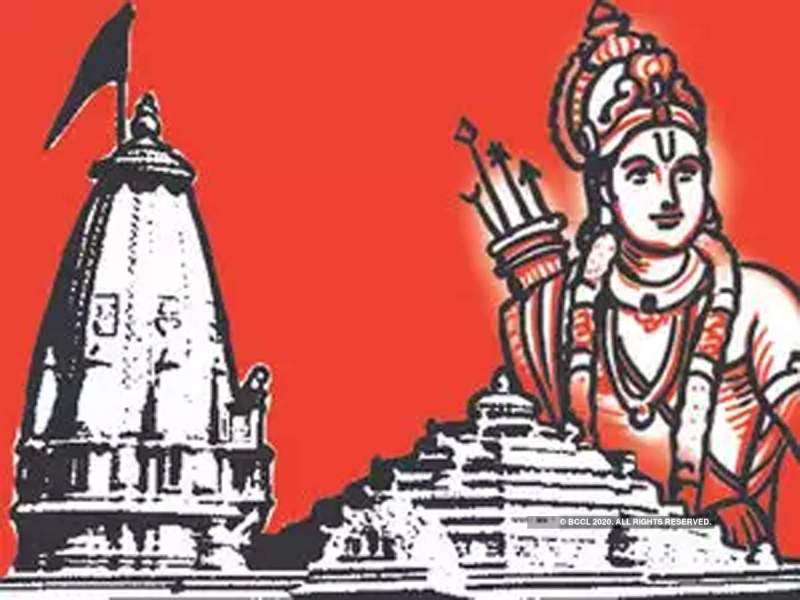
Representation of Ayodhaya’s Rama Temple

India being a Hindu majority, unlike many other countries never called itself a Hindu Rashtra (Nation). This is obviously so great of Indian constitution that has no religious identity of its own, this was done so that people of other faiths in India feel safe and secured under a non-religious constitution. This sets India different in many ways like we’ve seen and are well aware of atrocities being faced by many religious minorities in the neighbouring Islamic countries of India. Every year thousands of non-muslims from countries like Pakistan, Afghanistan, and Bangladesh are migrating to India for shelter and safety. Recently on 26th july 2020, 11 people of Sikh community from Afghanistan were granted visas and safely brought to the New Delhi. These people had faced the recent terrorism against Sikhs and Hindus of Afghanistan where many of them were slaughtered, abducted and raped by the talibani terror groups. These men, women and children feel lucky and like home India. The Sikh refugee who was priest to a Gurudwara (Sikh temple) who was abducted by the talibanis and later rescued by the Afghan Government in his recent interview on arrival said “India is home, India is Mother, there’s no other country like India”.

This was the sole reason that government of India had formed Citizen Amendment Act (CAA) to ensure that minorities in Islamic constitution of Pakistan, Afghanistan, and Bangladesh gets a safe house in India. The CAA grants Indian citizenship to all minorities i.e. Sikhs, Hindus, Christians, Zoroastrians, Parses, Jains, Buddhists and all other non-muslims facing inhumane atrocities in these three muslim majority nations.

In the same India that has room for all religions, a country that welcomes all whole heartedly and lends a helping hand. This country in Asian subcontinent is known for its good deeds of Humanity. India being Hindu majority never showed any form of biases in the case of Ram Janam Bhoomi (Birth Place of Lord Ram) case. Like its neighbours, India could’ve used its religious majority might to wind up the case decades earlier but unlike any other nation India had to wait for almost 500 years for reconstructing once demolished Ram Temple. It’s just like questioning the existence of Jerusalem and Jesus, Mecca and Madina.

Lord Ram who is believed to be the supreme avatar of Hindu God Vishnu was born in the capital of Ayodhaya in the solar dynasty that existed thousands of years before any other civilisation on the planet.

History of the Dispute

The land on which the Babri mosque was built in 1528 is the ‘RamJanmabhoomi’ (birthplace of the god-king Rama). But, Mir Baqi, one of Mughal king Babur’s generals, is said to have destroyed a pre-existing temple of Rama and built a mosque called Babri Masjid (Babur’s mosque) at the site.

The Babri Mosque was destroyed during a political rally which turned into a riot on 6 December 1992.

A subsequent land title case was lodged in Allahabad High Court, the verdict of which was pronounced on 30 September 2010. In the landmark hearing, the three judges of The Allahabad High Court ruled that the 2.77 acres (1.12 ha) of Ayodhya land be divided into 3 parts, with 1/3 going to the Ram Lamlash or Infant Rama represented by the Hindu Maha Sabha for the construction of the Ram temple, 1/3 going to the Islamic Sunni Waqf Board and the remaining 1/3 going to a Hindu religious denomination Nirmohi Akhara. While the three-judge bench was not unanimous that the disputed structure was constructed after demolition of a temple, it did agree that a temple or a temple structure predated the mosque at the same site.

The excavations by the Archaeological Survey of India were heavily used as evidence by the court that the predating structure was a massive Hindu religious building.

The disputed holy site of Ayodhya in northern India should be given to Hindus who want a temple built there, the country’s Supreme Court has ruled.

Supreme Court’s verdict

The case, which has been bitterly contested for decades by Hindus and Muslims, centres on the ownership of the land in Uttar Pradesh state. Muslims would get another plot of land to construct a mosque, the court said. Many Hindus believe the site is the birthplace of one of their most revered deity, The Lord Ram.

Court’s reason for verdict

In the unanimous verdict, the court said that a report by the Archaeological Survey of India (ASI) provided evidence that the remains of a building “that was not Islamic” was beneath the structure of the demolished Babri mosque.

The court said that, given all the evidence presented, it had determined that the disputed land should be given to Hindus for a temple to Lord Ram, while Muslims would be given land elsewhere to construct a mosque.

It then directed the federal government to set up a trust to manage and oversee the construction of the temple.

The Golden Birdwing – India’s Largest butterfly

By Udbhav Bhargava

The News

 A Himalayan butterfly called Golden Birdwing has been registered as India’s largest butterfly. The discovery was made at Bhimtal, UK’s Butterfly Research Centre. With a wing span of 194 mm, the species’ female at 106 mm is much larger than the male.  The female Golden Birdwing was reported in Didihat, Uttarakhand from. The specimen is housed at the Bhimtal Butterfly Research Centre. The zoological or scientific name of the newfound butterfly is Troides Aeacus. Butterflies and moths belong to the zoological order of Lepidoptera. The only measurement used in the study of Lepidoptera is wingspan. With a wingspan of 194 mm, the Golden Birdwing has dethroned the previous owner of the title, the Southern Birdwing having a wingspan 190 mm.

The Previous Record

Southern Birdwing (Wingspan – 190 mm) , zoological name – Troidos Minos

It had been recorded by British military officer and lepidopterist Brigadier William Harry Evans in 1932. He provided wingspans of all then known butterfly species from the Indian subcontinent and his book remains the standard work on the subject. But the specimen which he measured was unknown, and no other species butterfly measured as much as the 190 mm one, that he reported.

Lepidopterist is a person who studies or collects butterflies and moths.

The world’s biggest butterfly Queen Alexandra’s Birdwing is the world’s largest in terms of both size and wingspan in butterfly species, with females reaching slightly over 250 mm (9.8 inches) of wingspan. Mainly found in the Eastern Papua New Guinea.

List of Butterfly Parks/House in India

  • Bangalore 
  • Srirangam
  • Trichy 
  • Pune 
  • Chandigarh
  • Thane 
  • Goa 
  • Sikkim

Importance of butterflies

Pollination – Butterflies are attracted to colorful flowers, so they need to feed on nectar. As they do so their bodies collect pollen and transfer it to other plants.

Indicator Species – An indicator species in that environment offers details about the overall state of the environment and of other organisms. They represent the condition and changes in environmental conditions as well as compositional aspects of the population.

Butterflies in India – India currently has 1,327 Butterfly species.

Sardar Vallabh Bhai Patel Hospital; 1000-bed hospital built by DRDO in 12 days

By Udbhav Bhargava

ABOUT THE HOSPITAL

On July 9th, the Sardar Vallabhbhai Patel COVID Hospital, a temporary 1,000-bed medical center spread over 25,000 sq meters of Indian Air Force land near the domestic T1 terminal at Delhi airport, opened its doors to patients. The facility has been designed by the Defense Research and Development Organization (DRDO)-from scratch in just 12 days. The Union Home and Health Ministries, and Tata Sons were also active in constructing the hospital. The humungous project was sponsored by a handful of corporations as well as employees of DRDO who donated the salary for a day.

ITS IMPORTANCE

The hospital’s 250 ICU beds would increase the capacity of Delhi’s ICU bed by 11% and would help Delhi battle COVID-19 during critical situation. Delhi Chief Minister Arvind Kejriwal had said on the day of the inauguration, that currently there was no shortage of hospital beds and that has over 15,000 beds, 5,300 of which are occupied. But he laid high emphasis on the paucity of ICU beds in Delhi and further said that these ICU beds will be extremely critical for us, if spike in Covid cases is noticed.

The facility is open to any positive Covid-19 patient; given they have a test report. All in-hospital medical care is safe. The hospital will have a total of 146 physicians. They are from the Medical Services Directorate General of the Armed Forces (DGAFMS), and from the Medical College of the Armed Forces (AFMC) in Pune. Around 50 nursing personnel and paramedical and support staff will be in attendance. A patient on the facility may also have an RT-PCR test conducted. The patient’s samples would be obtained and sent to the Defense Institute of Physiology and Allied Sciences, to perform the study. The result will be given in just a couple of hours.

MORE ABOUT THE HOSPITAL

The hospital has 4 main hangars with 250 beds each. One hangar is reserved for the ICU – it is named Shaheed Col. B Santosh Babu ICU Ward After the Army officer who lost his life along with 19 others in the clash with Chinese soldiers in Galwan, Ladakh. The other general wards are named after other fallen soldiers – Shaheed Nb Sub Satnam Singh Medical Ward, Shaheed Nb Sub Nuduram Soren and Shaheed Nb Sub Mandeep Singh Medical Ward.

UNIQUE FEATURE OF THE HOSPITAL

  • One of the hospital’s special characteristics is the central air conditioning and negative pressure gradient indoors. It means that the air is not re-circulated, possibly causing cross-infections, and that the hangar is not allowed to be used. In hospitals, air conditioning is typically such that the air inside the wards is recirculated. The system is such that the air inside, which may have the virus, is thrown out, allowing fresh air to always be present inside. This ensures there is no cross-contamination.
  • Covid-19 causes a major breathing problem, and when one is heavily infected, oxygen is essential for survival. With this in mind, a vertical cryogenic medical oxygen tank is mounted at the hospital. This tank has enough liquid oxygen for 1,000 patients for a 4-day duration.
  • There are 250 ICU-ventilator beds in the hospital, each with a ventilator that has been procured by the DRDO through the PM-CARES Fund. Some of the ventilators have been built by Bharat Electronics in collaboration with the DRDO; others by AgVa Tech. A pharmacy is being run by Apollo Pharmacy at the site. The facility will employ four medical robot trolleys. The trolleys are remote-controlled and can carry food and medicines, as well as provide distance video chat services to patients.
  • Biomedical waste shall be disposed of at the plant as per policy. A waste treatment facility located on the property will handle the water from toilets. The water is chlorinated and treated with UV.

India’s 2018 Tiger Census creates Guinness record

By Udbhav Bhargava

The National Tiger Conservation Authority (NTCA) and the Wildlife Institute of India (WII) have conducted a nationwide assessment of the tiger population and habitat of the country every four years since 2006.

2018 CENSUS

The survey’s fourth iteration, conducted in 2018–19, has been the most comprehensive to date, both in terms of resource and data amassed. Camera traps (outdoor photographic devices fitted with motion sensors that begin recording when an animal moves by) were installed at 26,838 locations across 141 sites and surveyed an effective area of 121,337 square kilometres. In total, 34,858,623 photos of wildlife were taken by camera traps (76,651 of which were tigers, and 51,777 were leopards; the rest were other native fauna). The survey was awarded Guiness World Record for largest camera trap wildlife survey.

FOOT SURVEY

The 2018 “Status of Tigers in India” assessment also conducted comprehensive foot surveys that covered 522,996 km of trails and tested 317,958 habitat plots for vegetation and prey dung. It’s reported that the total area of forest surveyed was 381,200 km2 (147,181 sq mi) and cumulatively the compilation and analysis of data equated to some 620,795 labour-days. The assessment was performed over three phases, then the various datasets were combined to be extrapolated via statistical computation, informing the final results reported in the survey report.

Region Tiger Population (2014 Census)

 1. Western Ghats 776

2. Central Indian Landscape and Eastern Ghats 688

3. Shivalik Gangetic Plain 485

India 2226

Region Tiger Population (2018 Census)

1. Central Indian Landscape and Eastern Ghats 1033

2. Western Ghats 981

3. Shivalik Gangetic Plain 646 India 2967

In 2018–19, ground surveys and camera traps recorded tiger presence in 88,985 square kilometers of forests across 20 Indian states. The biggest chunk of tiger population has been reported in Madhya Pradesh (526), Karnataka (524), and Uttarakhand (442) states. Together, there were 1,492 tigers in those three Indian nations.  The highest jump in Tiger population was witnessed in Madhya Pradesh (71%), followed by Maharashtra (64%) and Karnataka (29%).  Th worst performers were Chhattisgarh and Mizoram that reported a decline in the overall population of tigers. Pench Tiger Reserve of Madhya Pradesh and Periyar of Kerala, emerged as the country’s best-managed tiger reserves.

INSTITUTIONS INVOLVED IN THE SURVEYS

National Tiger Conservation Authority was launched in 2005, following recommendations of the Tiger Task Force. Given statutory status by 2006 amendment of the Wildlife Protection Act, 1972. The Minister for Environment, Forests, and Climate Change is the Chairman of the NTCA. Wildlife Institute Of India is an autonomous organization under the Ministry of Environment Forest and Climate change, was established in 1982.