The Prime Minister hailed India’s special friendship bond with Mauritius and termed it as one which is based on deep rooted cultural linkages. He said, India never commits into any relationship considering the financial implications or profitability. The Prime Minister was speaking after jointly inaugurating the new Supreme Court building of Mauritius with his Mauritian counterpart Pravind Jugnauth yesterday. Speaking at the occasion, Mr. Modi reiterated India’s commitment to the vision SAGAR which was enunciated by him in 2015. SAGAR, which stands for security and growth for all in the region, is India’s high level articulation towards its vision of participatory developmental works in the Indian Ocean.
Prime Minister Narendra Modi congratulated the Government and people of Mauritius for effective management of containment of the global pandemic in the island country.
Prime Minister of Mauritius Pravind Jugnauth speaking after the inauguration of the newly constructed Supreme Court building said India has always been helpful in development goals of Mauritius. Mr. Jugnauth thanked India for the support towards completion of major developmental projects in the country.
The Supreme Court building has been constructed with Indian grant assistance of 30 US million dollars and has been constructed under the India-assisted infrastructure project in the capital city of Port Louis after the outbreak of Coronavirus.
Citizenship is the status of a person recognized by the law of the state. Citizen is a legal member of a sovereign state. The idea of citizenship has been defined as the capacity of individuals to defend their rights in front of the governmental authority.
According to Aristotle, citizen is he “who has the power to take part in the deliberative or judicial administration of any state is said by us to be a citizen of that state”. Vattal has defined citizens as, “the members of a civil society bound to this society by certain duties, subject to its authority and equal participants in its advantages”. “Citizenship”, according to Laski, “is the contribution of one’s instructed judgment to the public good”. On the basis of these definitions we can mention here three important features of a citizen: (1) The membership of the state. (2) The social and political rights. (3) Sentiment of devotion to the state.
There are two primary sources of citizenship:
Birthright in which a person is presumed to be a citizen if he or she was born within the territorial limits and naturalization, a process in which an eligible legal immigrant applies for citizenship and is accepted.
Classification of Citizenship A person can be recognized or granted citizenship on a number of bases. Usually citizenship based on circumstances of birth is automatic, but in other cases an application may be required.
One of the most common paths to citizenship is jus sanguinis, which, from Latin, translates to ‘right of blood’. This describes a person whose parent, grandparent or other ascendant is already a citizen of a specific state separate from the country that the person was born in. In many jurisdictions such as Canada, Israel or Greece, jus sanguinis and jus soli are combined into one model.
Jus soli or ‘right of soil’ generally refers to the instance in which a citizen born within a country is given its citizenship. Sometimes, a person is given automatic citizenship of the state they are born in, however this is not the case everywhere or may be restricted to certain regulations. Jus soli originated from the United Kingdom .
Naturalisation is another common route to acquiring citizenship. This usually applies to those who have entered the country legally, through political asylum or have lawfully lived there for a specific period. For those becoming new citizens, it is customary to take a test demonstrating understanding of the nation’s laws, culture, tradition and language.
Citizenship by investment or Economic Citizenship
Wealthy people invest money in property or businesses, buy government bonds or simply donate cash directly, in exchange for citizenship and a passport.
Excluded categories.
In the past there have been exclusions on entitlement to citizenship on grounds such as skin colour, ethnicity, sex, and free status (not being a slave). Most of these exclusions no longer apply in most places. Modern examples include some Arab countries which rarely grant citizenship to non-Muslims, e.g. Qatar is known for granting citizenship to foreign athletes, but they all have to profess the Islamic faith in order to receive citizenship.
The poetic saying emphasises the identity of beauty and truth. According to it , only truth represents beauty – a fact which all humans should take note of all their day to day thoughts , proclivities , human and socal dealings , and works of art and science. There are such things as acted truths and acted lies , and these have their impact on human life as important as those which arise from the spoken or the written word. Truth and falsehood are qualities that belong to the work of our hands , as well as words of our lips and are often more eloquent to the eye than the words can be to ears. They are expressed by our whole personalities , by our characters , by our conduct , by our general conversion with our kith and kin or , friends in the world , and foes . Great truths are often communicated by works of art , literature , sculpture, painting , cartoons , films or other effective media that permeates the human mind.
Every portrait painted is either a truth or a lie , or a mixture of the two. Its beauty depends on the degree of truth , and honesty depicted in it. It also represents the character of the painter . An artist who puts his heart and souls in his work , and applies tones of colour , themes and dedicated motifs , is able to produce a beautiful piece . If his objective is merely mercenary , simply to flatter the onlooker and paint for the sake of getting outward application , in terms of more , his work cannot be called a piece of lasting beauty.
Truth is a beautiful operation , a dynamic thing which does its beneficient work in a personal and social context. On the other hand , a lie is an offensive operation , performed by one man upon other. It resembles robbery and theft. Just as robbery cannot be committed without a victim , so lies cannot be told without a victim to be deceived or beguiled . A lie is an offence against logic. It is an offence against the persons to whom it is addressed.
Whatever else truth may be , there is no doubt as to its being valuable , not merely in the sense that it is good to look at , but also it does good to those who see it , know it , and act upon it . Truth is , in other words , a value not residing inertly in the personality that utters it , or the work of art that express it . It operates rhythmically , making a difference for the better , to every mind which accepts it . On the opposite end is the lite that makes the personality of the teller as well as of the listener , blurred.
Like Truth , Beauty is dynamic and vital ; no wonder they look to be identical.
It spreads in the whole personality of each individual , his heart , brain , the hormones , the eyes and the ears. It is not only inspires and also sentimentalises.
I love hanging out with friends and family, going to the beach or just being a couch potato and binge -watching TV shows or watching a good movie.
Yvette Gonzalez-Nacer
Amidst the pandemic, I found it hard to be productive. Being thankful for my privilege, I spent times exploring TV shows.
Here’s a list of Hindi and English shows on Prime Video.
English:
Man With A Plan – “Andi Burns, a housewife, decides to return to work and make a career. As a result, her husband, Adam, faces the challenge of parenting their three unruly children while also running a business.”
The Originals – “The Original family of vampires settle down in the city of New Orleans that they helped to construct several decades ago. They encounter old buddies and confront new foes.”
Young Sheldon – “Sheldon Cooper, a bona fide genius, has been promoted four grades. Meanwhile, he struggles to fit in with his unintellectual family in Texas.”
Supernatural – “Brothers Dean and Sam follow in their father’s footsteps and set out to eliminate monsters, demons and other supernatural entities that exist on Earth.”
One Tree Hill – “Half-brothers Nathan and Lucas attempt to deal with their lives and bond over their love for basketball in the small town of Tree Hill, North Carolina.”
Legacies – “Hope Mikaelson, the daughter of a werewolf and a vampire, attends the Salvatore School for the Young and Gifted and learns to use and control her supernatural abilities.”
Jack Ryan – “Author Tom Clancy introduced the character of Jack Ryan in a series of books before Ryan headed to the big screen in several films. Now the former U.S. Marine is featured in an episodic series for the first time, with John Krasinski portraying Ryan in this Amazon original thriller that centers on Ryan as an up-and-coming CIA analyst. He is thrust into a dangerous field assignment for the first time and uncovers a pattern in terrorist communication. That launches him into the middle of a dangerous gambit with a new breed of terrorism that threatens destruction on a global scale.”
Modern Love – “A co-production of Amazon Studios and the New York Times, this anthology series explores love in all of its complicated and beautiful forms, as well as its effects on the human connection. Each episode brings to life a different story that has been inspired by the newspaper’s popular Modern Love column. The romantic comedy series features a star-studded cast that includes such notable actors as Jane Alexander, Emmy winner Tina Fey, Andy Garcia, Oscar winner Anne Hathaway, Dev Patel and John Slattery.”
Greys Anatomy – “Surgical interns and their supervisors embark on a medical journey where they become part of heart-wrenching stories and make life-changing decisions in order to become the finest doctors.”
The Office – “A motley group of office workers go through hilarious misadventures at the Scranton, Pennsylvania, branch of the Dunder Mifflin Paper Company.”
Citizen Khan – “Mr Khan often gets in trouble because of his loud mouth. His wife and daughters are fed up of his antics when he becomes a self-appointed Muslim community leader.”
Scorpion – “Cabe Gallo recruits computer intellect Walter O’Brien, who has a 197 IQ, and his own team of bright experts. Together they solve major crises that arise around the globe.”
Hindi:
Breathe – “This thriller explores the lives of ordinary men faced with extraordinary circumstances. As unconventional Crime Branch officer Kabir puts together the pieces of seemingly unconnected deaths of organ donors, it leads him to an unlikely suspect — affable Danny, who seeks an organ transplant for his dying son, Josh. Kabir becomes determined to do whatever it takes to crack the case and deliver justice for the victims’ loved ones.”
Breathe Into The Shadows – “Two desperate men engage in the cat-and-mouse game to save the person they love.”
Comicstaan – “Seven of India’s most talented comedians judge and mentor up-and-coming comics to find India’s next big comic sensation.”
Paatal Lok – “A cynical inspector is tasked with investigating a high-profile case which leads him into a dark realm of the underworld.”
Mirzapur – “Akhandanand Tripathi made millions exporting carpets and became the mafia boss of Mirzapur. His son Munna, an unworthy, power-hungry heir, stops at nothing to continue his father’s legacy.”
The Family Man – “Srikant Tiwari is a middle-class man who also serves as a world-class spy. Srikant tries to balance his familial responsibilities with the demands of the highly secretive special cell of the National Intelligency Agency that he is working for.”
Four More Shots Please! – “Four unapologetically flawed women live, love, blunder and discover what really makes them tick through friendship and tequila in millennial Mumbai.”
Made In Heaven – “Tara and Karan are Delhi-based wedding planners who know that India is a society in transition, with tradition clashing with modern individual aspirations. With each ceremony, they enter into the lives of a different bride and groom. The weddings Tara and Karan service introduce them to the complexities of Indian life while providing mirrors to their true selves — Tara, a woman from the wrong side of the tracks who clawed her way up into high society through marriage and Karan, a gay man living in a country where homosexuality is illegal.”
Mind The Malhotras – “Dealing with the typical mid-life marital problems, Shefali and Rishabh Malhotra seek professional help to ensure that they do not end up getting divorced like most of their couple friends.”
The current education system of India is considered as the education system of the dependent period. It is regarded as a gift of British rule. This system was born by Lord Macaulay. Due to this system, even today, clerks and babu with white collars are being incurred. Due to this education system, the physical and spiritual development of students is not possible.
Ancient India
Education was of great importance in ancient times. The emergence of civilization, culture, and education was first in India. In ancient times, the place of learning was Gurukul of the forests far away from the cities and noise. Sages and sages operated these gurukuls. In ancient times, students practiced celibacy and received full education only by sitting at the feet of their guru. Some similar schools were Taksha Shila and Nalanda. Foreigners also used to come here to get an education. Then came the medieval era when India had to suffer a long period of subordination. Arabic-Persian education spread during the Muslim era. When the 18th and 19th centuries came, only the rich and the feudal could accept education. Female education was almost over.
A need for New Educational System
India became independent on August 15, 1947. The attention of our masters went towards the modern education system as the British education system was not compatible with our education system. Gandhiji had said about education that education means the development of all physical, mental, and moral powers in children. Several committees were formed to improve the education system. A vast scheme was devised by the committee, which could spread 50% education within three years. Secondary education was created. Efforts were made to solve the problem of the university itself. Later the Basic Education Committee was formed to promote basic education in India. Primary education among children was made compulsory due to the recommendation of the All India Education Committee.
Establishment of Kothari Commission
To bring changes in the field of education, the Kothari Commission was established. This commission recommended implementing the new scheme at the national level. The discussion of this scheme was long-lasting. This system was implemented in many states of the country. This system will lead to general education in the tenth grade for ten years.
In this, all the students will study the same subjects. In this course, two languages, mathematics, science, and society, will be considered on five topics. But students should also be familiar with physical education. After the seventh examination, students will study different subjects. If he wants, he can take science; take commerce and even craft for industrial work.
Benefits,
The new education system has been created, keeping employment in front. We often see that people attend universities and colleges, but they are not interested in studying. Such people create indiscipline and anarchy in society. We will benefit from the new education policy that such students will remain till the tenth and they will not be able to take admission in the college.
Eligible students will be able to get admission in colleges. After completing the tenth, students will be able to get employment by taking admission in diploma courses. But if we want to make the new education system successful, then diploma courses will have to be opened from place to place so that students do not run towards colleges after completing the tenth standard.
Defects,
One can find a lot many issues in the Indian education system that hinders the proper growth and development of an individual. The main disputes and problems with the Indian education system is its marking and grading system. Students’ intelligence is judged from a three-hour paper, not its practical abilities. Its ability to cram is appreciated, not actual knowledge.
Another issue is that the focus is only on theory. No importance is given to practical education. Our education system encourages students to become bookworms and does not prepare them to deal with the real problems and challenges of life.
Such importance is given to academics that the need to involve students in sports and art activities are ignored. Along with studies, students are also dominating. Regular exams are conducted, and students are examined at every step. It creates intense tension in the students. When they go to higher classes, students’ stress levels keep increasing.
The need to change the Indian education system has been emphasized many times. However, little has been done in this regard. It is time to understand the importance of improving the old system for the better future of children and the whole nation.
Human nature is curious. The curious tendency of humans has also worked behind the urge to travel abroad. One of the significant benefits of traveling is maintaining internal freshness.
Too often, people sink into life, the daily routine of work, sleep, food, and life. They absorb so much that people feel fatigued. It affects their health, happiness, and future. Are you also feeling bore from your daily routine works? Do you want to be refresh and energize? Read this post to know more.
Today, tourism is also influencing by the same old maneuvering tendency of man. There is such a difference between the earlier tourist facilities and today. Today tourism is not as troublesome as the stroller of ancient times. Tourism has become very accessible due to the inventions of science, means accessible by the magical power of exploration.
Today, tourism has developed into a national and international industry. A lot of online facilities have been evoked for booking of the plane, train, car, etc. This makes the journey easy and comfortable. Ministry of Tourism has been set up in the country and abroad to spread this industry.
Significant tourist destinations are being developed for the convenience of tourists all over the world. A variety of events also organize to encourage tourism, such as the arts of a particular place of a country, artistic scenes, exhibitions of cultural institutions, etc. Attainment of bliss, peace of curiosity, rising income, besides these, there are many more direct and indirect benefits of tourism.
An understanding of internationalism is born through tourism: develops. Love and human brotherhood flourish. Civilizations and cultures introduce. Tourism makes a person learn to get out of his shell. Tourism also removes the boredom caused by the continually living in the same environment at the same place.
The importance of tourism has been recognized in every country. In the modern era, the scheme of tourism is embedding in every educational system.
People have been a lover of tourism since time immemorial — the human civilization results from its prototype. As the name implies, tourism means cruises in national and abroad. Tourism is not objective.
The motivation of tourism develops for political, religious, cultural, commercial, business, etc. for many reasons. Besides these, entertainment, research, study, recovery, or other personal reasons also are the core of tourism. The journey of citizens between all civilized countries of the world for cultural exchange is now a daily routine.
Students from one country go to another country for studies. Such visits also serve personal purposes and national objectives. The spirit of country philosophy is of paramount importance in tourism. Stealing the beautiful hues of nature in the heart, to satisfy the eye and the mind, the adornment of the cities, buildings, forests, etc., gives enjoyment in life.
It is also essential for us from another viewpoint. The particular emphasis is promoting tourism in developing countries. That is why India got an excellent opportunity to adopt and promote tourism as an industry. India possesses a vast tourist land, and there is much potential for developing tourism here.
India has many attractions for foreign tourists. From the last few years, the number of foreign tourists has been increasing significantly, yet there is a possibility of further increase. However, limited resources are an obstacle in developing tourism like accommodation, transportation, entertainment, safety, etc.
It did not increase here. However, it can be overcome in the short possible time with organized efforts. The government plans to build and expand hotels at tourist destinations and other essential places. The world is vast, and billions of people who live their lives every day and have their own unique experiences.
It is just a better feeling: to go to another country, and see how people live differently, speak differently, look differently. In this way, it can understand how big and crazy our world is in it. Besides, it enables a person to know of the diverse people living in the world. You cannot appreciate a work of art created by masterful hands until you visit places and things.
A visit to the place gives practical knowledge about outstanding places, people, things and the nature of people. Memories of the past flit through the mind when you visit some monuments. Also, when visiting places, the vision of the individual increases, just as sitting in a small place limits vision.
Another benefit of traveling is observing your own country differently. This is made possible by comparing the local and foreign location. Sure, this is possible only by traveling. A journey to unknown places creates new perspectives and inspiration.
Away from home, people realize what “home” is and what it means. Traveling is always beneficial for the person experiencing it. Traveling brings a person out of the routine zone, away from the usual works and ways of doing things.
It allows them to adventure, to live a full life, to make the most of this precious opportunity, and to devote time to discover new things and meet new people.
Traveling is the perfect entertainment for people of all ages. Also, it helps people better understand themselves, their beliefs, and their lives. However, it also better realizes the world in which they live, even if it is outside their immediate surroundings. It can even help a person connecting to various people living in the world.
It is useful as traveling, allow seeing a new place for the first time or returning to your favorite. People from all over the world, visit nationally and globally for various reasons – mainly for a profession, family, and recreational purposes.
Whether by a different mode of travel like a plane, by train, by boat or by car, traveling is generally a pleasant experience. There are other travel benefits worth mentioning and trying out.
Faith and belief is a way of considering or believing in anyone. Mostly faith word is used for God or any unseen power or any spiritual person. Since its origin of this earth, human used to follow the faith system or God or any blind faith.
People have different faith in different power from time to time. Faith depends upon their belief and understanding. Faith always plays a crucial role in our day-to-day life.
What is Faith?
This word “faith” can be explained in many ways. The meaning of faith is different according to the uses of the word. In a simple concept, we know faith as confidence or belief, which can be on anyone or anything.
Is most of the cases it faith refers to a religious system in the world. In old times and current time, belief and faith are common, and people have faith in God, and some do not have faith in God.
Types of Faith
Nowadays, there are various types of faith and belief in the world. Many religions and non-religious people also have faith and trust in someone. The trust and faith is an idea of believing to anyone without seeing that.
1. Blind Faith
The term of blind faith used when someone believes with no reason and evidence and any logic. There are some reasons on the side but not having any base of that. This is a traditional faith which people follow.
For example, if someone says that this doctor is right, then others will believe in their statement without checking and with no reason. Mostly in blind faith, it happens, and people follow blindly.
We observe this blind faith in the religious field. If any spiritual leader explains anything to their follower with no philosophy and reason, their followers will trust and trusts him blindly. If anybody raises the cross-question against him, they become an enemy of that person. So it is called that blind faith is perilous.
In Indian reference this is common. We usually see that a person killed someone or his kids as a sacrifice before the idol goddess on the advice of any priest. This is because he has faith in that person blindly. Here, they not used their mind and logic.
2. Religious Faith
We relate this faith and belief to any religion. In this faith, people of a particular religion have faith in their system of religion and its natural or supernatural power. This is a spiritual belief of this faith. There is a unique type of religion in the world. Followers of this religion follow their system and believe in God and its power.
In religious belief, people follow the rules because they have faith. For example, Christians wear the cross symbol mostly because of having faith in it. In Islam, also people use a cap or cover his head during the prayer and having a beard. Women used to wear a unique dress to cover the complete body as they believe in the ruling of a religious system.
Benefits of faith
Faith, whether it is religious faith or blind faith, it has some common positive characteristics which provide the right thing and guidance to the followers.
1. Increase Unity
If some people or group of people having faith in anything, then their unity increases. They collect at a place on a particular time for any meeting, spiritual conference and teaching classes.
They discuss together and solve the issues related to their belief and their group or community. So we can see it that unity increases the unity between the people.
2. Increase Hope
Hope increases the hope is the key to faith. If faith has its existence, then the hope exists there. Without hope, faith is not valid and meaningless. Followers or believers accept the rules and religious cultures because they see the glimpse of hope it.
Hope is there in many faiths. In blind also people keep their promise. In religious, also people have great faith for their wishes and betterment of the world and humanity.
3. Provides Inner strength
Faith and trust provide a lot of moral support and inner satisfaction and power. The faith and trust provide the opportunity to be selfless and to be helpful for others. The faith offers to the people to see and search for life and the purpose of life.
Importance of faith
Faith is essential in life. Nobody can ignore faith. People have faith, and trust in any object, people, natural or supernatural powers, religion. Faith and belief are a natural and God gifted quality and requirement of the human.
Faith is essential for life. The human came in the world and living here for any definite purpose, and they have the faith they by doing this, they can go ahead. They always keep a hope of faith that this thing will help him or will support him.
Faith is essential for development. Faith is a pillar of growth. If people have faith in any system, they follow the policy of that object conscientiously to fulfill the purpose of that task. Suppose if anybody has the principle that by listening to any poem or verses of any teaching of any religion, then he will seriously with great hope.
eople in religious faith follow the rules of their religion because of faith. But some people or group of people change the system and rule in the manner as per their wish. Faith is always giving hope and confidence, whether it is blind faith or religious faith.
At last, it can be seen and analyzed that the word faith is interesting and helpful for all of us. Faith connects every person in the world. Any individual, student, Army, spiritual leaders and religious member all are involved in the system of faith.The category or types of faith depends upon the follower. In the world, everybody should have faith and trust. Without this, they cannot live positively, and their life will become worse and hopeless. Hopelessness is a curse.
Many countries of the world are currently experiencing problems caused by rapidly growing populations in urban areas, and both governments and individuals have a duty to find ways to overcome these problems.
Overpopulation can lead to overcrowding and poor quality housing in many large cities. Poorly heated or damp housing could cause significant health problems, resulting in illness, such as bronchitis or pneumonia. Another serious consequence of overcrowding is a rising crime rate as poor living conditions may lead young people in particular to take desperate measures and turn to crime or drugs.
In terms of solutions, I believe the government should be largely responsible. Firstly, it is vital that the state provides essential housing and healthcare for all its citizens. Secondly, setting up community projects to help foster more community spirit and help keep young people off the street is a good idea. For example, youth clubs or evening classes for teenagers would keep them occupied. Finally, more effective policing of inner city areas would also be beneficial.
Naturally, individuals should also try to address these problems. One way is to put pressure on the government to ensure they tackle the problems by, for instance, forming action groups to lobby the government and request intervention and adequate funding. They could also form Neighbourhood Watch areas to try and help reduce the high levels of crime.
Therefore, it is clear that the problems caused by overpopulation in urban areas are very serious. Yet if governments and individuals share a collective responsibility, then it may well become possible to offer some solutions.
Actions on the individual level
Have fewer children! One is good, two is enough
Consider adoption!
Read, educate yourself about population issues
Reduce your personal consumption: go vegan, limit flying, share your household with others,
Educate your teenage child(ren) about sex and contraception early, without taboos
Spread your knowledge and concern among your friends and family, raise awareness about overpopulation on social media
Donate to family planning programs in your own or other countries – for example to International Planned Parenthood, FP2020 or another equally deserving organization
Vote for politicians who acknowledge the detrimental impacts of population growth and propose political solutions
Actions on the community level
Join local environmental groups, encouraging them to “connect the dots” between population and the environment and address population issues
Write opinion pieces for local newspapers, contact local media sources requesting more reporting on population issues – create demand!
Municipalities should set growth management boundaries, discouraging sprawl development on their fringes
Towns and cities should purchase surrounding lands, or the development rights to such lands, in order to set them aside as nature preserves and open space
City councils should pass resolutions accepting limits to growth, and directing their national governments to develop policies to stabilize or reduce national populations
Actions on the national level
In high fertility developing countries, governments should:
Generously fund family planning programs
Make modern contraception legal, free and available everywhere, even in remote areas
Improve health care to reduce infant and child mortality
Restrict child marriage and raise the legal age of marriage (minimum 18 years)
Introduce obligatory education as long as possible (minimum until the age of 16), and generously fund the necessary infrastructure
In low fertility developed countries, governments should:
Embrace rather than fight aging and shrinking societies – read more
Reorganize pensions and other socio-economic systems to accommodate aging societies
Eliminate baby bonuses, government funding for fertility treatments, and other incentives to raise fertility rates
Reduce immigration numbers (at least to a level that will stabilize national populations, preferably to one that will lower them)
Reduce resource consumption and pollution through an effective mix of taxes, incentives and regulations
In every country, governments should:
Empower women, assuring equal rights, treatment and opportunities for both genders
Provide information and access to reproductive health care, including all types of low cost, safe, effective contraception
Make sterilization free, for men and women, or at least covered under all healthcare plans
Legalize abortion without restrictions or social stigma
Integrate family planning and safe motherhood programs into primary health care systems
Make population and environmental issues and sex education part of the basic educational curriculum
Disincentivize third and further children non-coercively, by limiting government support to the first two children
Create a national population policy built around an optimal population size, and work to achieve it
Set aside half the national landscape free from intensive development and dedicated to biodiversity protection
Greatly increase the amount of foreign aid going to family planning
Change the current foreign aid distribution, giving more support for health and education, while ending international military aid
Global religious leaders should approve modern contraception methods and forcefully reject a fatalistic view of procreation
Financially support media programs designed to change social norms to bolster family planning, best example is Population Media Center
Hold a new global population conference, the first in twenty-five years, to reaffirm the ecological need to limit human numbers and the basic human right to family planning
Connect family planning to international environmental and development funding; e.g., include family planning in the Green Climate Fund
Create a new global treaty to end population growth, with all countries choosing population targets every half decade with a plan on how to achieve them (similar to the NDC format)
Create an online platform similar to the ClimateWatch platform, where visitors can see countries’ goals, plans and achievements to date.
Justice will not be served until those who are unaffected are as outraged as those who are.”
– Benjamin Franklin
Trafficking in children is a global problem that has serious consequences to the present and future generations. An estimated number of 1 to 1.2 million children is trafficked globally annually (Beyrer 2004). The global trafficking industry is estimated to have a turnover of more than $10 million and 50 percent of this is child trafficking (UNICEF 2005).
Children are sold as commodities in this web of international trade. They are sold in foreign countries or internally usually from rural to urban areas. The enslavement of children results in millions of victims who are abused, smuggled and traded. These victims face cruel assault on their security and solemnity.
Child trafficking violates many core human rights, as it is a severe attack on human dignity. These children become victims of different forms of exploitation like sexual exploitation, forced labour, removal of organs etc. (Larsen 2011). Sexual exploitation of children being trafficked is a major problem is regions like Southeast Asia (Rafferty 2007), EU (Staiger 2005), Canada (Grover 2006), etc.
One of the main issues related to trafficking of children is how rampant is the problem and the identification of the victim. Further, trafficking of children poses concern for policymakers from both the countries where trafficking occurs and those where these children are trafficked.
Issues related to the prevention and subsequent rehabilitation of the trafficked children is observed in many developed countries. This paper discusses the various facets of child trafficking and its related issue of sexual exploitation of the trafficked children. Further, the paper sheds light on the trafficking of children in Canada.
In order to understand the problem related to child trafficking it is necessary to define the term trafficking. Trafficking is defined under Article 3 of the United Nations Protocol as the process of “recruitment, transportation, transfer, harbouring or receipt of persons, by means of the threat or use of force or other forms of coercion … for the purpose of exploitation.” (UNICEF 2005:11)
The definition clearly identifies the process of trafficking as a serious impingement to human rights and as an illegal activity. Further, the protocol clearly identifies the case of child trafficking as different from that of women or male adult trafficking, as it concerns a minor.
The nature of the trafficking crime becomes more intense as a minor gets into the trap of the trafficker due to deceit. The nature of exploitation of the children trafficked are varied in nature. According to the protocol exploitation is defined as “at a minimum, the exploitation of the prostitution of other forms of sexual exploitation, forced labour or services, slavery or practices similar to slavery, servitude or the removal of organs” (UNICEF 2005:11).
The exploitative nature of child trafficking makes it more severely inhuman as an activity. Trafficking is a criminal act even though the definition many times does not explicitly mention it to be illegal. There is a definite lack of proper identification and data maintained for the number of trafficked children, but the number is huge and it is increasing consistently every year.
The exploitative nature of trafficking is abundantly clear. Children are trafficked for various exploitative purposes that include forced labour, sexual exploitation, marriage, domestic labour, military recruitment, and most heinously, for their organs. However, most of these children are trafficked for SEX trade.
An estimated number of 1.8 million children in 2000, according to International Labour Organization (ILO), are traded into prostitution or pornographic industry. (UNICEF 2005; Staiger 2005) These children become victims of extreme form of physical, sexual, and psychological abuse.
Children are widely being recruited in conflict zones in armies or militia (Beyrer 2004; UNICEF 2005). The role of the children varies in such outfits where they work as soldiers, cooks, messengers, porters or sexual partners. Girls in conflict zones are extremely vulnerable to sexual abuse. Children join such outfits due to extreme poverty or are abducted.
In EU, children are trafficked for sexual exploitation from Central and Eastern European countries (Staiger 2005). Children above the age of 14 years are forced by poverty or gender related factors to succumb to traffickers. For instance, trafficking of Nepalese girls for sexual exploitation is largely related to domestic gender differences (Rafferty 2007).
In such countries, children are recruited mainly through the Internet, and transported to the EU countries. Germany is one of the destinations for children trafficked for sexual exploitation from Czech, Russia and Ukraine (Staiger 2005). Italy, Greece, and Belgium are destination for Albanian kids to be trafficked (Staiger 2005).
Why there is a rise in global trafficking of children? The reason lies in the widening gap between the poor and the rich, as the latter has access to greater chunk of the already scarce resources. The structural reasons that are driving child trafficking is demand for cheap child labour, especially those who can be controlled and continuously monitored.
An ILO estimate reveals that in 2003 there were 8 million children living under debt bondage mostly due to trafficking (Beyrer 2004) and more than 2 million children trafficked globally are exploited for sexual labour (Rafferty 2007). Omnivorous sex trade is also in demand, but girls are mostly in demand among traffickers as heterosexual sex trade has a greater demand. Sexual abusers may be paedophile abuser, prostitution, pornographic industry, and sex tourism (Rafferty 2007).
Canada, like many other developed countries, is destination for child traffickers. Children are brought in the country in crowded cargoes in ships in inhuman condition without food or water or ventilation (Grover 2006). These children are forced into prostitution or in the pornographic industry. However, there is an increasing problem of identification of these children. Further, the Canadian government is yet to provide a refugee status to the child victims of trafficking that add to their woes, even after they are rehabilitated, in a foreign land (Grover 2006).
A video report on child trafficking and child sex industry in Cambodia shows how young girls are lured into the sex industry (Journeyman Pictures 2007). The video demonstrates how the children are driven into prostitution at an early age of 10 years.
The video shows mostly the mothers sell their young daughters into the sex industry and it is due to poverty. the report shows that though it is believed that the Cambodian child sex industry developed due to demand from foreign tourists of virgins. But actually, Cambodian men demand for virgin girls, for which this industry developed.
Child trafficking is a growing problem globally. The way to counter is not only identification of the victims but also through prevention of the incidence of trafficking. In many cases the children are so brutally abused and traumatized, rehabilitation is of hardly any use to them.
The aim should be preventing and absolutely doing away with child trafficking rather than identification and protection of victims. However, it is difficult for the government to prevent or stop trafficking for sex trade for a few reasons. First as it is difficult to ascertain the age of the trafficked person and the reason for which she is trafficked.
Terrorism not only kills the innocent but it also undermines democratic governance, even in mature democracies such as the United States and much of Europe, India, and other parts of the world. To eliminate the threat that terrorism poses to democracy, the United States and its allies should continue to emphasize sharing intelligence and make such efforts.
Terrorism Definitions
International terrorism: Violent, criminal acts committed by individuals and/or groups who are inspired by, or associated with, designated foreign terrorist organizations or nations (state-sponsored).
Domestic terrorism: Violent, criminal acts committed by individuals and/or groups to further ideological goals stemming from domestic influences, such as those of a political, religious, social, racial, or environmental nature.
In our overview of terrorism, we try to understand how the number of terrorist acts varies around the world and how it has changed over time. To do this, we need a clear and consistent definition of what terrorism is, and how it’s different from any other form of violence. This is not straightforward.
Terrorism is defined in the Oxford Dictionary as “the unlawful use of violence and intimidation, especially against civilians, in the pursuit of political aims.” We quickly see that this definition is unspecific and subjective. The issue of subjectivity in this case means that there is no internationally recognised legal definition of terrorism. Despite considerable discussion, the formation of a comprehensive convention against international terrorism by the United Nations has always been impeded by the lack of consensus on a definition.
The key problem is that terrorism is difficult to distinguish from other forms of political violence and violent crime, such as state-based armed conflict, non-state conflict, one-sided violence, hate crime, and homicide. The lines between these different forms of violence are often blurry. Here, we take a look at standard criteria of what constitutes terrorism, as well as how it might be distinguished from other forms of violence.
The criteria for terrorism
Violent actions are usually categorised according to the perpetrator, the victim, the method, and the purpose. Different definitions emphasise different characteristics, depending on the priorities of the agency involved.
In our coverage of terrorism, we rely strongly on data from the Global Terrorism Database (GTD), which defines terrorism as “acts of violence by non-state actors, perpetrated against civilian populations, intended to cause fear, in order to achieve a political objective.” Its definition excludes violence initiated by governments (state terrorism) and open combat between opposing armed forces, even if they’re non-state actors. In our definitions section we provide the GTD’s more detailed definition, in addition to others such as that of the United Nations.
A few key distinguishing factors are common to most definitions of terrorism, with minor variations. The following criteria are adapted from the definition given by Bruce Hoffman in Inside Terrorism.
o be considered an act of terrorism, an action must be violent, or threaten violence. As such, political dissent, activism, and nonviolent resistance do not constitute terrorism. There are, however, many instances around the world of authorities restricting individuals’ freedom of expression under the pretext of counter-terrorism measures. Human rights groups, such as Amnesty International and Human Rights Watch, publish reports on such cases of censorship.
The inclusion of damage to private and public property in the definition of terrorism is a point of contention, but it is generally accepted in legal and statistical contexts.
An action must also be carried out for political, economic, religious, or social purposes to count as terrorism. For example, the terrorist organisation Islamic State of Iraq and the Levant (ISIL) has clearly stated its political goal to establish itself as a caliphate. Likewise, attacks perpetrated by white extremists have discernable sociopolitical motivations, and so are considered acts of terrorism. By contrast, violent acts committed without a political, economic, religious or social goal are not classified as terrorism, but instead as ‘violent crimes’
To be classified as terrorism, actions must be designed to have far-reaching psychological repercussions beyond the immediate victim or target. In other words, an action must aim to create terror through “its shocking brutality, lack of discrimination, dramatic or symbolic quality and disregard of the rules of warfare”.
Additionally, targetting noncombatant, neutral, or randomly chosen people – generally, people not engaged in hostilities – is a necessary but not sufficient condition to constitute terrorism. The US State Department includes in the definition of ‘noncombatant’, “military personnel who at the time of the incident are unarmed and/or not on duty.” They “also consider as acts of terrorism attacks on military installations or on armed military personnel when a state of military hostilities does not exist at the site.” As such, actions during open combat, where a state of military hostility exists, do not constitute terrorism.
Terrorist actions must be also conducted either by an organization with an identifiable chain of command or conspiratorial cell structure (whose members wear no uniform or identifying insignia), or by individuals or a small collection of individuals directly influenced by the logical aims or example of some existent terrorist movement and its leaders (typically referred to as a ‘lone wolf’ attack).
Finally, the action must be perpetrated by a subnational group or non-state entity. Equivalent actions perpetrated by the armed forces of nation states are given different classifications, such as ‘war crime’ or one-sided violence.
Distinguishing terrorism from other forms of violence
Based on the criteria above, we can begin to separate terrorism from other types of violence based on some very simplified distinctions:
killings perpetrated by non-state actors against civilians, which are not ideological in nature i.e. not motivated by a particular political, economic or social goal, are classified as homicide;
violence perpetrated by non-state actors against civilians, specifically based on ethnicity, sexuality, gender, or disability, without political or social intent to cause widespread fear, is classified as a hate crime;
violence involving open combat between opposing armed forces is classified as state-based armed conflict, if at least one of the parties is the government of a state;
if, in the scenario above, none of the parties is the government of a state, this is classified as a non-state conflict;
violence perpetrated by governments against civilians is classified as one-sided violence.
How terrorism and other forms of violence overlap
But even with these distinctions in mind, there is not always a clear-cut boundary between terrorism and other forms of conflict like civil war and violence targeting civilians.
The GTD codebook notes this: “there is often definitional overlap between terrorism and other forms of crime and political violence, such as insurgency, hate crime, and organized crime”. Given the difficulty of excluding such cases in a systematic way, this database includes them wherever they meet the basic criteria that form the definition of terrorism. However, it also flags up instances where the coders had doubts whether the event would be better characterised by one of these ‘alternative designations’. You can explore this by downloading the full GTD dataset at their website. As such, there is a partial overlap between common definitions of terrorism and certain other types of conflict.
Another way in which conflict researchers distinguish between different types of violent acts is in terms of the number of victims. The Uppsalla Conflict Data Program (UCDP), for instance, only includes events involving at least 25 deaths – a requirement not present in GTD. Therefore many, but not all, of the events recorded in GTD will also be counted in the UCDP data, which are the basis of our charts of non-state and one-sided violence.
As an example, the September 11 attacks on the World Trade Centre in New York City are included as both a terrorist attack in the GTD, and an episode of one-sided violence in the UCDP data, because the perpetrators were members of the organised group Al-Qaida, and it resulted in more than 25 deaths. However, the Norway attacks on 22 July 2011, in which a right-wing extremist killed or injured more than 100 people, is included in GTD as a terror attack, but is not present in UCDP data, since the attacker was acting independently, and did not represent the government of a state.
We are therefore aware that there can be overlap between the data we present on terrorism and that which we present on conflict. This fact is a crucial point in understanding the definition of terrorism and what the term means to people. Many of the terrorist attacks that take place today are events which many people would think of as a different form of violence or conflict. In fact, most terrorism actually happens in countries of high internal conflict, because ultimately terrorism is another form of conflict.
I love hanging out with friends and family, going to the beach or just being a couch potato and binge -watching TV shows or watching a good movie.
Yvette Gonzalez-Nacer
Amidst the pandemic, I found it hard to be productive. Being thankful for my privilege, I spent times exploring movies.
Here’s a list of Hindi and English movies on Prime Video.
Hindi:
Zindagi Na Milegi Doobara – “Friends Kabir, Imran and Arjun take a vacation in Spain before Kabir’s marriage. The trip turns into an opportunity to mend fences, heal wounds, fall in love with life and combat their worst fears.”
Hasee Toh Phasee – “Nikhil is a struggling businessman who thinks he is in love with his girlfriend, Karishma, and wants to marry her. But he ends up falling in love with her smart, geeky and quirky sister, Meeta.”
Mardaani 2 – “Sunny, a psychopath working for a politician, brutally rapes and murders innocent women, leaving a trail of battered bodies in his wake. However, SP Shivani Roy vows to catch and bring him to justice.”
Kabhi Khushi Kabhi Gham – “Rahul, the adopted older son of a rich couple, is banished by his father when he chooses to marry a middle-class woman. Years later, his younger brother, Rohan, sets out to find him.”
Love Break Ups Zindagi – “Two strangers, Jai and Naina, and their friends find their lives changing after attending a wedding as they struggle to find their true love.”
Chak De India – “Kabir Khan, a former hockey star, is tainted as someone who betrayed his country. However, he begins coaching the Indian women’s national hockey team to prove his loyalty to the nation.”
Mujhse Dosti Karoge – “Raj falls in love with Tina after their friendship blossoms via emails. However, he is unaware that Tina’s best friend, Pooja, is the one writing these mails.”
Raabta – “Shiv and Saira fall in love with each other and soon become inseparable. Their relationship is put to the test when Saira’s reincarnated lover from her past life returns.”
Shubh Mangal Zyaada Saavdhan – “Gay couple Kartik and Aman face a long and difficult road to happiness as they battle opposition from Aman’s family. However, Kartik isn’t prepared to step back until he marries Aman.”
Section 375 – “Rohan Khurana, a celebrated filmmaker, stands accused of rape by Anjali Dangle, a junior costume designer, and is sentenced to ten years of jail time by a sessions court.”
Chef – “When he loses his job, Roshan, a chef, decides to spend time with his son, who lives with his ex-wife. While doing so, she suggests a business idea, which he then begins to pursue.”
3 Idiots – “In college, Farhan and Raju form a great bond with Rancho due to his refreshing outlook. Years later, a bet gives them a chance to look for their long-lost friend whose existence seems rather elusive.”
Karwaan – “Avinash and his friend Shaukat decide to take a trip to Kochi to sort out a misunderstanding. However, due to a twist of fate, a teenager ends up joining them on the trip.”
Humpty Sharma Ki Dulhania – “A girl from Ambala, Kavya Pratap Singh, is about to be married to an NRI. When she visits Delhi to shop for her trousseau, she meets Humpty Sharma, a carefree Delhiite, and falls in love with him.”
English:
Harry Potter Series – “Harry Potter is a British-American film series based on the eponymous novels by author J. K. Rowling. The series is distributed by Warner Bros. and consists of eight fantasy films.”
What If – “Wallace has had several failed relationships, but when he meets Chantry, things change. With time, they realise that they are falling in love, but Chantry already has a boyfriend.”
Joker – “Forever alone in a crowd, failed comedian Arthur Fleck seeks connection as he walks the streets of Gotham City. Arthur wears two masks — the one he paints for his day job as a clown, and the guise he projects in a futile attempt to feel like he’s part of the world around him. Isolated, bullied and disregarded by society, Fleck begins a slow descent into madness as he transforms into the criminal mastermind known as the Joker.”
Crazy Rich Asians – “Rachel, a professor, dates a man named Nick and looks forward to meeting his family. However, she is shaken up when she learns that Nick belongs to one of the richest families in the country.”
How to Lose a Guy in 10 Days – “Benjamin is challenged by his co-workers to make a woman fall in love with him. On the other hand, Andie has to write an article on how to lose a man in 10 days.”
Mr. and Mrs. Smith – “A husband and wife struggle to keep their marriage alive until they realise they are both secretly working as assassins. Now, their respective assignments require them to kill each other.”
She’s the Man – “When Viola’s football team is dissolved and she is not allowed to play on the boys’ team either, she disguises herself as her twin brother and participates in the tournament.”
The DUFF – “When Bianca realises that she is being used by people to get to her popular friends, she decides to change. She begs her former friend to rebuild her image in exchange for teaching him science.”
Bride Wars – “Two childhood best friends, who have made many plans together for their respective weddings, turn into sworn enemies in a race to get married before the other.”
Fatal starvation is a rare cause of death in industrialized countries but can be of major medicolegal importance if death results from the deliberate withholding of food, especially from infants. The significance of starvation in clinical, forensic, and medicolegal terms depends upon the degree of malnutrition or metabolic derangements induced, which, in turn, depend upon the severity and duration of starvation, and whether it is associated with exacerbating factors such as disease. Normally, the diagnosis of death as a result of starvation is a simple prima facie diagnosis. However, underlying illnesses as causes of emaciation and concurrent diseases should be ruled out. In the following chapter the significance of starvation, normal nutritional requirements, disease-associated malnutrition, degrees of starvation, autopsy findings, and further investigations that are of importance within a medicolegal context will be addressed. In cases of starvation of children several classifications of protein-energy malnutrition that have been developed for third world countries are of special importance.
Although the concept of food security was coined 17 years ago, humanity has been fighting hunger and thrust since ancient times. A new global partnership to reduce extreme poverty and set several time-bound targets with a deadline of 2015, known as the Millennium Development Goals (MDGs), is expected to give new impetus to the cause of food security.
The reasons for this disturbing phenomenon are different in each case. The physical availability of food at both macro and micro levels can be negatively affected due to the lack of local production, natural and human-made disasters, seasonal changes, water scarcity, poor infrastructure, insufficient storage capacity, stockpiling, and even legal problems.
However, factors that impede food absorption include a lack of clean drinking water, inadequate health, hygiene and sanitation, a low level of literacy and a fiscal cushion for governments for public sector development programs that would help ensure essential service delivery.
It’s an awful question, but it’s the question of the moment. In what United Nations Secretary-General Ban Ki-moon has called a “war crime,” thousands of people in Syria have been starving because both government and rebel blockades have kept food from reaching them. The town of Madaya has been under siege for months. U.N. relief staff members reported seeing elderly people, children, men and women who are little more than skin and bones. “Gaunt, severely malnourished, so weak they could barely walk and utterly desperate for the slightest morsel,” Ban Ki-moon said, according to the U.N. News Service.
This is not just a problem in Syria. People suffer from extreme malnutrition all over the world in places where there is war, economic crisis, floods, drought and all manner of human suffering. About 1 in 9, or 795 million people in the world, suffers from undernourishment, according to the United Nations Food and Agricultural Organization.
And that’s how starvation can begin — with undernourishment. People do not get enough calories to keep up with the body’s energy needs. (Although starvation may be staved off if edibles are available that would not previously have been considered “food” — grass, leaves, insects or rodents.)
Over weeks and months, malnutrition can result in specific diseases, like anemia when people don’t get enough iron or beriberi if they don’t get adequate thiamine.
A severe lack of food for a prolonged period — not enough calories of any sort to keep up with the body’s energy needs — is starvation. The body’s reserve resources are depleted. The result is substantial weight loss, wasting away of the body’s tissues and eventually death.
When faced with starvation, the body fights back. The first day without food is a lot like the overnight fast between dinner one night and breakfast the next morning. Energy levels are low but pick up with a morning meal.
Within days, faced with nothing to eat, the body begins feeding on itself. “The body starts to consume energy stores — carbohydrates, fats and then the protein parts of tissue,” says Maureen Gallagher, senior nutrition adviser to Action Against Hunger, a network of international humanitarian organizations focused on eliminating hunger. Metabolism slows, the body cannot regulate its temperature, kidney function is impaired and the immune system weakens.
When the body uses its reserves to provide basic energy needs, it can no longer supply necessary nutrients to vital organs and tissues. The heart, lungs, ovaries and testes shrink. Muscles shrink and people feel weak. Body temperature drops and people can feel chilled. People can become irritable, and it becomes difficult to concentrate.
Eventually, nothing is left for the body to scavenge except muscle. “Once protein stores start getting used, death is not far,” says Dr. Nancy Zucker, director of the Duke Center for Eating Disorders at Duke University. “You’re consuming your own muscle, including the heart muscle.” In the late stages of starvation, people can experience hallucinations, convulsions and disruptions in heart rhythm. Finally, the heart stops.
How long does this take? There’s great variation in the amount of time people can survive without food, depending on age, body weight, whether they have adequate water, and whether they have other underlying health issues. Mahatma Gandhi, in his nonviolent campaign for India’s independence, survived for 21 days with only sips of water. One study found that hunger strikers in various parts of the world survived for up to 40 days.
“There’s really no specific number of days people can survive,” says Gallagher.
Theoretically, women might have a survival advantage because they have a greater percentage of stored body fat. But, says Zucker, no study proves that. The most thorough study of near starvation in humans was a 1950 study by Ancel Keys, “The Biology of Human Starvation,” in which 36 volunteers — all male — were given a semi-starvation diet of 1,570 calories (the average man needs about 2,500 calories a day) for six months. It is from that study that nutrition scientists began to understand how the body reacts to food deprivation.
Children are smaller and have fewer body-fat stores to draw from. They fail much faster. “Children are at a much greater disadvantage,” says Zucker. “With anorexia nervosa [an eating disorder characterized by an obsessive desire to lose weight by refusing to eat] we have to act a lot more quickly, because children and teens have fewer stores available; they’re growing and their metabolic needs are greater.”
What is going on during starvation internally, biologically and metabolically, is invisible. But physical and behavioral changes are on display.
Both adults or children can act very much out of character. They might be irritable or apathetic or lethargic. “Starvation is a state of threat,” says Zucker. And so people who are starving might act like a cornered animal, alert to any change around them and too quick to react to perceived threats. With a severe ongoing lack of food, people start doing things to ration food. “They eat more slowly. They might start shredding food to make it look like there is more. You take a piece of bread and shred it so you have a pile of bread crumbs,” says Zucker.
The body attempts to protect the brain, says Zucker, by shutting down the most metabolically intense functions first, like digestion, resulting in diarrhea.”The brain is relatively protected, but eventually we worry about neuronal death and brain matter loss,” she says. Just as the heart, lungs and other organs weaken and shrivel without food, eventually so does the brain. The concern for children is that their brains are still developing and any loss of function due to starvation could be permanent. But their brains are more plastic and might have a greater ability to bounce back, after they begin eating again.
“It’s hard to know. Children suffer more steeply, but their recovery might be better. It might be a tie,” says Zucker. “But adults and children alike can have permanent brain damage.”
People who are in the throes of starvation look apathetic, lethargic — almost mechanical in their slow-motion reactions.
Starving people may not look as if they’re in acute pain. But that doesn’t mean they’re not suffering. “I’ve seen kids who are not kids anymore. They’re either irritated and crying, or they’re apathetic and not playing,” says Gallagher. “And their mothers are hopeless and not showing any signs of caring.”
Treatment for someone who has been starved begins with a thorough medical exam. People might need hospitalization or antibiotics to treat underlying illnesses or infections. But therapeutic foods, like a fully nutritious peanut butter paste, dry skim milk and a wide set of vitamins and minerals, work well in the developing world.
And there’s one curious observation that’s been made. It’s not clear why, but the problem of peanut allergies in the West is not an issue in sub-Saharan Africa and other areas where severe malnutrition is most common. “We haven’t come across any allergic reactions to peanuts,” says Gallagher.
This form of domestic violence is the most common. The most common causes of harassment and torture of women are dissatisfaction with the dowry and abusing women for more, arguing with a partner, refusing sex with him, neglecting children, leaving home without telling the partner, improper cooking or on time, engaging in new matters, not caring for my parents-in-law, etc.
Many other factors in urban areas lead to differences at the beginning and then are domestic violence. Violence against young widows is also increasing in India.Other forms of physical abuse of women also include beating, grabbing, burdening them with bullying, public humiliation, and neglecting health problems.
Domestic Violence
“Domestic violence is a burden on numerous sectors of the social system and quietly, yet dramatically, affects the development of a nation… batterers cost nations fortunes in terms of law enforcement, health care, lost labor and general progress in development. These costs do not only affect the present generation; what begins as an assault by one person on another, reverberates through the family and the community into the future”.
Domestic violence is a global issue reaching across national boundaries as well as socio-economic, cultural, racial and class distinctions. This problem is not only widely dispersed geographically, but its incidence is also extensive, making it a typical and accepted behavior. Domestic violence is wide spread, deeply ingrained and has serious impacts on women’s health and well-being. Its continued existence is morally indefensible. Its cost to individuals, to health systems and to society is enormous. Yet no other major problem of public health has been so widely ignored and so little understood.
What is Domestic Violence?
Domestic violence can be described as the power misused by one adult in a relationship to control another. It is the establishment of control and fear in a relationship through violence and other forms of abuse. This violence can take the form of physical assault, psychological abuse, social abuse, financial abuse, or sexual assault. The frequency of the violence can be on and off, occasional or chronic.
“Domestic violence is not simply an argument. It is a pattern of coercive control that one person exercises over another. Abusers use physical and sexual violence, threats, emotional insults and economic deprivation as a way to dominate their victims and get their way”. (Susan Scheter, Visionary leader in the movement to end family violence)
The Protection of Women from Domestic Violence Act, 2005 says that any act, conduct, omission or commission that harms or injures or has the potential to harm or injure will be considered domestic violence by the law. Even a single act of omission or commission may constitute domestic violence – in other words, women do not have to suffer a prolonged period of abuse before taking recourse to law. The law covers children also. Domestic violence is perpetrated by, and on, both men and women. However, most commonly, the victims are women, especially in our country. Even in the United States, it has been reported that 85% of all violent crime experienced by women are cases of intimate partner violence, compared to 3% of violent crimes experienced by men. Thus, domestic violence in Indian context mostly refers to domestic violence against women.
Problem Statement
Domestic violence is the most common form of violence against women. It affects women across the life span from sex selective abortion of female fetuses to forced suicide and abuse, and is evident, to some degree, in every society in the world.
The World Health Organization reports that the proportion of women who had ever experienced physical or sexual violence or both by an intimate partner ranged from 15% to 71%, with the majority between 29% and 62%.
India’s National Family Health Survey-III, carried out in 29 states during 2005-06, has found that a substantial proportion of married women have been physically or sexually abused by their husbands at some time in their lives. The survey indicated that, nationwide, 37.2% of women “experienced violence” after marriage. Bihar was found to be the most violent, with the abuse rate against married women being as high as 59%. Strangely, 63% of these incidents were reported from urban families rather than the state’s most backward villages. It was followed by Madhya Pradesh (45.8%), Rajasthan (46.3%), Manipur (43.9%), Uttar Pradesh (42.4%), Tamil Nadu (41.9%) and West Bengal (40.3%).
The trend of violence against women was recently highlighted by the India’s National Crime Records Bureau (NCRB) which stated that while in 2000, an average of 125 women faced domestic violence every day, the figure stood at 160 in 2005.
A recent United Nation Population Fund report also revealed that around two-thirds of married women in India were victims of domestic violence. Violence in India kills and disables as many women between the ages of 15 and 44 years as cancer and its toll on women’s health surpasses that of traffic accidents and malaria combined.
Even these alarming figures are likely to be significantly under estimated given that violence within families continues to be a taboo subject in both industrialized and industrializing countries.
What Leads to Domestic Violence?
Domestic violence against women is an age old phenomenon. Women were always considered weak, vulnerable and in a position to be exploited. Violence has long been accepted as something that happens to women. Cultural mores, religious practices, economic and political conditions may set the precedence for initiating and perpetuating domestic violence, but ultimately committing an act of violence is a choice that the individual makes out of a range of options. Although one cannot underestimate the importance of macro system-level forces (such as cultural and social norms) in the etiology of gender-based violence within any country, including India, individual-level variables (such as observing violence between one’s parents while growing up, absent or rejecting father, delinquent peer associations) also play important roles in the development of such violence. The gender imbalance in domestic violence is partly related to differences in physical strength and size. Moreover, women are socialized into their gender roles in different societies throughout the world. In societies with a patriarchal power structure and with rigid gender roles, women are often poorly equipped to protect themselves if their partners become violent. However, much of the disparity relates to how men-dependence and fearfulness amount to a cultural disarmament. Husbands who batter wives typically feel that they are exercising a right, maintaining good order in the family and punishing their wives’ delinquency – especially the wives’ failure to keep their proper place.
Domestic Violence and its Health Implications
Violence not only causes physical injury, it also undermines the social, economic, psychological, spiritual and emotional well being of the victim, the perpetrator and the society as a whole. Domestic violence is a major contributor to the ill health of women.
It has serious consequences on women’s mental and physical health, including their reproductive and sexual health. These include injuries, gynecological problems, temporary or permanent disabilities, depression and suicide, amongst others.
“Many forms of verbal and psychological abuse appear relatively harmless at first, but expand and grow more menacing over time, sometimes gradually and subtly. As victims adapt to abusive behavior, the verbal or psychological tactics can gain a strong ‘foothold’ in victims’ minds, making it difficult for them to recognize the severity of the abuse over time.” (Witness Justice, MA, USA)
These physical and mental health outcomes have social and emotional sequelae for the individual, the family, the community and the society at large.
Over both the short term and long term, women’s physical injuries and mental trouble either interrupts, or ends, their educational and career paths leading to poverty and economic dependence. Family life gets disrupted which has a significant effect on children, including poverty (if divorce or separation occurs) and a loss of faith and trust in the institution of the family. These sequelae not only affect the quality of life of individuals and communities, but also have long-term effects on social order and cohesion.
In India, one incident of violence translates into the women losing seven working days. In the United States, total loss adds up to 12.6 billion dollars annually and Australia loses 6.3 billion dollars per year.
The physical health consequences of domestic violence are often obscure, indirect and emerge over the long term. For example, women who were subject to violent attacks during childhood are bothered by menstrual problems and irritable bowel syndrome in later life.
Domestic Violence and Reproductive Health
There is enough evidence to support that higher reproductive morbidity is seen among women experiencing domestic violence. Studies conducted in North India have shown elevated odd’s ratio of gynecological symptoms, while comparing women with husbands reporting no domestic violence and women who experienced physical and sexual violence. It may be attributed to the fact that abusive men were more likely to engage in extra marital sex and acquire STDs, there by placing their wives at risk of acquiring STDs. There was also lesser condom use reported among such men.
These make women more susceptible to HIV infection, and the fear of violent male reactions, physical and psychological, prevents many women from trying to find out more about it, discourages them from getting tested and stops them from getting treatment.
Studies in the northern state of Uttar Pradesh have also shown that unplanned pregnancies are significantly more common among wives of abusive men (OR = 2.62). Besides this, research has shown that battered women are subject to twice the risk of miscarriage and four times the risk of having a baby that is below average weight. In some places, violence also accounts for a sizeable portion of maternal deaths. Reproductive health care that incorporates domestic violence support services is needed to meet the special needs of abused women.
Psychological and Emotional Violence
Psychological and emotional violence covers “repeated verbal abuse, harassment, confinement and deprivation of physical, financial and personal resources”.
Quantifying psychological abuse is extremely difficult, and very few studies have been conducted to establish prevalence rates of this type of violence. Qualitative studies that have been undertaken conclude that it is just as damaging to one’s health to be continuously psychologically abused as it is to be physically abused. Undermining an individual’s sense of self esteem can have serious mental and physical health consequences and has been identified as a major reason for suicide. For some women, the incessant insults and tyrannies which constitute emotional abuse may be more painful than the physical attacks because they effectively undermine women’s security and self-confidence.
Violence against women has a far deeper impact than the immediate harm caused. It has devastating consequences for the women who experience it and a traumatic effect on those who witness it, particularly children.
Impact of Domestic Violence on Children
Children who witness domestic violence may develop serious emotional, behavioral, developmental or academic problems.
As they develop, children and teens who grow up with domestic violence in the household are:
more likely to use violence at school or community in response to perceived threats
more likely to attempt suicide
more likely to use drugs
more likely to commit crimes, especially sexual assault
more likely to use violence to enhance their reputation and self esteem
more likely to become abusers in later life
Why Do Women Stay?
Economic dependence has been found to be the central reason. Without the ability to sustain themselves economically, women are forced to stay in abusive relationships and are not able to be free from violence. Due to deep-rooted values and culture, women do not prefer to adopt the option of separation or divorce. They also fear the consequences of reporting violence and declare an unwillingness to subject themselves to the shame of being identified as battered women. Lack of information about alternatives also forces women to suffer silently within the four walls of their homes. Some women may believe that they deserve the beatings because of some wrong action on their part. Other women refrain from speaking about the abuse because they fear that their partner will further harm them in reprisal for revealing family secrets, or they may be ashamed of their situation.
Violence against women is a violation of basic human rights. It is shameful for the states that fail to prevent it and societies that tolerate and in fact perpetuate it. It must be eliminated through political will, and by legal and civil action in all sectors of society.
Addressing Domestic Violence
An effective response to violence must be multi-sectoral; addressing the immediate practical needs of women experiencing abuse; providing long-term follow up and assistance; and focusing on changing those cultural norms, attitudes and legal provisions that promote the acceptance of and even encourage violence against women, and undermine women’s enjoyment of their full human rights and freedoms.
The health sector has unique potential to deal with violence against women, particularly through reproductive health services, which most women will access at some point in their lives. However, this potential is far from being realized. Few doctors, nurses or other health personnel have the awareness and the training to identify violence as the underlying cause of women’s health problems.
The health sector can play a vital role in preventing violence against women, helping to identify abuse early, providing victims with the necessary treatment and referring women to appropriate care. Health services must be places where women feel safe, are treated with respect, are not stigmatized, and where they can receive quality, informed support. A comprehensive health sector response to the problem is needed, in particular addressing the reluctance of abused women to seek help.
Role of Public Health Personnel
Domestic violence against women has been identified as a public health priority. Public health personnel can play a vital role in addressing this issue.
Since violence against women is both a consequence and a cause of gender inequality, primary prevention programs that address gender inequality and tackle the root causes of violence are all essential. Public health workers have a responsibility to build awareness by creating and disseminating materials and innovative audio-visual messages, which project a positive image of girl child and women in the society. An integrated media campaign covering electronic, print and film media that portrays domestic violence as unacceptable is the need of the hour. The role of increasing male responsibility to end domestic violence needs to be emphasized.
Programs are required which intend to address battered women’s needs, including those that focus on building self-efficacy and livelihood skills. The significance of informal and local community networks should be acknowledged in this regard. The survivors of domestic violence can be involved in program planning and implementation in order to ensure accessibility and effectiveness. Rather than spotlighting women as victims in non negotiable situations, they should be portrayed as agents capable of changing their own lives. The public health experts have a vital role to play in networking with NGOs and voluntary organizations and creation of social support networks.
The public health experts have a potential to train personnel specialized to address the needs of victims of domestic violence. In the field of research, public health personnel can contribute by conducting studies on the ideological and cultural aspects which give rise to and perpetuate the phenomenon of domestic violence. Similarly, the execution and impact of programs must be assessed in order to provide the necessary background for policy-making and planning. However, the health sector must work with all other sectors including education, legal and judicial, and social services.
In January, India implemented its first law aimed at tackling domestic violence (The Protection of Women from Domestic Violence Act, 2005) to protect the rights of women who are victims of violence of any kind occurring within the family and to provide for matters connected therewith or incidental thereto. It also defines repeated insults, ridiculing or name-calling, and demonstrations of obsessive possessiveness and jealousy of a partner as domestic violence. The big challenge in front now is to enforce it in true sense.
“A law is as good as its implementability, despite the lofty aspirations. The responses to the enactment are polarized, with one section fearing its misuse by an elite class in metro cities and another segment predicting its futility for the mass of rural women saddled with the yoke of patriarchy to which courts are as yet alien”
(Flavia Agnes)
A bill alone will not help in preventing domestic abuse; what is needed is a change in mindsets.
Concerted and co-ordinated multisectoral efforts are key methods of enacting change and responding to domestic violence at local and national levels. The Millennium Development Goal regarding girls’ education, gender equality and the empowerment of women reflects the international community’s recognition that health, development, and gender equality issues are closely interconnected.
Hence the responses to the problem must be based on integrated approach. The effectiveness of measures and initiatives will depend on coherence and co ordination associated with their design and implementation. The issue of domestic violence must be brought into open and examined as any other preventable health problem, and best remedies available be applied.
The problem of gender inequality is historical. The sociological reality behind this structure is the transition from a matriarchal society, which is more egalitarian, to a patriarchal society. Although economic and technological progress has changed the social structure, the problem of gender inequality still exists, even in modern, urbanized societies.
The problem of the education system
In all areas of men-dominated society, including the structure of the state, the education system, the health care system, security forces, and the judiciary, there is a male culture and a sense of power. In the education system, equal opportunities must be guaranteed for all children, regardless of gender, and the government should ensure this practice is implemented. The program should be non-discriminatory and textbooks, especially in terms of language, should be prepared under the principles of gender equality.
No Equal opportunities
Gender inequality has been a social issue in India for centuries. That in many parts of India, the birth of a girl child is not welcomed is a known fact. It is a known fact too, that discrimination starts from even before the girl child is born and sometimes she is killed as a foetus, and if she manages to see the light of day, she is killed as an infant, which makes up the highly skewed child sex ratio where for every 1000 boys in India, there are only 908 girls. In such a scenario, it is but obvious that for myriad reasons, many girls across the country are forced to drop out of school.
Patriarchal norms have marked women as inferior to men. A girl child is considered a burden and is often not even allowed to see the light of the world. It is hard to imagine this state of affairs in the 21st Century when women have proved to be strong leaders in every field possible. From wrestling to business, the world has been revolutionised by exceptional women leaders in fields that were until recently completely dominated by men.
But in spite of such progress, even today, the girl child is discriminated against in most Indian households. The birth of a baby boy is celebrated with great pomp and ardour, but the birth of a girl child is received with dismay. The practice of female foeticide through sex selective abortion continues to be practiced in spite of the Prenatal Diagnostic Technique Act of 1994. In India the child sex ratio is at the lowest it has ever been with just 914 girls for every 1000 boys (Census, 2011).
And this discrimination continues in every aspect. Be it education, health, protection or participation, the girl child is always treated unequally. Indian society still hasn’t been awakened to the importance of empowering the women. The statistics still narrate a grim story of female foeticide, girl child discrimination and gender bias .
42% of married women in India were married as children (District Information System for Education (DISE) 3)
1 in every 3 child brides in the world is a girl in India (UNICEF)
India has more than 45 lakh girls under 15 years of age who are married with children. Out of these, 70% of the girls have 2 children (Census 2011)
The need of the hour is to make a change in the mindset of the society and destroy the prejudices that damage the future of the girl child . What is required is a concerted effort to sensitise the society in eradicating this issue of gender inequality. It is high time that every child is treated equally and given every opportunity required to grow to his/her full potential.
Gender equality is not only a fundamental human right, but a necessary foundation for a peaceful, prosperous and sustainable world.
There has been progress over the last decades: More girls are going to school, fewer girls are forced into early marriage, more women are serving in parliament and positions of leadership, and laws are being reformed to advance gender equality.
Despite these gains, many challenges remain: discriminatory laws and social norms remain pervasive, women continue to be underrepresented at all levels of political leadership, and 1 in 5 women and girls between the ages of 15 and 49 report experiencing physical or sexual violence by an intimate partner within a 12-month period.
Women play a disproportionate role in responding to the virus, including as frontline healthcare workers and carers at home. Women’s unpaid care work has increased significantly as a result of school closures and the increased needs of older people. Women are also harder hit by the economic impacts of COVID-19, as they disproportionately work in insecure labour markets. Nearly 60 per cent of women work in the informal economy, which puts them at greater risk of falling into poverty.
The pandemic has also led to a steep increase in violence against women and girls. With lockdown measures in place, many women are trapped at home with their abusers, struggling to access services that are suffering from cuts and restrictions. Emerging data shows that, since the outbreak of the pandemic, violence against women and girls – and particularly domestic violence – has intensified.
Religious conflicts are among the most severe social issues today
The difference in beliefs: people belonging to different religions have different views.Lack of education: People who want to spread violence in the name of religion can easily mislead illiterate people. Sometimes, conflicts between communities lead to violence and crime. The solution to religious violence lies only in the hands of Societies.
Religious violence is undergoing a revival. The past decade has witnessed a sharp increase in violent sectarian or religious tensions. These range from Islamic extremists waging global jihad and power struggles between Sunni and Shia Muslims in the Middle East to the persecution of Rohingya in Myanmar and outbreaks of violence between Christians and Muslims across Africa. According to Pew, in 2018 more than a quarter of the world’s countries experienced a high incidence of hostilities motivated by religious hatred, mob violence related to religion, terrorism, and harassment of women for violating religious codes.
The spike in religious violence is global and affects virtually every religious group. A 2018 Minority Rights Group report indicates that mass killings and other atrocities are increasing in countries both affected and not affected by war alike. While bloody encounters were recorded in over 50 countries, most reported lethal incidents involving minorities were concentrated in Syria, Iraq, Nigeria, India, Myanmar, Pakistan and Bangladesh. Hostilities against Muslims and Jews also increased across Europe, as did threats against Hindus in more than 18 countries. Making matters worse, 55 of the world’s 198 countries imposed heightened restrictions on religions, especially Egypt, Russia, India, Indonesia and Turkey.
How is it that religions – which supposedly espouse peace, love and harmony – are so commonly connected with intolerance and violent aggression? Social scientists are divided on the issue. Scholars like William Cavanaugh contend that even when extremists use theological texts to justify their actions, “religious” violence is not religious at all – but rather a perversion of core teachings. Others such as Richard Dawkins believe that because religions fuel certainties and sanctify martyrdom, they are often a root cause of conflict. Meanwhile, Timothy Sisk claims that both hierarchical religious traditions (such as Shi´ism) and non-hierarchical traditions (such as Buddhism) can both be vulnerable to interpretation of canon to justify or even provide warrants for violent action.
Centre for Security Studies/RELAC/Svensson Isak/Nilsson Desireé
For millennia, every religious tradition has either fallen victim to or sanctioned violence. Consider Saint Augustine and Saint Aquinas who laid the foundations of the ‘just war’ doctrine in the cases of self-defense, to prevent a tyrant from attacking, and to punish guilty enemies. Christians, Buddhists, Hindus, Jews, Muslims, Sikhs and others have long invoked violence in the name of religion. In some cases, as when state and religion are intertwined, mass violence may arise. Unfortunately, the risk of sectarian violence is unlikely to go away: more than 84% of the world’s population identify themselves with a religious group.
Violence inspired by religious intolerance is easier described than defined. It spans intimidation, harassment and internment to terrorism and outright warfare. Usually it arises when the core beliefs that define a group’s identity are fundamentally challenged. It is ratcheted-up by ‘in-group’ communities against other ‘out-group’ communities, often with the help of fundamentalist religious leaders. Some researchers such as Justin Lane refer to the sense of threat among insiders as “xenophobic social anxiety”, which – when combined with political and cultural exclusion and social and economic inequality – can escalate into extreme physical violence.
Religious leaders are often criticized for not doing enough to stem religious violence. By not publicly condemning every act of extremism, entire faith communities are presumed to be somehow complicit. This is unfair. Indeed, there are millions of people of faith who are actively involved in helping the poor and marginalized and fostering reconciliation in the aftermath of war. They may be mobilized through their churches, mosques, synagogues and temples, or work through international humanitarian agencies and missions overseas. While regularly accused of fanning the flames of sectarian violence, religious leaders are frequently trying to do the opposite, including mediating peace agreements and promoting non-violence.
In an era of turbulence and uncertainty, interfaith action may offer an important antidote to religious violence. Religious communities can and do offer a reminder of the core principles of our common humanity. While not the exclusive preserve of faith-based groups, the conscious spread of values of empathy, compassion, forgiveness and altruism are needed today more than ever. The persistent calls for patience, tolerance, understanding, face-to-face dialogue and reconciliation are more important than ever given today’s spiralling polarisation and the dangerous anonymity provided by social media.
Faith-based groups have also frequently led the way in shaping international treaties and social movements to make the world safer. While far from the media headlines, Quakers, for example, have helped launch treaties banning landmines and other weapons of war, supported the development of protocols to outlaw child soldiers, and instigated action on conflict prevention, peace-building and human rights. While religious groups have adopted varying positions toward capital punishment, many of them are unified in their opposition to the use of torture, advocate for banning nuclear and other weapons of mass destruction, and support grassroots campaigns to promote human rights and reconciliation.




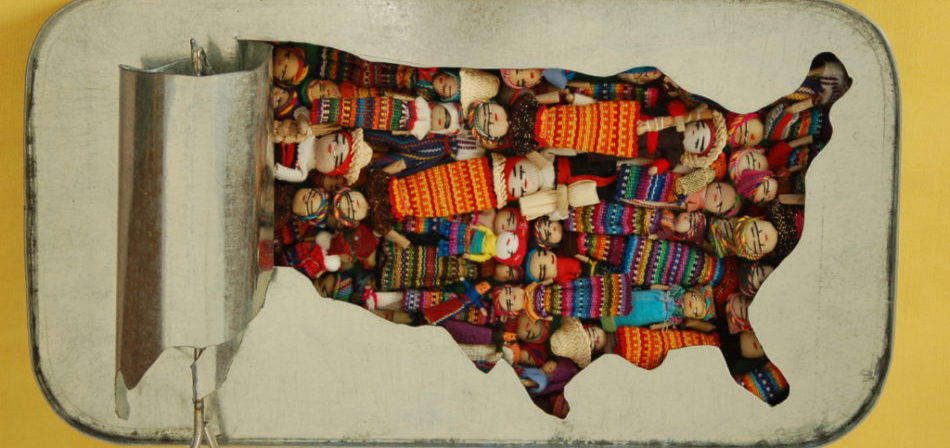
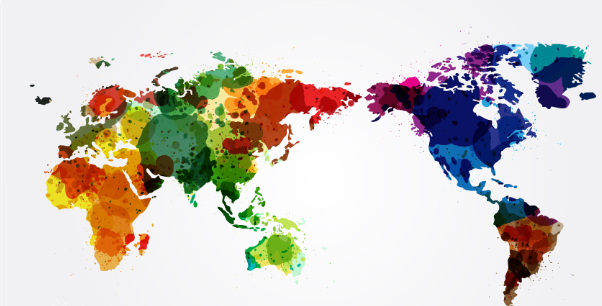

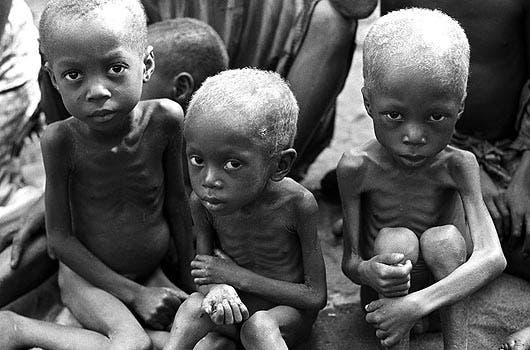
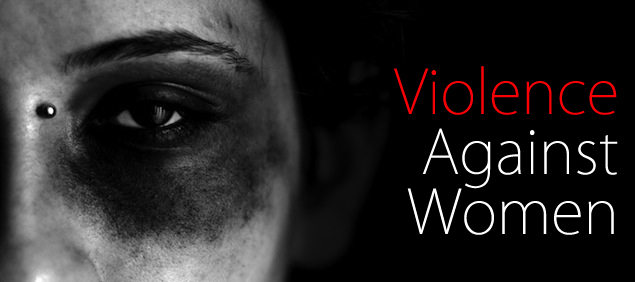


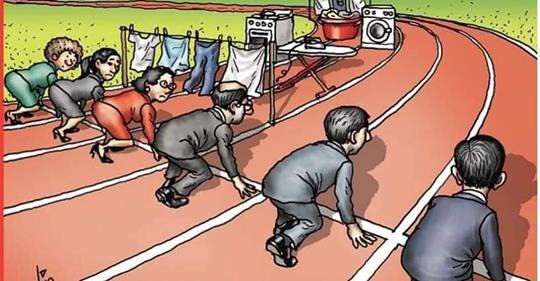


 Eduindex
You must be logged in to post a comment.