Flood situation improves in Assam; Chief Minister visits flood affected areas

In Assam, the flood situation in the state is improving as there was no heavy downpour during the last 24 hours. The death toll due to flood has gone up to 85.

Official sources said that 25 lakh people have been affected in 24 districts.  State and National Disaster Response Force teams are carrying out relief and rescue works. In all, 1.21 lakh hectare crop areas are submerged due to flood.

Chief Minister Sarbananda Sonowal along with state BJP President Ranjeet Kumar Dass are visiting flood affected Barpeta and Nalbari districts. Mr. Sonowal said that the Prime Minister has assured all help to the state government to face the situation.

Rajasthan HC resumes hearing on petition of rebel Congress MLAs in state

The Rajasthan High Court resumed the hearing today on the petition of rebel Congress MLAs of Rajasthan. Congress-rebel Sachin Pilot and 18 other rebel MLAs of Congress have filed a petition seeking dismissal of the disqualification notices served to sacked Deputy Chief Minister Sachin Pilot and 18 other MLAs. The court had postponed the hearing on Friday.

The Assembly’s Secretariat had issued notices to these MLAs on a petition submitted by the Chief Whip Mahesh Joshi who sought to initiate proceedings related to disqualifying to Former Deputy Chief Minister Sachin Pilot and other 18 MLAs for violating the party’s whip.

AIR correspondent reports that the future of the State Government now rests on the outcome of the legal battle going on several fronts.

Many legal fronts have been opened in the state in the game of check and mete. Notices have been issued to the 19 rebel MLAs of the Congress in the disqualification matter. These notices have been challenged in the double bench of the Rajasthan High Court, where the hearing continues.

On the other hand, three cases have been registered by the SOG and one by the ACB for alleged conspiracy against the government and horse-trading of legislators. Some persons are in the lens of both agencies including two rebel MLAs of Congress.

All the MLAs supporting the government are camping in a hotel near Jaipur for the last eight days. In view of the situation, the possibility of ending the political crisis in the state soon is very less. 

Govt starts e-campaign on Voluntary Income Tax Compliance for tax payers

The Income Tax Department is all set to start an e-Campaign on voluntary compliance of Income Tax for the convenience of the taxpayers from today. The 11-day campaign will focus on the assessees or taxpayers who are either non-filers or have discrepancies in their returns for the financial year 2018-19.

The objective of the e-campaign is to facilitate taxpayers to online validate their tax and financial transaction information available with the I-T Department and promote voluntary compliance, especially for the assessees for 2018-19 so that they do not need to get into notice and scrutiny process.

This e-campaign is being run for the benefit of the taxpayers. Under this e-campaign the Income Tax Department will send email and SMS to identified taxpayers to verify their financial transactions related information received by the I-T department from various sources such as Statement of Financial Transactions, Tax Deduction at Source, Tax Collection at Source and Foreign Remittances.

Data analysis has identified certain taxpayers with high value transactions who have not filed returns for Assessment Year 2019-20. In addition to the non-filers, another set of return filers have also been identified wherein the high value transactions do not appear to be in line with their Income Tax Return.

Under the e-campaign the taxpayers will be able to access details of their high value transaction related information on the designated portal. There would be no need to visit any Income Tax office, as the response has to be submitted online. The last date for filing as well as revising the Income Tax Return for Assessment Year 2019-20 is 31st of this month.

India’s Pro-Choice Struggle

“No woman can call herself free until she can choose consciously whether she will or will not be a mother.”

Margaret Sanger

What is ABORTION?

Abortion refers to the termination of pregnancy by the removal or expulsion of an embryo or fetus. It is also referred to as termination of pregnancy.

What is PRO-CHOICE?

Pro-Choice refers to the argument that the mother has the choice to decide to either carry-out the pregnancy or terminate the fetus. A woman alone has the right to her body and no one holds the authority to decide on her behalf. The choice is about who gets to make the decision, WOMEN do.

What is PRO-LIFE?

Pro-Life is the argument that a fetus, no matter how small, is entitled to basic Human Right to life. From the moment a pregnancy is conceived, a fetus is considered a human.

What is PRO-ABORTION?

Pro-Abortion refers to the possibility for a woman to get an abortion, just to delay parenthood or because she doesn’t want a baby. Pro-abortion is vital for a mother and child’s health. Pro-Abortion is different than Pro-Choice, in the sense that Pro-Life is for when a woman who contemplates whether or not to terminate the pregnancy, but Pro-Abortion is for women who know for sure they want to terminate the pregnancy.

India’s Abortion Laws History:

Until 1971, Abortion was a criminal offence under Section 312 of the Indian Penal Code, 1860. The IPC didn’t (still doesn’t) include the word abortion, and instead referring to it as “intentionally causing miscarriage.” This had to be as a result of centuries of patriarchy. Except for in cases where abortions were carried out to save the mother’s life, it was a crime. Women have been denied basic rights including freedom of speech, education, and freedom to choose anything for themselves. Denying women reproductive rights is one more pillar of patriarchy.

In 1960, 15 countries legalized abortion, and as a result, debates around the abortion laws started in India. In 1964, the Ministry of Health and Family Welfare (MoHFW) and the Government of India set up a committee led by Shantilal Shah to make a better decision. The committee carried out an extensive review of the socio-cultural, legal, and medical aspects of abortion and found that 6.5 million abortions took place each year, most unsafe and unsanitary.

In 1971, the Medical Termination of Pregnancy (MTP) Act legalized the termination of pregnancy (still not using the word abortion) with several conditions up to 20 weeks (from the first day of the last menstrual period). The conditions are:

  • “When continuation of pregnancy is a risk to the life of a pregnant woman or could cause grave injury to her physical or mental health;
  • When there is substantial risk that the child, if born or dead would be seriously handicapped due to physical or mental abnormalities;
  • When pregnancy is caused due to rape (presumed to cause grave injury to the mental health of the woman);
  • When pregnancy is caused due to failure of contraceptives used by a married woman or her husband (presumed to constitute grave injury to mental health of the woman).”

The MTP Act specifies who can terminate a pregnancy, till when a pregnancy can be terminated, where a pregnancy can be terminated. 

The MTP Act also specifies who is legally allowed to terminated a pregnancy, a practitioner who, “has a recognized medical qualification under the Indian Medical Council Act, whose name is entered in the State Medical Register, and who has experience or training in gynaecology and obstetrics.”

India’s Abortion Laws:

Abortion in India is only legal when performed on various grounds until 20 weeks of pregnancy. In exceptional cases (rape, incest, medical emergency), any Indian court may allow the termination after 20 weeks.

While India’s abortion laws seem liberal, they are far from it. India’s abortion laws, although legal, are neither pro-choice, pro-life nor pro-abortion. 

The MTP Act doesn’t allow women to terminate their pregnancy to delay parenthood or because they don’t want to be a mother. Unless a woman’s life is at substantial risk or if her pregnancy is causing her physical, emotional, and psychological distress, she isn’t allowed to abort.

Instances Where the Indian Abortion Laws have been Problematic

  • Savita Sachin vs Union of India
    • Indian court rejected the request to terminate a 27-week pregnancy on the base that there was no physical harm to the mother
    • The fetus, however, had several physical anomalies.
  • Alakh Alok Srivastava vs Union of India
    • A 10-year-old rape victim was denied permission to abort her 32-week pregnancy
    • The court felt responsible for the fetus’s life.
  • May 2017
    • Patna High Court denied an abortion for a 26-week pregnant, HIV-positive rape victim because the court felt responsible to keep the child alive.

Why do Women decide to ABORT?

There are multiple reasons why women might want to abort. A few reasons include:

  • When the parent(s) is financially unprepared
  • Unplanned/Accidental
  • Bad/Abusive Partner
  • Conception by Rape, Incest, or any other sexual assault 
  • Teen/Early Pregnancy
  • Health Issues
  • Dependent and/or Unprepared
  • Addiction
  • No longer want kids
  • Delaying Parenthood
  • Unwilling to be a parent
  • Not ready to have a kid
  • Pregnancy interfering with Education, Work, Promotion.
  • Any other unique reason a woman wants to terminate her pregnancy.

Why is this discussion important?

Each year millions of women, terminate their pregnancies. 56% of whom have unsafe abortions, resulting in death and other serious physical, reproductive, and psychological problems. 

Most of India’s rural population is unaware of the legality of abortions and even more, have to travel 20-30kms to get an abortion. Those who know, are unaware of the legalities and terms attached.

Furthermore, a woman is the one carrying a child and has many medical implications during pregnancy and after childbirth. Apart from the physical strain on the body, many women go through postpartum depression. She holds the sole right to choose to either carry or terminate her pregnancy. Unfortunately, many countries, including India do not give that right to women.

Until a woman has the right to make that decision herself, women will never be truly free from this Patriarchal prison.

Further, a fetus is considered human by many pro-life activists. What they fail to understand is a fetus comes into this world and becomes a child. If an unwilling mother births a child and neglects them, then a child is traumatized for years to come. Millions of children are orphans and in the foster system. A mother’s responsibility doesn’t end at childbirth. It carries on for the rest of the child’s life. If a person unwilling to take on that kind of responsibility, it is better to terminate that pregnancy than to birth a kid who’d have to suffer later in life.

The world population is also another factor in support of Pro-Choice and Pro-Abortion. Willing Partners (who don’t want kids) can adopt kids and provide them a loving and safe environment. 

How does Pro-Choice vs Pro-Life affect others?

Abortion was introduced first by the Roman Law, performed only on the biological father’s consideration. For centuries, women who had an abortion without consent from their partners were exiled or sentenced to death.

Many Asian and Middle-Eastern countries still permit abortion only after consent from the biological father. A mother who aborts without consent can be sued by the father, but a father who gets the mother to abort the fetus without the mother’s consent cannot take any legal action. The double standard that exists even in the 21st Century is outrageous. 

Abortion is a serious and important decision. While it is the woman who carries the child, the partner has a right to the baby as well. Both partners need to discuss because abortion affects men as well.

Fathers do not hold any rights over their unborn child. It is a hard fact that most times when a mother doesn’t want to carry out a pregnancy, the father might want. A child, however, still, in this day and age is more a mother’s responsibility. The father provides and the mother cares for the child and house. Despite the ongoing patriarchy, many women are standing strong with full-blown careers and don’t want to settle down with a kid. 

Men with kids have a career advantage, they are paid more and are considered trustworthy. Women with children are considered a liability and are affected by the Motherhood Penalty

While it is true that men too are humans and form an attachment with their unborn children, the repercussions of childbirth are more severe on women than men. 

Armin Bortt said, “A woman can legally deprive a man of his right to become a parent or force him to become one against his will.” While Armin Brott is right, he forgets that this works both ways. A man too legally deprives a woman of her right to become a parent or forces her to become one against her will. Parenthood should include two consenting parents who want a child. 

AIIMS Delhi begins registration for conducting human trials of indigenously developed coronavirus vaccine COVAXIN

AIIMS, Delhi has started the registration process for conducting the human trials of COVAXIN, today.

Principal Investigator for conducting these trials at one of the top medical institutes in the country, AIIMS Delhi , Dr. Sanjay Rai has said that the response for registration has been overwhelming.

Speaking exclusively to AIR News, Dr. Rai said that the first dose of the vaccine is likely to be administered to the volunteers on this Thursday.

THE CONSUMER PROTECTION ACT, 2019

A consumer is a person who avails services and purchases goods for their own use and not for reselling those goods. Consumer Protection is the act of safeguarding the rights of the buyers/consumers of those goods and services. It provides protection to the consumers from frauds and damaged goods. It also helps the consumers to file complaints and make the process of the trail fast.

Consumer Protection Act to be implemented from July 20; here's how ...

For safeguarding the rights of the consumer, the Consumer Protection Act 1986 was introduced. The act aims to provide easy and fast compensation to consumer grievances. This act also encourages the consumers to stand up and fearlessly speak up against the damaged goods and flawed services. This act deals with all the goods and services of public, private, or cooperative sectors, except those which are exempted by the central government.

The act provides certain rights and responsibilities of the consumers. The Rights of the Consumers are –Right to Safety, Right to Choose, Right to be Informed, Right to Consumer Education, Right to be Heard, Right to Seek Compensation. The Responsibilities of the Consumer are – Responsibility to be Aware, Responsibility to Think Independently, Responsibility to Speak Out, Responsibility to Complain, Responsibility to be an Ethical Consumer.

Under this act, every district has at least a consumer court or a consumer redressal forum. Above the district forums, there are state commissions. At the topmost level is the National Consumer Disputes Redressal Commission in New Delhi. These consumer courts are given a wide range of powers to enforce their orders. The courts have the power to decide the matter in the absence of the defaulter. These forums can issue warrants and use the police to produce the defaulter and to impose its decision. The defaulter can be sentenced to a maximum of 3 years of imprisonment and fined for the amount of Rs 10,000.

CONSUMER PROTECTION ACT 2019

The Consumer Protection Act 2019 is a replacement for the Consumer Protection Act 1986. The Consumer Protection Bill 2019 was introduced in the Lok Sabha on 8 July 2019 by the Minister of Consumer Affairs, Food and Public Distribution, Ram Vilas Paswan. The bill was passed by Lok Sabha on 30 July 2019 and was later passed in Rajya Sabha on 6 August 2019.

The aim of the act is to ensure that the rights of the consumers are secured by the establishment of the authorities for effective and speedy settlement of the consumer’s disputes. It provides strict penalties, including jail term for adulteration and misleading advertisements by firms.

KEY PROVISIONS OF THE ACT

1. This act proposes the establishment of the Central Consumer Protection Authority. This authority will have the power to regulate cases related to unfair trade practices, misleading advertisements, and violation of consumer rights. They also have the power to penalise the violators, order them to refund for the damage, or to withdraw their services.
2. It has established a simpler way for dispute resolution, has provisions for mediation and e-filing of cases. It also allows the consumer to file their complaints in the nearest commission from their residence. There also no need to hire lawyers to represent the cases of the consumers.
3. In case of misleading advertisements, there is a provision for jail term and fine for manufacturers. The celebrities, who are found to endorse the brands that provide misleading advertisements, will be banned from products endorsements.
4. It is for the first time that a law dealing with Product Liability. The manufacturer or the product service provider or the product seller shall now be held responsible to compensate for the injury or damage caused by the damaged goods and flawed services.
5. The act also deals with businesses that are owned by the public and private sectors. It also deals with businesses that provide services and goods either offline or online.

PENALTIES UNDER THE CONSUMER PROTECTION ACT, 2019

For the offence committed for the first time, the defaulter is penalised with an imprisonment of 6 months or fine upto Rs 1 lakh, in case the consumer does not suffer any injury. In case the consumer is injured, the term for the imprisonment is upto 7 years and the fine is upto Rs 5 lakh. In case of the death of the consumer, the defaulter has to pay a minimum of Rs 10 lakh as a fine and has to face imprisonment for 7 years which can be extended to life imprisonment.

In case of misleading advertisements, the manufacturer or the endorser of the brand is penalised for the fine of upto Rs 10 lakh and imprisonment for upto 2 years.

In case of repeated offence, the defaulter may be fined for the amount of Rs 50 lakh and imprisonment of upto 5 years. 

CORONA VIRUS Myths

It’s been almost close to 5 months with already half the year gone by. We are still on the road to recovery with hike in corona positive cases almost on a daily basis. With some states of the country extending the lockdowns and others taking drastic measures to control the spread of the virus. Still somehow we are falling back and missing out on something. With a scare that community transmission of the virus has started in India and the WHO confirming that the deadly virus can also be airborne and transit through air, it’s quite a terrible situation.

There is a lot of ‘what ifs’ and assumptions that people have conceived through various means which is not exactly true. I would like to burst some myths of this fatal virus in this article in order to educate people on the actual facts. This will benefit many by and large I hope.

So here are some facts about the corona virus that the World Health Organisation has stated.

FACT: People should NOT wear masks while exercising 

People should NOT wear masks when exercising, as masks may reduce the ability to breathe comfortably.

Sweat can make the mask become wet more quickly which makes it difficult to breathe and promotes the growth of microorganisms. The important preventive measure during exercise is to maintain physical distance of at least one meter from others.

FACT: The likelihood of shoes spreading COVID-19 is very low

The likelihood of COVID-19 being spread on shoes and infecting individuals is very low. As a precautionary measure, particularly in homes where infants and small children crawl or play on floors, consider leaving your shoes at the entrance of your home. This will help prevent contact with dirt or any waste that could be carried on the soles of shoes.

FACT: The coronavirus disease (COVID-19) is caused by a virus, NOT by bacteria

The virus that causes COVID-19 is in a family of viruses called Coronaviridae. Antibiotics do not work against viruses.

Some people who become ill with COVID-19 can also develop a bacterial infection as a complication. In this case, antibiotics may be recommended by a health care provider.

There is currently no licensed medication to cure COVID-19. If you have symptoms, call your health care provider or COVID-19 hotline for assistance.

FACT: The prolonged use of medical masks* when properly worn, DOES NOT cause CO2 intoxication nor oxygen deficiency

The prolonged use of medical masks can be uncomfortable. However, it does not lead to CO2 intoxication or oxygen deficiency. While wearing a medical mask, make sure it fits properly and that it is tight enough to allow you to breathe normally. Do not re-use a disposable mask and always change it as soon as it gets damp.

* Medical masks (also known as surgical masks) are flat or pleated; they are affixed to the head with straps or have ear loops.

FACT: Most people who get COVID-19 recover from it

Most people who get COVID-19 have mild or moderate symptoms and can recover thanks to supportive care. If you have a cough, fever and difficulty breathing seeks medical care early – call your health facility by telephone first. If you have fever and live in an area with malaria or dengue seek medical care immediately.

FACT: Drinking alcohol does not protect you against COVID-19 and can be dangerous

The harmful use of alcohol increases your risk of health problems.

FACT: Thermal scanners CANNOT detect COVID-19

Thermal scanners are effective in detecting people who have a fever (i.e. have a higher than normal body temperature). They cannot detect people who are infected with COVID-19. There are many causes of fever. Call your healthcare provider if you need assistance or seek immediate medical care if you have fever and live in an area with malaria or dengue.

FACT: There are currently no drugs licensed for the treatment or prevention of COVID-19

While several drug trials are ongoing, there is currently no proof that hydroxychloroquine or any other drug can cure or prevent COVID-19. The misuse of hydroxychloroquine can cause serious side effects and illness and even lead to death. WHO is coordinating efforts to develop and evaluate medicines to treat COVID-19.

FACT: Adding pepper to your soup or other meals DOES NOT prevent or cure COVID-19

Hot peppers in your food, though very tasty, cannot prevent or cure COVID-19. The best way to protect yourself against the new coronavirus is to keep at least 1 metre away from others and to wash your hands frequently and thoroughly. It is also beneficial for your general health to maintain a balanced diet, stay well hydrated, exercise regularly and sleep well.

FACT: COVID-19 is NOT transmitted through houseflies

To date, there is no evidence or information to suggest that the COVID-19 virus transmitted through houseflies. The virus that cause COVID-19 spreads primarily through droplets generated when an infected person coughs sneezes or speaks. You can also become infected by touching a contaminated surface and then touching your eyes, nose or mouth before washing your hands. To protect yourself, keep at least 1-metre distance from others and disinfect frequently-touched surfaces. Clean your hands thoroughly and often and avoid touching your eyes, mouth and nose.

FACT: Being able to hold your breath for 10 seconds or more without coughing or feeling discomfort DOES NOT mean you are free from COVID-19

The most common symptoms of COVID-19 are dry cough, tiredness and fever. Some people may develop more severe forms of the disease, such as pneumonia. The best way to confirm if you have the virus producing COVID-19 disease is with a laboratory test.  You cannot confirm it with this breathing exercise, which can even be dangerous.

These are a few important facts. Please check the validity of any news you come across on any platform. Make sure you follow only authoritative source. And please do not panic. Stay safe!

Children In Need Of Care and Protection


It is pertinent to note that the Parliament in the year 1986 took a bold step towards the welfare of neglected juveniles by passing the Juvenile Justice Act, the main purpose of which was to provide for the care, protection, treatment, development and rehabilitation of neglected or delinquent juveniles. However, the Juvenile Justice Act, 1986 has now been repealed by the passing of Juvenile Justice (Care and Protection of Children Act), 2000. The term neglected juvenile’ as used in the Act of 1986 has now been charged to ‘child In need of care and protection’ in the Juvenile Justice (Care and Protection of children Act), 2000.4 The definition of ‘child in need of care and protection is so wide as· to include hatred number of children. It is seen that the definition of ‘child in need of care and protection under the Act includes children who are found begging without having any home and any ostensible means of subsistence and is a destitute. These destitute children live and grow in a society where they are neglected and deprived of not only food,. clothing and shelter but also education. They also lack affection, care and guidance from adults. These street children not only live but also work and struggle in situations and circumstances that are not conducive for their growth and development. Since a majority of these children come from poor families who are migrants ·and live in slums or squatter dwellings, therefore, they do not have an equal sharing of socio – cultural and eonomic opportunities for care, protection and socialization. Poverty may be submitted as the primary as the primary cause of growing problem of street children in India. Poverty exposes these children to innumerable problems and as a result the child remains poor throughout the life. These children are not deprived of their rights but are also denied access to education and adequate health care.
UNICEF has defined ‘street children’ as children who live on the streets alone or with -their families, or children who spend· most of their times on the streets to fend themselves return home on -a regular basis). It is stated that while there are no recently published statistics, UNICEF reported that the number of street children in India was as high as 18 million in 2006.


These are the children who are more vulnerable in term of the harm/danger/risk to their right to survival/ development/ participation.

  1. Homeless children (pavement dwellers, displaced/evicted, etc.)
  2. Refugee and migrant children
  3. Orphaned or abandoned and destitute children
  4. Children whose parents cannot or are not able to take care of them
  5. Street and working children
  6. Child beggars
  7. Victims of child marriage
  8. Trafficked children
  9. Child prostitutes
  10. Children of prisoners
  11. Children affected by conflict/civil strife
  12. Children affected by disasters both natural and manmade
  13. Children affected by substance abuse, HIV/AIDS and other terminal diseases
  14. Disabled children
  15. Children belonging to ethnic, religious minorities and other marginalized groups
  16. The girl child
  17. The unborn child
  18. Children in conflict with law (those who commit crime)
  19. Children who are victims of crime.

Generally, children who are abused, neglected, abandoned and maltreated end up living in the streets. They do not have any other alternative and as such are faced to live their life in the streets. Mostly these children resort to varied odd jobs like rag pickers, shoe shine boys, washing utensils or serving ttea in dhabas or working as fitters etc on workshops or small mechanic shops. These children generally live in groups at construction sites without any habitation facilities. It is unfortunate that inspite of the various constitutional provisions for protecting the tender and young age of children, they continue to live in such deplorable conditions. Therefore, it is submitted that the poverty into which these children are born characteristics child labour.


• Child labour is undoubtedly the worst form of social evil existing in our Indian Society because children are required to work beyond their physical capacity and the number of hours they have to work interferes with their education, recreation and rest. Apart from this the wages that they get are not commensurate with the amount of work done. A major factor leading to child labour is poverty but at the same time equally important is the system that exploits the children and allows them to work. Child labour in India is said to be a product of socio – economic and cultural condition. Anti constitutional polices, inadequate legislative measures and lack of political will have also been considered as important factors responsible for the persistence of this unlawful social evil. In majority of the cases the attitude of parents and their inability to appreciate the Childs educational capabilities and intelligence have been taken as the root cause behind child labour.


• Further, in many cases the poor parents with bad habits and criminal tendencies win the confidence ·of the· child in convincing the child that education could not solve their problems and therefore the child is encouraged to work very early in life. As a result the child is not in a position to enjoy the benefit of state policy for free education to children only by the simple reason that the child cannot afford to miss the wages by going to school for education.
Therefore, as has already mentioned in the previous chapter the parliament enacted the Child labour (Prohibition and Regulation) Act, 1986 as a step towards concretizing the labour conditions of the child workforce. Next, the definition of ‘child in need of care and protection also includes a child who is being or is likely to be abused, tortured or exploited for the purpose of sexual abuse or illegal acts. It is unfortunate that not only in India but throughout the world children are being exploited and abused. It is said that though we are fortunate to live in a century which recognises the existence of children as being in their own right and not as objects to be treated at will, yet child abuse is rampant.

• Parents and guardians are generally assumed and expected to naturally act in the best interest of the child but it is seen that this is not always so. Since children have no political power and their opinions are not given due weight they are dependent upon the adults and state to protect their rights but when this does not happen there is every possibility of these children being victims of sexual abuse and exploitation. As a result the sexual abuse of children is increasing by the day in every society. Internet has also contributed towards the increase in instances of sexual abuse of children because child sex has turned into global business through internet. It is submitted that the use of children in pornographic literature is also increasing. Newspapers expose only the tip of the ice berg, because the victims and their guardians refrain from reporting cases of sexual abuse because of the shame and guilt associated with it Sexual abuse of children is not only one of the worst forms of exploitation of children but also amounts to the violation of the basic human rights of the child Many other factors are also responsible for the heinous crime of sexual abuse of children. Moral values of men are degrading ‘by the clay because man has become materialistic specially with industrialization and growth of metropolitan cities. As a result incidence of sexual abuse is on the rise. But it is submitted that when the society was a rural one and joint family system existed in majority in every society, incidents of sexual abuse specially rape were negligible.


However, with the decline in the joint family system moral and spiritual values have degraded and the desire for material wealth and enjoyment of life have become the major concern for men. Unimaginable levels of corruption is present in the society. Man wants to have maximum enjoyment at the cost of others. This tendency is said to breed promiscuity and vulgarity, and therefore, in relation to the opposite sex man has become unhealthy and sick.
However, with the decline of moral values in society, and specially in metropolitan cities, females belonging to middle class families come in contact with the upper strata of the society and they desire for material comforts and luxuries beyond their reach.

Consequently, to fulfill such desire they willingly practice prostitution. Also, many a times young girls run away from home either because of poverty or abuse at the hands of the parents only to be abused again in the outside world. Some of these girls also leave home with the hope of making it big in the glamour industry but when they realize it is not possible they are forced to take up prostitution. Therefore, it would not be fair to only blame men for the sexual abuse of children.


Another factor for the ever growing problem of sexual abuse is poverty. Poverty makes children come to big cities from rural area in search of all kinds of odd jobs like domestic servants, servants in hotels, dhabas, offices etc. but in reality what they get is torture, sexual abuse and forced entry into prostitution. However, sexual abuse of children is not only limited at the· hands of the strangers. Nowadays, children are not safe in the hands of their own family members. Many a times children suffer sexual abuse at the hands of family members. As a result of which the child suffers not only physically but psychologically as well. This effects the emotional state of a child because in many cases the child is not able to disclose this to anybody out of fear and also because most of the time the parents would not believe the child. Once child marriages were common in society.
In India the Constitutional provisions contained in Articles 21, 23, 24, 39 (e) promote and protect the interest of children. Apart from the Constitutional Provisions the Immoral Traffic Prevention Act, 1956 lays down provisions for the purpose of dealing with the problem of prostitution. The Indian penal Code, 1860 has also rriade certain acts committed against children as offences punishable in accordance with law.

Addressing the lack of safe shelters for children in conflict with the law, the court urged every state to evaluate the condition of their Child Care Institutions as well as to provide education, healthcare, and proper nutrition to its residents. The court reiterated that government registration in accordance with the provisions of the Juvenile Justice Act was compulsory for child care institutions run by individuals or NGOs to avoid incidents of trafficking or child sexual abuse.

FUTURE OF ILO

INTRODUCTION

The International Labour Organization (ILO) is a United Nations agency responsible for dealing with employment-related matters crosswise the world, including employment standards and problems of exploitation. The ILO records grievances against organisations that intrude upon established rules but does not sanction or disincentives organisations or governments. As we know, today and in future human resource will be in needed for carrying out activities for economic and social integration of the world. The ILO is a specified agency of the United Nations (UN) dedicated to improve labour conditions and living ideals throughout the world. ILO’s multilateral structure is exclusively placed to meet demands for the democratisation of labour and their work.

KNOWING ABOUT ILO

International Labour Organization (ILO) came into existence on April 11, 1919. The ILO’s first constitution was developed by the Commission on International Labour Legislation of the Peace Conference in 1919 and produced as a part of the Treaty of Versailles (that terminated the First World War, to reveal the belief that universal and eternal peace can be accomplished only if it is built on social justice), as an allied agency of the League of Nations. The ILO became the first associated exceptional agency of the United Nations in 1946 to deal with the economic and social difficulties confronted by the world in the early 20th century. In acknowledgement of its activities, the ILO was awarded the Nobel Prize for Peace in 1969. The ILO has 187 member states and has its headquarters in Geneva, Switzerland. It was formed to promote social advancement and to overcome social and economic clashes of interests with the help of discussion and cooperation. In contrast to the revolutionary movements of that time, it brought together governments, employers and workers at an international level to search for common rules, policies and behaviours from which all could benefit. The ILO was built on the belief that peace and justice go conjointly. Not in the sense that war is all the time a result of injustice, but rather that social justice is a crucial foundation for peace.  It sets international labour ideals, advances rights at work and promotes courteous employment chances, the enhancement of social protection and the firming up of dialogue on work-related matters. Decent work is recognized as a global aim, fostering inclusive development with equality, with a coherent combination of social and economic priorities, to lead to opportunities for both women and men to achieve decent and successful work under conditions of democracy, prosperity, protection and dignity.

The Constitution laid the framework for the Organization, defined its goals and objectives as well as its comprehensive structure and also established certain “methods and principles for controlling workplace conditions that all industrial communities should strive to implement to the degree that their particular circumstances allow which are of “limited, urgent and special importance.” The elements of the ILO incorporate the turn of events and advancement of principles for national enactment to ensure and improve working conditions and standard of life. The ILO likewise gives specialized help with social strategy and organization and in workforce preparing; encourages agreeable associations and country ventures; incorporates work measurements and behaviours research on the social issues of global rivalry, joblessness and underemployment, work and modern relations, and innovative change (including robotisation); and assists with ensuring the privileges of universal vagrants and composed work.

FUTURE OF ILO

In its primary 10 years span the ILO was mainly concerned with legislative and research attempts, with describing and endorsing proper minutest standards of labour legislation for approval by member states, and with placing for alliance among workers, employers, government delegates, and ILO specialized staff. During the global economic depression of the 1930s the ILO pursued ways to fight widespread unemployment. With the post-war breakup of the European colonial empires and the extension of ILO association to include under-developed and developing countries, the ILO focused itself to new issues, including the social problems created by the liberalization of international trade, the problematic situation of child labour, and the relationship between working situations and the environment. The ILO has international public servants and technical-assistance specialists working in states throughout the world.

As the most established association in the UN framework, moving toward its 100th commemoration in 2019, the ILO faces extraordinary challenges and strains. Before the fiscal slump or economic depression, the worldwide economy has examined the bar of an administrative system which was formulated in 1919. The association’s architect just confer it with offsetting social advancement with the limitations of an interconnected open economy, yet speculated for the most part on instruments of influence to guarantee this would occur.

International labour standards are legal processes drawn up by constituents of the ILO (governments, employers, and workers) which encompass fundamental principles and labour rights. These are either agreements that are legally binding international treaties and can be ratified only by the member states, or guidelines and offer non-binding guidance. In certain cases, a convention sets out the underlying principle to be implemented by ratifying nations, while a related guideline reinforces the convention by offering a more detailed plan of action on how it should be enforced. Recommendations may also be independent, meaning they are not related to any convention. Conventions and recommendations are created by the representatives of governments, employers and workers and are taken up at the ILO’s yearly International Labour Conference. If a standard is adopted, it is mandatory for the member state to send it to its expert authority (normally parliament) for consideration under the ILO Constitution. This means consideration for ratification, in the case of conventions. When ratified, a convention is normally applied in that country after one year from the date of ratification. Ratifying countries are obliged to apply the convention in their national law and practice and to report at regular intervals on its implementation. Unless the nation breaks the convention they ratified, proceedings for redress and prosecution may be launched (ILO, 2009).

CONCLUSION

ILO go hand in hand with peace and social justice. This organization will always be important to deal with mankind and societal issues. For over 100 years, the ILO has been the only international organisation with the constitutional order to bring labour, capital and the state together to endorse decent work.

The ILO was questionably the most successful in the organisation’s olden times, starting with a convention approving the lengthy sought-after 48-hour working week and a further 66 international labour standards settled before the flare-up of the Second World War. Whether the standards and employment rights related to working age, maternity protection, occupational safety, reimbursement in the event of an accident, illness insurance, holiday pay, old age insurance, the advantageous effects for workers’ health and happiness was irrefutable. Health and wealth go in accord.

REFERENCES

https://www.britannica.com/topic/International-Labour-Organization

https://theconversation.com/the-international-labour-organization

https://www.ilo.org/

FACTS WHICH NEED NOT BE PROVED

INTRODUCTION

Section 56 to 58 deal with facts which need not be proved because either facts (a) are indisputable as they are too well known to require proof (“judicial notice”) or (b) are undisputed and their proof is dispensed with because they are admitted by both the parties. There are some facts which are not so notorious and well known that they require no proof. If it becomes relevant in a case to know as to, who is the president of India or the Chief Minister of UP, a party need not adduce any evidence to that effect.  Again if it is a question at issue as to what is the distance between Banaras and Allahabad, a party need not prove it. The court may take a judicial notice of these facts if they are relevant to the issue. Sections 56 and 57 deal with judicially noticeable facts. Section 58 postulates that things admitted need not to be proved. A Dispute is difference of opinion between the parties on questions of fact or of law. In the system of an adversarial proceeding that is prevalent in India as a British legacy, “facts in issue” are the facts” asserted and denied” by the parties and the Court has to adjudicate on those issues. If there is no dispute between the parties as to certain matters,   the court might dispense with proof of those facts and, in legal parlance, those facts are said to be “common ground”. And the court may dispense with proof of facts admitted by both the parties to a case because there is no dispute as to the existence of those facts.

FACTS JUDICIALLY NOTICEABLE (Sections 56 & 57)

Certain facts are so scandalous in themselves, or are stated in so authentic manner in well- known and accessible publications, that they require no proof. The Court, if it does not know them, can inform itself upon them without formally taking evidence. These facts are said to be judicially noticed. ”Judicial Notice” is a manoeuvre by which the court “notices” or takes cognizance of certain facts which are broadly known to exist. Those facts are so well known to be true that their formal proof is considered redundant and unnecessary. Section 56 states that a fact judicially noticeable need not be proved, whereas Section 57 enumerates in clauses (1) to (13), the facts which have to be judicially noticed and which need not to be proved.

Principle/Object:

In the cases of the facts dealt by these Sections, the judge’s belief in their existence is induced by the general knowledge acquired, otherwise than in particular proceedings before the Court and independently of the action of the parties therein. The judicial notice is taken for the common affairs of the life which are of general knowledge. The rationale of “judicial notice” is not that the Court knows them as do many others; but it is the intrinsic indisputability of the facts because of their notoriety. Two reasons have been put forward for the doctrine of judicial notice; (a) Firstly, it expedites the hearing of cases if well-known facts are judicially noticed; (b) secondly, it tends to produce uniformity of decisions on matters of fact. The wisdom of administration with proof of matters within the collective knowledge of everyone has never been questioned.

FACTS ADMITTED NEED NOT BE PROVED (Section 58)

Another set of facts which need not be proved are facts which have been admitted. There are two methods of holding trial, one is the inquisitorial system in which the judge also acts as an investigator of facts; and the other is the adversary system in which the judge sits like a silent umpire; he can either advice any party nor ask for the production of any evidence. He gives his judgement on the basis of the contentions argued before him, i.e., according to the issues between parties. Facts which have been admitted on both sides are not in issue and therefore, no proof need to be offered of them. A court in general has to try the questions on which parties are at issue, and not those on which they have agreed. Admissions which have been deliberately made for the purpose of suit, whether in pleading or by the agreement, which acts as an estoppel to the admission of any evidence contradicting them.

Principle/ Object:

What is admitted need not be proved, is the simple principle lying under this section. The object of this is to save time and expense at a trial. One of the principal effects of admission is to shorten the litigation just as the effect of res judicata is to give finality of litigation.

In Union of India v. Ibrahim Uddin[1]

The Supreme Court observed, “Admission is the best piece of substantive evidence that an opposite party can rely upon, though not conclusive, is the decisive of the matter, unless successfully proved withdrawn or proved erroneous. Admission may in certain circumstances, operate as an estoppel. The question which is needed to be considered is what weight is to be attached to an admission and for that purpose it is necessary to find out as to whether it is clear, unambiguous and a relevant piece of evidence and further it is prove in accordance with the provisions of evidence act. It would be appropriate to offer an opportunity to the person under cross examination to tender his explanation and clear the point on the question of admission.”[2]

In, Raman Pillai v. Kumaran Parameswarn[3]

The facts in question were admitted in written statement. In a suit for title, admissions were made by the predecessor in interest of the plaintiffs in their written statement in earlier judicial proceedings to the effect that the right in the suit property were lost by adverse possession and limitation and the predecessors of the respondents had perfected the title. Certified copy of written statement was held to statement in question was not a public document.

CONCLUSION

Taking into account the Indian Evidence Act provisions and the aforementioned judicial rulings, it can be determined that the facts are not legally recognizable by the courts, such as laws existing and applicable in India; articles of war; state seals; the facts relating to legislative, executive and judicial processes in India, or to any other sovereign or state recognised by the Indian Government; the rule of law etc. need not be proved by the parties to the suit.


[1] (2012) 8 SCC 148

[2] indiankanoon.org

[3] AIR 2002 Ker 133

Lack of Jobs and Livelihood

India may be fastest major growing economy in the world but that may mean little to the country’s 127 crore people many to whom continue to struggle to find right kind of jobs. India’s unemployment rate stood at 5% in 2015-16 compared to 3.8% in 2012-13, according to fifth annual survey of unemployment published by ministry of labors and employment. At first glance, it seems like a reasonable unemployment rate for a country the size of India however, a separately quarterly survey conduct by the government on jobs being created in key sectors tells a different story.

For a country where 1.2 crore people enter the workforce each year, the pace of job creation remains far below what is needed even though the economy is growing at over 7%. Across eight key employment generating sectors, only 1.35 lakh jobs were added in calendar year 2015, quarterly surveys of employment showed. In other words, jobs created were equal to only 1 percent of the addition to workforce. These sectors include textiles including apparels, leather, metals, automobiles, gems &  jewellery, transport, information technology and handlooms.

Impacts on jobs during pandemic covid-19:

Job loss is the most severe immediate impact of COVID-19 crisis while lower economic growth and rise in inequality would be the long-term effects, according to a survey by the Indian Society of Labour Economics (ISLE). The online survey was conducted on 520 ISLE members in the last week of May. The preliminary results showed that loss of employment was considered as the most severe immediate impact of the crisis while lower economic growth and rise in inequality were probable long-term impact.

 As per the survey, the immediate policy priorities suggested were protection of workers and families, short-term employment creation and income transfers to affected workers. Short-term policy requirements were support to MSMEs, expansion of MGNREGA, job creation, cash transfers and social security while the long-term measures included need for building a stronger public health system, universalisation of social security and policies for welfare and rights of migrants.

The survey was discussed at a two-day virtual international conference on “Implications of the COVID-19 Crisis for Labour and Employment in India: Impact, Strategies, and Perspectives” on June 8-9.

the latest ILO data on the labor market impact on the COVID -19 pandemic reveals the devastating effects on workers in the informal economy and no hundreds of millions of enterprises worldwide.

GENEVA (ILO NEWS)- according to the ILO monitor third edition: COVID-19 and the world of work, the drop in working hours in the current (second) quarter of 2020 expected to be significantly worse than previously estimated.

Regionally, the situation has worsened for all major regional groups. Estimates suggest a 12.4 per cent loss of working hours in Q2 for the Americas (compared to pre-crisis levels) and 11.8 per cent for Europe and Central Asia. The estimates for the rest of the regional groups follow closely and are all above 9.5 per cent.

Compared to pre-crisis levels (Q4 2019), a 10.5 per cent deterioration is now expected, equivalent to 305 million full-time jobs (assuming a 48-hour working week). The previous estimate was for a 6.7 per cent drop, equivalent to 195 million full-time workers. This is due to the prolongation and extension of lockdown measures.

conclusion

This study was undertaken with the primary object to study the impact (positive as well as negative) of economic liberalisation on employment generation in India. It aimed at studying whether employment opportunities have increased or decreased or remained constant during post-liberalisation period, whether there is any qualitative improvement in employment conditions, whether employment generation programmes initiated by the Government of India have been successful in achieving their objectives, etc.

References

  • Bloombergquint.com
  • Peoplematters.in
  • Economictimes.indiatimes.com
  • Ilo.org

Fashion

Fashion is a term which means ‘an ongoing trend ‘. It refers to how people dress and what kind of external getup most people think is making them look stylish, up-to-date and sophisticated. While etiquettes and manner also somehow comes into the count but it comparatively more superficial and dynamic. It changes with winds of time very fast. This can be seen from the vast difference between how people used to dress before and now. Films are the mirror to the society. And therefore is comparison is seen live by comparing how the actors used to dress before and now

Tinsel town celebrities have always been the trend setters to the common people. People, especially the girls always are inclined towards one or more actresses because of how they look and they also want to look the same. More or less everyone have a fashion idol.

Fashion used to be very different in metros and small towns in earlier days. But now the difference have gone down to a great extent due to many reasons. First if all the demand of online shopping malls have increased. Shopping sites such as jabong, snapdeal ,myntra, etc. does the work of delivering fashion at the doorstep. These websites run all over the country and they are available at most of the pin codes. And since the girls wear all kinds of clothes, now those fashions have come into the real market too. The growth of social media and overall the demand of time which lures everyone to look confident and updated, have made people quite inclined towards making himself look fashionable.
Especially when in college, girls think a lot about it. Not only women, men’s fashion market have also gone up. Shopping sites make available most of the branded clothes at lower prices than the real market and this is the reason man and women both are going after new trends.
While it is a good thing to be trendy and follow the latest innovations in designs, fabrics and others, one thing to be careful is to decide carefully whether it fits us and the place we live in. We should maintain the decorum of the place where we are living and not go against it. Blending in and deciding what to wear will be more acceptable without gaining negative attention. Also it must suit us. That’s a very important thing. If it is not suiting us but we are following it because it is the latest trend that is the worst thing we can do to how we look. We must be comfortable and when all these are kept in mind, we look our best. Westernized dressing style is not a bad thing but it must be decent. Our societies are still conservative and that is why we must be sensitive towards it. Moreover we have our own cultural heritage. We must therefore be proud of our ethnicity. Good thing is that our ethnic fashion have also evolved a lot and popularization of innovated designs have also attracted lot of attention and acceptance.

The fashion industry is changing constantly. New styles are being incorporated into old styles. Many ideas are passed down as others are removed or altered. Others are tested. The latest idea that is being tested are the expectations for genders, particularly in models. Over the years more and more models have expressed their own personal styles and beliefs. Photographers and designers have also begun to work with this and amplify it. But what’s changed?
We all have a general idea of what is masculine and what is feminine, in a more commonly known sense. For a woman its slender and thin. Long legs and an elegant posture; curves and smooth, clear skin. For a male it’s tall, built and active. The reason for these specific ideas of each gender can be traced back in history. Men have usually been seen as the more physically active gender while women have been seen as more elegant and nurturing.
In today’s fashion industry, these ideas are becoming known as the old way of thinking. We have begun to see successful men, who aren’t as muscular and men who cross-dress. Cross-dressing has become very popular in the last few years. Directors have begun to give male models the same treatment as female models. One prime example is in cycle 20 of America’s Next Top Model. Just like the ladies, the guys have to wear colorful, heavy-handed makeup. They even wore acrylic press-on nails in one shoot. All of these things have also tied into for acceptance toward sexuality. More and more male models are coming out and expressing their pride. This, without a doubt, has taken fashion to a stronger and more interesting level. This new boldness has tested social norms and has made a strong statement. It is becoming less unusual to see men wearing makeup or more “feminine” clothing.
The idea for female models has changed too. There is more diversity physically, racially and in many other ways. Different styles are more accepted, such as pin-up models. Women having tattoos has become more acceptable, and has become its own genre in the modeling industry. There has also been an increase in plus-size models. Though it is still encouraged, women are no longer pressured to have the perfect hourglass figure. Now in days, it is more common to encourage women to love their figures, unique as they are. One major change that has been repeated is women taking on the role of men. In fashion, short hair has become a trend. Along with other modifications, female models have acted out the idea that women can be just as successful, strong and independent as men. This is quite an admirable message, in my opinion.
Going back to the idea of unique, modeling has become more diverse, racially. In the past, models were known to be predominately Caucasian, and now just about anyone can be a model. Comparing the early 1900s to this decade is quite amazing when you see how far we’ve come as far as acceptance.
Going more in depth with the changes in fashion photography,
As there have been changes, things have also stayed the same. Many things have even repeated. Fashion always repeats its self, and at the moment the fashion industry has traveled back to years 1950-1980. For some reason this generation of designers couldn’t reference one decade. At the very least, new styles have been incorporated into the classics. Today you can get clothes inspired by something already made in the last 70 years. This has made for some very interesting shoots. Moshino’s Spring 2013 fashion week in Milan is a good example of this. The clothes bring back the retro edge of the 60s.
Focusing more on another view of changes in fashion photography, modesty has greatly decreased. In the past, men and women were more private. A woman could be beautiful with a turtleneck on. A woman could do that now, but generally speaking we show more skin now than what was acceptable in the past. One’s “birthday suit” was only seen in the past in artwork like paintings and sculptures. Now it can either be art or fashion. It is most often used, today, to draw attention and to gain publicity. Fashion in Europe often includes a runway show where models wear little to no clothing, and possibly one accessory, all to advertise the accessory. This can be taken in many ways; artistic, demeaning, bold, confident or inappropriate. However, fashion always has an effect. Fashion can have more impact on a way of thinking than music.

The impact of fashion is like a chain reaction. A designer comes out with a new line for the season, a few other designers come out with their own version of the same thing and all those variations of the same style are copied by people lower in the fashion industry and sold for cheaper. These cheaper products are also lower in quality. However, no one cares as long as they have the “in” look. In the past there was always a specific look that was being promoted by a majority of designers. Today, there are more looks than designers. Men and Women have plenty of styles to admire and take on and none of them are exactly the same.
The most influential change in fashion photography has been the technological improvement. The obvious changes have been the quality of the cameras and lighting. Looking further into it, the editing software has improved. This has been positive and negative. It has taken fashion photography up a few levels, but it’s also been tied to another issue. Editing software has been overdone and used to alter the physical appearance of models, given them an unreal, flawless look. This has caused the general public to feel like having small things such as stretch marks and scars are uncommon and unattractive. It makes people feel like being as beautiful as a model is impossible.

Juvenile Justice Board


In pursuance of Section-4 of the Juvenile Justice (Care and Protection of
Children) Act, 2015 read with rule-3 of the Juvenile Justice (Care & Protection of Children) Model Rules, 2016, the State Government constitutes Juvenile Justice Boards in the districts time to time, for exercising the powers & to discharge duties, conferred on such Boards in relation to Children in Conflict with Law under this Act and Rule.

As per section-8 of the Juvenile Justice (Care & Protection of Children) Act, the Board shall, notwithstanding anything contained in any other law for the time being in force but save as otherwise expressly provided in this Act, have power to deal exclusively with all proceedings under this Act, relating to children in conflict with law. The powers conferred on the Board by or under this Act may also be exercised by the High Court and the Children’s Court, when the proceedings comes before them in appeal, revision or otherwise.
As per Sub-section 3 of Section-8 of the Juvenile Justice (Care &
Protection of Children) Act, the Board shall perform the following functions, namely:-


a. ensuring the informed participation of the child and the parent or guardian, in every step of the process;
b. ensuring that the child’s rights are protected throughout the process of apprehending the child, inquiry, aftercare and rehabilitation;
c. ensuring availability of legal aid for the child through the legal services institutions;
d. directing the Probation Officer, or in case a Probation Officer is not available to the Child Welfare Officer or a social worker, to undertake a social investigation into the case and submit a social investigation report within a period of fifteen days from the date of first production before the Board to ascertain the circumstances in which the alleged offence was committed;
e. adjudicate and dispose of cases of children in conflict with law in accordance with the process of inquiry specified in section 14;
f. transferring to the Committee, matters concerning the child alleged to be in conflict with law, stated to be in need of care and protection at any stage, thereby recognising that a child in conflict with law can also be a child in need of care simultaneously and there is a need for the Committee and the Board to be both involved;
g. disposing of the matter and passing a final order that includes an individual care plan for the child’s rehabilitation, including follow up by the Probation Officer or the District Child Protection Unit or a member of a non-governmental organisation, as may be required;
h. conducting inquiry for declaring fit persons regarding care of children in conflict with law;
i. conducting at least one inspection visit every month of residential facilities for children in conflict with law and recommend action for improvement in quality of services to the District Child Protection Unit and the State Government;
j. order the police for registration of first information report for offences committed against any child in conflict with law, under this Act or any other law for the time being in force, on a complaint made in this regard;
k. order the police for registration of first information report for offences committed against any child in need of care and protection, under this Act or any other law for the time being in force, on a written complaint by a Committee in this regard;
l. conducting regular inspection of jails meant for adults to check if any child is lodged in such jails and take immediate measures for transfer of such a child to the observation home; and
m. any other function as may be prescribed.

Ineffective working of Juvenile Justice Board:

There are many instances which might contribute to the concluding of the fact that the juvenile justice board is currently crumpling with insufficient funds,distorted infrastructure and lacking facilities to carry out its functions that it ought to carry out with full diligence. One of such instance is that the escape of 34 juveniles from Chennai’s Kellys juvenile home in 2016. Those who have been brought back confessed that they did such an act to escape from the torture in the home. There are several haunting truths inside juvenile homes that prove that the juvenile justice board is incapable of controlling even the basic functions that has been endowed to them. The current vocational training programmes that are being provided to the juveniles are of cooking, tailoring and hair cut. As per today’s times, such vocational training programmes stand outdated and cannot comply with the new existing market and practices that are followed and thus the juveniles don’t take interest in learning out of the courses. Even when the training/learning of computer science was introduced, most of the inmates created a ruckus by breaking. Several studies have been made that reflected the haunting episodes which are uncontrolled and not monitored by the juvenile justice board. There are number of complaints and cases where a juvenile is beaten up by the police authorities as soon as he is brought in an observation home and later by the senior inmates. They are forced to accept their involvement in criminal cases.

Many observers have documented the tendency of police to arrest and detain children in inhuman condition without good reason. In an incident, a 14-yearold juvenile from Jamnagar was sodomised allegedly by the four boys at the observation home on Gondal Road, Rajkot. They allegedly also beat four inmates with polymer pipes and two of the accused forced others to perform oral sex. They also filmed the victims naked. The peon who was on duty when the incident took place at the observation home, did not made any attempt to stop this incident or to report this incident. It has been found that in many cases the perpetrators are staff members including caretakers, security guards, etc in the observation homes. As per the report of Careshare India, it was even called as ‘pillai jail’ because of the overburdening of inmates. Scare hygiene, insufficient nutrition, lack of space, lack of drainage systems, water shortage-all this makes the children prone to contagious diseases and low hygiene levels in the homes.

All these indicate the lack of effective working of the juvenile justice board. There are several reasons for such incongruous nature of boards such as overcrowding, lack of community support etc. There are several problems that a juvenile justice board has to encounter with which they are not looking into. In such condition, empowering them with the discretion of deciding the fate of many juveniles is a threat to justice.

Measures should be been taken by the board instead of depriving the juveniles of rehabilitative scope. Instead of imposing the threat of punishments, law could have made arrangements that would help the juveniles reintegrate into the society.

Being healthier and fit:

We always require some sort of physical exercise for our bodies no matter how much we blame ourselves for looking healthy and good. So if we didn’t work on our fitness in the appropriate time, we ‘d definitely experience early health issues in the future, for example, so many people encounter poor immune difficulties at an early age and are becoming the victim of covid 19.That’s why staying healthy is one of the greatest ways to keep our body alive. In fact, being healthy should be part of your overall lifestyle. Keeping a safe lifestyle may help avoid chronic conditions and long-term illnesses. Feeling good about yourself and taking care of your wellbeing are essential to your self-esteem and self-image.Maintain a healthier lifestyle by doing what ‘s best with the body. Daily workout can alleviate all the tension pressure, depression and frustration. So if this physical activity begins to be part of your routine, you’ll start feeling confident and happy about your body since it’s automatic confidence booster.Without physical exercise , the body gradually lacks energy, stamina, and capacity to work properly. Being more active can help you reduce the blood pressure , increase your blood supply, maintain your weight under check, and much more.

In reality , people who are regularly active and safe live longer as they have strong immunity and have been in full possession over their bodies from the start. This can also help you avoid smoking and tobacco.This can enhance good mindset and perspective. A healthy attitude will improve your motivation, enhance your inner strength, motivate you, and develop courage to face challenging tasks. 

Below are a few guidelines that will help you keep active and healthy:

1.Eating a safe and nutritious diet: 

Nutrition is one of the most critical ways that keep us safe and active. But, when keeping a good and balanced existence, we will concentrate on what we consume in our bodies . In addition, eating well is about balancing essential food items that do contain proteins , fats and carbohydrates. And we should remain completely away from all sorts of unhealthy food which contains toxins and excess fats.  

2.Improve the consistency of sleep: 

Quality and quantity are very relevant when it comes to developing sleep habits for health purposes. Quantity is the sum of time you get to sleep. We must maintain atleast 7 to 8 hours of good and quiet nap. Consistency, on the other hand, applies to several different aspects of sleep that make the rest and recovery cycle a success. Keep your sleeping arrangements as quiet and comfortable as possible.

3. stay active: 

Staying actively engaged is another way of ensuring that the body is healthy. Proper fitness strengthens not just the body but also the mind which offers other advantages. Those involve managing appropriate amounts of weight as well as enhancing overall wellbeing and cognitive function. If it comes to physical fitness, you can make a determined effort to work out three to four days a week.To assure that you work on a daily basis, pick stuff that you truly enjoy. It may be meditation, cycling, surfing, etc. 

While physical exercise is really necessary, it is not the only factor that matters about your overall health. It is necessary to strive and remain healthy every day of the life! When necessary, take a walk to work or get off public transport a couple minutes earlier. Little things like taking the stairs instead of the elevator also count. 

4.Manage and reduce stress:

Unless and until you don’t have a peaceful mind your regular exercises too wont work for keeping you healthy and fit.Sometimes even because of  unmanaged stress and depression could actually manifest as physical illnesses.For this meditation and yoga is truly helpful because it keeps our mind calm and peaceful.Another effective way to cope with depression is just by taking a conscious effort not to let anything affect you. Whoever comes up with a “don’t think, be relaxed.” You should even indulge yourself in soothing baths, massage, etc.

5. Maintaining social relations: 

Another special and highly effective method to attain and sustain a healthier lifestyle is by engaging in relationships. Social experiences and good connections benefit improve emotional health in the same manner that meditation does. That’s because loving others and receiving love will help you stay healthy!

6. stay hydrated: 

Water has many benefits when it comes to leading a sustainable life. Some of them is because it allows to disinfect the body; not only externally, but internally. Eight glasses a day has been recommended over long stretches of everyday use. The 2 liters you drink should enable the body to replace everything that is lost by saliva , urine, and ventilation. It helps avoid dehydration and exhaustion

7.Maintain proper hygiene and try having regular checkups:

A clean body is a healthy body. Personal hygiene goes a long way to ensure this by eliminating any opportunistic pathogens lying around on your skin, hair or even in your mouth.

It is very important to ensure that you have regular medical checkups. It doesn’t matter whether you are 20 and at the peak of your health or 70 where everything seems to hurt. Screening allows you to identify and promptly deal with serious conditions.

The best way to benefit from these guidelines is to use them in the everyday life. Don’t make it a one-time occurrence for you to get a salad and oversleep one day and assume you ’re safe to go. Allow a totally different and long-term lifestyle improvement. Your body is going to praise you for that.

What is Considered Rape?

“Silence does not mean yes. No can be thought and felt but never said. It can be screamed silently on the inside. It can be in the wordless stone of a clenched fist, fingernails digging into palm. Her lips sealed. Her eyes closed. His body just taking, never asking, never taught to question silence”

Amy Reed

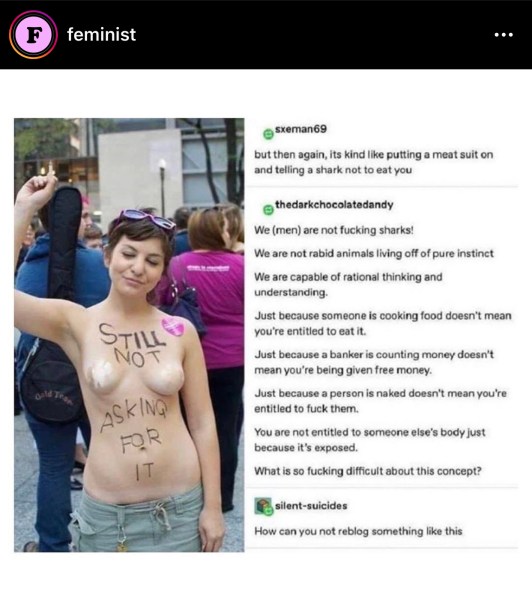
I came across a post on Feminist’s Instagram.

This post struck a nerve that no other post ever did. Mainly because whoever this person (thedarkchocolatedandy) is, didn’t insult anyone, nor did they try to persuade anyone to believe them. All they did was point out how humans are different than animals and also that women aren’t a piece of meat.

I decided to make a post on what crosses the line from being intimate to being considered rape. I am not sure how comfortable I am with men and most women not knowing or understanding what rape is and who the assailant is, and also that no reason is justifiable for rape, however, I wanted to make it clear and give no one who reads this an opportunity to claim they were unaware.

Take this post as a guide to know what is rape.

What is Consent?

The general definition of consent is to allow or permit for something to happen.

Consent in terms of sex or intimacy refers to agreeing to have sexual intercourse with someone and letting them know about it. It also includes finding out where the other person stands.

Consent is restricted and comes with thick boundaries. A person may consent to sexting, but not actually having sex, or vice versa.

Consent could also be restricted to just being physical and not actually having sex.

Take for instance the Netflix Original, “GUILTY”. A beautiful movie loudly stating that consent doesn’t give permission for anything and everything. Tanu (Akansha Ranjan), accuses VJ (Gurfateh Singh Pirzada) of raping her. Throughout the movie everyone had numerous reasons to tag her a fibster, they refused to believe her, they ridiculed her, said she was asking for it. The biggest reason was that she was very into VJ and that she threw herself on him quite a lot. In the end it was revealed that she wanted to have sex with VJ. She was consenting to the sex. What she wasn’t consenting to is being watched by VJ’s friends and being recorded. She didn’t consent to being sexually assaulted while the two bystanders ridiculed her and lead VJ on.

This movie is an eye-opener and covers many reasons rape culture still persists in our society.

When do you NOT have Consent?

  • When a person is sleeping or unconscious
  • When a person is drugged or intoxicated
  • When you are threatening them
  • You use a position of authority or trust
  • Consent is withdrawn
  • When you ignore their NO, cries and physically being pushed away
  • When you have consent for only one form of sexual act and not the other
  • When they are pressured

Verbal Consents:

  • Yes
  • I am sure
  • I want to
  • Don’t stop
  • Go on
  • I still want to
  • I want you to
  • I’m ready
  • Yes please
  • I am comfortable
  • I want to continue

Verbal Disagreements:

  • No
  • Stop
  • I don’t want to
  • I am not sure
  • I don’t think so
  • Please don’t
  • Please stop
  • This makes me uncomfortable
  • I want to stop
  • I don’t want to continue
  • This feels wrong
  • Maybe we should wait
  • Diverting the topic
  • I want to, BUT
  • Saying Yes fearfully

Non-Verbal Disagreement:

  • Pushing Away
  • Pulling Away
  • Crying
  • Avoiding Eye Contact
  • Silence
  • Shaking their head no
  • Standing/Lying motionlessly
  • Looking Scared
  • Not removing their own clothes

What is Rape?

Sexual Assault refers to any form of sexual contact or behaviours without explicit consent by the victim. Attempted Rape, Unwanted touching, forcing a victim to perform sexual favours, oral or penetrating penis or any other object.

The Medical definition of Rape is, “Forced sexual intercourse, and/or forced sexual assault between two or more people is considered rape. Rape may be heterosexual or homosexual. Rape involves insertion of penis or any inanimate object into a person’s vagina, anus, mouth. Rape also includes any other sexual acts.” Force here doesn’t just refer to physical force; blackmail, psychological manipulation to coerce someone into being sexually active is also considered rape.

Sexual intercourse between an adult and a minor is legally considered statutory rape. The adult is found guilty even if the minor was consenting.

Intimacy with a minor wife is considered rape in India.

Marriage is not a licence for either partner to force an unwilling partner to have sex. Marital/Spousal Rape is now recognized and is a criminal offence.

Date Rape, sexual assault followed by the victim being drugged or psychologically manipulated.

Intoxicated Rape is when the victim is drunk and unconscious, not in the state to make a sober choice.

Consent taken by threatening the victim or victims loved ones is also considered rape.

Gang Rape occurs when a group of people rape a person.

Rapes in prisons and jails by other inmates or prison officials is also an offence, often overlooked and unreported.

Serial Rape is the rape committed continuously over a relatively long time period.

Payback/Punishment Rape is when a person rapes another out of spite.

War Rapes are rapes committed by soldiers during war as a way to force prostitution and slavery to insult an entire country.

Deceptive Rape is the rape that occurs when the rapist rapes a victim by gaining consent by misleading them.

Corrective Rape is a hate crime where homosexuals, trans and queer individuals are raped hoping to “correct” them. To force them to “turn” heterosexual.

Custodial Rape is the rape occurred in custody of police, hospitals, old age homes, orphanages or any other employee of the state.

Prostitution Rapes are rapes where rapists force prostitutes to have sex without paying them for their services, to inflicting pain and torture (cigarette burns, slapping, choking).

Exchange Rape is the rape where sexual favours are exchanged for money, rent, food, drugs or any other resource.

Punitive Rape is when rape is used to punish or discipline someone. Usually by an abusive teacher, parent, Religious leader, or a peer.

Incest Rape is when a victim is raped by family member.

Consenting Rape is when a consenting partner withdraws consent, but the rapist doesn’t stop and continues to get sexually intimate. Consenting rape is also when the victim consents, but isn’t completely “into it.”

Rape Culture

Rape Culture refers to the sociological concept of normalizing rape, and blaming victims for dressing or acting provocatively. A few illustrations of Rape Culture include:

  • Blaming the victim
    • She dressed provocatively
    • She shouldn’t have been out so late
    • She is already sexually active, who says she didn’t want it?
  • Boys will be boys
  • Tolerating sexual harassment
  • Assuming only immoral women get raped
  • Making degrading jokes about women
  • Associating “manhood” as dominant and sexually aggressive
  • Associating “womanhood” as submissive and sexually passive
  • Offensive memes
  • Not believing people who speak out
  • “You haven’t been raped yet, so chill”
  • Slut-shaming and congratulating men on “scoring”
  • Calling young women gold diggers when they marry old and older woman, cougars
  • Objectifying Women
  • Associating Rape to Victims character and not the rapists

Rape Culture is the direct consequence of toxic masculinity. The heavily patriarchal world teaches and forces boys and men to be strong and exert “masculinity” in the form of dominance, arrogance and sexual and physical aggression.

The only solution is to fight patriarchy.

Support for Those in Distress

The National Commission for Women, provides a set of helpline numbers, legal aid, and counselling contacts.