CORONA VIRUS COVID 19 RESPONSE

These unprecedented times mean immediate changes for everyone – be it
separation from family, friends, peers, professors, roommates, collegiate
infrastructure, and work colleagues; or getting used to living and working
under one roof with family and/or roommates.
While the health issues presented by the pandemic are of the utmost
concern, the massive projected impact on the economy may be the worst
many of us may have lived through in terms of uncertainty and
employment. This will be particularly challenging for the generation of
young people attempting to enter and/or successfully weather the current
job market.
Early Stage Careers’ roots are in the recession of 2009, when we saw
the need to help emerging young professionals who could not navigate that
unchartered territory. Due to the realities posed by the recession, these
young job-seekers were competing with more experienced alumni, and
many did not know how to go about a successful job search. Seeing this
need, we built a strong, successful company to fulfill our mission: helping
early careerists develop as candidates and get hired into meaningful jobs
and internships to launch their careers. We have firsthand understanding of
how to navigate these challenges, as our collective team of esteemed,
seasoned coaches have experienced and survived tough economic
downturns in corporate America at Fortune 500 companies and
organizations servicing them.
With our mission in mind, we are continuously, thoughtfully evaluating how
this unprecedented situation might impact young job seekers. We are
currently supporting all of our clients and services virtually,
particularly emphasizing these areas:
● Companies are turning to remote hiring practices:
We are emphasizing candidate’s digital branding (including online
presence and interactions) and prioritizing virtual interview and
meeting skills.
● Remote working environments demand unique We are building further
skill development into our services, continuing to
emphasize technology.

● Early Careerists are overwhelmed by the current hiring landscape:
We are offering compartmentalized parts of some of our programs to
prepare for hiring in stages.
● Competitive job marketplaces demand more qualified applicants:
We are working more closely with, and integrating further,
our assessment programs to target optimal opportunities that align
with client skills and employer needs.
● Employers are reexamining their hiring practices in light of the
global crisis:
Early Stage Careers’ senior team members have extensive HR
experience and relationships with corporate employers. Our team is
proactively reaching out to understand if and how they are altering
their current approach to hiring early careerists.
● Many early careerists don’t understand how to execute a
successful job search:
Our company provide job and internship seekers with tools they need.
our continued support, as we help our young and/or emerging
professionals forge forward in these trying times. Our goal is to continue to
position our clients with the best chances to succeed in this environment.

Early Careerists: Stay the Course

The current Covid-19 pandemic has had major implications for young job seekers. Many
early careerists have returned home amidst the outbreak and are adjusting to a new normal –
some are completing educational requirements online and adjusting to life surrounded by
family; others may be relaunching after losing a job early in their career, stunned and unsure
of how to move forward.
Early Stage Careers coaches are utilizing their years of experience to help guide job seekers
through the current difficult circumstances. While this is an exceptionally challenging time
for young job-seekers, here are practical suggestions that will help early careerists maintain
momentum in the face of our new normal.
Don’t lose sight of your goals
Take time to relax and utilize the opportunity to do things you would not have otherwise been
able to do. Read that novel on the shelf, watch a new movie, listen to a TED talk; but do not
idle away your time. It is easy to indulge ourselves at the current moment, spending hours
watching Netflix and sharing memes on social media. And this has value – it makes us laugh,
and helps us connect with community and culture, transporting us out of the current dilemma
– but it’s not helping you build your future.
Re-examine your goals. Consider the reasons you chose your career path and see if the
framework for these decisions has changed in any way. Take this time to explore and
consider career options – if companies aren’t actively hiring the positions that interest you,
research the market for the types of jobs you are seeking in order to better understand what
these opportunities may look like when we enter the recovery from the pandemic. Connect
with people who are working in these areas now and discuss their vision for the future. You
may solidify your desire to pursue a particular job, or find new things to work on related to
skills and technology needed to enter a field.
If you had secured (or hoped to secure) a summer internship, understand how companies are
For those seeking employment, while some companies are hiring right now, despite the
pandemic, the most prevalent jobs might not be the ones an early careerist imagined for
themselves. Investigate how freelance, gig work and contractor opportunities are marketed in
your area. Be ready for anything.
Master the tools for the times
At Early Stage Careers, we encourage everyone, at every stage of life to invest time in
mastering the art of the video interview and interactions – and in our current climate, are

more needed than ever. By focusing on these skills, you’ll be prepared to participate in virtual
career fairs or other remote hiring opportunities, as these alternatives continue to emerge.
Now is also a great time to focus on developing skills with basic office technology. Mastering
platforms like Powerpoint or Excel, or familiarizing yourself with industry-specific software
programs, will only serve you well going forward. Try to understand what sophisticated
features exist, and learn to utilize them by studying online tutorials and videos. You are not
alone in this
Ironically, this period of isolation offers a unique opportunity to connect with others. Use
your phone, and video engagement tools, like Zoom and social media to connect with people
– check in on how they are personally doing, and tell them what is happening for you and
what you are looking to do in the future. Offer to help them with their goals if you can –
remember, networking isn’t a one-way street. For right now, focus on finding your tribe and
staying in contact. When things get better, hopefully soon, we will all be rushing around to
ramp back up – but for now, take advantage of ways to keep in touch while socially
distancing.
Structure is key to success
Creating both short-term and long-term plans can be extremely helpful aids during the current
outbreak. From a macro-standpoint, try to identify things you’d like to achieve during this
time – it could be learning a professional or personal skill, or starting a new hobby. In terms
of daily routine – make a schedule each day, planning your time and creating structure and
purpose, including: school work, socializing, skill building, exercise, eating and
entertainment. While a routine might not be as logistically necessary as usual, maintaining a
schedule can be really Don’t be too hard on yourself if you’re not adhering to your schedule
by the minute – it’s challenging to manufacture structure in an unstructured time – but by
creating a daily schedule, you can strive to stay grounded and are more likely to use your
time productively.
Find ways to give back
In a time of crisis, while it’s great to focus on bettering yourself, it’s truly important to try to
help those around you if you are in a position to do so. Look for ways to give back both big
and small. Help your family members and neighbors – you can offer to help with groceries,
cleaning, or other household necessities, and proactively reach out to help those who aren’t
with you feel less isolated.
With those things on track, take time to explore other opportunities to contribute in the larger
community. There are online opportunities to volunteer to do digitization work, or assist with
projects in your community. If you are not sure where to begin, to find opportunities, and
evaluate if they are a match for you, we have for you to consider, leveraging ideas
suggestions from organizations that inspire those of us at Early Stage Careers. Use this to
guide you in finding places to share your talents and time that resonate with your interests. Of
course, volunteering can help your resume look more robust – but most importantly, giving

back in a time of need is a demonstration of your character, and your efforts can go a long
way to helping those who truly need it.
Ready for the Recovery
If you or your family have fallen ill, we hope that you are healthy again very soon; if you are
healthy, we hope you stay the course.
When society and our medical professionals get this under control, every aspect of the market
will have a “let’s get back to business” sense of urgency. We will all have a common
storyline in the future, the one we’ll tell when someone asks us, “So, how did you use that
time when everything came to a standstill?” While you should use this time to ensure that
your personal professional materials are in top shape, such as your resume, LinkedIn Profile
and cover letter, and to clean up your digital shadow on social media (removing some of
those college photos may be in your best interest), this should go deeper. Chronicle your
feelings and try to articulate what you’re learning about yourself, your skills, others; and
document what you’ve accomplished. Without a doubt, people in hiring roles (including
university clubs) will ask how you got through this and what you focused on. You will want
to spend time thinking about this now; which could serve as an impetus for you to take
initiative in some of the topics above.
We are all in this together; now is an opportunity to really think about how you want your
future to be shaped by this experience. By taking proactive steps now, you can ensure your
story will demonstrate that you made the best of an unforeseen opportunity, rather than
dwelling on a crisis. If you need help sorting through options related to any of these
suggestions, please reach out to us.

EARLY STAGE CAREER

For job-searching students and graduates alike, the COVID-19 crisis has
created an unprecedented situation. Businesses continue to grapple with
unanticipated logistic and economic challenges, as permanent staff adjust
to remote teamwork and the economy slows.
The bountiful job market of just about two months ago has been
transformed into a job market characterized by unknowns. However, that
isn’t to say opportunities have evaporated—there are still many companies
that have, or will have, roles that need to be filled.
Keep Structure
Getting a job is a job. It is also frustrating, stressful, lacks structure and
predictability, and is wrought with more rejection than most young adults
have experienced.
To develop momentum and resilience, it’s important to establish structure
in your daily job search. Look at our plots of steps to take on a weekly
basis. Track the contacts you make and the follow-up you need to do. Vary
your activities from day to day so you don’t burn out. It’s also a good idea to
recruit an accountability partner—ideally someone who is also searching
for a job—to help keep you focused and motivated.
Stay Persistent
Look for specialized job boards, such as industry- or location-specific
boards. Some examples include for media and marketing, for startups and
tech, and for philanthropy, non-profits, and government positions. Invest in
those that allow you to narrow searches in areas of focus, geography,
experience level, duration, and date of posting; as we say, these are
winning features. And be sure to create job alerts on Google, LinkedIn,
Indeed, and others, so you get notifications when relevant positions are
posted.
In this market, postings are taken down quickly; be careful to separately
save all interesting listings and your corresponding applications – don’t
simply rely on the online posting. Act quickly – if you do not apply, others
will, and you may miss out on opportunities. At the same time, it’s always

worth applying to potential right-fit options – since offers can be rescinded
at the last minute, it is best to be in the game continually.
As soon as you see a listing of interest, apply and make yourself a dream
candidate. Be specific about your skills and experience, including other
remote jobs or internships – you want to eliminate the unknowns for
whoever might review your application, and make clear what you’ll bring to
the position. Include a thoughtful, well-written cover letter if an option; not
doing so leaves others to stand-out for further consideration. Call out any
distance-learning prowess you may have, such as collaborative projects
managed virtually.
Be Proactive
If you have an internship lined up, reach out to the company and confirm
the status of their programs. Be creative – consider and propose ways you
can contribute remotely. Getting in touch with a point person now will make
you look professional and invested. Discuss both how you could pitch in
creatively during the internship, and offer ideas of how you can volunteer in
the interim.
Even if your internship seems likely to move forward, keep applying to
others, because offers can be rescinded at the eleventh hour. LinkedIn is a
great resource and has several hashtags related to internships where you
can find new openings.
Continue networking and reaching out to people who may have creative
suggestions to help you secure a role that matches your interests and
preferences.
If you receive news that your opportunity is cancelled, be prompt and
gracious in your response. Acknowledge you heard the news and hope to
re engage with them in the future. Never burn bridges; instead, keep
options open – this could lead to online project work over the summer, a
future opportunity to interview for next summer or a full-time role after
graduation.
If you can no longer fulfill an offer you accepted, due to family or health
circumstances, let the company know immediately. Your professional
reputation is being developed, and the company will appreciate you
informing them promptly. By acting responsibly, you might open a door for
a peer to receive that opportunity.

Think Flexibly
A determined attitude, flexibility and a strong work ethic are key attributes
when navigating troubled times. It is essential for grads in limbo to focus on
building skills. Available opportunities may be in positions that you did not
originally think to aspire to, but in any of these jobs, what’s important is to
build transferable skills.
Those who are willing to be flexible can create opportunities for
themselves. Seek out virtual internships. Create a “volunteership” using
your skills to help nonprofits or other organizations in the area where you’re
interested in gaining skills. Of course, not everyone can forego paying for
skill-building. Look for opportunities that may give you an opportunity to
grow.
Don’t limit yourself to one strategy. We recommended one of our clients
simultaneously take an advanced virtual course in Excel, study Powerpoint
on his own, and get certified in a popular inbound sales software and
Google analytics – all in addition to continuing to apply to internships and
jobs where he lives. This multifaceted approach – creating a summer of
productive skill building while internship and job searching – is highly
valuable and demonstrates your industriousness to employers.
Think locally. Local opportunities offer flexibility and have several benefits,
including potential pay. While a local internship might not be what you
envisioned, try to contribute to a company in ways that allow you to apply
or develop new skills. For example, you might seek out work at a local
restaurant and offer to help build their social media presence or create a
marketing strategy to execute in the coming months.
Students may consider taking college courses, preferably as transfer
credits (if acceptable) to your school. This may allow you to graduate early
or to fit in graduate-level courses. This can put you in a talent pipeline for
when the market rebounds. If that is not feasible, consider complementary
courses that make you more marketable to future employers. An
engineering student might complete coursework in the business curriculum
or finance, for example. Finally, consider taking specific skill-building
coursework in high-demand skill sets, such as data science or coding.
The current job market presents challenges for all professionals, and early
careerists are particularly vulnerable. By taking these steps, you’ll position

yourself to deftly navigate the employment landscape and posture yourself
well both in the short and long term.

1. Benefits of an Internship

An internship is a hands-on way to learn new skills at a company or organization
rather than in a classroom. Internships are a great opportunity for high school
students, recent high school graduates, college students, and even adults looking
to explore a career change.
Completing an internship can expose you to the workplace, letting you see what
really goes on in a certain industry, which is helpful information as you consider
various careers. It can help you understand whether the field or industry you would
like to work in is the right path for you. This can help you avoid the costs of
obtaining a degree in a field that is not a good fit for you or that you are not
interested in.
In addition to gaining valuable work experience, an internship helps improve your
soft skills. You will advance your self-confidence, email and phone etiquette, and
your awareness of a workplace. You also get the opportunity to get valuable
professional feedback from people who work in the field. These skills are highly
sought after by employers today.
Just like a job, you must go through an application process to get an internship.
Applying and interviewing for internships enhances your job application and
interviewing skills, which will be helpful when you apply for a job. An internship on a
résumé differentiates you from other job seekers and makes you more competitive.
Internships are temporary. They can last from a few weeks to a few months, with
varying work hours. But they can lead to long-term benefits, such as job
opportunities in the company and increased knowledge about the industry. In
addition, your supervisor and colleagues can be a reference for a job, college
applications, or even scholarship applications.
While many internships are unpaid, the benefits of completing an internship are
priceless.

IS JUNK FOOD ALWAYS BAD TO EAT?

These times is ruled by fast food shops and demand for these kind of food is highest by the youth of the society. The reason could be late working hours, laziness, and change in taste preferences. The growing popularity of fried and unhealthy food is remarkable. The reason why some foods are called junk is that they contain a high value of fats and carbohydrates which exceeds the limited in the balanced diet. Studies observe that the combination of sugar and fat is more commonly associated with addictive symptoms — such as withdrawal or loss of control over consumption — than sugar alone.

Its excess consumption can also cause heart problems, obesity and long time illness. But doctors say that completely neglecting junk food can cause a decrease in energy level. Eating your favorite treats in moderation can help you stick to your diet (especially long term), enjoy holidays and other special events, and avoid unhealthy preoccupations with food. Besides, completely abstaining from junk food is not sustainable, enjoyable, or worthwhile for your health.

How should you really avoid junk food? According to Dr. Sharma, the red flags that you should look out for and avoid bringing home include trans-fats, refined grains, salt and high fructose corn syrup. Avoid foods that say corn sweetener, corn syrup, corn syrup solids, partially hydrogenated, fractional, or hydrogenated on their label. Ask yourself the amount of calories you consume in a day and you will now how much to eat.

As Tufts University Health & Nutrition’s scholarly journal article “Junk food, or junky food choices?” stated, for every bit of junk food we consume there is a small amount of nutrients that we consume along with the junk food. For example, vitamins A, B6, Bi2, C, folate, calcium, protein, and iron. These important nutrition elements are actually in the junk food, a source of food that people believe to be harmful.

Every living cell in your body is made from the food you eat. If you consistently eat junk food then you’ll have a junk body.  -Jeanette Jenkins

There are those people who can eat one piece of chocolate, one piece of cake, drink one glass of wine. There are even people who smoke one or two cigarettes a week. And then there are people for whom one of anything is not even an option. Understand the difference.

SC Orders CBI Probe In Sushant Singh Rajput Case

In a big setback to Maharashtra government which never wanted CBI probe in Sushant Singh Rajput case, the Supreme Court in this high profile case titled Rhea Chakraborty Vs. State of Bihar & Ors. in Transfer Petition (Crl.) No. 225 of 2020 delivered on August 19, 2020 has in no uncertain terms clearly, categorically and convincingly upheld the Bihar Government’s order to transfer the probe in the case related to the death of the Bollywood actor – Sushant Singh Rajput to CBI. Sushant was found dead in his house in suburban Bandra in Mumbai on June 14. Rhea’s lawyer Shyam Divan who is a senior and eminent lawyer of Apex Court argued that Rhea had no qualms with the case being transferred to the CBI but not at the behest of the executive orders of the Bihar Government. Another senior and eminent advocate – Vikas Singh who appeared for Sushant’s father urged the top court to hand over the case of the late actor’s mysterious death to CBI! 

                            Most intriguingly, the Bombay Police had inexplicably and questionably failed to lodge an FIR even after the lapse of 65 days till now which undoubtedly has created bona fide and serious lingering doubts on its neutrality, credibility and commitment to resolve this case in fairness according to the rule of law! On the contrary, Bihar police had promptly lodged the FIR as soon as they received the complaint from the deceased actor’s father KK Singh at Rajiv Nagar police station in Patna against Rhea and six others including her family members for abetting the actor’s suicide which enhanced its credibility in the eyes of the people! 

                   No doubt, a mandatory time limit of 24 or at the most 48 hours must be fixed within which the police must be made to register the FIR and strictest action must be taken against those police officials who refuse to lodge the FIR. Time and again we keep hearing many such cases where police either refuses to lodge an FIR or forwards some excuse or the other for not lodging an FIR which defeats the very purpose for which it is lodged! It is a long pending reform that is still in waiting queue and now it is high time that it be implemented at the earliest! This will help the litigants a lot especially the victims in their quest for justice and not further rub salt on their deep wounds further!  

                                   To be sure, a single Bench of Apex Court of Justice Hrishikesh Roy held that Bihar police had jurisdiction to register FIR with respect to the suicide of Sushant Singh Rajput at the complaint of the actor’s father and held that the transfer to CBI was valid. The Apex Court has directed the Maharashtra police to hand over the case files to CBI and to render necessary assistance. The Apex Court held clearly that, “It is court ordered CBI investigation. Maharashtra police must comply and assist.” Very rightly so!

                                To start with, the ball is set rolling in para 1 of this notable judgment wherein it is observed that, “This Transfer Petition is filed under section 406 of the Code of Criminal Procedure, 1973 (for short “CrPC”) read with Order XXXIX of the Supreme Court Rules, 2013 with prayer for transfer of the FIR No. 241 of 2020 (dated 25.7.2020) under Sections 341, 342, 380, 406, 420, 306, 506 and 120B of the Indian Penal Code, 1860 (for short “IPC”) registered at the Rajeev Nagar Police Station, Patna and all consequential proceedings from the jurisdiction of the Additional Chief Judicial Magistrate III, Patna Sadar, to the Additional Chief Magistrate, Bandra, Mumbai. The matter relates to the unnatural death of the actor Sushant Singh Rajput on 14.6.2020 at his Bandra residence at Mumbai. The deceased resided within Bandra Police Station jurisdiction and there itself, the unnatural death under section 174 of CrPC was reported.”  

                           While elaborating on the petitioner’s version, it is then enunciated in para 2 that, “The petitioner is a friend of the deceased, and she too is in the acting field since last many years. As regards the allegations against the petitioner in the FIR, the petitioner claims that she has been falsely implicated in the Patna FIR, filed by Krishan Kishor Singh (respondent no. 2) – the father of the deceased actor. The petitioner and the deceased were in a live-in relationship but on 8.6.2020, a few days prior to the death of the actor, she had shifted to her own residence at Mumbai. According to the petitioner, the Mumbai Police is competent to undertake the investigation, even for the FIR lodged at Patna.” 

                         To put things in perspective, it is then disclosed in para 5 that, “Representing the State of Bihar, Mr. Maninder Singh, the learned Senior Counsel submits that the Complaint disclosed a cognizable offence and therefore, it was incumbent for the Patna Police to register the FIR and proceed with the investigation. Since allegations of criminal breach of trust, Cheating and defalcation of money from the account of the deceased are alleged, the consequences of the offence are projected to be within the jurisdiction of the State of Bihar. The Senior Counsel highlights that the Mumbai Police was conducting the enquiry into the unnatural death of the actor u/s 174, 175 CrPC and such proceeding being limited to ascertaining the case of death, does not empower Mumbai Police to undertake any investigation, on the allegations in the Complaint of the Respondent No. 2, without registration of an FIR at Mumbai . Referring to the non-cooperation and obstruction of the Maharashtra authorities to the SIT of Bihar Police which reached Mumbai on 27.07.2020 and the quarantined detention of the Superintendent of Police, Patna who had reached Mumbai on 02.08.2020, senior counsel argues that the Mumbai Police was trying to suppress the real facts and were not conducting a fair and professional inquiry. Since no investigation relatable to the allegations in the complaint was being conducted and FIR was not registered by the Mumbai Police, the action of the Bihar Police in registering the Complaint, is contended to be legally justified. On that basis, the Bihar Government’s consent for entrustment of the investigation to the CBI is submitted to satisfy the requirement of Section 6 of the DSPE Act. Besides, as the petitioner herself has called for a CBI investigation and as the CBI has since registered a case and commenced their investigation, (on the request of the State of Bihar), the Senior Counsel submits that this transfer petition is infructuous.”

                              As it turned out, it is then held in para 20 that, “In the present case, the Mumbai Police has attempted to stretch the purview of Section 174 without drawing up any FIR and therefore, as it appears, no investigation pursuant to commission of a cognizable offence is being carried out by the Mumbai police. They are yet to register a FIR. Nor they have made a suitable determination, in terms of Section 175(2) CrPC. Therefore, it is pre-emptive and premature to hold that a parallel investigation is being carried out by the Mumbai Police. In case of a future possibility of cognizance being taken by two courts in different jurisdictions, the issue could be resolved under Section 186 CrPC and other applicable laws. No opinion is therefore expressed on a future contingency and the issue is left open to be decided, if needed, in accordance with law.”   

                                  As a corollary, para 21 then holds that, “Following the above, it is declared that the inquiry conducted under Section 174 CrPC by the Mumbai police is limited for a definite purpose but is not an investigation of a crime under Section 157 of the CrPC.” 

                         To state the palpable, it is then rightly pointed out in para 30 that, “Having regard to the law enunciated by this Court as noted above, it must be held that the Patna police committed no illegality in registering the Complaint. Looking at the nature of the allegations in the Complaint which also relate to misappropriation and breach of trust, the exercise of jurisdiction by the Bihar Police appears to be in order. At the stage of investigation, they were not required to transfer the FIR to Mumbai police. For the same reason, the Bihar government was competent to give consent for entrustment of investigation to the CBI and as such the ongoing investigation by the CBI is held to be lawful.” 

                           Be it noted, the Bench then observes in para 36 that, “The ongoing investigation by the CBI is held to be lawful. In the event a new case is registered at Mumbai on the same issue, in the fitness of things, it would be appropriate if the latter case too gets investigated by the same agency, on the strength of this Court’s order. Such enabling order will make it possible for the CBI to investigate the new case, avoiding the rigors of Section 6 of the DSPE Act, requiring consent from the State of Maharashtra.”

                       Most significantly, it is then held unequivocally in para 40 that, “The actor Sushant Singh Rajput was a talented actor in the Mumbai film world and died well before his full potential could be realised. His family, friends and admirers are keenly waiting the outcome of the investigation so that all the speculations floating around can be put to rest. Therefore a fair, competent and impartial investigation is the need of the hour. The expected outcome then would be, a measure of justice for the Complainant, who lost his only son. For the petitioner too, it will be the desired justice as she herself called for a CBI investigation. The dissemination of the real facts through unbiased investigation would certainly result in justice for the innocents, who might be the target of vilification campaign. Equally importantly, when integrity and credibility of the investigation is discernible, the trust, faith and confidence of the common man in the judicial process will resonate. When truth meets sunshine, justice will not prevail on the living alone but after Life’s fitful fever, now the departed will also sleep well. Satyameva Jayate.”   

                     Truth be told, it is then stated in para 41 that, “In such backdrop, to ensure public confidence in the investigation and to do complete justice in the matter, this Court considers it appropriate to invoke the powers conferred by Article 142 of the Constitution. As a Court exercising lawful jurisdiction for the assigned roster, no impediment is seen for exercise of plenary power in the present matter. Therefore while according approval for the ongoing CBI investigation, if any other case is registered on the death of the actor Sushant Singh Rajput and the surrounding circumstances of his unnatural death, the CBI is directed to investigate the new case as well. It is ordered accordingly.” About this inherent powers under Article 142 of the Constitution, we see that the same has been discussed in detail in para 37 also while dwelling on the case of Monica Kumar (Dr.) and Anr. Vs. State of Uttar Pradesh and Others (2008) 8 SCC 781 pointing out when it can be invoked to render justice. 

                                       It is a no-brainer that if the Bombay Police had lodged FIR in time and had followed the proper procedure, the Supreme Court would never have ordered CBI to investigate this sensational Sushant death case! While it conceded that there was nothing to show any wrongdoing by the Mumbai police but as it had not yet initiated an FIR even after 65 days and was carrying out a limited inquiry under Section 174 of CrPC pertaining to inquiry into unnatural death, it lost the plot and ultimately the case was handed out to CBI! All the police of all the States in India must always be very careful of lodging the FIR in time as if they don’t do then they will have to face the consequences as we see in this case also! 

                         No doubt, all those who are in police must read the relevant part of para 23 of this landmark judgment which clearly, categorically and convincingly states that, “Registration of FIR is mandated when information on cognizable offence is received by the police. Precedents suggest that at the stage of investigation, it cannot be said that the concerned police station does not have territorial jurisdiction to investigate the case. On this aspect the ratio in Lalita Kumari Vs. Govt. of UP (2014) 2 SCC 1 is relevant where on behalf of the Constitution Bench, Chief Justice P Sathasivam, pronounced as under:-

“120.1. The registration of FIR is mandatory under Section 154 of the Code, if the information discloses commission of a cognizable offence and no preliminary inquiry is permissible in such a situation.

120.2. If the information received does not disclose a cognizable offence but indicates the necessity for an inquiry, a preliminary inquiry may be conducted only to ascertain whether cognizable offence is disclosed or not.””

                                  It is high time and now Centre must also take the requisite steps to make it mandatory for the police to lodge an FIR within a stipulated time frame so that the litigants especially the victims are not traumatized further after the crime has occurred! Also, what is most important is that strictest action must be stipulated against all those policemen who refuse to lodge FIR! It brooks no more delay now!

                                It goes without saying that people must also be given an alternative to lodge an FIR if police refuses with some other duly constituted body like the State Human Rights Commission or some other body so that people don’t have to suffer interminably as we repeatedly hear cases of police refusing to lodge FIR and instead building pressure on the victim to keep quiet! How can this huge injustice be tolerated any longer? Why should it be allowed any longer? 

                         Bluntly put: Why can’t men in uniform in police be straightaway dismissed from service for refusing to lodge FIR? Why can’t they also be sent to jail for ten to fourteen years for refusing to lodge FIR? Only strong will power is needed which is there in abundance in this present dispensation as we saw when they amended Article 370 of the Constitution! But the moot question is: Will this Government show equal interest on this also? 

Sanjeev Sirohi, Advocate,

s/o Col BPS Sirohi,

A 82, Defence Enclave,

Sardhana Road, Kankerkhera,

Meerut – 250001, Uttar Pradesh.

Photoshop

When I mentioned this word there might come two thoughts in your mind according to the height of knowledge you have regarding this topic. The beginners would call it basically a platform used for photo-editing or making posters maybe. But the one who has an ample amount of knowledge in this field would definitely say a lot more amount this. The must sat there are multitudinous virtues whose silhouttes will prove to be a boon for you creativity. I am not considering those who are not interested in this software because if it is so then you must not have opened this article.

So let’s start with an introduction, a basic introduction. So it is a raster graphic editor developed and published by Adobe for Windows and macOS. Now being a beginner, a very obvious question is what does this uncanny word raster mean? Okay,this means That photoshop is based on the pixels. There are two types graphic files:

  • Raster Graphics: These kind of files are based on pixels. You have to design a raster file according to the screen on which it would get displayed. You can’t just design a poster of any size and simply zoom it according to your need because that file will start getting pixelated and ultimately lead to spoil your poster and it’s purpose.
  • Vector Graphics: These kind of files are composed of paths and based on mathematics so they can quickly scale more substantial or smaller. This means you can design on any size then simply zoom-in or zoom-out according to your need.

Please don’t judge the photoshop on this basis it has it own virtues. Adobe Photoshop is a vital resource for artistic practitioners such as programmers, web developers, visual artists, photographers. Photoshop is commonly used for uploading images, retouching, designing image templates, mock-ups of websites and incorporating effects. You can edit digital or scanned images for online or in-print use. Inside Photoshop, website templates can be created; their designs can be finished until the developers move on to the coding level. It is possible to create and export stand-alone graphics for use within other programs.

Now for let’s come to the point hoe can you learn photoshop? Adobe Photoshop can be learnt in several ways. Popular methods include taking Photoshop classes in person, taking Photoshop classes live online, learning through online Photoshop tutorials, and Photoshop books. Classes are designed to help the students benefit from both group learning and one-on-one instruction activities. Classroom learning also has the advantage of using guided instruction to help students overcome challenges or obstacles. Such development programs are especially useful when it comes to introducing new apps or resources. The American Graphics Institute in Cambridge, as well as New York City and Philadelphia, provides Photoshop courses.

You-tube is also a very good source and provide you a lot of content that too for free. And what I would recommend is to practice, practice, and practice because Practice makes permanent. Go for more practice than theory because you will learn more by doing things practically than just reading or knowing about them. You have to get your hands dirty with these, this is the only way to master or at least to learn this I would say.

Hope you find this helpful. Happy learning!

Medicine Around Us

We all know the popular saying “Health is Wealth”. Here health means both mental and physical health along with social well being. “It is health which is real wealth and not piece of gold and silver ” said Mahatma Gandhi. The cure for all diseases are present in and around us. Infact it’s better to prevent than to suffer from diseases later. Here is a few importance of certain llano product used in medicine.

Neem – Azadirachta indica

  • The leaves of Neem are dried and places know cupboard to prevent the attack of insects on clothes.
  • It is also dried and burnt to keep away mosquitoes.
  • Neem products are believed by Siddhartha and Ayurvedic practitioners tinbekantidde Anthelmintic, antifungal, antidiabedtic, antibacterial, antiviral, contraceptive and sedative. It is particularly prescribed for skin diseases like eczema, psoriasis etc.
  • It is a key ingredient in non-pestidical management, providing a natural alternative to synthetic pesticides.
  • Neem does not directly kill insects on the crop. It acts as an anti-judant, repellent and egg lying deterrant, protecting the crop from damage. It suppress the growth/hatching of pest insects from their eggs.

Long Pepper – Pipper Longum (Hippli)

  • It is most widely used in Ayurvedic herbs.
  • It enhances digestion, assimilation and metabolism of the food.
  • It is also used to cure cough and throat pain, rheumatism, leprosy.
  • The herb is mixed with honey to control hiccups.
  • Women use it to treat menstrual cramps, infertility.
  • It is known to contain the chemical compound piperlongumine, which shown activity against many cancers including prostate, breast, lung, lymphoma, leukemia, primary brain and gastric cancer.

Black Pepper – Piper nigrum

  • This is the king of species.
  • Dried ground pepper has been used since antiquity both for it’s flavour and as a traditional medicine.
  • The use of black pepper know diet helps to promote weight loss, improve digestion, relieve a cough and cold, boost metabolism and treat skin problems.
  • It treat sinus, asthama and nasal congestion.
  • It reduces of risk of cancer and heart and liver ailments.
  • The antibacterial property of black pepper helps to fight against infections and insect bites.
  • Pepper added to the diet helps to keep your arteries clean by acting a similar way to fiber and scrapping excess cholesterol from the walls, thereby helping to reduce antherosclerosis, the condition highly responsible for heart attack and stroke.

Ginger – zinigber officinale

  • This is extremely useful herb used to relieve patients suffering from dyspepsia, flatulence, vomiting, spasms, colic and other stomach problems.
  • Chewing piece of ginger regulatly can help in relieving problems of excessive secretion of salvia, volatile oil and diastase enzyme.
  • The juice if ginger mixed with honey, taken 3 to 4 times a day helps to relieve cough.
  • Fresh ginger juice with a cup of fenugreek and honey makes a good diaphoretic mixture to relieve swearing and reduce fever in patients suffering from influenza.
  • It acts as expectorant in relieving asthma, cough and tuberculosis.
  • The decoction of a piece of ginger with a cup of boiled water and little sugar is used to relieve menstrual problems. Consumed 3 times daily for relieving painful irregular menstruation.

Garlic – Allium Sativum

  • Raw garlic could help to cure lung infection.
  • It was used as bug – repellent, against plague and Egyptians even burried it along with their dead.
  • The high sulphur content in garlic gives it antibiotic property, helping to keep the digestive system clean by flushing out toxins.
  • It also builds the immunity against cold and prevents heart ailments by cleaning up blocked arteries.
  • It also acts as a blood purifier.
  • Consuming garlic on a daily basis in food or raw helps to lower cholesterol levels because of the anti oxidant properties of Allium.
  • A garlic based mouthwash in a very small quantity of its extract is sufficient to ward off cavity causing bacteria.
  • Rubbing crashed garlic extract in scalp or massaging with garlic infused oil is known to prevent and even reverse hair loss.

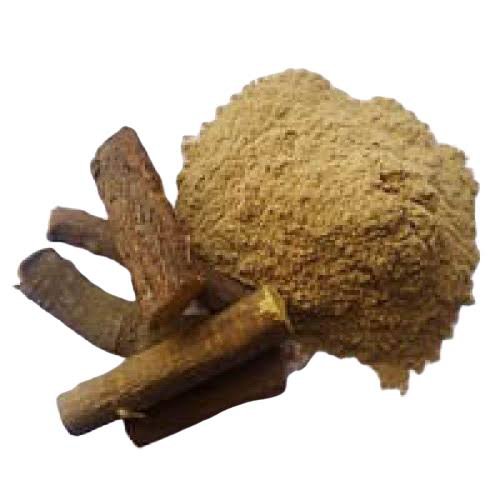
Yestimadhu – Glycyrrhiza glabra

  • The root is beneficial in treatment of cough, cold and bronchial irritations.
  • It is beneficial to treat eczema, skin rashes, itchy and dry skin.
  • Relieves acidity and constipation.
  • Treats ulcers.
  • Helps in weight loss.
  • Alleviates menopause problems.
  • Promotes oral health.

Nutmeg – Myristica fragrans

  • It can effectively stimulate the brain. It can help to eliminate fatigue and stress.
  • It also improves concentration.
  • It used to cure muscle pain, arthritis, sores and other aliments.
  • It received stomach aches by removing the excess of gas from intestine. It also boost appetite.
  • It helps to achieve smoother and healthier skin.
  • If difficulty to sleep at night, a cup of milk along with little nutmeg powder is consumed.

Amla – Phylianthus embica

  • Amla juice is best tonic to make us look younger.
  • It is the integral component of Triphala, an Ayurvedic, formulation, used to care many diseases.
  • It balances 3 disorder – vattha, Pittha and Kapha.
  • It prevents cancer due to the presence of some important polyphenosis.
  • Drinking of Amla juice prevents hair loss, dandruff and split ends.
  • Paste of Amla helps to grow the hair thicker and darker.
  • It is also applied on face to fight wrinkles, pimples, acne etc,.
  • It is good for weight loss and fat burning.
  • It also prevents eye

8,363 projects, with an anticipated cost of Rs 5.88 lakh crore, have been kick-started in the Oil and Gas sector since 20th April this year;

Oil & Gas industry has kick-started economic activities/projects, numbering 8,363 with an anticipated cost of Rs 5.88 lakh crore which resumed progressively since 20.04.2020, following all pandemic related SOP.

These projects of Oil & Gas CPSEs & JV/Subsidiaries, inter-alia, include Refinery projects, Bio Refineries, E&P Projects, Marketing infrastructure projects, Pipelines, CGD projects, drilling/survey activities.  The major 25 on-going projects of Oil & Gas CPSEs / JVs having an anticipated cost of Rs 1,67,248 crore and having incurred Rs 7861 crore worth of Capex leading to generation of 76,56,825 mandays, are given in Annexure.

Minister of Petroleum and Natural Gas & Steel Shri Dharmendra Pradhan has been holding in-depth reviews of all on-going projects of Oil & Gas Companies, the recent one being on 24.08.2020. Under the Minister’s vision, Petroleum Industry has turned ‘crisis into opportunity’andis striving to work on mission mode to generate employment and revive growth. Oil and Gas entities in their role as key actors are working on war footing and contributing to the green shoots of economic revival already visiblethrough the backward and forward linkages of the oil and gas industry.  Further, Oil and Gas sector is a key driver of economic growth and, therefore, these projects provide boost to the national economy and will trigger job creation, material movement.

Out of the total anticipated cost of these projects, approximately Rs 1, 20 lakh crore is targeted to be incurred as CAPEX in FY 2020-21. In FY 2020-21 (as on 15.08.2020), around Rs 26,576 crore worth of CAPEX has already been incurred. Further, in FY 2020-21 (as on 15.08.2020), around Rs 3,258 crore has been reported to be payout accrued on labour account during this period.

A total of around 33.8 crore man-days (direct as well as indirect) of employment is expected to be generated towards the completion of these 8363 projects, out of which more than 9.76 crore man-days of employment generation is targeted in FY 2020-21 itself. In FY 2020-21 (as on 15.08.2020), employment of more than 2.2 crore man-days have been generated through capital expenditure in the execution of these Oil & Gas projects. 

Oil & Gas companies have reported that in FY 2020-21, they have planned an employment-oriented OPEX of around Rs 41,672 crore out of which Rs 11,296 crore has already been spent. This OPEX of Rs 41,672 crore has potential to generate around 14.5 crore man-days employment (direct/indirect). In FY 2020-21 (as on 15.08.2020), direct/indirect employment of around 4.4 crore man-days have been generated through OPEX.  

In FY 2020-21, a total of around Rs 1.62 lakh crore (CAPEX and employment oriented OPEX) is targeted to be spent by Oil & Gas companies that has potential to generate employment of around 24 crore man-days (direct/indirect). This amount spent would create a virtuous cycle of investments and will certainly play a crucial rule in revival of Indian economy and will also provide employment opportunities to people of our country.

Growth of active COVID-19 cases is slowing down: Health Secretary

The number of tests conducted so far has crossed 3.68 crore. At the same time, recovery rate has become more than 75.92%, while active cases are only 22.2% of total cases. In the last 24 hours, number of active cases came down by 6,400. Recovered patients are now more than 24 lakh, while the number active patients stand at 7,04,348, as on date. This apart, death percentage is at 1.84%, which is one of the lowest in the world. This has been informed by Shri Rajesh Bhushan, Health Secretary, while briefing media persons on the actions taken, preparedness and updates on COVID-19, at National Media Centre in New Delhi today. The Health Secretary also informed, “The rate of increase of active cases, on a day-on-day as well as week-on-week basis, shows a declining graph”


Explaining in detail, Shri Bhushan stated, enhanced testing infrastructure is leading to rise in tests. “We, at the level of Health Ministry monitor the positivity rate on a day-to-day as well as on a 7-day rolling average basis. This apart, cumulative positivity rate on basis of the tests conducted so far is also monitored”, he informed. As on August 13, the positivity rate was 8.93% when cumulative testing was around 2.68 crore. But, as on date, when the cumulative testing figure has increased to 3.6 crore, the positivity rate has decreased to 8.6%. Similarly, the positivity rate recorded on the basis of seven-day rolling average was 11% in the first week of August. It has now come down as on date to 8% (7-day rolling average). “While the number of tests has increased exponentially, there has been a steady decline in the positivity rate”, stated the Health Secretary.

This apart, tests per million per day is also continuously rising. “We have to keep in mind the population of the country which is the second highest in the world. This becomes a factor while increasing tests per million population. It is easy to increase tests per million in countries having a smaller population. But, in countries like India a lot of challenges arise in this work”, stated Shri Bhushan.

A study of the critical cases show 2.70% patients are on oxygen support, 1.92% are in ICU, while 0.29% patients are on ventilator support, out of the total active cases. This apart, analysis of deaths show, 51% of deaths occurred in 60 years and above age group, 36% deaths in the 45-60 years age group, 11% between 26-44 years, 1% in 18-25 years age group and 1% COVID-19 related deaths occurred to those aged below 17. These data, as presented by the Health Secretary, again points out that people with comorbidities and elderly are at high risk. An analysis on the basis of gender shows 31% of the deaths occurred to female patients, while 69% to males.


Stating as to how testing has been increased in a calibrated manner, DG, ICMR Prof  (Dr.) Balram Bhargava informed, “In the first phase, COVID-19 was an urban phenomena which occurred in large cities with international airports and hence labs for RT-PCR tests, which is still a gold standard, were set up. In the second phase, at the district level, some RT-PCR labs were set up along with repurposing of the TRUENAT and CBNAAT tests originally meant for tuberculosis and the Abbott machines originally meant for HIV-AIDs. In the third phase, at the field level, antigen tests having moderate to high sensitivity and very high specificity were deployed for the purpose of COVID-19 testing”.

This week a landmark of 10 lakh tests per day has been reached. Presently there are 1524 testing labs in the country, including state-of-the-art high throughput testing machines have also been installed at 5 cities, namely, Delhi, Mumbai, Noida, Kolkata and Patna, for which a number of ICMR labs were re-purposed. Speaking on the augmentation of COVID-19 testing capacity, DG, ICMR stated, the purpose of calibrated testing strategy was to gradually increase the number of tests as and when required, take it to areas where it was mostly required (including faraway areas) as well as to bring down the cost. In the month of March, a RT-PCR Kit costed around Rs 1150, VTM and RNA Extraction kits costed around Rs 320 each. As and when the indigenous kits became available, the international kits also reduced their costs. Presently, an RT-PCR kit is available for Rs 138/-, while VTM and RNA Extraction kits come at Rs 90 each. This way, the cost of a RT-PCR test came down from around Rs 2000 to Rs 310. Gradually, as and when Indian industries, start-ups, central laboratories started developing indigenous kits, the international kits also reduced their costs. In this connection, the DG, ICMR further informed, most of the VTM, RT-PCR and RNA Extraction kits were imported in the beginning of April. More than 700 such kits have been evaluated. At the 24 ICMR Evaluation Centres, out of all the testing kits tested so far, 119 VTM, 46 RT-PCR, 62 RNA Extraction, 10 ELISA, 11 Rapid Antibody and 1 Rapid Antigen Kits of indigenous-make.  More recently, many of the states have started procuring these kits, further informed the DG of ICMR. All these kits are now available in GeM platform, he added.

Webinar on Assessing R&D Needs & Development of Import Substitute in Farm Machineries for MSMEs

Prof.(Dr.) Harish Hirani, Director, CSIR-CMERI, Durgapur, Shri R.K. Parmar, Deputy Director, MSME-DI, Ludhiana and Shri Baldev Singh, Chairman, Punjab State Agriculture Implements conversed upon redirecting R&D course for bolstering Import Substitution in Farm Machineries at an engaging Webinar held on 25th August 2020.

Prof.(Dr.) Harish Hirani, Director, CSIR-CMERI, Durgapur, gave a thorough and analytical presentation on the array of CSIR-CMERI developed Farm Mechanization, Agricultural and Post-Harvest technologies. Dr. Hirani stated that an amalgamation of Science, Economics and Society can work wonders for transforming the Economic Landscape of the Nation. He charted the technology development journey from the Swaraj Tractor developed by CSIR-CMERI during the Green Revolution to the compact Krishi Shakti Tractor developed as a specimen of the changing trends in Agricultural practices. In his presentation, Dr. Hirani showcased innovative agricultural technology interventions ranging from Precision Planter for Vegetables, Offset Rotavator for Orchards to Controlled Atmosphere Renewable Energy Based Stand-Alone Cold Storage Unit, Leaf Collector System and Automatic Bio-Mass Briquetting Plant.

To enhance the income of farmers and to get proper value for their produce, CSIR-CMERI  has developed post-harvest technologies and  have been installed in various states of North East India including Mizoram, Arunachal Pradesh and Manipur. The Post-Harvest processing technologies having a tremendous socio-economic impact in the North-Eastern states and is helping thousands of locals, especially women, to join the mainstream economic activities.

Dr. Harish Hirani, stated that as a revolutionary step in the history of tractor technologies, CSIR-CMERI will be launching the First Generation E-Tractors in the month of September, 2020, which has the potential to overhaul the current Diesel-intensive Tractor usage practices prevalent across the nation. Dr. Hirani urged all the MSEs to come forward with their ideas, visions and existing technologies so that CSIR-CMERI can collaborate and add further value to those potential visionary technology through intensively analyzed Techno-Economics. The future trend in Agriculture would be driven by Artificial Intelligence and Efficient Electronic Architecture, and the R&D course of CSIR-CMERI is already aligned in this direction. The CSIR-CMERI technologies after being deployed in the fields, if requires further improvisation/modifications as per newly evolved challenges/obstacles, will be remodeled/value-added by the team of scientists exclusively deputed for the purpose.

Shri Baldev Singh and Shri R.K. Parmar were highly enthused by the technology prospects of CSIR-CMERI. Shri Baldev Singh urged Dr. Hirani to further intensify the efforts of CSIR-CMERI towards development of bespoke solutions for the farming community across the nation as per the geographical, soil and socio-economic parameters of the region.

INDIAN ARMY ORGANISES SEMINAR ON IMPACT OF DISRUPTIVE TECHNOLOGIES ON FIGHTING PHILOSOPHY IN FUTURE CONFLICTS

Warfare has undergone a sea change due to the emergence of new domains of warfare and disruptive technologies. There is a technology tsunami which is underway and it will compel militaries to reorganize and re-structure to fight future wars. In order to address various aspects of the impact of disruptive technologies, a seminar was organized on the “Impact of Disruptive Technologies on Our Fighting Philosophy in Future Conflicts” as part of the Defense and Strategy Seminar 2020 at Army War College, Mhow from 24-25 August 2020. The event was conducted as a webinar due to the COVID-19 restrictions, across 54 locations with 82 outstations spread across the length and breadth of the country.

The panelists of the seminar comprised subject matter experts’ including military, technocrats, academician and speakers from across the spectrum of specialists on the subject to deliberate on the relevant themes and crystallize ideas and develop them into formal papers and Doctrines. Lieutenant General Raj Shukla, GOC-in-C, ARTRAC commenced the proceedings with an incisive and eloquent key note address. Disruptive technologies like Cloud Computing, Artificial Intelligence (AI), Augmented Reality/ Virtual Reality (AR / VR), Robotics, Big Data Analytics, Cyber, Small Satellite, 5G/6G, Quantum Computing and cyber warfare were discussed thread bare during the event. The Seminar was a sounding board for the Indian Army on doctrinal and strategic issues of vital national importance and resulted in obtaining insight into complex themes.

General MM Naravane, the Chief of Army Staff attended the seminar on 25 August 2020 to provide valuable strategic guidance to the Indian Army. The COAS highlighted the impact of disruptive technologies in warfare and war fighting and emphasized that the current modernization drive was focused on upgrading existing weapon systems and platforms, and Indian Armed Forces would have to pay adequate emphasis on the available disruptive technologies that have dual use and are being driven by commercial entities and innovations. He recommended that an overarching national mission to identify the needs and congruence of products into military applications must form part of armed forces modernization strategy.

The seminar was the first virtual initiative of its kind at such a large scale and the COAS complimented Army War College on the successful conduct of the seminar.

MCA maiden success in recovery of $3.25 million in Nirav Modi case from USA

Punjab National Bank Ltd. (PNB) has informed the Ministry of Corporate Affairs (MCA) which spearheaded the corporate governance litigation in a foreign jurisdictional Court, that it has received $ 3.25 million (equivalent of Rs. 24.33 crore) as the first tranche of recoveries. Upon liquidation of the debtors’ assets by the US Chapter 11 Trustee, a sum of $ 11.04 million (equivalent of Rs. 82.66 crore) is available for distribution to unsecured creditors including PNB. Further recovery therefrom is subject to other expenses and settlement of claims of other claimants.

The maiden repatriation of $ 3.25 million is an unprecedented achievement of the Government of India, Ministry of Corporate Affairs in its fight against corporate fraud in overseas territory. The Ministry also has initiated proceedings for disgorgement of monies from the perpetrators, i.e., the entities promoted and/or controlled by Mr. Nirav Modi/ Mr. Mehul Choksi.

Punjab National Bank Ltd.in 2018 informed the Ministry of Corporate Affairs, Government of India that three companies promoted by Mr. Nirav Modi, namely M/s. Firestar Diamond, Inc., M/s. A. Jaffee, Inc. and M/s. Fantasy, Inc., had filed for Chapter 11 Bankruptcy Protection in the Southern District of New York, United States of America. PNB requested the Ministry of Corporate Affairs to support and join the bankruptcy proceedings in New York, USA in order to help PNB realize its claims in the debtors’ assets.

The US Bankruptcy Court of Southern District of New York, by its Order dated July 26, 2018 recognized the claims of PNB in the proceeds of sale of assets of the properties of the debtor companies. It also authorized PNB to issue subpoenas to compel the examination of Mr. Nirav Modi, Mr. Mihir Bhansali and Ms. Rakhi Bhansali under oath.

Subsequently, on August 24, 2018, the Examiner appointed by the New York Bankruptcy Court submitted his report. The Report explains the modus operandi of the fraud, and the manner in which the US-based employees of the debtors participated in the fraud. One prominent feature of the fraud was the apparent façade of independent companies, which were, in reality, entities promoted and/or controlled by Mr. Nirav Modi, that engaged in ‘round-tripping’ of the diamonds amongst themselves.

Dr. Harsh Vardhan digitally addressed 35th National Eye Donation fortnight celebrations

Dr. Harsh Vardhan, Union Minister of Health and Family Welfare digitally addressed the 35thNational Eye Donation fortnight celebrationsand presided over the interactive webinar organised by AIIMS, New Delhi and the National Eye bank.

Reminding everyone that the National Blindness and Visual Impairment Survey 2019, jointly conducted by AIIMS (Delhi) and the Union Ministry of Health and Family Welfare reported that corneal blindness was the leading cause of blindness among patients aged less than 50 years in India, accounting for 37.5% of the cases and was the second leading cause of blindness among patients above the age of 50 years, he said, “Corneal blindness is one of the leading causes of blindness in the world. World Health Organization (WHO) reports estimate that approximately 5% of the world’s population is blind due to corneal diseases alone. In India, approximately 68 lakh people suffer from corneal blindness in at least one eye; of these, 10 lakh people are blind in both their eyes.”

Since the only known treatment to corneal blindness is corneal transplant, he urged those present to increase awareness to fill the demand and supply gap of corneal tissue. Speaking on the shortfall of donations in recent months due to the COVID pandemic and associated fear, he remarked, “the eye-banking system has been one of its worst victims among the routine non-emergency medical activities that have borne the brunt of this pandemic.The eye-banking guidelines of various countries, including India, advised temporary suspension of donor cornea retrieval and elective corneal transplantation surgeries when active lockdown measures were being implemented. This led to almost negligible cornea retrieval in April-May with more than 90% fall in corneal transplant surgeries.” He reiterated the advice of the medical community that  it is highly unlikely for the virus to be transmitted via donor corneas.

He further expressed happiness that eye banking activities have been resumed in non COVID hospitals via the Hospital Cornea Retrieval Programme in India and congratulated the Eye Bank Association of India (EBAI) for coming out with detailed advisory on precautionary measures with regard to corneal tissue retrieval to ensure maximum safety to the tissue recipients and those handling them.

However, he cautioned everybody present that in a country as populous as India, the present statistics are next to dismal. He beckoned every-body present to take inspiration from Prime Minister’s effort in achieving goals that could not be worked upon in the last six decades and leapfrog in the field of corneal donation and transplants. “Exhaustive strategy including strategic placement of collection teams in trauma centres and mortuaries need to encouraged. We need to set target and focus to achieve concrete results and fulfil Prime Minister’s Vision of New India by 2022, ” he added.

Prof RandeepGuleria, Director, AIIMS, Dr Atul Kumar,Chief, Rajendra Prasad Eye Centre, AIIMS, Dr Jeewan S Titiyal,Chairman, National Eye Bank and other doctors and officials of various medical associations and institutions were also present digitally at the event.

Glendale Community College

Education has the power to inspire growth and change lives. Since 1965 Glendale Community College has welcomed over 500,000 students as they worked towards graduating with two-year degrees, transferring to a university, completing new career training, or finishing an occupational certificate. 

Locations


Main Campus

6000 W Olive Ave, Glendale, AZ 85302
(623) 845-3000

Main Campus Google Map


North Campus

5727 W Happy Valley Rd., Phoenix, AZ 85310
(623) 888-7000

North Campus Google Map

Who We Are

Glendale Community College upholds the guiding principles and foundations of the Maricopa Community College District and works to serve the diverse and evolving needs of students and the community.

Welcome to Glendale Community College from our college president, Dr. Leyba Ruiz.
Administration
Values, Vision & Mission
Compliance
Accreditation
Diversity
Sustainability
History of GCC
History of GCC North
Contacts
Community
Careers

About
Athletics
Bookstores
Campus Map – Main
Campus Map – North
College Police
Disability Resource Services
Enrollment FAQ
Financial Aid
Fitness Centers
Library
My.Maricopa
MyInfo App
Technology Help
Tutoring
Careers & Jobs
Non-Discrimination Statements
Consumer Information
Disclaimer
Disclosures
Accreditation
QLess Status