States urged to proactively limit COVID transmission and keep the mortality below 1%

Cabinet Secretary holds a video conference (VC) with the Chief Secretariesand Health Secretaries of nine States and one UT at 1030 hrs today. The States/UT attending  the VC were Maharashtra, Tamil Nadu, Karnataka, Telangana, Gujarat, West Bengal, Uttar Pradesh, Punjab, Andhra Pradesh and Jammu & Kashmir, alongwith the Union Health Secretary, DG ICMR and Member  (Health), NITI Aayog. The VC was convened to review and discuss the COVID management and response strategy in these States/UT.

Union Health Secretary made a detailed presentation on the current status of COVID-19 in these States/UT, with a focus on districts reporting high case fatality and the need to refine as well as strengthen approach and strategiesrelating to testing, contact tracing, surveillance, containment, home isolation, availability of Ambulances, hospital beds, oxygen, treatment protocols, etc. It was observed that out of the total deaths in the country in the last two weeks, 89% of deaths are in these 10 States/UT and hence, these States/UT need to have continued and rigorous vigil so as to contain the spread of infection as well as take steps to reduce fatalities.

The States/UT were advised to proactively take stepstowards reducing case fatality to less than 1% across all districts focusing on :

  1. Effective containment, contact tracing & surveillance
  2. Ensuring that at least in 80 % of new positive cases, all close contacts should be traced and tested with 72 hours
  3. Ensuring a minimum of140 tests per million per day in all districts while targeting a positivity/confirmation rate of <5%
  4. Leveraging Antigen tests in containment zones / healthcare settings & retesting of all symptomatic negatives with RT-PCR
  5. Regular monitoring of home isolation patients (tele-calling and home visits) and ensuring timely admission to healthcare facility if SPO2 level falls below the designated level
  6. Putting in public domain the availability of beds and ambulances across COVID facilities while significantly reducing ambulance response time
  7. Saving lives by effective clinical management of all cases
  8. Monitoringweek-wise fatality rates for each health facility with particular focus on vulnerable patients (Comorbid, patients > 60 years’ age)
  9. Upgrading COVID dedicated facilities based on case load
  10. Monitoring availability and usage ofnecessary drugs, masks and PPE kits in all facilities
  11. Focus on Behavioral Change Communication promoting COVID appropriate behavior consisting of social distancing, wearing of masks, hand hygiene, cough etiquettes etc.

The Chief Secretaries explained about the current situation in the States/UT and their preparedness to tackle the spread of COVID-19, health infrastructure available to meet the challenge and steps taken to strengthen it further. States/UT also highlighted steps taken towards reducing case fatality as well as involving community in terms of COVID safe behaviour.

Grand finale to Textile Grand Challenge 2019 organized by Ministry of Textiles to bring forward innovative ideas aimed at phasing out plastic bags

Union Minister of Textiles and Women & Child Development Smt Smriti Zubin Irani today

said that the innovative spirit of India needs to be institutionalized for developing eco-friendly and cost-friendly alternative ideas that can also be utilized to create job opportunities. Speaking at the award giving ceremony for winners of the Textile Grand Challenge 2019 organized by Ministry of Textiles in keeping with Prime Minister Shri Narendra Modi’s clarion call to take decisive action for plastic waste management during his Independence Day speech on 15th August 2019, the Union Minister said that the contribution of innovative ideas by the participants is an indication that the legacy of Indiais steeped in equal opportunities for all.

Minister Smt Smriti Zubin Irani stressed on the need to upgrade textiles machine technology especially in the jute sector and proposed to organize a Grand Machinery Challenge for the Textile Sector to throw up new technologies.

Providing Ease of Tax Compliance and Opportunity to taxpayers before finalizing of Assessment Order are the core features of Faceless Assessment Scheme, a right step towards Minimum Government, Maximum Governance: Principal Chief Commissioner – Income Tax, Mumbai

Faceless E-Assessment scheme is a right step towards Minimum Government, Maximum Governance and the foundation stone for a transparent tax system. This is how Principal Chief Commissioner of Income Tax in Mumbai, Shri Patanjali Jha summarizes the new platform of Income Tax Department. He added that providing Ease of Tax Compliance and Opportunity to taxpayers before finalizing of Assessment Order are the core features of this scheme, while speaking at a webinar on ‘Faceless Assessment, Appeals & Taxpayer’s Charter’ jointly organized by the IMC Chamber of Commerce & Industry and Bombay Chamber of Commerce & Industry today.

Making a comparison between the faceless assessment system and the current system it replaces, the Principal Chief Commissioner explained how the new system is one designed for the 21st century. “There is no discretion in selection of assessment cases, while earlier, case selection used to happen manually. In place of single territorial jurisdiction, we now have automated random allocation of cases. While notices used to be issued both manually and on the system, issue of notices will now be done through a central mechanism (by NeAC) in electronic mode. There will be no physical meeting with any officer, no officer will call you to office and no more waiting outside office”, explained Shri Jha. He also noted, wide discretion and subjective assessment are being replaced by team-based assessment and a system wherein draft order is issued in one city, review is done in another city and finalization is done in yet another city, said the Principal Chief Commissioner. This apart, the scheme gives opportunity to taxpayers, in case of any order prejudicial before finalizing the Assessment order.

The Principal Chief Commissioner urged all taxpayers to visit the e-filing portal to understand how easy it is to use the platform from where all issues with the Department can be resolved easily. “On our part we expect you to understand and try to adapt; We will also provide suitable infrastructure facilities and ensure tax compliance is easy for tax payers”, stated Shri Jha

A National e-Assessment Centre (NeAC) and a network of Regional e-Assessment Centres will be set up to implement the Faceless Assessment Scheme of the Income Tax Department, launched nation-wide by Prime Minister Shri Narendra Modi on 13th August, 2020. The regional assessment network would comprise assessment units, verification units, technical units and review units. The system allows for dynamic jurisdiction, team-based working, and functional specialization and does away with human interface altogether.

The Chief Commissioner of Income-Tax (ReAC) Mumbai, Smt. Lekha Kumar and Principal Commissioner of Income-Tax, Mumbai, Shri. Kaushal Shrivastava also addressed the participants and responded to their queries.

Text of PM’s address at seminar on Atmanirbhar Bharat in Defence manufacturing

मंत्रिमंडल मे मेरे सहयोगी श्रीमान राजनाथ जी, Chief of Defence Staff जनरल बिपिन रावत जी, सेना के तीनों अंगों के प्रमुख, भारत सरकार के सभी उपस्थित उच्‍चाधिकारी, उद्योग जगत के सभी साथी, नमस्‍कार।

मुझे खुशी है कि भारत में रक्षा उत्‍पादन से जुड़े हुए सभी अहम stakeholders आज यहां मौजूद हैं। इस सेमिनार के आयोजन के लिए रक्षामंत्री राजनाथ जी और उनकी पूरी टीम को मैं बहुत-बहुत बधाई देता हूं। आज यहां हो रहे इस मंथन से जो परिणाम मिलेंगे, उनसे रक्षा उत्‍पादन के क्षेत्र में आत्‍मनिर्भरता के हमारे प्रयासों को अवश्‍य बल मिलेगा, गति मिलेगी और आप सबने जो सुझाव दिए हैं, आज आपने एक सामूहिक मंथन किया है, वो अपने-आप में आने वाले दिनों के लिए बहुत उपकारक होगा।

मुझे इस बात की भी खुशी है कि रक्षामंत्री श्री राजनाथ जी इस काम के लिए mission mode में पूरी तरह से जुटे हुए हैं। मुझे विश्‍वास है कि उनके इन अथक प्रयासों के कारण बहुत ही अच्‍छे परिणाम मिलना निश्चित है।

साथियो, ये किसी से छिपा नहीं है कि भारत कई सालों से दुनिया के सबसे बड़े Defence Importers में एक प्रमुख देश रहा है। जब भारत आजाद हुआ था तो उस समय रक्षा उत्‍पादन के लिए भारत में बहुत सामर्थ्‍य था। उस समय भारत में 100 साल से अधिक समय से स्‍थापित रक्षा उत्‍पादन का Ecosystem था। और भारत जैसा सामर्थ्‍य और potential बहुत कम देशों के पास था। लेकिन भारत का दुर्भाग्‍य रहा कि दशकों तक इस विषय पर उतना ध्‍यान नहीं दिया गया जितना देना चाहिए था। एक प्रकार से ये routine exercise बन गया, कोई गंभीर प्रयास नहीं किए गए थे। और हमारे बाद में शुरूआत करने वाले अनेक देश भी पिछले 50 साल में हमसे बहुत आगे निकल गए। लेकिन अब स्थिति बदल रही है।

पिछले कुछ वर्षों में आपने अनुभव किया होगा कि हमारा प्रयास इस सेक्‍टर से जुड़ी सभी बेड़ियां तोड़ने का एक निरंतर प्रयास है। हमारा उद्देश्‍य है कि भारत में manufacturing बढ़े, नई technologies का भारत में ही विकास हो और प्राइवेट सेक्‍टर का इस विशेष क्षेत्र में अधिकतम विस्‍तार हो। और इसके लिए लाइसेंसिंग प्रक्रिया में सुधार, level playing field की तैयारी, export की प्रक्रिया का सरलीकरण, offset के प्रावधानों में सुधार; ऐसे अनेक कदम उठाए गए हैं।

साथियो, मेरा मानना है कि इन कदमों से भी अधिक महत्‍वपूर्ण है रक्षा क्षेत्र में देश में एक नई मानसिकता हम सब अनुभव कर रहे हैं, एक नई मानसिकता का जन्‍म हुआ है। आधुनिक और आत्‍मनिर्भर भारत के निर्माण के लिए रक्षा क्षेत्र में आत्‍मविश्‍वास की भावना अनिवार्य है। बहुत लंबे समय से देश में Chief of Defence Staff की नियुक्ति पर विचार किया जा रहा था, लेकिन निर्णय नहीं हो पा रहा था। ये निर्णय नए भारत के आत्‍मविश्‍वास का प्रतीक है।

बहुत लंबे समय तक रक्षा उत्‍पादन में विदेशी निवेश की अनुमति नहीं थी। श्रद्धेय अटल जी की सरकार के समय ये नई पहल की शुरूआत हुई थी। हमारी सरकार आने के बाद इसमें और सुधार किए गए और अब पहली बार इस सेक्‍टर में 74 पर्सेंट तक एफडीआई ऑटोमेटिक रूप से आने का रास्‍ता खोला जा रहा है। ये नए भारत के आत्‍मविश्‍वास का परिणाम है।

दशकों से Ordnance कारखानों को सरकारी विभागों की तरह ही चलाया जा रहा था। एक सीमित vision के कारण देश का नुकसान तो हुआ ही, वहां जो काम करने वाले लोग थे,‍ जिनके पास talent थे, commitment था, मेहनती थे, ये हमार बहुत ही अनुभव से संपन्‍न हमारा जो मेहनत करने वाला श्रमिक वर्ग वहां जो है, उनका तो बहुत नुकसान हुआ।

जिस सेक्‍टर में करोड़ों लोगों के रोजगार के अवसर बन सकते थे, उसका ecosystem बहुत ही सीमित रहा। अब Ordnance कारखानों का corporatization करने की दिशा में हम आगे बढ़ रहे हैं। इस प्रक्रिया के पूरा होने पर श्रमिकों और सेना, दोनों को बल मिलेगा। यह नए भारत के आत्‍मविश्‍वास का प्रमाण है।

साथियो, रक्षा उत्‍पादन में आत्‍मनिर्भरता को लेकर हमारा commitment सिर्फ बातचीत में या‍ फिर कागजों तक ही सीमित नहीं है। इसके कार्यान्‍वयन के लिए एक के बाद एक ठोस कदम उठाए गए हैं। CDS के गठन के बाद सेना के तीनों अंगों में procurements पर समन्‍वय बहुत बेहतर हुआ है, इससे defence equipments की खरीद को scale up करने में मदद मिल रही है। आने वाले दिनों में domestic industry के लिए orders का साइज भी बढ़ने वाला है। ये सुनिश्चित करने के लिए रक्षा मंत्रालय के कैपिटल बजट का एक हिस्‍सा अब भारत में बने उपकरणों के लिए अलग से रख दिया गया है।

हाल में आपने देखा होगा कि 101 defence items को पूरी तरह से घरेलू खरीद के लिए सुरक्षित कर दिया गया है। आने वाले दिनों में इस लिस्‍ट को और व्‍यापक बनाया जाएगा इसमें और items जुड़ते रहेंगे। इस लिस्‍ट का उद्देश्‍य आयात को रोकना मात्र नहीं है, बल्कि भारत में उद्योगों को प्रोत्‍साहित करने के लिए ये कदम उठाया गया है। इससे आप सभी सा‍थियों को, चाहे वो प्राइवेट सेक्‍टर हो, पब्लिक सेक्‍टर हो, MSME हों, स्‍टार्टअप हो, सभी के लिए ये सरकार की भावना और भविष्‍य की संभावना अब आपके सामने black and white में क्लियर है।

इसके साथ हम procurement प्रकिया को speed up करने के लिए, testing की व्‍यवस्‍था को streamline करने के लिए और क्‍वालिटी की requirements को rationalize करने के लिए भी लगातार काम कर रहे हैं। और मुझे खुशी है कि इन सभी प्रयासों को सेना के तीनों अंगों का बहुत ही coordinated रूप में, बहुत ही सहयोग है, एक प्रकार से pro-active भूमिका है।

साथियो, आधुनिक उपकरणों में आत्‍मनिर्भरता के लिए technology up-gradation जरूरी है। जो उपकरण आज बन रहे हैं उनका next generation तैयार करने पर काम करना भी आवश्‍यक है। और इसके लिए DRDO के अलावा प्राइवेट सेक्‍टर में और academic institutions में भी research और innovation को प्रोत्‍साहित किया जा रहा है। Technology transfer की सुविधा से हटकर Foreign partners के साथ Joint ventures के माध्‍यम से Co-production के मॉडल पर बल दिया जा रहा है। भारत के मार्केट साइज को देखते हुए हमारे Foreign partners के लिए अब भारत में ही production करना सबसे उत्‍तम विकल्‍प है।

साथियो, हमारी सरकार ने शुरू से ही Reform, Perform & Transform, इस मंत्र को ले करके हमने काम किया है। Red tapism कम करना और Red Carpet बिछाना, यही हमारा प्रयास रहा है। Ease of doing business को लेकर 2014 से अब तक जो सुधार किए गए हैं, उनका परिणाम पूरे विश्‍व ने देखा है। Intellectual property, taxation, insolvency and Bankruptcy, यहां तक कि Space और Atomic energy जैसे बहुत कठिन और जटिल, ऐसे जो विषय माने जाते हैं, उन विषयों पर भी हमने reforms करके दिखाए हैं। और आप तो अअब भलीभांति जानते हैं पिछले दिनों labour laws में reforms का सिलसिला भी लगातार जो शुरू हुआ है, चल रहा है।

कुछ साल पहले तक इस प्रकार के विषयों पर सोचा भी नहीं जाता था। और आज ये reforms जमीन पर उतर चुके हैं। Reforms का ये सिलसिला थमने वाला नहीं है, हम आगे बढ़ते ही जाने वाले हैं। इसलिए न थमना भी है और न थकना भी है; न मुझे थकना है न आपको थकना है। हमें आगे भी आगे बढ़ते रहना है और हमारी तरफ से मैं आपको बताता हूं ये हमारा commitment है।

साथियो, जहां तक infrastructure की बात है, जो defence corridors पर तेजी से काम चल रहा है, उत्‍तर प्रदेश और तमिलनाडु की सरकारों के साथ मिलकर state of the art infrastructure तैयार किया जा रहा है। इसके लिए आने वाले पांच सालों में 20 हजार करोड़ रुपये के निवेश का लक्ष्‍य रखा गया है। MSME और Start-ups से जुड़े Entrepreneurs को प्रोत्‍साहित करने के लिए IDEX की जो पहल की गई थी, उसके भी अच्‍छे परिणाम मिल रहे हैं। इस प्‍लेटफॉर्म के माध्‍यम से 50 से अधिक startups ने सैन्‍य उपयोग के लिए technology और products को विकसित किया है।

साथियो, मैं एक और बात आपके सामने खुले मन से रखना चाहता हूं। आत्‍मनिर्भर भारत का हमारा संकल्‍प inward looking नहीं है। Global economy को ज्‍यादा resilient, ज्‍यादा stable बनाने के लिए, विश्‍व में शांति के लिए एक सक्षम भारत का निर्माण ही इसका लक्ष्‍य है। यही भावना Defence manufacturing में आत्‍मनिर्भरता के लिए भी है। भारत में अपने कई मित्र देशों के लिए रक्षा उपकरण का एक भरोसेमंद सप्‍लायर बनने की क्षमता है। इससे भारत की strategic partnership को और बल मिलेगा और हिंद महासागर क्षेत्र में भारत की net security provider की भूमिका और सुदृढ़ होगी।

साथियो, सरकार के प्रयास और प्रतिबद्धता आप सभी के सामने हैं। अब आत्‍मनिर्भर भारत के संकल्‍प को हमें मिल करके इसे सिद्ध करना है। चाहे प्राइवेट सेक्‍टर हो या पब्लिक सेक्‍टर हो, या फिर हमारे foreign partners, आत्‍मनिर्भर भारत सभी के लिए Win-Win संकल्‍प है। इसके लिए आपको एक बेहतर ecosystem देने के लिए हमारी सरकार प्रतिबद्ध है।

यहां आपकी तरफ से जो भी सुझाव आए हैं वे बहुत ही उपयोगी सिद्ध होने वाले हैं। और मुझे बताया गया है कि Defence production and export promotion policy का draft सभी stakeholders के साथ साझा कि‍या गया है। आपके feedback से इस पॉलिसी को जल्‍द से जल्‍द लागू करने में मदद मिलेगी। यह भी जरूरी है कि आज का ये सेमिनार एक one time event न रहे बल्कि आगे भी ऐसे आयोजन होते रहें। इंडस्‍ट्री और सरकार के बीच लगातार विचार-विमर्श और feedback की स्‍वाभाविक culture बननी चाहिए।

मुझे विश्‍वास है कि ऐसे सामूहिक प्रयासों से हमारे संकल्‍प सिद्ध होंगे। मैं फिर एक बार, आप सबने समय निकाला, आत्‍मनिर्भर भारत बनाने के लिए आत्‍मविश्‍वास के साथ आप जुटे, मुझे विश्‍वास है कि आज जो संकल्‍प हम ले रहे हैं, इसको पूर्ण करने में हम सब ने अपनी जिम्‍मेदारी बहुत खूब अच्‍छे ढंग से निभाएंगे।  

मैं फिर एक बार आप सभी को बहुत-बहुत शुभकामनाएं देता हूं।

Raksha Mantri Shri Rajnath Singh highlights Atmanirbhar Bharat initiatives of MoD at Defence Industry Outreach Webinar

Raksha Mantri Shri Rajnath Singh listed out the salient features of the recently announced first Defence Production and Export Promotion policy at the Atmanirbhar Bharat Defence Industry Outreach Webinar which was jointly organised by Society of Indian Defence Manufacturers (SIDM), Federation of Indian Chambers of Commerce and Industry (FICCI) and Department of Defence Production (DDP), Ministry of Defence (MoD) here today.

It may be recalled that Prime Minister Shri Narendra Modi had highlighted the need for achieving self-sufficiency in defence production in his clarion call on ‘Atmanirbhar Bharat Abhiyan’ during his announcement of COVID-19 related economic package of Rs20 lakh crore on May 12, 2020. He further outlined his vision for the same on Jun 02, 2020; wherein five pillars of Atmanirbhar Bharat were identified as economy, infrastructure, systems, vibrant demography and demand.

Defence sector has already been identified as one of the core areas to boost ‘Make in India’ where immediate transformation is required. Prime Minister Shri Narendra Modi also spelt out his vision of achieving five billion USD (Rs35,000 crore) defence related exports target to become net exporter of defence equipment in the next five years.

Towards this end, a draft Production and Export Promotion policy has been formulated and it was placed in the public domain seeking suggestins from various stakeholders.

The draft of Production and Export Promotion policy aims at providing greater visibility of Armed Forces requirements to the defence manufacturing industry. The policy proposes establishment of an aero-engines complex with focus on Maintenance Repair Overhaul (MRO) as well as critical technologies. Under this policy export target has been set as 25 percent of the revenue. By 2025, this policy aims at achieving Rs 1.75 lakh crore in annual turnover.

To promote Atmanirbhar Bharat in the defence manufacturing, a separate budget of Rs 52,000 crore has been set aside for procurement from domestic vendors.

Speaking on MoD recently issuing a negative list of 101 defence items on the valuable suggestion of Prime Minister Shri Narendra Modi, Shri Rajnath Singh said, “After a certain period of time these items will not be procured from outside. This list is the beginning of a process that has the potential to transform the defence industry. This list of 101 items includes not only minor parts but also warfare systems, integrated platforms, combat vehicles. This list is just a beginning, so that in the coming time, defence equipment worth Rs 1.40 lakh crore will be purchased domestically.”

Raksha Mantri said that the government has made several bold policy reforms to promote self-reliance, in the defence sector. These include increasing the limit to 74 percent for Foreign Direct Investment through automatic route in the Defence sector and setting up of Defence corridors in UP and Tamil Nadu in addition to Strategic Partnership (SP) Model to promote investments, liberalisation of Industrial License regime, and ‘Defence Investor Cell’ to address the problems of investors.

Shri Rajnath Singh said, “Self-reliance is actually another form of our confidence and strength. According to the formula presented by our Prime Minister five ‘I’, i.e., Intent, Inclusion, Investment, Infrastructure and Innovation, we have taken steps towards increasing our own strength. Its results have also started coming in front of us.”

Speaking about the urge of Nations to become self-reliant, the Raksha Mantri said, “The spirit of ‘self-reliance’ has always been present in our society, our education and values. It has existed as part of us, from our tradition to modern times. It has existed from ‘the Vedas’ to ‘Vivekananda Ji’, from ‘the Geeta’ to ‘Gandhi Ji’, and from ‘Upanishads’ to ‘Upadhyay’ (Deendayal) ji. Everyone, whether they have been our great men or our governments, in their own way accepted the importance of self-reliance. But in the recent past, the emphasis placed on the call of our Prime Minister Shri Narendra Modi on atmanirbharta is unprecedented.”

While answering questions from the participants, Raksha Mantri said that corporatisation of Ordnance Factory Board (OFB) would be completed within a year. In response to another question, Shri Rajnath Singh replied that the two Defence Industrial Corridors in Uttar Pradesh and Tamil Nadu were targeted to attract thousands of crores of investments in the next five years.

Industry representatives also sought clarifications on various reforms introduced in defence acquisition procedure including offset provisions, reservation of items for procurement from MSMEs, definition of Indian vendor etc.

After the question and answer session, Prime Minister Shri Narendra Modi addressed the webinar.

Today’s webinar was another step of Outreach to Industry which aimed to evolve a mutually beneficial and pragmatic road map in consonance with industry expectations and capabilities.

The FICCI webinar which had representation from all three Services, MoD, DRDO and industry covered energising strategies to develop niche tech and promote culture of innovations. It was decided to develop large eco system with well-defined role for all stake holders/ MSMEs as tier-II / tier-III suppliers, start-ups and academia as innovators, industry houses as aggregators, testing & quality assurance services providers. To achieve the envisioned goal, Webinar encouraged innovation to make in India as an integral part of Global Supply Chain and top class destination for manufacture of defence equipment. It stressed to develop world class testing and evaluation infrastructure by utilising existing infrastructure with DRDO and private industry. The participants also discussed ways to develop manufacturing and sustenance eco system to help in life cycle support of indigenous equipment.

Chief of Defence Staff & Secretary Department of Military Affairs General Bipin Rawat, Chief of Army Staff General M M Naravane, Chief of Naval Staff Admiral Karambir Singh, Chief of Air Staff Air Chief Marshal R K S Bhadauria, Principal Scientific Advisor to the Government of India Prof VijayaRaghavan, Defence Secretary Dr Ajay Kumar, Secretary (Defence Production) Shri Raj Kumar, Secretary Department of Defence R&D and Chairman DRDO Dr G Satheesh Reddy, President of SIDM Shri Jayant D Patil, FICCI President Smt Sangeeta Reddy, former president of SIDM Shri Baba N Kalyani, Chairman FICCI Defence committee S P Shukla, senior civil & military officials of MoD, Ordnance Factory Board, DPSUs and private industry participated in the webinar which was watched by nearly 2,000 participants from industry and academia.

Union Minister of Jal Shakti and Goa Chief Minister held joint review meeting through VC for implementation of Jal Jeevan Mission

Minister of Jal Shakti Shri Gajendra Singh Shekhawat held a meeting with Chief Minister of Goa Shri Pramod Sawant through video conferencing today to discuss the implementation of Jal Jeevan Mission in the State. Jal Jeevan Mission (JJM) is under implementation in partnership with States to provide drinking water to every rural household of the country. The objective of the Mission is universal coverage i.e. every family in the village gets tap water connection in their households.

Jal Jeevan Mission’s vision is to ensure that every rural household has drinking water supply in adequate quantity of prescribed quality on regular and long -term basis at affordable service delivery charges leading to improvement in living standards of rural communities. To assist, empower and facilitate States in implementation of the participatory rural water supply strategy, water security & building water infrastructure, Ministry of Jal Shakti is reviewing the progress regularly.

Goa is planning 100% tap connections to all households by 2020-21. Out of 2.6 lakh households in the State, 2.29 lakh households have household tap connections. In 2019-20, the State could provide only 1025 household tap connections. In 2020-21, 4,500 households provided with tap connections so far.

The Union Minister of Jal Shakti had a detailed discussion on the progress of the mission in the State with the Chief Minister. The Chief Minister assured to provide household tap connections to remaining households in rural areas of the State.

The Union Minister mentioned that Union Government led by Prime Minister is committed to provide all assistance to the State Government to achieve the goal of the mission. The Minister stated that providing potable water is a national priority for the Government. He stated that expeditious implementation of JJM will ensure that people living in rural areas will get potable water in adequate quantity, of prescribed quality on regular basis in their households on long-term basis; thus, ensuring our mothers, sisters and daughters a well-deserved ‘ease of living’ and dignified life. The Minister requested Goa Chief Minister to work in a ‘campaign mode’ and enable the households of marginalised sections of society with tap connections. Shri Shekhawat urged that priority should be given on saturating villages in water scarce areas and aspirational districts, SC/ ST dominated villages/ habitations & Sansad Adarsh Gram Yojana villages.

The minister of Jal Shakti emphasized on strengthening of existing drinking water sources to ensure long-term sustainability of drinking water supply systems through convergence of various programmes like MGNREGS, JJM, SBM (G), 15th FC Grants to PRIs, District Mineral Development Fund, CAMPA, CSR Fund, Local Area Development Fund, etc.

It was also emphasised the need for source strengthening and grey water management in each village. Sensor-based IoT solutions can be started in the State on pilot basis to measure and monitor water supply in villages. The minister also raised his concerns over high operation & maintenance cost of water supply in the State. It was further requested to open the water testing laboratories for public, so that people can test the water at reasonable rate.

It was highlighted that Goa can become a model state in public utility for water service delivery by assuring regular water supply and also ensuring responsive grievance redressal system.

National Jal Jeevan Mission to work with Sector Partners

Announced by Hon’ble Prime Minister in his address to the nation, Jal Jeevan Mission (JJM) is under implementation in partnership with States/ UTs. The mission aims to provide Household Tap Connection to every rural household of the country by 2024. JJM is a time-bound, mission-mode programme that focuses on service delivery at household level, i.e.  water supply on regular and long-term basis in adequate quantity and of prescribed quality. The mission plans to holistically address the challenges, viz. depleting water sources, increasing water quality-issues, lack of in-village infrastructure, poor Operation & Maintenance, lack of resource efficiency, competing water demands from various sectors, etc.

The goal of the Jal Jeevan Mission is to improve lives of people by ensuring potable water in their households. The mission is not just about creating physical infrastructure but also forging partnerships with various organizations for smooth implementation of JJM. Therefore, Department of Drinking Water and Sanitation (DDWS), Ministry of Jal Shakti has sought interest from foundations, trusts, NGOs, Community Based Organizations (CBOs), VOs, etc. to work closely with the mission as ‘Sector Partner’.  Organizations proactively working in the sectors such as water, sanitation and hygiene, natural resources management, community engagement, capacity building & awareness generation, education, health, tribal development, gender & equity, etc. with wide outreach and impact are expected to be associated with the mission. The interested agencies would have to submit their applications online by 16.09.2020 for consideration of the Mission. Details are available on https://jalshakti-ddws.gov.in/.

The Sector Partner will provide support to Mission/ States by working in the broad areas of the mission including selection of Implementation Support Agencies, forging partnership with State Water and Sanitation Mission, to bring together academic institutions, NGOs, civil society, and assisting assist the States to adopt appropriate O&M mechanisms to ensure long term sustainability of sources with special focus on water quality. Further, the scope of work for Sector Partner shall also include providing capacity building support to different stakeholders; identification of successful models in community mobilization for replication, field visits to understand social inclusion, social audit/ monitoring under JJM, etc.

There are many organizations, individuals already working in the field of water have shown genuine interests to be partner in the Jal Jeevan Mission. Thus, by engaging Sector Partners, JJM aims to harness the huge potential of the local community through Voluntary Organizations (VOs), Non-Governmental Organizations (NGOs), social service & charity organizations, and professionals working in drinking water sector, who are willing to work towards mobilizing and enhancing the capacities of the communities to achieve the goal of the mission.

The mission aims at capacity building of Gram Panchayat and/ or its sub-committee, i.e., Village Water & Sanitation Committee (VWSC)/ Paani Samiti on managerial, technical and financial aspects so that they can plan, manage, implement, operate and maintain the in-village water supply infrastructure. Communities are also to be enabled to take up surveillance of quality of water supplied by training five persons, preferably women, in every village for quality testing through Field Test Kits (FTKs). To take forward these activities, role of organizations working in rural areas will be very vital especially in mobilizing the community as well as handholding them.

For the success of this life changing mission, it’s necessary that Government and private/ corporate sector including voluntary & charity organizations join hands together to develop synergy for efficient outputs. To make water everyone’s business, the mission strives to build partnerships and work together with different stakeholders to achieve drinking water security for all.

PM Modi addresses seminar on Atmanirbhar Bharat in Defence manufacturing

The Prime Minister Shri Narendra Modi addressed the seminar on Atmanirbhar Bharat in Defence Manufacturing via Video Conferencing today. Stressing on the need to become Atmanirbhar in Defence Manufacturing, the Prime Minister said our aim is to boost defence production, develop new technology and give significant roles to private players in the defence sector. 

Complimenting Defence Minister Shri Rajnath Singh and his entire team for working on a mission mode and taking relentless efforts, the Prime Minister said that the objective of achieving self-reliance in defense production will definitely gain momentum from today’s seminar. 

The Prime Minister said when India became independent, it had a great potential and ecosystem for defense production in India but for decades no serious efforts were made. The Prime Minister remarked that the situation is now changing, continuous and persistent efforts are being undertaken to bring about reforms in the defence sector.  He enumerated several concrete steps undertaken in this direction such as  improvement in licensing  process, creating level playing field, simplification of export process.  

PM remarked that a sense of confidence in the defense sector is essential for building a modern and self-reliant India. Decisions such as appointment of CDS, which were pending for decades have been taken now, which reflects confidence of New India. Appointment of Chief of Defence Staff has resulted in better synergy and coordination among the three forces, and has helped in the scaling up of defence procurement. Similarly, he highlighted that opening of defence sector by permitting 74% FDI via automatic route reflects the confidence of new India.  

The PM said steps such as earmarking a part of the capital budget for domestic  procurement, 101 items for domestic procurement will encourage and give a fillip to domestic defence industries. He also said that the Government is working on speeding up the procurement process, streamlining the system of testing etc. Speaking about Corporatization of Ordnance factories, PM said once completed it will strengthen both the workers and the Defence sector. 

Emphasizing on the need for technology up-gradation for self-sufficiency in modern equipment, the Prime Minister said that in addition to DRDO, Government is encouraging Research and Innovation in the private sector and in academic institutions as well. The Prime Minister mentioned that emphasis is on co-production through joint ventures with foreign partners.  

Highlighting that the Government has been working on the mantra of Reform, Perform, and Transform, the Prime Minister said major reforms are underway in areas of Intellectual Property, Taxation, Insolvency and Bankruptcy, Space and Atomic Energy.  

On the infrastructure initiatives, the Prime Minister spoke about two defence corridors underway in Uttar Pradesh and Tamil Nadu.  He said the state of the art infrastructure is being built in collaboration with the state government of Uttar Pradesh and Tamil Nadu. An investment target of 20 thousand crores in the coming 5 years has been set for this. 

PM observed that the iDEX initiative which was launched to encourage entrepreneurs particularly those associated with MSME and Start-ups, is also getting positive results. Through this platform, more than 50 start-ups have developed technology and products for military use, he noted. 

The Prime Minister said that the goal is to build a capable India to make the Global Economy more resilient, more stable and to bring peace in the world. This is the idea behind Atmanirbharta in Defence Manufacturing. India has the potential to become a reliable supplier of defence equipment to many of its friendly nations. It will strengthen India’s strategic partnerships and strengthen India’s role as a  “net security provider” in the Indian Ocean region, the Prime Minister said.  

He said feedback and suggestions received on the  Defence Production and Export Promotion Policy Draft  will help in implementing this policy at the earliest. 

PM concluded by saying that collective efforts will help in releasing our resolve to become self- reliant, to become an Atmanirbhar Bharat. 

Union Education Minister virtually inaugurates Jawaharlal Nehru Medical College (JNMC) Exam Centre of Aligarh Muslim University

Union Education Minister Shri Ramesh Pokhriyal ‘Nishank’  inaugurated Examination Centre of Jawaharlal Nehru Medical College (JNMC),  Aligarh Muslim University through a video conferencing platform. The examination centre has been built on a government grant of rupees two cores

Speaking on the occasion, the Union Minister said that even as the world is facing unprecedented disruption due to Covid-19, especially in the fields of education and learning; the Government is committed that our centres of learning and students do not suffer. He said that Aligarh Muslim University (AMU) played a pivotal role in the Freedom Struggle and still it denotes a strong sense of patriotism. Its academic excellence makes it an invaluable national asset. Its Medical College beacons a new ray of hope at a time when the Country is plagued by Covid19 pandemic. He congratulated the AMU Vice Chancellor for ensuring the all-round development with continuous positive transformation despite adverse circumstances due to the Coronavirus outbreak.

Oxford COVID-19 vaccine: 3 more get Covishield shot, no side-effects so far, says doctor

The phases II trial of COVID-19 vaccinedeveloped by the University of Oxford started in India this week. Three volunteers were given the vaccine on Thursday at Bharti Vidyapeeth’s Medical College and Hospital in Pune. British-Swedish drugmaker AstraZeneca signed a deal with Serum Institute of India to manufacture Oxford’s COVID-19 vaccinecandidate.

Pune-based vaccine maker shortlisted 17 sites in India for the Phase II clinical trial of COVID-19 vaccine. At least 1,600 candidates aged between 18 to 55, will participate in the trial.

“On Thursday afternoon, three more volunteers — two females and a male — were administered the vaccine candidate after their reports of RT-PCR test for COVID-19 and antibody test came negative,” said Dr Sunita Palkar, in-charge of the research cell at the medical college.

Two volunteers were given the first shot of Covishield on Thursday. The vital health parameters of the those two are normal, the medical facility’s deputy medical director Dr Jitendra Oswal said

Since yesterday, our medical team is in touch with the two volunteers and both are fine. They do not have any pain, fever, injection-side reaction or systemic illness post-vaccination,” he said.

“They have been given all the necessary emergency numbers (to contact in case of need) and our medical team is also conducting follow-ups with them,” he added. The vaccine dose will be repeated on both the volunteers after one month.

Each participant will administer two doses in a gap of four weeks. First dose will be given on day one and second dose will be scheduled on day 29,” according to the study design by Serum Institute of India.
Phase 2/3 clinical trial will be observer-blind, randomised, controlled study to determine the safety and immunogenicity of Covishield (COVID-19 vaccine) in healthy Indian adults,” the study design mentioned.

“After the completion of phase II trial, reports will be submitted to the Data Safety Monitoring Board, then to the Central Drugs Standard Control Organization for stage 3 of the trial,” Dr Hemant Deshmukh, King Edward Memorial Hospital said.

KEM Hospital, another facility chosen for the vaccine’s clinical trials in the country, is also scheduled to conduct a trial on some persons on Thursday, a senior doctor from the medical facility said.

HP Disapproves of Managing Posting In And Around Urban Areas

In a well-reasoned, well-analysed, well-balanced and well-articulated judgment, a two Judge Bench of the Himachal Pradesh High Court comprising of Justice Tarlok Singh Chauhan and Justice Jyotsna Rewal Dua in Sheela Suryavanshi v. State of H.P. & Ors. in CWP No. 511 of 2020 delivered just recently on August 26, 2020 has clearly and convincingly disapproved of employees managing posting in and around urban areas and asked the State to break the cartel! It observed that if the employee has been transferred in order to adjust particular persons with no reasonable basis, then such type of transfers can be termed as “mala fide one” and would, normally be liable to be quashed. Very rightly so!

           To start with, this notable judgment authored by Justice Tarlok Singh Chauhan for himself and Justice Jyotsna Rewal Dua starts by first and foremost observing in para 1 that, “The petitioner is a Lecturer (English), who joined Government Senior Secondary School, Sanjauli, on 16.08.2017 and was thereafter ordered to be transferred vice private respondent vide order dated 23.01.2020 and aggrieved thereby has filed the instant petition for the grant of following substantive relief:-

(i)                         That the impugned transfer order dated 23.01.2020 (Annexure P-1) may kindly be quashed and set aside.”

                            To be sure, the Bench then points out in para 2 that, “It is argued by Shri Ram Murti Bisht, learned Advocate, for the petitioner, that the order of transfer is not sustainable, as it has been passed on extraneous consideration and with malafide intention to simply adjust private respondent No. 3, who at her own request had been posted at GSSS, Theog in July, 2019 and after short stay of six month, on 01.01.2020, on the basis of D.O. note No. 199274, got herself transferred back to GSSS, Sanjauli dislodging the petitioner.”

                                 To say the least, the Bench then expounds in para 10 that, “It may be stated here that if the transfers are made in order to adjust particular persons with no reasonable basis, such type of transfers can be termed as malafide one and would normally be liable to be quashed.”

                                      No wonder, it is then rightly noted in para 11 that, “On the basis of the aforesaid exposition of law, it can conveniently be held that transfer in the instant case has not been made on administrative exigency but to adjust and accommodate respondent No. 3.”

                          Briefly stated, what para 12 brings out primarily is that record revealed that it was respondent No. 3, who vide letter dated 06.01.2020, addressed to the Education Minister, requested for her transfer on medical grounds. In the letter, the respondent No. 3 points out that presently I am working as PGT (English) in Govt. Girls Sr. Secondary School, Theog Distt. Shimla (HP) from July, 2019. She also points out that I am suffering from Paralytic problems (brain strokes in Dec. 2018) and since then under treatment in IGMC Shimla and it is very difficult to commute between Theog & Shimla daily due to my problem. She then urges in her letter to transfer her on medical grounds from Govt. Girls Sr. Secondary School Theog to Govt. Sr. Secondary School Sanjauli vice Smt. Sheela Suryavanshi, PGT (English) and condone her short stay at GSSS Theog.

                                   More revealingly, it is then brought out in para 13 that, “The medical prescription slip annexed with this application, in fact, is an OPD slip in which it was only mentioned that this is a case of post circulation stroke and the B.P. of the petitioner has been recorded alongwith the details of the medicines. Even after that respondent No. 3 procured another D.O. note on the basis of which she got herself transferred to GSSS Sanjauli.”

                                    Needless to say, it is then made clear in para 14 that, “No doubt, respondent No. 3 was entitled to set forth her grievance including the medical problems to her higher authorities and seek transfer and it was for the authorities, in turn, to accede or not to such request, but under no circumstances, respondent No. 3 could have exercised external influence to have transfer effected.”

                         Truly speaking, it is then also conceded while pointing out in para 15 that, “Now, the further question is whether request made by respondent No. 3 in the aforesaid letter was genuine and bonafide. We really do not think so.”

                                               To put things in perspective, it is then brought out in para 16 that, “The record reveals that even though respondent No. 3 did suffer a paralytic (brain stroke) in 2018, but then it was on her request that she subsequently came to be transferred on mutual basis to GSSS Theog, where she remained posted from July, 2019 till the passing of the impugned transfer order. The request for transfer on mutual basis was probably made to take advantage under the policy of the transfer.”

                             While citing the relevant case law, it is then pointed out in para 17 that, “In Rajendra Roy vs Union of India and Anr. 1993 SC 1236, the Apex Court held that “It is true that the order of transfer often causes a lot of difficulties and dislocation in the family set up of the concerned employees but on that score the order of transfer is not liable to be struck down.”

                          Be it noted, it is then observed in para 18 that, “Off late, this Court has seen a surge in litigation relating to transfer. The State Of Himachal unlike other States is not evenly or uniformly developed in matters of basic infrastructure like education, health services etc. It is for this reason and rightly so that every employee tries to make an endeavour to seek posting in the district or tehsil headquarters where the infrastructure is relatively well developed. This we observe on the basis of the statistics relating to Shimla alone, where floating population is equal to permanent population. Most of these migration in urban areas is directly related with education of children and thereafter it could be for other purposes like better health facilities etc.” 

                      Not stopping here, the Bench then also does not shy away from pointing in para 19 that, “We further notice that because of cartel created by few of the employees serving in the urban and semi urban areas of Himachal Pradesh, the influential employees manage to secure their postings in and around urban areas, leaving practically no room for the other employees.”

                        To be brutally honest, the Bench then also concedes in para 20 that, “The instant case is one such classical example, which reflects the modus operandi being resorted to by these teachers on completion of their tenure by seeking mutual transfer or creating artificial vacancies and thereafter getting each one adjusted in such vacancies.”

                     While taking into account the current situation, it is then enunciated in para 21 that, “It cannot be ignored that not only the State or Country but the whole world is in the grip of pandemic COVID-19, because of which students cannot be taught physically in the class rooms and are being taught through online classes.”

                           Practically speaking, the Bench then also makes it amply clear in para 22 that, “In such circumstances, the respondents are not only duty bound but are mandated by law to ensure that no monopoly in the matter of transfers is created in favour of selected fews but an endeavour has to be made to accommodate maximum number of teachers whose children are appearing for the board examination or examination for professional courses. These students can only study and attend classes online if there is adequate and desired band-width. Even otherwise the facilities of tuition and coaching classes on online are mainly available in these places i.e. the district and tehsil headquarters, therefore, also the State is required to adopt a fair and transparent policy of transfer by calling for the details of all the teachers whose children are to appear in the Board exam or examination for professional courses like MBBS, AIEEE etc. This would not only bring about an end to the monopoly created in favour of few teachers but would also ensure benefit to the student community as a whole.”  

                                     While giving the right and remarkable advice, the Bench then opines in para 23 that, “The Central Government, State Governments and likewise all public sector undertakings are expected to function like a ‘model employer’. A model employer is under an obligation to conduct itself with high probity and expected candour and the employer, who is duty bound to act as a model employer has obligation to treat its employees equally and in appropriate manner so that the employees are not condemned to feel totally subservient to the situation. A model employer should not exploit the employees and take advantage of their helpless and misery.”

                                   While continuing in the same vein, the Bench then holds in para 24 that, “The action of the State must be reasonable, fair, just and transparent and not arbitrary, fanciful or unjust. The right of fair treatment is an essential ingredient of justice. Exercise of unbridled and uncanalised discretionary power impinges upon the right of the citizen; vesting of discretion is no wrong provided it is exercised purposively, judiciously and without prejudice. Wider the discretion, the greater the chances of abuse. Absolute discretion is destructive of freedom, than of man’s other inventions. Absolute discretion marks the beginning of the end of the liberty.”

                         While citing the relevant case law, it is then pointed out in para 26 that, “Here it shall be apposite to make a reference to the judgment of the Honble Supreme Court in New India Public School vs. Huda (1996) 5 SCC 510, wherein it was observed that when public authority discharges its public duty, it has to be consistent with the public purpose and clear and unequivocal guidelines or rules are necessary and the same cannot be acted at the whim and fancy of the public authorities or under their garb or cloak for any extraneous consideration.”

                        More significantly, it is then held in para 31 that, “It is not in dispute that the petitioner as also the third respondent hold a State Cadre Post, yet the petitioner has not been posted outside the district and has rather served in and around Shimla within a radius of 35 kms, in her entire service career.”

                               No less significant is what is then stated in para 32 that, “The case of respondent No. 3 is also not different, as she except for a brief period from 01.09.2010 to 03.04.2012 when she was posted at GSSS, Bisha (Solan), has also remained posted in and around Shimla and have served within a radius of 47 kms out of which 90% of the commutation is on the main National Highways.”

                            Truth be told, it is then conceded in para 33 that, “Obviously, these postings both in the case of the petitioner as also respondent No. 3 could not have been possible without the active support of the official respondents.”

                                 To put it succinctly, the Bench then candidly goes on to add in para 34 that, “As observed above, there has been a spike in cases relating to transfer and majority of these cases pertain to the respondents-department i.e. Education Department. It is for this precise reason that this Court in CWP No. 1978 of 2019, titled as Sunita Devi vs. State of H.P. & Ors. decided on 18.03.2020 has recommended the State Government to implement online transfer in its Departments, Boards, Corporations etc. having over 500 employees by framing an online transfer policy on similar line as that of the adjoining State of Haryana.”  

                           Fittingly enough, the Bench then holds in para 35 that, “In conclusion, even though we find the transfer of the petitioner to be malafide as it has been made in order to adjust the third respondent with no reasonable basis, but that does not mean that the petitioner would be entitled to be retained at GSSS Sanjauli.”             

                             No doubt, it is then rightly pointed out in para 36 that, “It is well known that, “Hard cases make bad law”.” Para 37 further too rightly points out that, “Robert CJ in Caperton vs. A.T. Massey held that extreme cases often test the bounds of established legal principles. There is a cost to yield to the desire to correct the extreme case, rather than adhering to the legal principal. The cost has been demonstrated so often that it is captured in a legal aphorism “Hard cases make bad law”.”

                               Without mincing any words, it is then pointed by the Bench in para 39 that, “Granting indulgence to any of the parties in this case would be causing manifest injustice to other teachers who are desirous of serving in Shimla and other district and tehsil headquarters but have failed mainly because of the cartel formed by the influential teachers like the parties in the instant case.” 

                                       What’s more, the Bench then adds further in para 40 that, “Even though the petitioner has made out a legal ground for quashing the impugned order, however, this Court is still not inclined to exercise discretion in her favour as “justice” is not on the side of the petitioner.”

                                  To top it all, the Bench then holds in para 41 that, “In the given facts and circumstances of the case as discussed above, neither the petitioner nor the third respondent deserve to be posted in their home district.”

                                  While continuing in the same vein, the Bench then further directs in para 42 that, “Accordingly, while disposing of the writ petition, we direct respondents no. 1 and 2 to transfer the petitioner as also respondent No. 3 outside their home district(s) within two weeks from today. The respondents while effecting the transfers shall bear in mind that the same should not amount to adjustment and should be a meaningful transfer.”  

                      Finally and most significantly, it is then held in para 43 that, “Before parting, we hope and trust that the respondents would take all requisite steps to break the cartel and as far as possible ensure that maximum number of teachers, especially those whose children are to appear in the Board examination and examination for professional courses are afforded an opportunity to serve in the district and tehsil headquarters or wherever requisite infrastructure like adequate band width facility of tuition etc. are available.” 

                          In conclusion, the two Judge Bench of the Himachal Pradesh High Court has taken the right approach in dealing with such cases where influential teachers try to always get plum posting only. It has rightly refused to grant any relief to the petitioner. It also has rightly made it clear that the respondents (official authorities) are not only duty-bound but are mandated by law to ensure that no monopoly in the matters of transfers is created in favour of selected few. 

Sanjeev Sirohi, Advocate,

s/o Col BPS Sirohi,

A 82, Defence Enclave,

Sardhana Road, Kankerkhera,

Meerut – 250001, Uttar Pradesh.

FREUDIAN PERSONALITY ANALYSIS

Human Personality is a complex combination of wide ranging emotions and traits.The development of human being is lifelong and hence personality development too is lifelong.Thus the personality of human beings is neither static nor simple to understand.Various Psychologists have come up with their own theories to explain Personalities ranging from Humanistic to Cognitive perspectives.

Sigmund Freud is considered as the father of psychology and he proposed the controversial Freudian Psychoanalytic Theory of personality.The analysis is accepted and criticized with the same fervour. So lets look deep into Freudian Personality Analysis.

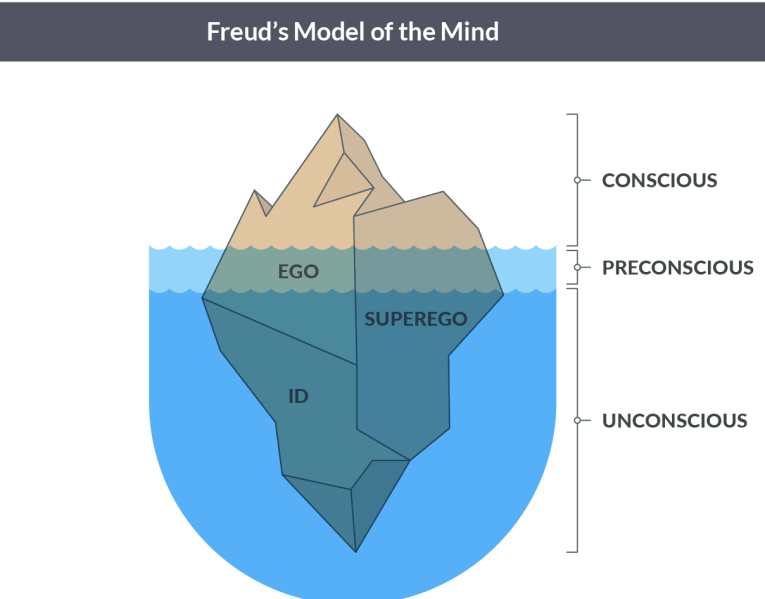
According to Sigmund Freud, human personality is complex and has more than a single component. According to Freud,Childhood traumas play a major role in personality development.In his famous psychoanalytic theory, Freud states that personality is composed of three elements known as the id, the ego, and the superego. These elements work together to create complex human behaviors.Each component adds its own unique contribution to personality and the three interact in ways that have a powerful influence on an individual. Each element of personality emerges at different points in life.

1.ID:The id is driven by the pleasure principle, which strives for immediate gratification of all desires, wants, and needs. If these needs are not satisfied immediately, the result is a state anxiety or tension. For example, an increase in hunger should produce an immediate attempt to eat .It is the unconscious aspect of thinking.

2.EGO:The ego operates based on the reality principle, which strives to satisfy the id’s desires in realistic and socially appropriate ways. The reality principle weighs the costs and benefits of an action before deciding to act upon or abandon impulses.In many cases, the id’s impulses can be satisfied through a process of delayed gratification—the ego will eventually allow the behavior, but only in the appropriate time and place.

3.SUPEREGO:The superego has two parts: The conscience which includes information about things that are viewed as bad by parents and society. These behaviors are often forbidden and lead to bad consequences, punishments, or feelings of guilt and remorse And the Second Part,The Ego ideal which includes the rules and standards for behaviors that the ego aspires to.Basically The superego tries to perfect and civilize our behavior. It works to suppress all unacceptable urges of the id and struggles to make the ego act upon idealistic standards rather that upon realistic principles. The superego is present in the conscious, pre conscious, and unconscious.

So,According to Freud, the key to a healthy personality is a balance between the id, the ego, and the superego.If the ego is able to adequately moderate between the demands of reality, the id, and the superego, a healthy and well-adjusted personality emerges. Freud believed that an imbalance would lead to a maladaptive personality.

Freud basically studies the interaction between Id,Ego and Super Ego using five Psychosexual stages of development where in the individual’s personality develops in a particular stage only if there is a balance between the three elements.The Freudian Psychosexual Stages of Development are as follows:

  • Oral (0 – 2years of age): Fixation on all things oral. If not satisfactorily met there is the likelihood of developing negative oral habits or behaviors.
  • Anal (2 to 3 years of age): As indicated this stage is primarily related to developing healthy toilet training habits.
  • Phallic (3 – 5 year of age): The development of healthy substitutes for the sexual attraction boys and girls have toward a parent of the opposite gender.
  • Latency (5 – 12 years of age): The development of healthy dormant sexual feelings for the opposite sex.
  • Genital (12 – adulthood): All tasks from the previous four stages are integrated into the mind allowing for the onset of healthy sexual feelings and behaviors.

Thus due to the sexualization of Personality Theory,Freud was highly criticized.Some Neo Freudians like Erikson and Adler came up with new and more realistic personality theories.This does not apply to everyone.It is just one of the way of studying the personality of a human being.

INDIA’s GDP ?

WE ALL ARE IN LIGHT OF THE STATEMENTS THAT ARE HIGHLIGHTING IN THE MEDIA ABOUT ECONOMIC SLOWDOWN AND INDIA’s GDP . IT IS ALEARDY PREDICTED INDIA ‘s ECONOMIC GROWTH IS GOING TO FACE MORE DECLININGS , AS SAID BY THE GREAT SCHOLARS , HOW MUCH OUR COUNTRY’s GDP WILL DOWN AND MAY STRIKE NEGLEGIBLE.

INDIA RISKS STAGNATION IF THE GDP DOES N’T GROW ANNUALLY THAT TOO AT THE RATE OF 8% PER ANNUM . THE GROWTH HAS HAVE TO OCCUR AT A GREAT PACE BUT NOT AT THE SLOW PACE .

IF OUR GROWTH RATE TOUCHES 8% PER ANNUM FOR THREE YEARS CONSECUTIVELY THEN INDIA CAN SAVE ITSELF FROM MANY CHALLENGING CONSEQUENCES .

IT HAS BEEN HIGH TIME , NOW GOVERNMENT SHOULD ATLEAST FOCUS ON THE SOCIO-ECONOMIC CHANGES AND NOT ON POLITICAL ONES. WE ARE FACING UNEMPLOYMENT AND POVERTY IN A STRETCH . THE GOVERNMENT HAS IMPLEMENTED ATMA NIRBHAR BHARAT BUT I THINK IT SHOULD BE IMPLEMENTED EARLIER , THEN , WE WOULD HAVE NOT FACED THIS SITUATION WHAT WE ARE FACING NOW . YES ! SELF RELIANT IS THE KEY BUT WE HAVE DELAYED ITS IMPLEMENTATION . AND WE ARE INCURRING THE COST OF OUR DELAY IN COVID-19 IN THE FORM OF WEAK HEALTH INFRASTRUCTURE , POVERTY AND UNEMPLOYMENT . THEY ARE STANDING AS ICEBERGS IN OUR PATH , JUST BECAUSE OF OUR INEFFICIENT DECISION MAKING.

INDIA IS NEED OF THE GROWTH OF 8% TO 8.5% ANNUALLY TO CREATE THE OPPORTUNITIES AFTER COVID-19 AS THERE IS A RISK OF THE STAGNATION OF ECONOMIC GROWTH , INCOME AND GOOD QUALITY LIFE FOR A DECADE , WHICH IS A HUGE LOSS ! .

THERE IS NEED TO FABRICATE ALL THE REFORMS AND SCHEMES DESIGNED , A GOOD IMPLEMENTATION OF ALL IS MANDATORY TO CATCH THE ROPE OF THE GOOD ECONOMIC GROWTH.

THE NEXT TWELVE TO EIGHTEEN MONTHS ARE VERY CRUCIAL FOR US AS IT HAS BECOME A LIMMITED PERIOD OFFER FOR A GROWTH TO OCCUR AND THEESE ARE THE MONTHS .

IF WANTING TO INCREASE THE PRODUCTIVITY , CREATING EMPLOYMENT OPPORTUNITIES FOR THE PEOPLE , MINIMISING POVERTY BECAUSE POVERTY CAN NEVER BE FINISHED , IT JUST CAN BE MINIMISED , LIVING GOOD QUALITY OF LIFE , DEVOLOPMENT , GROWTH , SOCIETAL OBJECTIVES THEN , YOU HAVE TO HAVE ……

THE EMOTION FOR THE SOCIETY AND SOCIO-ECONOMIC OBJECTIVES !!

Non Conventional Career Options:Science Stream

Medical and Engineering are most sought after courses after 12th Science in India.Parents and the society are the major contributors to this mentality in our country. Thousands of students flock examination centers to write prestigious NEET/JEE irrespective of whether they are interested or not.

Does this mean these are the only options available to students choosing the Science Stream?The Answer is NO.In Today’s advanced world there are plethora of career and course options for students to pursue and achieve success.In this blog we look at some of the prominent and promising non conventional career options in science stream.Lets get started!

1)PSYCHOLOGY

Psychologists study the complex ways that people think, behave, feel, communicate, and perceive the world around them. Some psychologists focus on clinical work with patients, while others devote themselves to researching the nuances of psychological behavior; in any case, psychology is a vast discipline, with numerous career options to choose from. Students who complete graduate-level psychology degrees have great job opportunities. An MSc degree may lead to jobs as research and clinical assistants, while a doctorate is a necessity for those who wants to work with patients in a clinical setting and also to move into a research or an academic position. Many degree programs allow students to focus on a specialty area, including child development, abnormal psychology, counseling, social psychology, and cognition.The opportunities in research under this field are limitless.Psychology is a hot subject in developed nations like The United States and The United Kingdom where this course is sought after and valued.

2)FORENSIC SCIENCE

Forensic science is the application of scientific knowledge and methodology to criminal investigations and legal problems. Forensic Science is a multidisciplinary subject, it encompasses various fields of science such as chemistry, biology, physics, geology, psychology, social science, engineering, etc.Forensic science is used every around the world to protect public and society, to enforce criminal laws and regulations and to resolve civil problems.Various universities in India offer certificate, bachelor and master courses in Forensic Science. After the master degree is successfully completed , then the student can even go for a Doctoral Degree course in Forensic Sciences.Jobs are offered in government as well as private sectors.

3)Agricultural SCIENCES

Agriculture as a field is not just about the traditional aspects related to farming and irrigation. The focus is now shifted to various other dimensions like Horticulture, Poultry Farming, Pisciculture, Dairy Farming, Agricultural Biotechnology,Agronomy etc. Agriculture is also being commercialized as proper attention is being paid to the marketing, distribution, and packaging of its output. It’s possible to pursue a postgraduate degree programme in agriculture related subject which will broaden the scope such as specializing in agronomy, soil sciences, horticulture, plant breeding and genetics, entomology, plant pathology, animal sciences, plant biochemistry, agriculture economics, biotechnology etc. Masters in various above listed Agriculture programs is a 2-year course.This course can be taken up by a candidate who holds a BSc degree in agriculture/ horticulture/ forestry from a recognized university with some qualifying marks.Job opportunities are available both in Government as well as Private Sectors.

4)Aviation industry

The aviation sector is one of the most attractive and best-paid sectors in the economy. In India, The civil aviation industry is a larges domestic market in the economy.The commercial pilot is one the most glamorous and most rewarding job in the Aviation industry. Apart from the theoretical knowledge, a candidate must have practical knowledge to become a commercial pilot. A Commercial pilot must train to get a Commercial Pilot license in order to secure a job in the aviation sector. A commercial pilot or Ferry Pilot will have many chances of getting placed in both Governments and Private Airlines & chattered flights.The interested candidate must be fluent in English,medically fit and must have learnt Maths and Physics in High School.

5)Visual communication

Visual Communication is a combination of illustration and graphic design from a marketing perspective with great emphasis on screen-based workmanship.It involves digital marketing and business identity design , logos, animation, photography, web design, illustration, packaging design, art direction, and most degrees will also have a theory dissertation. It contains all the information to help one become a Graphic Designer, with a scope that allows to to specialize with more flexibility than a degree in design.In short, visual communication is an amazing field with unlimited growth potential. They get hefty pay.Further, with experience, your earnings are bound to increase.

These are just a few options listed from a sea of options.The aim of this blog is to make readers aware that the bucks do not stop at Engineering or Medicine.There are umpty number of career options to choose from and succeed.Everyone can not find happiness within the conventional options imposed by the society.Times are changing and so should our mentality.Students should be encouraged to follow their passion and pursue courses they want.Sky is the limit!

Do like the blog,if you all found it to be useful!

Thankyou!

Stay Happy~

BEAUTY…!

Beauty, for most of us is a perfect build, flawless complexion, silky tresses, perfectly lined eyes, glossy lips, fancy outfits and accessories etc,.

But is it reality what we think it is? True, beauty is said to be in the eyes of the beholder, i.e., evey person has a different view on what he/she considered to be beautiful or in short, perception of beauty is subjective. So beauty does have a lot to do with our perception. Still, human perception of things – let alone beauty – is very narrow.

Beauty is broader concept – it refers to all that exist in the universe, may be material or abstract, which smoothes and pleases our senses and have experienced and everything we haven’t. There’s beauty in music, there’s beauty in literature, in language, in philosophy, in spirituality, in science, in imagination, in emotions etc,. But we don’t know beauty even exist in these spheres. Why? That’s because we are humans and it is human behavior.

a) to overlook things and b) to take things for granted. We must be blind, deaf and dead to not witness this thing called beauty, which is present in every inch of “The Creation”.

There’s so much of beauty, yet to be discovered, that lies beyond the boundaries of over knowledge, as much as within it. And, all we’ve got is just one lifetime, to take in every details of this beautiful world and not for that, we have finally start utilizing our senses properly. We have to actually live, not just stay alive.

And while discussing this particular topic, it wouldn’t be fair to not include the general perception of beauty.

For its humans, beauty is only skin deep. We know looks, and not just that we also JUDGE! And judging is an underestiment. We MISJUDGE, to be frank. Any random person we might come across, first of all, we analyze them and jump to conclusions as to what they are, even though we do not know how they truly are. And almost, the entire process includes this phenomenon called ‘COMMENTING’, it’s never ‘COMPLIMENTING’.

There’d be times when we are like, ‘oh my God! She is such a fashion designer’ or ‘that’s nice hairstyle/dress, but it doesn’t suit him/her. There is no need of elaborating this further, because it’s something we have a lot of experience with.

Let’s come to inner beauty.

Inner beauty may be described as something that is experienced through the character of person. It’s the real beauty of a person that goes far beyond physical appearance. (And unfortunately, this is something we looks – obsessed people never notice) For instance, you speak to someone for a minute or so, and find that person pleasant or not do pleasant initially. But as the conversation goes on, you may start to pick qualities and traits and without realizing it, you may start to find the person more and more beautiful and charming. This is exactly what inner beauty is. Now much of us think so much of the person interacting with? Nil, I guess………… Pathetic, isn’t it!?

Inner beauty is nktnthst popular Ashte entire race of humanity has got it imprinted in their mind that looks equal to beauty. It is one of the “universal truths” for us. And there can’t be s chsnge in that particular approach, unless, all of the human brains are reprogrammed. The result of this ‘outer beauty approach’ of mankind is that, many of us, especially teens are undergoing mental stress and depression, as we think they are ugly, deformed with lots of flaws and such. They opt for make-up, surgery or other beauty treatments. Because they feel insecure about not looking beautiful. But applying make-up concerns the real ‘you’ and your charecter in this world is replaced by some fake doll! So, you aren’t going yourself the importance, the respect that you need to be giving, and upon that, you expect others to respect and admire you. That’s not fair..!

You are imperfect, everyone is. Someone try to conceal it, some others don’t feel the need to. And if you belong to the latter category, NEVER BACK OUT, you don’t have to care about what jobless people have to say about you. Having fewer of so called flaws doesn’t make the other person ‘perfect’. There is no perfect person in this world. ‘Perfection’ is only about time and circumstances. Moreover, your imperfection makes the least difference to all your near and dear ones. How much you mean to them, how perfect you make their lives, your subconscious knows it all. Just think over it and you’d know what you want in life.