

According to the Center for Science and Environment (C.S.E.) State of India Environment Report – 2021, the corona epidemic has had a lasting impact on the health and economic conditions of 37.5 million children across the country.
CSE Director General Dr. Sunita Narayan, said that children from new-born to 14 years will have more health-related problems. There is a possibility of low weight of children, lack of physical development according to age and increase in mortality.
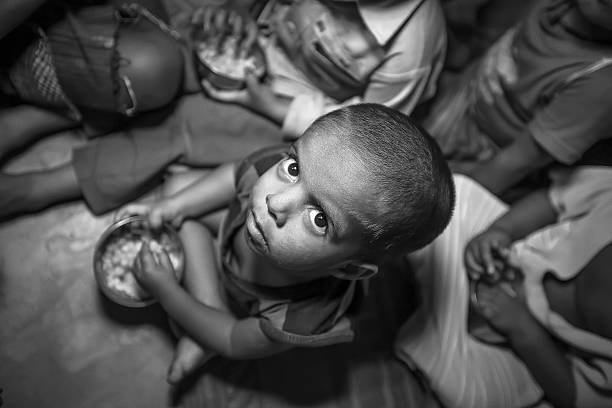
One of the reasons could be India’s struggling with Covid-19 lock down interrupted crucial government schemes that benefit hundreds of millions of women and children. But that still doesn’t explain the rise in malnutrition rates in the years leading up to the outbreak of Covid-19 in 2020.
According to reports, India’s latest National Family Health Survey (NFHS), which shows that children in several states are more undernourished now than they were five years ago, is based on data collected in 2019-20. The survey was conducted in only 22 states before the onset of the pandemic – so experts fear the results will be much worse in the remaining states, where the survey began after the lock down ended.
In rural places the problem seems to have begun earlier. Rural areas have seen a steep rise in the proportion of undernourished children compared with 2015-16, when the last survey was conducted.
Due to malnutrition in infants and young children stunting in growth and even experience wasting away of muscle and anemia. The proportion of severely underweight children has risen. Stunting refers to lower than expected height for age, wasting shows lower than expected weight for height, and anemia is a deficiency of hemoglobin in blood.
Most of the Indian women are anemic and poor women, especially so. According to the experts, the worsening rate of malnutrition could be a result of women struggling to access nutrition benefits because undernourished mothers give birth to undernourished babies.
Migration to cities is also a reason for this. Many families migrate to cities to make a better living. But that also means being left out of massive government schemes that are mostly delivered at local level – so benefits aren’t easily transferred across districts or states.
The National Family Health Survey-5 report, the latest data set on health and nutrition, showed that of the 22 states and Union Territories in the year 2019-20, a majority reported an increase in malnutrition parameters such as stunting and wasting of children, anemia in children and in women between 15-49 years of age.
Due to poor health of children, there may be adverse effects on education and workplace too. This report released online, has been prepared by 60 environmental and other experts from all over the world. The epidemic forced approx. 50 crore children over all the world to leave school. More than 50 percent of these children are in India. Dr. Sunita Narayan said, “An additional 115 million people have come under extreme poverty due to the epidemic.” Most of them live in South Asia.
Given this situation, there is a need to enhance allocations for government schemes to address child malnutrition as well as for schemes promoting nutrition for pregnant and lactating mothers. A group of people should be assigned who provide health and nutrition counseling to pregnant mothers. Better health care and nutritious meals for the pregnant mother, because with proper pre-natal care, adequate food and timely health check-ups, a pregnant woman stays fit and gives birth a healthy child and for that there is a need for huge amount of investments. Different sectors of the government need to coordinate to handle this problem effectively. There are some independent organizations who are working actively to help the unprivileged sections of India and educating others about the problem and with enough funds and support from us maybe they can tackle with the problem more effectively.
 Eduindex
You must be logged in to post a comment.