


THE SOCIAl ISSUES
The social issue is a problem that influences by many citizens within a society.
Social issue be a group of common problem in present society and one that many people struggle to solve. Social issues are distinguished from economic issues. Some issues have both social and economic aspects, such as immigration. There are also issues that don’t fall into either category, such as wars.
The definition of a social problem has both an objective component and a subjective component. The objective component involves empirical evidence of the negative consequences of a social condition or behavior, while the subjective component involves the perception that the condition or behavior is indeed a problem that needs to be addressed.
social issues influence society
Slow social change is desirable, but rapid social change threatens social order. Social problems weaken a society’s stability but do not reflect fundamental faults in how the society is structured. Solutions to social problems should take the form of gradual social reform rather than sudden and far-reaching change.
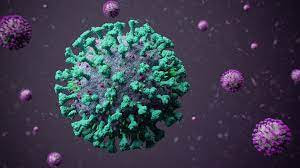
COVID-19 from 2020 is the hell of the year for all of us . the world facing many issues in this pandemic situation . many of people lose thire dear and nears ones and many of finacial supports many of the people become homeless, they don’t have proper food to continue thire lifes
In every conntry thire many of issues facing in society , in this pandemic the people facing issues are:
Suicide Prevention
With so many people forced into lockdown and isolation over the last year, many people have suffered from poor mental health. In Victoria alone, there has been a 40% spike in calls to various mental health hotlines as a consequence of COVID-19, and it is now more important than it ever has been to pay attention to the struggles of millions of people around the world
Family Violence
Another victim of the pandemic are families who are in dangerous situations due to loss of work, lockdowns and being isolated from the public. Record rates of family violence were recorded in 2020, and cases have increased dramatically, resulting in many support services struggling to help those in need
The Rise In Homelessness
Over the last year, the number of people who have been forced into homelessness has surged as short-term coronavirus and housing protections have phased down. Due to loss of income, many families have had to bear the burden of being kicked out of housing due to an inability to pay rent.
Our Ecological Crisis
Poverty and pandemic aside, another issue we are facing is the ecological crisis due to the collapse of ecosystems and troubling disappearance of biodiversity. Although the slowdown in economic activity due to COVID-19 created a very brief reduction in global carbon emissions, it is impossible to ignore the mounting effects of unchecked human activity over the last decade or so
Speeding Up The Vaccine Rollout
Last but certainly by no means the least, 2021 will see the COVID-19 vaccines being rolled out in most countries around the world. Although more than 360 million vaccine doses have been administered, there is a troubling gap between vaccination programmes in various countries, with many yet to report even a single dose.
Common of Social Issues
- Poverty and Homelessness. Poverty and homelessness are worldwide problems. …
- Climate Change. A warmer, changing climate is a threat to the entire world. …
- Overpopulation. …
- Immigration Stresses. …
- Civil Rights and Racial Discrimination. …
- Gender Inequality. …
- Health Care Availability. …
- Childhood Obesity.
Poverty and Homelessness
Poverty and homelessness are worldwide problems. According to Habitat for Humanity, one-quarter of the world’s population lives in conditions that harm their health and safety. Many do not have shelter, a basic human need for survival.
This social issue also goes beyond the 25% of the population directly affected. Because of the lack of shelter for this vulnerable population, there is greater stress on government and social programs, including schools and healthcare systems.
Climate Change
A warmer, changing climate is a threat to the entire world. Climate change affects the entire world population, and the Union of Concerned Scientists calls this social issue “one of the most devastating problems humanity has ever faced.”
The 800 million people already living in extreme poverty will be impacted most severely. Around the world, people are already noticing warmer winters, more severe storms and rainfall events, and more frequent wildfires. These issues already put stress on governments and systems in many countries.
Overpopulation
As the population of the world grows, resources become scarcer. The United Nations reports that the current population of 7.7 billion people is expected to grow in coming decades, with a projection of 8.5 billion people by 2030.
The fastest growing areas of the world, such as sub-Saharan Africa, often face already scarce resources like land for farming. As the population becomes more than the country can sustain, people will need to move elsewhere to avoid starvation and homelessness.
Immigration Stresses
People move from one country to another, and in itself, this isn’t a social problem. However, immigration can place stress on government programs and social systems within a country, and it can be a divisive topic in a society. These immigration-related stresses affect many people.
Civil Rights and Racial Discrimination
Civil rights, or the rights of citizens in a country to have equal treatment socially and politically, is another one of the most significant social issues in America and around the world. More than 40 years after the Civil Rights Act passed, almost 60% of African Americans still live in segregated neighborhoods and 90% of African Americans report that racial discrimination is still a major problem.
Gender Inequality
A report from the Pew Research Center Fact Tank indicates that about 50% of Americans feel the country needs to do more to address the income gap between men and women. Women still lag behind men in wages and top leadership positions held, although they are now more likely to attain a college degree.
Worldwide, the situation is even more extreme. UNICEF reports that 12 million girls are married before they reach adulthood, and 98 million high school-aged girls do not attend school.
Health Care Availability
When people are sick or hurt, they need access to medical care to get better. According to the Centers for Disease Control and Prevention (CDC), almost one in 20 U.S. citizens do not obtain needed medical care because of the cost. Worldwide, 97 million people become impoverished by seeking needed medical care, as reported by the World Health Organization (WHO). Governments around the world are working on this problem, as are nonprofit organizations.
Childhood Obesity
Some types of social problems are health-based, but they also have an impact on socio-economic issues. For instance, the CDC reports that 18.5% of U.S. children are considered obese, having a body mass index at or above the 95th percentile.
However, the childhood obesity epidemic doesn’t affect all children equally. Children in families where the parents have more education and higher incomes are far less likely to be obese than those in families with less education and lower incomes.
Poor Leadership
Many of the social problems in society are connected in subtle ways, but all social problems are connected to the leadership of countries, corporations, and other groups. An ongoing Gallup poll asks Americans to rate the most important problems and social issues facing the country. By far, the most significant issue was poor leadership; 28% of respondents list it as the number one problem.
Social Issues Teens facing
Advances in technology mean today’s teens are facing issues that no previous generation has ever seen. While some issues are not exactly new, electronic media has changed or amplified some of the struggles young people face.
Depression
According to The National Institute of Mental Health, an estimated 3.2 million adolescents in the United States had at least one major depressive episode in 2017. That means about 13% of teenagers may experience depression before reaching adulthood.
Depressive disorders are treatable, but it’s important to seek professional help. If your teen seems withdrawn, experiences a change in his sleep patterns, or starts to perform badly in school, schedule an appointment with your teen’s physician or contact a mental health professional. Do not delay getting help for your teen if you notice these symptoms
Bullying
It’s also important to talk to your child about when and how to get help from an adult. Remind them that asking for help is not a sign of weakness, but instead a show of courage. Talking about how someone has humiliated them is never an easy topic.
Sexual Activity
Of the 20 million new sexually transmitted diseases each year, more than half were among young people between the ages of 15 and 24.
Parents may not be aware that their children are sexually active, however. Talk to your teen about sex, even if you don’t think your child is engaging in sexual activity.
Drug an Alcohol use
Make sure you have regular conversations with your teen about the dangers of drugs. And don’t forget to mention the dangers of prescription drugs, too. Many teens do not recognize the dangers of taking a friend’s prescription or popping a few pills that are not prescribed to them.
Unfortunately, teens often underestimate how easy it is to develop an addiction. And they don’t understand the risks associated with overdosing. Be sure you are talking about these risks on a consistent basis.
Fixing Social Issues
Although many Americans feel their leaders are the biggest problem they face, governments, corporations, and communities are working to fix some of the top social issues. These are just a few of the actions they are taking:
Schools are implementing anti-bullying programs, which the PACER National Bullying Preventions Center says can decrease bullying by up to 25%.
Community efforts to help reduce childhood obesity include adding salad bars to school lunches, focusing on physical fitness, and adding obesity prevention initiatives to hospitals.
The U.S. enacted the Affordable Care Act (ACA) to begin addressing the challenges in health care availability, and it remains an important political issue.
The European Union is on track to meet its goals for reducing carbon emissions and helping mitigate the effects of climate change. Other countries are also working hard to make progress.

 Eduindex
You must be logged in to post a comment.