

• Chronic health condition – a metabolic disorder –
hyperglycemia.
• High blood glucose (blood sugar) level either due to
inadequate insulin production or the body’s
cells do not respond
properly to insulin or both.
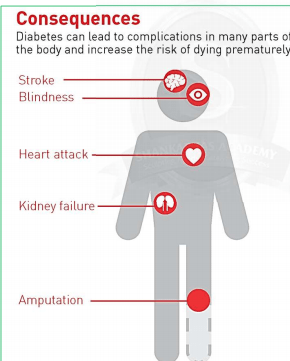
Over time leads to serious damage to nerves, blood vessels – heart disease, vision
loss, & kidney disease etc.
• No cure – can only be controlled.
Treatment of diabetes:
Diet
Physical activity
Lowering of blood glucose
Lowering the levels of other known risk factors that
damage blood vessels.
• Precaution – losing weight, eating healthy food, and being active.
• WHO:
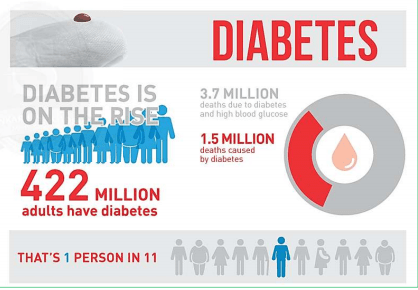
In 2014 – 422 million people worldwide have diabetes.
Majority living in low- and middle-income countries – India, Bangladesh, Bhutan, Pakistan, Sri Lanka, Philippines and Indonesia.
Diabetes directly attributed to 1.6 million deaths each year.
Deaths from diabetes increased by 70% globally between 2000 and 2019.
80% rise in deaths among males.
• India – among the top 10 countries – second with
69.2 million people with diabetes.
• Global Non-Communicable Disease targets
Globally agreed target to halt the rise in diabetes and obesity by 2025.
Gestational diabetes
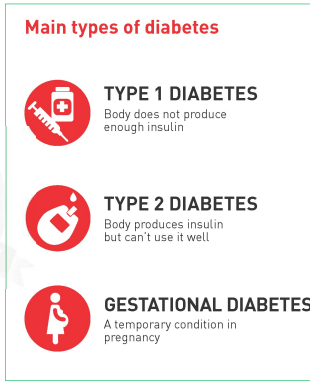
• Impaired Glucose Tolerance (IGT) with onset or first recognition during pregnancy.
• Pregnant women without a previous diagnosis of
diabetes develop a high blood glucose level
. • Author – pregnancy is a diabetogenic stress.
• Usually goes away after baby is born.
• Issues
May lead to Type 2 diabetes.
Women with it are at increased risk of complications during pregnancy and at delivery.
Women and their children – increased risk of Type 2 diabetes in the future.
Other health risks
These conditions contribute to high maternal and new born morbidity
and mortality.

OPED article
• Women of Indian (South Asian) origin – considered
to be at highest risk of gestational diabetes.
International Diabetes Federation – up to 25%
of pregnancies in South Asia may be affected by
hyperglycemia in pregnancy.
India – 10% in rural areas and 30% in urban areas.
• Public awareness is very less.
• Low awareness and capacity within the health
systems for testing and providing care – despite
the availability of national guidelines and diagnosis
and management of gestational diabetes by MoHFW.
• Suggestion – implement the
recommendation of Diabetes Study Group of India, the Federation of Obstetric and
Gynaecological Societies of India and the South Asia Initiative for Diabetes In
Pregnancy.
Observe a National Gestational Diabetes
Awareness Day on March 10 – birthday of Dr. V. Seshiah, service and contributed to the field of diabetes and
pregnancy for more than 40 years.

 Eduindex
You must be logged in to post a comment.