


Remarkable role of fuel:
Fuel is at the center of our lives and we revolve around it. It plays a pivotal role in our daily life without which our life would be unfeasible and become intricate. It is one of the widely used sources of energy in the world. It has its prevalence in various spheres from the domestic field of life to dealing with worldwide business, fuel is very essential. Beyond fuel in the tank, it is used to make everyday objects, because fuels like petrol are not only concerned with transportation and vehicles, it has lot more to deal with like in the medical field, toiletries, paint, electronics etc. It takes an indispensable part in our livelihood and irrespective of fuel life would be strenuous. It is like a key ingredient in the products that we use everyday and is an integral part of our life. Fuel is a universal need but the fuel prices are sky rocketing and when there is a continuous price hike, enormous amount of people especially those who toil for their daily being and many major sectors like transportation, manufacturing would be greatly affected. So eventually it will leave a huge devastating impact on us and the economy which could paralyze various fields all over world.
Fuel price hike crisis:
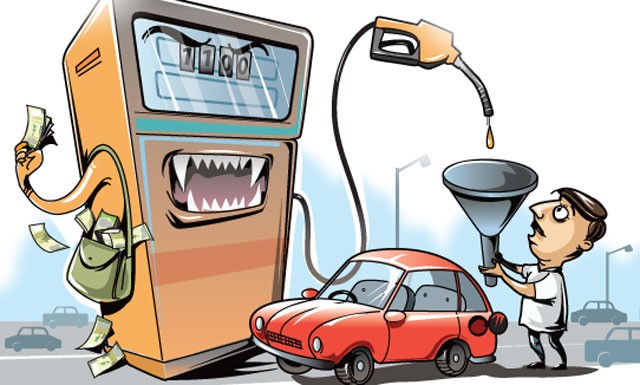
Hike in price of petroleum products in India has been a boiling issue since two decades. Petrol and diesel rates in the country have sharply climbed after the latest round of fuel price hike by oil marketing companies. When fuel price increased in 2000 there was a huge impact on the transport sector. Within three years petrol price has increased ten times and still counting. Petrol is now retailing above Rs.90 per liter in all major cities. It has already hit century in some spheres. A recent report indicated that some folks in Bihar’s Araria and Krishnaganj region are crossing the borders to smuggle petrol from Nepal. Both oil and petroleum are scarce commodities. Therefore both demand and supply are less elastic. The supply of the foreign currency reduces thus appreciating the value of the foreign currency and depreciating the value of the local currency which in turn increases the prices of imports. In 1990 the petrol was available to the consumers at Rs.9.8, if we compare the historical and the present prices the consumer will notice that the price has increased 9 times.
Cascading effect of the price hike:
There are many ways in which the people would be affected by the rising fuel crisis. Initially the impact would be felt by the owners of vehicles where two wheelers provide mobility to the aspiring people of the middle class. And many people agree that the price hike is having a great impact on their monthly budget. Petrol price hike directly and subsequently affects many major sectors like transportation, textiles, manufacturing, automotive sector etc. This affects the prices of daily essential commodities which are transported on a daily basis. Banking sector is also expected to suffer due to high inflation level. Increase in fuel price will also make an increase in food price. This will have a more severe effect on poor people who toil day and night for one or two meals a day. It is a like chain reaction which is interconnected with many other domain. If there is an increase in petrol price it will obviously increase the transportation cost which in turn will increase the price of goods and gradually it would push people into poverty. This will hit the common man so hard who is striving arduously to meet ends, because the business class would shift the burden to the customers. It also destructs the balance of trade of the country.
Proposals in framing alternatives:
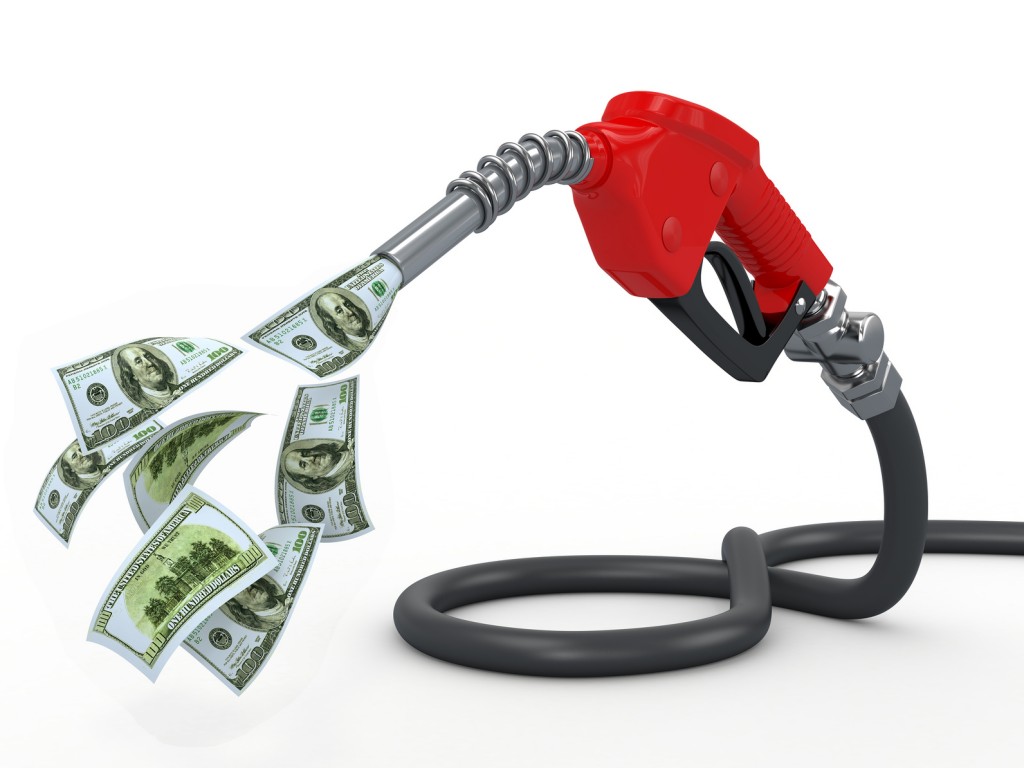
We cant pin the blame on just one entity. It is not just one factor that causes fuel price hike ,it is a combination of things and even we are liable for the same. So each one of us are solely responsible for the betterment of the situation.
The initial thing to contribute to the alternatives is using the public transport for travelling places which can save fuel eventually.
Developing alternate sources of energy like solar and alternate fuel forms like hydrogen, natural gas, biodiesel, propane, waste derived oils, electricity etc.
Constantly accelerating and braking only wastes fuel and reduces the fuel consumption so coast when possible and avoid burning excess fuel.
For every 100 pounds of weight in the vehicle, the car’s fuel economy decreases by about 1 or 2%. So we can get rid of the unnecessary weight adding to the trunk of the car.
The Government can take initiatives which can help in the long run by allocating funds for the alternative sources of energy.
We all know fuel is a non-renewable energy and limited in nature. It is our responsibility to use it prudently and bequeath the future generation with this legacy and thus lead to sustainable development!!!

 Eduindex
You must be logged in to post a comment.