

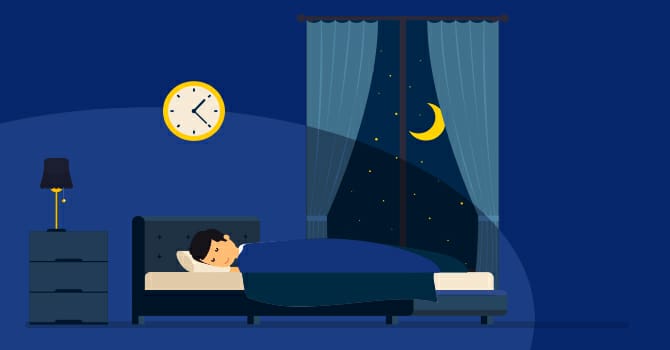
Sleeping is a state of mind which occurs naturally, repetitively and is often characterized by altered consciousness. Sleeping is a very important yet neglected component of ones physical and mental well being. Our body repairs itself when we’re sleeping. Having a good sleep for at least 8 hours have several health benefits.
Sleeping has a direct effect on concentration, productivity, performance and cognition. Lower sleep patterns lead to memory loss, lack of concentration, fatigue, mood swings, irritability etc. With lack of sleep, it is difficult to remember details because it is sleep that enables us to learn and memorise stuff. A good sleep on the other hand provides better performance, more energy, faster speed, better coordination and better mental performance and functioning.
Lack of sleep also causes the person to have an unhealthy lifestyle. This can lead to heart diseases or hyper tension. Getting adequate sleep enables the body to regulate the blood pressure. Less sleep leads to increased blood pressure which can cause strokes, cardiac problems etc. Adequate sleep boosts the immune system of the body. Inadequate sleep and a consequent lowered immunity are welcoming signs for acute diseases.
The mental wellbeing of an individual is very much affected by his sleeping habits. A proper sleep is a mood booster. While we are asleep, our brain processes our emotions. Lack of sleep causes and individual to have more negative thoughts than positive one. Over the years, through researches, it has been found that lack of sleep causes depression in individuals. Depression may lead to morbid thoughts or suicidal tendencies. Insomnia is a condition wherein an individual persistently finds it difficult to fall and stay asleep.
Sleep is also related to social and emotional intelligence. Those people who suffer from lack of sleep on daily basis start to develop a poor emotional intelligence. They fail to recognise or acknowledge emotions or expressions of others. The level of empathy also declines in these individuals.
Sleeping properly leads to a steadier blood glucose. When we’re in deep sleep, the amount of glucose in our blood falls. People with proper sleep are less likely to develop type 2 diabetes. Regular adequate sleep also controls weight. When we’re well-rested, we’re less hungry. Being sleep deprived messes with the hormones in the brain leptin and ghrelin that are responsible for controlling appetite.
Since it is evident that sleeping is more important than we think, here are some ways one can improve his/her sleeping practices.
• The first and foremost thing to do is to have a consistent sleeping pattern. Going to bed at different times every night is a common habit for many people. However, these irregular sleeping patterns could interfere with sleep because they interrupt the body’s circadian rhythm. Going to bed at the same time every night helps the body clock predict when to induce sleep.
•Turning off the lights prior to going to sleep is also helpful. Light influences the circadian rhythm, which helps the brain and body judge when it is night time. The catch is to keep the room dark.
•Avoiding unhelpful habits like taking caffeine or using blue light emitting devices at night is very helpful. These days, our exposure to blue light has increased significantly. This has an effect on our sleeping pattern. The key is to stop using electronic gadgets at least one hour prior to going to sleep.
https://www.webmd.com/sleep-disorders/benefits-sleep-more
https://www.medicalnewstoday.com/articles/322928#21-ways-to-fall-asleep

 Eduindex