

The urbanization level of cities is increasing and with this the population and critical infrastructures in the city also increases, thereby increasing the exposure and vulnerability of cities to acute stresses and long terms shocks like cyclones, floods, pandemics etc. Currently the cities are battling with the greatest challenge to mankind since second world war and most dangerous health calamity, i.e. COVID 19. Cities are the areas having maximum concentration of population and are the nodes of development, hence there’s a need to combat the effects of COVID – 19 and it is important to find a way by which the cities can be developed more sustainably, with more resilience and livability.
WHAT IS COVID 19 ?
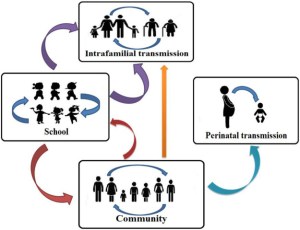
The name COVID – 19, originates from ‘Corona’ for CO, ‘ VI’ for Virus and ‘D’ for Disease and ’19’ represents t=its year of occurrence. The pandemic started from the Wuhan city of City in December 19 and within couple of months it became the global health emergency. The pandemic has not only affected the public health but also demobilized the global economy, impacts on environment and governance as well.
WHAT IS RESILIENCE ?
Generally, Resilience is defined as the capability to recover from difficulties. In context of city, Resilience can be defined as the ability of an city to Prepare for, Respond to and Recover from any acute stress or long term shock. While dealing with the resilience of a city, the opportunities and threats provided by the difficulty is analyzed and initiatives are taken accordingly. In order to reduce the vulnerability of cities from getting affected by the disaster or hazard, pandemics or any other threat, the city’s capability to resist and recover from these risks is mandatory.

NEED OF RESILIENCE
- For ensuring and increasing the safety and well being of the citizens and the environment, cities need to be made more resilient and prepared for addressing shocks and stresses.
- There are many ways by which the resilience of cities can be enhanced and these w2ays can be determined by comparing the COVID 19 with other such health risks and various ways in which problems were caused can be determined. With the help of this the different interventions and recommendations pertaining to specific ways can be decided and the resilience can be enhanced.
- Resilience plays a major role in shaping governance as well because it provides way for trustworthy leadership, responsive community organizations and also neighborhood design which can facilitate social connections. Resilience enhances physical and social infrastructures that helps the people to protect themselves and the society.
CONCLUSION
Resilience is all about learning from previous experiences and generalizing them those lessons to solve new problems. COVID 19 has provided many experiences for the people by altering the entire living schedule of humans and the experiences learned from this pandemic can be used while preparing for the future pandemics and other health, social and economic threats. In some way or other, COVID 19 has been following the previous pandemics and hence required months of restrictions in travel and isolations, which created and is still creating numerous social, economic and domestic problems for citizens, households, businesses and communities. To answer all these issues and to combat such pandemics the cities need to be resilient. To improve resilience, the communities need to be aware before hand , emergency response programs are required and proper initiatives for contagion control is also a mandatory step. Along with such measures, adequate housing for all citizens and physical and mental support to the sufferers and isolated people is also necessary. In case of designing aspect, the homes and quarantine centers can be designed in such a way that they could reduce the stress with the help of adequate space and proper lighting and ventilation. Along with all such initiative, global threats are needed to tackled with proper international cooperation and by learning from the best practices and approaches for handling such situations.

 Eduindex
You must be logged in to post a comment.