

What is MSG? Monosodium Glutamate (MSG) is added to many foods to enhance flavor. MSG is commonly found in canned foods, soups, fast foods, and processed foods. While (FDA) has classified MSG as a food ingredient that’s “generally recognized as safe,” but its use remains controversial. That’s why FDA require that it should be listed on the label.
Symptoms that may occur after consuming MSG include:
- Nausea
- Weakness or fatigue
- Headache
- Sweating or flushing
- Numbness
- Chest pain
- Hives
- But there reaction is short term or mild, that don’t require treatment. The only way to prevent a reaction is to avoid foods containing MSG.
Food containing MSG.
MSG is used in many common foods including snacks, seasoning, soups, and noodles. MSG is a flavor enhancer, so it’s included in many seasonings. Dressings like ketchup, mayonnaise, barbecue sauce, soy sauce, mustard, and salad dressings have been known to contain MSG to boost flavor. Many foods contain MSG naturally such as year extract, soy extract.
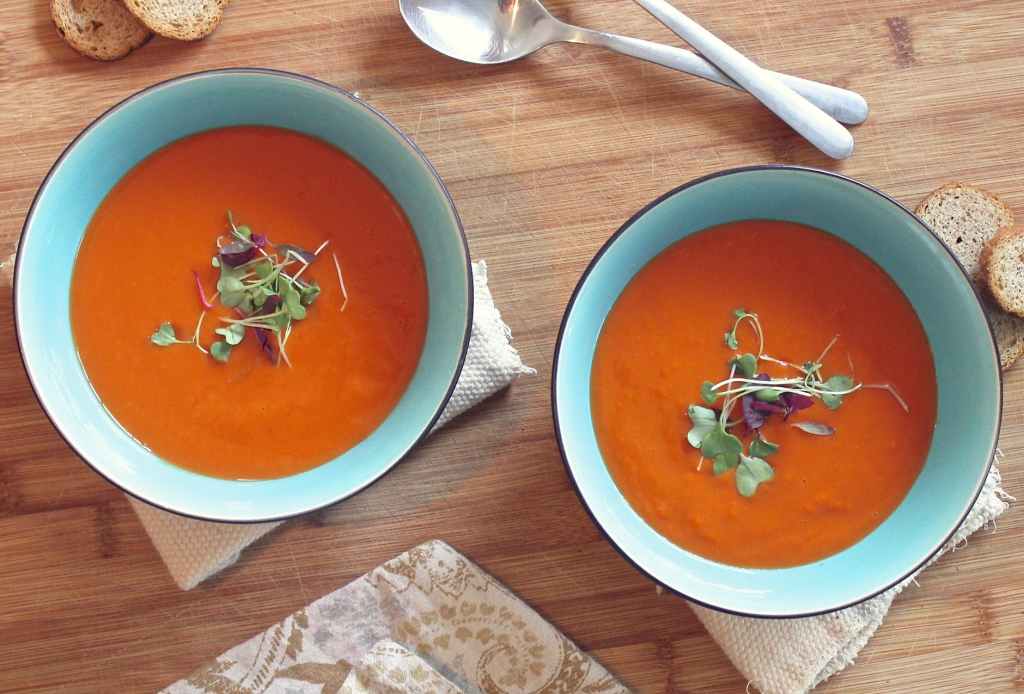
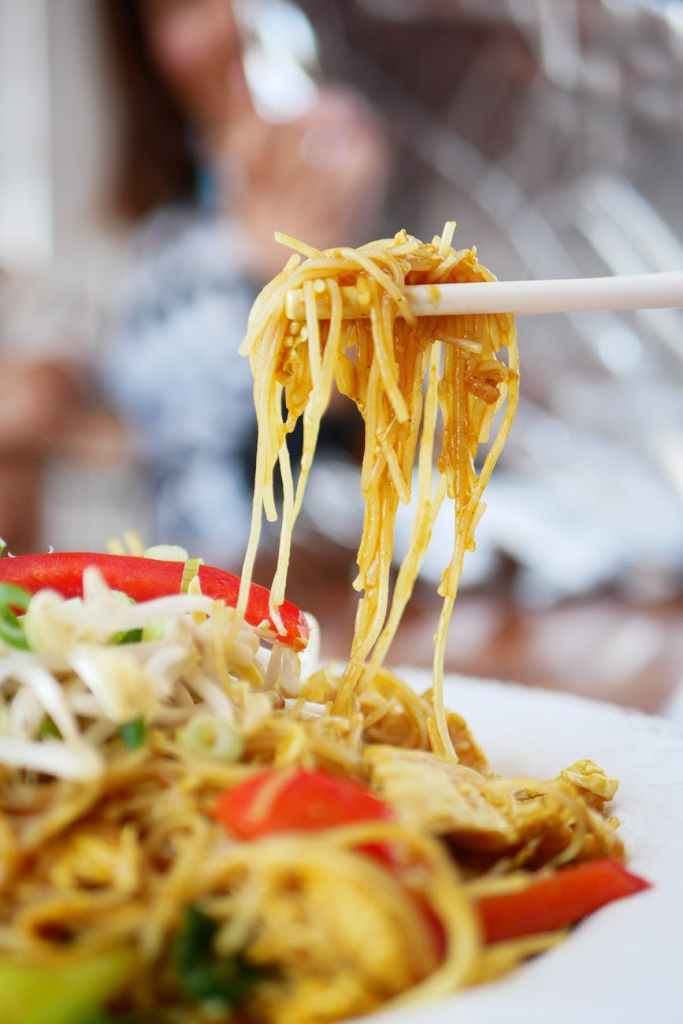
Many of the foods containing MSG, like instant noodles, chips, aren’t necessarily part of a balanced diet, so we can easily avoid eating them. When consumed regularly can lead to obesity, heart disease, diabetes, effects on the reproductive organs, and other health risks. MSG, which has been banned in certain [US] cities and MSG is scientific invention. It’s in news since, when a scientist coined the term “Chinese Restaurant Syndrome” for MSG symptioms.

However there is no scientific evidence to suggest that MSG has any adverse effects in general population in the amounts normally consumed as part of the diet. Many governing food agency consider MSG safe for human consumption as a flavor enhancer. It’s harmful only when they consume large amounts of MSG on an empty stomach.
Homemade foods contain more vegetables, less carbohydrates, less calories and less fat than any other fast food. It’s the best.

 Eduindex
You must be logged in to post a comment.