Natural Disasters

Introduction:
A natural disaster us an event which results from the natural processes of the earth. Some of the examples or some of what I’m gonna be elaborating in this article would be Earthquakes, Landslides, Volcanoes, Famines and Droughts and Floods. The main purpose of this article is to enlighten you readers about what are natural disasters, what are the measures we can take to keep ourselves safe and the after effects of being a part of the disaster. After the traumatic experience, make sure to get therapy as you might experience PTSD (post traumatic stress disorder) and getting therapy could be a great way to overcome the fear which the disaster left inside you.

1) Earthquakes:
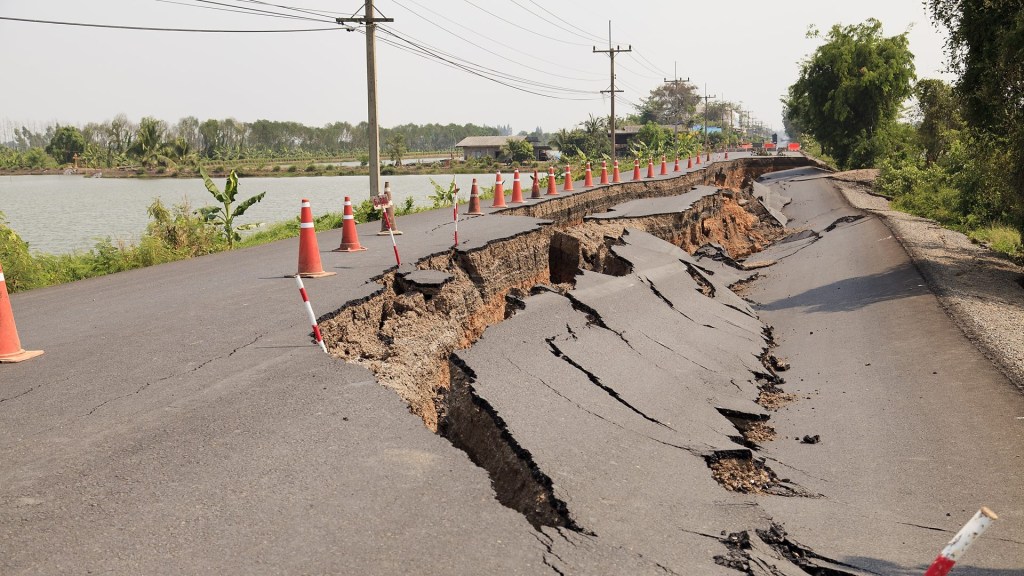
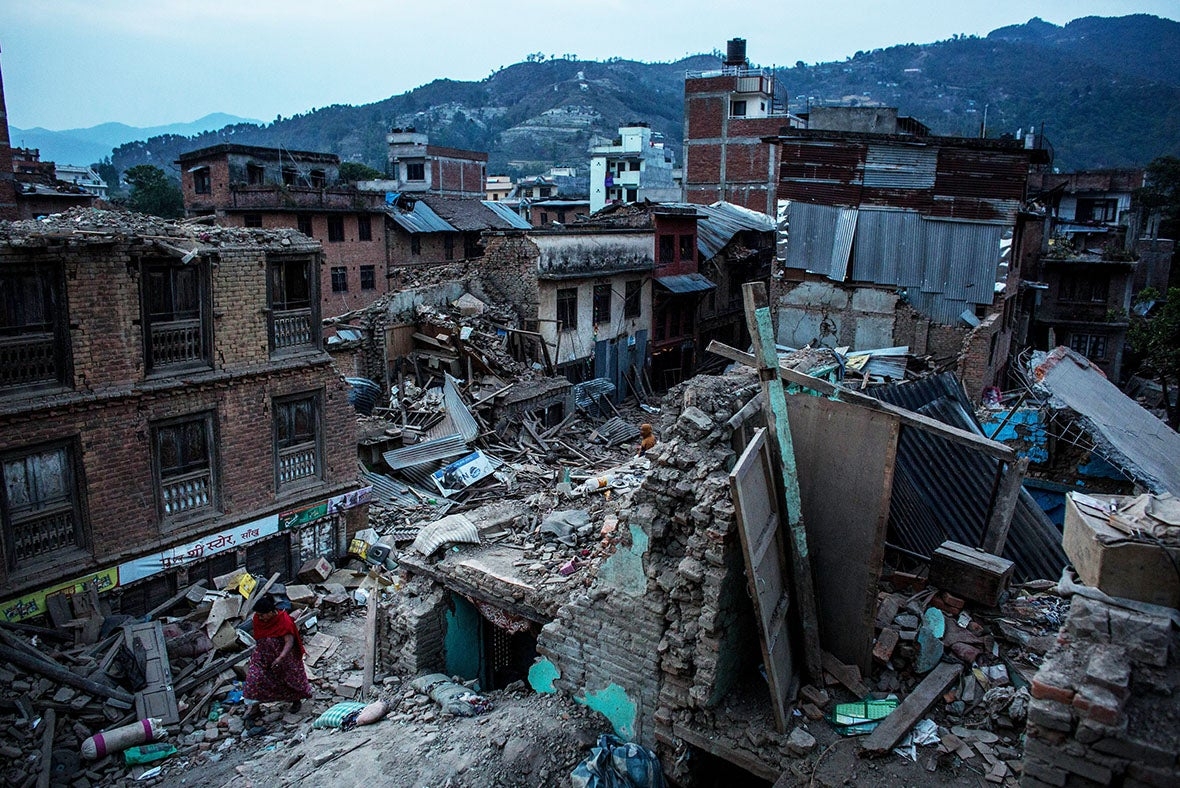
Earthquakes are also known as a tremor or a quake. It’s defined as the shaking of the Earth resulting from the sudden energy release in the lithosphere which results in creating seismic waves. Earthquakes can be very weak where there might not be much damage or it could be very violent causing a lot of damage and ruckus and cause destruction. The main thing to do during an earthquake could be to stay away from objects which could easily cause harm to you like glass, windows, doors or anything which could fall. If possible, during an earthquake, sit on your bed and take shelter with the help of your pillow but move away if there’s any object hanging on the ceiling which could fall. Make sure to stay inside and take cover by getting under a sturdy piece of furniture.
2) Landslides:
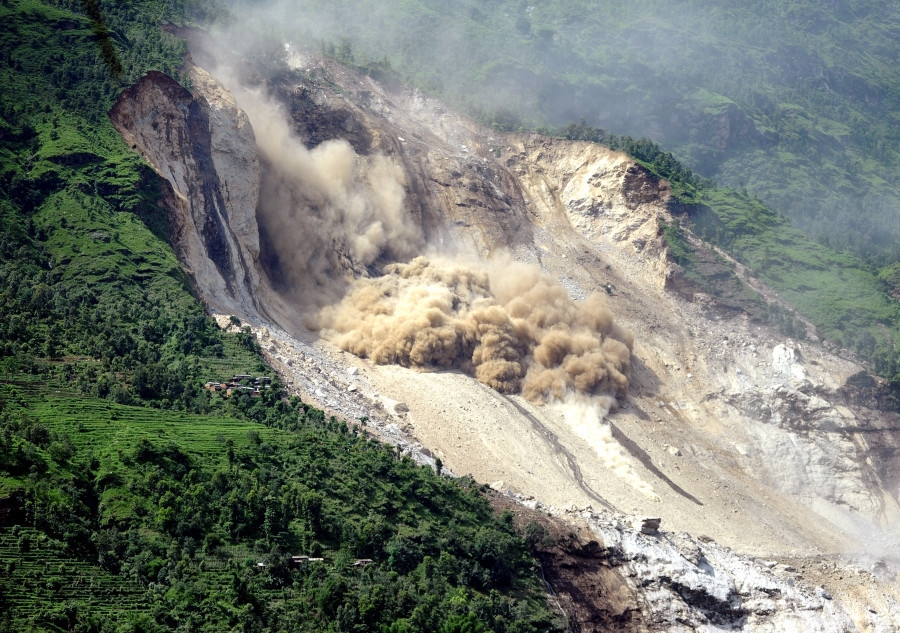
When large mass of either rocks, debris or earth shows movements by going down a slope, it’s called a landslide. It can be defined as “mass wasting” as there is great movement downslope which is directly caused by gravity. When it comes to landslides, there could be 5 modes or stages of slope movement, i.e., falling, toppling, sliding, spreading and flowing. There might be multiple caused as to what caused a landslide. It could be due to gravity, rainfall, snowfall, Earthquakes, volcanic activity or disturbance by Human activities etc. The first thing you have to do during a landslide is stay away from the slide area, make sure to keep in touch with the radio or television to know what’s happening and to be informed about emergency information.
3) Volcanoes:
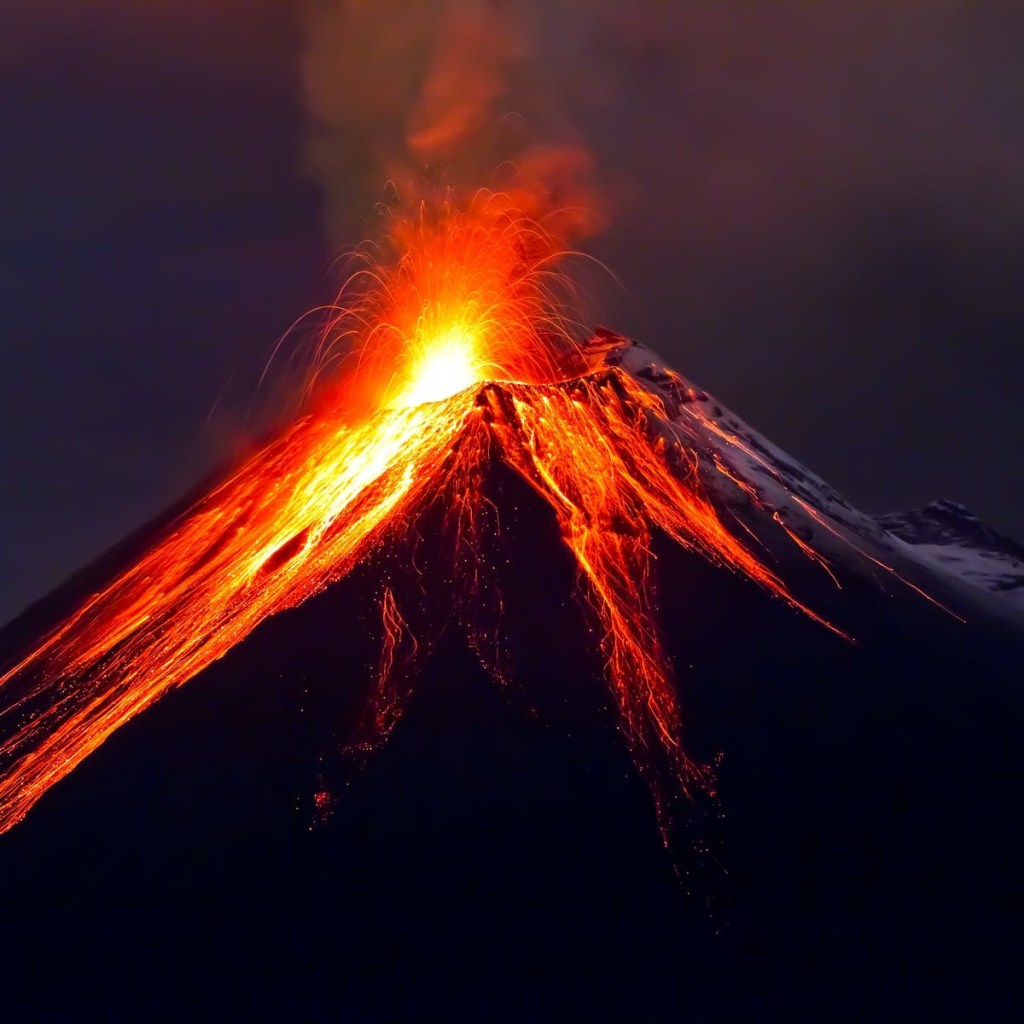
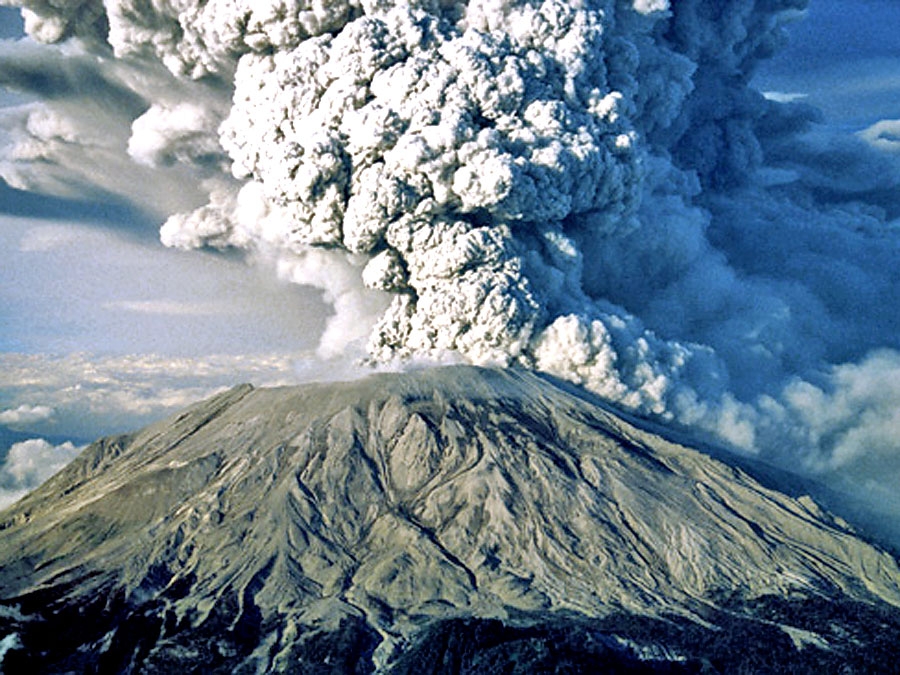
When there is a rupture in the crust of any planetary mass object like Earth, it allows stuff like volcanic ash, hot lava and gases to escape which is stored in the magma chamber below the surface. Most of the volcanoes are found underwater or where tectonic plates are either converging or diverging. One of effects of volcanoes on nature could be that they can cause thunder, lightning and rain. If fast moving lava comes in contact with people, it could kill them and the falling ash could make it difficult for them to breathe. It could also cause Famines, fires she earthquakes. The most important thing is to protect yourself during a volcanic eruption. Keep in mind to not drive if there is heavy ash fall and protect yourself from it. Always follow evacuation orders and look for emergency alerts.
4) Famines and Droughts:
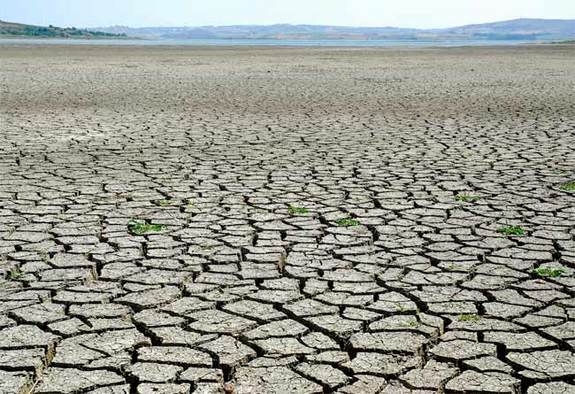
Famines are usually the cause that lead to death of people due to extreme shortage of food. Droughts are long periods of insufficient rainfall. Droughts have had worse effects on humankind as they make people suffer. People may suffer due to various reasons, like it could be the reason most farmers don’t get to grow their crops as a result of no rainfall of they might even suffer from thirst which cannot be quenched. Famines can be caused due to inflation, crop failure or even war. The side effects could are malnutrition, starvation and increased mortality.
5) Floods:
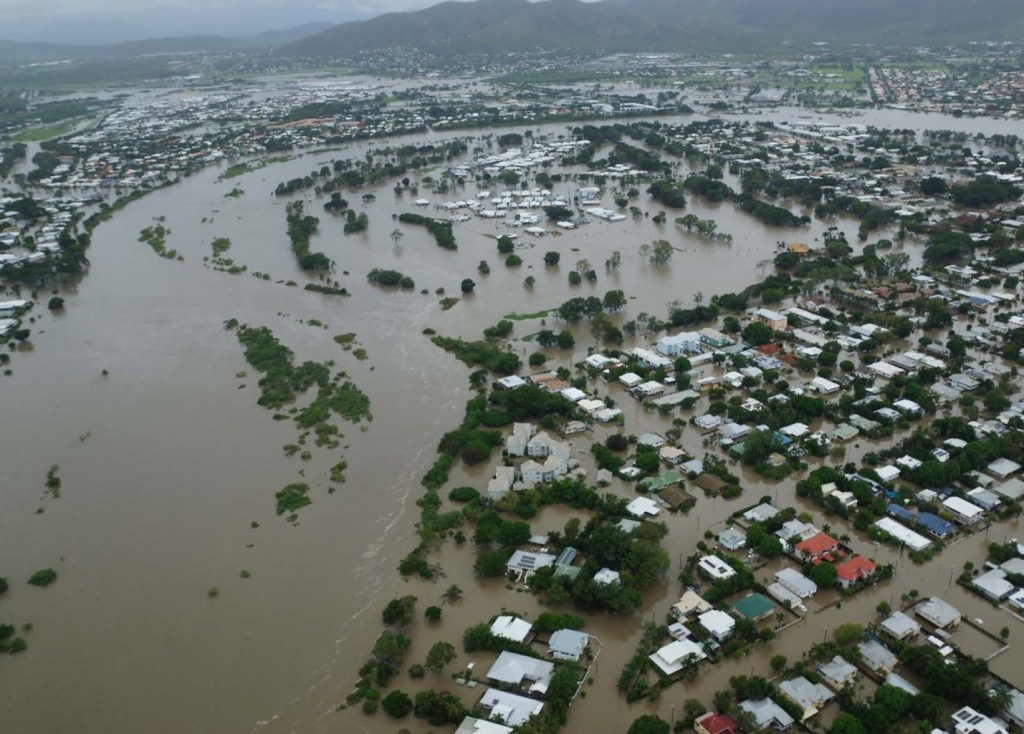
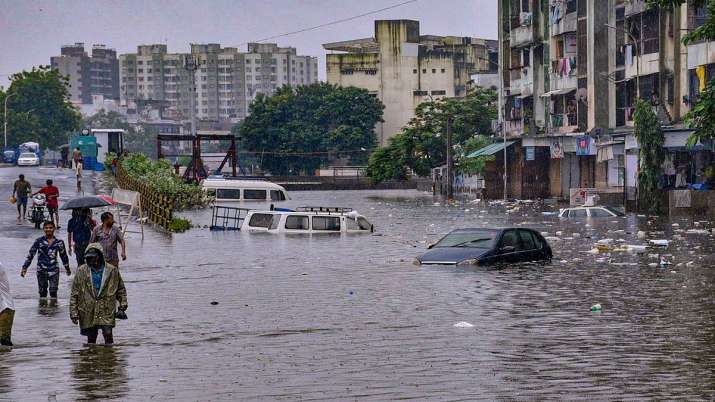
Floods are usually described as an overflow of water that submerges dry land. There is major concern in the areas of agriculture, public health when it comes to floods. When there is human changes like deforestation or removal of wetlands, it causes floods. It may occur from water bodies like river, lakes or oceans. To protect yourself against floods, make sure to secure your home and turn off the main utilities like main switches and disconnect electrical appliances.
Conclusion:
After all these traumatic experiences, make sure to get therapy as you might experience PTSD (post traumatic stress disorder) and getting therapy could be a great way to overcome the fear which the disaster left inside you.

Acid Rain!

 In your school or college, we all have once come across the phrase ‘Acid Rain’. Many of us have forgotten about it and many of us do remember the topic in detail. So, in this article, I am going to put some light on the following topics:-

I) What is Acid rain?

II) How much acidic is Acid rain?

IIl) Effects of Acid rain.

V) What can be done?

What is Acid rain?

When gases like nitrogen oxides and sulfur dioxide (produced by the burning of fuels from factories, power stations, or vehicles) react with tiny droplets of water in clouds to form sulphuric and nitric acids. Which is the form of rain that falls from the clouds, which is why that rain is known as ‘Acid Rain’.

How much acidic is Acid Rain?

We all have learned in school about the pH scale, the scale which is used to determine acidity. This scale goes from 0 to 14, where 0 is the most acidic and 14 is the most alkaline and 7 is neutral. Acid rain is very weak in terms of acidity.

Rain is always acidic because of the presence of naturally occurring oxides in the air, for unpolluted rain the pH value is between 5-6. But when the air gets more polluted with the presence of sulfur dioxide and nitrogen oxides in it, the acidity can increase to a pH value of 4. The most acidic rain recorded till now has a pH value of 2. But, even the most acidic rain ever is as acidic as lemon juice or vinegar. 

Now that we know it can’t harm us then why do we worry about it? 

What are the effects of Acid rain?

Though Acid rain can cause skin irritation to some people, there are many effects of Acid rain on the forest, aquatic animals, and water resources. 

Effects on Forest:-

I) It can dissolve and wash away the nutrients and minerals in the soil which helps the trees to grow.

II) Acid rain causes the release of harmful substances such as aluminum into the soil.

III) Acid rain wash away the waxy protective coating of leaves, damaging them and preventing them from being able to photosynthesis properly.

Effects on Buildings:-

I) Acid rain can make the erosion process of materials faster. 

II) Statues and monuments made up of limestone are worst affected by Acid rain.

Effects on Lakes and Rivers:-

I) It can be very harmful to aquatic species.

II) It can also cause toxic substances like aluminum to be released into the water from the soil, resulting in water pollution.

III) It can destroy the ecosystems of lakes and rivers.

What can be done?

Mentioned below are some ways to reduce Acid rain:-

 By installing catalytic converters on our vehicles.

→ Sulfur can also be ‘washed’ out of smoke by spraying a mixture of water and powdered limestone into the smokestack.

 By using renewable energy sources rather than fossil fuels.

 By conserving energy. 

 By carpool or using public transport.

Natural Disasters

Introduction:
A natural disaster us an event which results from the natural processes of the earth. Some of the examples or some of what I’m gonna be elaborating in this article would be Earthquakes, Landslides, Volcanoes, Famines and Droughts and Floods. The main purpose of this article is to enlighten you readers about what are natural disasters, what are the measures we can take to keep ourselves safe and the after effects of being a part of the disaster. After the traumatic experience, make sure to get therapy as you might experience PTSD (post traumatic stress disorder) and getting therapy could be a great way to overcome the fear which the disaster left inside you.

1) Earthquakes:
Earthquakes are also known as a tremor or a quake. It’s defined as the shaking of the Earth resulting from the sudden energy release in the lithosphere which results in creating seismic waves. Earthquakes can be very weak where there might not be much damage or it could be very violent causing a lot of damage and ruckus and cause destruction. The main thing to do during an earthquake could be to stay away from objects which could easily cause harm to you like glass, windows, doors or anything which could fall. If possible, during an earthquake, sit on your bed and take shelter with the help of your pillow but move away if there’s any object hanging on the ceiling which could fall. Make sure to stay inside and take cover by getting under a sturdy piece of furniture.

2) Landslides:
When large mass of either rocks, debris or earth shows movements by going down a slope, it’s called a landslide. It can be defined as “mass wasting” as there is great movement downslope which is directly caused by gravity. When it comes to landslides, there could be 5 modes or stages of slope movement, i.e., falling, toppling, sliding, spreading and flowing. There might be multiple caused as to what caused a landslide. It could be due to gravity, rainfall, snowfall, Earthquakes, volcanic activity or disturbance by Human activities etc. The first thing you have to do during a landslide is stay away from the slide area, make sure to keep in touch with the radio or television to know what’s happening and to be informed about emergency information.

3) Volcanoes:
When there is a rupture in the crust of any planetary mass object like Earth, it allows stuff like volcanic ash, hot lava and gases to escape which is stored in the magma chamber below the surface. Most of the volcanoes are found underwater or where tectonic plates are either converging or diverging. One of effects of volcanoes on nature could be that they can cause thunder, lightning and rain. If fast moving lava comes in contact with people, it could kill them and the falling ash could make it difficult for them to breathe. It could also cause Famines, fires she earthquakes. The most important thing is to protect yourself during a volcanic eruption. Keep in mind to not drive if there is heavy ash fall and protect yourself from it. Always follow evacuation orders and look for emergency alerts.

4) Famines and Droughts:
Famines are usually the cause that lead to death of people due to extreme shortage of food. Droughts are long periods of insufficient rainfall. Droughts have had worse effects on humankind as they make people suffer. People may suffer due to various reasons, like it could be the reason most farmers don’t get to grow their crops as a result of no rainfall of they might even suffer from thirst which cannot be quenched. Famines can be caused due to inflation, crop failure or even war. The side effects could are malnutrition, starvation and increased mortality.

5) Floods:
Floods are usually described as an overflow of water that submerges dry land. There is major concern in the areas of agriculture, public health when it comes to floods. When there is human changes like deforestation or removal of wetlands, it causes floods. It may occur from water bodies like river, lakes or oceans. To protect yourself against floods, make sure to secure your home and turn off the main utilities like main switches and disconnect electrical appliances.

Conclusion:
After all these traumatic experiences, make sure to get therapy as you might experience PTSD (post traumatic stress disorder) and getting therapy could be a great way to overcome the fear which the disaster left inside you.

Acid Rain!

 In your school or college, we all have once come across the phrase ‘Acid Rain’. Many of us have forgotten about it and many of us do remember the topic in detail. So, in this article, I am going to put some light on the following topics:-

I) What is Acid rain?

II) How much acidic is Acid rain?

IIl) Effects of Acid rain.

V) What can be done?

What is Acid rain?

When gases like nitrogen oxides and sulfur dioxide (produced by the burning of fuels from factories, power stations, or vehicles) react with tiny droplets of water in clouds to form sulphuric and nitric acids. Which is the form of rain that falls from the clouds, which is why that rain is known as ‘Acid Rain’.

How much acidic is Acid Rain?

We all have learned in school about the pH scale, the scale which is used to determine acidity. This scale goes from 0 to 14, where 0 is the most acidic and 14 is the most alkaline and 7 is neutral. Acid rain is very weak in terms of acidity.

Rain is always acidic because of the presence of naturally occurring oxides in the air, for unpolluted rain the pH value is between 5-6. But when the air gets more polluted with the presence of sulfur dioxide and nitrogen oxides in it, the acidity can increase to a pH value of 4. The most acidic rain recorded till now has a pH value of 2. But, even the most acidic rain ever is as acidic as lemon juice or vinegar. 

Now that we know it can’t harm us then why do we worry about it? 

What are the effects of Acid rain?

Though Acid rain can cause skin irritation to some people, there are many effects of Acid rain on the forest, aquatic animals, and water resources. 

Effects on Forest:-

I) It can dissolve and wash away the nutrients and minerals in the soil which helps the trees to grow.

II) Acid rain causes the release of harmful substances such as aluminum into the soil.

III) Acid rain wash away the waxy protective coating of leaves, damaging them and preventing them from being able to photosynthesis properly.

Effects on Buildings:-

I) Acid rain can make the erosion process of materials faster. 

II) Statues and monuments made up of limestone are worst affected by Acid rain.

Effects on Lakes and Rivers:-

I) It can be very harmful to aquatic species.

II) It can also cause toxic substances like aluminum to be released into the water from the soil, resulting in water pollution.

III) It can destroy the ecosystems of lakes and rivers.

What can be done?

Mentioned below are some ways to reduce Acid rain:-

 By installing catalytic converters on our vehicles.

→ Sulfur can also be ‘washed’ out of smoke by spraying a mixture of water and powdered limestone into the smokestack.

 By using renewable energy sources rather than fossil fuels.

 By conserving energy. 

 By carpool or using public transport.

NEWS UPDATE ON RUDHRAKSH CONVENTION CENTER

PM MODI will be visiting on July 16 to inaugurate “RUDHRAKSH” Convention center . It has the capacity of 1200 people & is ideal to host all types of events .It will help in strengthening the city competitiveness by developing its Tourism sector. It is ideal for holding international conferences , exhibition and music concerts and other events and the gallery is done up with murals depicting varanasi`s art , culture and music , according to an official . According to an official , it will bean environment-friendly building , fit for level 3 of Green Rating for Integrated Habitat Assessment (GRIHA). During his visit to Varanasi ,Modi will also inaugurate and lay the foundation stones of multiple development projects worth over $1500 crore ,the officials said.

NEWS UPDATE ON RUDHRAKSH CONVENTION CENTER

PM MODI will be visiting on July 16 to inaugurate “RUDHRAKSH” Convention center . It has the capacity of 1200 people & is ideal to host all types of events .It will help in strengthening the city competitiveness by developing its Tourism sector. It is ideal for holding international conferences , exhibition and music concerts and other events and the gallery is done up with murals depicting varanasi`s art , culture and music , according to an official . According to an official , it will bean environment-friendly building , fit for level 3 of Green Rating for Integrated Habitat Assessment (GRIHA). During his visit to Varanasi ,Modi will also inaugurate and lay the foundation stones of multiple development projects worth over $1500 crore ,the officials said.

TOURISM MANAGEMENT

Meaning

Tourism Management is the leading international journal for all those concerned with the management, including planning, of travel and tourism. The journal takes an interdisciplinary approach and includes planning and policy aspects of international, national and regional tourism as well as specific management studies.

Is tourism management a good career?

Getting started in tourism management-what do I need to know?

Here we see example for Tourism Management is,South Africa.

Tourism opportunities in South Africa are booming! International guests continue to flock to our coastlines and cities to experience a little “local is lekker? and the 2010 World Cup is certain to keep them coming well into the second decade of this millennium.

If you have a love of travelling, passion for people and are a great ambassador for SA, tourism management is a worthwhile career option for you. So, how do you get involved in this hugely popular industry and get a career in tourism management?

Quinton Meiring, Career Guidance Counsellor from INTEC College gives Skills Portal the inside scoop on tourism management day-to-day.

Am I suited To A Carrer In Tourism Management?

If you answer Yes to most these questions, you could have what it takes to be a successful tourism manager!

Do I have good oral and written communication skills?
Y/N

Do I have good management skills?
Y/N

Have I got a flair for marketing?
Y/N

Do I have an interest in the outdoors and nature?
Y/N

Do I enjoy working with people?
Y/N

Have I got a good geographical knowledge of SA?
Y/N

DO I NEED ANY SKILLS WHEN APPLYING TO STUDY TOURISM MANAGEMENT?

Excellent communications skills, a love of SA and its culture will give you a strong advantage.

What career Opportunities Are There For Me?

A career in tourism management can lead you into a number of different job opportunities where you will be responsible for maintaining a positive image and development of local destinations. You could look into working in a travel consultancy and arranging packages and holidays for international and local guests. Or you could work for the tourism information offices and assist people on their travel itineraries.

A career as a tour guide may be more your thing and you could align with car rental groups and bus groups to take guests to exciting new destinations. Even consider combining your knowledge of tourism management with other areas in hospitality such as guest house management, wildlife management or event coordination, hotel management or even food and beverage related industries to achieve a comprehensive and thorough skills base to work across these careers.

What will My Typical Day Be Like On The Job As A Tourism Manager?

You could manage a tourism information centre which would include areas like business management, staff supervision and office systems

You may be responsible for ensuring services are in place to respond to day-to-day tourism enquiries

You may be required to check and regularly report to management on the status of the tourism marketing budget

You may need to give presentations on tourism awareness or new initiatives on behalf of the employer to industry, community or interest groups

You may assist in planning, development and implementation of the tourism marketing budget

You may liaise and build close relationships with the media to promote issues, and encourage community involvement and awareness.

You may act as the executive officer of the local tourism committee.

Where Can I Study Tourism Management?

INTEC College is one of the recommended SA institutions where you can study tourism management and is structured according to tertiary level developments in tourism studies, universities of technology and colleges. You can enrol into the Certificate of Tourism Management or a National Diploma.

Both of these distance learning courses will allow you to study while you work, giving you the option of gaining some in-house practical training at the same time.

Areas of study in the tourism management field include:

Introduction to tourism

Tourism management

Communication

Marketing management

Financial accounting

Top 10 CARRIERS IN TOURISM:

1.Travel Agent

2.Tour Operator

3.Event and conference Organiser

4.Tour Guide

5.Leisure Activity Co-Ordinator,etc…

TOURISM MANAGEMENT

Meaning

Tourism Management is the leading international journal for all those concerned with the management, including planning, of travel and tourism. The journal takes an interdisciplinary approach and includes planning and policy aspects of international, national and regional tourism as well as specific management studies.

Is tourism management a good career?

Getting started in tourism management-what do I need to know?

Here we see example for Tourism Management is,South Africa.

Tourism opportunities in South Africa are booming! International guests continue to flock to our coastlines and cities to experience a little “local is lekker? and the 2010 World Cup is certain to keep them coming well into the second decade of this millennium.

If you have a love of travelling, passion for people and are a great ambassador for SA, tourism management is a worthwhile career option for you. So, how do you get involved in this hugely popular industry and get a career in tourism management?

Quinton Meiring, Career Guidance Counsellor from INTEC College gives Skills Portal the inside scoop on tourism management day-to-day.

Am I suited To A Carrer In Tourism Management?

If you answer Yes to most these questions, you could have what it takes to be a successful tourism manager!

Do I have good oral and written communication skills?
Y/N

Do I have good management skills?
Y/N

Have I got a flair for marketing?
Y/N

Do I have an interest in the outdoors and nature?
Y/N

Do I enjoy working with people?
Y/N

Have I got a good geographical knowledge of SA?
Y/N

DO I NEED ANY SKILLS WHEN APPLYING TO STUDY TOURISM MANAGEMENT?

Excellent communications skills, a love of SA and its culture will give you a strong advantage.

What career Opportunities Are There For Me?

A career in tourism management can lead you into a number of different job opportunities where you will be responsible for maintaining a positive image and development of local destinations. You could look into working in a travel consultancy and arranging packages and holidays for international and local guests. Or you could work for the tourism information offices and assist people on their travel itineraries.

A career as a tour guide may be more your thing and you could align with car rental groups and bus groups to take guests to exciting new destinations. Even consider combining your knowledge of tourism management with other areas in hospitality such as guest house management, wildlife management or event coordination, hotel management or even food and beverage related industries to achieve a comprehensive and thorough skills base to work across these careers.

What will My Typical Day Be Like On The Job As A Tourism Manager?

You could manage a tourism information centre which would include areas like business management, staff supervision and office systems

You may be responsible for ensuring services are in place to respond to day-to-day tourism enquiries

You may be required to check and regularly report to management on the status of the tourism marketing budget

You may need to give presentations on tourism awareness or new initiatives on behalf of the employer to industry, community or interest groups

You may assist in planning, development and implementation of the tourism marketing budget

You may liaise and build close relationships with the media to promote issues, and encourage community involvement and awareness.

You may act as the executive officer of the local tourism committee.

Where Can I Study Tourism Management?

INTEC College is one of the recommended SA institutions where you can study tourism management and is structured according to tertiary level developments in tourism studies, universities of technology and colleges. You can enrol into the Certificate of Tourism Management or a National Diploma.

Both of these distance learning courses will allow you to study while you work, giving you the option of gaining some in-house practical training at the same time.

Areas of study in the tourism management field include:

Introduction to tourism

Tourism management

Communication

Marketing management

Financial accounting

Top 10 CARRIERS IN TOURISM:

1.Travel Agent

2.Tour Operator

3.Event and conference Organiser

4.Tour Guide

5.Leisure Activity Co-Ordinator,etc…

ANALYSIS OF IT (INFORMATION TECHNOLOGY) ACT, 2021

This year in February the Ministry of Electronics and Information Technology announced the Information Technology (Intermediary Guidelines and Digital Media Ethics Code) Rules. the Information Technology Rules 2011 were superseded by the Digital Media Ethics Code) Rules 2021, which were framed, in the exercise of powers under section 87 (2) of the Information Technology Act,2000. As per the data gathered, In India, there are 530 million WhatsApp users. While YouTube has 448 million users, Facebook and Instagram each have 410 million and 210 million users, respectively. 

Social Media has grown into an arena for trade and commercial operations in addition to being a medium of entertainment. It has also preserved the fundamental standards for information transmission and provided a platform for individuals to openly express their ideas and beliefs. 

Therefore, in this growing trend of using social media, few rules must be there in order to make social media a secure place to open up and share ideas. So, IT RULES, 2021 came up which intended to provide ordinary users of social media platforms and over-the-top (OTT) platforms with a system for grievance redress and fast resolution through the employment of a Grievance Redressal Officer (GRO) who must be a resident of India. Special attention has been paid to protecting women and children from sexual assaults, fake news, and other forms of social media abuse.

On the other hand, OTT platforms, online news, and digital media organisations would be required to adhere to a Code of Ethics. Under the new guidelines, OTT platforms would be referred to as “publishers of online curated content.” They’d have to divide the content into five groups based on age, and apply parental controls for everyone above the age of 13. They must also provide procedures for age verification for adult related content.

Furthermore, three-tiered grievance resolution system has been established. The appointment of a GRO, self-regulatory entities registered with the Ministry of Information and Broadcasting (MIB) to oversee the Code of Ethics, and a Charter for the self-regulating bodies created by MIB are all part of this.

However, the new regulations have been criticized by some as a breach of free expression, the government has emphasized that they allow social media sites to operate freely in India while adhering to the law. The country’s Constitution and the Rule of Law must be followed by all entities. Furthermore, according to Article 19 of the Constitution, the right to free speech and expression is not absolute and is subject to legitimate limitations, particularly when national sovereignty and security are at risk.

The new restrictions were given a three-month grace period for social media intermediaries to comply. On May 26, the government sent a second notice to all social media intermediaries, requesting information on the status of compliance with the new laws that took effect that day. Various social media sites such as Google, LinkedIn did shared details as per the requirements but other sites such as twitter requested for the compliance window to be extended and demanded a collaborative approach from the government to protect public freedom of speech. WhatsApp has launched a lawsuit against the government in the Delhi High Court, alleging that the new restrictions infringed user privacy by breaking the end-to-end encryption in order to identify traceability.  The administration, on the other hand, has maintained that tracking will be necessary only in the event of “extremely serious offences” that endanger India’s sovereignty and integrity. It may also be done without compromising the end-to-end encryption. Companies, on the other hand, will be responsible for developing a technical solution

So, as we know that no freedom is a total freedom. It comes up with some level of restrictions and is not absolute unrestricted. Since the establishment of the Constitution of india, striking the appropriate balance between fundamental rights and determining the rationality of a limitation has been a continual struggle. Therefore, the battle between the governments that want to impose reasonable restrictions and users concerned about data privacy and restrictions on freedom of speech and expression vs the tech giants who own significant amount of huge data  is only going to get more complicated before optimal solutions are found. So, The IT Rules 2021 which preserves digital sovereignty and aim to answer people’ concerns without compromising on their privacy or personal rights should be properly followed by the social media sites which is only the best solution left.  

CHILDREN’S DAY

Children’s Day is celebrated across India to increase awareness of the rights, care and education of children.[1][2] It is celebrated on 14 November every year as a tribute to the birthday of India’s First Prime Minister, Jawaharlal Nehru. Known as Chacha Nehru among children, Nehru advocated for children to have all-rounded education that would build a better society in the future.Nehru considered children as real strength of a nation and foundation of society.On this day, many educational and motivational programs are held across India for children.

The celebration of Children’s Day in India dates back to 1956. Prior to the death of Pt. Jawaharlal Nehru, India celebrated Children’s Day on 20 November (the date observed as Universal Children’s Day by the United Nations). After the death of Jawaharlal Nehru, his birth anniversary was chosen to be celebrated as Children’s Day in India. A resolution was passed in the parliament to give a befitting farewell to the first Prime Minister of India.

CHILDREN'S DAY

Children’s Day is celebrated across India to increase awareness of the rights, care and education of children.[1][2] It is celebrated on 14 November every year as a tribute to the birthday of India’s First Prime Minister, Jawaharlal Nehru. Known as Chacha Nehru among children, Nehru advocated for children to have all-rounded education that would build a better society in the future.Nehru considered children as real strength of a nation and foundation of society.On this day, many educational and motivational programs are held across India for children.

The celebration of Children’s Day in India dates back to 1956. Prior to the death of Pt. Jawaharlal Nehru, India celebrated Children’s Day on 20 November (the date observed as Universal Children’s Day by the United Nations). After the death of Jawaharlal Nehru, his birth anniversary was chosen to be celebrated as Children’s Day in India. A resolution was passed in the parliament to give a befitting farewell to the first Prime Minister of India.

Judicial integration with Artificial Intelligence-

Amalgamating artificial intelligence (AI) with indian courts has now become effective in decision making process, improving judicial efficiency, expedite processes and improving access to justice. This infact has become more vital amid pandemic.

What is Artificial Intelligence?

Artificial Intelligence is the machine intelligence, antithesis to natural intelligence possessed by humans and animals. It offers infinite possibilities to people. Machines mimic ‘human cognitive functions’ such as learning and problem solving. It is relevant to any intellectual task. Some examples of use of AI are autonomous vehicles, medical diagnosis, solving puzzles and problems, online assistants. Operation of AI, with regard to judiciary, has become another prominent feature now.

AI in Indian Judicial System-

Overburdened judiciary in India with few judges handling millions of trial cases is the salient characterstic of indian courts lead to delay in adjudication. Still many seats in courts are vacant. This not only slow down trial procedure but also drains energy and economic resources of people. AI can prove beneficial in this context. But before using AI in judiciary, it is important to identify the various legal procedure where the use of AI can prove remarkable.
Multiple realms where AI application can have a noteworthy impact are-
1. Augmenting decision making process which in turn help reduce case burdens in courts and fasten the processes. Indian courts have the highest number of cases pending before them.
2. Increase judiciary efficiency.
3. Creatively solving the legitimate issues.
4. Help judges to trial faster and more effectively.
5. Developing better legal reasoning, legal discussion and interpretation of laws.

Recent innovations-

Recently, SUPACE (Supreme Court Portal for Assistance in Court Efficiency) was launched by Supreme Court of India. This portal helps in assisting the court in improving efficiency and reducing pendency.
Another portal SUVAS assist in translation of judgements into vernacular languages from English. This is an landmark effort to enhance the access to justice to weaker section. Now, Supreme court has become the global pacesetter in application of AI and Machine Learning into judiciary.

Challenges with AI-

Before applying such technology into Judicial system, it is important to identify the potential problems and challenges causes by AI.
• Privacy of individual is at risk.
Data protection
• Ethical issues like hacking.
• Virtual court proceedings through videoconferencing creating inequality by downsizing those who cannot use it.

Even though the use of AI is prevalent in various domains, but it is still in its nascent stage in judiciary. There is an apprehension that it may widen the gap between judiciary and weaker section, perhaps becoming a issue in equal justice. Hence it should not create new inequalities and deliver justice to all according to our constitution.

Computer Organization and Architecture(COA)

The computer organisation and architecture (COA) course is one of the most essential and comprehensive subjects since it contains many basic concepts and information required in the design of a computer system.

The COA is also the most essential component of the syllabus for all computer science degrees at all institutions, as well as for many competitive tests.This lesson is specifically created for absolute novices to understand all important subjects connected to computer organisation and architecture. All fundamental concepts such as computer system functional units, processor, microarchitecture, programme instructions, instruction formats, addressing modes, instruction pipelining, memory organisation, instruction cycle, interrupts, and other important related topics are covered in the COA important topics.

Computer Architecture 

Let us first define architecture in order to comprehend the phrase computer architecture. Architecture is described as the art and science of designing a thing. Because the building is one of the most frequent objects in the human world, we typically associate the term architecture with it. The architecture aids in the definition of functional, physical, and performance criteria for any item.

Every item in the actual world is supported by some form of architecture. An architect, for example, will define the building in terms of architectural drawings and specifications for various construction components.Similarly, the system architecture specifies the computer system’s numerous functional components and how these units are linked. It specifies the performance parameters for the system and what the system should achieve in terms of performance.

The computer architecture is a high level design specification that does not specify details of the hardware components. The computer architecture gives an abstracted view of the structure of various functional units and its behaviour. In order to build a computer system, the first step is to design and develop the system architecture. The next step in the process is to finalize the computer organization details.

Computer Organization 

Let us first define the term “organisation” in the context of computers. The term organisation is defined as organising and categorising things rationally in order to enhance practical convenience.

Computer architecture serves as the foundation for computer organisation. The system architecture is implemented by the computer organisation. Simply defined, the computer organisation is concerned with arranging various system hardware components and how these components are interrelated. The computer organisation describes the numerous hardware components associated with the various functional units found in the system.

The computer organisation is concerned with the layout of various system hardware components as well as the function of the components. The presence of distinct functional units and their components is defined by computer organisation. It also specifies how distinct functional components interact with one another.The structure and behaviour of digital computers are defined by computer organisation. The primary goal of the computer organisation is to comprehend the various computer hardware components and their interactions.

Judicial integration with Artificial Intelligence-

Amalgamating artificial intelligence (AI) with indian courts has now become effective in decision making process, improving judicial efficiency, expedite processes and improving access to justice. This infact has become more vital amid pandemic.

What is Artificial Intelligence?

Artificial Intelligence is the machine intelligence, antithesis to natural intelligence possessed by humans and animals. It offers infinite possibilities to people. Machines mimic ‘human cognitive functions’ such as learning and problem solving. It is relevant to any intellectual task. Some examples of use of AI are autonomous vehicles, medical diagnosis, solving puzzles and problems, online assistants. Operation of AI, with regard to judiciary, has become another prominent feature now.

AI in Indian Judicial System-

Overburdened judiciary in India with few judges handling millions of trial cases is the salient characterstic of indian courts lead to delay in adjudication. Still many seats in courts are vacant. This not only slow down trial procedure but also drains energy and economic resources of people. AI can prove beneficial in this context. But before using AI in judiciary, it is important to identify the various legal procedure where the use of AI can prove remarkable.
Multiple realms where AI application can have a noteworthy impact are-
1. Augmenting decision making process which in turn help reduce case burdens in courts and fasten the processes. Indian courts have the highest number of cases pending before them.
2. Increase judiciary efficiency.
3. Creatively solving the legitimate issues.
4. Help judges to trial faster and more effectively.
5. Developing better legal reasoning, legal discussion and interpretation of laws.

Recent innovations-

Recently, SUPACE (Supreme Court Portal for Assistance in Court Efficiency) was launched by Supreme Court of India. This portal helps in assisting the court in improving efficiency and reducing pendency.
Another portal SUVAS assist in translation of judgements into vernacular languages from English. This is an landmark effort to enhance the access to justice to weaker section. Now, Supreme court has become the global pacesetter in application of AI and Machine Learning into judiciary.

Challenges with AI-

Before applying such technology into Judicial system, it is important to identify the potential problems and challenges causes by AI.
• Privacy of individual is at risk.
Data protection
• Ethical issues like hacking.
• Virtual court proceedings through videoconferencing creating inequality by downsizing those who cannot use it.

Even though the use of AI is prevalent in various domains, but it is still in its nascent stage in judiciary. There is an apprehension that it may widen the gap between judiciary and weaker section, perhaps becoming a issue in equal justice. Hence it should not create new inequalities and deliver justice to all according to our constitution.

Computer Organization and Architecture(COA)

The computer organisation and architecture (COA) course is one of the most essential and comprehensive subjects since it contains many basic concepts and information required in the design of a computer system.

The COA is also the most essential component of the syllabus for all computer science degrees at all institutions, as well as for many competitive tests.This lesson is specifically created for absolute novices to understand all important subjects connected to computer organisation and architecture. All fundamental concepts such as computer system functional units, processor, microarchitecture, programme instructions, instruction formats, addressing modes, instruction pipelining, memory organisation, instruction cycle, interrupts, and other important related topics are covered in the COA important topics.

Computer Architecture 

Let us first define architecture in order to comprehend the phrase computer architecture. Architecture is described as the art and science of designing a thing. Because the building is one of the most frequent objects in the human world, we typically associate the term architecture with it. The architecture aids in the definition of functional, physical, and performance criteria for any item.

Every item in the actual world is supported by some form of architecture. An architect, for example, will define the building in terms of architectural drawings and specifications for various construction components.Similarly, the system architecture specifies the computer system’s numerous functional components and how these units are linked. It specifies the performance parameters for the system and what the system should achieve in terms of performance.

The computer architecture is a high level design specification that does not specify details of the hardware components. The computer architecture gives an abstracted view of the structure of various functional units and its behaviour. In order to build a computer system, the first step is to design and develop the system architecture. The next step in the process is to finalize the computer organization details.

Computer Organization 

Let us first define the term “organisation” in the context of computers. The term organisation is defined as organising and categorising things rationally in order to enhance practical convenience.

Computer architecture serves as the foundation for computer organisation. The system architecture is implemented by the computer organisation. Simply defined, the computer organisation is concerned with arranging various system hardware components and how these components are interrelated. The computer organisation describes the numerous hardware components associated with the various functional units found in the system.

The computer organisation is concerned with the layout of various system hardware components as well as the function of the components. The presence of distinct functional units and their components is defined by computer organisation. It also specifies how distinct functional components interact with one another.The structure and behaviour of digital computers are defined by computer organisation. The primary goal of the computer organisation is to comprehend the various computer hardware components and their interactions.