

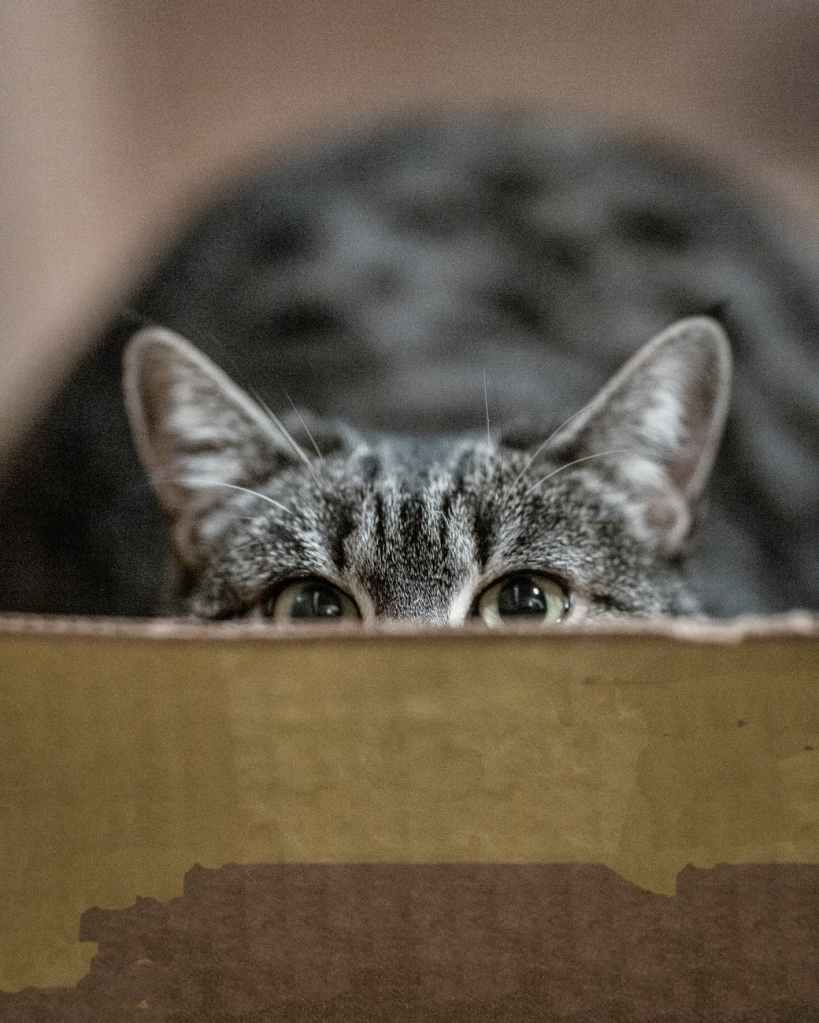
Curiosity killed the cat, but for a while I was a suspect.
What is pandora effect?
The relentless human desire to know – to satisfy curiosity at all costs –People are more likely to open the box if the outcome is uncertain and expectedly negative than if the outcome is certain and neutral or certain and negative can be more of a curse than a blessing,. We refer to this effect as the Pandora effect.
Whether it’s surreptitiously checking your partner’s phone for signs of infidelity, avidly reading celebrity gossip mags, or hunting people down on social media, too much curiosity can be like opening Pandora’s Box: the urge to do it can outweigh any benefits you might get from knowing, and it can seriously affect your happiness and wellbeing.
Opening the box

The researchers provided volunteers with a box containing prank pens that gave anyone clicking the button at the top a painful but harmless electric shock. The participants were randomly allocated a box containing either pens with a certain outcome or pens with an uncertain outcome. One group were given five pens with red stickers telling them the pens would give an electric shock and five pens with green stickers indicating the pens wouldn’t give an electric shock. The participants in the uncertain outcome group were given 10 pens all marked with yellow stickers indicating that they might or might not give a shock.
It turned out that the volunteers were far more likely to click the uncertain pens than either of the other sets of pens, and even more than both of the certain groups combined.
Curiosity leading to unpleasant experience
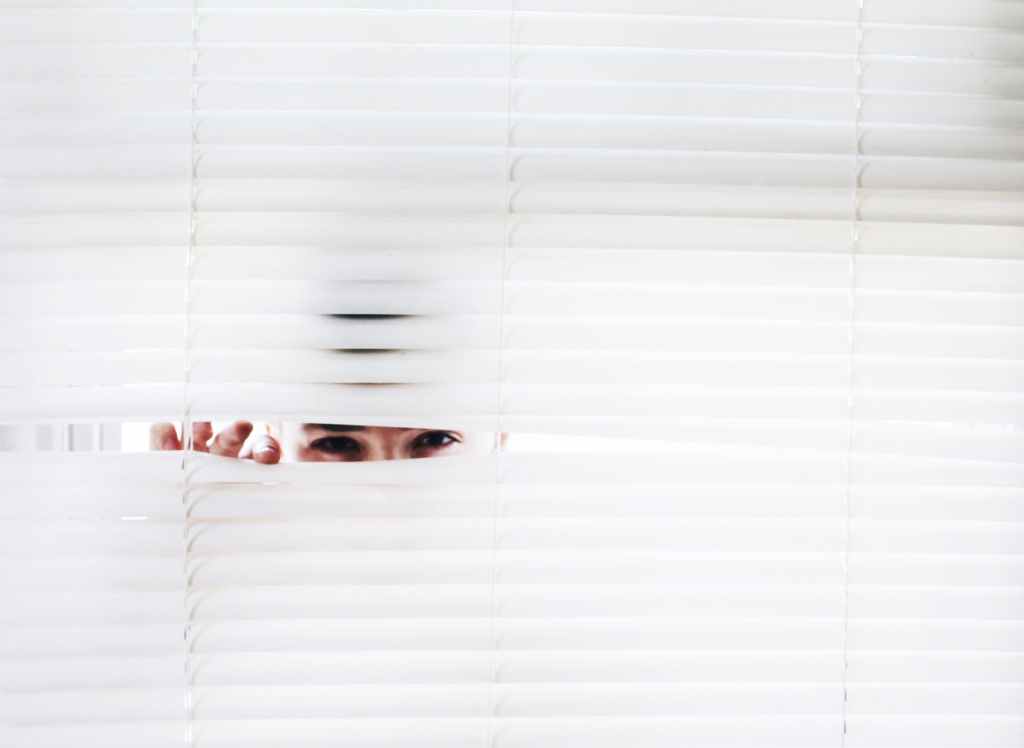
Results like this show we have an innate desire to resolve uncertainty even if we know that doing so will have no positive effect and may even be unpleasant. The researchers suggest that we might make better decisions in life if we first stop and consider whether our choices will have positive or negative outcomes.
Perhaps, for example, if we consider the harmful effects of rubbernecking before we see a motorway accident we can help protect ourselves from being overcome by curiosity and end up in an accident ourselves. But if the researchers’ hunch is correct, even if we know about the unpleasant consequence of curiosity, we are still likely to open that box.
Curiosity brings excitement in our life and makes it more interesting doesn’t mean that we should make choices that can hurt us just for fulfilling our desire of curiosity .
Sometimes it’s better to leave the things the way they are .

 Eduindex
You must be logged in to post a comment.