

Hiccups(hichki). They can be annoying or embarrassing, but we typically don’t think of them as concerning. They’re usually short-lived, although in rare cases, they can persist. When they last more than a of couple days, or if other symptoms occur at their onset, they can be a sign of a more serious medical condition.
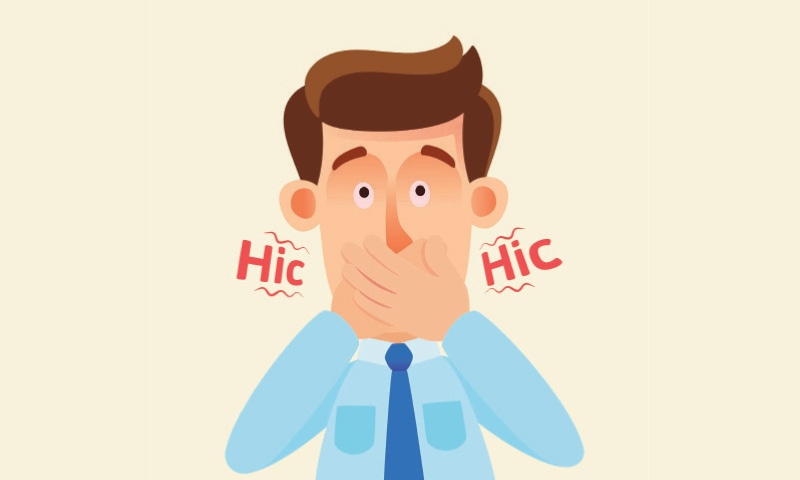
What causes hiccups (hichki)?
Hiccups seem to come from the chest–a quick influx of air that hits your vocal cords and causes a little sound. The spasm that causes a hiccup is really coming from your diaphragm or the nerves that control it. Some common causes include:
- Eating too much or too fast
- Feeling excited, nervous or scared
- Drinking carbonated beverages or too much alcohol (sometimes in excess)
- Stress
- A sudden change in temperature
- Swallowing air while chewing gum or sucking on candy
- Irritation of the esophagus
Esophageal reflux is a common cause of hiccups. Prolonged hiccups, though, could be caused by direct post-surgical irritation of the phrenic or vagus nerves. Irritation can also be caused by cancers of the chest or neck. Rarely, hiccups can be associated with disorders of the brain–including tumors and strokes, among others—or cardiovascular disease. Some medications can trigger long-term hiccups, too.
Finally, hiccups can also persist without an apparent cause.
What really gets rid of hiccups?
Before we worry too much about serious conditions, let’s consider some of the many recommendations to get rid of your hiccups. One of the most common is temporarily holding your breath to disrupt your breathing pattern. It can be helpful, and it doesn’t carry much risk to try.

As mentioned, the vagus and phrenic nerves affect your diaphragm. They’re part of your autonomic nervous system, which controls your heart rate and breathing.
Maneuvers that affect the nerve reflex may knock out your hiccups. The Valsalva maneuver is performed by attempting to exhale while closing your mouth and pinching your nose shut at the same time. You’ll bear down a bit as well, trying to (unsuccessfully) expel air, as if blowing up a balloon.
This motion stimulates the vagus nerve, called a vagal nerve response, and it can interrupt the hiccups. I like to think of it as rebooting your nervous system; sort of a reset for the irritated nerves.
Ingesting ice or applying mild pressure to your closed eye might also reboot this nervous system response.
You also may get rid of hiccups with a spoonful of sugar to stimulate the back of your throat (which also might cause a vagal nerve response). Eating peanut butter from a spoon might relax the back of your throat and could help. Interestingly, some patients have had success getting rid of hiccups by eating a lemon wedge.
The one common recommendation to be cautioned against is the tradition of scaring someone to rid them of hiccups. While the gasp of fright may induce a vagal nerve response that interrupts the spasm, it also risks dangerous side effects: If you scare someone, they could lose their balance and fall, and being startled may also negatively impact an underlying heart condition.

 Eduindex
You must be logged in to post a comment.