

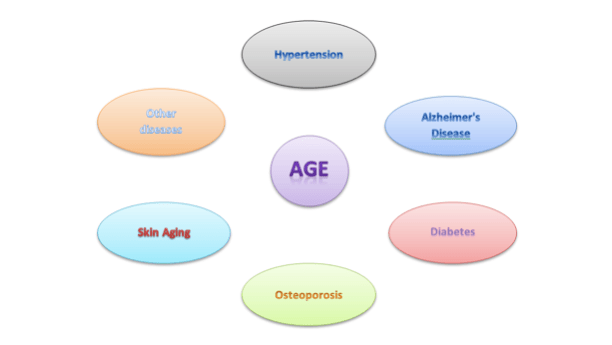
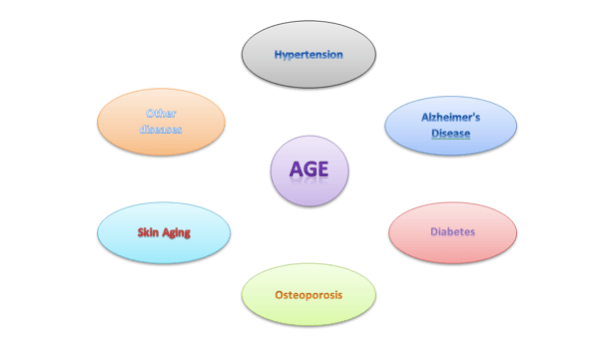
Age-related diseases are the leading cause of death worldwide, and they are also the leading source of concern for people concerned with global healthcare spending, both now and in the future. The CNS, vascular structures, joints, bones, the renal system, and other systems and tissues will be the focus of the special issue on age-related disease. The disorders must all be age-related, and the papers must seek to explain how the ageing process contributes to the pathology. Innovative articles that suggest basic interventions in the ageing process with either therapeutic potential or clinical trial results will be given high priority. Prospective publications may alternatively or in addition, address broader geriatric concerns, such as symptomatic care, diagnostic procedures, and funding for age-related disease treatment on a local, national, or global basis. Relevant dementias (such as Alzheimer’s, Parkinson’s, FTD, etc.), cardiovascular diseases (such as myocardial infarction, coronary artery disease, aneurysm, stroke, peripheral vascular disease, congestive heart failure, etc.), osteoarthritis, osteoporosis, renal failure, skin ageing, immunosenescence, or other age-related diseases may be among the specific age-related diseases.
Diabetes Mellitus
Diabetes involves the dysfunction of pancreatic ß-cells which leads to the development of diabetes. Aging of β cells in islets is mainly manifested as a decrease in the number of ß-cells and reduction in their secretion capacity. The mechanisms between islet cell failure in diabetes and aging are complex. The main interventions for diabetes include diet control, exercise, weight loss, and combination of hypoglycemic drugs.
Skin Ageing
Skin ageing is the overall part of the aging of the body and basically effects the appearance and makes body functioning difficult. This can lead to various diseases like anxiety, depression and self- abasement. Treatment for skin ageing mainly includes oral antioxidant drugs, topical anti-aging agents, and photoelectric and acoustic physical technology.
Alzheimer’s Disease
It is a neurodegenerative disease that occurs in old age and pre old age. It is basically brain aging. This disease involves nerve cell injury or apoptosis of brain nerve cells. Currently, drugs used in the clinical treatment of Alzheimer’s Disease are mainly noncompetitive N-methyl-D-aspartic acid receptor antagonists (such as memantine) and cholinesterase inhibitors (such as donepezil and galantamine).
The process of aging is universal but not uniform. Aging and age-related diseases pose a serious threat to human health and reduce the quality of life of elderly people. Awareness of age-related physiological changes, such as reduced acuity of vision and hearing, slow reaction time, and impaired balance, will prepare patients and caregivers to manage risks, make informed decisions, and perhaps prevent falls and medication adverse effects. The molecular basis of aging has various mechanisms and cells and different systems involved in it, which contribute to the process of aging and show the life span of a person and how healthy his life can be according to his inner systems. Stem cells have their own role to play and have a very important part in every single mechanism of aging. Basically, aging is a process which will happen no matter what the circumstances are and defines the life span of a person.

 Eduindex
You must be logged in to post a comment.