Biomes

A biome is a geographical extensive ecosystem where all flora and fauna are found collectively. It is the total assemblage of plant and animal life interacting within the biosphere. Biomes are defined by abiotic factors like,relief, climate,soils and vegetation. They are classified into two broad categories,

  1. Terrestrial biomes
  2. aquatic biomes

Terrestrial Biomes

Terrestrial biomes is a group of living organisms that live and interact with one another on land. They are mainly determined by temperature and rainfall. Some of the major terrestrial biomes of the world are

A. Tropical Forest Biomes
B. Tropical Savanna Biomes
C. Desert Biomes
D. Temperature Grassland
E. Tundra Biomes

Classification of Biomes

A. Tropical Forest Biomes

The tropical forest biome is comprised of several sub-biomes, including evergreen rainforest, seasonal deciduous forest etc.

Tropical forest have the highest biodiversity and primary productivity of any of the terrestrial biomes. The Amazon basin, Congo basin and Indonesian islands are the major regions of this biome. These regions have very dense forests and so have great economic importance. Human settlements are found scattered here. They sustain their livelihood through food gathering, fishing, lumbering and shifting cultivation. Due to the humid nature of this biome, the people get afflicted to tropical diseases like malaria, yellow fever etc. The chief trees found here are rubber, bamboo, ebony,etc. Bats, pheasants, jaguars, elephants, monkeys etc. are the important birds and animals found here.

B. Tropical Savanna (Grasslands) Biomes

Tropical grasslands are generally found between tropical forests and deserts. Tropical Savanna biomes are found between 10° to 20°N and S latitudes. These grasslands are generally flat and are found in the Sahel, south of Sahara in East Africa and in Australia. This biome is generally hot and dry and experiences moderate to low rainfall. So, the grass which grow here are tall and sharp. Hence the chief occupation of the people found here is herding. The primitive people living here are nomadic. The common animals found here are the lion,leopard, tiger,deer, red oats grass, lemon grass etc. are found in this biome.

C. Desert Biomes

Deserts are usually found on the western margins of the continents between 20° and 30° N and S latitudes. The annual rainfall is less than 25cm in these regions. Due to the lack of rainfall and arid conditions, these regions do not possess any vegetaion but have special vegetaion type called Xerophytes. As the soil is sandy and saline, deserts remain agriculturally unproductive. Drought resistant throny scrubs and bushes, palms are found here.

Tribal people who live here practice food gathering and hurting. They move their temporary settlements frequently in search of pasters. Transportation becomes very difficult here and is carried on by camels. Reptiles like snakes, lizards, scorpions etc., are most commonly found here.

D. Temperate Grassland Biomes

Temperate Grasslands are usually found in the interior of the continents and are characterized by large seasonal temperature variations, with warm summer and cold winter. The type of grassland in these regions strongly depends upon precipitation. Higher precipitation leads to talk and short and soft grass. These regions favour wheat cultivation. Extensive mechanised agriculture is practised due to lack of farm labour. Pastrol industry becomes the main occupation, thereby facilitating slaughtering of animals, packing of raw and processed meat, dairy products etc. The common birds and animals are grass hopper, wolf, bison, prairie dog etc.

E. Tundra Biomes

These vast lowlands are found where the ground remains frozen. Greenland, Arctic and Antarctic regions and Northern parts of Asia, Canada and Europe fall in this biome. These regions are also called Barren lands. This biome experiences long severe winter and short cool summer. Due to the prevailing of low temperature and short growing seasons, the net primary productivity is very low in tundra. People are nomadic. Hunting and fishing are their major occupations. The population here is extremely sparse and the harsh environment makes them change their settlement frequently. They live in igloos in winter and in tents during summer. Arctic moss, Arctic willow, lichens etc. grow here. Fauna like the polar bear, wolverine, reindeer, snowly owl are found here.

Aquatic Biomes

Aquatic biome is a group of living organisms that live and interact with one another and its aquatic environment for nutrients and shelter. Like terrestrial biomes, aquatic biomes are influenced by a series of abiotic factors.

  1. Fresh water biomes
  2. Marine biomes

A. Fresh water Biomes:

It comprises lakes, ponds, rivers, streams, wetlands etc. It is influenced by various abiotic components such as the volume of water, water flow, composition of oxygen, temperature,etc. Humans rely on freshwater biomes for drinking water, crop irrigation, sanitation and industry. Water lily,lotus, duck weeds etc. are the common plants found here. Trout, salmon,turtles, crocodiles etc. are the animals found here.

B. Marine Biomes:

They are the largest aquatic biomes on earth. They are continuous bodies of salt water and provide a wide range of habitats for marine plants and animals. Coral reefs are a second kind of marine biomes within the ocean.Estuaries, coastal areas where salt water and fresh water mix, form a third unique marine biome. As water provides maximum mobility to marine organisms, nutrients are circulated more quickly and efficiently here than the terrestrial biomes. Apart from animals, plants such as kelp, algae, phytoplankton etc. also grow in water. Aquatic biomes are not only important for plants and animals, but also for humans. Humans use aquatic biomes for water, food and leisure activities. Some of the threats and issues to aquatic biomes are overfishing. Pollution and rise in sea level.

Conservation

The biosphere extends from the deep ocean trenches to lush rain forests. People play an important role in maintaining the flow of energy in the biosphere. At the same time, the primary cause of today’s loss of biodiversity is habitat alteration caused by human activities. The ever increasing population results in over exploitation of biological resources. This has an adverse impact on flora and fauna on earth. There are places on earth that are both biologically rich and deeply threatened. Hence it is man’s duty to conserve and care for the earth and make it a better place to live in.


Biomes

A biome is a geographical extensive ecosystem where all flora and fauna are found collectively. It is the total assemblage of plant and animal life interacting within the biosphere. Biomes are defined by abiotic factors like,relief, climate,soils and vegetation. They are classified into two broad categories,

  1. Terrestrial biomes
  2. aquatic biomes

Terrestrial Biomes

Terrestrial biomes is a group of living organisms that live and interact with one another on land. They are mainly determined by temperature and rainfall. Some of the major terrestrial biomes of the world are

A. Tropical Forest Biomes
B. Tropical Savanna Biomes
C. Desert Biomes
D. Temperature Grassland
E. Tundra Biomes

Classification of Biomes

A. Tropical Forest Biomes

The tropical forest biome is comprised of several sub-biomes, including evergreen rainforest, seasonal deciduous forest etc.

Tropical forest have the highest biodiversity and primary productivity of any of the terrestrial biomes. The Amazon basin, Congo basin and Indonesian islands are the major regions of this biome. These regions have very dense forests and so have great economic importance. Human settlements are found scattered here. They sustain their livelihood through food gathering, fishing, lumbering and shifting cultivation. Due to the humid nature of this biome, the people get afflicted to tropical diseases like malaria, yellow fever etc. The chief trees found here are rubber, bamboo, ebony,etc. Bats, pheasants, jaguars, elephants, monkeys etc. are the important birds and animals found here.

B. Tropical Savanna (Grasslands) Biomes

Tropical grasslands are generally found between tropical forests and deserts. Tropical Savanna biomes are found between 10° to 20°N and S latitudes. These grasslands are generally flat and are found in the Sahel, south of Sahara in East Africa and in Australia. This biome is generally hot and dry and experiences moderate to low rainfall. So, the grass which grow here are tall and sharp. Hence the chief occupation of the people found here is herding. The primitive people living here are nomadic. The common animals found here are the lion,leopard, tiger,deer, red oats grass, lemon grass etc. are found in this biome.

C. Desert Biomes

Deserts are usually found on the western margins of the continents between 20° and 30° N and S latitudes. The annual rainfall is less than 25cm in these regions. Due to the lack of rainfall and arid conditions, these regions do not possess any vegetaion but have special vegetaion type called Xerophytes. As the soil is sandy and saline, deserts remain agriculturally unproductive. Drought resistant throny scrubs and bushes, palms are found here.

Tribal people who live here practice food gathering and hurting. They move their temporary settlements frequently in search of pasters. Transportation becomes very difficult here and is carried on by camels. Reptiles like snakes, lizards, scorpions etc., are most commonly found here.

D. Temperate Grassland Biomes

Temperate Grasslands are usually found in the interior of the continents and are characterized by large seasonal temperature variations, with warm summer and cold winter. The type of grassland in these regions strongly depends upon precipitation. Higher precipitation leads to talk and short and soft grass. These regions favour wheat cultivation. Extensive mechanised agriculture is practised due to lack of farm labour. Pastrol industry becomes the main occupation, thereby facilitating slaughtering of animals, packing of raw and processed meat, dairy products etc. The common birds and animals are grass hopper, wolf, bison, prairie dog etc.

E. Tundra Biomes

These vast lowlands are found where the ground remains frozen. Greenland, Arctic and Antarctic regions and Northern parts of Asia, Canada and Europe fall in this biome. These regions are also called Barren lands. This biome experiences long severe winter and short cool summer. Due to the prevailing of low temperature and short growing seasons, the net primary productivity is very low in tundra. People are nomadic. Hunting and fishing are their major occupations. The population here is extremely sparse and the harsh environment makes them change their settlement frequently. They live in igloos in winter and in tents during summer. Arctic moss, Arctic willow, lichens etc. grow here. Fauna like the polar bear, wolverine, reindeer, snowly owl are found here.

Aquatic Biomes

Aquatic biome is a group of living organisms that live and interact with one another and its aquatic environment for nutrients and shelter. Like terrestrial biomes, aquatic biomes are influenced by a series of abiotic factors.

  1. Fresh water biomes
  2. Marine biomes

A. Fresh water Biomes:

It comprises lakes, ponds, rivers, streams, wetlands etc. It is influenced by various abiotic components such as the volume of water, water flow, composition of oxygen, temperature,etc. Humans rely on freshwater biomes for drinking water, crop irrigation, sanitation and industry. Water lily,lotus, duck weeds etc. are the common plants found here. Trout, salmon,turtles, crocodiles etc. are the animals found here.

B. Marine Biomes:

They are the largest aquatic biomes on earth. They are continuous bodies of salt water and provide a wide range of habitats for marine plants and animals. Coral reefs are a second kind of marine biomes within the ocean.Estuaries, coastal areas where salt water and fresh water mix, form a third unique marine biome. As water provides maximum mobility to marine organisms, nutrients are circulated more quickly and efficiently here than the terrestrial biomes. Apart from animals, plants such as kelp, algae, phytoplankton etc. also grow in water. Aquatic biomes are not only important for plants and animals, but also for humans. Humans use aquatic biomes for water, food and leisure activities. Some of the threats and issues to aquatic biomes are overfishing. Pollution and rise in sea level.

Conservation

The biosphere extends from the deep ocean trenches to lush rain forests. People play an important role in maintaining the flow of energy in the biosphere. At the same time, the primary cause of today’s loss of biodiversity is habitat alteration caused by human activities. The ever increasing population results in over exploitation of biological resources. This has an adverse impact on flora and fauna on earth. There are places on earth that are both biologically rich and deeply threatened. Hence it is man’s duty to conserve and care for the earth and make it a better place to live in.

Celebrity Worship Syndrome

Celebrity worship syndrome (CWS) is an obsessive addictive disorder in which a person becomes overly involved with the details of a celebrity’s personal and professional life.

Celebrity worship for purely entertainment purposes is a perfectly healthy past time for most people. This type of celebrity worship involves harmless actions such as knowing and reading about a celebrity and following them on social media to know about their upcoming movies, music albums or sporting events. But apart from this, there are many different levels of celebrity worship that is harmful to themselves and those around them. The different classifications include simple obsessional, entertainment-social, intense-personal, love obsessional, and borderline-pathological.

  • Entertainment-social

This level of admiration is linked to a celebrity’s ability to capture the attention of their fans. This can be following celebrities on social media, and knowing about their daily life. Although considered the lowest level of celebrity worship, it has been seen to have a number of negative effects like unhealthy eating tendencies, poor body image and low self-esteem.

  • Simple obsessional stalking

This is not necessarily between a common person and the famous person with whom they are obsessed with. This case happens when a person has social awkwardness or low self-esteem and they feel inferior seeing someone they know personally, or a celebrity, for the confidence that they have. Such people bolster their own self-esteem by dominating and intimidating their mates. Exercising power over another gives them some sense of power in a world where they otherwise feel powerless. This is the most common form of obsession and it results in domestic violence in many cases.

  • Intense-personal

This is an intermediate level of obsession that is associated with neuroticism and psychoticism. An example this would be, “I consider my favourite celebrity to be my soul mate”. It has been found that people who worship celebrities in this manner often have low self-esteem, especially if they think that the celebrity is physically attractive. People who have high levels of obsession are more accepting of cosmetic surgery than those who do not obsess over celebrities.

  • Love obsessional

Individuals who demonstrate this sort of stalking behavior develop a love obsession with somebody who they have no personal relation to. The people that demonstrate this form of obsession are likely to suffer from a mental disorder, mainly schizophrenia or paranoia. Individuals that are love obsessional stalkers often convince themselves that they are in fact in a relationship with the celebrity. These are the cases where people have imaginary conversations and discussions with the celebrity they admire.

  • Borderline-pathological

This classification is the most severe level of celebrity worship. It is characterized by pathological attitudes and behaviors. This includes spending tons of money on common items that were once used by the celebrity or even willingness to commit crime on behalf of the celebrity.

Although the media is not the only cause of CWS, it is the main reason for it to go to such dangerous extremes. The mass media is constantly bombarding people with images of glamorous lives of celebrities. The media is thankful for CWS and encourages it, as it gets more viewers, sells more products, and obtain more subscribers. In short, it makes money off of people who have CWS. Celebrity worship is not a new phenomenon. It is only reaching new terrible extremes because the media is coming up with innovative ideas to get people to obsess over celebrities.

Celebrity Worship Syndrome

Celebrity worship syndrome (CWS) is an obsessive addictive disorder in which a person becomes overly involved with the details of a celebrity’s personal and professional life.

Celebrity worship for purely entertainment purposes is a perfectly healthy past time for most people. This type of celebrity worship involves harmless actions such as knowing and reading about a celebrity and following them on social media to know about their upcoming movies, music albums or sporting events. But apart from this, there are many different levels of celebrity worship that is harmful to themselves and those around them. The different classifications include simple obsessional, entertainment-social, intense-personal, love obsessional, and borderline-pathological.

  • Entertainment-social

This level of admiration is linked to a celebrity’s ability to capture the attention of their fans. This can be following celebrities on social media, and knowing about their daily life. Although considered the lowest level of celebrity worship, it has been seen to have a number of negative effects like unhealthy eating tendencies, poor body image and low self-esteem.

  • Simple obsessional stalking

This is not necessarily between a common person and the famous person with whom they are obsessed with. This case happens when a person has social awkwardness or low self-esteem and they feel inferior seeing someone they know personally, or a celebrity, for the confidence that they have. Such people bolster their own self-esteem by dominating and intimidating their mates. Exercising power over another gives them some sense of power in a world where they otherwise feel powerless. This is the most common form of obsession and it results in domestic violence in many cases.

  • Intense-personal

This is an intermediate level of obsession that is associated with neuroticism and psychoticism. An example this would be, “I consider my favourite celebrity to be my soul mate”. It has been found that people who worship celebrities in this manner often have low self-esteem, especially if they think that the celebrity is physically attractive. People who have high levels of obsession are more accepting of cosmetic surgery than those who do not obsess over celebrities.

  • Love obsessional

Individuals who demonstrate this sort of stalking behavior develop a love obsession with somebody who they have no personal relation to. The people that demonstrate this form of obsession are likely to suffer from a mental disorder, mainly schizophrenia or paranoia. Individuals that are love obsessional stalkers often convince themselves that they are in fact in a relationship with the celebrity. These are the cases where people have imaginary conversations and discussions with the celebrity they admire.

  • Borderline-pathological

This classification is the most severe level of celebrity worship. It is characterized by pathological attitudes and behaviors. This includes spending tons of money on common items that were once used by the celebrity or even willingness to commit crime on behalf of the celebrity.

Although the media is not the only cause of CWS, it is the main reason for it to go to such dangerous extremes. The mass media is constantly bombarding people with images of glamorous lives of celebrities. The media is thankful for CWS and encourages it, as it gets more viewers, sells more products, and obtain more subscribers. In short, it makes money off of people who have CWS. Celebrity worship is not a new phenomenon. It is only reaching new terrible extremes because the media is coming up with innovative ideas to get people to obsess over celebrities.

In our foreseeable future do we have more forests or deserts?

Forests make up nearly 33% of the land area on our planet. 1.6 billion People rely on the benefits that forests offer, that include food, fresh water, medicinal herbs and shelter. Most o the world’s threatened and endangered animals live in forests.

Forests also counter the negative effects of climate change. They serve as carbon stores, taking in the carbon dioxide that would be left in the atmosphere.

Every year 58 thousand square miles are lost — the equivalent to one football field every two seconds. The study, from the nonprofit research organization Center for Global Development, predicts that as much as 2,890,000 square kilometers — or over a million square miles — of tropical forest could be lost to deforestation due to land being cleared for industrial agriculture. Jonah Busch, a coauthor on the report, said they found a pattern to the destruction.

“That amount of loss will have a big impact on the climate because trees store a lot of carbon,” Busch said, “and when they’re burned, and cleared for soy or beef pastures, or palm oil, all that the carbon that’s stored in the trees goes up to the atmosphere.” Busch and his colleagues estimated that 169 billion tons of carbon-di-oxide could be released, which is the annual quantity of pollution emitted from about fifty thousand coal-burning power plants. Busch also said that half of the projected deforestation could happen in Latin America, with the other half split between Asia and Africa.

The forest cover of the world will increase by at least 10 percent of its original value today in the next 5–10 years. A few countries will increase their forest cover drastically like northern parts of Africa and Mongolia. As far as the United States is concerned the forest cover has increased, at this point of time they have more trees now than what they had hundred years ago. The Indian and Chinese government will continue to implement their schemes unless they have reached their country’s goal. Hope other countries start to implement schemes and programs to improve their forest cover.

In our foreseeable future do we have more forests or deserts?

Forests make up nearly 33% of the land area on our planet. 1.6 billion People rely on the benefits that forests offer, that include food, fresh water, medicinal herbs and shelter. Most o the world’s threatened and endangered animals live in forests.

Forests also counter the negative effects of climate change. They serve as carbon stores, taking in the carbon dioxide that would be left in the atmosphere.

Every year 58 thousand square miles are lost — the equivalent to one football field every two seconds. The study, from the nonprofit research organization Center for Global Development, predicts that as much as 2,890,000 square kilometers — or over a million square miles — of tropical forest could be lost to deforestation due to land being cleared for industrial agriculture. Jonah Busch, a coauthor on the report, said they found a pattern to the destruction.

“That amount of loss will have a big impact on the climate because trees store a lot of carbon,” Busch said, “and when they’re burned, and cleared for soy or beef pastures, or palm oil, all that the carbon that’s stored in the trees goes up to the atmosphere.” Busch and his colleagues estimated that 169 billion tons of carbon-di-oxide could be released, which is the annual quantity of pollution emitted from about fifty thousand coal-burning power plants. Busch also said that half of the projected deforestation could happen in Latin America, with the other half split between Asia and Africa.

The forest cover of the world will increase by at least 10 percent of its original value today in the next 5–10 years. A few countries will increase their forest cover drastically like northern parts of Africa and Mongolia. As far as the United States is concerned the forest cover has increased, at this point of time they have more trees now than what they had hundred years ago. The Indian and Chinese government will continue to implement their schemes unless they have reached their country’s goal. Hope other countries start to implement schemes and programs to improve their forest cover.

Another Key to Success : Consistency


We all know, what maintaining consistency can do when it comes to bringing change or achieving something. Maintaining consistency for some time in any work or process can do wonders for you. 

But, What does it mean to be consistent? 

When we say an individual is consistent, it means, that individual is clear on what he/she wants to achieve and is taking crucial steps to achieve his/her goals. The level of consistency we maintain reflects our values and standards. Being consistent means doing things that are required today to achieve a better tomorrow. Consistency is simply about doing things on repetition over a while to achieve desired results. 

Then, Why many of us fail to maintain consistency? 

Well, there are numerous reasons why many of us fail to maintain consistency. Mentioned below are some of them:-

★ Lack of patience.

★ The desire for instant gratification.

★ Lack of clarity and focus.

★ Not having supporting habits or triggers.

★ Having a “all or nothing” mindset.

Anthony Jay Robbins (an American author, coach, speaker, and philanthropist) said, “It’s not what we do once in a while that shapes our lives. It’s what we do consistently.”

Why consistency is important? 

Knowing a few reasons will help you to give more attention to it. Mentioned below are five reasons why consistency is important:-

I) It will create accountability.

II) It will help you to stand out or be noticed. 

III) It develops discipline and self-control.

IV) It builds a higher level of trust.

V) It can help you fast-track your improvement or development in any area.

Ways to Develop Consistency

Although every individual has their their way of developing consistency. Mentioned below are some general ways to develop consistency:

I) Create a schedule or plan to stay on track.

II) Start with small steps.

III) Give yourself a break when you get off track.

IV) Start with small steps.

There are very low chances of achieving what we want without a proper strategy and consistency. In short, hard work and smart work together with consistency and the right attitude are the keys to success. 

Another Key to Success : Consistency


We all know, what maintaining consistency can do when it comes to bringing change or achieving something. Maintaining consistency for some time in any work or process can do wonders for you. 

But, What does it mean to be consistent? 

When we say an individual is consistent, it means, that individual is clear on what he/she wants to achieve and is taking crucial steps to achieve his/her goals. The level of consistency we maintain reflects our values and standards. Being consistent means doing things that are required today to achieve a better tomorrow. Consistency is simply about doing things on repetition over a while to achieve desired results. 

Then, Why many of us fail to maintain consistency? 

Well, there are numerous reasons why many of us fail to maintain consistency. Mentioned below are some of them:-

★ Lack of patience.

★ The desire for instant gratification.

★ Lack of clarity and focus.

★ Not having supporting habits or triggers.

★ Having a “all or nothing” mindset.

Anthony Jay Robbins (an American author, coach, speaker, and philanthropist) said, “It’s not what we do once in a while that shapes our lives. It’s what we do consistently.”

Why consistency is important? 

Knowing a few reasons will help you to give more attention to it. Mentioned below are five reasons why consistency is important:-

I) It will create accountability.

II) It will help you to stand out or be noticed. 

III) It develops discipline and self-control.

IV) It builds a higher level of trust.

V) It can help you fast-track your improvement or development in any area.

Ways to Develop Consistency

Although every individual has their their way of developing consistency. Mentioned below are some general ways to develop consistency:

I) Create a schedule or plan to stay on track.

II) Start with small steps.

III) Give yourself a break when you get off track.

IV) Start with small steps.

There are very low chances of achieving what we want without a proper strategy and consistency. In short, hard work and smart work together with consistency and the right attitude are the keys to success. 

Another Key to Success: Consistency


We all know, what maintaining consistency can do when it comes to bringing change or achieving something. Maintaining consistency for some time in any work or process can do wonders for you. 

But, What does it mean to be consistent? 

When we say an individual is consistent, it means, that individual is clear on what he/she wants to achieve and is taking crucial steps to achieve his/her goals. The level of consistency we maintain reflects our values and standards. Being consistent means doing things that are required today to achieve a better tomorrow. Consistency is simply about doing things on repetition over a while to achieve desired results. 

Then, Why many of us fail to maintain consistency? 

Well, there are numerous reasons why many of us fail to maintain consistency. Mentioned below are some of them:-

★ Lack of patience.

★ The desire for instant gratification.

★ Lack of clarity and focus.

★ Not having supporting habits or triggers.

★ Having a “all or nothing” mindset.

Anthony Jay Robbins (an American author, coach, speaker, and philanthropist) said, “It’s not what we do once in a while that shapes our lives. It’s what we do consistently.”


Why consistency is important? 

Knowing a few reasons will help you to give more attention to it. Mentioned below are five reasons why consistency is important:-

I) It will create accountability.

II) It will help you to stand out or be noticed. 

III) It develops discipline and self-control.

IV) It builds a higher level of trust.

V) It can help you fast-track your improvement or development in any area.

Ways to Develop Consistency

Although every individual has their their way of developing consistency. Mentioned below are some general ways to develop consistency:

I) Create a schedule or plan to stay on track.

II) Start with small steps.

III) Give yourself a break when you get off track.

IV) Start with small steps.

There are very low chances of achieving what we want without a proper strategy and consistency. In short, hard work and smart work together with consistency and the right attitude are the keys to success. 


WHAT IS PHONOLOGY AND PHONEME?

Our speech sounds can produce a wide variety of speech sounds. However , each language makes use of only a selected group of sounds .These selected sounds are organized in different ways in different languages .This selection and organization of speech sounds in an individual language is called Phonology .

PHONEMES

Every language has a definite number of distinctive sound units .These sound units constitute the phonemes of that language .They are the most basic and smallest elements in the expression system of a language .A phoneme may be defined as the minimal ,distinctive sound unit of a language .By minimal we mean that it cannot be sub-divide ; by distinctive we mean that , when one phoneme is substituted by another it produces a meaning change .Thus the phoneme is the smallest unit of sound that forms the basis of distinction between words in a language .The two words , for example , bat and cat are distinguished and differentiated by the initial phonemes of these two words , /b/ and /k/ .

When /p/ is substituted by /b/ in the word pit it becomes bit . With substitution , a different word with a different meaning is formed . Thus /p/ and /b/ are contrastive in English and hence they are two phonemes in English. Phonemic symbols are enclosed with in slant lines ; phonetic symbols within square brackets indicate the precise phonetic qualities of sounds represented by the symbols . It is also to be noted that phonemes refers to sounds and never to spellings .

The English RP has a system of forty four phonemes .Hindi has forty six phonemes and Malayalam has fifty two .All these languages have their own language specific phonemes .As phonemes are contrastive units of sound in the sound system of a particular language , they have validity only in that language.

WHAT IS PHONOLOGY AND PHONEME?

Our speech sounds can produce a wide variety of speech sounds. However , each language makes use of only a selected group of sounds .These selected sounds are organized in different ways in different languages .This selection and organization of speech sounds in an individual language is called Phonology .

PHONEMES

Every language has a definite number of distinctive sound units .These sound units constitute the phonemes of that language .They are the most basic and smallest elements in the expression system of a language .A phoneme may be defined as the minimal ,distinctive sound unit of a language .By minimal we mean that it cannot be sub-divide ; by distinctive we mean that , when one phoneme is substituted by another it produces a meaning change .Thus the phoneme is the smallest unit of sound that forms the basis of distinction between words in a language .The two words , for example , bat and cat are distinguished and differentiated by the initial phonemes of these two words , /b/ and /k/ .

When /p/ is substituted by /b/ in the word pit it becomes bit . With substitution , a different word with a different meaning is formed . Thus /p/ and /b/ are contrastive in English and hence they are two phonemes in English. Phonemic symbols are enclosed with in slant lines ; phonetic symbols within square brackets indicate the precise phonetic qualities of sounds represented by the symbols . It is also to be noted that phonemes refers to sounds and never to spellings .

The English RP has a system of forty four phonemes .Hindi has forty six phonemes and Malayalam has fifty two .All these languages have their own language specific phonemes .As phonemes are contrastive units of sound in the sound system of a particular language , they have validity only in that language.

WHAT IS PHONOLOGY AND PHONEME?

Our speech sounds can produce a wide variety of speech sounds. However , each language makes use of only a selected group of sounds .These selected sounds are organized in different ways in different languages .This selection and organization of speech sounds in an individual language is called Phonology .

PHONEMES

Every language has a definite number of distinctive sound units .These sound units constitute the phonemes of that language .They are the most basic and smallest elements in the expression system of a language .A phoneme may be defined as the minimal ,distinctive sound unit of a language .By minimal we mean that it cannot be sub-divide ; by distinctive we mean that , when one phoneme is substituted by another it produces a meaning change .Thus the phoneme is the smallest unit of sound that forms the basis of distinction between words in a language .The two words , for example , bat and cat are distinguished and differentiated by the initial phonemes of these two words , /b/ and /k/ .

When /p/ is substituted by /b/ in the word pit it becomes bit . With substitution , a different word with a different meaning is formed . Thus /p/ and /b/ are contrastive in English and hence they are two phonemes in English. Phonemic symbols are enclosed with in slant lines ; phonetic symbols within square brackets indicate the precise phonetic qualities of sounds represented by the symbols . It is also to be noted that phonemes refers to sounds and never to spellings .

The English RP has a system of forty four phonemes .Hindi has forty six phonemes and Malayalam has fifty two .All these languages have their own language specific phonemes .As phonemes are contrastive units of sound in the sound system of a particular language , they have validity only in that language.

WHAT IS PHONOLOGY AND PHONEME?

Our speech sounds can produce a wide variety of speech sounds. However , each language makes use of only a selected group of sounds .These selected sounds are organized in different ways in different languages .This selection and organization of speech sounds in an individual language is called Phonology .

PHONEMES

Every language has a definite number of distinctive sound units .These sound units constitute the phonemes of that language .They are the most basic and smallest elements in the expression system of a language .A phoneme may be defined as the minimal ,distinctive sound unit of a language .By minimal we mean that it cannot be sub-divide ; by distinctive we mean that , when one phoneme is substituted by another it produces a meaning change .Thus the phoneme is the smallest unit of sound that forms the basis of distinction between words in a language .The two words , for example , bat and cat are distinguished and differentiated by the initial phonemes of these two words , /b/ and /k/ .

When /p/ is substituted by /b/ in the word pit it becomes bit . With substitution , a different word with a different meaning is formed . Thus /p/ and /b/ are contrastive in English and hence they are two phonemes in English. Phonemic symbols are enclosed with in slant lines ; phonetic symbols within square brackets indicate the precise phonetic qualities of sounds represented by the symbols . It is also to be noted that phonemes refers to sounds and never to spellings .

The English RP has a system of forty four phonemes .Hindi has forty six phonemes and Malayalam has fifty two .All these languages have their own language specific phonemes .As phonemes are contrastive units of sound in the sound system of a particular language , they have validity only in that language.

Gender inequality

Gender inequality is the social process by which Mens, LGBTQ community and womens are not treated equally.

Gender equality is a human fight not a female fight.

Due to patriarchy many girls are hold back from striving for their dreams, receiving a quality education, medical facilities and overall awareness for their well being.

Everyday girls and boys see gender inequality in their homes, community, in textbooks, in media and among the adult.

Society assume an unequal responsibility for household work with mothers bearing the brunt of caregiving.

In schools, many girls receive less support than boys to pursue the studies they choose.

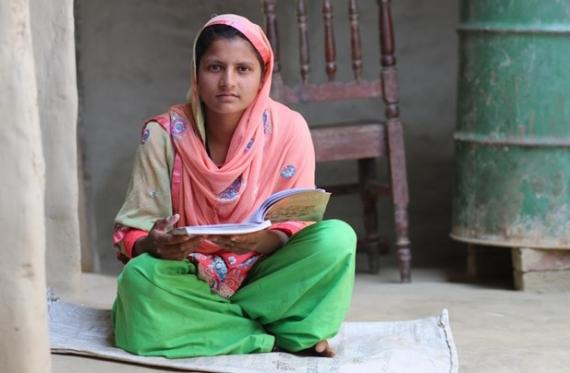
Rashida khatun says I realised the harm I would be causing myself if I agreed to get married. She in is enrolled in UNICEF supported program that provides out of school girls with basic numeracy, literacy and life skills.

Whenever we talk about gender inequality we always seems to focus on women but have anyone ever thought that what it’s like for men or LGBTQ community.

Gender equality, historically has been predominantly a women’s movement for women but I think the impact of gender inequality and how its affecting man hasn’t really been addressed.

Emma Watson

  • Generally we see in our families that boys told to pursue maths in higher studies and girls were told to pursue Biology so that the male became engineer for female can be a doctor.
  • Whenever a boy wants to be a cook, singer, dancer he is being discouraged by society or his parent by saying that these are for girls.
  • It’s a perception in our patriarchal society that boys do not cry that the crime is only for girls.
    • Mens are stronger than women and they will never bow in front of anyone
    • That’s why mens will never admit their faults because they are meant to be dominant in this patriarchal society.
  • When a girl wanted to be an officer then she is being discouraged by the family by saying that this is the job for Boys.
  • The perception of our societies that the household works are made for womens .
  • If people see a girl with short hair, the peoples in society tends to point at her and think of her as a freak.
  • If a girl is not interested in cooking but she still has to do it and she is pressurized by the family and Society by saying that you have to go to someone’s home and you have to do it because it is made for you.

Let’s talk about LGBTQ community. It is is the second of three issues focused on social inequalities.

  • LGBTQ community faces gender inequality in their everyday life.
  • They face inequalities in employment, education, health, survival and political empowerment.
  • It is not the only way by which they faces social inequalities.
  • Lgbtq people faces housing discrimination and workplace discrimination.
  • They faces basic human right such as – marriage and family adoption.
  • They have been discarded from their homes at their birth. The only reason of this is that they are not a male or female.
  • Peoples doesn’t behave properly with them.

Is this what we called Gender Equality??

We blame society for gender inequalities and for everything but why we forget that society is because of us. we are the part of society and to change this society we have to change our own mentality.

Gender inequality

Gender inequality is the social process by which Mens, LGBTQ community and womens are not treated equally.

Gender equality is a human fight not a female fight.

Due to patriarchy many girls are hold back from striving for their dreams, receiving a quality education, medical facilities and overall awareness for their well being.

Everyday girls and boys see gender inequality in their homes, community, in textbooks, in media and among the adult.

Society assume an unequal responsibility for household work with mothers bearing the brunt of caregiving.

In schools, many girls receive less support than boys to pursue the studies they choose.

Rashida khatun says I realised the harm I would be causing myself if I agreed to get married. She in is enrolled in UNICEF supported program that provides out of school girls with basic numeracy, literacy and life skills.

Whenever we talk about gender inequality we always seems to focus on women but have anyone ever thought that what it’s like for men or LGBTQ community.

Gender equality, historically has been predominantly a women’s movement for women but I think the impact of gender inequality and how its affecting man hasn’t really been addressed.

Emma Watson

  • Generally we see in our families that boys told to pursue maths in higher studies and girls were told to pursue Biology so that the male became engineer for female can be a doctor.
  • Whenever a boy wants to be a cook, singer, dancer he is being discouraged by society or his parent by saying that these are for girls.
  • It’s a perception in our patriarchal society that boys do not cry that the crime is only for girls.
    • Mens are stronger than women and they will never bow in front of anyone
    • That’s why mens will never admit their faults because they are meant to be dominant in this patriarchal society.
  • When a girl wanted to be an officer then she is being discouraged by the family by saying that this is the job for Boys.
  • The perception of our societies that the household works are made for womens .
  • If people see a girl with short hair, the peoples in society tends to point at her and think of her as a freak.
  • If a girl is not interested in cooking but she still has to do it and she is pressurized by the family and Society by saying that you have to go to someone’s home and you have to do it because it is made for you.

Let’s talk about LGBTQ community. It is is the second of three issues focused on social inequalities.

  • LGBTQ community faces gender inequality in their everyday life.
  • They face inequalities in employment, education, health, survival and political empowerment.
  • It is not the only way by which they faces social inequalities.
  • Lgbtq people faces housing discrimination and workplace discrimination.
  • They faces basic human right such as – marriage and family adoption.
  • They have been discarded from their homes at their birth. The only reason of this is that they are not a male or female.
  • Peoples doesn’t behave properly with them.

Is this what we called Gender Equality??

We blame society for gender inequalities and for everything but why we forget that society is because of us. we are the part of society and to change this society we have to change our own mentality.