A friend plays the most important part in everyone’s life. Every life is incomplete without a proper comradeship. This is a fact that no one can survive without making friends. Life is full of ups and down and we all need someone to support us mentally and emotionally. A friend is the one with whom we share a bond which is rooted by trust, respect, affection, etc. Tackling problems become much easier when you have good friends beside you.
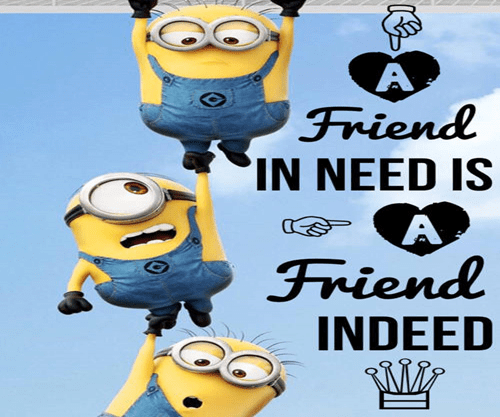
“A friend in need is a friend indeed” this is one of the most popular proverb which we all have heard at least once in our life. This phrase summarizes the eternal essence of the word friendship i.e., the friends who help at the time of need are considered as true friend. Getting a true friend is not only good luck but it’s like a blessing and such people are meant to be nurture with proper care. Place which a friend holds in each one of our life is impossible to express via words. When we have our comrade with us tackling problems becomes very much easy. Life is full of ups and down, pain and heartbreak, suffering and loss and because of all these people ends up going in depression or facing anxiety and mental issues plus any psychological disorder thus in such circumstances a friend plays a vital role in coping up. Healthy and good friendships help in overcoming the negativity of mundane life. Friendship is based on a give and take relation where one needs to give equally love and respect only then the root of such bond will be strong. Friendship must be carryout from the heart not with the intension of profits. True friends help in growing and increasing self-confidence as well as boost immunity. Francis Bacon mentioned on his essay of “Of Friendship” that every human being requires company and social contact and the one who does not believe in this and live a life with isolation is considered either as a wild breast or heavenly God. Human beings require other human beings and if someone ignores interaction are doing unfair with natural state. He also says that “a true friend acts a secondary valve for the heart to [pump life into a sick person.”
Friends do not believe in discouraging rather than they help in reaching the goals of life. But what is important is the bond should be carried out equally by both the parties. Both the parties should be equally loyal to one another if a person is not loyal than he should not expect the other person to be kind and loyal towards him. It is well said that “YOU REAP WHAT YOU SOW”, therefore first we should be ourselves ready to follow the simple code of friendship. The key success of successful friendship is good communication among each other. The base of every friendship is communication. Summing up that friendship is vital in each one of lives love, respect and proper communication can build up a good bond.
Ratan Tata (born 28 December 1937) is an Indian industrialist, philanthropist, and a former chairman of Tata Sons. He was also chairman of Tata Group, from 1990 to 2012, and again, as interim chairman, from October 2016 through February 2017, and continues to head its charitable trusts. He is the recipient of two of the highest civilian awards of India, the Padma Vibhushan (2008) and Padma Bhushan (2000).
Born in 1937, he is a scion of the Tata family, and son of Naval Tata who was later adopted by Ratanji Tata, son of Jamsetji Tata, the founder of Tata Group. He is an alumnus of the Cornell University College of Architecture and Harvard Business School through the Advanced Management Program that he completed in 1975. He joined his company in 1961 when he used to work on the shop floor of Tata Steel, and was the apparent successor to J. R. D. Tata upon the latter’s retirement in 1991. He got Tata Tea to acquire Tetley, Tata Motors to acquire Jaguar Land Rover, and Tata Steel to acquire Corus, in an attempt to turn Tata from a largely India-centrist group into a global business.
Ratan Tata was born in Bombay, now Mumbai, on 28 December 1937, and is the son of Naval Tata (born in Surat). His biological maternal grandmother had been the sister of Hirabai Tata, wife of group founder Jamshedji Tata. His biological grandfather, Hormusji Tata, had belonged to the broader Tata family; Ratan therefore was a Tata by birth. Parents Naval and Sonoo separated in 1948 when Ratan was 10, and he was subsequently raised by the widow of Sir Ratanji Tata, his grandmother, Navajbai Tata, who formally adopted him through the J. N. Petit Parsi Orphanage. He has a half-brother, Noel Tata (from Naval Tata’s second marriage with Simone Tata), with whom he was raised. His first language is Gujarati.
He studied at the Campion School, Mumbai till the 8th class, followed by Cathedral and John Connon School, Mumbai and at Bishop Cotton School in Shimla, and, in 1955, graduated from Riverdale Country School in New York City. In 1959, he then received a degree in Architecture from Cornell University, and in 1975, attended the seven-week Advanced Management Program of Harvard Business School — an institution which he has since endowed.
Promoted to management during the 1970s, Ratan achieved initial success by turning Group company National Radio and Electronics (NELCO) around, only to see it collapse during an economic slowdown. In 1991, J. R. D. Tata stepped down as chairman of Tata Sons, naming him his successor. When he settled down into the new role, he faced stiff resistance from many companies heads, some of whom had spent decades in their respective companies and rose to become very powerful and influential due to the freedom to operate under JRD Tata. He began replacing them by setting a retirement age, and then made individual companies report operationally to the group office and made each contribute some of their profit to build and use the Tata group brand. Innovation was given priority and younger talent was infused and given responsibilities. Under his stewardship, overlapping operations in group companies were streamlined into a synergised whole, with the salt-to-software group exiting unrelated businesses to take on globalisation.Ratan Tata (right) in Bangladesh, 2005
During the 21 years he led the Tata Group, revenues grew over 40 times, and profit, over 50 times. Where sales of the group as a whole, overwhelmingly came from commodities when he took over, the majority sales came from brands when he exited. He boldly got Tata Tea to acquire Tetley, Tata Motors to acquire Jaguar Land Rover and Tata Steel to acquire Corus. All this turned Tata from a largely India-centric group into a global business, with over 65% revenues coming from operations and sales in over 100 countries. He conceptualised the Tata Nano car. In 2015, He explained in an interview for the Harvard Business School’s Creating Emerging Markets project, the development of the Tata Nano was significant because it helped put cars at a price-point within reach of the average Indian consumer.
Ratan Tata resigned his executive powers in the Tata group on 28 December 2012, upon turning 75, appointing as his successor, Cyrus Mistry, the 44-year-old son of Pallonji Mistry of the Shapoorji Pallonji Group, the largest individual shareholder of the group and related by marriage. On 24 October 2016, Cyrus Mistry was removed as the chairman of Tata Sons and Ratan Tata was made interim chairman. The decision went through intense media scrutiny that made many scrutinize the root causes of the sudden removal, and the resultant crisis. A selection committee was formed to find a successor. The selection committee consisted of Mr. Tata, TVS Group head Venu Srinivasan, Amit Chandra of Bain Capital, former diplomat Ronen Sen and Lord Kumar Bhattacharya. All of them, except Mr. Bhattacharya, were on the board of Tata Sons. On 12 January 2017, Natarajan Chandrasekaran was named as the chairman of Tata Sons, a role he assumed in February 2017.
Tata invested personal savings in Snapdeal – one of India’s leading e-commerce websites –and, in January 2016, Teabox, an online premium Indian Tea seller, and CashKaro.com, a discount coupons and cash-back website. He has made small investments in both early and late stage companies in India, such as INR 0.95 Cr in Ola Cabs. In April 2015, it was reported that Tata had acquired a stake in Chinese smartphone startup Xiaomi. In October 2015, he partnered with American Express, investing in Bitcoin venture Abra. In 2016, he invested in Nestaway an online portal to find fully furnished flats for bachelors which later acquired Zenify to start family rental segment and online pet care portal, Dogspot. Tata Motors rolled out the first batch of Tigor Electric Vehicles from its Sanand Plant in Gujarat, regarding which Ratan Tata said, “Tigor indicates a willingness to fast-forward India’s electric dream. The government has set an ambitious target to have only electric cars by 2030.
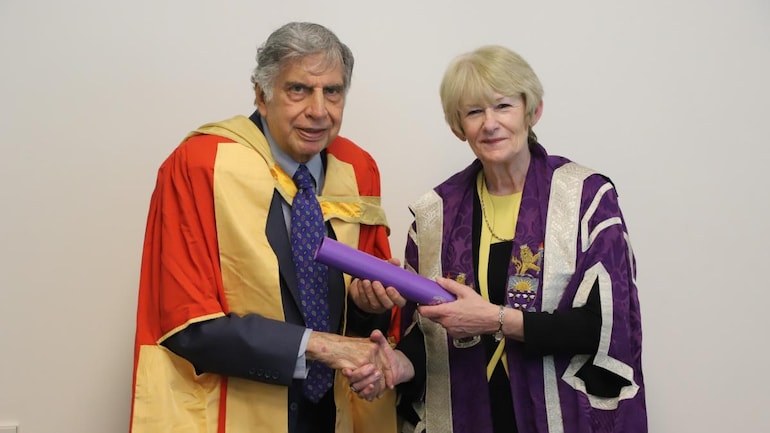
Ratan Tata awarded honorary doctorate by UK university.
Ratan Tata (born 28 December 1937) is an Indian industrialist, philanthropist, and a former chairman of Tata Sons. He was also chairman of Tata Group, from 1990 to 2012, and again, as interim chairman, from October 2016 through February 2017, and continues to head its charitable trusts. He is the recipient of two of the highest civilian awards of India, the Padma Vibhushan (2008) and Padma Bhushan (2000).
Born in 1937, he is a scion of the Tata family, and son of Naval Tata who was later adopted by Ratanji Tata, son of Jamsetji Tata, the founder of Tata Group. He is an alumnus of the Cornell University College of Architecture and Harvard Business School through the Advanced Management Program that he completed in 1975. He joined his company in 1961 when he used to work on the shop floor of Tata Steel, and was the apparent successor to J. R. D. Tata upon the latter’s retirement in 1991. He got Tata Tea to acquire Tetley, Tata Motors to acquire Jaguar Land Rover, and Tata Steel to acquire Corus, in an attempt to turn Tata from a largely India-centrist group into a global business.
Ratan Tata was born in Bombay, now Mumbai, on 28 December 1937, and is the son of Naval Tata (born in Surat). His biological maternal grandmother had been the sister of Hirabai Tata, wife of group founder Jamshedji Tata. His biological grandfather, Hormusji Tata, had belonged to the broader Tata family; Ratan therefore was a Tata by birth. Parents Naval and Sonoo separated in 1948 when Ratan was 10, and he was subsequently raised by the widow of Sir Ratanji Tata, his grandmother, Navajbai Tata, who formally adopted him through the J. N. Petit Parsi Orphanage. He has a half-brother, Noel Tata (from Naval Tata’s second marriage with Simone Tata), with whom he was raised. His first language is Gujarati.
He studied at the Campion School, Mumbai till the 8th class, followed by Cathedral and John Connon School, Mumbai and at Bishop Cotton School in Shimla, and, in 1955, graduated from Riverdale Country School in New York City. In 1959, he then received a degree in Architecture from Cornell University, and in 1975, attended the seven-week Advanced Management Program of Harvard Business School — an institution which he has since endowed.
Promoted to management during the 1970s, Ratan achieved initial success by turning Group company National Radio and Electronics (NELCO) around, only to see it collapse during an economic slowdown. In 1991, J. R. D. Tata stepped down as chairman of Tata Sons, naming him his successor. When he settled down into the new role, he faced stiff resistance from many companies heads, some of whom had spent decades in their respective companies and rose to become very powerful and influential due to the freedom to operate under JRD Tata. He began replacing them by setting a retirement age, and then made individual companies report operationally to the group office and made each contribute some of their profit to build and use the Tata group brand. Innovation was given priority and younger talent was infused and given responsibilities. Under his stewardship, overlapping operations in group companies were streamlined into a synergised whole, with the salt-to-software group exiting unrelated businesses to take on globalisation.Ratan Tata (right) in Bangladesh, 2005
During the 21 years he led the Tata Group, revenues grew over 40 times, and profit, over 50 times. Where sales of the group as a whole, overwhelmingly came from commodities when he took over, the majority sales came from brands when he exited. He boldly got Tata Tea to acquire Tetley, Tata Motors to acquire Jaguar Land Rover and Tata Steel to acquire Corus. All this turned Tata from a largely India-centric group into a global business, with over 65% revenues coming from operations and sales in over 100 countries. He conceptualised the Tata Nano car. In 2015, He explained in an interview for the Harvard Business School’s Creating Emerging Markets project, the development of the Tata Nano was significant because it helped put cars at a price-point within reach of the average Indian consumer.
Ratan Tata resigned his executive powers in the Tata group on 28 December 2012, upon turning 75, appointing as his successor, Cyrus Mistry, the 44-year-old son of Pallonji Mistry of the Shapoorji Pallonji Group, the largest individual shareholder of the group and related by marriage. On 24 October 2016, Cyrus Mistry was removed as the chairman of Tata Sons and Ratan Tata was made interim chairman. The decision went through intense media scrutiny that made many scrutinize the root causes of the sudden removal, and the resultant crisis. A selection committee was formed to find a successor. The selection committee consisted of Mr. Tata, TVS Group head Venu Srinivasan, Amit Chandra of Bain Capital, former diplomat Ronen Sen and Lord Kumar Bhattacharya. All of them, except Mr. Bhattacharya, were on the board of Tata Sons. On 12 January 2017, Natarajan Chandrasekaran was named as the chairman of Tata Sons, a role he assumed in February 2017.
Tata invested personal savings in Snapdeal – one of India’s leading e-commerce websites –and, in January 2016, Teabox, an online premium Indian Tea seller, and CashKaro.com, a discount coupons and cash-back website. He has made small investments in both early and late stage companies in India, such as INR 0.95 Cr in Ola Cabs. In April 2015, it was reported that Tata had acquired a stake in Chinese smartphone startup Xiaomi. In October 2015, he partnered with American Express, investing in Bitcoin venture Abra. In 2016, he invested in Nestaway an online portal to find fully furnished flats for bachelors which later acquired Zenify to start family rental segment and online pet care portal, Dogspot. Tata Motors rolled out the first batch of Tigor Electric Vehicles from its Sanand Plant in Gujarat, regarding which Ratan Tata said, “Tigor indicates a willingness to fast-forward India’s electric dream. The government has set an ambitious target to have only electric cars by 2030.
Ratan Tata awarded honorary doctorate by UK university.
India has achieved self-sufficiency in almost all basic and capital good industries and consumer good industries. There is a considerable rise in net domestic product, saving and investment. Self sufficiency in food grain production is achieved. There is a good deal of diversification in industrial structure.
STRATEGY PLANS :
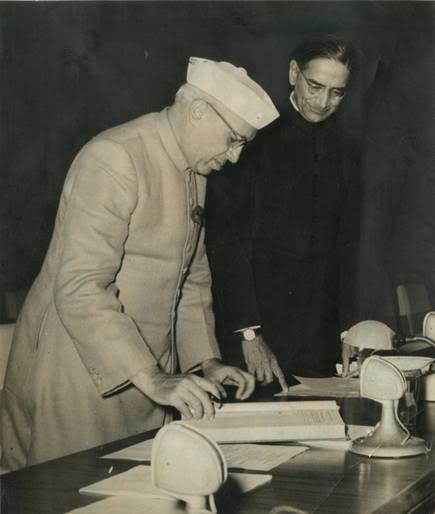
1. Nehru-Mahalanobis Model of Growth: Prof. P.C Mahalabonis is under the guidance of Prime Minister Jawaharlal Nehru developed the heavy industry model based on the Soviet experience. This model is popularly known as Nehru-Mahalanobis model formed the basis of the second plan. Jawaharlal Nehru emphasised that “The development of heavy industry in synonymous with industrialisation”. Mahalanobis was of the opinion that without adequate investment in basic heavy industries, it would not be possible to achieve a rapid self reliant economic growth. to achieve rapid economic growth and self reliance, it is necessary to give the highest priority to basic capital goods industries in the development strategy of a plan. It was during the second plan major steel plants were set up at Durgapur, Bhilai and Rourkela. ONGC, Ranchi Heavy Engineering Corporation, Neyveli Lignite Corporation were also set up during this plan.
JAWAHARLAL NEHRU AND MAHALABONIS
2. Gandhian Model of Growth: Gandhi called his ideal society Sarvodaya. It is a society that ensures the welfare and well-being of all its members. It emphasizes is on all the three components of well being material, mental and more spiritual he believed that “India lives in its villages”. This plan was based on truth and nonviolence. village is considered as the focal point of development and it is considered to be self-sufficient and self regulating economy. Importance given to small scale and cottage industries to reduce unemployment. Mechanization was opposed as it would displaced people out of employment.
3. Wage Goods Strategy of Growth: According to Vakil and Brahmananda, for removal of poverty, promotion of economic growth or capital accumulation alone in is not enough. “The way out of poverty is, therefore, to pay immediate attention to making good the capital gap in respect of wage goods capacity.
4. Rao- Manmohan Model of Growth: This growth model was introduced in 1991 with emphasis on privatisation and globalisation. There was severe economic crisis since 1990 in the Indian economy issues such as low foreign exchange reserves, balance of payments problem, public sector undertaking losses compelled the then Finance Minister Manmohan Singh and Prime Minister P.V Narasimha Rao to initiate various reforms. A market driven and pattern of development was adopted. Manmohan model of development in emphasized a bigger role for the private sector. A strategy of export led growth was propagated rather than import substitution.
5. Providing Urban-Amenities in Rural Areas: A strategy of developing rural areas this model of development was initiated by the former President APJ Abdul kalam. His vision was to transform rural areas and bring it on par with urban areas. Dr. A.P.J Abdul kalam visualised for connectivities namely physical electronic knowledge that would lead to economic connectivity of rural areas. In the first phase The ministry of Rural development implemented seven pirate projects from 2004 to 2005 and 2006 to 2007 with a total outlay of rupees three billion in the states of Assam, Andhra Pradesh, Bihar, Maharashtra, Rajasthan, Orissa and uttar Pradesh. The scheme was also relaunched as a central government scheme during the remaining period of Eleventh five- year plan.
6. Five year plans: From 1947 to 2017, the Indian economy was premised on the concept of planning. This was carried through the Five-Year Plans, developed, executed, and monitored by the Planning Commission (1951-2014) and the NITI Aayog (2015-2017). With the prime minister as the ex-officio chairman, the commission has a nominated deputy chairman, who holds the rank of a cabinet minister. The first year plan was Harrod – Domar model of development economics. FYP had a target of 2.1% PA growth in national income. Top priority was given to the development of agricultural sector. The idea was agricultural development would lead to higher rate of economic growth.
ACHIEVEMENTS:
1. A Higher Growth Rate: The Indian economy has reached rapid development in all sectors. India’s macroeconomic performance has been only moderately good in terms of GDP growth rates.
2. Increase in National Income: The national income of India has increased manifold. The average annual increase in national income was registered to be 1.2% from 1901 to 1947, 3% in 1950-70, 4% in 1970-80, 5% in 1980-90 and 5.8% in 1980-81 to 2000-01. the Gross income is estimated to have risen by 7% during 2016-17 in comparison to the growth rate of 8% in 2015-16.
3. Increase in per capita: Before independence increase in per capita income was almost zero. But after the adoption of economic planning in free India per capita income has continuously be increased.
4. Growth of Economic infrastructure: India’s performance in building up the necessary economic infrastructure is really praiseworthy At the Inception of economic planning, road kilometre was 4 lakh km. India has now more than 3 million km of road network making it one of the largest in the world.
5. Development ofBasic and Capital Goods Industries: Major area of success of Indian planning is the growth of basic and capital goods industries. With the adoption of the Mahalanobis strategy of the development during the second plan period some basic and capital good industries like iron and steel witnessed spectacular growth.
6. Higher Growth of Agriculture: The most significant aspect of India’s five year plans is that their overall rate of growth of food production has now exceeded the rate of growth of population. Although in the early years of planning agricultural performance was measurable resulting in the emergence of food crisis.
7. Savings and Investment: The rise in the domestic savings rate from 10 % of GDP (Gross Domestic Capital) at the initial stages of planning to around 19% in 1980-81 is definitely impressive. The GDP of India has started to increase step by step in the following years and it rose to 36% in 2006 to 2007.
Those strategy plants also faced major failures, in spite of planning, poverty also exists and unemployment has risen. Inequalities of income have not been reduced. There is unequal land ownership, land reforms are inadequately implemented.
India has achieved self-sufficiency in almost all basic and capital good industries and consumer good industries. There is a considerable rise in net domestic product, saving and investment. Self sufficiency in food grain production is achieved. There is a good deal of diversification in industrial structure.
STRATEGY PLANS :
1. Nehru-Mahalanobis Model of Growth: Prof. P.C Mahalabonis is under the guidance of Prime Minister Jawaharlal Nehru developed the heavy industry model based on the Soviet experience. This model is popularly known as Nehru-Mahalanobis model formed the basis of the second plan. Jawaharlal Nehru emphasised that “The development of heavy industry in synonymous with industrialisation”. Mahalanobis was of the opinion that without adequate investment in basic heavy industries, it would not be possible to achieve a rapid self reliant economic growth. to achieve rapid economic growth and self reliance, it is necessary to give the highest priority to basic capital goods industries in the development strategy of a plan. It was during the second plan major steel plants were set up at Durgapur, Bhilai and Rourkela. ONGC, Ranchi Heavy Engineering Corporation, Neyveli Lignite Corporation were also set up during this plan.
JAWAHARLAL NEHRU AND MAHALABONIS
2. Gandhian Model of Growth: Gandhi called his ideal society Sarvodaya. It is a society that ensures the welfare and well-being of all its members. It emphasizes is on all the three components of well being material, mental and more spiritual he believed that “India lives in its villages”. This plan was based on truth and nonviolence. village is considered as the focal point of development and it is considered to be self-sufficient and self regulating economy. Importance given to small scale and cottage industries to reduce unemployment. Mechanization was opposed as it would displaced people out of employment.
3. Wage Goods Strategy of Growth: According to Vakil and Brahmananda, for removal of poverty, promotion of economic growth or capital accumulation alone in is not enough. “The way out of poverty is, therefore, to pay immediate attention to making good the capital gap in respect of wage goods capacity.
4. Rao- Manmohan Model of Growth: This growth model was introduced in 1991 with emphasis on privatisation and globalisation. There was severe economic crisis since 1990 in the Indian economy issues such as low foreign exchange reserves, balance of payments problem, public sector undertaking losses compelled the then Finance Minister Manmohan Singh and Prime Minister P.V Narasimha Rao to initiate various reforms. A market driven and pattern of development was adopted. Manmohan model of development in emphasized a bigger role for the private sector. A strategy of export led growth was propagated rather than import substitution.
5. Providing Urban-Amenities in Rural Areas: A strategy of developing rural areas this model of development was initiated by the former President APJ Abdul kalam. His vision was to transform rural areas and bring it on par with urban areas. Dr. A.P.J Abdul kalam visualised for connectivities namely physical electronic knowledge that would lead to economic connectivity of rural areas. In the first phase The ministry of Rural development implemented seven pirate projects from 2004 to 2005 and 2006 to 2007 with a total outlay of rupees three billion in the states of Assam, Andhra Pradesh, Bihar, Maharashtra, Rajasthan, Orissa and uttar Pradesh. The scheme was also relaunched as a central government scheme during the remaining period of Eleventh five- year plan.
6. Five year plans: From 1947 to 2017, the Indian economy was premised on the concept of planning. This was carried through the Five-Year Plans, developed, executed, and monitored by the Planning Commission (1951-2014) and the NITI Aayog (2015-2017). With the prime minister as the ex-officio chairman, the commission has a nominated deputy chairman, who holds the rank of a cabinet minister. The first year plan was Harrod – Domar model of development economics. FYP had a target of 2.1% PA growth in national income. Top priority was given to the development of agricultural sector. The idea was agricultural development would lead to higher rate of economic growth.
ACHIEVEMENTS:
1. A Higher Growth Rate: The Indian economy has reached rapid development in all sectors. India’s macroeconomic performance has been only moderately good in terms of GDP growth rates.
2. Increase in National Income: The national income of India has increased manifold. The average annual increase in national income was registered to be 1.2% from 1901 to 1947, 3% in 1950-70, 4% in 1970-80, 5% in 1980-90 and 5.8% in 1980-81 to 2000-01. the Gross income is estimated to have risen by 7% during 2016-17 in comparison to the growth rate of 8% in 2015-16.
3. Increase in per capita: Before independence increase in per capita income was almost zero. But after the adoption of economic planning in free India per capita income has continuously be increased.
4. Growth of Economic infrastructure: India’s performance in building up the necessary economic infrastructure is really praiseworthy At the Inception of economic planning, road kilometre was 4 lakh km. India has now more than 3 million km of road network making it one of the largest in the world.
5. Development ofBasic and Capital Goods Industries: Major area of success of Indian planning is the growth of basic and capital goods industries. With the adoption of the Mahalanobis strategy of the development during the second plan period some basic and capital good industries like iron and steel witnessed spectacular growth.
6. Higher Growth of Agriculture: The most significant aspect of India’s five year plans is that their overall rate of growth of food production has now exceeded the rate of growth of population. Although in the early years of planning agricultural performance was measurable resulting in the emergence of food crisis.
7. Savings and Investment: The rise in the domestic savings rate from 10 % of GDP (Gross Domestic Capital) at the initial stages of planning to around 19% in 1980-81 is definitely impressive. The GDP of India has started to increase step by step in the following years and it rose to 36% in 2006 to 2007.
Those strategy plants also faced major failures, in spite of planning, poverty also exists and unemployment has risen. Inequalities of income have not been reduced. There is unequal land ownership, land reforms are inadequately implemented.
India got independence on 15 august 1947 at midnight. There was an urgent need for a constitution to lead the nation. Dr. Rajendra parsad was elected as the president of the constitutional committee. Dr. B. R . Ambedkar was the head of the drafting committee. Our constitution was enacted on 26 november 1949 and enforced on 26 January 1950. It took 2 years 11 month and 18 day to make our constitution. Our constitution has 6 fundamental rights and 20 directive principles in itself. There were 365 articles and 6 seven fundamental rights initially.
Our constitution has a preamble. It contains the summary of our whole constitution.
Constitutional provision: The constitution provision is important for the recognition of access to information as a fundamental right.
There are many constitutional provisions in the constitution which promote education in India. These constitutional provisions act as security for the people about the access of the rights related to education. There are mainly 11 constitutional provisions. These articles are 45, 21A, 15(1) (3), 46, 25, 28 (1) (2) (3), 29, 30, 350-A, 351, 239 and 51(A).
The constitution of India provides free and compulsory education till the age of 14. The 86th amendment of the constitution created the right to education. There would be no discrimintation on the basis of gender (article 15 (1). The constitution also promotes the education for women of weaker sections (46). Article 21, 28 , 29 and 30 promotes religious education too. Article 51 states that minorities have the right to education. Noone will be discriminated against on the basis of religion, caste , gender or birth place. Article 350-A states that instruction would be in the mother tongue at primary stage. Article 351 promoted Hindi for its development and propagation.
The government of India provided many provisions to frame a strong structure for the school environment. The aim of these provisions are holistic development of the people of India. The government of India wants to provide inclusive education to all. Many administrations were made for the development and watch out on the education system. Education is also included in the concurrent list.
There is a separate ministry for education at centre as well as state level.. The ministry works over the education structure, setting goals and achieving the aims by planning organisation and direction. The ministry of education at centre level directs, controls, and plans for the ministry at state level. The state level ministry works with the guidelines provided by the central government.
The central government also controls the action of private institutions. The central government shares their funds on education with the state government. There are many pilot projects such as rural education, regional institutions for education and sarva shiksha abhiyan.
There are three lists in the constitution which are divided as the concurrent, union and states list. The list consists of subjects. Every list has some entity about education.
The whole constitution promotes education at every level. The preambles, articles and lists promote education at states and union territories level.
India got independence on 15 august 1947 at midnight. There was an urgent need for a constitution to lead the nation. Dr. Rajendra parsad was elected as the president of the constitutional committee. Dr. B. R . Ambedkar was the head of the drafting committee. Our constitution was enacted on 26 november 1949 and enforced on 26 January 1950. It took 2 years 11 month and 18 day to make our constitution. Our constitution has 6 fundamental rights and 20 directive principles in itself. There were 365 articles and 6 seven fundamental rights initially.
Our constitution has a preamble. It contains the summary of our whole constitution.
Constitutional provision: The constitution provision is important for the recognition of access to information as a fundamental right.
There are many constitutional provisions in the constitution which promote education in India. These constitutional provisions act as security for the people about the access of the rights related to education. There are mainly 11 constitutional provisions. These articles are 45, 21A, 15(1) (3), 46, 25, 28 (1) (2) (3), 29, 30, 350-A, 351, 239 and 51(A).
The constitution of India provides free and compulsory education till the age of 14. The 86th amendment of the constitution created the right to education. There would be no discrimintation on the basis of gender (article 15 (1). The constitution also promotes the education for women of weaker sections (46). Article 21, 28 , 29 and 30 promotes religious education too. Article 51 states that minorities have the right to education. Noone will be discriminated against on the basis of religion, caste , gender or birth place. Article 350-A states that instruction would be in the mother tongue at primary stage. Article 351 promoted Hindi for its development and propagation.
The government of India provided many provisions to frame a strong structure for the school environment. The aim of these provisions are holistic development of the people of India. The government of India wants to provide inclusive education to all. Many administrations were made for the development and watch out on the education system. Education is also included in the concurrent list.
There is a separate ministry for education at centre as well as state level.. The ministry works over the education structure, setting goals and achieving the aims by planning organisation and direction. The ministry of education at centre level directs, controls, and plans for the ministry at state level. The state level ministry works with the guidelines provided by the central government.
The central government also controls the action of private institutions. The central government shares their funds on education with the state government. There are many pilot projects such as rural education, regional institutions for education and sarva shiksha abhiyan.
There are three lists in the constitution which are divided as the concurrent, union and states list. The list consists of subjects. Every list has some entity about education.
The whole constitution promotes education at every level. The preambles, articles and lists promote education at states and union territories level.
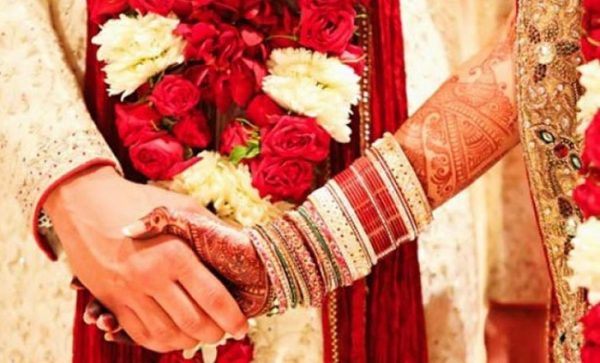
The times of Indian relationships enduring over 25 years and couples working things out are currently a relic of times gone by.
Marriage is a demonstration of holy observance in India. What’s more, finishing this marriage on at all ground is as yet not thought about ordinary. However, in ongoing many years we can see an increment in the separation rate in India. There is a typical thought that the justification the expanding divorce rate is a result of an increment in affection marriage. We should break that thought for you. The expanding divorce rate is identified with different social perspectives. Orchestrate marriage is as yet common in India. Furthermore, separates in orchestrate marriage arrangement are just about as normal as adoration relationships.
Both a couple have duties to construct marriage and give a steady climate to their kids. In my accept, the two or three should be completely advised on the demonstration preceding marriage advantages and disadvantages. Both a couple need to mindful their obligations in regards to their connections. For keeping away from separate from the couples ought to get what the greatest issues in their marriage.
We should walk you through the 6 normal purposes behind expanding divorces in India
1. Women’s freedom
The situation with ladies has changed throughout the long term. They are as of now not simple housewives. Ladies today are monetarily, socially, genuinely, and intellectually free. This comes in the method of a well established mind-set where ladies’ just job was to sustain families
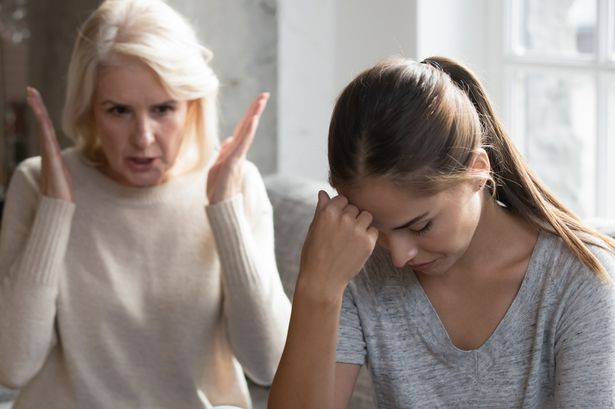
Also, society is as yet reluctant to see ladies improvement. Consequently, even the purported reformist ones lose their cool when the ladies are showing improvement over their companion. This is especially obvious about the monetary viewpoint. Men actually can’t process it when their spouses procure better compared to them.
Personality conflicts lead to disappointment from marriage. This thus prompts separate. Ladies these days are prepared to stroll off a marriage that isn’t working for them. Expanding ladies’ freedom has a lot to do with expanding divorce rates. In any event, when it can’t be clarified on paper.
2. Trauma.
This incorporates both, physical and mental injury. Actual maltreatment by men on their spouses is a deep rooted issue. We will not say, there aren’t any instances of actual maltreatment on men. However, as a rule, ladies are abused by their spouses for a very long time. Aggressive behavior at home is a significant justification expanding divorce cases.
Mental injury is less talked about however it unquestionably prompts marriage disappointment. The informed and present day companion approves of working ladies. Be that as it may, they disapprove of shared duties with regards to family errands. Working ladies are required to oversee occupations, families, youngsters viably with no assistance from spouses. Henceforth, ladies leave such relationships that are intellectually awful.
3. Relations with parents in law.
Almost 68% of wedded couple stays with the guardians. As is commonly said, marriage in India is with families. While the families can assist with supporting a marriage, they additionally are the main driver of separation much of the time. The corrupting relations inside laws frequently lead to separate. The most well-known reason being the connection between relative and little girl in law.
At the point when the relations decline and become poisonous, relationships break up. There are numerous situations where outrageous inclusion from a young lady’s family has brought about separate.
4. Dominance.
As referenced before, ladies these days are monetarily, intellectually, genuinely, and socially free. Ladies should have a decision and voice in their relationship. However, strength actually exists. The man of the family actually takes every one of the significant choices
A similar situation applies to men. A manipulative hold of spouses would regularly prompt separation. Present day relationships look for equity. Also, when that isn’t the situation, relationships disintegrate.
5. Adultery.
Issues outside marriage are very normal. Be that as it may, hello since it’s normal it’s not the proper thing to do. Prior, ladies use to relinquish their better half’s issues since they were Subject to them. Furthermore, society wasn’t tolerating of divorced person ladies in those days. Very little has changed even today.
However, accomplices these days would commonly end the marriage as opposed to extending it. The level of ladies undermining their accomplices is just about as high as the other. In this way, in any case, anybody can leave the marriage, when the accomplice is surprised.
6. Lack of correspondence.
Numerous cutting edge relationships flop on the grounds that both the accomplice becomes far off with time. Every day life negatively affects the nature of marriage. Correspondence stops and rather than settling the issues, accomplices and marriage. As it’s been said, correspondence is a higher priority than affection in marriage. The individuals who know it, protect it.Is expanding divorce rate a question of stress?
Indeed, unquestionably if the underlying driver of marriage disappointment is something that can be figured. In other words, the vast majority of the relationships end for unmerited reasons. Marriage like each and every other connection requires endeavours. At the point when the endeavours stop, connection kicks the bucket. In conclusion, separate doesn’t mean the finish of life.
As the statement says, “Separation isn’t such a misfortune. The misfortune is remaining in a despondent marriage.” You can generally remarry. Or on the other hand you can remain single. Life is delightful
The times of Indian relationships enduring over 25 years and couples working things out are currently a relic of times gone by.
Marriage is a demonstration of holy observance in India. What’s more, finishing this marriage on at all ground is as yet not thought about ordinary. However, in ongoing many years we can see an increment in the separation rate in India. There is a typical thought that the justification the expanding divorce rate is a result of an increment in affection marriage. We should break that thought for you. The expanding divorce rate is identified with different social perspectives. Orchestrate marriage is as yet common in India. Furthermore, separates in orchestrate marriage arrangement are just about as normal as adoration relationships.
Both a couple have duties to construct marriage and give a steady climate to their kids. In my accept, the two or three should be completely advised on the demonstration preceding marriage advantages and disadvantages. Both a couple need to mindful their obligations in regards to their connections. For keeping away from separate from the couples ought to get what the greatest issues in their marriage.
We should walk you through the 6 normal purposes behind expanding divorces in India
1. Women’s freedom
The situation with ladies has changed throughout the long term. They are as of now not simple housewives. Ladies today are monetarily, socially, genuinely, and intellectually free. This comes in the method of a well established mind-set where ladies’ just job was to sustain families
Also, society is as yet reluctant to see ladies improvement. Consequently, even the purported reformist ones lose their cool when the ladies are showing improvement over their companion. This is especially obvious about the monetary viewpoint. Men actually can’t process it when their spouses procure better compared to them.
Personality conflicts lead to disappointment from marriage. This thus prompts separate. Ladies these days are prepared to stroll off a marriage that isn’t working for them. Expanding ladies’ freedom has a lot to do with expanding divorce rates. In any event, when it can’t be clarified on paper.
2. Trauma.
This incorporates both, physical and mental injury. Actual maltreatment by men on their spouses is a deep rooted issue. We will not say, there aren’t any instances of actual maltreatment on men. However, as a rule, ladies are abused by their spouses for a very long time. Aggressive behavior at home is a significant justification expanding divorce cases.
Mental injury is less talked about however it unquestionably prompts marriage disappointment. The informed and present day companion approves of working ladies. Be that as it may, they disapprove of shared duties with regards to family errands. Working ladies are required to oversee occupations, families, youngsters viably with no assistance from spouses. Henceforth, ladies leave such relationships that are intellectually awful.
3. Relations with parents in law.
Almost 68% of wedded couple stays with the guardians. As is commonly said, marriage in India is with families. While the families can assist with supporting a marriage, they additionally are the main driver of separation much of the time. The corrupting relations inside laws frequently lead to separate. The most well-known reason being the connection between relative and little girl in law.
At the point when the relations decline and become poisonous, relationships break up. There are numerous situations where outrageous inclusion from a young lady’s family has brought about separate.
4. Dominance.
As referenced before, ladies these days are monetarily, intellectually, genuinely, and socially free. Ladies should have a decision and voice in their relationship. However, strength actually exists. The man of the family actually takes every one of the significant choices
A similar situation applies to men. A manipulative hold of spouses would regularly prompt separation. Present day relationships look for equity. Also, when that isn’t the situation, relationships disintegrate.
5. Adultery.
Issues outside marriage are very normal. Be that as it may, hello since it’s normal it’s not the proper thing to do. Prior, ladies use to relinquish their better half’s issues since they were Subject to them. Furthermore, society wasn’t tolerating of divorced person ladies in those days. Very little has changed even today.
However, accomplices these days would commonly end the marriage as opposed to extending it. The level of ladies undermining their accomplices is just about as high as the other. In this way, in any case, anybody can leave the marriage, when the accomplice is surprised.
6. Lack of correspondence.
Numerous cutting edge relationships flop on the grounds that both the accomplice becomes far off with time. Every day life negatively affects the nature of marriage. Correspondence stops and rather than settling the issues, accomplices and marriage. As it’s been said, correspondence is a higher priority than affection in marriage. The individuals who know it, protect it.Is expanding divorce rate a question of stress?
Indeed, unquestionably if the underlying driver of marriage disappointment is something that can be figured. In other words, the vast majority of the relationships end for unmerited reasons. Marriage like each and every other connection requires endeavours. At the point when the endeavours stop, connection kicks the bucket. In conclusion, separate doesn’t mean the finish of life.
As the statement says, “Separation isn’t such a misfortune. The misfortune is remaining in a despondent marriage.” You can generally remarry. Or on the other hand you can remain single. Life is delightful
Rate this:
TRUE MEANING OF HARD WORK:-
BY SAHIL VASHISTHA
SAHIL
A young man went to seek an important position at a large printing company. He passed the initial interview and went to meet the director for the final interview. The director looked at his resume, and asked, “Have you ever received a
scholarship for school?” “No,” the man replied.
“It was your father who paid for
your studies?” “Yes.” “Where does your father work?” “My father is a blacksmith.”
Then, the director asked the young man to show him his hands. They were soft and perfect. “Have you ever helped your parents at their job?” the director asked. The young man said I never helped as they wanted me to study more books all the time.
Director requested him to go home and wash his father’s hands and asked him to come back tomorrow. That night, when he returned home, he asked his father if he would allow him to wash his hands. His father felt rather strange about the request but agreed. The young man washed his father’s hands, little by little. It was the first time that he noticed all the wrinkles and scars on his father’s hands.
Some bruises on his hands were so painful that his skin shuddered upon being touched. It was the first time that the young man recognized what it meant for this pair of hands to have worked every day to be able to pay for his studies.
After cleaning his father’s hands, the young man stood in silence, then began to tidy up his father’s workshop.
That night, the father and son talked for a long time.
The next morning, the young man returned to the director’s office. The director noticed the tears in his eyes.“Can you tell me what you did, and what you learned yesterday?” he asked the young man. “I washed my father’s hands.
When I
finished, I stayed and cleaned his workshop.” He continued, “Now I know what it is to appreciate and recognize that, without my parents, I would not be who I am today. By helping my father, I now realize how difficult it is to do something on my own. I have come to appreciate the importance and the value in helping the
family.” The director looked at him with an earnest expression.
“This is what I look for in my people.
I want to hire someone who can appreciate the help of others, a person who knows the hardship of others. You are
hired.”
A dream doesn’t become reality through magic; it takes sweat,
determination, and hard work.
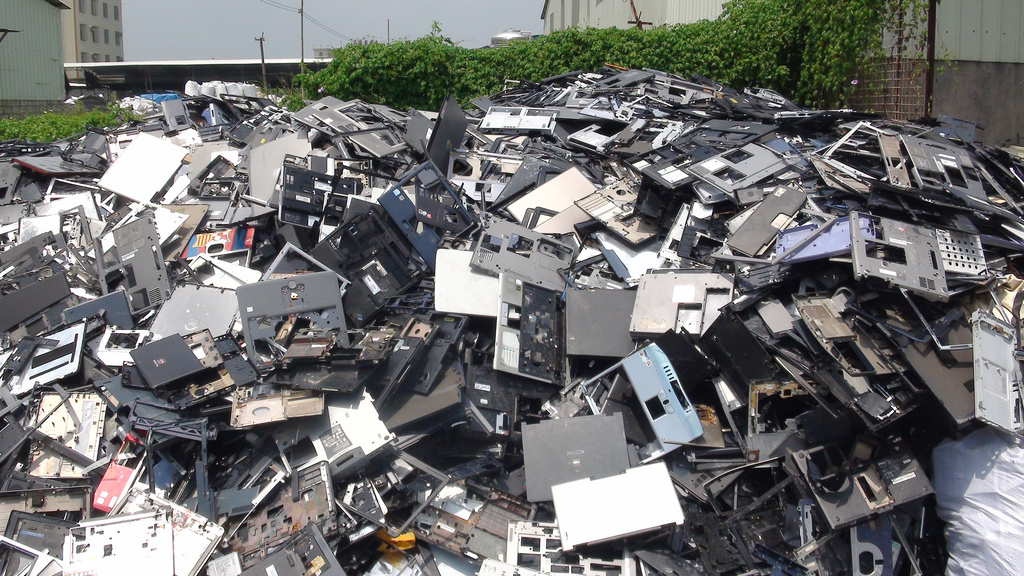
E-waste is any electronic equipment that’s been discarded. If an item goes unsold in an electronic store, it will be thrown away. E-waste is especially dangerous due to toxic chemicals that naturally emit from the metals inside it when the electronic device is buried or left in landfills.
The common things found in an e-waste landfills are smartphones, computers, microwaves, fans, televisions, printers, and countless others.
Technological advances are coming at us with a rapid speed that a lot of electronic devices that still work fine are the ones considered waste. For instance, VCR players got replaced when the DVD player hit the market, and then the DVD players got replaced by Blu-ray players, which soon after got abandoned with the introduction of streaming sites. These days every year smartphone improves drastically from the previous year that the only one year old phone is simply discarded to buy the newer model. And because everyone wants the latest tech gadget, there isn’t much possibility of finding buyers when someone tries to sell their old device.
When E-waste gets buried at a landfill, it dissolves in microscopic traces into the gross sludge that permeates at the landfill. Eventually, these traces of toxic materials pool into the ground below the landfill. This is known as leaching. The more E-waste and metals at the landfill, the more of these trace toxic materials show up in the groundwater.
Not only is this bad for anyone using a natural well, but it also hurts the nearby wildlife. This, in turn, causes the wildlife to get sick from lead, arsenic, cadmium, and other metal poisonings due to the high concentration of these minerals.
There are various ways E-waste can harm the environment, the following being some of the major ones:
Air Pollution: Burning of wires release hydrocarbons in the atmosphere.
Water Pollution: Electronic devices contain toxic metals like mercury, lead and lithium, which when disposed of improperly, mixes with ponds, lakes and groundwater. Communities that directly depend on these sources of water then consume it unknowingly. These heavy metals are hazardous for all forms of living beings.
Soil Pollution: These heavy metals enter the food chain as they are absorbed by plants from the soil. These metals not only destroy the plants, but also are then consumed by other living beings, leading to a poisonous food chain.
The majority of the world’s e-waste is recycled in developing countries, where informal and hazardous setups for the extraction and sale of metals are common. Recycling companies in developed countries face strict environmental regulatory regimes and an increasing cost of waste disposal and thus may find exportation to small traders in developing countries more profitable than recycling in their own countries.
There are some ways to reduce E-Waste and the dangers that come with it. The following are some of them:
Donate old Electronics
Donating electronics to the needy is also a practice followed by many. It not only gives the gadget a new life, but also makes someone else’s lives better.
Recycle and Dispose of E-Waste Properly
Recycling old electronics allows the expensive electronic parts inside to be reused. This can save a lot of energy and reduce the need for mining of new raw resources, or manufacturing new parts.
Maintain your Electronics
One of the best ways to save money and reduce e-waste is to keep your electronics well-maintained, with good care, to increase its life.
E-waste is the largest form of waste on the planet and one of the most dangerous for the environment and all its habitants. Therefore, there is a need for public awareness regarding the hazards of electronic waste and to take steps to prevent the same.
E-waste is any electronic equipment that’s been discarded. If an item goes unsold in an electronic store, it will be thrown away. E-waste is especially dangerous due to toxic chemicals that naturally emit from the metals inside it when the electronic device is buried or left in landfills.
The common things found in an e-waste landfills are smartphones, computers, microwaves, fans, televisions, printers, and countless others.
Technological advances are coming at us with a rapid speed that a lot of electronic devices that still work fine are the ones considered waste. For instance, VCR players got replaced when the DVD player hit the market, and then the DVD players got replaced by Blu-ray players, which soon after got abandoned with the introduction of streaming sites. These days every year smartphone improves drastically from the previous year that the only one year old phone is simply discarded to buy the newer model. And because everyone wants the latest tech gadget, there isn’t much possibility of finding buyers when someone tries to sell their old device.
When E-waste gets buried at a landfill, it dissolves in microscopic traces into the gross sludge that permeates at the landfill. Eventually, these traces of toxic materials pool into the ground below the landfill. This is known as leaching. The more E-waste and metals at the landfill, the more of these trace toxic materials show up in the groundwater.
Not only is this bad for anyone using a natural well, but it also hurts the nearby wildlife. This, in turn, causes the wildlife to get sick from lead, arsenic, cadmium, and other metal poisonings due to the high concentration of these minerals.
There are various ways E-waste can harm the environment, the following being some of the major ones:
Air Pollution: Burning of wires release hydrocarbons in the atmosphere.
Water Pollution: Electronic devices contain toxic metals like mercury, lead and lithium, which when disposed of improperly, mixes with ponds, lakes and groundwater. Communities that directly depend on these sources of water then consume it unknowingly. These heavy metals are hazardous for all forms of living beings.
Soil Pollution: These heavy metals enter the food chain as they are absorbed by plants from the soil. These metals not only destroy the plants, but also are then consumed by other living beings, leading to a poisonous food chain.
The majority of the world’s e-waste is recycled in developing countries, where informal and hazardous setups for the extraction and sale of metals are common. Recycling companies in developed countries face strict environmental regulatory regimes and an increasing cost of waste disposal and thus may find exportation to small traders in developing countries more profitable than recycling in their own countries.
There are some ways to reduce E-Waste and the dangers that come with it. The following are some of them:
Donate old Electronics
Donating electronics to the needy is also a practice followed by many. It not only gives the gadget a new life, but also makes someone else’s lives better.
Recycle and Dispose of E-Waste Properly
Recycling old electronics allows the expensive electronic parts inside to be reused. This can save a lot of energy and reduce the need for mining of new raw resources, or manufacturing new parts.
Maintain your Electronics
One of the best ways to save money and reduce e-waste is to keep your electronics well-maintained, with good care, to increase its life.
E-waste is the largest form of waste on the planet and one of the most dangerous for the environment and all its habitants. Therefore, there is a need for public awareness regarding the hazards of electronic waste and to take steps to prevent the same.
It was a rainy day . The monsoon was on its peak , I was getting ready for my school as it was my economics exam . I need to reach at my school campus at 10:00 O’clock & my school was 3 km away. At 9:45 , I asked my father to drive me to my school as fast as he could . My father took his bike & asked me to come fast . I took my umbrella , we were just crossing our flooded streets , my father stopped hi bike , & asked me to see a girl . I saw that girl , she was from my school only . Dad said she was waiting for rikshaw & every one listening to me right now can imagine how difficult is to get rickshaws in rainy season. I was getting angry because I was getting late for my exam as i can’t afford to leave my exam . I asked him to leave that place. He said , if you are so much concerned about your exam she would also be . He stopped his bike in front of her , asked her to come with us . She got scared . I could feel what what she was feeling . Everybody’s parents aske them the same thing ” DON’T TALK TO STRANGERS”. I looked at her face , I was angry , but could feel that she want some assurance , I asked her to come with us , she hesitated , I said politely ” come ! we are from same school & your security is in my hand “. she smiled . she sat with me, I put my umbrella on her head .
i reached at my school gate at 10:10 , i came off from the bike , so did she . She ran towards the school gate as it was about to close. While she was running , she turned towards us & said ” Thankyou uncle , thankyou Didi ” . On that day I learnt kindness from my dad . Smile on her face can clearly tells us how grateful she was to us or she would have left her exam . If I would be at my dad’s place. I would never stop my bike as it was raining heavily & her daughter is continuously shouting on him to drive fast . But he did , I learnt a lesson that in this world which is full of people who care for themselves , we should be the one who care for others , we should be the one who care for others , we should be the one who have to look & sense others problem . I learnt that people are always concerned about their own problems like me , I was concerned about my exam only , but their are people who are looking at others & their are people who are concerned about others . We should devote few hours of our day to look for others problem , this is what I learnt on that day .
It was a rainy day . The monsoon was on its peak , I was getting ready for my school as it was my economics exam . I need to reach at my school campus at 10:00 O’clock & my school was 3 km away. At 9:45 , I asked my father to drive me to my school as fast as he could . My father took his bike & asked me to come fast . I took my umbrella , we were just crossing our flooded streets , my father stopped hi bike , & asked me to see a girl . I saw that girl , she was from my school only . Dad said she was waiting for rikshaw & every one listening to me right now can imagine how difficult is to get rickshaws in rainy season. I was getting angry because I was getting late for my exam as i can’t afford to leave my exam . I asked him to leave that place. He said , if you are so much concerned about your exam she would also be . He stopped his bike in front of her , asked her to come with us . She got scared . I could feel what what she was feeling . Everybody’s parents aske them the same thing ” DON’T TALK TO STRANGERS”. I looked at her face , I was angry , but could feel that she want some assurance , I asked her to come with us , she hesitated , I said politely ” come ! we are from same school & your security is in my hand “. she smiled . she sat with me, I put my umbrella on her head .
i reached at my school gate at 10:10 , i came off from the bike , so did she . She ran towards the school gate as it was about to close. While she was running , she turned towards us & said ” Thankyou uncle , thankyou Didi ” . On that day I learnt kindness from my dad . Smile on her face can clearly tells us how grateful she was to us or she would have left her exam . If I would be at my dad’s place. I would never stop my bike as it was raining heavily & her daughter is continuously shouting on him to drive fast . But he did , I learnt a lesson that in this world which is full of people who care for themselves , we should be the one who care for others , we should be the one who care for others , we should be the one who have to look & sense others problem . I learnt that people are always concerned about their own problems like me , I was concerned about my exam only , but their are people who are looking at others & their are people who are concerned about others . We should devote few hours of our day to look for others problem , this is what I learnt on that day .













 Eduindex

You must be logged in to post a comment.