Presently, in case you are keen on being the best player, getting great cash and knowing a few stunts and advices of what to do in a live competition games, here is the best spot to learn them.
1) Try not to become inebriated
A portion of individuals that are playing, and that have not many rounds to play in the competition don’t tally the beverages they have during their games and at the day’s end they don’t have ability to proceed till the last game, which is a pity to free a major chance, along these lines, don’t drink a ton and be get ready for the last round, additionally concoct every one of your faculties all together. On the off chance that you drink, do it quantifiable and just to free the nerves before the games yet additionally have some different beverages like pop, water, espresso and others to hydrate your self.
2) Is it significant where I sit?
Indeed it is, in a competition make an effort not to sit close to the seller, have a spot in where you will feel that you are before the vendor to have the inclination that he is giving you a game. Likewise in where you will feel alright with your self and you will have a point of view of different players.
3) Make your self agreeable while playing
Try not to show different players with your position what you cards are advising you. Try to situate back and unwind, don’t receive places that will cause you move excessively or to feel awkward during the hour of the game. A few parts in the competitions show their game with the position they embrace while playing either putting the elbows on the table or resting in the guard.
4) Do the main thing in the brake.
Try not to get diverted from what you truly need to do in the brake. Take as much time as is needed to go to the restroom and rest, in some cases the conversations about the past game or lines for getting some R&R will burn through your time for what is truly significant.
5) Also your words and copy are significant during the game.
At whatever point you are playing don’t reveal your hand to the next part in the manner you talk or look, is significant that they will have other impression, for instance in your grasp Is acceptable you can take a stab at making countenances or saying words that show that your hand isn’t acceptable, then, at that point individuals will think you have an awful game and you will astonish them toward the end. This doesn’t work constantly so attempt to discover distinctive approaches to conceal your game.Also you can peruse the other player’s developments and words to see it is possible that they are lying or coming clean in the hand.
Our nature consists of the green trees, plants, various animals, humans and even the non-living elements such as air, water, soil together all these constitutes of the nature in which we live in. But recently human development adversely affects the nature and toxifies it through pollution. But things cannot go this way if it continues soon our nature and environment will become unworthy to sustain life, thus we need to take steps to conserve our nature and natural resources. Steps which we can take in order to conserve our nature are:
Deforestation is the practice of cutting down of trees for human needs, we need to reduce this practice as it reduces the oxygen supply in the environment, it is also the major cause of soil erosion also.
We should engage and more into planting trees as it will increase the greenery, improve the oxygen supply, regulate the rain cycle and meet other human needs.
We should use more of public transport or try to walk or cycle to nearby destinations, this will reduce the emission of fossil fuels.
Waste materials before being dumped into soil or water bodies should undergo treatment.
The use of air conditioners should either be reduced or replaced as they emit CFC’s which is very harmful for the nature.
Our nature consists of the green trees, plants, various animals, humans and even the non-living elements such as air, water, soil together all these constitutes of the nature in which we live in. But recently human development adversely affects the nature and toxifies it through pollution. But things cannot go this way if it continues soon our nature and environment will become unworthy to sustain life, thus we need to take steps to conserve our nature and natural resources. Steps which we can take in order to conserve our nature are:
Deforestation is the practice of cutting down of trees for human needs, we need to reduce this practice as it reduces the oxygen supply in the environment, it is also the major cause of soil erosion also.
We should engage and more into planting trees as it will increase the greenery, improve the oxygen supply, regulate the rain cycle and meet other human needs.
We should use more of public transport or try to walk or cycle to nearby destinations, this will reduce the emission of fossil fuels.
Waste materials before being dumped into soil or water bodies should undergo treatment.
The use of air conditioners should either be reduced or replaced as they emit CFC’s which is very harmful for the nature.
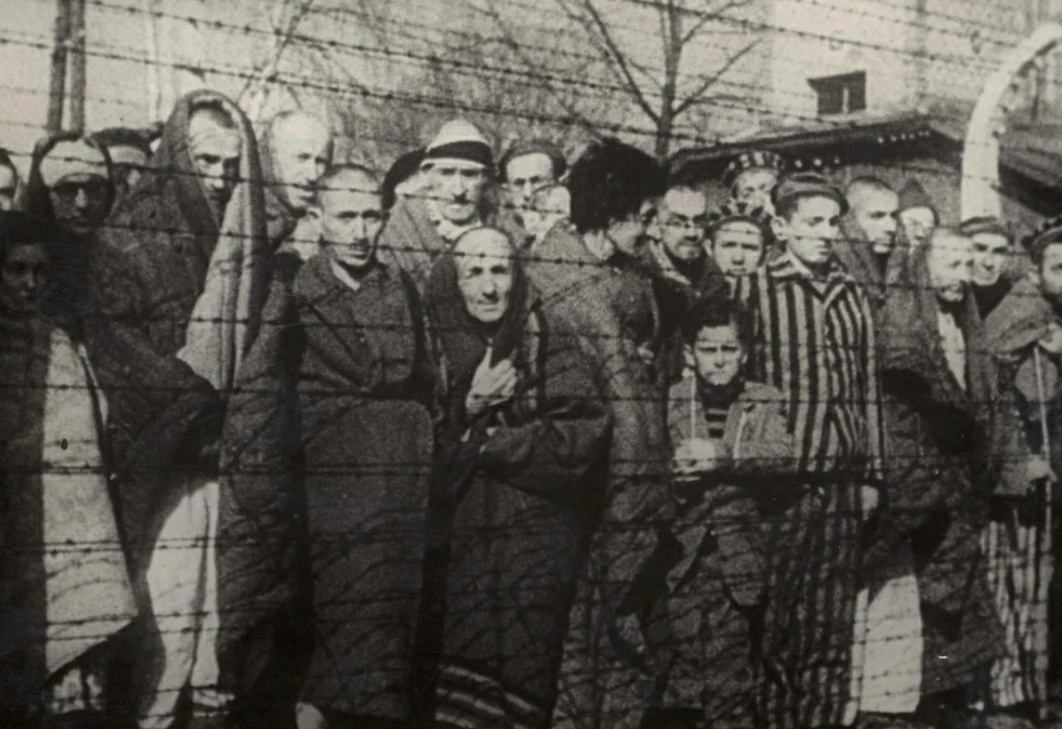
The Nazis came into power in Germany in 1933. They believed that the Germans were superior and the Jews were Inferior. During this era, the population of Jews was around nine million. During World War II, the Nazis came up with “The Final Solution”. “The Final Solution” was a plan in which they brutally killed over six million European Jews i.e. three out of two jews. They killed Jew men, women, and even children. This mass murder conducted by the Nazis is known as The Holocaust or Shoah in Hebrew. The word holocaust comes from ancient Greek which means ” whole burnt”.
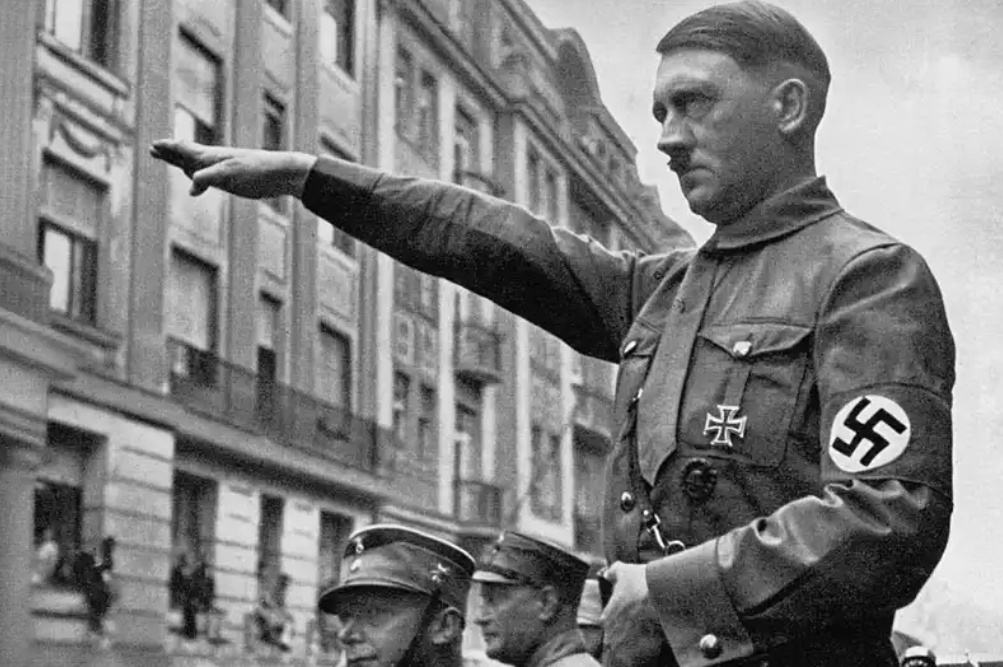
The main cause of the holocaust is believed to be the ideology of the Nazis. They wanted to terminate the Jews and they were able to do so. The Nazis blamed Jews for Germany’s defeat in World War I too. Before World War II, the Nazis tried various ways to remove the Jews from Germany by allowing them to emigrate. The Jews were robbed, beaten, and even killed at times. They were banned at public parks and pubs. They were not allowed to work in certain professions. In 1935, Nuremberg Racial Laws came into force in which the Jews were forbidden to marry non-Jews. The Nazis burnt their houses, food, etc, and made their survival difficult. Later, they decided to move the Jews to the islands of Madagascar but the war made it impossible. Therefore, they came up with a mass murder plan. They not only killed the Jews but also others like the political opponents, Roma, Sinti, handicapped, homosexuals, etc. They established killing spots and executed millions of Jews. In the end, it all went down as Adolf Hitler wanted. Everything worked according to him, he decided to murder, just because he thought the lives of Jews were unimportant.
The Nazis came into power in Germany in 1933. They believed that the Germans were superior and the Jews were Inferior. During this era, the population of Jews was around nine million. During World War II, the Nazis came up with “The Final Solution”. “The Final Solution” was a plan in which they brutally killed over six million European Jews i.e. three out of two jews. They killed Jew men, women, and even children. This mass murder conducted by the Nazis is known as The Holocaust or Shoah in Hebrew. The word holocaust comes from ancient Greek which means ” whole burnt”.
The main cause of the holocaust is believed to be the ideology of the Nazis. They wanted to terminate the Jews and they were able to do so. The Nazis blamed Jews for Germany’s defeat in World War I too. Before World War II, the Nazis tried various ways to remove the Jews from Germany by allowing them to emigrate. The Jews were robbed, beaten, and even killed at times. They were banned at public parks and pubs. They were not allowed to work in certain professions. In 1935, Nuremberg Racial Laws came into force in which the Jews were forbidden to marry non-Jews. The Nazis burnt their houses, food, etc, and made their survival difficult. Later, they decided to move the Jews to the islands of Madagascar but the war made it impossible. Therefore, they came up with a mass murder plan. They not only killed the Jews but also others like the political opponents, Roma, Sinti, handicapped, homosexuals, etc. They established killing spots and executed millions of Jews. In the end, it all went down as Adolf Hitler wanted. Everything worked according to him, he decided to murder, just because he thought the lives of Jews were unimportant.
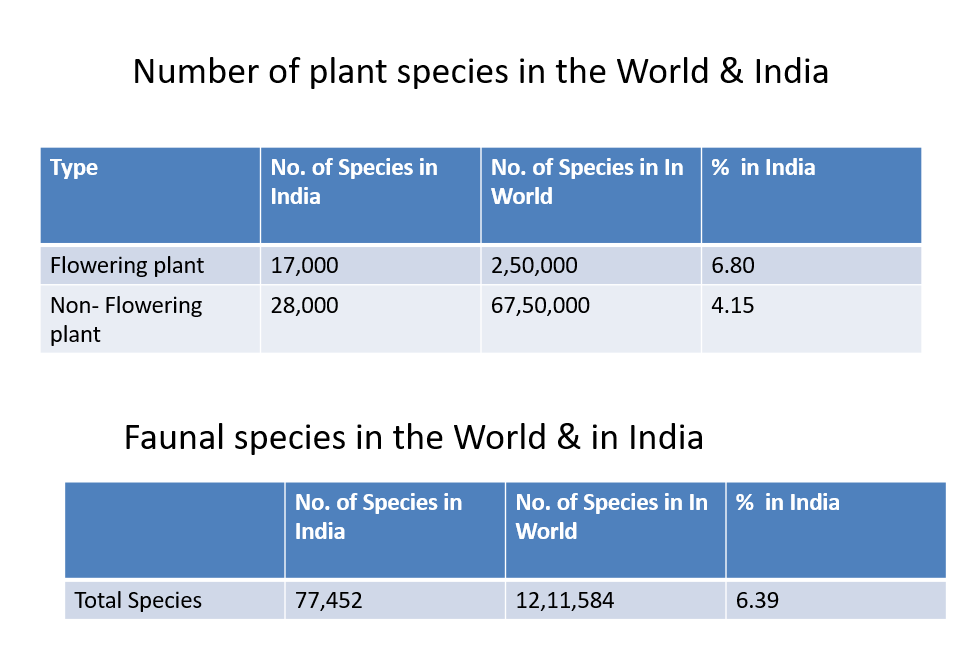
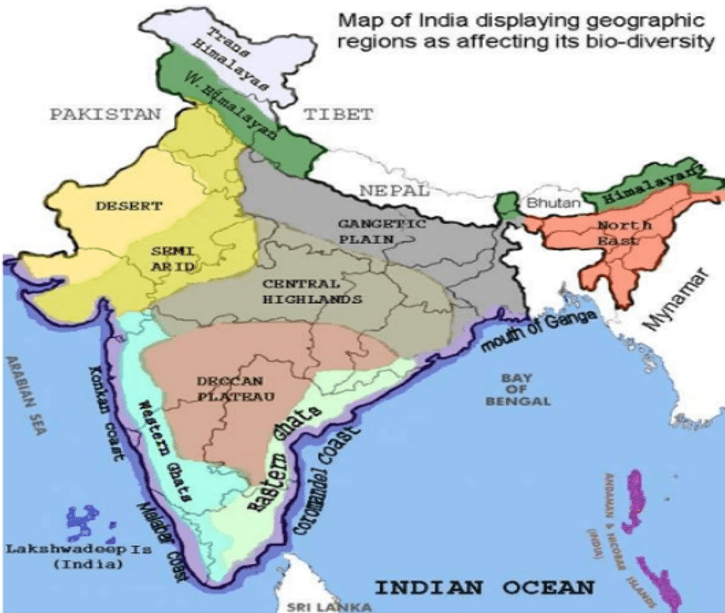
India is one of the world’s most biologically and culturally diverse countries. It is also one of the poorest in terms of per capita income. The existence of mass poverty and enormous scale lies upon two important facts; first that the country exports natural products that command highly prices in overseas market, such as Basmati rice and Darjeeling tea, as well as products like medicinal and aromatic plants that are major inputs in rapidly expanding industries, and second that India has achieved significant capabilities in Industrial chemistry and life sciences. India is one of the world’s mega diversity countries. It is ranked ninth in the world in terms of higher plant species richness. At the ecosystem level, India is also well endowed, ten distinct bio-geographic zones. India is considered to be the center of origin for the following crop species, pigeon, eggplant cucumber, possibly cotton and sesame. But for millennia, numerous other crop species have been introduced to India and adapted to localized conditions. As a consequence of both the diversity of these conditions and of the various ethnic populations living in India, the country has become and important center of diversity of a great many domesticated species, including various cereals, millets, legumes, vegetables, temperate tropical fruits, fiber crops, medicinal and aromatic plants.
MORE SPECIFICALLY, THE THREATS ARE INTER ALIA DUE TO THE FOLLOWING:
Large scale development products such as mining and dam and road construction
Conversion of biodiversity rich ecosystems, such as tropical forests to farm lands and industrials and residential sites
Poaching of wild life and over harvesting of forest products
While there has been no comprehensive assessment of biodiversity laws, 3 of 4 mammal species have been lost since 1950, and so also 15-20 plant species have become extinct. In one district of the state of Andhra Pradesh Odessa and West Bengal, 95% rice varieties previously cultivated are no longer found. Although the causes are various, the situation is primely due to the replace of low input poly cultural agricultural system with higher input monocultures.
ENDANGERED PLANTS AND ANIMALS: Due to rapid habitat loss, and over exploitation in particular large number of epiphytes, herbs, climbers, disappear from their native regions over the years. Many orchids, tree, ferns, medicinal herbs of hills, cicadas were considered as major endangered plant species. Identically large number of mammals, birds, reptiles, corals, and fishes were demarked as threatened in our country. A good number of conversation sites were declared for protection of such endangered plants and animals. It includes country wide 28 tiger project sites, several crocodile conservation programs, elephant conservation sites and various bird conservation sites. International union for conservation of nature categorized different pretend species of the world for the better recognition and subsequent action plan for their conservation. On the basis of survey carried out by botanical survey of India and also by zoological survey of India, the red data book with respect to endangered plants and animals were already published.
India is one of the world’s most biologically and culturally diverse countries. It is also one of the poorest in terms of per capita income. The existence of mass poverty and enormous scale lies upon two important facts; first that the country exports natural products that command highly prices in overseas market, such as Basmati rice and Darjeeling tea, as well as products like medicinal and aromatic plants that are major inputs in rapidly expanding industries, and second that India has achieved significant capabilities in Industrial chemistry and life sciences. India is one of the world’s mega diversity countries. It is ranked ninth in the world in terms of higher plant species richness. At the ecosystem level, India is also well endowed, ten distinct bio-geographic zones. India is considered to be the center of origin for the following crop species, pigeon, eggplant cucumber, possibly cotton and sesame. But for millennia, numerous other crop species have been introduced to India and adapted to localized conditions. As a consequence of both the diversity of these conditions and of the various ethnic populations living in India, the country has become and important center of diversity of a great many domesticated species, including various cereals, millets, legumes, vegetables, temperate tropical fruits, fiber crops, medicinal and aromatic plants.
MORE SPECIFICALLY, THE THREATS ARE INTER ALIA DUE TO THE FOLLOWING:
Large scale development products such as mining and dam and road construction
Conversion of biodiversity rich ecosystems, such as tropical forests to farm lands and industrials and residential sites
Poaching of wild life and over harvesting of forest products
While there has been no comprehensive assessment of biodiversity laws, 3 of 4 mammal species have been lost since 1950, and so also 15-20 plant species have become extinct. In one district of the state of Andhra Pradesh Odessa and West Bengal, 95% rice varieties previously cultivated are no longer found. Although the causes are various, the situation is primely due to the replace of low input poly cultural agricultural system with higher input monocultures.
ENDANGERED PLANTS AND ANIMALS: Due to rapid habitat loss, and over exploitation in particular large number of epiphytes, herbs, climbers, disappear from their native regions over the years. Many orchids, tree, ferns, medicinal herbs of hills, cicadas were considered as major endangered plant species. Identically large number of mammals, birds, reptiles, corals, and fishes were demarked as threatened in our country. A good number of conversation sites were declared for protection of such endangered plants and animals. It includes country wide 28 tiger project sites, several crocodile conservation programs, elephant conservation sites and various bird conservation sites. International union for conservation of nature categorized different pretend species of the world for the better recognition and subsequent action plan for their conservation. On the basis of survey carried out by botanical survey of India and also by zoological survey of India, the red data book with respect to endangered plants and animals were already published.
Ethics is a branch of philosophy dealing with the issue of morality. It implies the concepts of what right and wrong conducts are. Ethics define how a person should act in some specific situations. It is not a new term, but it has been there since the Stone Age. Different religions and many philosophers have also made a substantial contribution to ethics.
There are different branches of ethics. First of all, comes descriptive ethics. Descriptive ethics include what people actually consider right and wrong. Accordingly, laws are made regarding that and if they are even acceptable or not. The moral principles of society keep on changing from time to time. However, the basic ethics remain the same. Descriptive ethics are also called comparative ethics. They are given the name comparative ethics as they are used to compare the ethics of past and present scenarios. Also, they are used to compare the ethics of different societies as well.
Then comes the next branch of ethics- Normative Ethics. Normative Ethics deals with some specific norms or a set of considerations. These norms indicate how people should act in some given situations. These ethics set out the rightness or wrongness of people’s actions. Normative Ethics are also known as prescriptive ethics. This name is given as there are principles involved with these ethics and those principles determine whether the actions of people are right or wrong in different situations.
Types of ethics :
1. Deontological Ethics :
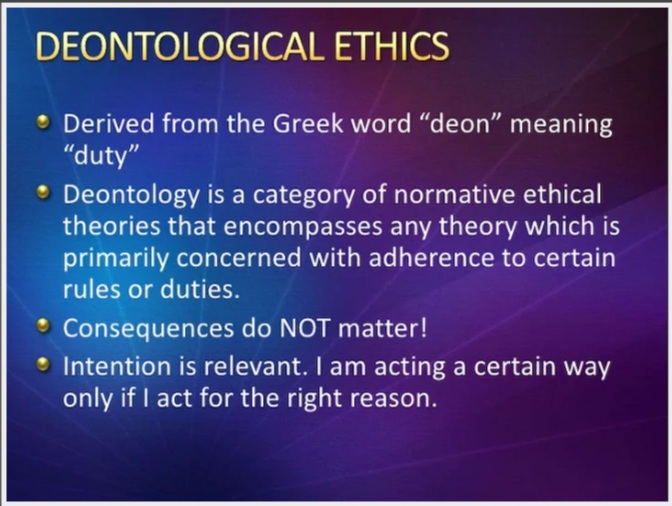
* In moral philosophy, deontological ethics or deontology is the normative ethical theory that the morality of an action should be based on whether that action itself
* Deontology is an ethical theory that uses rules to discern the moral course of action. Diffusion of responsibility. Diffusion of responsibility occurs when people fail
* Deontology morality is about following a system of rules, like ” Do Not Lie ” or ” Do Not Steal” .
* Ethics or moral philosophy is a branch of philosophy that involves systematizing, defending Deontological ethics.
2. Utilitarianism :
* The most common example of normative ethical theories are utilitarianism, kantian duty- based ethics and divine command theory.
* utilitarianism means, act in your own self- interest. Utilitarianism is that which is moral only if the act produces the greatest.
* Utilitarianism is a moral theory that implements fair choices is an effort to ensure the least amount of harm is done to all parties involved.
* However, some contemporary utilitarians , such as peter singer, are concerned with maximizing the satisfaction of preferences, hence prefernce utilitarianism.
* utilitarianism is an ethical theory that asserts that right and wrong are best determined by focusing on outcomes.
3. Consequentialism :
* consequentialism refers to moral theories that hold the consequences of a particular action form the basis for any valid moral judgment about that action.
* consequentialism is a class of normative, teleological ethical theories that holds that the consequences of one’s conduct are the ultimate basis for any judgment.
* consequentialism is an ethical theory that judges an action’s moral correctness by its consequenes. Corporate social Responsibility.
* on our definition of consequentialism, only the direct view is a genuinely consequentialist position, and rule consequentialism.
4. Professional Ethics :
* Rules imposed on an employee in a company, or as member of a profession. For instance, journalists, doctors, lawyers. Etc.
* professional ethics encompass the personal and corporate standards of behavior expected by professionals.
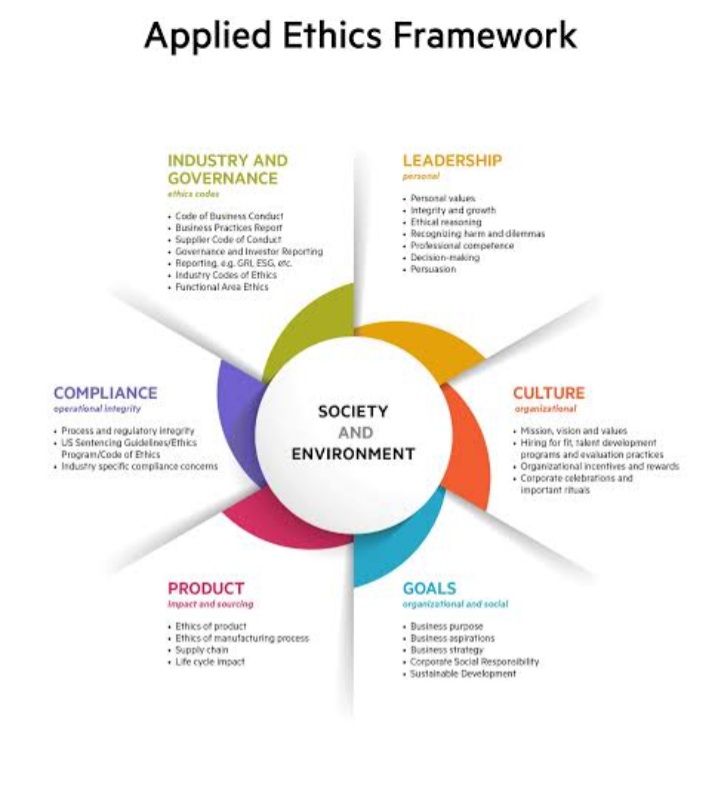
5. Applied ethics :
* Applied ethics is the branch of ethics which consists of the analysis od specific, controversial moral issues such ad abortion, animal rights, or euthanasia.
*Applied Ethics includes a philosophical examination of certain public and private life problems. The examination of those issues generally takes place from a moral standpoint. This branch of ethics is generally used by professions like doctors, teachers, etc.
* Applied ethics which deals with the actual application of ethical priniciples to a particular situation. While it is helpful to approach the field of ethics.
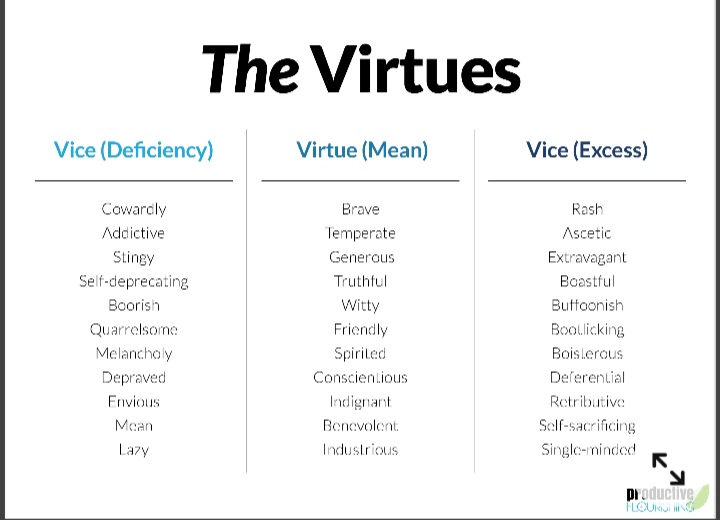
6. Virtue Ethics :
* virtue ethics is an approach to ethics that emphasizes an individual’s character as the key element of ethical thinking, rather than rules about the acts themselves.
* virtue ethics not only idea deals with the rightness or wrongness of individual actions, it provides guidenece as to the sort of characteristics and behaviour a good person will seek to achieve.
An abstract way of analyzing ethics is called Meta-Ethics. They do not deal with whether the actions are right or wrong, rather they question what morality is.
Ethics is a branch of philosophy dealing with the issue of morality. It implies the concepts of what right and wrong conducts are. Ethics define how a person should act in some specific situations. It is not a new term, but it has been there since the Stone Age. Different religions and many philosophers have also made a substantial contribution to ethics.
There are different branches of ethics. First of all, comes descriptive ethics. Descriptive ethics include what people actually consider right and wrong. Accordingly, laws are made regarding that and if they are even acceptable or not. The moral principles of society keep on changing from time to time. However, the basic ethics remain the same. Descriptive ethics are also called comparative ethics. They are given the name comparative ethics as they are used to compare the ethics of past and present scenarios. Also, they are used to compare the ethics of different societies as well.
Then comes the next branch of ethics- Normative Ethics. Normative Ethics deals with some specific norms or a set of considerations. These norms indicate how people should act in some given situations. These ethics set out the rightness or wrongness of people’s actions. Normative Ethics are also known as prescriptive ethics. This name is given as there are principles involved with these ethics and those principles determine whether the actions of people are right or wrong in different situations.
Types of ethics :
1. Deontological Ethics :
* In moral philosophy, deontological ethics or deontology is the normative ethical theory that the morality of an action should be based on whether that action itself
* Deontology is an ethical theory that uses rules to discern the moral course of action. Diffusion of responsibility. Diffusion of responsibility occurs when people fail
* Deontology morality is about following a system of rules, like ” Do Not Lie ” or ” Do Not Steal” .
* Ethics or moral philosophy is a branch of philosophy that involves systematizing, defending Deontological ethics.
2. Utilitarianism :
* The most common example of normative ethical theories are utilitarianism, kantian duty- based ethics and divine command theory.
* utilitarianism means, act in your own self- interest. Utilitarianism is that which is moral only if the act produces the greatest.
* Utilitarianism is a moral theory that implements fair choices is an effort to ensure the least amount of harm is done to all parties involved.
* However, some contemporary utilitarians , such as peter singer, are concerned with maximizing the satisfaction of preferences, hence prefernce utilitarianism.
* utilitarianism is an ethical theory that asserts that right and wrong are best determined by focusing on outcomes.
3. Consequentialism :
* consequentialism refers to moral theories that hold the consequences of a particular action form the basis for any valid moral judgment about that action.
* consequentialism is a class of normative, teleological ethical theories that holds that the consequences of one’s conduct are the ultimate basis for any judgment.
* consequentialism is an ethical theory that judges an action’s moral correctness by its consequenes. Corporate social Responsibility.
* on our definition of consequentialism, only the direct view is a genuinely consequentialist position, and rule consequentialism.
4. Professional Ethics :
* Rules imposed on an employee in a company, or as member of a profession. For instance, journalists, doctors, lawyers. Etc.
* professional ethics encompass the personal and corporate standards of behavior expected by professionals.
5. Applied ethics :
* Applied ethics is the branch of ethics which consists of the analysis od specific, controversial moral issues such ad abortion, animal rights, or euthanasia.
*Applied Ethics includes a philosophical examination of certain public and private life problems. The examination of those issues generally takes place from a moral standpoint. This branch of ethics is generally used by professions like doctors, teachers, etc.
* Applied ethics which deals with the actual application of ethical priniciples to a particular situation. While it is helpful to approach the field of ethics.
6. Virtue Ethics :
* virtue ethics is an approach to ethics that emphasizes an individual’s character as the key element of ethical thinking, rather than rules about the acts themselves.
* virtue ethics not only idea deals with the rightness or wrongness of individual actions, it provides guidenece as to the sort of characteristics and behaviour a good person will seek to achieve.
An abstract way of analyzing ethics is called Meta-Ethics. They do not deal with whether the actions are right or wrong, rather they question what morality is.
Biological diversity’ means the variability among living organisms from all sources including, inter alia, terrestrial, marine and other aquatic ecosystems and the ecological complexes of which they are a part; this includes diversity within species, between species and of ecosystems. The word Biodiversity means Gk. Bios- Life, diversity- forms. The occurrence of difference species of organisms with the whole range of their variants (Biotypes) & genes adapted to different climates, environments along with their interactions & processes. This term was coined by Walter G. Rosen- 1985. Biodiversity refers to the numbers, variety and variability of living organisms and ecosystem. It includes all terrestrial, marine and other aquatic organisms. Also covers diversity within species, between species as well as variations among ecosystems.
Biodiversity has contributed in many ways to the development of human culture, and, in turn, human communities have played a major role in shaping the diversity of nature at the genetic, species, and ecological levels.
Types of Biodiversity
Genetic diversity – Diversity of genes within a species. i.e. genetic variability among the populations and the individuals of the same species. Genetic diversity is the total number of genetic characteristics in the genetic makeup of a species. Ex. Domestic Dogs. Humans have created distinct breeds of dogs within the species by selectively breeding individuals.
Species diversity – Diversity among species in an ecosystem. “Biodiversity hotspots” are excellent examples of species diversity. Species diversity is defined as the number of species and abundance of each species that live in a particular location. Each species is distinct from other species in form & character such as cow & goat. Species diversity is the most common level to describe biodiversity of any area.
Ecosystem diversity – Diversity at a higher level of organization, the ecosystem. To do with the variety of ecosystems on Earth. Ecosystem diversity deals with the variations in ecosystems within a geographical location and its overall impact on human existence and the environment. EX. deserts, forests, grasslands, wetlands and oceans. Ecological diversity is the largest scale of biodiversity, and within each ecosystem, there is a great deal of both species and genetic diversity.
VALUES OF BIODIVERSITY
1. Consumptive value : The most important point of consumptive use is that some rural communities closets to the forests or other natural areas can prosper through the sustainable harvesting of wildlife species. Hunting, Direct consumption-herbs, plants, mushrooms are all consumptive uses.
2. Productive Value : Products that are commercially harvested for exchange in formal markets. Each species is valuable to human. The global collection of genes, species, habitat & ecosystems is a resource that provides for human needs. It is also essential for human survival in the future. This is often then only value of biological resources that is reflected in the income accounts.
3. Social Value : Social value of biodiversity refers to religious and cultural importance. Trees are worshiped as God. ex. Banyan tree, Peepal Tree. Flowers, Tulsi leaves are offered during pooja.
4. Ethical Value : ‘All life must be preserved’ based on ‘Live & let live’. This means we don’t use the species directly or indirectly, but we feel sorry about the loss of species. They have a existence value.
5. Aesthetic Value : It is related to the beauty of biodiversity. The pleasure, excitement & visual peace of any area. Concept of Eco- tourism & willingness to pay are gaining grounds, leading to monetary estimate for aesthetic value of biodiversity.
6. Option Value : The option values of biodiversity suggests that any species may be proved to be a valuable after someday. At present the potentials/ uses/ values are unknown. Ex. Growing technology field is searching new species for causing the diseases of cancer & AIDS.
HOT SPOTS OF BIODIVERSITY
A biodiversity hotspot is a bio-geographic region that is both a significant reservoir of biodiversity and is threatened with destruction. The term biodiversity hotspot specifically refers to 25 biologically rich areas around the world that have lost at least 70 percent of their original habitat. The original 25 hotspots covered 11.8% of the land surface area of the Earth.
Biological diversity’ means the variability among living organisms from all sources including, inter alia, terrestrial, marine and other aquatic ecosystems and the ecological complexes of which they are a part; this includes diversity within species, between species and of ecosystems. The word Biodiversity means Gk. Bios- Life, diversity- forms. The occurrence of difference species of organisms with the whole range of their variants (Biotypes) & genes adapted to different climates, environments along with their interactions & processes. This term was coined by Walter G. Rosen- 1985. Biodiversity refers to the numbers, variety and variability of living organisms and ecosystem. It includes all terrestrial, marine and other aquatic organisms. Also covers diversity within species, between species as well as variations among ecosystems.
Biodiversity has contributed in many ways to the development of human culture, and, in turn, human communities have played a major role in shaping the diversity of nature at the genetic, species, and ecological levels.
Types of Biodiversity
Genetic diversity – Diversity of genes within a species. i.e. genetic variability among the populations and the individuals of the same species. Genetic diversity is the total number of genetic characteristics in the genetic makeup of a species. Ex. Domestic Dogs. Humans have created distinct breeds of dogs within the species by selectively breeding individuals.
Species diversity – Diversity among species in an ecosystem. “Biodiversity hotspots” are excellent examples of species diversity. Species diversity is defined as the number of species and abundance of each species that live in a particular location. Each species is distinct from other species in form & character such as cow & goat. Species diversity is the most common level to describe biodiversity of any area.
Ecosystem diversity – Diversity at a higher level of organization, the ecosystem. To do with the variety of ecosystems on Earth. Ecosystem diversity deals with the variations in ecosystems within a geographical location and its overall impact on human existence and the environment. EX. deserts, forests, grasslands, wetlands and oceans. Ecological diversity is the largest scale of biodiversity, and within each ecosystem, there is a great deal of both species and genetic diversity.
VALUES OF BIODIVERSITY
1. Consumptive value : The most important point of consumptive use is that some rural communities closets to the forests or other natural areas can prosper through the sustainable harvesting of wildlife species. Hunting, Direct consumption-herbs, plants, mushrooms are all consumptive uses.
2. Productive Value : Products that are commercially harvested for exchange in formal markets. Each species is valuable to human. The global collection of genes, species, habitat & ecosystems is a resource that provides for human needs. It is also essential for human survival in the future. This is often then only value of biological resources that is reflected in the income accounts.
3. Social Value : Social value of biodiversity refers to religious and cultural importance. Trees are worshiped as God. ex. Banyan tree, Peepal Tree. Flowers, Tulsi leaves are offered during pooja.
4. Ethical Value : ‘All life must be preserved’ based on ‘Live & let live’. This means we don’t use the species directly or indirectly, but we feel sorry about the loss of species. They have a existence value.
5. Aesthetic Value : It is related to the beauty of biodiversity. The pleasure, excitement & visual peace of any area. Concept of Eco- tourism & willingness to pay are gaining grounds, leading to monetary estimate for aesthetic value of biodiversity.
6. Option Value : The option values of biodiversity suggests that any species may be proved to be a valuable after someday. At present the potentials/ uses/ values are unknown. Ex. Growing technology field is searching new species for causing the diseases of cancer & AIDS.
HOT SPOTS OF BIODIVERSITY
A biodiversity hotspot is a bio-geographic region that is both a significant reservoir of biodiversity and is threatened with destruction. The term biodiversity hotspot specifically refers to 25 biologically rich areas around the world that have lost at least 70 percent of their original habitat. The original 25 hotspots covered 11.8% of the land surface area of the Earth.
The media platform is considered to be strong because it is the sole reason through which various different business opportunities are flourished by providing them many wide opportunities in the process. Thus, to conclude in simple words media contributes a lot and it helps to improvise the conditions of many businesses and such media laws are very much crucial and relevant. They are required to be Amended as and when needed in the business sector. Different ways through which media can heavily benefit businesses are –:
: Advertisements which are preparing in educational advertisements are a logical way of spreading the voices in masses concerning the particular business. As the spheres of media are growing and are branching out, the most important branch of it is social media which has the potential to uplift businesses from a root level. With addition to the standard media sources and social media strategies many customers can be invited and give people what they want and deliver their services.
Better Responsiveness: The method of input and distribution by way of media is made simpler. If the clients have queries, questions, or any issues with, what the company does, they will let the company know in a prompt way. Social networking in businesses provides people a possible means to convey their thoughts and it allows businesses an incentive to react accordingly. Through such sources companies will see lawless stuff and verify to their clients that their questions and queries can be answered.
Information: Social networking which is presently emerging to be the most helpful source for new business opportunities is insightful and allows individuals to see an insight to what the target audience is and what other consumers share in terms of goods and services share online. This offers a better insight into the industry and many variables that impact the business.
Branding and Communication: Communication is the most crucial aspect for any businesses success and if they frequently engage with customers it helps to improve the company’s image. On can connect and handle their clients in a private level through social networks mediums. When the company is engaged in debates, the consumer finds the company as available, free and sensitive. The way that the company is viewed and consumers are gradually linked to the information that one gets, is largely impacted by this type of presentation. Both personal tales and social media can help boost the technology retail.
Social Media for growth in business sector: One has to make sure that their social media approach and presence is suitable for mobile phones which helps to guarantee a useful user experience to the consumers. Social media advertising sites generally generate popularity at a very fast pace, and the use of those particular websites in advertising and is used to promote what they have offered will also be beneficial for them.
The media platform is considered to be strong because it is the sole reason through which various different business opportunities are flourished by providing them many wide opportunities in the process. Thus, to conclude in simple words media contributes a lot and it helps to improvise the conditions of many businesses and such media laws are very much crucial and relevant. They are required to be Amended as and when needed in the business sector. Different ways through which media can heavily benefit businesses are –:
: Advertisements which are preparing in educational advertisements are a logical way of spreading the voices in masses concerning the particular business. As the spheres of media are growing and are branching out, the most important branch of it is social media which has the potential to uplift businesses from a root level. With addition to the standard media sources and social media strategies many customers can be invited and give people what they want and deliver their services.
Better Responsiveness: The method of input and distribution by way of media is made simpler. If the clients have queries, questions, or any issues with, what the company does, they will let the company know in a prompt way. Social networking in businesses provides people a possible means to convey their thoughts and it allows businesses an incentive to react accordingly. Through such sources companies will see lawless stuff and verify to their clients that their questions and queries can be answered.
Information: Social networking which is presently emerging to be the most helpful source for new business opportunities is insightful and allows individuals to see an insight to what the target audience is and what other consumers share in terms of goods and services share online. This offers a better insight into the industry and many variables that impact the business.
Branding and Communication: Communication is the most crucial aspect for any businesses success and if they frequently engage with customers it helps to improve the company’s image. On can connect and handle their clients in a private level through social networks mediums. When the company is engaged in debates, the consumer finds the company as available, free and sensitive. The way that the company is viewed and consumers are gradually linked to the information that one gets, is largely impacted by this type of presentation. Both personal tales and social media can help boost the technology retail.
Social Media for growth in business sector: One has to make sure that their social media approach and presence is suitable for mobile phones which helps to guarantee a useful user experience to the consumers. Social media advertising sites generally generate popularity at a very fast pace, and the use of those particular websites in advertising and is used to promote what they have offered will also be beneficial for them.
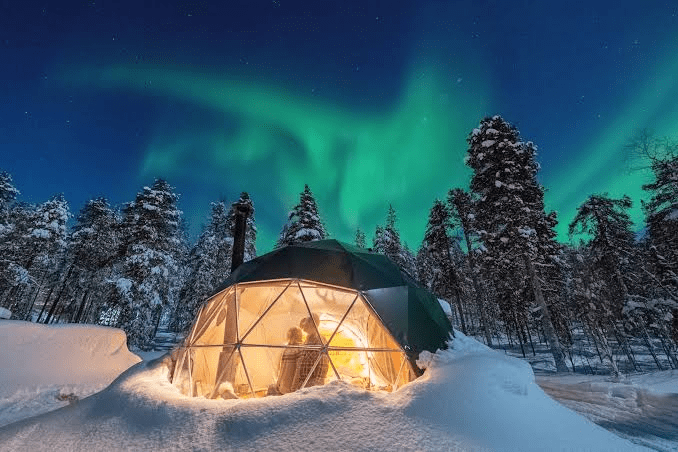
Irrespective of experiencing 200 days of winter with complete absence of sun, Finland has maintained it’s position to be the Happiest Country in the World for the last four years. It has been named the most stable, freest and the safestcountry by various international bodies because of the socio-economic and welfare policies of the nation. Finland is a natural beauty with forests, crystal clear lakes and wildlife. It has low pollution levels which makes the air clean and encourages more citizens to be amidst the nature. Hence, a large number of outdoor activities like kayaking, canoe, horse back riding and others can be experienced. Nature in itself is known to have immense healing power that can cheer people and lift their spirits.
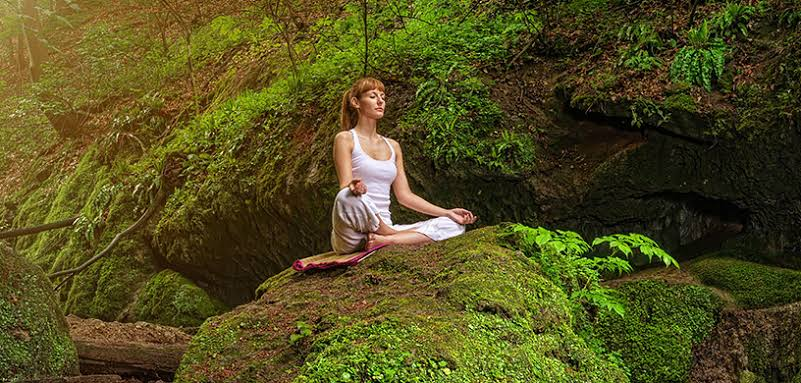
Finland offers free Forest Therapy to it’s citizens where the general public is allowed to roam freely in natural areas like forests, lakes, and rivers without any permission from the landowners (if the areas fall under a private land). This traditional legal concept is called ‘’Everyman’s Right ‘’. However, the only condition applied is that no damage or disturbance should be faced by the landowner.
Finns have a warm culture and enjoy a relaxed way of living. Unlike other Western countries they believe in cooperation over competition. The follow minimalistic approach to life and prefer well-made, sustainable, functional items that will stand the test of time. Finns are not considered to be happy bubbly people with cheerful smiley faces. In fact, they are the least expressive people who take life as it comes.
Coming to the most important topic, what makes them the happiest country in the world? Well, there cannot be a single factor to happiness. However, the main cause of it is self-satisfaction and inner peace, which in term is an outcome of various factors.
Finns follow a relaxed way of living and are at peace with themselves. Finland may not be the most powerful or wealthy economy but what makes them happy is the fact that they are at peace with their present situation. They are nottoo ambitious about what life should offer them and this helps them to feel satisfied with what they currently have.
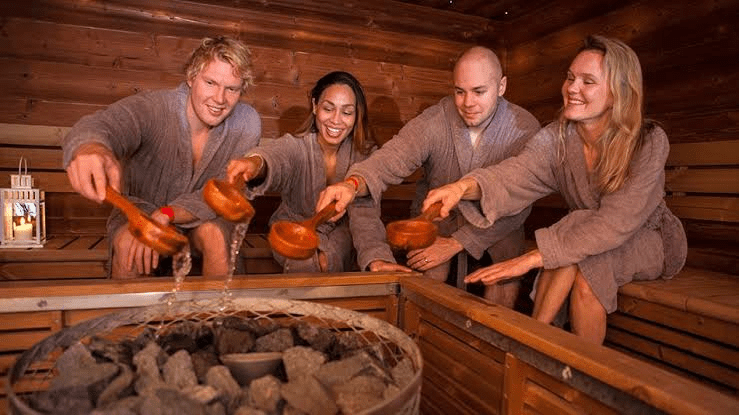
The national pass time for Finns is enjoying sauna baths. The fact that they have over 2 million saunas explains their love for the tradition. Saunas are places that purifies one’s body and soul. Sauna creates a sense of community and equality for the citizens as people from all backgrounds come together to enjoy the experience. Finns are used to being naked in the sauna with their family and friends, which can help create a comfort with and acceptance of their bodies, too.
Fins follow the philosophy of ‘Sisu’ that is focused on persevering when the odds are against us and viewing challenges as an opportunity. “Instead of waiting for a warm sunny day, many Finns practice daily sisu by heading out in any kind of weather for a brisk walk or cycle, or to spend time in nature.” They believe that happiness does not come from searching for it, but by living.
Finns value time over money. They choose a healthy work – life balance over wealth. A good personal life gives them the chance to pursue their personal interests and feed their creativity. This further contributes to the low inequality levels in Finland. The society majorly consists of middle-class households with very less poverty and more social security. They have few rich families but since the people are satisfied with themselves, they don’t believe in excessive show off of their wealth. This promotes the feeling of content and satisfaction amongst the low-income groups as well.
One of the main reasons why Finns are satisfied and happy with their lives is social equality. The government provides each new born a equal and healthy start to life. They distribute packages of clothing and other useful items to all new mothers. This was initially started to reduce the declining birth rate and high infant mortality but on a broader picture it reduces the difference and provides an equal start to all the new citizens. Equal opportunities are given to every citizen in terms of besteducation in schools and universities without any cost. This helps each child shape their own future without any form of economic hindrances. (A happy childhood breeds happy adults) The presence of best of healthcare opportunities to all the citizens at no cost reduces further disparity and makes them more secure and stress-free.
Under the ‘Housing first’ principle, it is ensured that even the rough sleepers are given the right support and a roof above them. The presence of equal opportunities for all makes people more satisfied with their lives, hence there is no need for people to adapt criminal offences. Low crime rates, in turn makes people more safe, secure and happy.
Finland strongly emphasises on closing gender equality as a means to promote the feeling of satisfaction and oneness amongst all citizens. Some of the measures includes providing new fathers with nine weeks of paternity leave at 70 percent of their salary and closing the gender pay gap. (Hence proving that a rising tide lifts all boats). Finland is one amongst the few Nordic countries where fathers spend more time with school-aged children compared to their mothers.
The extent of equality and freedom amongst the nation is such that they follow Flat Working Model in commercial world. For those who don’t know, a flat working model is one where there are few or nohierarchal levels between management and staff. This leads to less supervision and increased involvement with organizational decision-making, enabling open communication between all departments. Hence, increasing workplace productivity and team-cohesion. This worker-centric approach to business has served Finland well for more than a decade. Moreover, Finland is the only country that provides 25 paid workdays off in addition to the paid national holidays.
Finns are least active on social-media platforms that indulge in putting forward a polished view of their lives. They don’t brag about their success and wealth or show an outwardly exuberant zest for life. Rather, they believe in being reserved and accepting both the good and the bad as it comes. They believe that if they are truly happy, they don’t need to shove it in anyone’s faces.
Even after being the happiest country in the world, Finns have an emotionless exterior and prefer melancholic songs to express themselves. This is because they accept negative emotions as part of life. Trying to suppress one’s negative emotions is considered bad for one’s well-being. They are taught to embrace such emotions and learn to accept one’s life for what it is. This in turn has a positive impact on their life and help them feel more satisfied. They believe in expressing their negative emotions to such an extent that they celebrate a national event called “The International Day of Failure” (celebrated annually on 13 October), that carries an important message that without the possibility of failure there is no success, and occasional failure is therefore acceptable.
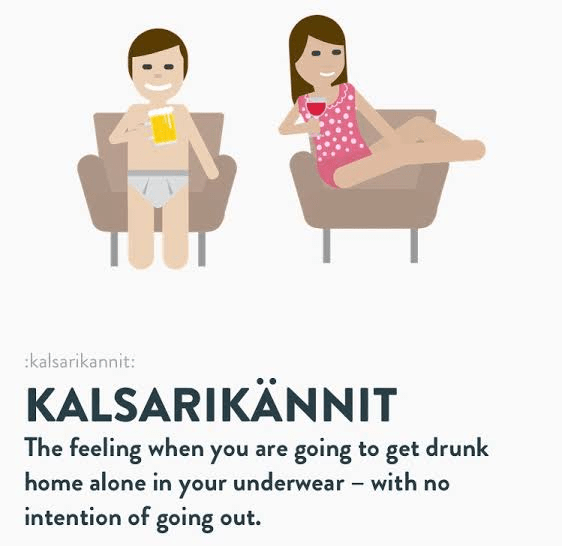
They follow the culture of Kalsarikännit or Pantsdrunk which is the practice of binge drinking alone in your home in your underpants. To a large extent, it is still considered a way of life in Finland, probably because of the stereotyped lack of social contacts among Finns.
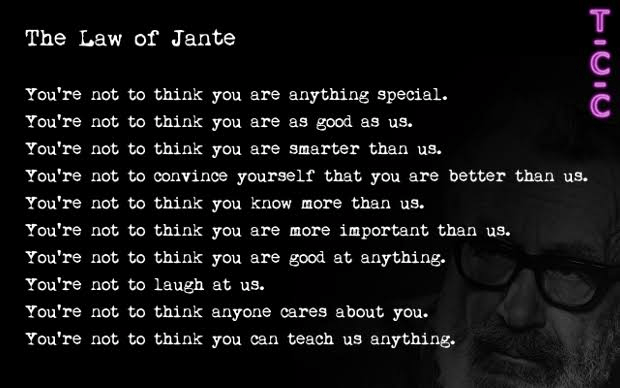
Another reason why nordic countries are most at peace with themselves may be the not mentioned, but always present, “Law of Jante” that is silently enforced by everybody in unison. Law of Jante explain the egalitarian nature of Nordic countries where they support a harmonious and happy society.
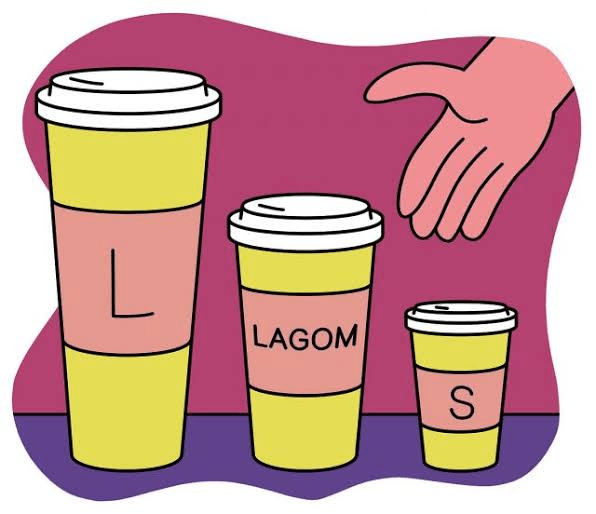
Finns are socialized to believe that what they have is as good as it gets—or close enough. Finns believe in the Norwegian term Lagom, which can be translated as “just the right amount,” i.e., neither too much nor too little. They believe that what they have is as good as it gets—or close enough. This mindset makes them the happiest people in the world despite living in small apartments, earning modest incomes, with even more limited purchasing power because of the high prices and taxation.
Hence, one thing that the world could learn from them is their willingness to embrace the less-sunny aspects of living i.e., to accept negative feelings as a normal part of life.
Irrespective of experiencing 200 days of winter with complete absence of sun, Finland has maintained it’s position to be the Happiest Country in the World for the last four years. It has been named the most stable, freest and the safestcountry by various international bodies because of the socio-economic and welfare policies of the nation. Finland is a natural beauty with forests, crystal clear lakes and wildlife. It has low pollution levels which makes the air clean and encourages more citizens to be amidst the nature. Hence, a large number of outdoor activities like kayaking, canoe, horse back riding and others can be experienced. Nature in itself is known to have immense healing power that can cheer people and lift their spirits.
Finland offers free Forest Therapy to it’s citizens where the general public is allowed to roam freely in natural areas like forests, lakes, and rivers without any permission from the landowners (if the areas fall under a private land). This traditional legal concept is called ‘’Everyman’s Right ‘’. However, the only condition applied is that no damage or disturbance should be faced by the landowner.
Finns have a warm culture and enjoy a relaxed way of living. Unlike other Western countries they believe in cooperation over competition. The follow minimalistic approach to life and prefer well-made, sustainable, functional items that will stand the test of time. Finns are not considered to be happy bubbly people with cheerful smiley faces. In fact, they are the least expressive people who take life as it comes.
Coming to the most important topic, what makes them the happiest country in the world? Well, there cannot be a single factor to happiness. However, the main cause of it is self-satisfaction and inner peace, which in term is an outcome of various factors.
Finns follow a relaxed way of living and are at peace with themselves. Finland may not be the most powerful or wealthy economy but what makes them happy is the fact that they are at peace with their present situation. They are nottoo ambitious about what life should offer them and this helps them to feel satisfied with what they currently have.
The national pass time for Finns is enjoying sauna baths. The fact that they have over 2 million saunas explains their love for the tradition. Saunas are places that purifies one’s body and soul. Sauna creates a sense of community and equality for the citizens as people from all backgrounds come together to enjoy the experience. Finns are used to being naked in the sauna with their family and friends, which can help create a comfort with and acceptance of their bodies, too.
Fins follow the philosophy of ‘Sisu’ that is focused on persevering when the odds are against us and viewing challenges as an opportunity. “Instead of waiting for a warm sunny day, many Finns practice daily sisu by heading out in any kind of weather for a brisk walk or cycle, or to spend time in nature.” They believe that happiness does not come from searching for it, but by living.
Finns value time over money. They choose a healthy work – life balance over wealth. A good personal life gives them the chance to pursue their personal interests and feed their creativity. This further contributes to the low inequality levels in Finland. The society majorly consists of middle-class households with very less poverty and more social security. They have few rich families but since the people are satisfied with themselves, they don’t believe in excessive show off of their wealth. This promotes the feeling of content and satisfaction amongst the low-income groups as well.
One of the main reasons why Finns are satisfied and happy with their lives is social equality. The government provides each new born a equal and healthy start to life. They distribute packages of clothing and other useful items to all new mothers. This was initially started to reduce the declining birth rate and high infant mortality but on a broader picture it reduces the difference and provides an equal start to all the new citizens. Equal opportunities are given to every citizen in terms of besteducation in schools and universities without any cost. This helps each child shape their own future without any form of economic hindrances. (A happy childhood breeds happy adults) The presence of best of healthcare opportunities to all the citizens at no cost reduces further disparity and makes them more secure and stress-free.
Under the ‘Housing first’ principle, it is ensured that even the rough sleepers are given the right support and a roof above them. The presence of equal opportunities for all makes people more satisfied with their lives, hence there is no need for people to adapt criminal offences. Low crime rates, in turn makes people more safe, secure and happy.
Finland strongly emphasises on closing gender equality as a means to promote the feeling of satisfaction and oneness amongst all citizens. Some of the measures includes providing new fathers with nine weeks of paternity leave at 70 percent of their salary and closing the gender pay gap. (Hence proving that a rising tide lifts all boats). Finland is one amongst the few Nordic countries where fathers spend more time with school-aged children compared to their mothers.
The extent of equality and freedom amongst the nation is such that they follow Flat Working Model in commercial world. For those who don’t know, a flat working model is one where there are few or nohierarchal levels between management and staff. This leads to less supervision and increased involvement with organizational decision-making, enabling open communication between all departments. Hence, increasing workplace productivity and team-cohesion. This worker-centric approach to business has served Finland well for more than a decade. Moreover, Finland is the only country that provides 25 paid workdays off in addition to the paid national holidays.
Finns are least active on social-media platforms that indulge in putting forward a polished view of their lives. They don’t brag about their success and wealth or show an outwardly exuberant zest for life. Rather, they believe in being reserved and accepting both the good and the bad as it comes. They believe that if they are truly happy, they don’t need to shove it in anyone’s faces.
Even after being the happiest country in the world, Finns have an emotionless exterior and prefer melancholic songs to express themselves. This is because they accept negative emotions as part of life. Trying to suppress one’s negative emotions is considered bad for one’s well-being. They are taught to embrace such emotions and learn to accept one’s life for what it is. This in turn has a positive impact on their life and help them feel more satisfied. They believe in expressing their negative emotions to such an extent that they celebrate a national event called “The International Day of Failure” (celebrated annually on 13 October), that carries an important message that without the possibility of failure there is no success, and occasional failure is therefore acceptable.
They follow the culture of Kalsarikännit or Pantsdrunk which is the practice of binge drinking alone in your home in your underpants. To a large extent, it is still considered a way of life in Finland, probably because of the stereotyped lack of social contacts among Finns.
Another reason why nordic countries are most at peace with themselves may be the not mentioned, but always present, “Law of Jante” that is silently enforced by everybody in unison. Law of Jante explain the egalitarian nature of Nordic countries where they support a harmonious and happy society.
Finns are socialized to believe that what they have is as good as it gets—or close enough. Finns believe in the Norwegian term Lagom, which can be translated as “just the right amount,” i.e., neither too much nor too little. They believe that what they have is as good as it gets—or close enough. This mindset makes them the happiest people in the world despite living in small apartments, earning modest incomes, with even more limited purchasing power because of the high prices and taxation.
Hence, one thing that the world could learn from them is their willingness to embrace the less-sunny aspects of living i.e., to accept negative feelings as a normal part of life.













 Eduindex
You must be logged in to post a comment.