VICTORIAN WOMEN NOVELISTS

The nineteenth century was the great age of the English novel. This was partly because this essentially middle-class form of literary art was bound to flourish increasingly as the middle classes rose in power and importance, partly because of the steady increase of the reading public with the growth of lending libraries, the development of publishing in the modern sense, and partly because the form was best suited to depict the realities of contemporary life. If the novel of Dickens tended to focus on social issues, the Bronte sisters concentrated more on private passions. Of the three Bronte sisters, only two, Charlotte(1816-55) and Emily(1818-48) deserve special attention. Anne, the third sister, lacked their imaginative vitality and her novels and poems are dull affair.

The three sisters wrote under the alias of Currer (Charlotte), Ellis(Emily) and Acton(Anne) Bell. This anonymity, which was officially never broken in their lifetime, was not only a disguise that women writers of the period assumed but also reflection of their inwardness. This inwardness assumed fantastic length in the case of Emily as evident from her novel Wuthering Heights(1847). There is nothing in English Literature to match the smouldering passion of Wuthering Heights. It is the work of a woman who had cut herself off from deliberately from normal human interaction and lived in a private world of imaginary passion.

Charlotte, sensitive, passionate, and sensuous by temperament, became involved in the external world more than Emily ever did and make some attempt to cast her fiction into a mould that at least bore some resemblance to that employed by more conventional novelists. The Professor, her first novel, though published after her death, is a muted version of passages in her own emotional history. Jane Eyre(1847)- her first published novel- shows her writing with an almost melodramatic abandon, out of her own passions, dreams and frustrations. Shirley(1849), Charlotte Bronte’s next novel does not touch the height of Jane Eyre. Villette(1853), where she returned to her own emotional life, is based on her fierce and finally suppressed passion for her Brussels teacher. M. Heger; it is a kind of symbolic rendering of this chapter in her emotional chapter.

One of the greatest of the women novelists of the era is George Eliot (Marian or [Mary Anne] Evans) (1819-80). In all her fiction, George Elliot was concerned with moral characters of character, but she never abstracted her characters from their environment in order to illustrate their moral dilemmas. Beginning with comparatively slight descriptions of manners, such as found in the Scenes of Clerical Life(1858), George Eliot soon proceeded to more complex kinds of fiction. Adam Bede(1859), her first full-dress novel, combines element of pastoral idealism with social responsibility. The Mill on the Floss(1860) is a more complex novel and has a burning passion about it. Silas Marner(1861), a simpler novel, much quite in tone, is little more than a fable, though a brilliantly executed one. Romola(1863) and Felix Holt (1866) are of less interest than Middlemarch(1871-72), Daniel Deronda(1876) contains some of George Eliots’ most brilliant writing. George Eliot was on of the Victorian “sages” as well as novelist, one who had burning idealism but was not cut off from the reality around her. A sage whose moral vision is most effectively communicated through realistic fiction is an unusual phenomenon- or at least was unusual when George Eliot began to write. If it has become less unusual since, that is because George Eliot by her achievement in fiction permanently enlarged the scope of the novel.

VICTORIAN WOMEN NOVELISTS

The nineteenth century was the great age of the English novel. This was partly because this essentially middle-class form of literary art was bound to flourish increasingly as the middle classes rose in power and importance, partly because of the steady increase of the reading public with the growth of lending libraries, the development of publishing in the modern sense, and partly because the form was best suited to depict the realities of contemporary life. If the novel of Dickens tended to focus on social issues, the Bronte sisters concentrated more on private passions. Of the three Bronte sisters, only two, Charlotte(1816-55) and Emily(1818-48) deserve special attention. Anne, the third sister, lacked their imaginative vitality and her novels and poems are dull affair.

The three sisters wrote under the alias of Currer (Charlotte), Ellis(Emily) and Acton(Anne) Bell. This anonymity, which was officially never broken in their lifetime, was not only a disguise that women writers of the period assumed but also reflection of their inwardness. This inwardness assumed fantastic length in the case of Emily as evident from her novel Wuthering Heights(1847). There is nothing in English Literature to match the smouldering passion of Wuthering Heights. It is the work of a woman who had cut herself off from deliberately from normal human interaction and lived in a private world of imaginary passion.

Charlotte, sensitive, passionate, and sensuous by temperament, became involved in the external world more than Emily ever did and make some attempt to cast her fiction into a mould that at least bore some resemblance to that employed by more conventional novelists. The Professor, her first novel, though published after her death, is a muted version of passages in her own emotional history. Jane Eyre(1847)- her first published novel- shows her writing with an almost melodramatic abandon, out of her own passions, dreams and frustrations. Shirley(1849), Charlotte Bronte’s next novel does not touch the height of Jane Eyre. Villette(1853), where she returned to her own emotional life, is based on her fierce and finally suppressed passion for her Brussels teacher. M. Heger; it is a kind of symbolic rendering of this chapter in her emotional chapter.

One of the greatest of the women novelists of the era is George Eliot (Marian or [Mary Anne] Evans) (1819-80). In all her fiction, George Elliot was concerned with moral characters of character, but she never abstracted her characters from their environment in order to illustrate their moral dilemmas. Beginning with comparatively slight descriptions of manners, such as found in the Scenes of Clerical Life(1858), George Eliot soon proceeded to more complex kinds of fiction. Adam Bede(1859), her first full-dress novel, combines element of pastoral idealism with social responsibility. The Mill on the Floss(1860) is a more complex novel and has a burning passion about it. Silas Marner(1861), a simpler novel, much quite in tone, is little more than a fable, though a brilliantly executed one. Romola(1863) and Felix Holt (1866) are of less interest than Middlemarch(1871-72), Daniel Deronda(1876) contains some of George Eliots’ most brilliant writing. George Eliot was on of the Victorian “sages” as well as novelist, one who had burning idealism but was not cut off from the reality around her. A sage whose moral vision is most effectively communicated through realistic fiction is an unusual phenomenon- or at least was unusual when George Eliot began to write. If it has become less unusual since, that is because George Eliot by her achievement in fiction permanently enlarged the scope of the novel.

Global warming

Global warming is the slow increase in the average temperature of the earth’s atmosphere because an increased amount of the energy (heat) striking the earth from the sun is being trapped in the atmosphere and not radiated out into space.

The earth’s atmosphere has always acted like a greenhouse to capture the sun’s heat, ensuring that the earth has enjoyed temperatures that permitted the emergence of life forms as we know them, including humans.

Without our atmospheric greenhouse the earth would be very cold. Global warming, however, is the equivalent of a greenhouse with high efficiency reflective glass installed the wrong way around.Ionically, the best evidence of this may come from a terrible cooling event that took place some 1,500 years ago. Two massive volcanic eruptions, one year after another placed so much black dust into the upper atmosphere that little sunlight could penetrate. Temperatures plummeted. Crops failed. People died of starvation and the Black Death started its march. As the dust slowly fell to earth, the sun was again able to warn the world and life returned to normal.Today, we have the opposite problem. Today, the problem is not that too little sun warmth is reaching the earth, but that too much is being trapped in our atmosphere.

So much heat is being kept inside greenhouse earth that the temperature of the earth is going up faster than at any previous time in history. NASA provides an excellent course module on the science of global warming.

What Causes Global Warming?

There are three positions on global warming: (1) that global warming is not occurring and so neither is climate change; (2) that global warming and climate change are occurring, but these are natural, cyclic events unrelated to human activity; and (3) that global warming is occurring as a result primarily of human activity and so climate change is also the result of human activity.The claim that nothing is happening is very hard to defend in the face or masses of visual, land-based and satellite data that clearly shows rising average sea and land temperatures and shrinking ice masses.The claim that the observed global warming is natural or at least not the result of human carbon emissions (see Climate Skeptics below) focuses on data that shows that world temperatures and atmospheric CO2 levels have been equally high or higher in the past. They also point to the well understood effects of solar activity on the amount of radiation striking the earth and the fact that in recent times the sun has been particularly active.

  • Greenhouse Gases Are the Main Reasons for Global Warming. …
  • Cause #1: Variations in the Sun’s Intensity. …
  • Cause #2: Industrial Activity. …
  • Cause #3: Agricultural Activity. …
  • Cause #4: Deforestation. …
  • Cause #5: Earth’s Own Feedback Loop.

The evidence is clear: the main cause of climate change is burning fossil fuels such as oil, gas, and coal. When burnt, fossil fuels release carbon dioxide into the air, causing the planet to heat up.

How to stop global warming ?

There is no one-size-fits-all approach to stopping or slowing global warming, and each individual, business, municipal, state, tribal, and federal entity must weigh their options in light of their own unique set of circumstances. Experts say it is likely many strategies working together will be needed. Generally speaking, here are some examples of mitigation strategies we can use to slow or stop the human-caused global warming :

  • Where possible, we can switch to renewable sources of energy (such as solar and wind energy) to power our homes and buildings, thus emitting far less heat-trapping gases into the atmosphere.
  • Where feasible, we can drive electric vehicles instead of those that burn fossil fuels; or we can use mass transit instead of driving our own cars.
  • Where affordable, we can conserve energy by better insulating our homes and buildings, and by replacing old, failing appliances with more energy-efficient models.
  • Where practicable, we can counterbalance our annual carbon dioxide emissions by investing in commercial services that draw down an equal amount of carbon out of the atmosphere, such as through planting trees or carbon capture and storage techniques.
  • Where practical, we can support more local businesses that use and promote sustainable, climate-smart practices such as those listed above.
  • We can consider placing an upper limit on the amount of carbon dioxide we will allow ourselves to emit into the atmosphere within a given timeframe.

Global warming

Global warming is the slow increase in the average temperature of the earth’s atmosphere because an increased amount of the energy (heat) striking the earth from the sun is being trapped in the atmosphere and not radiated out into space.

The earth’s atmosphere has always acted like a greenhouse to capture the sun’s heat, ensuring that the earth has enjoyed temperatures that permitted the emergence of life forms as we know them, including humans.

Without our atmospheric greenhouse the earth would be very cold. Global warming, however, is the equivalent of a greenhouse with high efficiency reflective glass installed the wrong way around.Ionically, the best evidence of this may come from a terrible cooling event that took place some 1,500 years ago. Two massive volcanic eruptions, one year after another placed so much black dust into the upper atmosphere that little sunlight could penetrate. Temperatures plummeted. Crops failed. People died of starvation and the Black Death started its march. As the dust slowly fell to earth, the sun was again able to warn the world and life returned to normal.Today, we have the opposite problem. Today, the problem is not that too little sun warmth is reaching the earth, but that too much is being trapped in our atmosphere.

So much heat is being kept inside greenhouse earth that the temperature of the earth is going up faster than at any previous time in history. NASA provides an excellent course module on the science of global warming.

What Causes Global Warming?

There are three positions on global warming: (1) that global warming is not occurring and so neither is climate change; (2) that global warming and climate change are occurring, but these are natural, cyclic events unrelated to human activity; and (3) that global warming is occurring as a result primarily of human activity and so climate change is also the result of human activity.The claim that nothing is happening is very hard to defend in the face or masses of visual, land-based and satellite data that clearly shows rising average sea and land temperatures and shrinking ice masses.The claim that the observed global warming is natural or at least not the result of human carbon emissions (see Climate Skeptics below) focuses on data that shows that world temperatures and atmospheric CO2 levels have been equally high or higher in the past. They also point to the well understood effects of solar activity on the amount of radiation striking the earth and the fact that in recent times the sun has been particularly active.

  • Greenhouse Gases Are the Main Reasons for Global Warming. …
  • Cause #1: Variations in the Sun’s Intensity. …
  • Cause #2: Industrial Activity. …
  • Cause #3: Agricultural Activity. …
  • Cause #4: Deforestation. …
  • Cause #5: Earth’s Own Feedback Loop.

The evidence is clear: the main cause of climate change is burning fossil fuels such as oil, gas, and coal. When burnt, fossil fuels release carbon dioxide into the air, causing the planet to heat up.

How to stop global warming ?

There is no one-size-fits-all approach to stopping or slowing global warming, and each individual, business, municipal, state, tribal, and federal entity must weigh their options in light of their own unique set of circumstances. Experts say it is likely many strategies working together will be needed. Generally speaking, here are some examples of mitigation strategies we can use to slow or stop the human-caused global warming :

  • Where possible, we can switch to renewable sources of energy (such as solar and wind energy) to power our homes and buildings, thus emitting far less heat-trapping gases into the atmosphere.
  • Where feasible, we can drive electric vehicles instead of those that burn fossil fuels; or we can use mass transit instead of driving our own cars.
  • Where affordable, we can conserve energy by better insulating our homes and buildings, and by replacing old, failing appliances with more energy-efficient models.
  • Where practicable, we can counterbalance our annual carbon dioxide emissions by investing in commercial services that draw down an equal amount of carbon out of the atmosphere, such as through planting trees or carbon capture and storage techniques.
  • Where practical, we can support more local businesses that use and promote sustainable, climate-smart practices such as those listed above.
  • We can consider placing an upper limit on the amount of carbon dioxide we will allow ourselves to emit into the atmosphere within a given timeframe.

THE REAL SLUMDOG MILLIONAIRE- KALPANA SAROJ

Most of us are well known about Indian famous women personalities like Kalpana Chawla, Kiran Bedi, Indira Gandhi, Saina nehwal and etc.. because we always do listen their successful stories in many meeting as an inspiration. Today I’m going to post about the life story of Kalpana Saroj who is the most struggled women personality and who became as an industrialist with out having any degree and competed equally with the top most business personalities.

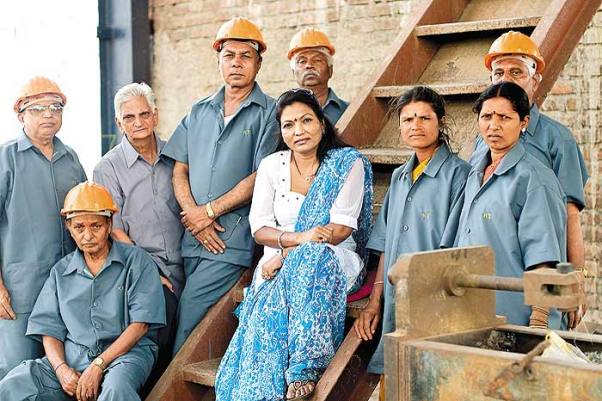
Kalpana Saroj is a female entrepreneur and Tedx speaker. She was born in 1961 in Roperkheda village, Maharashtra, India. She is the chair person of “ kamini Tubes” and bagged the honourable “Padma shri “ award in 2013 in the field of Trades and Industries. She is described as the real “ SLUMDOG MILLIONAIRE ” and also sometimes considered  as India’s first women entrepreneur.

EARLY ROOTS OF HER LIFE:

Kalpana was born in a Dalit family and her father was a constable. As she was from Dalit community, she is refused by everyone in her school. At that time’s, there was a custom to marry of the girls at an early age. Similarly, Kalpana parents were also fixed her alliance at the age of twelve years. After her marriage she move to the slum area of Mumbai along with her husband’s family. At a very tender age she faced torture in both physically and mentally at her mother-in-law house. She became as a sex toy to her husband and as a maid to her mother-in-law.

When her father visited her after the six months of marriage, he was shocked to see her daughter in horrible situations at her home and he immediately took her back to home. After moving back to her native place she was taunted by every person in her village and later after same days, she mentally got weaken and attempted suicide. After her suicide attempt, she became strong and empowered with regained energy and again moved to Mumbai in the search of her new life.

BUILDING A NEW PATH IN HER LIFE:

As and when she moved to Mumbai she started working as a tailor in a garment factory, with in a few months she mastered at the art of sewing and managed to get get a decent hike but when the things in her life was improving suddenly her life took an U-turn with death of her younger sister who was died because of insufficient amount of money for the treatment, Then she got realized about the importance of money in once life.

After few months of her sister’s death, she decided to begin a new life in the form of business. One day she heard about the Government loan scheme for Dalits in radio and she applied for that scheme. After the Government loan got sanctioned, she turned that amount into a few sewing machines and started working sixteen hours per day on them. As it is a profitable venture she got profits in her first business and she started investing the profits on the furniture business along with the tailoring business.

ENTERING INTO THE REAL TIME BOOM MARKET:

One day, a man approached Kalpana with a proposal of buying land, at a price of 2.5 lakhs which was caught in legal troubles because of having the need of money urgently, he supposed to sell his land to kalpana. Kalpana grabbed that opportunity and gave him a lakh in advance and paid the remaining amount within a few months. For two years, she fought the legal battle and cleared the litigation issue of the land.

The workers of Kamani Tubes( A metal engineering company) got impressed with her logical and entrepreneurial skills in dealing with the land litigation issue they approached her to take charge over the company and settle the debts. With her perseverance and patience she cleared all the debts of company in the short span of time and restructured that company to bring back to profit’s path with her entrepreneurial and managing skills.

Today, She is the chairperson of an Industrial setup and owns net worth of 112 million dollars(Rs. 2000 crore). She also started a film production house which is named as KS FILM PRODUCTION. This is the successful story of Kalpana Saroj who crossed many barriers to reach this position. Her life shows us the reality of facing hardships with out giving up. Soon, Kalpana Saroj biopic is going to be filmed out in future where we can see her struggles clearly in that film.

CONCLUSION:

Guys finally do remember that, “Life is full of events and situations which act as a sources of infinite wisdom. We have to find ways out of the multitude of adversities which will teach us valuable lessons on the importance of will power and hard work”

THE REAL SLUMDOG MILLIONAIRE- KALPANA SAROJ

Most of us are well known about Indian famous women personalities like Kalpana Chawla, Kiran Bedi, Indira Gandhi, Saina nehwal and etc.. because we always do listen their successful stories in many meeting as an inspiration. Today I’m going to post about the life story of Kalpana Saroj who is the most struggled women personality and who became as an industrialist with out having any degree and competed equally with the top most business personalities.

Kalpana Saroj is a female entrepreneur and Tedx speaker. She was born in 1961 in Roperkheda village, Maharashtra, India. She is the chair person of “ kamini Tubes” and bagged the honourable “Padma shri “ award in 2013 in the field of Trades and Industries. She is described as the real “ SLUMDOG MILLIONAIRE ” and also sometimes considered  as India’s first women entrepreneur.

EARLY ROOTS OF HER LIFE:

Kalpana was born in a Dalit family and her father was a constable. As she was from Dalit community, she is refused by everyone in her school. At that time’s, there was a custom to marry of the girls at an early age. Similarly, Kalpana parents were also fixed her alliance at the age of twelve years. After her marriage she move to the slum area of Mumbai along with her husband’s family. At a very tender age she faced torture in both physically and mentally at her mother-in-law house. She became as a sex toy to her husband and as a maid to her mother-in-law.

When her father visited her after the six months of marriage, he was shocked to see her daughter in horrible situations at her home and he immediately took her back to home. After moving back to her native place she was taunted by every person in her village and later after same days, she mentally got weaken and attempted suicide. After her suicide attempt, she became strong and empowered with regained energy and again moved to Mumbai in the search of her new life.

BUILDING A NEW PATH IN HER LIFE:

As and when she moved to Mumbai she started working as a tailor in a garment factory, with in a few months she mastered at the art of sewing and managed to get get a decent hike but when the things in her life was improving suddenly her life took an U-turn with death of her younger sister who was died because of insufficient amount of money for the treatment, Then she got realized about the importance of money in once life.

After few months of her sister’s death, she decided to begin a new life in the form of business. One day she heard about the Government loan scheme for Dalits in radio and she applied for that scheme. After the Government loan got sanctioned, she turned that amount into a few sewing machines and started working sixteen hours per day on them. As it is a profitable venture she got profits in her first business and she started investing the profits on the furniture business along with the tailoring business.

ENTERING INTO THE REAL TIME BOOM MARKET:

One day, a man approached Kalpana with a proposal of buying land, at a price of 2.5 lakhs which was caught in legal troubles because of having the need of money urgently, he supposed to sell his land to kalpana. Kalpana grabbed that opportunity and gave him a lakh in advance and paid the remaining amount within a few months. For two years, she fought the legal battle and cleared the litigation issue of the land.

The workers of Kamani Tubes( A metal engineering company) got impressed with her logical and entrepreneurial skills in dealing with the land litigation issue they approached her to take charge over the company and settle the debts. With her perseverance and patience she cleared all the debts of company in the short span of time and restructured that company to bring back to profit’s path with her entrepreneurial and managing skills.

Today, She is the chairperson of an Industrial setup and owns net worth of 112 million dollars(Rs. 2000 crore). She also started a film production house which is named as KS FILM PRODUCTION. This is the successful story of Kalpana Saroj who crossed many barriers to reach this position. Her life shows us the reality of facing hardships with out giving up. Soon, Kalpana Saroj biopic is going to be filmed out in future where we can see her struggles clearly in that film.

CONCLUSION:

Guys finally do remember that, “Life is full of events and situations which act as a sources of infinite wisdom. We have to find ways out of the multitude of adversities which will teach us valuable lessons on the importance of will power and hard work”

PERFECT COMPETITION MARKET

A perfectly competitive market is one in which the number of buyers and sellers is very large, all engaged in buying and selling a homogeneous product without any artificial restrictions and possessing perfect knowledge of market at a time. In the words of A. Koutsoyiannis, “Perfect competition is a market structure characterised by a complete absence of rivalry among the individual firms.” According to R.G. Lipsey, “Perfect competition is a market structure in which all firms in an industry are price- takers and in which there is freedom of entry into, and exit from, industry.”

CHARACTERISTICS OF PERFECT COMPETITION

The following are the conditions for the existence of perfect competition:

  • Large Number of Buyers and Sellers

The first condition is that the number of buyers and sellers must be so large that none of them individually is in a position to influence the price and output of the industry as a whole. The demand of individual buyer relative to the total demand is so small that he cannot influence the price of the product by his individual action.Similarly, the supply of an individual seller is so small a fraction of the total output that he cannot influence the price of the product by his action alone. In other words, the individual seller is unable to influence the price of the product by increasing or decreasing its supply.Rather, he adjusts his supply to the price of the product. He is “output adjuster”. Thus no buyer or seller can alter the price by his individual action. He has to accept the price for the product as fixed for the whole industry. He is a “price taker”.

  • Freedom of Entry or Exit of Firms

The next condition is that the firms should be free to enter or leave the industry. It implies that whenever the industry is earning excess profits, attracted by these profits some new firms enter the industry. In case of loss being sustained by the industry, some firms leave it.

  • Homogeneous Product

Each firm produces and sells a homogeneous product so that no buyer has any preference for the product of any individual seller over others. This is only possible if units of the same product produced by different sellers are perfect substitutes. In other words, the cross elasticity of the products of sellers is infinite.

No seller has an independent price policy. Commodi­ties like salt, wheat, cotton and coal are homogeneous in nature. He cannot raise the price of his product. If he does so, his customers would leave him and buy the product from other sellers at the ruling lower price.The above two conditions between themselves make the average revenue curve of the individual seller or firm perfectly elastic, horizontal to the X-axis. It means that a firm can sell more or less at the ruling market price but cannot influence the price as the product is homogeneous and the number of sellers very large.

  • Absence of Artificial Restrictions

The next condition is that there is complete openness in buying and selling of goods. Sellers are free to sell their goods to any buyers and the buyers are free to buy from any sellers. In other words, there is no discrimination on the part of buyers or sellers.Moreo­ver, prices are liable to change freely in response to demand-supply conditions. There are no efforts on the part of the producers, the government and other agencies to control the supply, demand or price of the products. The movement of prices is unfettered.

  • Profit Maximisation Goal

Every firm has only one goal of maximising its profits.

  • Perfect Mobility of Goods and Factors

Another requirement of perfect competition is the perfect mobility of goods and factors between industries. Goods are free to move to those places where they can fetch the highest price. Factors can also move from a low-paid to a high-paid industry.

  • Perfect Knowledge of Market Conditions

This condition implies a close contact between buyers and sellers. Buyers and sellers possess complete knowledge about the prices at which goods are being bought and sold, and of the prices at which others are prepared to buy and sell. They have also perfect knowledge of the place where the transactions are being carried on. Such perfect knowledge of market conditions forces the sellers to sell their product at the prevailing market price and the buyers to buy at that price.

  • Absence of Transport Costs

Another condition is that there are no transport costs in carry­ing of product from one place to another. This condition is essential for the existence of perfect compe­tition which requires that a commodity must have the same price everywhere at any time. If transport costs are added to the price of the product, even a homogeneous commodity will have different prices depending upon transport costs from the place of supply.

  • Absence of Selling Costs

Under perfect competition, the costs of advertising, sales-promotion, etc. do not arise because all firms produce a homogeneous product.

PERFECT COMPETITION MARKET

A perfectly competitive market is one in which the number of buyers and sellers is very large, all engaged in buying and selling a homogeneous product without any artificial restrictions and possessing perfect knowledge of market at a time. In the words of A. Koutsoyiannis, “Perfect competition is a market structure characterised by a complete absence of rivalry among the individual firms.” According to R.G. Lipsey, “Perfect competition is a market structure in which all firms in an industry are price- takers and in which there is freedom of entry into, and exit from, industry.”

CHARACTERISTICS OF PERFECT COMPETITION

The following are the conditions for the existence of perfect competition:

  • Large Number of Buyers and Sellers

The first condition is that the number of buyers and sellers must be so large that none of them individually is in a position to influence the price and output of the industry as a whole. The demand of individual buyer relative to the total demand is so small that he cannot influence the price of the product by his individual action.Similarly, the supply of an individual seller is so small a fraction of the total output that he cannot influence the price of the product by his action alone. In other words, the individual seller is unable to influence the price of the product by increasing or decreasing its supply.Rather, he adjusts his supply to the price of the product. He is “output adjuster”. Thus no buyer or seller can alter the price by his individual action. He has to accept the price for the product as fixed for the whole industry. He is a “price taker”.

  • Freedom of Entry or Exit of Firms

The next condition is that the firms should be free to enter or leave the industry. It implies that whenever the industry is earning excess profits, attracted by these profits some new firms enter the industry. In case of loss being sustained by the industry, some firms leave it.

  • Homogeneous Product

Each firm produces and sells a homogeneous product so that no buyer has any preference for the product of any individual seller over others. This is only possible if units of the same product produced by different sellers are perfect substitutes. In other words, the cross elasticity of the products of sellers is infinite.

No seller has an independent price policy. Commodi­ties like salt, wheat, cotton and coal are homogeneous in nature. He cannot raise the price of his product. If he does so, his customers would leave him and buy the product from other sellers at the ruling lower price.The above two conditions between themselves make the average revenue curve of the individual seller or firm perfectly elastic, horizontal to the X-axis. It means that a firm can sell more or less at the ruling market price but cannot influence the price as the product is homogeneous and the number of sellers very large.

  • Absence of Artificial Restrictions

The next condition is that there is complete openness in buying and selling of goods. Sellers are free to sell their goods to any buyers and the buyers are free to buy from any sellers. In other words, there is no discrimination on the part of buyers or sellers.Moreo­ver, prices are liable to change freely in response to demand-supply conditions. There are no efforts on the part of the producers, the government and other agencies to control the supply, demand or price of the products. The movement of prices is unfettered.

  • Profit Maximisation Goal

Every firm has only one goal of maximising its profits.

  • Perfect Mobility of Goods and Factors

Another requirement of perfect competition is the perfect mobility of goods and factors between industries. Goods are free to move to those places where they can fetch the highest price. Factors can also move from a low-paid to a high-paid industry.

  • Perfect Knowledge of Market Conditions

This condition implies a close contact between buyers and sellers. Buyers and sellers possess complete knowledge about the prices at which goods are being bought and sold, and of the prices at which others are prepared to buy and sell. They have also perfect knowledge of the place where the transactions are being carried on. Such perfect knowledge of market conditions forces the sellers to sell their product at the prevailing market price and the buyers to buy at that price.

  • Absence of Transport Costs

Another condition is that there are no transport costs in carry­ing of product from one place to another. This condition is essential for the existence of perfect compe­tition which requires that a commodity must have the same price everywhere at any time. If transport costs are added to the price of the product, even a homogeneous commodity will have different prices depending upon transport costs from the place of supply.

  • Absence of Selling Costs

Under perfect competition, the costs of advertising, sales-promotion, etc. do not arise because all firms produce a homogeneous product.

MISSION MARS BY INDIA

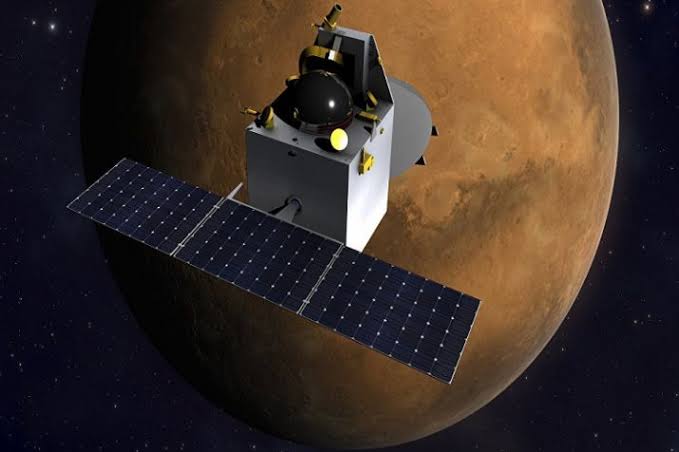
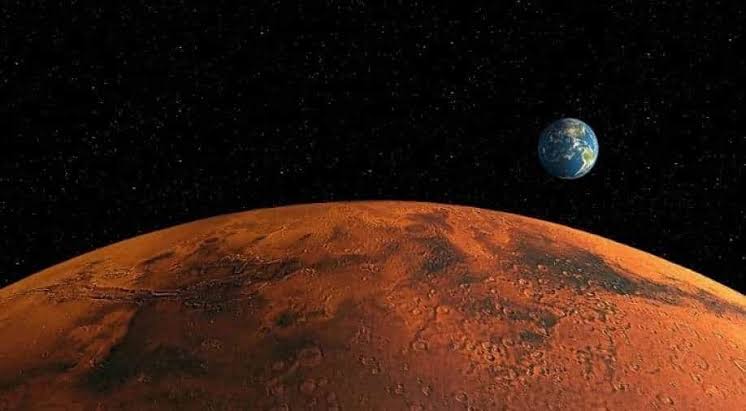
The Mars Orbiter Mission (MOM), also called Mangalyaan is a space probe orbiting Mars since 24 September 2014. It was launched on 5 November 2013 by the Indian Space Research Organisation (ISRO).It is India’s first interplanetary mission and it made it the fourth space agency to achieve Mars orbit, after Roscosmos, NASA, and the European Space Agency. It made India the first Asian nation to reach Martian orbit and the first nation in the world to do so on its maiden attempt.

Names
Mangalyaan
Mission type
Mars orbiter
Operator
ISRO
COSPAR ID
2013-060A
SATCAT no.
39370
Website
http://www.isro.gov.in/pslv-c25-mars-orbiter-mission
Mission duration
Planned: 6 months
Elapsed: 6 years, 9 months, 19 days

Start of mission

Start of mission
Launch date
5 November 2013, 09:08 UTC
Rocket
PSLV-XL C25
Launch site
Satish Dhawan FLP
Contractor
ISRO

Orbital Parameter

Apoareon altitude
76,993.6 km (47,841.6 mi)
Inclination
150.0°. pariareon altitude : 421.7km(262miles)

Timeline of Operations
Phase Date Event Detail Result References
Geocentric phase 5 November 2013 09:08 UTC Launch Burn time: 15:35 min in 5 stages Apogee: 23,550 km (14,630 mi)
6 November 2013 19:47 UTC Orbit raising manoeuvre Burn time: 416 sec Apogee: 28,825 km (17,911 mi)
7 November 2013 20:48 UTC Orbit raising manoeuvre Burn time: 570.6 sec Apogee: 40,186 km (24,970 mi)
8 November 2013 20:40 UTC Orbit raising manoeuvre Burn time: 707 sec Apogee: 71,636 km (44,513 mi)
10 November 2013 20:36 UTC Orbit raising manoeuvre Incomplete burn Apogee: 78,276 km (48,638 mi)
11 November 2013 23:33 UTC Orbit raising manoeuvre (supplementary) Burn time: 303.8 sec Apogee: 118,642 km (73,721 mi)
15 November 2013 19:57 UTC Orbit raising manoeuvre Burn time: 243.5 sec Apogee: 192,874 km (119,846 mi)
30 November 2013 19:19 UTC Trans-Mars injection Burn time: 1328.89 sec Heliocentric insertion
Heliocentric phase December 2013 – September 2014 En route to Mars – The probe travelled a distance of 780,000,000 kilometres (480,000,000 mi) in a Hohmann transfer orbit around the Sun to reach Mars. This phase plan included up to four trajectory corrections if needed.
11 December 2013 01:00 UTC 1st Trajectory correction Burn time: 40.5 sec Success
9 April 2014 2nd Trajectory correction (planned) Not required Rescheduled for 11 June 2014
11 June 2014 11:00 UTC 2nd Trajectory correction Burn time: 16 sec Success
August 2014 3rd Trajectory correction (planned) Not required
22 September 2014 3rd Trajectory correction Burn time: 4 sec Success
Areocentric phase 24 September 2014 Mars orbit insertion

Recognition

In 2014, China referred to India’s successful Mars Orbiter Mission as the “Pride of Asia”. The Mars Orbiter Mission team won US-based National Space Society’s 2015 Space Pioneer Award in the science and engineering category. NSS said the award was given as the Indian agency successfully executed a Mars mission in its first attempt; and the spacecraft is in an elliptical orbit with a high apoapsis where, with its high resolution camera, it is taking full-disk colour imagery of Mars. Very few full disk images have ever been taken in the past, mostly on approach to the planet, as most imaging is done looking straight down in mapping mode.

MISSION MARS BY INDIA

The Mars Orbiter Mission (MOM), also called Mangalyaan is a space probe orbiting Mars since 24 September 2014. It was launched on 5 November 2013 by the Indian Space Research Organisation (ISRO).It is India’s first interplanetary mission and it made it the fourth space agency to achieve Mars orbit, after Roscosmos, NASA, and the European Space Agency. It made India the first Asian nation to reach Martian orbit and the first nation in the world to do so on its maiden attempt.

Names
Mangalyaan
Mission type
Mars orbiter
Operator
ISRO
COSPAR ID
2013-060A
SATCAT no.
39370
Website
http://www.isro.gov.in/pslv-c25-mars-orbiter-mission
Mission duration
Planned: 6 months
Elapsed: 6 years, 9 months, 19 days

Start of mission

Start of mission
Launch date
5 November 2013, 09:08 UTC
Rocket
PSLV-XL C25
Launch site
Satish Dhawan FLP
Contractor
ISRO

Orbital Parameter

Apoareon altitude
76,993.6 km (47,841.6 mi)
Inclination
150.0°. pariareon altitude : 421.7km(262miles)

Timeline of Operations
Phase Date Event Detail Result References
Geocentric phase 5 November 2013 09:08 UTC Launch Burn time: 15:35 min in 5 stages Apogee: 23,550 km (14,630 mi)
6 November 2013 19:47 UTC Orbit raising manoeuvre Burn time: 416 sec Apogee: 28,825 km (17,911 mi)
7 November 2013 20:48 UTC Orbit raising manoeuvre Burn time: 570.6 sec Apogee: 40,186 km (24,970 mi)
8 November 2013 20:40 UTC Orbit raising manoeuvre Burn time: 707 sec Apogee: 71,636 km (44,513 mi)
10 November 2013 20:36 UTC Orbit raising manoeuvre Incomplete burn Apogee: 78,276 km (48,638 mi)
11 November 2013 23:33 UTC Orbit raising manoeuvre (supplementary) Burn time: 303.8 sec Apogee: 118,642 km (73,721 mi)
15 November 2013 19:57 UTC Orbit raising manoeuvre Burn time: 243.5 sec Apogee: 192,874 km (119,846 mi)
30 November 2013 19:19 UTC Trans-Mars injection Burn time: 1328.89 sec Heliocentric insertion
Heliocentric phase December 2013 – September 2014 En route to Mars – The probe travelled a distance of 780,000,000 kilometres (480,000,000 mi) in a Hohmann transfer orbit around the Sun to reach Mars. This phase plan included up to four trajectory corrections if needed.
11 December 2013 01:00 UTC 1st Trajectory correction Burn time: 40.5 sec Success
9 April 2014 2nd Trajectory correction (planned) Not required Rescheduled for 11 June 2014
11 June 2014 11:00 UTC 2nd Trajectory correction Burn time: 16 sec Success
August 2014 3rd Trajectory correction (planned) Not required
22 September 2014 3rd Trajectory correction Burn time: 4 sec Success
Areocentric phase 24 September 2014 Mars orbit insertion

Recognition

In 2014, China referred to India’s successful Mars Orbiter Mission as the “Pride of Asia”. The Mars Orbiter Mission team won US-based National Space Society’s 2015 Space Pioneer Award in the science and engineering category. NSS said the award was given as the Indian agency successfully executed a Mars mission in its first attempt; and the spacecraft is in an elliptical orbit with a high apoapsis where, with its high resolution camera, it is taking full-disk colour imagery of Mars. Very few full disk images have ever been taken in the past, mostly on approach to the planet, as most imaging is done looking straight down in mapping mode.

PATTACHITRA: AN INDEGENOUS FOLK AND TRIBAL ART OF ODISHA

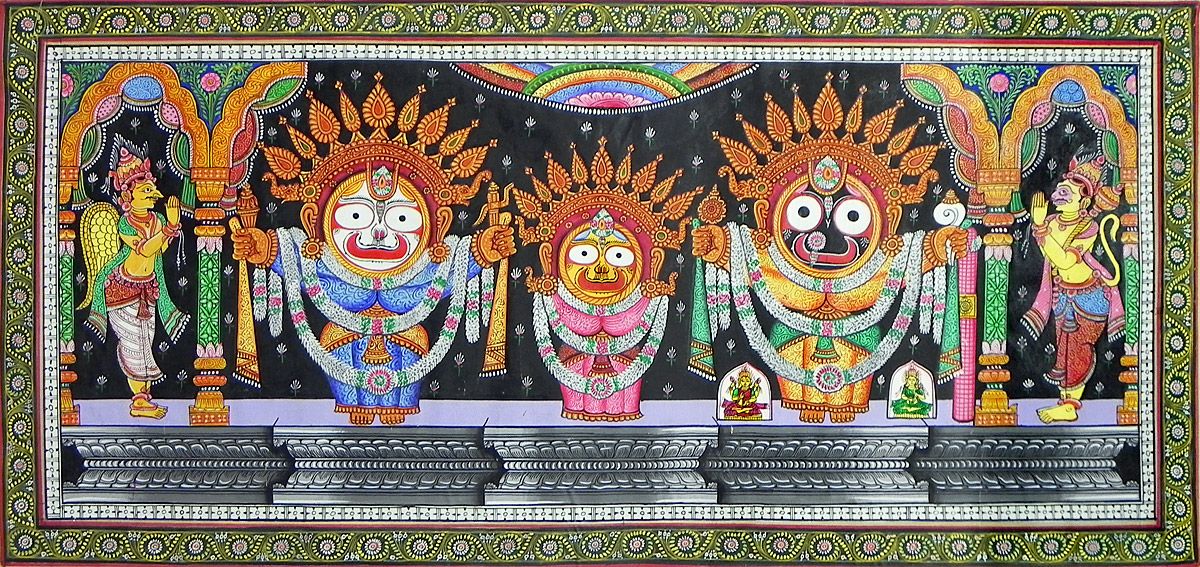
Pattachitra or Patachitra is the ancient traditional and indigenous cloth based painting technique of Odisha and is highly known for its intricate details. The word Pattachitra is derived from Sanskrit words, “Patta” meaning canvas and “Chitra” meaning painting or picture. Thus, Pattachitra is painting which is done on canvas and makes use of rich colors, creative motifs and designs for mythological narratives and folktales.

Pattachitra is a traditional and popular art forms of Odisha, India and is inspired by Jagannath and Vaishava. The specialty of the painting is that, it uses colors that are natural and are fully made by Chitraakaras or Odiya Painter. The tradition of Pattachitra painting is more than thousand years old and is still practiced in the state.

HISTORY OF THE ART FORM

The arts inscribed in “Pattachitra” resemble the ancient murals of Odisha and Lord Jagannath is taken as the source of the art form. The artform mainly shows the religious centers of Puri, Konark and Bhubaneswar region and the best works of the artform are found in and around Puri and especially in village of Raghurajpur. Other such regions were the artform is still being practiced in Paralakhemundi, Chikiti and Sonepur. The color schemes used in the artform are similar to the color schemes of deities of Puri. The wooden statues of the three deities of Puri are covered with cloth and are painted with the four limited colors of red, yellow, white and black. These deities also have their traditional art and painting which shows their life events and different tales and these are as old as the deities themselves.

Some of the popular tales or themes that are depicted in this art form are “Thia Badhia: A Depiction fo temple of Jagannath”, “Krishna Lila: Enactment of Jagannath as Lord Krishna and his powers displayed during his childhood”, “Panchamukhi: Depiction of Lord Ganesh as a five headed deity” etc. These themes are the soul of the art form and are the true reason behind the existence of this artform. The artform requires unbending concentration and careful craftmanship and it takes nearly five days of work for completing the art and it may take long or shorter period onnthe basis of the complexity of work and labour required.

Pattachitra showing Krishna Lila
Pattachitra showing Thia Badhia
Pattachitra showing Panchamukhi

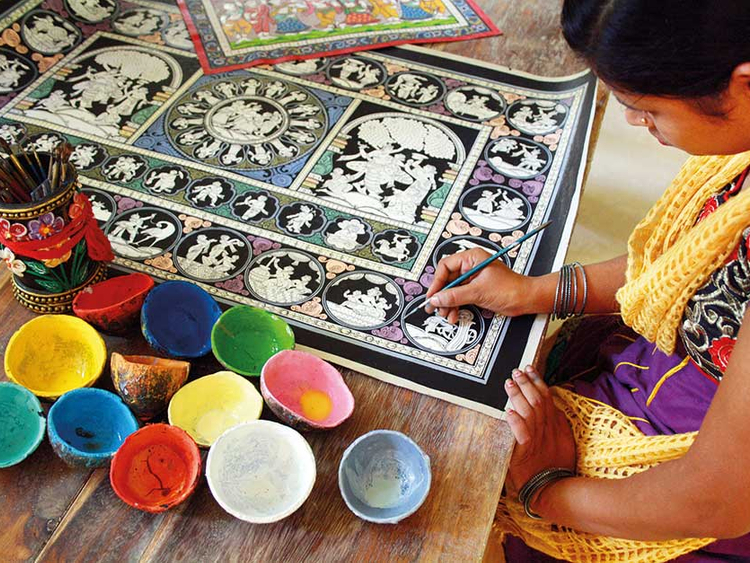
THE MAKING OF PATTACHITRA

Making of Pattachitra

While making Pattachitra following steps are followed:

  1. Making the Patta : Done with the help of tamarind paste and my soaking tamarind seeds in water for three days and then are crushed to make paste which is called Niryas Kalpa.
  2. Holding the two pieces of cloth together with the tamarind paste and coating a powder of soft clay to make it firm.
  3. After the cloth becomes dry, it is polished with rough stone followed by wood or smooth stone until the surface becomes smooth and leathery.
  4. The canvas is ready for being painted.
  5. Preparing the paste using naturally available raw materials to being about indigenous paints. This is the most important step in preparation of Pattachitra.
  6. The root of Keya plant is the most common ingredient used for making the brush and then the cloth is painted.

WHAT MAKES PATTACHITRA SPECIAL ?

Pattachitra Wood Necklace

Pattachitra painting is a disciplined art form and the makers always stick to the use of natural products only for making Pattachitras. They have certain rules the follow and abide by while making an artform and end up creating remarkable paintings that depict emotions, tales, history, culture etc. and the Chitrakars try their best to being the most accurate expression through the use of the rich colorful motifs.

Pattachitra has came a long way and has gone through large number of transitions and the chitrakaras have painted on tussar silk and even on palm leaves. Wall hangings and showpieces are also being created. And all this is done by strictly following the rules and these have remained intact throughout generations.

Pattachitra Wall Hanging

PATTACHITRA: AN INDEGENOUS FOLK AND TRIBAL ART OF ODISHA

Pattachitra or Patachitra is the ancient traditional and indigenous cloth based painting technique of Odisha and is highly known for its intricate details. The word Pattachitra is derived from Sanskrit words, “Patta” meaning canvas and “Chitra” meaning painting or picture. Thus, Pattachitra is painting which is done on canvas and makes use of rich colors, creative motifs and designs for mythological narratives and folktales.

Pattachitra is a traditional and popular art forms of Odisha, India and is inspired by Jagannath and Vaishava. The specialty of the painting is that, it uses colors that are natural and are fully made by Chitraakaras or Odiya Painter. The tradition of Pattachitra painting is more than thousand years old and is still practiced in the state.

HISTORY OF THE ART FORM

The arts inscribed in “Pattachitra” resemble the ancient murals of Odisha and Lord Jagannath is taken as the source of the art form. The artform mainly shows the religious centers of Puri, Konark and Bhubaneswar region and the best works of the artform are found in and around Puri and especially in village of Raghurajpur. Other such regions were the artform is still being practiced in Paralakhemundi, Chikiti and Sonepur. The color schemes used in the artform are similar to the color schemes of deities of Puri. The wooden statues of the three deities of Puri are covered with cloth and are painted with the four limited colors of red, yellow, white and black. These deities also have their traditional art and painting which shows their life events and different tales and these are as old as the deities themselves.

Some of the popular tales or themes that are depicted in this art form are “Thia Badhia: A Depiction fo temple of Jagannath”, “Krishna Lila: Enactment of Jagannath as Lord Krishna and his powers displayed during his childhood”, “Panchamukhi: Depiction of Lord Ganesh as a five headed deity” etc. These themes are the soul of the art form and are the true reason behind the existence of this artform. The artform requires unbending concentration and careful craftmanship and it takes nearly five days of work for completing the art and it may take long or shorter period onnthe basis of the complexity of work and labour required.

Pattachitra showing Krishna Lila
Pattachitra showing Thia Badhia
Pattachitra showing Panchamukhi

THE MAKING OF PATTACHITRA

Making of Pattachitra

While making Pattachitra following steps are followed:

  1. Making the Patta : Done with the help of tamarind paste and my soaking tamarind seeds in water for three days and then are crushed to make paste which is called Niryas Kalpa.
  2. Holding the two pieces of cloth together with the tamarind paste and coating a powder of soft clay to make it firm.
  3. After the cloth becomes dry, it is polished with rough stone followed by wood or smooth stone until the surface becomes smooth and leathery.
  4. The canvas is ready for being painted.
  5. Preparing the paste using naturally available raw materials to being about indigenous paints. This is the most important step in preparation of Pattachitra.
  6. The root of Keya plant is the most common ingredient used for making the brush and then the cloth is painted.

WHAT MAKES PATTACHITRA SPECIAL ?

Pattachitra Wood Necklace

Pattachitra painting is a disciplined art form and the makers always stick to the use of natural products only for making Pattachitras. They have certain rules the follow and abide by while making an artform and end up creating remarkable paintings that depict emotions, tales, history, culture etc. and the Chitrakars try their best to being the most accurate expression through the use of the rich colorful motifs.

Pattachitra has came a long way and has gone through large number of transitions and the chitrakaras have painted on tussar silk and even on palm leaves. Wall hangings and showpieces are also being created. And all this is done by strictly following the rules and these have remained intact throughout generations.

Pattachitra Wall Hanging

Status of women in household and education.

Women in region of India

India- the place of love, worship, harmony, diversity and unity. Indian religious book said we have to respect everyone as gender, colour and race. In this article we are going to know the women in different regions of India. Women are considered as the supreme in our dharma. They are provider, preserver,  destroyer and creator. 

In India we have four major regions- 

South

North 

East

West 

And the other we divided our four regions into urban and rural areas. The condition of women crossing over in the nation is different from one to another. Somewhere patrichay is following (north of India)  and another part of India is following matrichay (south of India).  

We are going to talk here about the status of women in different region on the behalf of
Household

Education

a). Household

Household chores considered the woman’s responsibility to do. We all hear many times that she is a girl and must know how to do household chores.

 In the north region of India, the urban area household is considered the primary job of the woman. The woman should be well educated but pursuing her career or not would be decided by her in-laws. Care taking of their children and family must be their prime concern whereas in Rural areas women have to work in the field too (uttar pradesh, haryana, punjab, himachal pradesh, uttrakhand). They need to work at home and also must be provided financial support to their families. The point should be noted that the household chores responsibility is reliant on women in urban as well as rural areas of the north region of India. But in rural areas women have to give financial support to their family.

In the south region of India, the condition of women is a little better than other regions. They have to work at home of their choice. The major importance is given to their education and career. 

In the west region of India (rajasthan, gujrat, maharashtra) women not only have to work at home they have to maintain the ritual prosperity of their house. In urban Women work at home and join the other functions of society whereas in rural areas women responsibilities increase. They have to carry the drinking water for their family.

In the east region of India most of the communities are tribal. The women have to do all the household chores. They work in the field. 

In every region of India or I must say world the household responsibility always relies on the woman’s shoulder. 

b). Education

Education is the one of the most important aspects which can help women to stop their oppression in society. Education brings the knowledge that enlightens the inner strength of an individual person. 

In the north region of India women get a chance to get qualified graduation in rural areas. The main purpose of educating the girls in urban areas is to get them married to a high profile family Whereas in rural areas women only passed with higher secondary education. Most of them young girls drop out from the school after the 8th class. The reason behind could be unavailability of resources and lack of reach education to them. 

In the south of India women are highly educated. They get a chance to pursue their career. In rural areas as well as urban areas, women get equal chances to study. Even the region has the highest literacy rate in India.

In the east region of India the literacy rate of females is 70.3%. Women in urban areas are qualified with degrees and work out of the region whereas in rural areas women are literate; they can write, read and do arithmetic . 

In the west region of India women are educated in urban areas and mostly work in high ranking offices. But they have to study in their states. In rural areas women get a chance to study. Most of the time the young girls have to drop out from the school for their early marriage.

In this article we discussed the status of household and education of women in different regions of India.

Status of women in household and education.

Women in region of India

India- the place of love, worship, harmony, diversity and unity. Indian religious book said we have to respect everyone as gender, colour and race. In this article we are going to know the women in different regions of India. Women are considered as the supreme in our dharma. They are provider, preserver,  destroyer and creator. 

In India we have four major regions- 

South

North 

East

West 

And the other we divided our four regions into urban and rural areas. The condition of women crossing over in the nation is different from one to another. Somewhere patrichay is following (north of India)  and another part of India is following matrichay (south of India).  

We are going to talk here about the status of women in different region on the behalf of
Household

Education

a). Household

Household chores considered the woman’s responsibility to do. We all hear many times that she is a girl and must know how to do household chores.

 In the north region of India, the urban area household is considered the primary job of the woman. The woman should be well educated but pursuing her career or not would be decided by her in-laws. Care taking of their children and family must be their prime concern whereas in Rural areas women have to work in the field too (uttar pradesh, haryana, punjab, himachal pradesh, uttrakhand). They need to work at home and also must be provided financial support to their families. The point should be noted that the household chores responsibility is reliant on women in urban as well as rural areas of the north region of India. But in rural areas women have to give financial support to their family.

In the south region of India, the condition of women is a little better than other regions. They have to work at home of their choice. The major importance is given to their education and career. 

In the west region of India (rajasthan, gujrat, maharashtra) women not only have to work at home they have to maintain the ritual prosperity of their house. In urban Women work at home and join the other functions of society whereas in rural areas women responsibilities increase. They have to carry the drinking water for their family.

In the east region of India most of the communities are tribal. The women have to do all the household chores. They work in the field. 

In every region of India or I must say world the household responsibility always relies on the woman’s shoulder. 

b). Education

Education is the one of the most important aspects which can help women to stop their oppression in society. Education brings the knowledge that enlightens the inner strength of an individual person. 

In the north region of India women get a chance to get qualified graduation in rural areas. The main purpose of educating the girls in urban areas is to get them married to a high profile family Whereas in rural areas women only passed with higher secondary education. Most of them young girls drop out from the school after the 8th class. The reason behind could be unavailability of resources and lack of reach education to them. 

In the south of India women are highly educated. They get a chance to pursue their career. In rural areas as well as urban areas, women get equal chances to study. Even the region has the highest literacy rate in India.

In the east region of India the literacy rate of females is 70.3%. Women in urban areas are qualified with degrees and work out of the region whereas in rural areas women are literate; they can write, read and do arithmetic . 

In the west region of India women are educated in urban areas and mostly work in high ranking offices. But they have to study in their states. In rural areas women get a chance to study. Most of the time the young girls have to drop out from the school for their early marriage.

In this article we discussed the status of household and education of women in different regions of India.

TOP 6 BEST ALTERNATIVES OF JUSTDUBS

OVERVIEW :-

JustDubs is one of the pioneer online anime streaming website. The website is enriched with a huge variety of anime content. JustDubs mainly focuses on providing English dubbed anime content so that majority of the world’s population can enjoy their favorite anime content without any difficulty. The anime content available on the website is free of cost and the user interface is also excellent.
But the thing is that even after gaining so much popularity it is not available for many users to get access to it. The reason for this is quite simple that it is a pirated site and provides all its content without copyright and in illegal manner. Hence in many countries authorities have taken actions against it and is banned in many countries.
But there is nothing to worry about. There are many other alternatives available so that anime lovers do not have to suffer.

BEST ALTERNATIVES OF JUSTDUBS :-

  • KissAnime – KissAnime has always remained a tough competitor of JustDubs in terms of providing best quality content to the users at free of cost. It has a large number of users which regularly visit the site to enjoy all the latest anime series and movies. Thus it is a brilliant website with some excellent features and a great alternative to watch out for.
  • AnimeUltima – AnimeUltima is the next one to make it into this list of best alternatives. The content available on it is well organized. Anime series and movies from various genres like action, sci-fi, adventure, etc. is easily available in it. The website is ads-free and content is in high quality. The dubbed version of anime series in English is also available. It has a forum of its own where users can discuss their views on the favorite episodes.
  • AnimeHeros – As the name suggests, AnimeHeros is the real hero of this field for the anime lovers when it comes to providing quality, latest and free content to the users. Filters option on the basis of genre and popularity is also available. One more interesting feature is that it also gives short description of the characters that are present in the particular anime series. “Free Anime Games” section is also provided for the anime games lovers.
  • AnimeHeaven – AnimeHeaven is one of the best free to stream anime website for the anime lovers. The anime content is well organized to save the valuable time of the users. Dubbed and non-dubbed versions both are available for the users. The site works smoothly on laptops and PCs but mobile phones is not much compatible with it.
  • YouTube – YouTube is preferably the most popular website in this list. In this technology-driven world who does not know about YouTube. A simple user-friendly interface and free content availability attracts millions and millions of people everyday on YouTube. When it comes to providing latest quality anime content, YouTube lags behind other websites and the reason for it is legal copyright issues. Everybody knows that YouTube provides only legal information in it and therefore all the unauthorized and illegal content is removed from YouTube. However still a large collection of anime series, movies and cartoons are available on it for the users to enjoy. For data saving purpose YouTube is one of the best aa users can adjust video quality by themselves.
  • Netflix – Netflix is probably one of the most deserving contender in this list. Netflix is a name that has received so much fame and popularity among the users in a very less time. The credit for this popularity goes to one of the best quality user interface and the availability of latest anime content as soon as they are released.However one should keep it in mind that they have to buy a subscription for using Netflix. The subscription amount varies as per the number of months for which the subscription is bought. As everyone knows that Netflix does not provide pirated and illegal content and buys copyrights from the companies so providing free anime content is not possible. However once you buy the subscription and visit the website you will not find yourself guilty as there is enormous content available for your enjoyment.

THE FINAL WORDS –
These are some of the handpicked alternative websites of JustDubs for you to choose from whenever you find any trouble in finding your favorite anime content. Just remember to take necessary steps like connecting to a VPN to safeguard your privacy from being hampered by some of the notorious people and installing an Antivirus to safeguard your operating system from harmful bugs.

Links :-

https://www.bestsevenreviews.com/howto/similar/justdubsanime