The spreading out and mixing of a substance with another substance due to motion of its particles is called diffusion It is based on motion of its particles and is fastest in gases and slowest in solids. The rate of diffusion increases on increasing temp. (kinetic energy increases giving faster motion to particles). Light gases diffuses faster than heavier ones. Egs- smell of food reaches us even at considerable distances, smell of perfume is spread all over the room, spreading of ink in water on its own when put undisturbed for sometime, dissolving of oxgen and co2 in water for survival of aquatic plants and animals, disappearance of chalk from blackboard when leave uncleaned for 15 days.
The common unit of measuring temperature is degree celsius and the SI unit of measuring temperature is Kelvin 0 degree = 273 kelvin / kelvin scale temp. = celsius scale temp. + 273 melting point of ice = 0 degree /273k and boiling point of water is 100 degrees/ 373k.
Change of state from one form to other can be done by- 1.Changing the temperature 2.Changing the pressure. Effect of change in temperature : The process of changing solid to liquid by heating is called melting/ fusion. The temp. at which this happen at atmospheric pressure is called melting point of that substance. This happens due to weakening of attraction forces due to high kinetic energy in particles.
The process in which a liquid substances changes into gas rapidly on heating is called boiling. The temp. at which this takes place at atm pressure is called its boiling point. The process of changing a gas to a liquid by cooling is called condensation. This happens as gas looses its kinetic energy and particles come closer. When liquid changes to solid by cooling it is called freezing.
LATENT HEAT OF FUSION: The latent heat of fusion of a solid is quantity of heat in joules required to convert 1kg of solid to liquid without any change in temperature. It is 3.34*10^5 joules per kg. Heat energy is used up in changing the state by overcoming the force of attraction between the particles so the temp. remain the same even after supply of energy, further heating increases the kinetic energy rising temp. Ice at o degree is more effective in cooling than water at same temp. as for melting each kg of ice takes latent heat from substance whereas water do not have any such latent heat. When solid melts it absorbs heat from liquid also when liquid freeze to form a solid an equal amount of heat is given out.
Latent heat of vaporization: It is the quantity of heat in joules required to convert 1 kg of liquid to vapors/gas without change in temp. The temp. don’t rises due to overcoming force of attraction. When water changes to steam it absorbs latent heat, when steam condenses to form water an equal amount of latent heat is given out therefore burns caused by steam is much severe than boiling water as steam contains more heat than water.
Sublimation- the changing of solid directly into vapors on heating and gas on solid by cooling; substances = ammonium chloride, iodine, camphor, naphthalene ,etc. solid co2(dry ice) sublimes to form liquid co2.
Effect of change of pressure- Gases can be liquefied by applying pressure and lowering temp. Dry ice is extremely cold substance it is used as deep freeze to keep food and ice cream cold. Solid co2 changes to Gas by decrease in pressure and higher atmospheric temp. So it is always kept under high pressure.
Pangong Lake also known as Pangong Tso is a beautiful endorheic lake situated in the Himalayas and is 134 km long, extending from India to China. Pangong Lake is situated at a height of 4350 m and is one of the biggest tourist attractions of the country. The beauty and allure of this lake has attracted people from all over the country and beyond. The lake is said to be in the process of being identified as a wetland with international significance under the Ramsar Convention and if everything goes as expected then the Pangong Lake will be the first in South Asia to be a trans-boundary wetland and that too under this convention.
The one factor that makes this Lake so popular is the fact that it keeps changing colors. Situated in the Himalayan range it is approximately 140 km from Leh in Jammu and Kashmir. The name of the lake Pangong was got from a Tibetan word Banggong Co that means a narrow and enchanted lake. And now you know that the lake has got its name rightfully. You will know this when you visit the beautiful lake of Pangong. You are sure to be enchanted by the charm. And because the lake is a long stretch, one third area of the lake lies within our country and the other two third portion lies with Tibet and is controlled by China.
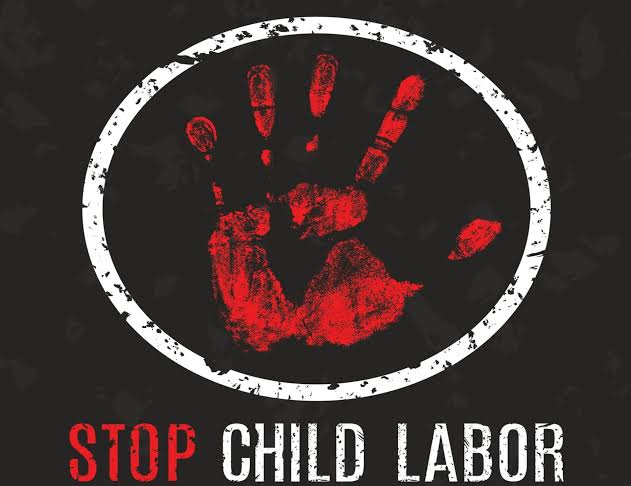
India is a democratic country and a welfare State and it’s children have no security and safety. The sons and daughters of the millions of Indians living under the poverty line in the age group of 5 and 14 are forced to spend a very miserable existence. There is no social security for them as their parents cannot afford to send them to schools. They are subject to various types of exploitations and abuses.
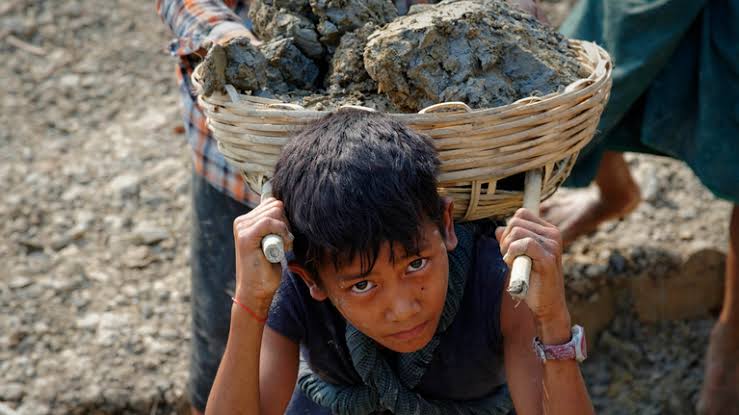
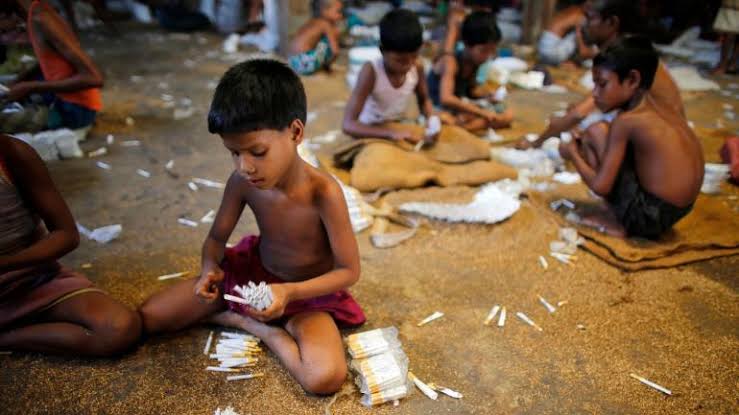
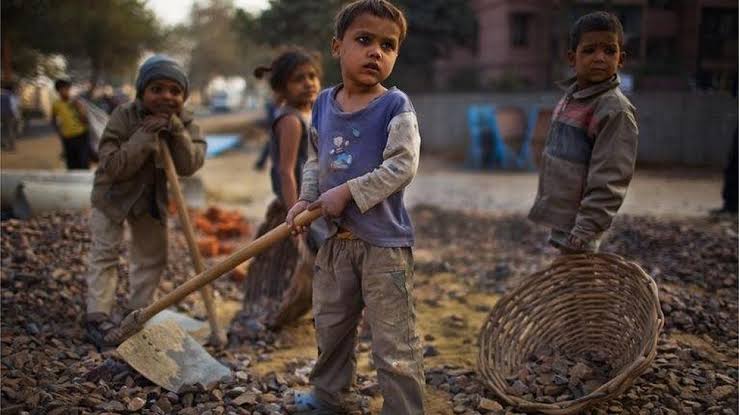
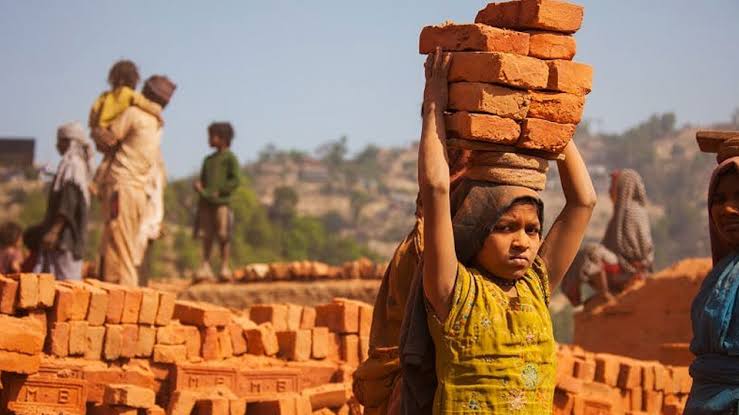
There are estimated to be over 11 million child workers. They are forced to labour hard and for long hours in mills, factories, fields, farms and houses as domestic servants. They have to work in very trying, unhealthy and sometimes dangerous conditions. They belong to the age group of 5 and 14 years and hardly know what is childhood and boyhood and its fun and enjoyments.
These children, who have only one childhood, are obliged to work as labourers in match, knit-wear, silk, carpet, sports goods, construction, fireworks, bangles and such other labour intensive industries. They are also engaged as bidi-rollers, brick kiln workers, shop servants and domestic helps against their wishes and abilities. The figure of 11 million child workers is far too low than the actual number of child labours because the Child Labour Act covers only the 15 percent of the employed children and the rest comprising 85 percent working in unorganised sector have been ignored. There is utter lack of social awareness and accountability in the matter. The children of the weaker sections of the society are being exploited openly and blatantly. There is no effective forum to voice their grievance and protect them against this wide spread exploitation.
The international code of conduct on minimum labour standards is not being implemented in our country. Actually every person under 18 years of age unless, under the law applicable to the child, majority is attained earlier, is a child. According to the Convention of Rights of the Child of 1990, every child has the right to an adequate standard of living and social security. He or she has the right to education. They have the right of protection against any kind of exploitation. They are entitled to protection from involvement in illicit production, trafficking and use of narcotic drugs, protection from sexual exploitation and abuse. But these rights are on papers and the reality is very shocking. They have no opportunity of going to school and develop their skills and abilities. Half the total population of children in India is estimated to be out of schools. Without provision of compulsory, free and universal elementary education, the evil of child labour in India cannot be checked and eradicated. The emancipatory value of education, specially primary education, is very significant.
Social groups, voluntary organisations, reform societies and parents should create public awareness against child labour and make the masses demand free, universal, primary education. Right to education on the elementary level should be one of the fundamental rights. The percentage of allocation on primary education is very low in India. The aim of providing education to all the children is not an easy one. It requires most sincere and concentrated efforts on the part of all concerned. The country cannot afford to neglect it any longer.
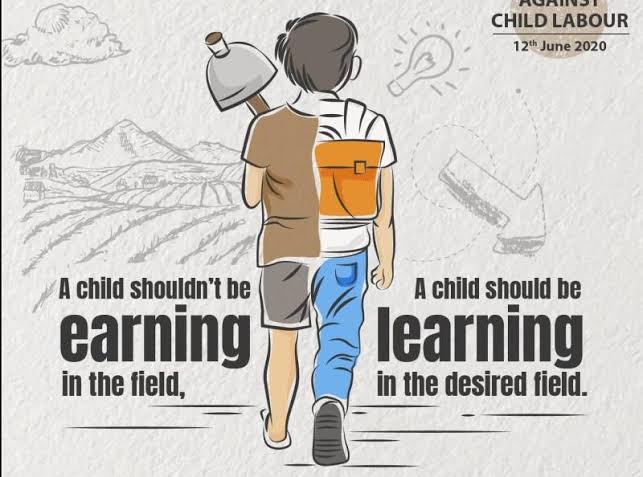
The problem of child labour is directly linked with the problem of literacy and poverty alleviation. The poor parents cannot afford to let their children not to work. Unless there is significant improvement in the quality of life and living standards, the eradication of child labour will remain a pipe dream. Children should be respected, their rights restored and their voices heard. They should be rescued from all types of labour and exploitation. Boycott of goods produced with child labour can be one of the effective weapons of fight against child labour. Apart from the government, individuals, organisations, companies and business firms should come forward and adopt poor children and see that those children are given education in a healthy and conducive environment. To stop dropouts, there can be financial and other incentives to children as well as to parents.
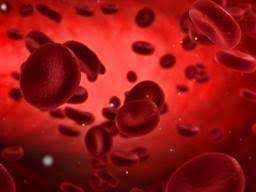
Blood is the main circulatory medium in the human body. It is a red coloured fluid connective tissue.
Components of Blood
The blood consists of two main components. The fluid plasma and the formed elements (blood cells) which are found suspended in the plasma.
Plasma
It is slightly alkaline, containing non-cellular substance which constitutes about 55% of the blood. Organic substances like proteins, glucose, urea, enzymes, hormones, vitamins and minerals are present in the plasma.
Formed Elements of Blood
Blood corpuscles are of three types ✓Red blood corpuscles (RBC) or Erythrocytes. ✓White blood corpuscles (WBC) or Leucocytes. ✓Blood platelets or Thrombocytes.
Red blood corpuscles (Erythrocytes)
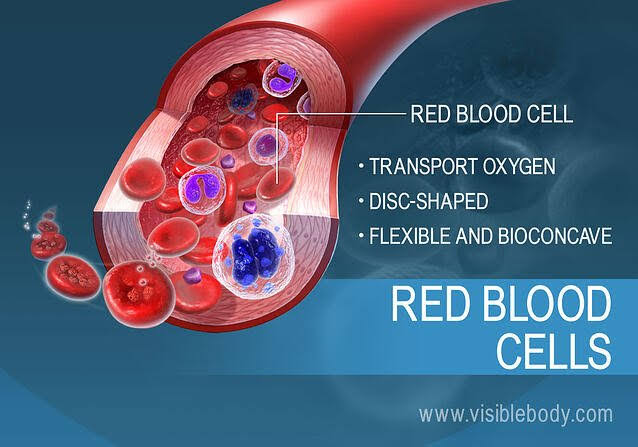
They are the most abundant cells in the human body. RBCs are formed in the bone marrow. The RBCs impart red colour to the blood due to presence of respiratory pigment haemoglobin. Matured mammalian RBCs do not have cell organelles and nucleus. They are biconcave and disc-shaped. Their life span is about 120 days. RBC is involved in the transport of oxygen from lungs to tissues.
White blood corpuscles (Leucocytes)
WBC’s are colourless. They do not have haemoglobin and are nucleated cells. It is found in the bone marrow, spleen, thymus and lymph nodes. They are capable of amoeboid movement.
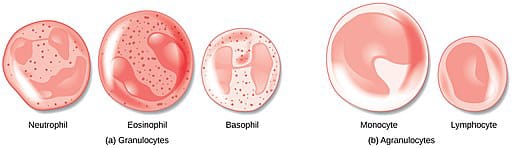
The white blood corpuscles can be grouped into two categories: ✓Granulocytes ✓Agranulocytes
Granulocytes
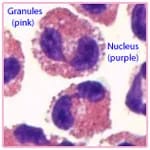
They contain granules in their cytoplasm. Their nucleus is irregular or lobed. The granulocytes are of three types ✓Neutrophils ✓Eosinophils ✓Basophils
Neutrophils
They are large in size and have a 2-7 lobed nucleus. These corpuscles form 60% – 65% of the total leucocytes. Their numbers are increased during infection and inflammation.
Eosinophils
It has a bilobed nucleus and constitute 2% – 3% of the total leucocytes. Their number increases during conditions of allergy and parasitic infections. It brings about detoxification of toxins.
Basophils
Basophils have lobed nucleus. They form 0.5-1.0% of the total leucocytes. They release chemicals during the process of inflammation.
Agranulocytes
Granules are not found in the cytoplasm of these cells. The agranulocytes are of two types: ✓Lymphocytes ✓Monocytes
Lymphocytes
These are about 20-25% of the total leucocytes. They produce antibodies during bacterial and viral infections.
Monocytes
They are the largest of the leucocytes and are amoeboid in shape. These cells form 5 – 6% of the total leucocytes. They are phagocytic and can engulf bacteria.
Blood Platelets or Thrombocytes
These are small and colourless. They do not have nucleus. There are about 2,50,000 – 4,00,000 platelets / cubic mm of blood. Life span of platelets is 8-10 days. They play an important role in clotting of blood. Platelets form clot at the site of injury and prevent blood loss.
Functions of blood
✓Transport of respiratory gases ( Oxygen and CO2). ✓Transport of digested food materials to the different body cells. ✓Transport of hormones. ✓Transport of nitrogenous excretory products like ammonia, urea and uric acid. ✓It is involved in protection of the body and defense against diseases. ✓It acts as buffer and also helps in regulation of pH and body temperature. ✓It maintains proper water balance in the body.
RTGS stands for Real Time Gross Settlement, which can be defined as the continuous (Real Time) settlement of funds individually or by order. Real Time means the processing of instructions at the time they are received rather than at some later time. “Gross Settlement” means the settlement of fund transfer instruction occurs individually.
RTGS system is generally meant for large value transactions as the minimum amount to be transfer through RTGS is Rs. 2,00,000. The maximum limit vary from bank to bank as there is no maximum limit specified by Reserve Bank Of India.
NEFT
NEFT stands for National Electronic Fund Transfer. NEFT is maintained by RBI and was started in November 2005. It is a national wide payment facility under which an individual can electronically transfer funds from any bank branch to any individual having an account with any other bank branch in the country. There is no minimum limit that can be transferred using NEFT. It is done through electronic means and can be availed through online banking or through ATM’s in some banks.
Advantages of NEFT
• The sender need not send the physical cheque or Demand Draft to the Beneficiary.
• The Beneficiary need not visit his his/her bank for depositing the paper instrument.
• Credit confirmation is send by message or E-mail
•A customer can use this facility from his home place by using the internet.
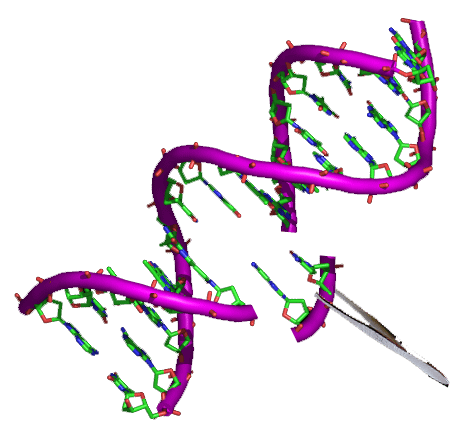
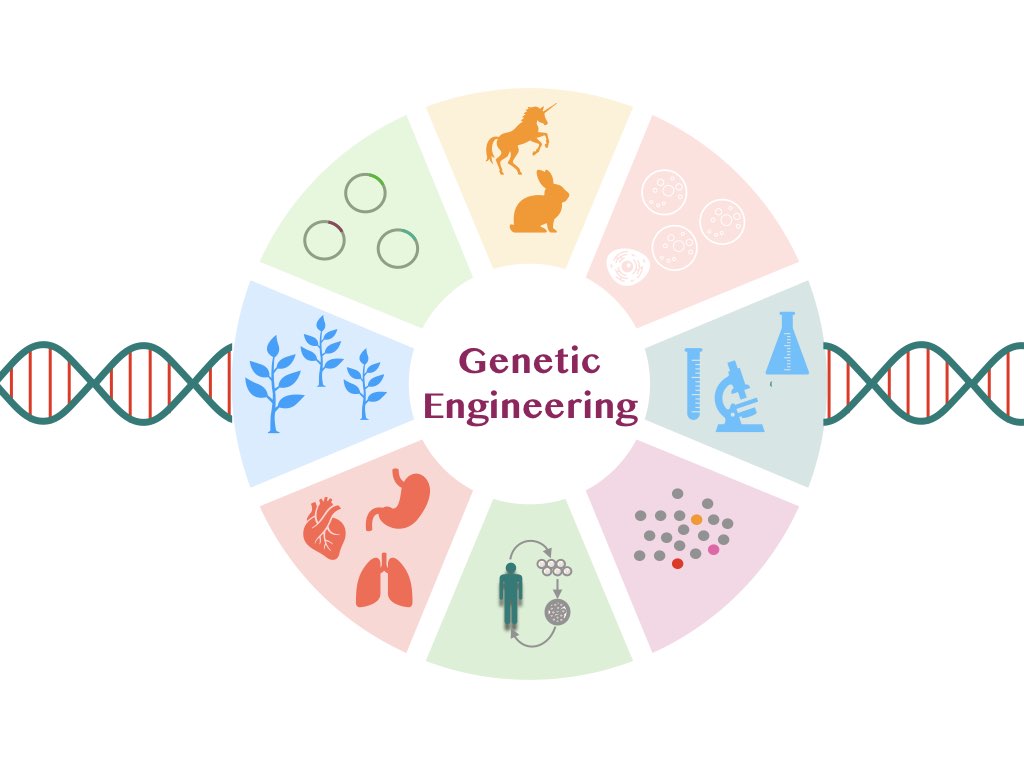
Genetic engineering also known as genetic modification is the direct manipulation of DNA to modify an organism’s traits mainly observable physical properties in a specific way. Scientists utilize it to improve or change the features of an individual organism. It may be used to treat anything from a virus to a sheep. For example, genetic engineering can be utilized to create plants with better nutritional value or that can withstand pesticide treatment. It has also been used in animals to create sheep which would generate a therapeutic protein in their milk that can be used to cure cystic fibrosis, as well as worms that glow in the dark to help scientists understand more about illnesses like Alzheimer’s.
Firstly, if we look at the history, it was created to aid in the prevention of disease transmission. With the advent of genetic engineering, scientists may now alter the way genomes are built to eliminate illnesses caused by genetic mutation. today, genetic engineering is utilized to treat diseases including cystic fibrosis, diabetes, and a variety of others.
Genetic engineering also helps in detecting the problems even before the child is born which in turns help in curing the illness and diseases in unborn children. Humans aren’t the only ones that benefit from genetic modification. We can use genetic engineering to create foods that can endure extreme temperatures such as very hot or very cold while also providing all of the nutrients that people and animals require to thrive. Animals and plants can have their development rates genetically altered to mature more quickly. In order to improve productivity od diary or meat or even wool, animals can potentially be genetically changed.
However, with advantages comes disadvantages as well. Thus, Allowing scientists to tear down boundaries that should maybe be left alone has a lot of drawbacks.
Many religions, after all, think that genetic engineering is equivalent to playing God, and ban it from being used on their children, for example. Aside from religious issues, there are a variety of ethical concerns such as longer life expectancy is already generating societal difficulties throughout the world, so intentionally extending everyone’s life on Earth might lead to much more problems into the future, ones that we can’t possibly anticipate. Genetic engineering can also lead to genetic defects which scientists really can’t foresee because human body is a complex structure.
Furthermore, Genetic engineering aids in the resolution of a problem by introducing genes to the organism that will assist it in combating the issue. This can have unfavourable consequences. A plant, for example, may be engineered to require less water, but this would make it intolerant of direct sunshine. Also, nature being a complicated web of interconnections, many side effects can be caused as a consequence of using genetically modified genes.
Therefore, In a world where genetic engineering is advancing at a breakneck pace, the dangers of going too far with it are a constant source of concern because no one can’t really anticipate what consequence will it create and where it will lead us. Changing creatures’ DNA has definitely raised a few heads. It could work wonderfully, but who knows whether interacting with nature is truly safe. As a result, it appears that genetic engineering is both a mixed blessing, as we stand to gain as well as lose by furthering this field of study.
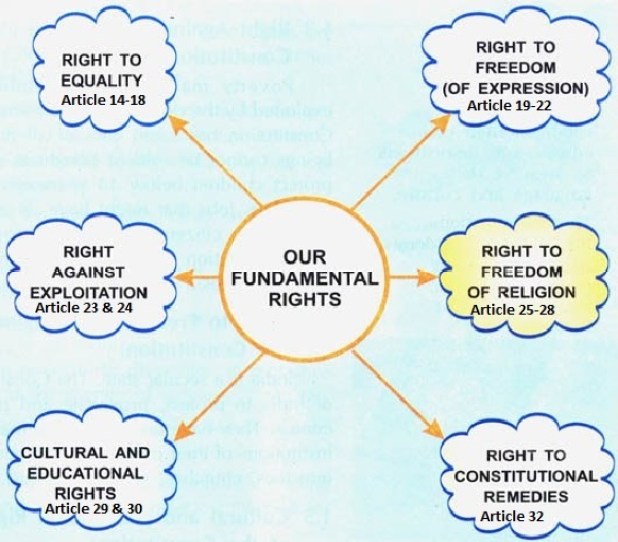
The Fundamental Rights are enshrined in Part ||| of the Constitution from Articles 12 to 35 At present, there are six Fundamental Rights.
🌟 Right to Equality :
🔹 Art.14 – Equality before law 🔹 Art.15 – Prohibition of discrimination on grounds of religion,race,caste,sex or place of birth. 🔹 Art.16 – Equality of opportunity in matters of public employment. 🔹 Art.17 – Abolition of Untouchability. 🔹 Art.18 – Abolition of titles except military and academic.
🌟 Right to Freedom :
🔹 Art.19 – Freedom of speech and expression, assembly, association, movement, residence and profession. 🔹 Art.20 – Production in respect of conviction for offences. 🔹 Art.21 – Production of life and personal liberty. 🔹 Art.21A – Right to elementary education. 🔹Art.22 – Protection against arrest and detention in certain cases.
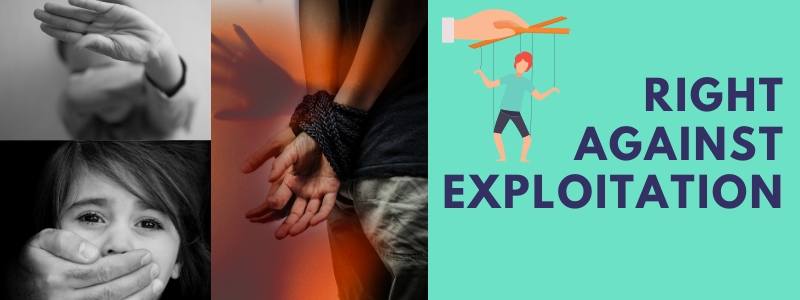
🌟 Right Against Exploitation :
🔹 Art.23 – Prohibition of traffic in human beings and forced labour. 🔹 Art.24 – Prohibition of employment of children in factories, etc.
🌟 Right to Religion :
🔹 Art.25 – Freedom of conscience and free profession,practice and propagation of religion. 🔹 Art.26 – Freedom to manage religious affairs. 🔹 Art.27 – Freedom from payment of taxes for promotion of any religion. 🔹 Art.28 – Freedom from attending religious instruction or worship in certain educational institutions.
🌟 cultural & Education Rights :
🔹 Art.29 – Protection of language, script and culture of minorities. 🔹 Art.30 – Right of minorities to establish and administer educational institutions.
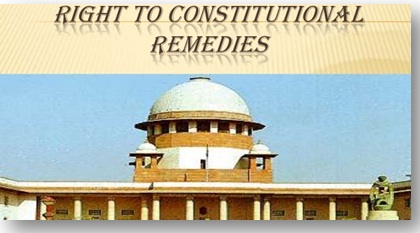
🌟 Right to constitutional remedies :
🔹 Art.32 – It allows individuals to seek redressal for the violation of their Fundamental Rights.
Cyber security refers to the body of technologies, processes, and practices designed to protect networks, devices, programs, and data from attack, damage, or unauthorized access. Cyber security may also be referred to as information technology security.
Cyber security might not seem like trending technology, given that it has been around for a while, but it is evolving just as other technologies are. That’s in part because threats are constantly new. The malevolent hackers who are trying to illegally access data are not going to give up any time soon, and they will continue to find ways to get through even the toughest security measures. It’s also in part because new technology is being adapted to enhance security. As long as we have hackers, cybersecurity will remain a trending technology because it will constantly evolve to defend against those hackers.
As proof of the strong need for cybersecurity professionals, the number of cybersecurity jobs is growing three times faster than other tech jobs. Also, the need for proper cybersecurity is so high that by 2021, $6 trillion will be spent globally on cybersecurity.
You must note that however challenging the field is it also offers lucrative six-figure incomes, and roles can range from
Ethical Hacker
Malware Analyst
Security Engineer
Chief Security Officer
offering a promising career path for someone who wants to get into and stick with this evergreen trending technology.
“Anterprerna” or the internal feelings of an individual is a precious asset for growth and development of an individual. An individual will only be able to follow his/her AnterPrerna if he/she possess a faith and belief on his/her decisions.
He/she can find his/her true Anterprerna by taking to internal self that is by self introspecting and finding out the weakness and strength to create a rational opportunity for growth. Anterprerna helps in boosting the confidence on the decision and acts fruitful in improving performance and output of an individual.
One should have a crystal clear vision in mind and should never let the flame low recalling,
“If others can do this, why can’t IandIf others can’t do it, I have to definitely do it” and everything will become possible.
Remember
Everything has a solution, the only need is a different approach
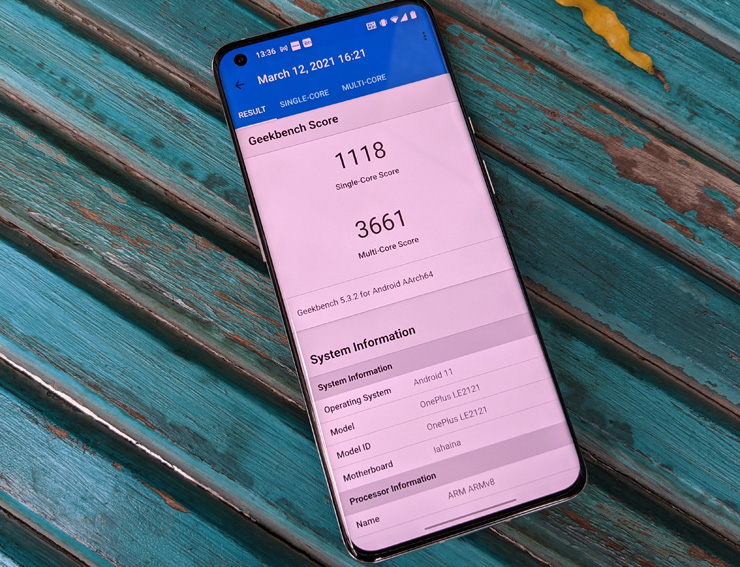
OnePlus latest series i.e., Oneplus 9 and Oneplus 9 Pro were found to be manipulating the benchmark results. And now has been delisted from Geekbench. Oneplus has a name in the market, and right now many of you must be questioning it. So, let’s have a look into the case.
Both the devices run on the latest Qualcomm chipset 888 and it makes it obvious for the devices to give you top-notch performance. But it turns out the devices are not performing as their benchmark results demonstrated. It is found that both the devices tend to run at full speed only while using benchmark apps such as Geekbench and Antutu. In this way, Oneplus was manipulating benchmark scores that were not applicable in real-world usage. Since this news was out Geekbench has banned Oneplus 9 and Oneplus 9 Pro from its platform.
But, how Oneplus was able to manipulate?
It seems Oneplus was blacklisting popular apps for their faster cores, which resulted in slowing down the workloads such as web and social media browsing. It is also been found that Geekbench and Antutu were getting full performance while the other apps were not getting it.
After it has been found that Oneplus is manipulating benchmark scores. Geekbench stated on Twitter, “It’s disappointing to see OnePlus handsets making performance decisions based on application identifiers rather than application behavior. We view this as a form of benchmark manipulation. We’ve delisted the OnePlus 9 and OnePlus 9 Pro from our Android Benchmark chart. We will also test the other OnePlus handsets in our performance lab to see if these handsets also manipulate performance in the same way. If they do, we will delist them from the Android Benchmark chart,” it seems from the statement that other Oneplus devices are also at risk of being delisted.
Oneplus also passed a statement saying, “Our top priority is always delivering a great user experience with our products, based in part on acting quickly on important user feedback. Following the launch of the OnePlus 9 and 9 Pro in March, some users told us about some areas where we could improve the devices’ battery life and heat management. As a result of this feedback, our R&D team has been working over the past few months to optimize the devices’ performance when using many of the most popular apps, including Chrome, by matching the app’s processor requirements with the most appropriate power. This has helped to provide a smooth experience while reducing power consumption. While this may impact the devices’ performance in some benchmarking apps, our focus as always is to do what we can to improve the performance of the device for our users.”
Although all this has created doubts regarding Oneplus among tech geeks and some buyers. Let’s see if Geekbench and Oneplus come together to resolve this issue or like the Oneplus 9 or Oneplus 9 Pro other Oneplus devices will be delisted too
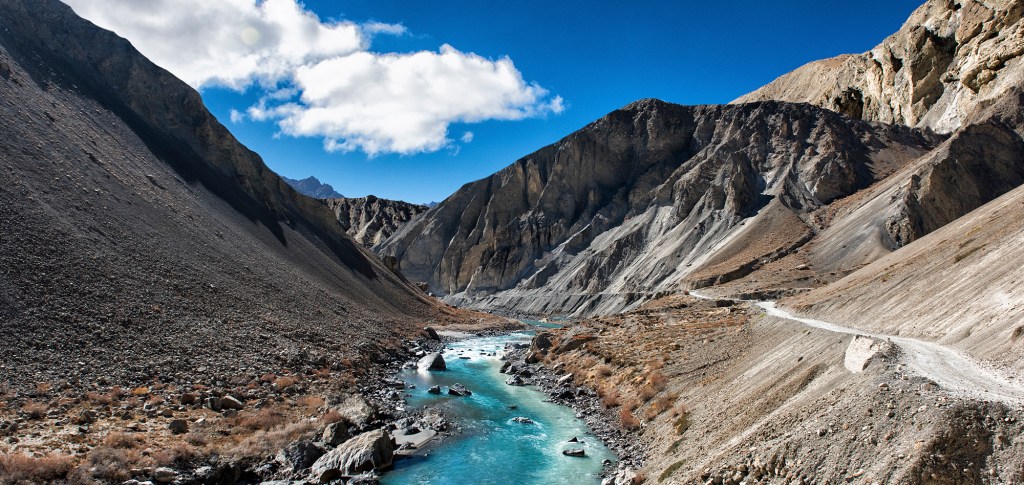
Spiti Valley is a cold desert mountain valley located high in the Himalayas in the north-eastern part of the Northern Indian State of Himachal Pradesh namely the state of Lahaul & Spiti. The name “Spiti” means “The middle land”, i.e. the land between Tibet(Xizang) and India. Spiti is sometimes considered as an extension of Ladakh as both regions share similar geography, cultures and even the ruling Royal Family.
The local population follow Vajrayana Buddhism similar to that found in the nearby Tibet and Ladakh. It is different from Therawada Buddhism found in many South East Asian countries. The valley and surrounding region is one of the least populated regions in the country and is the gateway to the northernmost reaches of the nation. Along the northern route through Manali or Keylong via the Rohtang Pass or Kunzum Pass respectively. The state’s capital is Kaza, which is situated along the Spiti river.
The Lahaul and Spiti district is surrounded by high mountain ranges. The Rohtang Pass, at 13,054 feet (3,979 m), separates Lahul and Spiti from the Kullu Valley Kunzum Pass cuts of Lahaul and Spiti from each other. There is a road that connects the two divisions, but is cut off frequently in winter and spring due to heavy snowfall in the area. The Whole state is difficult to access throughout Winter, so the ideal months to visit are summer and monsoon although the road through Kinnaur is open throughout most of the year.
Chandtratal Lake
Culture
Spiti valley is a research and cultural center for Buddhists. Highlights include the majestic Key Monastery and Tabo Monastery which is one of the oldest monasteries in the world and a favorite of the Dalai Lama. The Pin Valley is also home to other different Buddhism sect.
Places to See
Key Monastery
The include:
Dhankar Lake
Hikkim Village which has the highest altitude post office in the world.
I know it is not bad to have thick arms they are too beautiful but personally I hated it when I says “hello” to someone waving my hands it will bounce back and forth or up and down for literally 4-5 seconds after I keep my hands down.
So, I decided to lose fat on my arms and one more thing.
If you want fast results especially for some special occasion you can check on this video.
If you are overall thin but only have fat in your arms you can check this.
If you want to continue doing this forever you can do this.
Balance
What is the balance I am talking about?
It is the balance of your body, which is if your body balance. When your whole body is in proportion like from up to the bottom your body is thin or thick you can and if you further want to loose fat in that area you can surely. But if your body fat percentage is not proportionate then may be problem like:
If your upper body is thin but your lower body is thick.
If your upper body is thick but your lower body is thin.
(What I mean by thin and thick is that too much of difference)
Consult your doctor.
But if you want to lose little bit of only fat from your body along with your arms check it.
These exercises are just simple exercises which you can do just by sitting anywhere like: Sofa, bed, washroom and anywhere. These exercises are about 30_45 seconds each.
Arms circle
Sit or stand anywhere.
Bring or place your hands in front.
Now do arms circle.
Make a bigger circle in front and then move side by making smaller circles.
Again, bring back your hands in front.
Repeat this exercise for 40 seconds.
Prayer up and down
Place your hands in front of your head in a prayer doing position.
Bring up and down.
Do this exercise of 40 seconds.
Arm fly
Place your arms side.
Bring your arms up and down (as if you are flying).
Do this slowly for 40 seconds.
Punch
Do punches for almost 40 seconds simultaneously by both hands.
Do this for 40 seconds.
90-degree rotation.
Place your arms side.
Make “L” shape
Do rotations.
Do this for 40 seconds.
Make the way or swimming exercise.
Move your arms as if you are removing the curtain or swimming.
DO this for 40 seconds.
Trice dip.
Take one step away from you sitting place.
Now while facing against the sitting tool.
Place your hands on the sitting tool.
Do dips.
At last whin duo these exercises with some stretch.
Again, if you want you loose fat in your body. Try to lose overall body fat in your body.
You can achieve losing weight by consistently doing exercises to make it permanent part of your life along with following a healthy lifestye
































 Eduindex
You must be logged in to post a comment.