SOCIAL MEDIA FRAUD

This is the era of the 21st century, the era of technology, advancement and growth, digitalization has reached its peak.
Earlier technology was bare minimum. No electricity. No transportation. No watch. No television. No radio or any other means of communication.
In order to send a message in the very ancient period it is said that pigeons were used. It would take months for a message to reach as messages were sent with the help of messengers. Further development came. Postal system was created which was quite faster than those messengers.
As time passed, people and technology developed, computers were invented, systems of typing and faxing were invented through which sending messages became much quicker.
Further after 2000's when Remote sensing and GIS developed, launching of Satellites developed, Internet facilities developed, system of e-mail facilities developed, and sending messages became the game of a few seconds. As time passed Google search engine came into existence after Yahoo. As mobile phones developed the Short Message Service(SMS) became far easier and faster. Social networking sites developed in which we can frequently send messages and can communicate live.

After 2010 when these facilities became more developed and faster, for the convenience of people and in order to stop corruption, the government of India decided to digitize all the banking facilities. This made it possible to withdraw and deposit money via online services. Government is trying to go cashless with less paper work as soon as possible so that people can operate or can take advantage of banking facilities sitting in any part of the country. Also people could adapt themselves to the changing scenario of developing technologies.

It's the universal truth that even the bestest thing in this world has its own disadvantages. Let's say love, which is the most beautiful thing, has its own drawbacks. Similarly non-development of technology as well as the development of technology has their flaws. Another truth is that people in India don't want to work. They want to earn money without struggling. They either beg or use their smart, intellectual and intelligent mind in doing frauds. They want to make money by cheating others.
On one hand technology is becoming a boon in the sense of quickness and comfort. On the other hand it is a boon for those ethical hackers. These people play with the psychology of people, they study the mindset of people and accordingly they plan to cheat on them and grab money from them.
They take help of links, messages and email through which they can lure people. They send random emails giving their identity as a manager of any foreign company. They invoke greed in people as being a lucky winner or a jackpot winner of crores of rupees. One who gets caught in their trap, they ask them to deposit huge amounts of money as service tax, transaction fees, conversion fees before transferring money, which they never send. These types of hackers operate these cells from some remote areas. Some people, even literate ones get caught in the trap of greed invoked by these hackers.

Secondly, phishing is a type of online fraud done by hackers, through sending links. If a person clicks on the link the account and the phone goes in control of the hacker. They can withdraw all the money without the owner's consent. Sometimes they behave as a worker in a bank, by saying that they want to renew their accounts and ask OTP (one time password) from them. They build a person's trust by giving them all the general information of their bank account.
On social media too people do too many frauds by offering jobs, money, gold and many other items by which even a mature and literate person becomes a prey of these hackers.
The bad thing is they have no fear of anybody. If someone identifies them, they are fearless, they continue to cheat because they consider people as dumb.
Another, more sad thing is that when a person faces such kind of fraud he looks forward to police and crime branch but officers over there don't give a damn to these complaints. They don't even notice it. They don't take any actions against these hackers, which makes them more confident and strong on whatever they are doing and that's the reason they have no fear.
Another reason is the government has the least focus on such big issues of the country.
I agree that despite this much awareness, because of people's dumbness and greed, people get caught in these traps, but somewhere I feel that the government is failing to spread awareness and in taking actions against it. Many people who face these frauds are the ones who are in need of money, and hence they get caught in a trap. Many of them earn every penny with great efforts and by giving blood and sweat.
This is a very serious problem of theft on the internet, which is going to become a bigger problem for the people of the country, as technology advances. Hackers and their way of hacking is also getting advanced.
The Internet, technology and advancement are for making our life easy. One should use it smartly, because it depends on us whether we make this advancement of technology as a bane or boon for ourselves.
History of Indian Rupee

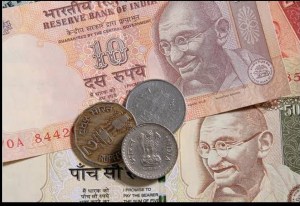
The Indian rupee refers to India’s national currency and is represented by ISO code INR. It is regulated by the Reserve Bank of India (RBI), the country’s central bank. The Indian rupee is named after the “rupiya,” a silver coin issued for the first time in the 16th century.

India’s economy used to be cash-based, resulting in the circulation of counterfeit currencies by those involved in criminal activity. Over the years, RBI was compelled to change and upgrade INR notes with new security features. Generally, large denominations are the most forged bills. In 2016, the Government of India declared the demonetization of all notes in denominations of 500 INR and 1000 INR of the Mahatma Gandhi Set.

At the beginning of 1830, the English exerted a significant influence in India. The Coinage Act of 1835 made a standardized coinage possible in the country. The new version of the coins featured the effigy of William IV on the original side and the denomination on the reverse, written in Persian and English.

On the other hand, coins issued after 1840 bore a portrait of Queen Victoria. In 1862, the first coin issued under the crown was authorized. The Coinage Act of India, which regulates the establishment of mints and the issuance of coins, was passed in 1906 and is still in force today.

Historically, the rupiya was a silver coin. It resulted in significant implications in the 19th century when the world’s largest countries were under the gold standard. The discovery of huge volumes of silver in the European colonies and the U.S. sparked the panic of 1873. It led to the devaluation of silver compared to gold, resulting in a fall in India’s standard currency value.

The condition during the Second World War led to Quaternary Silver Alloy replacing the regular rupee. The coins produced in 1940 were substituted in 1947 by pure nickel coins. India gained its independence on August 15, 1947. However, the prevailing currency remained frozen until January 26, 1950, when the country adopted its own constitution. In 1957, India introduced a decimal currency scheme where 100 paise formed a rupee.

In 2016, the government decided to demonetize 500 and 100 INR notes, arguing that it would curb the underground economy, rendering it even more difficult to use illicit and counterfeit cash to finance crime and terrorism. Following the move, the RBI declared the issuance of new notes of denominations 500 and 2000 INR in a new Mahatma Gandhi series.

As of April 2019, the latest circulated notes included denominations of 5 INR,10 INR, 20 INR, 50 INR, and 100 INR notes of the Mahatma Gandhi Old Series and the 10 INR, 20 INR, 50 INR, 100 INR, 200 INR, 500 INR and 2000 INR notes of the Mahatma Gandhi New Series. The new series of INR notes contains various micro-printed texts, such as “Bharata” and “RBI,” in different locations.

Officially, INR’s exchange rates are determined by the market. However, the RBI aggressively deals in the USD/INR currency market to influence the exchange rate. As a result, the currency system in place for INR compared to the USD is a regulated exchange rate. It is often called a “managed float.”

Other exchange rates, such as INR/JPY and EUR/INR, are subject to fluctuations characteristic of floating exchange rates. As a result, it generates arbitrage opportunities against the exchange rates.


Successive governments through RBI prefer not to pursue a strategy of pegging the INR to a particular foreign currency at a specific exchange rate. RBI’s interference in currency markets is primarily intended to make sure that the exchange rate volatility is low.


History of Indian Rupee

The Indian rupee refers to India’s national currency and is represented by ISO code INR. It is regulated by the Reserve Bank of India (RBI), the country’s central bank. The Indian rupee is named after the “rupiya,” a silver coin issued for the first time in the 16th century.

India’s economy used to be cash-based, resulting in the circulation of counterfeit currencies by those involved in criminal activity. Over the years, RBI was compelled to change and upgrade INR notes with new security features. Generally, large denominations are the most forged bills. In 2016, the Government of India declared the demonetization of all notes in denominations of 500 INR and 1000 INR of the Mahatma Gandhi Set.

At the beginning of 1830, the English exerted a significant influence in India. The Coinage Act of 1835 made a standardized coinage possible in the country. The new version of the coins featured the effigy of William IV on the original side and the denomination on the reverse, written in Persian and English.

On the other hand, coins issued after 1840 bore a portrait of Queen Victoria. In 1862, the first coin issued under the crown was authorized. The Coinage Act of India, which regulates the establishment of mints and the issuance of coins, was passed in 1906 and is still in force today.

Historically, the rupiya was a silver coin. It resulted in significant implications in the 19th century when the world’s largest countries were under the gold standard. The discovery of huge volumes of silver in the European colonies and the U.S. sparked the panic of 1873. It led to the devaluation of silver compared to gold, resulting in a fall in India’s standard currency value.

The condition during the Second World War led to Quaternary Silver Alloy replacing the regular rupee. The coins produced in 1940 were substituted in 1947 by pure nickel coins. India gained its independence on August 15, 1947. However, the prevailing currency remained frozen until January 26, 1950, when the country adopted its own constitution. In 1957, India introduced a decimal currency scheme where 100 paise formed a rupee.

In 2016, the government decided to demonetize 500 and 100 INR notes, arguing that it would curb the underground economy, rendering it even more difficult to use illicit and counterfeit cash to finance crime and terrorism. Following the move, the RBI declared the issuance of new notes of denominations 500 and 2000 INR in a new Mahatma Gandhi series.

As of April 2019, the latest circulated notes included denominations of 5 INR,10 INR, 20 INR, 50 INR, and 100 INR notes of the Mahatma Gandhi Old Series and the 10 INR, 20 INR, 50 INR, 100 INR, 200 INR, 500 INR and 2000 INR notes of the Mahatma Gandhi New Series. The new series of INR notes contains various micro-printed texts, such as “Bharata” and “RBI,” in different locations.

Officially, INR’s exchange rates are determined by the market. However, the RBI aggressively deals in the USD/INR currency market to influence the exchange rate. As a result, the currency system in place for INR compared to the USD is a regulated exchange rate. It is often called a “managed float.”

Other exchange rates, such as INR/JPY and EUR/INR, are subject to fluctuations characteristic of floating exchange rates. As a result, it generates arbitrage opportunities against the exchange rates.


Successive governments through RBI prefer not to pursue a strategy of pegging the INR to a particular foreign currency at a specific exchange rate. RBI’s interference in currency markets is primarily intended to make sure that the exchange rate volatility is low.


The Lady With the Lamp

 During the second half of the 19th century,almost all the general hospitals had borne the painful sounds of people due to its mal- maintenance and unhealthy atmosphere. These hospitals were not equipped with the staff like nurses to take care of these weak people. During this time,a lady came like an angel! Do you know her name? Yes…she is Auguste Florence Nightingale,was an English social reformer, statistician and the founder of modern nursing. She was the daughter of a very rich man and determined to sacrifice her home , wealth and life for the improvement of these hospitals; much against her parents’ will in getting her married to a wealthy groom for a happy and peaceful life. Florence’s parents felt light at heart When they witnessed their daughter’s determination to serve the suffering soldiers. Florence began her pioneer service along with 38 other nurses in 1854. It was in 1856 she returned to England and started a training School for nurses.Nightingale came to prominence while serving as a manager and trainer of nurses during the Crimean War, in which she organised care for wounded soldiers at Constantinople.She also made efforts for improving the health condition of all sections of British society, advocated for better hunger relief for India. so she should be there in our memories, so annual International Nurses Day is celebrated on her birthday. 

      The angels in our society,a powerful pillar in the area of health care, deserve a lot of respect from the side of our society. It is very notable that they always act as the one with the needy. Like Florence Nightingale who served for the soldiers , now many nightingales work hard in order to save the people from the distress during these Covid times all over the world. They know that they are risking their own life,but selflessly work for mankind. During these Covid days, the services of doctors and nurses are notable, because when the patient isolated themselves from the whole society,they played the role of god to give a new life…Nurses and doctors are the backbone of our healthcare system who have been risking their lives for months.It is not possible to wear PPE kit for more than seven hours. One cannot even use the toilet with this kit, but wearing it is a must for their safety. They are isolating themselves from their own family to fight against these threats. but the result was not that good from the society, because they questioned these people without knowing the truths like “Doctor accused of killing elderly patients to free up beds”. When they put their 100 percent in their service, we are obliged to pay back as respect to these humble ‘gods’ on earth. They deserve much to wage the war of corona. They are Powerful Soldiers of our healthcare!

Mountains- A history (Part-2)- Tectonic plates

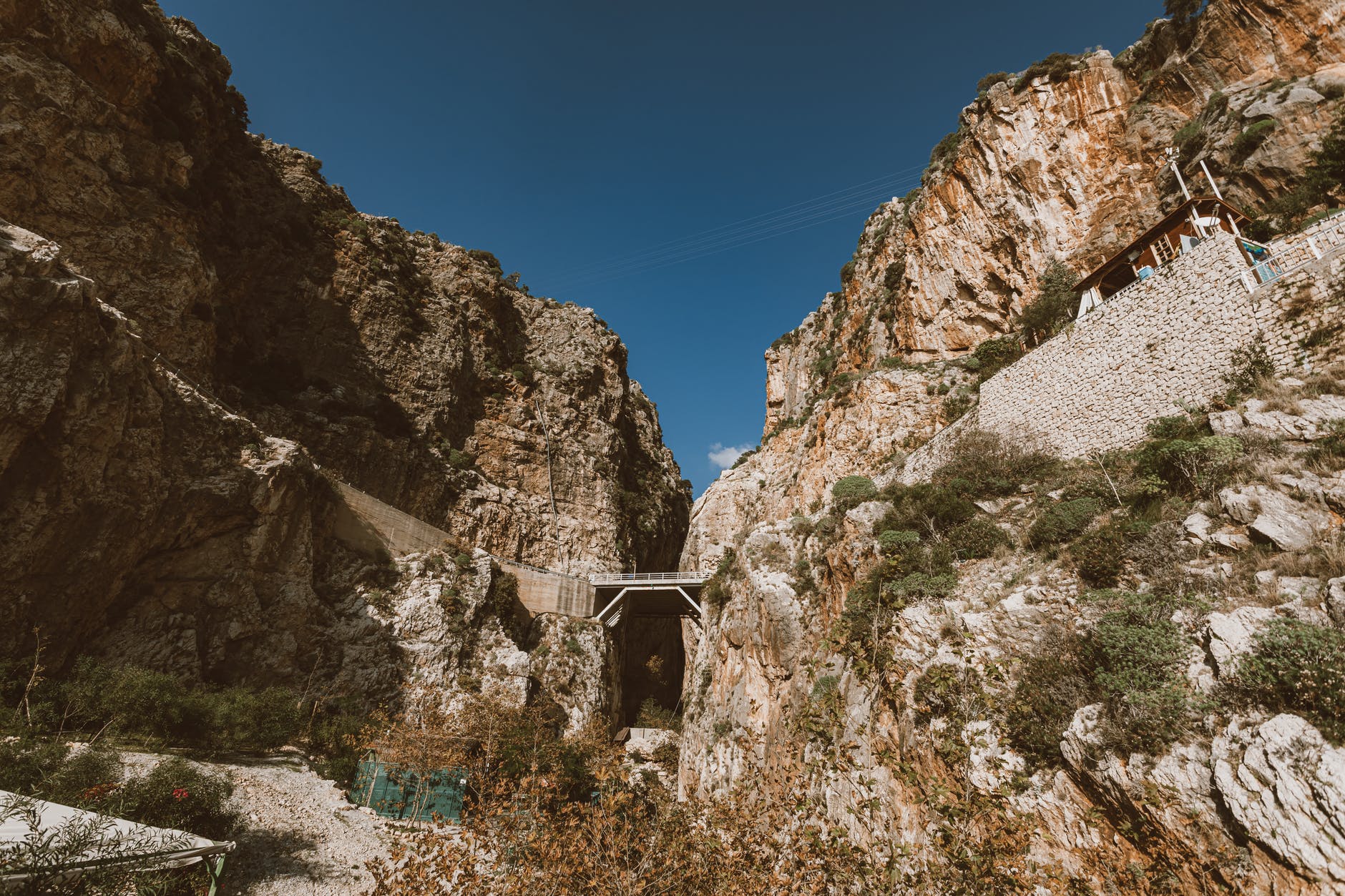
Photo by ROMAN ODINTSOV on Pexels.com

Now, before going any further with our mountains, let us first see the various types of interactions possible between our 2 types of tectonic plates- The Oceanic crust and the Continental crust: The 3 basic interactions are converging boundaries, diverging boundaries and transform boundaries.

  • Converging- It is defined as the two plates moving towards each other, colliding in the process. Now, there are 3 possibilities-
  1. Continental-continental collision- Here, two continental landmasses( eg.- The North American plate or the Eurasian plate or collision of Australia, South America and New Zealand (It formed the Great Australian Dividing range)) collide and the two plates fold over one another and lead to the formation of fold mountains. Try using a paper bringing it closer from the opposite ends. The raised structure represents the fold mountains. They have no volcanic activity (though earthquakes are possible). Examples are the Urals, the Atlas, The Rockies, the Alps, the Himalayas
  2. Oceanic- Oceanic Collision- In these types of collision, the heavier oceanic plate subducts under the lighter oceanic plate(forming trenches- eg. Mariana Trench). Due to subduction, it reaches the area of high pressure and temperature in the mantle and thus melts converting to magma. This magma later rises and when it finds an opening (like the one created by the diverging limbs) in the oceanic crust, it comes out. It, hence, forms oceanic volcanoes, ridges and later volcanic islands like those of Indonesia and the Phillipines.
  3. Continental Oceanic Collision- When a continental and an oceanic plate collide, it leads to the formation of either fold mountains(Rockies) or trenches(Philippines Trench) or both(Andes and the Peru- Chile Trench).
  • Diverging- When two plates or landmasses move away from each other ,in the opposite directions, it is known as diverging. Even here, there are 2 possibilities-
  1. Continental continental diversion- When two continental plates move away from each other, it leads to the formation of rift valleys and plateaus. Examples are- The east African rift valley (formed due to the drifting apart of Arabian peninsular plate from African plate- they were connected millions of years ago).
  2. Oceanic oceanic diversion- It occurs when two oceanic plates move away from each other, creating a ridge in its wake. The Atlantic ocean is divides by a ridge known as the Mid oceanic ridge (named so because it passes through the middle of Atlantic ocean). Here, the plate boundaries of Africa, Eurasia, North America , South America diverge from each other. The Pacific and the Indian ocean are the other two oceans that have ridges.
  • Transform – When one tectonic plate moves past another, it forms transform plate boundary. These plate movements most commonly produce earthquakes as during movements the plates experience friction and intermolecular force of attraction due to which one plate might find itself bounded to another plate. Then, when the plates move past one another it requires a lot of energy and produces heat and waves. Example- the boundary between Pacific plate and North American plate in Western California.

Now, that we know about tectonic plates, studying the formation of mountains becomes a lot easier. Stay tuned for the 3rd part where we will look into the formation of various mountains and the tectonic plates and movements involved . Till then, take care (a smiley emoji).

Mountains- A history (Part-2)- Tectonic plates

Photo by ROMAN ODINTSOV on Pexels.com

Now, before going any further with our mountains, let us first see the various types of interactions possible between our 2 types of tectonic plates- The Oceanic crust and the Continental crust: The 3 basic interactions are converging boundaries, diverging boundaries and transform boundaries.

  • Converging- It is defined as the two plates moving towards each other, colliding in the process. Now, there are 3 possibilities-
  1. Continental-continental collision- Here, two continental landmasses( eg.- The North American plate or the Eurasian plate or collision of Australia, South America and New Zealand (It formed the Great Australian Dividing range)) collide and the two plates fold over one another and lead to the formation of fold mountains. Try using a paper bringing it closer from the opposite ends. The raised structure represents the fold mountains. They have no volcanic activity (though earthquakes are possible). Examples are the Urals, the Atlas, The Rockies, the Alps, the Himalayas
  2. Oceanic- Oceanic Collision- In these types of collision, the heavier oceanic plate subducts under the lighter oceanic plate(forming trenches- eg. Mariana Trench). Due to subduction, it reaches the area of high pressure and temperature in the mantle and thus melts converting to magma. This magma later rises and when it finds an opening (like the one created by the diverging limbs) in the oceanic crust, it comes out. It, hence, forms oceanic volcanoes, ridges and later volcanic islands like those of Indonesia and the Phillipines.
  3. Continental Oceanic Collision- When a continental and an oceanic plate collide, it leads to the formation of either fold mountains(Rockies) or trenches(Philippines Trench) or both(Andes and the Peru- Chile Trench).
  • Diverging- When two plates or landmasses move away from each other ,in the opposite directions, it is known as diverging. Even here, there are 2 possibilities-
  1. Continental continental diversion- When two continental plates move away from each other, it leads to the formation of rift valleys and plateaus. Examples are- The east African rift valley (formed due to the drifting apart of Arabian peninsular plate from African plate- they were connected millions of years ago).
  2. Oceanic oceanic diversion- It occurs when two oceanic plates move away from each other, creating a ridge in its wake. The Atlantic ocean is divides by a ridge known as the Mid oceanic ridge (named so because it passes through the middle of Atlantic ocean). Here, the plate boundaries of Africa, Eurasia, North America , South America diverge from each other. The Pacific and the Indian ocean are the other two oceans that have ridges.
  • Transform – When one tectonic plate moves past another, it forms transform plate boundary. These plate movements most commonly produce earthquakes as during movements the plates experience friction and intermolecular force of attraction due to which one plate might find itself bounded to another plate. Then, when the plates move past one another it requires a lot of energy and produces heat and waves. Example- the boundary between Pacific plate and North American plate in Western California.

Now, that we know about tectonic plates, studying the formation of mountains becomes a lot easier. Stay tuned for the 3rd part where we will look into the formation of various mountains and the tectonic plates and movements involved . Till then, take care (a smiley emoji).

BIT COIN CASH:

WHAT IS BIT COIN CASH?

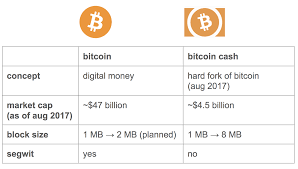
Bit coin cash is a crypto currency, from a fork of Bit coin that was created in August 2017. Bit coin cash was created to accommodate a larger block size compared to Bit coin, allowing more transactions into a single block.

Later in November 2017 it split into 2 crypto currency

  • Bit coin Cash ABC and
  • Bit coin Cash SV (Satoshi Vision)

Despite their philosophical differences, both Bit coin and Bit coin cash share several similarities.

 1 BITCOIN CASH = 36683.18 INDIAN RUPEE

HISTORY OF BIT COIN TO BIT COIN CASH:

Bit coin was meant to be a peer-to-peer crypto currency that was used for daily transactions. But over the years it became an investment vehicle instead of a currency. Its block chain witnessed scalability issues because it could not handle the increased number of transactions. The confirmation time and fees for a transaction was urged. It’s due to 1MB block size limitation for bit coin which results in queued transactions.

As a remedy to this situation Bit coin cash was proposed by increasing the size of blocks to between 8 MB and 32 MB, thereby enabling more transactions per block. “Bitcoin cash is the version of bitcoin that implemented an increase in the transaction capacity,”

DIFFERENCE IN BIT COIN AND BIT COIN CASH:

  • Unlike bit coin, bit coin cash uses a separate hash algorithm which eliminates the possibility of a replay between the two block chains.
  • Bit coin is difficult to beat in terms of price when compared to bit coin cash.
  • Bit coin cash is well ahead of bit coin in terms of transaction speed.
  • Bit coin cash has lower transaction cost than Bit coin.

BIT COIN CASH IN INDIA:

Binance is one of the world’s largest and best known crypto currency exchanges. As an Indian trader, one can buy Bit coin cash on binance.

As per reports, Bit coin cash worth will rise to $2000 by the year 2025.Supply of Bit coin is limited to 21 million.

IS IT A GOOD INVESTMENT?

Investing in bit coin is like a roller coaster ride. Bit coin Cash offers the potential for otherworldly profit but at the same time it has high risks and crazy price swings.

CRYPTO CRASH:

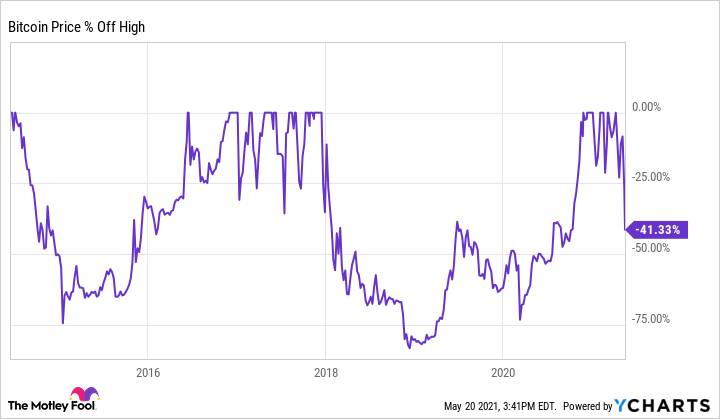
According to Visual Capitalist, Bit coin has crashed 80% or more three different times since 2012. Therefore today’s crypto crash is nothing new. No one knows the future, so no one can say whether Bit coin is going up or down in the near term. However, it is good to say the odds are high that the price of Bit coin will be higher following the next halving event, which is expected in 2024.

TRADING OVERVIEW:

Exchange Pair Price
Binance BCH/TUSD $ 447.04
Kucoin BCH/USDC $ 445.73
Huobi Global BCH/USDT $ 448.22
UPbit BCH/KRW $ 462.65

BIT COIN CASH PRICE CHART:

24 Hour High 24 Hour High                 Market Capitalization
476.98 USD  444.80 USD   8,632,223,279.93 USD

CONCLUSION:

If Bitcoin’s history teaches us anything, it’s to expect the unexpected. If Bit coin’s history teaches us anything, it’s to expect the unexpected. If you’re willing to hold a small position for the long term, then it is recommended to buy some Bit coin. But one mustn’t buy today hoping to get rich tomorrow.

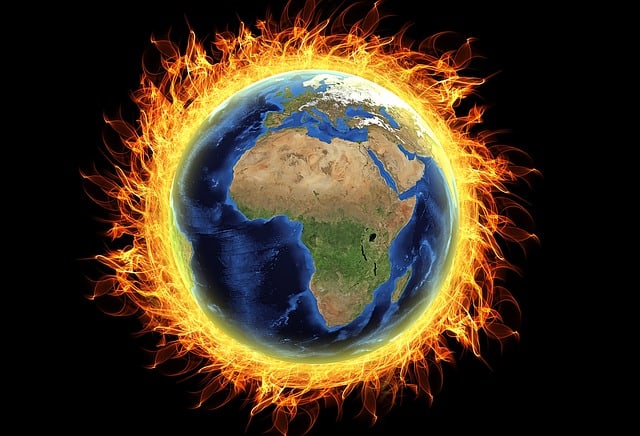
Global warming.

Since the Industrial Revolution, the global yearly temperature has expanded altogether by somewhat more than 1 degree Celsius, or around 2 degrees Fahrenheit. Between 1880—the year that precise recordkeeping started—and 1980, it rose on normal by 0.07 degrees Celsius (0.13 degrees Fahrenheit) like clockwork. Since 1981, nonetheless, the pace of increment has dramatically increased: For the most recent 40 years, we’ve seen the global yearly temperature ascend by 0.18 degrees Celsius, or 0.32 degrees Fahrenheit, each decade.

The outcome? A planet that has never been more blazing. Nine of the 10 hottest years since 1880 have happened since 2005—and the 5 hottest years on record have all happened since 2015. Climate change deniers have contended that there has been a “stop” or a “lull” in rising global temperatures, however various investigations, including a 2018 paper distributed in the diary Environmental Research Letters, have invalidated this case. The effects of global warming are now hurting individuals all throughout the planet.

Presently climate researchers have presumed that we should restrict global warming to 1.5 degrees Celsius by 2040 in case we are to stay away from a future wherein regular daily existence all throughout the planet is set apart by its most exceedingly terrible, most destroying impacts: the outrageous dry seasons, rapidly spreading fires, floods, hurricanes, and different calamities that we allude to by and large as climate change. These impacts are felt by all individuals somehow yet are capable most intensely by the oppressed, the financially minimized, and ethnic minorities, for whom climate change is regularly a vital driver of neediness, dislodging, yearning, and social agitation.

What causes global warming?

Global warming happens when carbon dioxide (CO2) and other air toxins gather in the climate and ingest daylight and sunlight based radiation that have bobbed off the world’s surface. Ordinarily this radiation would escape into space, yet these contaminations, which can keep going for quite a long time to hundreds of years in the climate, trap the warmth and cause the planet to get more sultry. These warmth catching poisons—explicitly carbon dioxide, methane, nitrous oxide, water fume, and engineered fluorinated gases—are known as ozone harming substances, and their effect is known as the nursery impact.

However regular cycles and variances have made the world’s climate change a few times in the course of the most recent 800,000 years, our present time of global warming is straightforwardly inferable from human action—explicitly to our consuming of petroleum derivatives like coal, oil, fuel, and flammable gas, which brings about the nursery impact. In the United States, the biggest wellspring of ozone harming substances is transportation (29%), followed intently by power creation (28%) and mechanical action (22%).

Controling perilous climate change requires exceptionally profound cuts in discharges, just as the utilization of options in contrast to non-renewable energy sources around the world. Fortunately nations all throughout the planet have officially dedicated—as a feature of the 2015 Paris Climate Agreement—to bring down their outflows by setting new principles and creating new arrangements to meet or even surpass those norms. The not very great news is that we’re not working quick enough. To stay away from the most noticeably terrible effects of climate change, researchers reveal to us that we need to decrease global fossil fuel byproducts by as much as 40% by 2030. For that to occur, the global local area should take prompt, substantial strides: to decarbonize power age by evenhandedly progressing from petroleum derivative based creation to sustainable power sources like breeze and sun oriented; to jolt our vehicles and trucks; and to amplify energy productivity in our structures, apparatuses, and enterprises.

How is global warming connected to outrageous climate?

Researchers concur that the world’s rising temperatures are energizing longer and more smoking warmth waves, more continuous dry spells, heavier precipitation, and all the more impressive typhoons.

In 2015, for instance, researchers reasoned that an extensive dry season in California—the state’s most noticeably awful water deficiency in 1,200 years—had been strengthened by 15 to 20 percent by global warming. They additionally said the chances of comparable dry seasons occurring later on had generally multiplied over the previous century. Furthermore, in 2016, the National Academies of Science, Engineering, and Medicine declared that we can now certainly ascribe some outrageous climate occasions, similar to warm waves, dry spells, and weighty precipitation, straightforwardly to climate change.

Global warming.

Since the Industrial Revolution, the global yearly temperature has expanded altogether by somewhat more than 1 degree Celsius, or around 2 degrees Fahrenheit. Between 1880—the year that precise recordkeeping started—and 1980, it rose on normal by 0.07 degrees Celsius (0.13 degrees Fahrenheit) like clockwork. Since 1981, nonetheless, the pace of increment has dramatically increased: For the most recent 40 years, we’ve seen the global yearly temperature ascend by 0.18 degrees Celsius, or 0.32 degrees Fahrenheit, each decade.

The outcome? A planet that has never been more blazing. Nine of the 10 hottest years since 1880 have happened since 2005—and the 5 hottest years on record have all happened since 2015. Climate change deniers have contended that there has been a “stop” or a “lull” in rising global temperatures, however various investigations, including a 2018 paper distributed in the diary Environmental Research Letters, have invalidated this case. The effects of global warming are now hurting individuals all throughout the planet.

Presently climate researchers have presumed that we should restrict global warming to 1.5 degrees Celsius by 2040 in case we are to stay away from a future wherein regular daily existence all throughout the planet is set apart by its most exceedingly terrible, most destroying impacts: the outrageous dry seasons, rapidly spreading fires, floods, hurricanes, and different calamities that we allude to by and large as climate change. These impacts are felt by all individuals somehow yet are capable most intensely by the oppressed, the financially minimized, and ethnic minorities, for whom climate change is regularly a vital driver of neediness, dislodging, yearning, and social agitation.

What causes global warming?

Global warming happens when carbon dioxide (CO2) and other air toxins gather in the climate and ingest daylight and sunlight based radiation that have bobbed off the world’s surface. Ordinarily this radiation would escape into space, yet these contaminations, which can keep going for quite a long time to hundreds of years in the climate, trap the warmth and cause the planet to get more sultry. These warmth catching poisons—explicitly carbon dioxide, methane, nitrous oxide, water fume, and engineered fluorinated gases—are known as ozone harming substances, and their effect is known as the nursery impact.

However regular cycles and variances have made the world’s climate change a few times in the course of the most recent 800,000 years, our present time of global warming is straightforwardly inferable from human action—explicitly to our consuming of petroleum derivatives like coal, oil, fuel, and flammable gas, which brings about the nursery impact. In the United States, the biggest wellspring of ozone harming substances is transportation (29%), followed intently by power creation (28%) and mechanical action (22%).

Controling perilous climate change requires exceptionally profound cuts in discharges, just as the utilization of options in contrast to non-renewable energy sources around the world. Fortunately nations all throughout the planet have officially dedicated—as a feature of the 2015 Paris Climate Agreement—to bring down their outflows by setting new principles and creating new arrangements to meet or even surpass those norms. The not very great news is that we’re not working quick enough. To stay away from the most noticeably terrible effects of climate change, researchers reveal to us that we need to decrease global fossil fuel byproducts by as much as 40% by 2030. For that to occur, the global local area should take prompt, substantial strides: to decarbonize power age by evenhandedly progressing from petroleum derivative based creation to sustainable power sources like breeze and sun oriented; to jolt our vehicles and trucks; and to amplify energy productivity in our structures, apparatuses, and enterprises.

How is global warming connected to outrageous climate?

Researchers concur that the world’s rising temperatures are energizing longer and more smoking warmth waves, more continuous dry spells, heavier precipitation, and all the more impressive typhoons.

In 2015, for instance, researchers reasoned that an extensive dry season in California—the state’s most noticeably awful water deficiency in 1,200 years—had been strengthened by 15 to 20 percent by global warming. They additionally said the chances of comparable dry seasons occurring later on had generally multiplied over the previous century. Furthermore, in 2016, the National Academies of Science, Engineering, and Medicine declared that we can now certainly ascribe some outrageous climate occasions, similar to warm waves, dry spells, and weighty precipitation, straightforwardly to climate change.

Gender Identity and Gender Roles.

Gender roles in society means how we’re expected to act, speak, dress, groom, and conduct ourselves based upon our assigned sex. For example, girls and women are generally expected to dress in typically feminine ways and be polite, accommodating, and nurturing. Men are generally expected to be strong, aggressive, and bold.

Every society, ethnic group, and culture has gender role expectations, but they can be very different from group to group. They can also change in the same society over time. For example, pink used to be considered a masculine color in the U.S. while blue was considered feminine.

How do gender stereotypes affect people?

A stereotype is a widely accepted judgment or bias about a person or group — even though it’s overly simplified and not always accurate. Stereotypes about gender can cause unequal and unfair treatment because of a person’s gender. This is called sexism.

There are four basic kinds of gender stereotypes:

  • Personality traits — For example, women are often expected to be accommodating and emotional, while men are usually expected to be self-confident and aggressive.
  • Domestic behaviors — For example, some people expect that women will take care of the children, cook, and clean the home, while men take care of finances, work on the car, and do the home repairs.
  • Occupations — Some people are quick to assume that teachers and nurses are women, and that pilots, doctors, and engineers are men.
  • Physical appearance — For example, women are expected to be thin and graceful, while men are expected to be tall and muscular. Men and women are also expected to dress and groom in ways that are stereotypical to their gender (men wearing pants and short hairstyles, women wearing dresses and make-up.

Hyperfemininity is the exaggeration of stereotyped behavior that’s believed to be feminine. Hyperfeminine folks exaggerate the qualities they believe to be feminine. This may include being passive, naive, sexually inexperienced, soft, flirtatious, graceful, nurturing, and accepting.

Hypermasculinity is the exaggeration of stereotyped behavior that’s believed to be masculine. Hypermasculine folks exaggerate the qualities they believe to be masculine. They believe they’re supposed to compete with other men and dominate feminine folks by being aggressive, worldly, sexually experienced, insensitive, physically imposing, ambitious, and demanding.

These exaggerated gender stereotypes can make relationships between people difficult. Hyperfeminine folks are more likely to endure physical and emotional abuse from their partners. Hypermasculine folks are more likely to be physically and emotionally abusive to their partners.

Extreme gender stereotypes are harmful because they don’t allow people to fully express themselves and their emotions.  For example, it’s harmful to masculine folks to feel that they’re not allowed to cry or express sensitive emotions. And it’s harmful to feminine folks to feel that they’re not allowed to be independent, smart or assertive. Breaking down gender stereotypes allows everyone to be their best selves.

Gender Identity and Gender Roles.

Gender roles in society means how we’re expected to act, speak, dress, groom, and conduct ourselves based upon our assigned sex. For example, girls and women are generally expected to dress in typically feminine ways and be polite, accommodating, and nurturing. Men are generally expected to be strong, aggressive, and bold.

Every society, ethnic group, and culture has gender role expectations, but they can be very different from group to group. They can also change in the same society over time. For example, pink used to be considered a masculine color in the U.S. while blue was considered feminine.

How do gender stereotypes affect people?

A stereotype is a widely accepted judgment or bias about a person or group — even though it’s overly simplified and not always accurate. Stereotypes about gender can cause unequal and unfair treatment because of a person’s gender. This is called sexism.

There are four basic kinds of gender stereotypes:

  • Personality traits — For example, women are often expected to be accommodating and emotional, while men are usually expected to be self-confident and aggressive.
  • Domestic behaviors — For example, some people expect that women will take care of the children, cook, and clean the home, while men take care of finances, work on the car, and do the home repairs.
  • Occupations — Some people are quick to assume that teachers and nurses are women, and that pilots, doctors, and engineers are men.
  • Physical appearance — For example, women are expected to be thin and graceful, while men are expected to be tall and muscular. Men and women are also expected to dress and groom in ways that are stereotypical to their gender (men wearing pants and short hairstyles, women wearing dresses and make-up.

Hyperfemininity is the exaggeration of stereotyped behavior that’s believed to be feminine. Hyperfeminine folks exaggerate the qualities they believe to be feminine. This may include being passive, naive, sexually inexperienced, soft, flirtatious, graceful, nurturing, and accepting.

Hypermasculinity is the exaggeration of stereotyped behavior that’s believed to be masculine. Hypermasculine folks exaggerate the qualities they believe to be masculine. They believe they’re supposed to compete with other men and dominate feminine folks by being aggressive, worldly, sexually experienced, insensitive, physically imposing, ambitious, and demanding.

These exaggerated gender stereotypes can make relationships between people difficult. Hyperfeminine folks are more likely to endure physical and emotional abuse from their partners. Hypermasculine folks are more likely to be physically and emotionally abusive to their partners.

Extreme gender stereotypes are harmful because they don’t allow people to fully express themselves and their emotions.  For example, it’s harmful to masculine folks to feel that they’re not allowed to cry or express sensitive emotions. And it’s harmful to feminine folks to feel that they’re not allowed to be independent, smart or assertive. Breaking down gender stereotypes allows everyone to be their best selves.

Economy of Ireland.

Introduction
In this research paper we are going to be discussing about the micro-economic issues of Ireland, The economy of Ireland is a highly developed knowledge economy; a knowledge economy focuses on the production of goods and services induced by knowledge intensive activities. In the case of Ireland , it is focused on services in high-technology , life sciences, financial services and agriculture including agrifood . Ireland is also an open economy (6th on the Index of Economic Freedom), an open economy means that the country not only posses domestic actors but is also engaged in trade of products in the form of managerial exchange and technology transfers .  In the global GDP per capita tables, Ireland ranks 4th of 186 in the IMF (international monetary fund) , table and 4th of 187 in the World Bank rankings. Foreign-owned multinationals make up a significant percentage of Ireland’s GDP. The “multinational tax schemes” used by some of these multinational firms contribute to a distortion in Ireland’s economic statistics; including GNI, GNP and GDP.
Despite the two jurisdictions using two different currencies (the euro and pound sterling), a growing amount of commercial activity is carried out. This has been possible by the two jurisdiction’s shared membership of the European Union, business communities and policymakers are all for the creation of an “all-Ireland economy” to take advantage of cost and boost competitiveness
There are two multi-city regions on the island of Ireland:

Dublin – Belfast corridor
Cork – limerick – Galway corridor

Current micro-economic status of Ireland
Since the end of the EU-IMF in 2013, Ireland has experienced steady economic growth, and has proven itself to be the fastest growing European economy. In 2019, the Irish economy continued to grow at a rapid pace, but experienced a slowdown ahead of the UK’s departure from the Euro zone. It experienced a 8.3% increase of GDP in 2018, then a growth slowdown of 5.5% of GDP in 2019 according to the IMF. The national economy has been supported by strong domestic demand and by the activities of multinational companies operating in the country. According to the updated International monetary fund reports from 14th April 2020, due to the outbreak of the COVID-19, GDP growth is expected to fall to -6.8% in 2020 and pick up to 6.3 %, subject to the post-pandemic global economy recovery, this might also be the conclusion of post-Brexit transition period.
The IMF expects the unemployment trend to be heavily affected by the negative economic impact of the COVID-19 pandemic, the rate being currently estimated to increase to 12.1% in 2020 and decrease slightly to 7.9% in 2021.

Economy of Ireland.

Introduction
In this research paper we are going to be discussing about the micro-economic issues of Ireland, The economy of Ireland is a highly developed knowledge economy; a knowledge economy focuses on the production of goods and services induced by knowledge intensive activities. In the case of Ireland , it is focused on services in high-technology , life sciences, financial services and agriculture including agrifood . Ireland is also an open economy (6th on the Index of Economic Freedom), an open economy means that the country not only posses domestic actors but is also engaged in trade of products in the form of managerial exchange and technology transfers .  In the global GDP per capita tables, Ireland ranks 4th of 186 in the IMF (international monetary fund) , table and 4th of 187 in the World Bank rankings. Foreign-owned multinationals make up a significant percentage of Ireland’s GDP. The “multinational tax schemes” used by some of these multinational firms contribute to a distortion in Ireland’s economic statistics; including GNI, GNP and GDP.
Despite the two jurisdictions using two different currencies (the euro and pound sterling), a growing amount of commercial activity is carried out. This has been possible by the two jurisdiction’s shared membership of the European Union, business communities and policymakers are all for the creation of an “all-Ireland economy” to take advantage of cost and boost competitiveness
There are two multi-city regions on the island of Ireland:

Dublin – Belfast corridor
Cork – limerick – Galway corridor

Current micro-economic status of Ireland
Since the end of the EU-IMF in 2013, Ireland has experienced steady economic growth, and has proven itself to be the fastest growing European economy. In 2019, the Irish economy continued to grow at a rapid pace, but experienced a slowdown ahead of the UK’s departure from the Euro zone. It experienced a 8.3% increase of GDP in 2018, then a growth slowdown of 5.5% of GDP in 2019 according to the IMF. The national economy has been supported by strong domestic demand and by the activities of multinational companies operating in the country. According to the updated International monetary fund reports from 14th April 2020, due to the outbreak of the COVID-19, GDP growth is expected to fall to -6.8% in 2020 and pick up to 6.3 %, subject to the post-pandemic global economy recovery, this might also be the conclusion of post-Brexit transition period.
The IMF expects the unemployment trend to be heavily affected by the negative economic impact of the COVID-19 pandemic, the rate being currently estimated to increase to 12.1% in 2020 and decrease slightly to 7.9% in 2021.

INTERESTING FACTS ABOUT GIRLS:YOU SHOULD KNOW.

  • Girls like guys with a sense of humor and hate guys who always brag about themselves. 
  • Girls can either jokingly or seriously get jealous over your pubg game. 
  • It is really hard to trace why girls are unpredictable.
  • Girls spend one year of their lifetime just in deciding what to wear. 
  • A girl cannot keep a secret for more than 47 hours. 
  • Instead of a girl telling her feelings to a guy, her favorite song would convey it better. 
  • Girls usually compete unconsciously among themselves especially when it comes to beauty.
  • A woman can tolerate double the pain compared to a man.
  • Girls spend 120 hours in a year looking at themselves in the mirror.
  • In every 100 girls, only one would become the wife of her lover, remaining 99 would remain as passwords for Gmail and Facebook accounts of their lovers.
  • You should let her cool first before you say sorry, otherwise, she won’t accept your apology. 
  • Girls like guys who can protect and defend them.
  • If a girl says “no” believe her. She wouldn’t give you a no if she likes you.
  • Girls love receiving letters and surprises. 
  • When a girl is talking and if a boy says ”OK bye”, they hate him a lot. 
  • Girls like boys who ask for advice.
  • Girls hate it when you make them wait. 
  • If you’re thinking that girls are very particular with a guy’s looks, then its time for you to make a shift. It’s the attitude that they fall for
  • There is no guarantee that a girl would get impressed however we respect her, praise her, love her and care for her, but in the case of guys sly leer and a smile would suffice.
  • There would be a dark secret in every girl’s life which is not even shared with her best friend. 
  • Girls don’t enjoy talking dirty as much guys do.
  • Girls love to feel special even though they might not show it.
  • Being serious can turn a girl off.
  • When a guy says something really sentimental, a girl will remember it forever and ever.
  • Girls know how to control their emotions.
  • Girls daydream about their Crushs all the time even though they don’t show it.
  • Girls like to hear compliments, but usually not have to react to them.
  • Don’t try to guess girls feeling, Ask her.
  • If a girl calls you or expect a call from you stay with her.
  • Hearing the words “I love you” to a girl is great expression to agirl that she is beautiful.
  • Girls want nothing more than to feel love.

As humans, Women’s are beautiful, incredible, and powerful in their own right. They can achieve anything they set their minds to. Having to deal with oppression and inequality for centuries, there have been a ton of things women have had to fight for and change the future for succeeding generations of equally amazing women. therefore we should respect women.