Panchakanya- The story of 5 Eternal Virgins despite being married.

अहिल्या, तारा, मंदोदरी, कुंती दृापदी स्मरणं, नित्यं, महापातक नाशनाम.

Ahalya, Tara, Mandodari, and Sita, while Draupadi and Kunti from the Mahabharata. Sita and Kunti are often replaced by each other according to people’s beliefs.

These five women were born in  Kanya Rashi or the constellation of Virgo. The word ‘Kanya’ is used to denote a woman who is a ‘Virgin’. These women were the symbol of “Purity” and were considered the Eternal Virgins group despite being married.

Virgin women were supposed to have great powers of ‘Tapa’. So, all these women, despite being married, had the power of Tapa. These panchakanya are ones who owned their virginity and could revive it. The panchakanya’s were so pure that even through the fire they could pass unharmed.

Ahalya

The Bala Kanda of the Ramayana mentions that Brahma molds Ahalya out of pure creative energy. Brahma created her out of the water as the most beautiful woman in order to break the pride of Urvashi, the foremost celestial nymph. Brahma places her in the care of Gautama rishi until she reaches puberty. When that time arrives, the sage returns Ahalya to Brahma, who, impressed by Gautama’s sexual restraint and asceticism, bestows her upon him. Indra, who believes that the best women are meant for him, resents Ahalya’s marriage to the forest-dwelling ascetic.

In another tale, it is said Ahalya is created from the ashes of the sacrificial fire by the Saptarishi (seven seers) and gifted to sage Gautama.

The king of the gods, Indra, was infatuated with her beauty and comes disguised as Gautama when the sage was away, and requests to have physical relationships with Ahalya. In some versions, Ahalya sees through his disguise but still complies out of “curiosity” and because her husband would neglect his matrimonial duties. In later versions, Ahalya falls prey to Indra’s trickery and does not recognize him. In all narratives, Ahalya and her lover Indra are cursed by Gautama. Gautama then curses Ahalya to remain invisible to all beings for thousands of years, fast by subsisting only on-air, suffer and sleep in ashes and be tormented by guilt. Nevertheless, he assures her that her sin will be expiated once she extends her hospitality to Rama, who will visit the ashram. Thereafter, Gautama abandons the ashram and goes to the Himalayas to practice asceticism. Indra was cursed to be castrated or be covered by a thousand vulvae that ultimately turn into a thousand eyes.

The Ayodhya prince Rama, with his brother Lakshmana and their guru, the sage Vishvamitra pass Gautama’s desolate ashram while travelling to King Janaka’s court in Mithila. As they near the ashram, Vishvamitra recounts the tale of Ahalya’s curse and instructs Rama to save Ahalya. Ahalya is said to have been touched by Rama’s feet and rises from her stone state to human form and goes to her abode, the Gautama’s hermitage.

Tara

Tara was the wife of the monkey king Bali who was presumed dead after a battle with a demon after which she married his twin brother Sugriva according to the custom of the time. The lack of the description of formal marriage suggests that Tara’s relationship to Sugriva is neither widow re-marriage nor polyandry, but simply appropriation by Sugriva. In the references of the coronation of Sugriva as king, Angada is also described as the heir-apparent crown prince, while Tara is mentioned as Sugriva’s wife. The Adhyatma Ramayana declares that Sugriva acquires Tara.

It turns out that Bali isn’t killed in reality. When Bali returned, he was livid and abducted Sugriva’s first wife, Ruma, as revenge. As battle lines between the brothers were drawn, wise Tara counseled her first husband to return Ruma to his brother. Tara said Sugriva had not snatched her but married her legitimately only because Bali’s death had been confirmed. Tara, the mother of Bali’s son Angad, finally managed to wrest a promise from him that he would not kill his own brother. The brothers fought a duel in which Bali was killed by Sugriva’s mentor Rama. Sugriva was crowned king of the kingdom of Kishkindha. As dowager queen, Tara diplomatically left the question of the ascension of her son to the throne for his stepfather to resolve. She knew well that the guilt-ridden uncle Sugriva would not deny her son his right to the throne.

In his dying breath, Bali reconciles with Sugriva and instructs him to follow Tara’s wise counsel in all matters.

While all was well with the king and his lustful nature got the best of him and he eventually ignored his promise to Rama to help him win Sita back. Lakshaman was livid to find Sugriva had backtracked on his words. He entered Sugriva’s personal chambers to bring upon his wrath on the king but Queen Tara very diplomatically pacified the prince.

Thus she was instrumental in saving the king from the wrath of the Lakshmana and brought coherence in the Rama camp to fight the great war to avenge Sita.

Mandodari

Mandodari is the daughter of Mayasura, the king of the Asuras, who are god-like demons. He rescued a beautiful girl child from the well. He and his, wife, Hema, adopted her and named her Mandodari. She was taught aspects of architecture by King Mayasura. He taught Mandodari about the various landforms of Bharatvarsh which were Swarga (heavenly plateaus), Bhoomi (plains) and Patala (underworld). When she turned fifteen, he started involving her in his projects and eventually met Ravana when he came to seek her counsel.

Valmiki’s Ramayana describes Mandodari as a very beautiful, pious and noblewoman whose appearance once led Hanumana to mistake her for Sita. She was known to be extremely patient with Ravana’s attitude towards women, but always questioning his actions and rebuking his choices.

Despite Ravana’s faults, Mandodari loved him and was proud of his strength. She was aware of Ravana’s weakness towards women. A righteous woman, Mandodari tried to lead Ravana to righteousness, but Ravana ignored her advice.

Draupadi

Draupadi is also referred to as Panchali (meaning one from the kingdom of Panchala), Yajnaseni (meaning one born from a Yajna or fire-sacrifice), Mahabhaaratii (great wife of the five descendants of Bharata) and Sairandhri (an expert maid, her assumed name during her second exile in which she worked as Virat kingdom’s queen Sudeshna’s hair-stylist).

Panchali is the Dharma Pathini of the Pancha Pandavas. The concept behind her marrying five people is that she is the Shakthi Roopa of the five devas, Dharma – Yudhishthira, Vayu – Bheema, Indra – Arjun, Nakul and Sahadev – Ashwini Kumaras.

No woman ever faced the trials and tribulations that Draupadi faced in her life. Even after being born out of the fire to Drupada, even if she had heroic husbands, she had to undergo Vastra harana, exile, Agnata. Post-war she was faced to watch her entire clan being killed.

Kunti

She is one true Matriarch of the Saga of Mahabharata. Kunti or Pritha was the daughter of Shurasena and the foster daughter of his cousin Kuntibhoja. She is the sister of Vasudeva. She was married to King Pandu of Hastinapur and was the mother of Karna and the first three Pandava brothers Yudhishthira, Bhima, Arjuna. She was the paternal aunt of Krishna, Balarama, and Subhadra. She was the stepmother or foster mother of Nakula and Sahadeva.

Kunti’s marital life was also unusual. Having chosen Pandu as her husband in a svayamvara ceremony, she never had a child by Pandu. Her husband had received a curse from the sage Kimdama that he would die on having intercourse with his wife because he had shot the sage with an arrow when he was copulating with his wife in the guise of a deer. Deeply hurt by the turn of events, Pandu decided to retire into the forest and live the life of renunciation. Kunti accompanied him. She invoked her boons for herself and Madri and had 3 children of her own and two for Madri. Pandu dies unable to abstain.


Panchakanya- The story of 5 Eternal Virgins despite being married.

अहिल्या, तारा, मंदोदरी, कुंती दृापदी स्मरणं, नित्यं, महापातक नाशनाम.

Ahalya, Tara, Mandodari, and Sita, while Draupadi and Kunti from the Mahabharata. Sita and Kunti are often replaced by each other according to people’s beliefs.

These five women were born in  Kanya Rashi or the constellation of Virgo. The word ‘Kanya’ is used to denote a woman who is a ‘Virgin’. These women were the symbol of “Purity” and were considered the Eternal Virgins group despite being married.

Virgin women were supposed to have great powers of ‘Tapa’. So, all these women, despite being married, had the power of Tapa. These panchakanya are ones who owned their virginity and could revive it. The panchakanya’s were so pure that even through the fire they could pass unharmed.

Ahalya

The Bala Kanda of the Ramayana mentions that Brahma molds Ahalya out of pure creative energy. Brahma created her out of the water as the most beautiful woman in order to break the pride of Urvashi, the foremost celestial nymph. Brahma places her in the care of Gautama rishi until she reaches puberty. When that time arrives, the sage returns Ahalya to Brahma, who, impressed by Gautama’s sexual restraint and asceticism, bestows her upon him. Indra, who believes that the best women are meant for him, resents Ahalya’s marriage to the forest-dwelling ascetic.

In another tale, it is said Ahalya is created from the ashes of the sacrificial fire by the Saptarishi (seven seers) and gifted to sage Gautama.

The king of the gods, Indra, was infatuated with her beauty and comes disguised as Gautama when the sage was away, and requests to have physical relationships with Ahalya. In some versions, Ahalya sees through his disguise but still complies out of “curiosity” and because her husband would neglect his matrimonial duties. In later versions, Ahalya falls prey to Indra’s trickery and does not recognize him. In all narratives, Ahalya and her lover Indra are cursed by Gautama. Gautama then curses Ahalya to remain invisible to all beings for thousands of years, fast by subsisting only on-air, suffer and sleep in ashes and be tormented by guilt. Nevertheless, he assures her that her sin will be expiated once she extends her hospitality to Rama, who will visit the ashram. Thereafter, Gautama abandons the ashram and goes to the Himalayas to practice asceticism. Indra was cursed to be castrated or be covered by a thousand vulvae that ultimately turn into a thousand eyes.

The Ayodhya prince Rama, with his brother Lakshmana and their guru, the sage Vishvamitra pass Gautama’s desolate ashram while travelling to King Janaka’s court in Mithila. As they near the ashram, Vishvamitra recounts the tale of Ahalya’s curse and instructs Rama to save Ahalya. Ahalya is said to have been touched by Rama’s feet and rises from her stone state to human form and goes to her abode, the Gautama’s hermitage.

Tara

Tara was the wife of the monkey king Bali who was presumed dead after a battle with a demon after which she married his twin brother Sugriva according to the custom of the time. The lack of the description of formal marriage suggests that Tara’s relationship to Sugriva is neither widow re-marriage nor polyandry, but simply appropriation by Sugriva. In the references of the coronation of Sugriva as king, Angada is also described as the heir-apparent crown prince, while Tara is mentioned as Sugriva’s wife. The Adhyatma Ramayana declares that Sugriva acquires Tara.

It turns out that Bali isn’t killed in reality. When Bali returned, he was livid and abducted Sugriva’s first wife, Ruma, as revenge. As battle lines between the brothers were drawn, wise Tara counseled her first husband to return Ruma to his brother. Tara said Sugriva had not snatched her but married her legitimately only because Bali’s death had been confirmed. Tara, the mother of Bali’s son Angad, finally managed to wrest a promise from him that he would not kill his own brother. The brothers fought a duel in which Bali was killed by Sugriva’s mentor Rama. Sugriva was crowned king of the kingdom of Kishkindha. As dowager queen, Tara diplomatically left the question of the ascension of her son to the throne for his stepfather to resolve. She knew well that the guilt-ridden uncle Sugriva would not deny her son his right to the throne.

In his dying breath, Bali reconciles with Sugriva and instructs him to follow Tara’s wise counsel in all matters.

While all was well with the king and his lustful nature got the best of him and he eventually ignored his promise to Rama to help him win Sita back. Lakshaman was livid to find Sugriva had backtracked on his words. He entered Sugriva’s personal chambers to bring upon his wrath on the king but Queen Tara very diplomatically pacified the prince.

Thus she was instrumental in saving the king from the wrath of the Lakshmana and brought coherence in the Rama camp to fight the great war to avenge Sita.

Mandodari

Mandodari is the daughter of Mayasura, the king of the Asuras, who are god-like demons. He rescued a beautiful girl child from the well. He and his, wife, Hema, adopted her and named her Mandodari. She was taught aspects of architecture by King Mayasura. He taught Mandodari about the various landforms of Bharatvarsh which were Swarga (heavenly plateaus), Bhoomi (plains) and Patala (underworld). When she turned fifteen, he started involving her in his projects and eventually met Ravana when he came to seek her counsel.

Valmiki’s Ramayana describes Mandodari as a very beautiful, pious and noblewoman whose appearance once led Hanumana to mistake her for Sita. She was known to be extremely patient with Ravana’s attitude towards women, but always questioning his actions and rebuking his choices.

Despite Ravana’s faults, Mandodari loved him and was proud of his strength. She was aware of Ravana’s weakness towards women. A righteous woman, Mandodari tried to lead Ravana to righteousness, but Ravana ignored her advice.

Draupadi

Draupadi is also referred to as Panchali (meaning one from the kingdom of Panchala), Yajnaseni (meaning one born from a Yajna or fire-sacrifice), Mahabhaaratii (great wife of the five descendants of Bharata) and Sairandhri (an expert maid, her assumed name during her second exile in which she worked as Virat kingdom’s queen Sudeshna’s hair-stylist).

Panchali is the Dharma Pathini of the Pancha Pandavas. The concept behind her marrying five people is that she is the Shakthi Roopa of the five devas, Dharma – Yudhishthira, Vayu – Bheema, Indra – Arjun, Nakul and Sahadev – Ashwini Kumaras.

No woman ever faced the trials and tribulations that Draupadi faced in her life. Even after being born out of the fire to Drupada, even if she had heroic husbands, she had to undergo Vastra harana, exile, Agnata. Post-war she was faced to watch her entire clan being killed.

Kunti

She is one true Matriarch of the Saga of Mahabharata. Kunti or Pritha was the daughter of Shurasena and the foster daughter of his cousin Kuntibhoja. She is the sister of Vasudeva. She was married to King Pandu of Hastinapur and was the mother of Karna and the first three Pandava brothers Yudhishthira, Bhima, Arjuna. She was the paternal aunt of Krishna, Balarama, and Subhadra. She was the stepmother or foster mother of Nakula and Sahadeva.

Kunti’s marital life was also unusual. Having chosen Pandu as her husband in a svayamvara ceremony, she never had a child by Pandu. Her husband had received a curse from the sage Kimdama that he would die on having intercourse with his wife because he had shot the sage with an arrow when he was copulating with his wife in the guise of a deer. Deeply hurt by the turn of events, Pandu decided to retire into the forest and live the life of renunciation. Kunti accompanied him. She invoked her boons for herself and Madri and had 3 children of her own and two for Madri. Pandu dies unable to abstain.

BUILDING A GOOD RELATIONSHIP WITH YOUR COLLEAGUES

Building Good Work Relationships:

     "Making Work  Enjoyable and Productive"

How good are the relationships that you have with your colleagues?

According to the Gallup organization, people who have a best friend at work are seven times more likely to be engaged in their jobs. But it doesn’t have to be a “BFF.” Gallup found that people who simply have a good friend in the workplace are more likely to be happy. What’s more, good work relationships are linked to better customer engagement and increased profit.

In this article, you’ll learn why it’s important to have good working relationships, how to build and maintain them, and even find ways to work with people that you don’t get on with.

Why Have Good Work Relationships?

Human beings are naturally social creatures. And when you consider that we spend one-third of our lives at work, it’s clear that good relationships with colleagues will make our jobs more enjoyable.

The more comfortable co-workers are around one other, the more confident they’ll feel voicing opinions, brainstorming, and going along with new ideas, for example. This level of teamwork is essential to embrace change, create, and innovate. And when people see the successes of working together in this way, group morale and productivity soars.

Good work relationships also give you freedom. Instead of spending time and energy dealing with negative relationships, you can, instead, focus on opportunities – from winning new business to focusing on personal development.

And having a strong professional circle will also help you to develop your career, opening up opportunities that otherwise might pass you by.

Defining a Good Relationship:

A good work relationship requires trust, respect, self-awareness, inclusion, and open communication. Let’s explore each of these characteristics.

Trust: when you trust your team members, you can be open and honest in your thoughts and actions. And you don’t have to waste time or energy “watching your back.”

Respect: teams working together with mutual respect value one another’s input, and find solutions based on collective insight, wisdom, and creativity.

Self-awareness: This means taking responsibility for your words and actions, and not letting your own negative emotions impact the people around you.

Inclusion: don’t just accept diverse people and opinions, but welcome them! For instance, when your colleagues offer different opinions from yours, factor their insights and perspective – or “cultural add” – into your decision-making.

Open communication: all good relationships depend on open, honest communication. Whether you’re sending emails or IMs, or meeting face-to-face or on video calls, the more effectively you communicate with those around you, the better you’ll connect.

Which Work Relationships Are Important?

Although you should try to build and maintain good working relationships with everyone, some deserve extra attention. Like the relationship between a boss and employee. Gallup found that a manager alone can account for up to 70 percent of a team’s engagement.

Regular one-on-ones let managers build relationships with employees. At these catch ups, you can show how an individual’s work fits with the organization’s “bigger picture,” understand their strengths, and help them identify areas to develop.

You can also explore managing upwards, to analyze how your own manager prefers to work, anticipate their needs, and adapt your approach for a smoother relationship.

You’ll also benefit from developing good work relationships with key stakeholders. These are the people who have a stake in your success or failure, such as customers, suppliers, and your team. Forming a bond with them will help you to ensure that your projects – and career – stay on track. A Stakeholder Analysis helps you to identify who these people are so you can devote time to building these partnerships.

How to Build Good Work Relationships:

As you’ll know from your oldest friends, building close connections with people can take time. But there are also steps you can take today to get on better with your colleagues.

1.Identify Your Relationship Needs:

Do you know what you need from others? And do you know what they need from you? Understanding these needs can be instrumental in building better relationships.

2.Develop Your People Skills:

Good relationships start with good people skills. Take our quiz How Good Are Your People Skills? to test how well you collaborate, communicate, and deal with conflict. The quiz will also point you toward useful tools to improve any weak areas.

3.Focus on Your EI:

Emotional intelligence (EI) is your ability to recognize your own emotions, and better understand what they’re telling you. By developing your EI, you’ll become more adept at identifying and handling the emotions and needs of others.

4.Practice Mindful Listening:

People respond better to those who truly listen to what they have to say. By practicing mindful listening , you’ll talk less and understand more. And you’ll quickly become known as trustworthy.

5.Schedule Time to Build Relationships:

If possible, you could ask a colleague out for a quick cup of coffee. Or give a “one-minute kindness” by commenting on a co-worker’s LinkedIn post you enjoyed reading. These little interactions take time but lay the groundwork for strong relationships.

6.Manage Your Boundaries:

Make time, but not too much! Sometimes, a work relationship can impair productivity, especially when a friend or colleague begins to monopolize your time. It’s important to set your boundaries and manage how much time you devote to social interactions at work.

7.Appreciate Others:

Everyone, from your boss to the intern, wants to feel that their work is appreciated. So, genuinely compliment the people around you when they do something well. Praise and recognition will open the door to great work relationships.

8.Be Positive:

Focus on being positive. Positivity is contagious and people gravitate to those that make them feel good.

9.Avoid Gossiping:

Office politics and gossip can ruin workplace relationships. If you’re experiencing conflict with someone in your group, talk to them directly about the problem. Gossiping with other colleagues will only exacerbate the situation, accelerating mistrust and animosity.

Handling Difficult Work Relationships:

Sometimes, you’ll have to work with someone you don’t get on with. With the rise of virtual workspaces, many colleagues are benefiting from some time apart. But even communicating virtually can cause misunderstandings or tension.

While it’s natural to avoid people who cause friction, it’s not always feasible or for the good of your team. So, here are a few tactics to mend or maintain a professional relationship.

1.Reflect on your positive history: If a good relationship has taken a turn for the worse after an incident, research shows that reflecting on positive experiences with a co-worker can strengthen a broken bond. Another option is to use an impartial mediator to bridge the divide and find a quick resolution.

2.Look to yourself: When we feel negative about someone, we can become impatient, get angry, and demotivate others. And others can direct those negative behaviors back at us. The Betari Box can help to break this cycle of conflict, stopping these harmful attitudes and behaviors in their tracks.

3.Find mutually beneficial goals: Have you considered that a difficult relationship might be due to a power imbalance? You can use professor John Eldred’s power strategies model to identify any conflicting goals or power imbalances, and devise a method to communicate better and improve your relationship.

BUILDING A GOOD RELATIONSHIP WITH YOUR COLLEAGUES

Building Good Work Relationships:

     "Making Work  Enjoyable and Productive"

How good are the relationships that you have with your colleagues?

According to the Gallup organization, people who have a best friend at work are seven times more likely to be engaged in their jobs. But it doesn’t have to be a “BFF.” Gallup found that people who simply have a good friend in the workplace are more likely to be happy. What’s more, good work relationships are linked to better customer engagement and increased profit.

In this article, you’ll learn why it’s important to have good working relationships, how to build and maintain them, and even find ways to work with people that you don’t get on with.

Why Have Good Work Relationships?

Human beings are naturally social creatures. And when you consider that we spend one-third of our lives at work, it’s clear that good relationships with colleagues will make our jobs more enjoyable.

The more comfortable co-workers are around one other, the more confident they’ll feel voicing opinions, brainstorming, and going along with new ideas, for example. This level of teamwork is essential to embrace change, create, and innovate. And when people see the successes of working together in this way, group morale and productivity soars.

Good work relationships also give you freedom. Instead of spending time and energy dealing with negative relationships, you can, instead, focus on opportunities – from winning new business to focusing on personal development.

And having a strong professional circle will also help you to develop your career, opening up opportunities that otherwise might pass you by.

Defining a Good Relationship:

A good work relationship requires trust, respect, self-awareness, inclusion, and open communication. Let’s explore each of these characteristics.

Trust: when you trust your team members, you can be open and honest in your thoughts and actions. And you don’t have to waste time or energy “watching your back.”

Respect: teams working together with mutual respect value one another’s input, and find solutions based on collective insight, wisdom, and creativity.

Self-awareness: This means taking responsibility for your words and actions, and not letting your own negative emotions impact the people around you.

Inclusion: don’t just accept diverse people and opinions, but welcome them! For instance, when your colleagues offer different opinions from yours, factor their insights and perspective – or “cultural add” – into your decision-making.

Open communication: all good relationships depend on open, honest communication. Whether you’re sending emails or IMs, or meeting face-to-face or on video calls, the more effectively you communicate with those around you, the better you’ll connect.

Which Work Relationships Are Important?

Although you should try to build and maintain good working relationships with everyone, some deserve extra attention. Like the relationship between a boss and employee. Gallup found that a manager alone can account for up to 70 percent of a team’s engagement.

Regular one-on-ones let managers build relationships with employees. At these catch ups, you can show how an individual’s work fits with the organization’s “bigger picture,” understand their strengths, and help them identify areas to develop.

You can also explore managing upwards, to analyze how your own manager prefers to work, anticipate their needs, and adapt your approach for a smoother relationship.

You’ll also benefit from developing good work relationships with key stakeholders. These are the people who have a stake in your success or failure, such as customers, suppliers, and your team. Forming a bond with them will help you to ensure that your projects – and career – stay on track. A Stakeholder Analysis helps you to identify who these people are so you can devote time to building these partnerships.

How to Build Good Work Relationships:

As you’ll know from your oldest friends, building close connections with people can take time. But there are also steps you can take today to get on better with your colleagues.

1.Identify Your Relationship Needs:

Do you know what you need from others? And do you know what they need from you? Understanding these needs can be instrumental in building better relationships.

2.Develop Your People Skills:

Good relationships start with good people skills. Take our quiz How Good Are Your People Skills? to test how well you collaborate, communicate, and deal with conflict. The quiz will also point you toward useful tools to improve any weak areas.

3.Focus on Your EI:

Emotional intelligence (EI) is your ability to recognize your own emotions, and better understand what they’re telling you. By developing your EI, you’ll become more adept at identifying and handling the emotions and needs of others.

4.Practice Mindful Listening:

People respond better to those who truly listen to what they have to say. By practicing mindful listening , you’ll talk less and understand more. And you’ll quickly become known as trustworthy.

5.Schedule Time to Build Relationships:

If possible, you could ask a colleague out for a quick cup of coffee. Or give a “one-minute kindness” by commenting on a co-worker’s LinkedIn post you enjoyed reading. These little interactions take time but lay the groundwork for strong relationships.

6.Manage Your Boundaries:

Make time, but not too much! Sometimes, a work relationship can impair productivity, especially when a friend or colleague begins to monopolize your time. It’s important to set your boundaries and manage how much time you devote to social interactions at work.

7.Appreciate Others:

Everyone, from your boss to the intern, wants to feel that their work is appreciated. So, genuinely compliment the people around you when they do something well. Praise and recognition will open the door to great work relationships.

8.Be Positive:

Focus on being positive. Positivity is contagious and people gravitate to those that make them feel good.

9.Avoid Gossiping:

Office politics and gossip can ruin workplace relationships. If you’re experiencing conflict with someone in your group, talk to them directly about the problem. Gossiping with other colleagues will only exacerbate the situation, accelerating mistrust and animosity.

Handling Difficult Work Relationships:

Sometimes, you’ll have to work with someone you don’t get on with. With the rise of virtual workspaces, many colleagues are benefiting from some time apart. But even communicating virtually can cause misunderstandings or tension.

While it’s natural to avoid people who cause friction, it’s not always feasible or for the good of your team. So, here are a few tactics to mend or maintain a professional relationship.

1.Reflect on your positive history: If a good relationship has taken a turn for the worse after an incident, research shows that reflecting on positive experiences with a co-worker can strengthen a broken bond. Another option is to use an impartial mediator to bridge the divide and find a quick resolution.

2.Look to yourself: When we feel negative about someone, we can become impatient, get angry, and demotivate others. And others can direct those negative behaviors back at us. The Betari Box can help to break this cycle of conflict, stopping these harmful attitudes and behaviors in their tracks.

3.Find mutually beneficial goals: Have you considered that a difficult relationship might be due to a power imbalance? You can use professor John Eldred’s power strategies model to identify any conflicting goals or power imbalances, and devise a method to communicate better and improve your relationship.

8 Movies Based On Time Travel To Stream Right Now

When we talk about “Time Travel” movies, the 1985’s classic Back to the future has its place reserved at the top. And with good reason—considered one of the best films ever made, this sci-fi flick paved the way for several other time travel films that followed. Also, the classic Bill & Ted’s Excellent Adventure has reserved a place in our hearts forever. But there are countless other great time travel flicks that deserve our attention too. So, here is a list of 10 movies based on Time Travel that you should add on to your watch list right now.

1. The Terminator and Terminator 2: Judgement Day

The Terminator (1984) - Trailer (HD) - YouTube

Terminator 1 and 2 are really quite different movies. In the first sequel, Arnie—the terminator starring Arnold Schwarzenegger, acts as the bad guy. He’s sent back in time by a machine overlord to kill a woman who will give birth to a child that will lead the human resistance to victory. It’s a dark and weird story; a classic action film made on a stringent budget. The second, in contrast, is a big-budget, featuring perhaps the greatest special effects in movie history relative to their time. Here, Arnie, now a blockbuster star, demanded to play the good guy: He’s still a robot, but he’s defending the key kid from the icy, and more advanced, T-1000 robot.

2. Donnie Darko

Donnie Darko: Director Richard Kelly explains the cult classic's appeal,  Jake Gyllenhall, and the new 4k theatrical release — Quartz

You’ll probably never look at rabbits as some cute animal after you see this. The cult classic follows a troubled, sleepwalking teenager who barely escapes a jet engine crashing into his room. But after the accident, he has several visions of a creepy, black, giant rabbit; Frank, who claims to be from the future and reveals that the world will end soon.

3. Looper

Looper • Movie Review • Movie Fail

Looper marked Johnson’s first swoop into the sci-fi genre, and he did so with vigor, offers a twisty time-travel story rooted in character foremost. The film takes the presupposition of, “What would you do if you went back in time and met your younger self?” and spins it on its head, adding in terrifically tense action sequences and heady moral quandaries for good measure.

4. Interstellar

Interstellar Review | Movie - Empire

The thrilling scenes and thought-provoking plot will blow to be fair. This one feels more like a sci-fi space movie, but it has some time travel elements too. Set in the year 2067, where humanity is struggling to survive, Interstellar tells the story of a group of volunteers who travel through a wormhole near Saturn, hoping to find a safer world in a distant galaxy. The star-studded cast includes Matthew McConaughey, Anne Hathaway, Jessica Chastain and Matt Damon.

5. Groundhog Day

Groundhog Day Movies - The New York Times

This classic starring Star Bill Murray and directed by Harold Ramis has our hearts. Philosophical along with comedy and humour is always a win-win. Murray reportedly wanted the film to be more philosophical, while Ramis was always pushing the comedy. But it’s the push-and-pull between these two ideas that makes Groundhog Day a stone-cold classic. It’s hilarious, featuring some of Murray’s best comedic moments, but it’s also profoundly sad. The film doesn’t disregard the inherent loneliness of the premise—being stuck in the same day repeatedly.

6. 12 Monkeys

12 Monkeys (1995) | MUBI

Nearly four decades after a deadly virus gets released, destroying nearly all of humankind, James Cole (Bruce Willis), a criminal from the future, is chosen to travel back in time and help scientists create a cure. The movie also stars Madeleine Stowe, Brad Pitt and Christopher Plummer.

7. Primer

Primer (2004) | MUBI

Although this film was made on a small budget (just $7,000), Primer is one of the smartest and most thought-provoking time travel films you’ll ever see. Two engineers, Aaron (Shane Carruth) and Abe (David Sullivan), accidentally invent a time machine, causing them to experiment with a technology that allows humans to time travel. However, it’s only a matter of time before they realize the consequences of their actions.

8. About Time

About Time' Review: Richard Curtis' Charming Time-Travel Romance - Variety

About Time is certainly the most emotional entry on this list. The time-travel genre offers the opportunity to wax philosophical about death and regret, and About Time seizes it uniquely by focusing on a very earnest relationship between a father and a son. The romantic comedy portion between Domhnall Gleeson and Rachel McAdams is the hook, but the relationship between time-traveling father and son Gleeson and Bill Nighy is this film’s tear-jerking heart.

8 Movies Based On Time Travel To Stream Right Now

When we talk about “Time Travel” movies, the 1985’s classic Back to the future has its place reserved at the top. And with good reason—considered one of the best films ever made, this sci-fi flick paved the way for several other time travel films that followed. Also, the classic Bill & Ted’s Excellent Adventure has reserved a place in our hearts forever. But there are countless other great time travel flicks that deserve our attention too. So, here is a list of 10 movies based on Time Travel that you should add on to your watch list right now.

1. The Terminator and Terminator 2: Judgement Day

The Terminator (1984) - Trailer (HD) - YouTube

Terminator 1 and 2 are really quite different movies. In the first sequel, Arnie—the terminator starring Arnold Schwarzenegger, acts as the bad guy. He’s sent back in time by a machine overlord to kill a woman who will give birth to a child that will lead the human resistance to victory. It’s a dark and weird story; a classic action film made on a stringent budget. The second, in contrast, is a big-budget, featuring perhaps the greatest special effects in movie history relative to their time. Here, Arnie, now a blockbuster star, demanded to play the good guy: He’s still a robot, but he’s defending the key kid from the icy, and more advanced, T-1000 robot.

2. Donnie Darko

Donnie Darko: Director Richard Kelly explains the cult classic's appeal,  Jake Gyllenhall, and the new 4k theatrical release — Quartz

You’ll probably never look at rabbits as some cute animal after you see this. The cult classic follows a troubled, sleepwalking teenager who barely escapes a jet engine crashing into his room. But after the accident, he has several visions of a creepy, black, giant rabbit; Frank, who claims to be from the future and reveals that the world will end soon.

3. Looper

Looper • Movie Review • Movie Fail

Looper marked Johnson’s first swoop into the sci-fi genre, and he did so with vigor, offers a twisty time-travel story rooted in character foremost. The film takes the presupposition of, “What would you do if you went back in time and met your younger self?” and spins it on its head, adding in terrifically tense action sequences and heady moral quandaries for good measure.

4. Interstellar

Interstellar Review | Movie - Empire

The thrilling scenes and thought-provoking plot will blow to be fair. This one feels more like a sci-fi space movie, but it has some time travel elements too. Set in the year 2067, where humanity is struggling to survive, Interstellar tells the story of a group of volunteers who travel through a wormhole near Saturn, hoping to find a safer world in a distant galaxy. The star-studded cast includes Matthew McConaughey, Anne Hathaway, Jessica Chastain and Matt Damon.

5. Groundhog Day

Groundhog Day Movies - The New York Times

This classic starring Star Bill Murray and directed by Harold Ramis has our hearts. Philosophical along with comedy and humour is always a win-win. Murray reportedly wanted the film to be more philosophical, while Ramis was always pushing the comedy. But it’s the push-and-pull between these two ideas that makes Groundhog Day a stone-cold classic. It’s hilarious, featuring some of Murray’s best comedic moments, but it’s also profoundly sad. The film doesn’t disregard the inherent loneliness of the premise—being stuck in the same day repeatedly.

6. 12 Monkeys

12 Monkeys (1995) | MUBI

Nearly four decades after a deadly virus gets released, destroying nearly all of humankind, James Cole (Bruce Willis), a criminal from the future, is chosen to travel back in time and help scientists create a cure. The movie also stars Madeleine Stowe, Brad Pitt and Christopher Plummer.

7. Primer

Primer (2004) | MUBI

Although this film was made on a small budget (just $7,000), Primer is one of the smartest and most thought-provoking time travel films you’ll ever see. Two engineers, Aaron (Shane Carruth) and Abe (David Sullivan), accidentally invent a time machine, causing them to experiment with a technology that allows humans to time travel. However, it’s only a matter of time before they realize the consequences of their actions.

8. About Time

About Time' Review: Richard Curtis' Charming Time-Travel Romance - Variety

About Time is certainly the most emotional entry on this list. The time-travel genre offers the opportunity to wax philosophical about death and regret, and About Time seizes it uniquely by focusing on a very earnest relationship between a father and a son. The romantic comedy portion between Domhnall Gleeson and Rachel McAdams is the hook, but the relationship between time-traveling father and son Gleeson and Bill Nighy is this film’s tear-jerking heart.

HISTORICAL EVENT ON JULY 27th.

Battle Of Maiwand on July 27th.

On 27th July, 1880, the Battle of Maiwand was fought between nation soldiers and also Afghan army, during the Second Anglo-Afghan War. during this battle, the Afghan forces, headed by Mohammad Ayub Khan, turned triumphant against Brits army.

2000 Fiji George Speight on July 27th.

The Rebel coup leader George Speight who led the coup to overthrow Fiji’s democratically elected government in May by taking Fiji’s Indian Prime Minister, Mahendra Chaudhry, and members of his multi-racial government hostage for 8 weeks has been arrested and can possibly face treason charges. He was found guilty of treason and is currently serving a term of captivity for his role within the overthrow of the constitutional government.

HISTORICAL EVENT ON JULY 27th.

Battle Of Maiwand on July 27th.

On 27th July, 1880, the Battle of Maiwand was fought between nation soldiers and also Afghan army, during the Second Anglo-Afghan War. during this battle, the Afghan forces, headed by Mohammad Ayub Khan, turned triumphant against Brits army.

2000 Fiji George Speight on July 27th.

The Rebel coup leader George Speight who led the coup to overthrow Fiji’s democratically elected government in May by taking Fiji’s Indian Prime Minister, Mahendra Chaudhry, and members of his multi-racial government hostage for 8 weeks has been arrested and can possibly face treason charges. He was found guilty of treason and is currently serving a term of captivity for his role within the overthrow of the constitutional government.

Oldest companies

Today the Indian market has uncountable brands and parent companies. It is a highly competitive world where new brands are trying to establish themselves in the market, the companies are trying to overtake one another and new start-ups with unique ideas are launched frequently. While the Indian customers witness the rise and fall of many companies, some are the golden players who have mastered the art of business and running successfully even today, no other company stands close in competition to them. Here is a list of some of the oldest companies in India-


Wadia group of companies
One of the oldest and most reputed company of India. Wadia group was founded by Lovji Nusserwanjee Wadia in 1736. Initially, the company made contracts with British to start the business and it prospered in the later years.
The company has significantly contributed in making Bombay (Mumbai) a port city for trading import export. It is almost 200 years old and was started before India got independent.

Parry’s
Parrys was established in the year 1788 by Thomas Parry’s who bought his business idea to India.The company is based in Tamil Nadu, Chennai where the headquarters is also located. Parry’s deal in Sugar and Nutraceuticals and is functioning for more than 200 years now.
They established the first sugar plant in India in the year 1852 also introduced farm centric model for the first time in 1845. They are working at a large scale specially in South India and Parrys Pure is the only sugar brand to receive the status of ‘super brand’ in India. Additionally, they are into fertiliser business as well.

Otis elevator company
The King of elevator companies it has achieved great heights and earned fame in the market. It is a joint venture between an Indian and American company. It is in India since 1892 they have installed their elevators in none other than Burj Khalifa located in Dubai, one of the most massive sky scrapers of the world. They are still functioning in India manufacturing elevators. There first project was installation of elevators and escalators in New York city’s world trade centre.

Aditya Birla group
Aditya Birla group is an Indian Multinational company. Founder Seth Shiv Narayan started the company in 1857, the starting was based on cotton trading and later the business expanded in the textile sector, as they served during 1850s. After a successful establishment of the name Birla, they went on expanding the business in metals, cement, mining, retail, telecommunication, and other industries. Today, they have highest number of customers and over one lakh employees and number of retail units operating worldwide.

Jindal group
Jindal group is another massive industry group whose presence is in different sector, it initially started as Jindal Steels. The success they achieved as steel producer led to the expansion of company in other areas like mining and power generation. Till date they are biggest steel producer known for the quality and large-scale production. Om Prakash Jindal the founder of Jindal industries with Jindal steels and power in 1979.

Oldest companies

Today the Indian market has uncountable brands and parent companies. It is a highly competitive world where new brands are trying to establish themselves in the market, the companies are trying to overtake one another and new start-ups with unique ideas are launched frequently. While the Indian customers witness the rise and fall of many companies, some are the golden players who have mastered the art of business and running successfully even today, no other company stands close in competition to them. Here is a list of some of the oldest companies in India-

Wadia group of companies
One of the oldest and most reputed company of India. Wadia group was founded by Lovji Nusserwanjee Wadia in 1736. Initially, the company made contracts with British to start the business and it prospered in the later years.
The company has significantly contributed in making Bombay (Mumbai) a port city for trading import export. It is almost 200 years old and was started before India got independent.

Parry’s
Parrys was established in the year 1788 by Thomas Parry’s who bought his business idea to India.The company is based in Tamil Nadu, Chennai where the headquarters is also located. Parry’s deal in Sugar and Nutraceuticals and is functioning for more than 200 years now.
They established the first sugar plant in India in the year 1852 also introduced farm centric model for the first time in 1845. They are working at a large scale specially in South India and Parrys Pure is the only sugar brand to receive the status of ‘super brand’ in India. Additionally, they are into fertiliser business as well.

Otis elevator company
The King of elevator companies it has achieved great heights and earned fame in the market. It is a joint venture between an Indian and American company. It is in India since 1892 they have installed their elevators in none other than Burj Khalifa located in Dubai, one of the most massive sky scrapers of the world. They are still functioning in India manufacturing elevators. There first project was installation of elevators and escalators in New York city’s world trade centre.

Aditya Birla group
Aditya Birla group is an Indian Multinational company. Founder Seth Shiv Narayan started the company in 1857, the starting was based on cotton trading and later the business expanded in the textile sector, as they served during 1850s. After a successful establishment of the name Birla, they went on expanding the business in metals, cement, mining, retail, telecommunication, and other industries. Today, they have highest number of customers and over one lakh employees and number of retail units operating worldwide.

Jindal group
Jindal group is another massive industry group whose presence is in different sector, it initially started as Jindal Steels. The success they achieved as steel producer led to the expansion of company in other areas like mining and power generation. Till date they are biggest steel producer known for the quality and large-scale production. Om Prakash Jindal the founder of Jindal industries with Jindal steels and power in 1979.

Cabbage for Our Health

Cabbage is one of the common vegetables. It is a leafy vegetable. It is usually of color green, but it also comes in white, red, purple and deep green. Cabbage comes from Brassica oleracea or wild cabbage species. Like other vegetable it also has many nutrients and very good for our health. Cabbage are very closely related to cauliflower broccoli.

Some Types of Cabbage from All Around the World:
Cabbage comes with different color, sizes and different types leaf. Let’s discuss about them ––

1)Common green cabbage: Scientific name — Brassica oleracea .It is the most commonly used head cabbage and it is available everywhere in world. The leaves of this cabbage are medium green. They are round shaped and thickly packed by leaves in a layer. The medium green color leaves are eaten cooked and the young and light white green color leaves can be eaten either cooked or uncooked as salad.

Common green cabbage

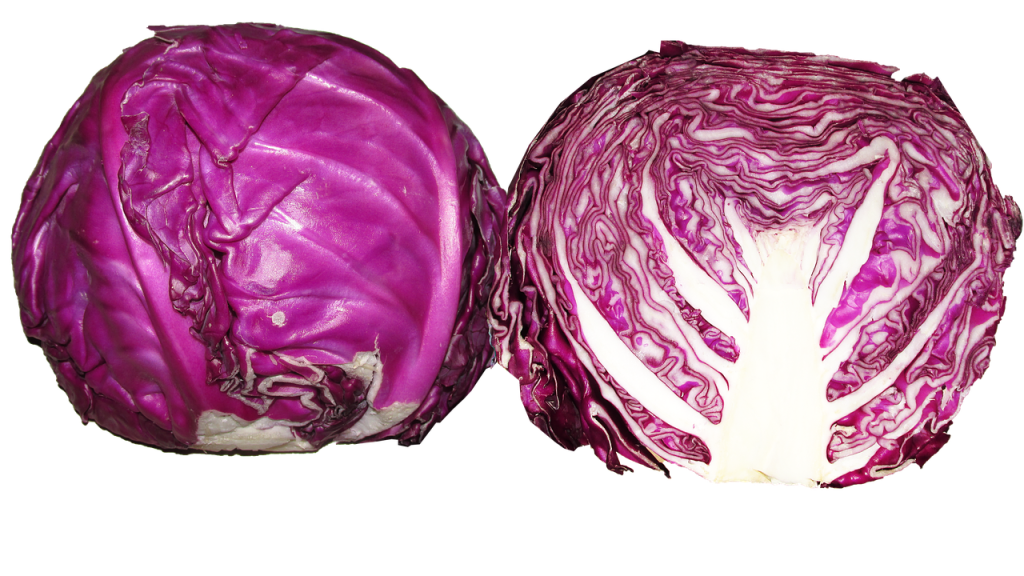
2)Red cabbage: Scientific name — Brassica oleracea . It is a same as common green cabbage, but the color is red purple or magenta. It is very similar to common cabbage. It is usually eaten as salad or with tacos. It has anthocyanins antioxidants in a huge amount.

Red Cabbage
Red Cabbage Plantation
Red Cabbage Salad

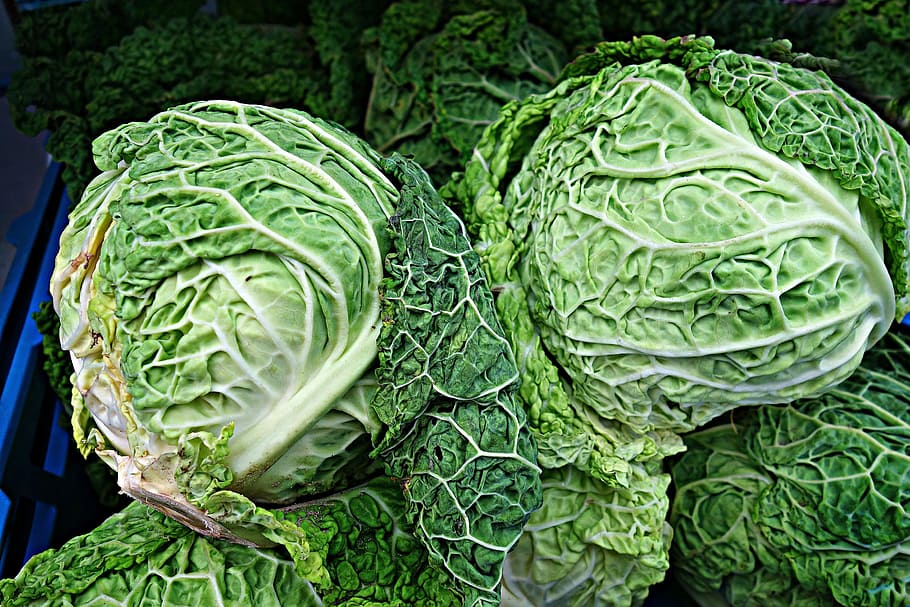
3)Savoy cabbage: scientific name – Brassica oleracea var. sabanda L. It is same as the common cabbage except the leaves of these cabbage is very curly and wrinkly not like the smooth leaves of a common cabbage. It is eaten as salad or stir-fried .

Savoy Cabbage Plant
Savoy Cabbage

4)Nape or Chinese cabbage: It is cabbage, but it is quite long like not as round as a common cabbage. It is famous for Korean traditional Spicy dish kimchi. Scientific name – Brassica Rapa ‘perkinensis’.

Nape Cabbage Plant
Korean Traditional Spicy Dish — Kimchi

5)Bok choy: Scientific name –Brassica rapa chinensis. It is also one type of Chinese cabbage, but it is quite different. It has long green leaves and this cabbage is not round shaped. These leaves have excellent amount of Vitamin A, vitamin k and Vitamin C and some amount of Vitamin B6.

Bok Choy in Market
Bok Choy
Bok Choy Plantation

6)January King cabbage: It is a head cabbage like common cabbage, but has unique color. The leaves of these cabbage are purple and green. Scientific name –Brassica oleracea Sabuda.

January King cabbage Plantation
January King cabbage

Apart from these there are white cabbage or Dutch cabbage, Kale or Leaf cabbage, Tuscan cabbage, Portuguese cabbage, Cannonball cabbage, Gonzales cabbage, Brussels sprouts, pointed cabbage. Cauliflower and broccoli are the also sometime considered as cabbage.

Kale
Kale Leaves
White Cabbages
Tuscan cabbage

Present nutrients:

100-gram raw common cabbage has flowing nutrients –

  1. It contains 5.8 gm of carbohydrates.
  2.  3.2 gm Sugars.
  3.  2.5g dietary fibers.
  4.  0.1g fat.
  5. 1.28 gm protein.
  6. Vitamin containing –— 1)0.2 mg vitamin B3. ; 2)36.6 mg Vitamin C. ; 3)76 microgram vitamin K. ; 4)0.2 mg of vitamin B5. ; 5)0.04 mg of vitamin B2. ; 6)0.12 mg of Vitamin B6.
  7. Minerals containing —- 40 mg calcium. ; 0.18 mg zinc. ;170mg potassium. ;26mgphosphorus. ;12 mg magnesium. ; 0.4mg iron. ;0.1mgmanganese. ;18mg sodium.
  8. It contains almost 92 gram water.
  9. It gives us 103 kilojoule or 25 Kcal energy.
  10. It has antioxidants in high amount.
  11. Various types of cabbage contain these nutrients in various amount but the nutrient elements are same for every cabbage .
Healthy Cabbage Salad

Benefits for health:

  1. Vitamin C is a major nutrient in cabbage which prevent common cold, cough and other ordinary health symptoms.
  2. Cabbage also fight against some chronicle disease like cancer.
  3. It also prevents the risk of inflammation due to containing of Vitamin C.
  4. Cabbage have lots of isolable fiber which is good for our digestive and our health and improve our digestion power.
  5.  It also helps to maintain the level of blood pressure and blood sugar in our body and prevent the heart problems.

Cabbage for Our Health

Cabbage is one of the common vegetables. It is a leafy vegetable. It is usually of color green, but it also comes in white, red, purple and deep green. Cabbage comes from Brassica oleracea or wild cabbage species. Like other vegetable it also has many nutrients and very good for our health. Cabbage are very closely related to cauliflower broccoli.

Some Types of Cabbage from All Around the World:
Cabbage comes with different color, sizes and different types leaf. Let’s discuss about them ––

1)Common green cabbage: Scientific name — Brassica oleracea .It is the most commonly used head cabbage and it is available everywhere in world. The leaves of this cabbage are medium green. They are round shaped and thickly packed by leaves in a layer. The medium green color leaves are eaten cooked and the young and light white green color leaves can be eaten either cooked or uncooked as salad.

Common green cabbage

2)Red cabbage: Scientific name — Brassica oleracea . It is a same as common green cabbage, but the color is red purple or magenta. It is very similar to common cabbage. It is usually eaten as salad or with tacos. It has anthocyanins antioxidants in a huge amount.

Red Cabbage
Red Cabbage Plantation
Red Cabbage Salad

3)Savoy cabbage: scientific name – Brassica oleracea var. sabanda L. It is same as the common cabbage except the leaves of these cabbage is very curly and wrinkly not like the smooth leaves of a common cabbage. It is eaten as salad or stir-fried .

Savoy Cabbage Plant
Savoy Cabbage

4)Nape or Chinese cabbage: It is cabbage, but it is quite long like not as round as a common cabbage. It is famous for Korean traditional Spicy dish kimchi. Scientific name – Brassica Rapa ‘perkinensis’.

Nape Cabbage Plant
Korean Traditional Spicy Dish — Kimchi

5)Bok choy: Scientific name –Brassica rapa chinensis. It is also one type of Chinese cabbage, but it is quite different. It has long green leaves and this cabbage is not round shaped. These leaves have excellent amount of Vitamin A, vitamin k and Vitamin C and some amount of Vitamin B6.

Bok Choy in Market
Bok Choy
Bok Choy Plantation

6)January King cabbage: It is a head cabbage like common cabbage, but has unique color. The leaves of these cabbage are purple and green. Scientific name –Brassica oleracea Sabuda.

January King cabbage Plantation
January King cabbage

Apart from these there are white cabbage or Dutch cabbage, Kale or Leaf cabbage, Tuscan cabbage, Portuguese cabbage, Cannonball cabbage, Gonzales cabbage, Brussels sprouts, pointed cabbage. Cauliflower and broccoli are the also sometime considered as cabbage.

Kale
Kale Leaves
White Cabbages
Tuscan cabbage

Present nutrients:

100-gram raw common cabbage has flowing nutrients –

  1. It contains 5.8 gm of carbohydrates.
  2.  3.2 gm Sugars.
  3.  2.5g dietary fibers.
  4.  0.1g fat.
  5. 1.28 gm protein.
  6. Vitamin containing –— 1)0.2 mg vitamin B3. ; 2)36.6 mg Vitamin C. ; 3)76 microgram vitamin K. ; 4)0.2 mg of vitamin B5. ; 5)0.04 mg of vitamin B2. ; 6)0.12 mg of Vitamin B6.
  7. Minerals containing —- 40 mg calcium. ; 0.18 mg zinc. ;170mg potassium. ;26mgphosphorus. ;12 mg magnesium. ; 0.4mg iron. ;0.1mgmanganese. ;18mg sodium.
  8. It contains almost 92 gram water.
  9. It gives us 103 kilojoule or 25 Kcal energy.
  10. It has antioxidants in high amount.
  11. Various types of cabbage contain these nutrients in various amount but the nutrient elements are same for every cabbage .
Healthy Cabbage Salad

Benefits for health:

  1. Vitamin C is a major nutrient in cabbage which prevent common cold, cough and other ordinary health symptoms.
  2. Cabbage also fight against some chronicle disease like cancer.
  3. It also prevents the risk of inflammation due to containing of Vitamin C.
  4. Cabbage have lots of isolable fiber which is good for our digestive and our health and improve our digestion power.
  5.  It also helps to maintain the level of blood pressure and blood sugar in our body and prevent the heart problems.

Foreign Aid and Economic Dependency

Introduction

Foreign aid is the voluntary transfer of money, resources, or services (in the form of a gift, grant, or loan) from one country to another, or from an international organization to a certain country, for the ultimate benefit of the recipient country. Hence, the implication here is that the recipient country is in a position of debt, shortage, or some economic strife, such that it requires the assistance of other countries or international organizations (UN, NGOs, and other foundations). It is commonly seen when the more developed countries of the world provide aid to the developing nations, especially after they have suffered from some natural disasters, economic crisis situations or serious conflicts that have caused widespread damage.

Foreign aid, however, is not a purely humanitarian practice, and many countries engage in it with varying objectives. Some countries provide foreign assistance with the objective of furthering the political agenda of a government, thereby allowing it to attain diplomatic recognition. Thus, apart from solely providing economic and social support to the country, many donors provide aid as a means to strengthen and consolidate their political and strategic interests in the country or region.

Many economists argue that foreign aid fosters dependency and corruption in recipient countries, while others argue that it fosters economic growth and helps countries in their development. It is thereby a two-handed conclusion that is arrived at here, where we can say that foreign aid can have strong positive effects, but it clearly depends on what it is used for by the recipient, and whether it is invested efficiently and effectively.

What is Foreign Economic Dependency?

Foreign economic dependency is an international power structure in which weaker countries end up relying on economically stronger countries for financial support, which thereby allows the stronger countries to exercise a certain degree of economic and political control over the weaker nation.

Foreign economic dependency is one of the most important ways in which a country can regrow and rebuild itself after a natural disaster. It does this by getting foreign medical aid and disaster aid, and it helps in rebuilding livelihoods by helping the victims of the calamity directly. Without foreign economic aid a country would definitely have a much more difficult time to rebuild itself. However, dependency on foreign aid also often plays a significant role in shaping the economic and political framework of the weaker nation. The donor countries often use the aid they provide to push forward the economic and political policies preferred by them in the target countries. The receiving nation cannot do much in this case as there is the threat of the powerful nation ending the aid if the receiving nation does not comply with them.

Foreign aid is not only from countries but also from international organizations like the World Bank, but these organizations also might force their economic policies on the receiving nation. For example, the country must agree to adjust its economic structure, liberalize and privatize its economy and also increase its financial accountability. Moreover, paying back these huge loans is a difficult task for the receiving nation while trying to maintain/build a healthy economy at the same time, which leads to their economy taking significant damage.

Hence, foreign dependency usually leads to lesser development in the economically dependent country because it has to tailor its policies to the interest of the stronger country, and this usually leads to the weaker country neglecting to do things which are best for its own development. This causes things like faster environmental destruction and creation of only temporary growth that prevents sustainable development and economic independence.

Conclusion

It can be concluded that the ultimate question about whether foreign aid is really effective or not has not yet been fully settled. This is due to the fact that there is enough evidence to convince a person of both sides of the argument. While there have been cases where foreign aid has done wonders, like in Ethiopia, there are also cases where foreign aid has worsened countries, like Somalia. It is essential for recipient countries to give due importance not only to their economic policies, but also in ensuring that foreign aid is directed towards productive and beneficial causes in the country.

The unfavorable result, as discussed in this article, is when foreign aid leads to economic dependency. In such cases, countries are left with little to no autonomy, and the stronger countries get a say in how to operate them for their own benefit. As long as such a situation is avoided, and foreign aid is mainly helpful for the purposes of resolving humanitarian crises and assisting underdeveloped countries, then it is a helpful practice.

Mountains- A history(Part-1)

Photo by Sam Kolder on Pexels.com

We have all seen mountains or hope to see them, after all they are a very famous holiday destination. All of us certainly have a wonderful mountain destination in our bucket list- be it the Himalayas, The Rockies, The Alps, Mt. Fuji or the Swiss Alps. But have you ever wondered how these mountains came into being? How is it that a flat piece of earth rose so high, almost touching the sky? Well, if you have, then here is the answer. And if you haven’t, even then a little extra knowledge never hurts anybody, right?

So, the mountains were formed millions and even billions of year ago (the oldest one-the Barberton Greenstone Belt in South Africa, is 3.6 billion year old) when the continents were being formed. The most widely accepted theory, currently, believes that the earth’s mantle(the astenosphere layer- a semi-solid) has convection current flowing through them(a result of differential heating- the lighter material rises whereas the denser material sinks ). This current belt in the astenosphere moves with it the lithosphere(continental crust, oceanic crust and the top-most part of mantle(upper mantle)). These movements in the lithosphere are the movements of continents and oceans that lead to earthquakes , volcanoes, tsunamis and the formation of volcanic islands, plateaus (all these for some other day) and fold mountains as well as volcanic mountains.

These convection currents move with them large pieces of land, ocean or both and these large pieces are termed as tectonic plates. There are currently 7 major and some minor tectonic plates. The major tectonic plates are-

  1. Indo-Australian plate
  2. North American plate
  3. South American plate
  4. Pacific plate
  5. Antarctic plate
  6. Eurasian plate
  7. African plate

The minor plates are-

  1. Fillipino plate
  2. Nazca plate
  3. Scotia plate
  4. Caribbean plate
  5. Indian plate
  6. Arabian plate
  7. Cocos plate
  8. Juan-de-fuca plate

Let us first see the types of mountains. There are 4 types of mountains-

  1. Fold mountains- These mountains are formed when one tectonic plate folds over the other, due to collision of two plate boundaries. The plates need not be continental as is in the case of the Alps , the Atlas and the Himalayas. An oceanic and a continental plate boundary collision can also form a fold mountain. The examples of such fold mountains are the Rockies and the Andes

  2. Block mountains- These mountains are formed due to the diverging plate boundaries. When two boundaries diverge, it creates a crack on the surface between them known as a rift. Later, the surrounding raised plate undergoes erosion and takes the shape of a mountain. Examples are The East African Rift Valley, The Rhine Valley, The Vindhyas and Satpuras .

  3. Volcanic mountains- Mountains formed due to fissures in the earth’s surface, that lead to release of magma. The examples are Mt. Fuji, Mt. Mayon. Also, they are known as mountains of accumulation.
  4. Residual mountains- Mountains that are either formed due to the erosion of existing mountains (denudation) or plateaus(dissection) by agents such as rivers, winds, glaciers. Examples are Mt. Manodnock (The Appalachians) , Highlands of Scotland, Scandinavia and Deccan Plateau.

The movement of the tectonic plates creates one of the above or even a combination of the above kind of mountains. Stay tuned for the next part to know how are many of the world mountains created and where are they located? Is there something common about their location? What is the reason for exceptions?

Mountains- A history(Part-1)

Photo by Sam Kolder on Pexels.com

We have all seen mountains or hope to see them, after all they are a very famous holiday destination. All of us certainly have a wonderful mountain destination in our bucket list- be it the Himalayas, The Rockies, The Alps, Mt. Fuji or the Swiss Alps. But have you ever wondered how these mountains came into being? How is it that a flat piece of earth rose so high, almost touching the sky? Well, if you have, then here is the answer. And if you haven’t, even then a little extra knowledge never hurts anybody, right?

So, the mountains were formed millions and even billions of year ago (the oldest one-the Barberton Greenstone Belt in South Africa, is 3.6 billion year old) when the continents were being formed. The most widely accepted theory, currently, believes that the earth’s mantle(the astenosphere layer- a semi-solid) has convection current flowing through them(a result of differential heating- the lighter material rises whereas the denser material sinks ). This current belt in the astenosphere moves with it the lithosphere(continental crust, oceanic crust and the top-most part of mantle(upper mantle)). These movements in the lithosphere are the movements of continents and oceans that lead to earthquakes , volcanoes, tsunamis and the formation of volcanic islands, plateaus (all these for some other day) and fold mountains as well as volcanic mountains.

These convection currents move with them large pieces of land, ocean or both and these large pieces are termed as tectonic plates. There are currently 7 major and some minor tectonic plates. The major tectonic plates are-

  1. Indo-Australian plate
  2. North American plate
  3. South American plate
  4. Pacific plate
  5. Antarctic plate
  6. Eurasian plate
  7. African plate

The minor plates are-

  1. Fillipino plate
  2. Nazca plate
  3. Scotia plate
  4. Caribbean plate
  5. Indian plate
  6. Arabian plate
  7. Cocos plate
  8. Juan-de-fuca plate

Let us first see the types of mountains. There are 4 types of mountains-

  1. Fold mountains- These mountains are formed when one tectonic plate folds over the other, due to collision of two plate boundaries. The plates need not be continental as is in the case of the Alps , the Atlas and the Himalayas. An oceanic and a continental plate boundary collision can also form a fold mountain. The examples of such fold mountains are the Rockies and the Andes

  2. Block mountains- These mountains are formed due to the diverging plate boundaries. When two boundaries diverge, it creates a crack on the surface between them known as a rift. Later, the surrounding raised plate undergoes erosion and takes the shape of a mountain. Examples are The East African Rift Valley, The Rhine Valley, The Vindhyas and Satpuras .

  3. Volcanic mountains- Mountains formed due to fissures in the earth’s surface, that lead to release of magma. The examples are Mt. Fuji, Mt. Mayon. Also, they are known as mountains of accumulation.
  4. Residual mountains- Mountains that are either formed due to the erosion of existing mountains (denudation) or plateaus(dissection) by agents such as rivers, winds, glaciers. Examples are Mt. Manodnock (The Appalachians) , Highlands of Scotland, Scandinavia and Deccan Plateau.

The movement of the tectonic plates creates one of the above or even a combination of the above kind of mountains. Stay tuned for the next part to know how are many of the world mountains created and where are they located? Is there something common about their location? What is the reason for exceptions?