What is Leadership?

Leadership, according to Peter DeLisle, is the ability to influence others, with or without authority. All successful endeavors are the result of human effort; thus, the ability to influence others is a derivation of Interpersonal Communications, Conflict Management, Problem solving. Leadership is a direct function of three elements of interpersonal effectiveness.

  1. Awareness : Awareness is a state of consciousness. It is the ability to recognize yourself, others, events and situations in real time.
  2. Ability : Ability to learn and understand technical issues is the basis of our careers – Ability to communicate, Ability to resolve conflicts, Ability to solve problems and make decisions.
  3. Commitment : Taking decisions without recognizing the impact in both positive and negative manner. To be dedicated and keeping engage.

Attributes or Characteristics of Leader

  • Guiding vision : Effective leaders know their strength to pursue the objectives and achieve the goals.
  • Passion :Leaders have a positive outlook on who they are, and they love what they do.
  • Integrity : Leaders know who they are, effective leaders are also aware of their weaknesses. They only make promises they can follow through on.
  • Honesty : Leaders convey an aura of honesty in both their professional and their personal lives.
  • Trust : Effective leaders earn the trust of their followers and act on behalf of their followers.
  • Risk : Effective leaders take calculated risks when necessary, to achieve their objectives . They learn from the
    mistake and use it as an opportunity to explore other avenues.
  • Dedication : The effective leaders are dedicated to their charge. The leader gives himself or herself entirely to the task when it is necessary.

Leadership Styles

1) Persuasive Leadership
• Leader engage his team through cooperation.
• Explains projects and values, stimulates, encourages, mobilizes resources.
• Remains accountable for every decision.
• Flexible on methods, supports co-workers.

2) Authoritative Leadership
• An Authoritative leader is self committed , gives instructions, structures the team activities.
• Sets precise objectives, defines evaluation criteria, solely accountable for decisions.
• Does not accept co-workers requests, does not accept failure.
• Always decides- does not listen

3) Delegative Leadership
• Defines the rules, mission and the responsibilities
• Plans and organizes the teams activities.
• Gives autonomy, only when required.
• Fosters mutual respect through expertise.

4) Democratic Leadership:
• Supports team work and offers collective projects
• Always encourages the team members to express freely
• Takes into account the individuals needs
• Fosters positive work environment and engages his team in decision making process.

Tips for better Leadership
• Be a good role model.
• Be clear about your rules and expectations.
• Leave room for input.
• Reward employees for good behavior.
• Be liked.
• Stamp out ‘them and us’ culture
• Honor the business roots
• Be passionate, enthusiastic and proud• Communicate effectively.
• Know your limits
• Learn from the past
• Keep meetings productive
• Walk your talk
• Presentations
• Motivational skills

𝑰𝑴𝑷𝑶𝑹𝑻𝑨𝑵𝑪𝑬 𝑶𝑭 𝑺𝑳𝑬𝑬𝑷𝑰𝑵𝑮

“I LOVE SLEEPING, Because It Took Me To Another World Where I Can Be Whatever I Want”

Sleep is one of the most important things you need to do for your body because it is your body’s way of recharging its batteries. When you begin to feel sleepy at night, it means that you have reached the limit that your body has, and you should sleep so that you do not over-exert yourself.

  • The average hours that one adult should be sleeping every night is 8 hours, or you can give or take one or two hours. The problem with all the generations in the world is that there are so many disturbances around us that can easily distract us from what is essential. One such example of this is mobile phones – it is easy to get addicted to mobile phones that contain an entire world and keep scrolling through it instead of going to sleep.
  • It is essential to understand the reason why sleep is vital. Getting enough sleep helps heal your bodies from any pain or injuries; it betters your immune system, cognitive memory, and thinking capacity. Furthermore, getting adequate sleep is vital for keeping our hearts and other systems clean and with a good bill of health. Without getting a good number of hours worth of sleep at night, we are putting ourselves at the risk of mental health disruptions as well as physical disorders and problems such as depression, anxiety, heart attacks, obesity (leading to various other issues), and even exhaustion which can ultimately disrupt one’s life. We must get enough sleep to look and feel fresh and healthy every day
  • For example; a bad habit like this would be watching TV shows late at night despite knowing that we have to wake up early the next morning.
  • When we sleep, the brain recharges itself and heals our bodies in whichever parts we need healing. When we sleep, our blood vessels and circulatory system heal themselves. If you have a bruise, you will notice that it has healed a little bit when you go to sleep and wake up in the morning. Sleep does the same thing for the rest of the body as well, and it is essential to allow your batteries to charge while you heal yourself.
  • Many of us struggle with our sleep because of the prevalence of mobile phones and other addictive screens in our lives. Some severe problems can enter our lives when we do not get enough sleep. This can range from mental health problems like depression and anxiety to even physical ailments and issues like diabetes, cardiac arrest, obesity, high blood pressure, etc. We must be careful and get a good 6-8 hours of sleep every night.
  • 𝗕𝗲𝗻𝗲𝗳𝗶𝘁𝘀 𝗼𝗳 𝘀𝗹𝗲𝗲𝗽𝗶𝗻𝗴: There are several benefits of getting a good sleep at night. It helps you maintain your body weight so that you do not become obese and add to this; there’s also the fact that people who sleep well at night often eat less than those who don’t, which also helps with the weight. Getting adequate sleep also increases your productivity by making you feel more energetic and giving you the time you need to rest. It also helps our lives be in a good mood, and good sleep puts a person in a good mood. Sleeping enough also allows our minds to function correctly and in a better way. Thus we can think better, and we also have a better memory power upon sleeping enough.
  • 𝗖𝗼𝗻𝗰𝗹𝘂𝘀𝗶𝗼𝗻 :

Getting adequate sleep is incredibly vital to our mental health and physical well-being. If we do not get enough sleep, we might get burnt out and not be able to carry out our lives in the way that we should be able to. Without the ability to do this, life can become painful and full of difficulties that may become complex over time. Thus, we must all take the initiative in our own lives to sleep on time and wake up on time to prevent any mental or physical blockages and hindrances.
If we do not get enough sleep at night, we will end up with terrible health. Most of us end up binge-watching television shows, movies, and even things like YouTube videos at night, and we usually do this at night because, in the daytime, we generally remain busy with other things, like school, office, other work, running errands, and stuff like that. We all think that because we do a lot of work in the daytime, the nighttime is, in a way, free time for us to do as we want. However, this is not the right way to go about life.

𝑰𝑴𝑷𝑶𝑹𝑻𝑨𝑵𝑪𝑬 𝑶𝑭 𝑺𝑳𝑬𝑬𝑷𝑰𝑵𝑮

“I LOVE SLEEPING, Because It Took Me To Another World Where I Can Be Whatever I Want”

Sleep is one of the most important things you need to do for your body because it is your body’s way of recharging its batteries. When you begin to feel sleepy at night, it means that you have reached the limit that your body has, and you should sleep so that you do not over-exert yourself.

  • The average hours that one adult should be sleeping every night is 8 hours, or you can give or take one or two hours. The problem with all the generations in the world is that there are so many disturbances around us that can easily distract us from what is essential. One such example of this is mobile phones – it is easy to get addicted to mobile phones that contain an entire world and keep scrolling through it instead of going to sleep.
  • It is essential to understand the reason why sleep is vital. Getting enough sleep helps heal your bodies from any pain or injuries; it betters your immune system, cognitive memory, and thinking capacity. Furthermore, getting adequate sleep is vital for keeping our hearts and other systems clean and with a good bill of health. Without getting a good number of hours worth of sleep at night, we are putting ourselves at the risk of mental health disruptions as well as physical disorders and problems such as depression, anxiety, heart attacks, obesity (leading to various other issues), and even exhaustion which can ultimately disrupt one’s life. We must get enough sleep to look and feel fresh and healthy every day
  • For example; a bad habit like this would be watching TV shows late at night despite knowing that we have to wake up early the next morning.
  • When we sleep, the brain recharges itself and heals our bodies in whichever parts we need healing. When we sleep, our blood vessels and circulatory system heal themselves. If you have a bruise, you will notice that it has healed a little bit when you go to sleep and wake up in the morning. Sleep does the same thing for the rest of the body as well, and it is essential to allow your batteries to charge while you heal yourself.
  • Many of us struggle with our sleep because of the prevalence of mobile phones and other addictive screens in our lives. Some severe problems can enter our lives when we do not get enough sleep. This can range from mental health problems like depression and anxiety to even physical ailments and issues like diabetes, cardiac arrest, obesity, high blood pressure, etc. We must be careful and get a good 6-8 hours of sleep every night.
  • 𝗕𝗲𝗻𝗲𝗳𝗶𝘁𝘀 𝗼𝗳 𝘀𝗹𝗲𝗲𝗽𝗶𝗻𝗴: There are several benefits of getting a good sleep at night. It helps you maintain your body weight so that you do not become obese and add to this; there’s also the fact that people who sleep well at night often eat less than those who don’t, which also helps with the weight. Getting adequate sleep also increases your productivity by making you feel more energetic and giving you the time you need to rest. It also helps our lives be in a good mood, and good sleep puts a person in a good mood. Sleeping enough also allows our minds to function correctly and in a better way. Thus we can think better, and we also have a better memory power upon sleeping enough.
  • 𝗖𝗼𝗻𝗰𝗹𝘂𝘀𝗶𝗼𝗻 :

Getting adequate sleep is incredibly vital to our mental health and physical well-being. If we do not get enough sleep, we might get burnt out and not be able to carry out our lives in the way that we should be able to. Without the ability to do this, life can become painful and full of difficulties that may become complex over time. Thus, we must all take the initiative in our own lives to sleep on time and wake up on time to prevent any mental or physical blockages and hindrances.
If we do not get enough sleep at night, we will end up with terrible health. Most of us end up binge-watching television shows, movies, and even things like YouTube videos at night, and we usually do this at night because, in the daytime, we generally remain busy with other things, like school, office, other work, running errands, and stuff like that. We all think that because we do a lot of work in the daytime, the nighttime is, in a way, free time for us to do as we want. However, this is not the right way to go about life.

World Hepatitis Day 2021: Theme, Hep types, and Significance.

What is hepatitis? Theme this year, few symptoms, about types of Hep, and how to contribute?

THEME 2021 : “Hepatitis Can’t Wait”

What is Hepatitis:

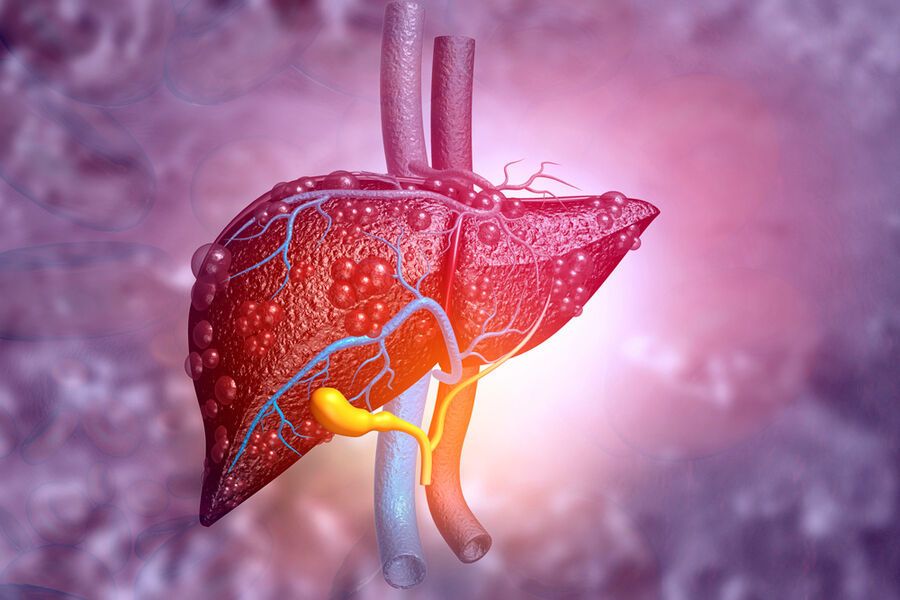
Hepatitis means inflammation of the liver. It can lead to scarring, cirrhosis, and liver cancer. There are 5 main hepatitis viruses: –

Types A, B, C, D and E. These 5 types are very serious since they cause severe illness, even leading to death. They can also cause outbreaks and spread of epidemic.

 A person dying every 30 seconds from a hepatitis related illness 

Causes :

Heavy alcohol use, toxins, some medications, autoimmune diseases can cause hepatitis

Ways of transmission: Have contact or receiving of contaminated blood or blood products, invasive medical procedures using contaminated equipment. Hepatitis B can transfer from mother to baby at birth, from family member to child, and by sexual contact.

Main symptoms:

  • Jaundice (yellowing of the skin and eyes)
  • Dark urine,
  • Extreme fatigue
  • Nausea
  • Vomiting
  • Abdominal pain. 

Types of hepatitis:

1 Hepatitis A Virus (HAV) :

Transmitted through consumption of contaminated water, food; sometimes sexual contact. It’s trace is present in faeces. In most of the cases, it is usually mild and when treated properly it can make one immune from further infections. But, left untreated it can turn life threatening.

Additional symptoms :

  • Abdominal pain or discomfort, (by your liver)
  • Clay-colored bowel movements
  • Severe itching

Safe, effective vaccines are available to prevent HAV.

2 Hepatitis B Virus (HBV): –

Transmitted through exposure to infective blood, semen, and other body fluids, mother to baby, family member to a child during early childhood, transfusions of HBV-contaminated blood and blood products, contaminated injections during medical procedures, and through injection drug use. Medical workers have a greater chance of exposure.

Add Symptoms:

  • Fever
  • Joint pain
  • Loss of appetite

Safe, effective vaccines are available to prevent HAV.

IT HAS NO CURE, BUT JUST CAN BE PREVENTED

3 Hepatitis C Virus :-

Transmitted through exposure to infective blood, instruments during surgeries; even though the chance is low, sexual transmission is possible. If detected soon it can be treated. But, most of them have no idea they have Hep C starts with it’s acute form which rarely shows symptoms.

Add. symptoms:

  • Bleeding easily
  • Bruising easily
  • Itchy skin
  • Fluid buildup in your abdomen (ascites)
  • Swelling in your legs
  • Spiderlike blood vessels on your skin

NO Vaccine yet

4 Hepatitis D Virus : –

It can transmit through blood and body fluids but it only occurs when the person is already affected with Hepatitis B. IT IS MOST SEVERE FORM OF HEPATITIS. It can lead to lifelong liver damage and even death. HBV vaccine gives protection from Hepatitis D virus. If you have HBV, haven’t taken HBV vaccine and live where HDV is more prevalent; the chance of contracting HDV is higher.

Add. Symptoms:

  • Not feeling hungry
  • Joint pain
  • Dark urine
  • Light-colored stool

NO CURE

5 Hepatitis E Virus (HEV): –

Transmission through contaminated food like undercooked meat from infected animals, such as pigs or deer, or water. The one that causes most outbreaks. It can get better by practicing hygiene, but pregnant women and people with weak immune system are at a risk.

Add. symptoms:

  • Light-colored poop
  • Skin rash or itching
  • Joint pain
  • Less hunger and throwing up

Safe and effective vaccines to prevent HEV infection have been developed but are not widely available.

Why 28th July?

It is the birthday of Dr Baruch Blumberg, the Nobel-laurate scientist discovered the Hepatitis B virus (HBV), diagnostic tests and vaccine for Hep B.

How to contribute:

  • Practice hygiene for yourself and encourage those around you.
  • Join drives which support sanitation of unhygienic, neglected areas.
  • Educate yourself and people around you.
  • Donate to legit Hep donations.
  • Before travelling to areas where Hep prevails, get yourself vaccinated against Hep.
  • Spread awareness, because it might help someone one day. (Learning about symptoms encourages one to go to Doctor)
  • Join the campaigns by WHO.

REF:

https://www.who.int/news-room/events/detail/2021/07/28/default-calendar/world-hepatitis-day-2021

World Hepatitis Day 2021: Theme, Hep types, and Significance.

What is hepatitis? Theme this year, few symptoms, about types of Hep, and how to contribute?

THEME 2021 : “Hepatitis Can’t Wait”

What is Hepatitis:

Hepatitis means inflammation of the liver. It can lead to scarring, cirrhosis, and liver cancer. There are 5 main hepatitis viruses: –

Types A, B, C, D and E. These 5 types are very serious since they cause severe illness, even leading to death. They can also cause outbreaks and spread of epidemic.

 A person dying every 30 seconds from a hepatitis related illness 

Causes :

Heavy alcohol use, toxins, some medications, autoimmune diseases can cause hepatitis

Ways of transmission: Have contact or receiving of contaminated blood or blood products, invasive medical procedures using contaminated equipment. Hepatitis B can transfer from mother to baby at birth, from family member to child, and by sexual contact.

Main symptoms:

  • Jaundice (yellowing of the skin and eyes)
  • Dark urine,
  • Extreme fatigue
  • Nausea
  • Vomiting
  • Abdominal pain. 

Types of hepatitis:

1 Hepatitis A Virus (HAV) :

Transmitted through consumption of contaminated water, food; sometimes sexual contact. It’s trace is present in faeces. In most of the cases, it is usually mild and when treated properly it can make one immune from further infections. But, left untreated it can turn life threatening.

Additional symptoms :

  • Abdominal pain or discomfort, (by your liver)
  • Clay-colored bowel movements
  • Severe itching

Safe, effective vaccines are available to prevent HAV.

2 Hepatitis B Virus (HBV): –

Transmitted through exposure to infective blood, semen, and other body fluids, mother to baby, family member to a child during early childhood, transfusions of HBV-contaminated blood and blood products, contaminated injections during medical procedures, and through injection drug use. Medical workers have a greater chance of exposure.

Add Symptoms:

  • Fever
  • Joint pain
  • Loss of appetite

Safe, effective vaccines are available to prevent HAV.

IT HAS NO CURE, BUT JUST CAN BE PREVENTED

3 Hepatitis C Virus :-

Transmitted through exposure to infective blood, instruments during surgeries; even though the chance is low, sexual transmission is possible. If detected soon it can be treated. But, most of them have no idea they have Hep C starts with it’s acute form which rarely shows symptoms.

Add. symptoms:

  • Bleeding easily
  • Bruising easily
  • Itchy skin
  • Fluid buildup in your abdomen (ascites)
  • Swelling in your legs
  • Spiderlike blood vessels on your skin

NO Vaccine yet

4 Hepatitis D Virus : –

It can transmit through blood and body fluids but it only occurs when the person is already affected with Hepatitis B. IT IS MOST SEVERE FORM OF HEPATITIS. It can lead to lifelong liver damage and even death. HBV vaccine gives protection from Hepatitis D virus. If you have HBV, haven’t taken HBV vaccine and live where HDV is more prevalent; the chance of contracting HDV is higher.

Add. Symptoms:

  • Not feeling hungry
  • Joint pain
  • Dark urine
  • Light-colored stool

NO CURE

5 Hepatitis E Virus (HEV): –

Transmission through contaminated food like undercooked meat from infected animals, such as pigs or deer, or water. The one that causes most outbreaks. It can get better by practicing hygiene, but pregnant women and people with weak immune system are at a risk.

Add. symptoms:

  • Light-colored poop
  • Skin rash or itching
  • Joint pain
  • Less hunger and throwing up

Safe and effective vaccines to prevent HEV infection have been developed but are not widely available.

Why 28th July?

It is the birthday of Dr Baruch Blumberg, the Nobel-laurate scientist discovered the Hepatitis B virus (HBV), diagnostic tests and vaccine for Hep B.

How to contribute:

  • Practice hygiene for yourself and encourage those around you.
  • Join drives which support sanitation of unhygienic, neglected areas.
  • Educate yourself and people around you.
  • Donate to legit Hep donations.
  • Before travelling to areas where Hep prevails, get yourself vaccinated against Hep.
  • Spread awareness, because it might help someone one day. (Learning about symptoms encourages one to go to Doctor)
  • Join the campaigns by WHO.

REF:

https://www.who.int/news-room/events/detail/2021/07/28/default-calendar/world-hepatitis-day-2021

Bentley’s Bentayga

Bentley is by far known as the world’s best luxury car producer in the past century. Bentley Motors Limited is a British manufacturer and marketer of luxury cars and SUVs, and a subsidiary of the Volkswagen Group since 1998. Headquartered in Crewe, England, the company was founded as Bentley Motors Limited by W. O. Bentley in 1919 in Cricklewood, North London, and became widely known for winning the 24 Hours of Le Mans in 1924, 1927, 1928, 1929, and 1930.

Bentley recently came up with a top-notch SUV, the Bentayga a sheer and commanding design with top innovative technology. This all new-SUV can reach 100kmph in less than five seconds, equipped with a 6-liter W12 engine it truly roars on the road. It is also equipped with dynamic control; it consists of a 48-volt electric motor to cut down the body topple effect when the car is cornering at high speeds. This feature is a worthy add-on, giving complete control to the driver.

These features are nothing compared to the groundbreaking innovation they have made in terms of their wheels. These wheels are completely manufactured with carbon fiber alloy, this is the world’s largest full carbon fiber alloy wheel, having a diameter of 22 inches. This wheel reduces almost 6kgs of weight from the wheel weightage. Saving over 20kgs in the overall build of the car, further, it passed the German TUV (a test conducted on wheels to check its integrity) this carbon fiber alloy wheel, surpassed the conventional aluminum alloy wheel.

 The wheel has been developed for over five years. Apart from having better strength, as it is made of a fibrous structure it has a better braking and suspension system compared to those conventional wheels. These wheels were processed by a patented process that uses Resin Transfer Moulding, which consists of stacking prescribed carbon fiber to create a 3D surface.

The advancement of technologies is always growing and will never end, we as consumers must always appreciate such products and must be aware of such innovations.

Bentley’s Bentayga

Bentley is by far known as the world’s best luxury car producer in the past century. Bentley Motors Limited is a British manufacturer and marketer of luxury cars and SUVs, and a subsidiary of the Volkswagen Group since 1998. Headquartered in Crewe, England, the company was founded as Bentley Motors Limited by W. O. Bentley in 1919 in Cricklewood, North London, and became widely known for winning the 24 Hours of Le Mans in 1924, 1927, 1928, 1929, and 1930.

Bentley recently came up with a top-notch SUV, the Bentayga a sheer and commanding design with top innovative technology. This all new-SUV can reach 100kmph in less than five seconds, equipped with a 6-liter W12 engine it truly roars on the road. It is also equipped with dynamic control; it consists of a 48-volt electric motor to cut down the body topple effect when the car is cornering at high speeds. This feature is a worthy add-on, giving complete control to the driver.

These features are nothing compared to the groundbreaking innovation they have made in terms of their wheels. These wheels are completely manufactured with carbon fiber alloy, this is the world’s largest full carbon fiber alloy wheel, having a diameter of 22 inches. This wheel reduces almost 6kgs of weight from the wheel weightage. Saving over 20kgs in the overall build of the car, further, it passed the German TUV (a test conducted on wheels to check its integrity) this carbon fiber alloy wheel, surpassed the conventional aluminum alloy wheel.

 The wheel has been developed for over five years. Apart from having better strength, as it is made of a fibrous structure it has a better braking and suspension system compared to those conventional wheels. These wheels were processed by a patented process that uses Resin Transfer Moulding, which consists of stacking prescribed carbon fiber to create a 3D surface.

The advancement of technologies is always growing and will never end, we as consumers must always appreciate such products and must be aware of such innovations.

Health & Ginger

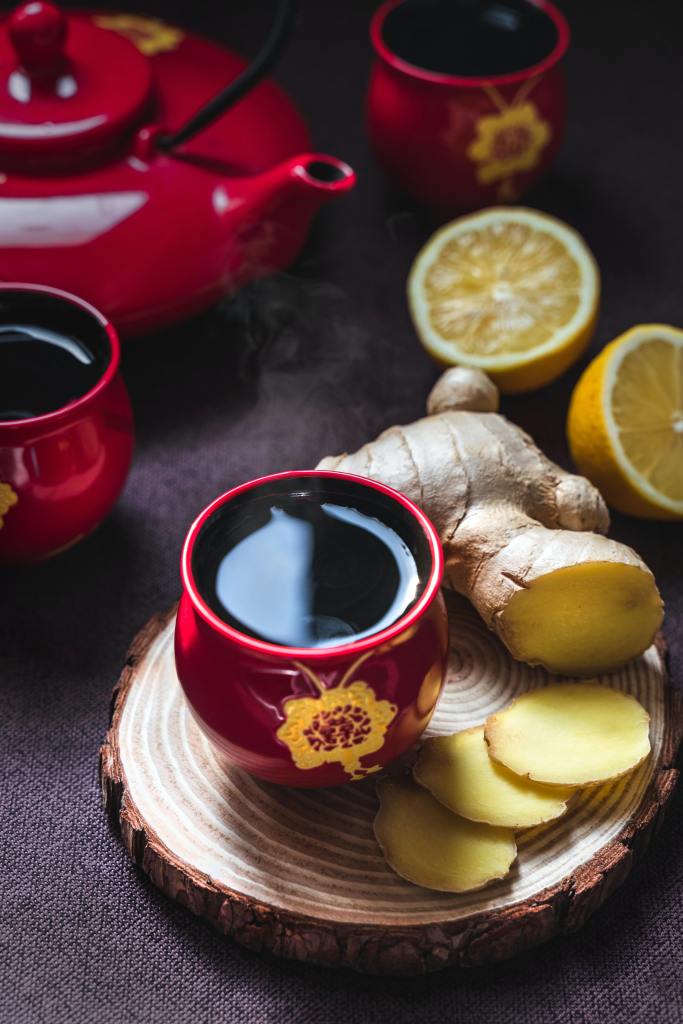
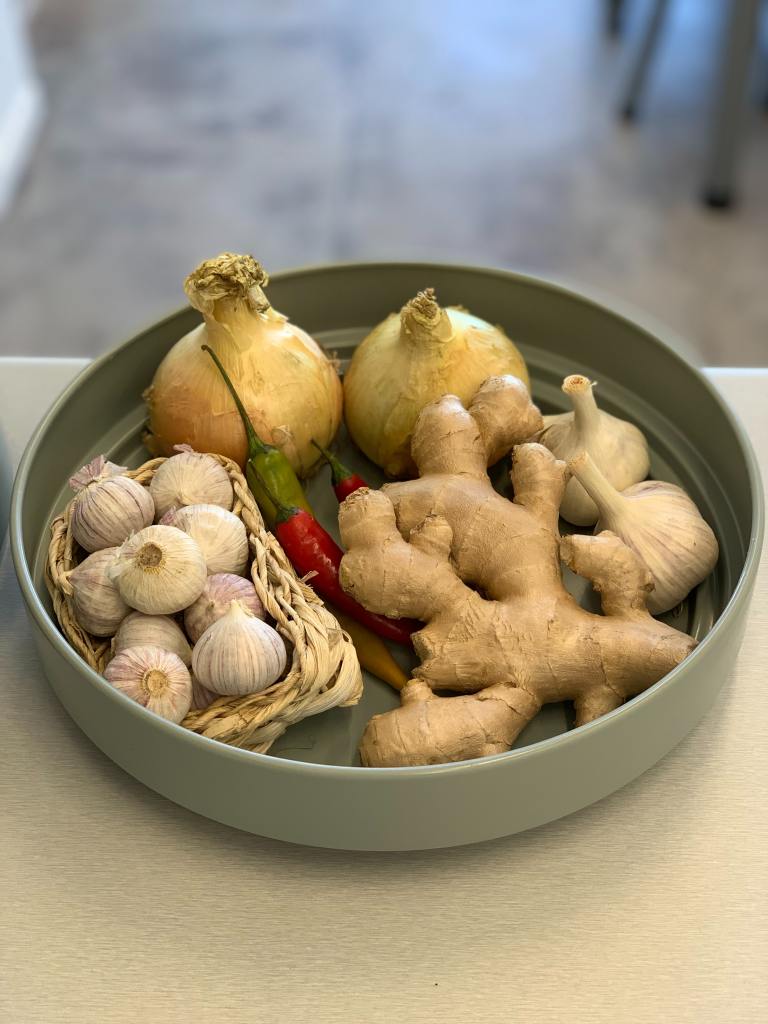
Ginger is one of the common spices which is used all over the world .It is a very ordinary Spice which can be found in any kitchen . But did you know that it has extraordinary medicinal power? Yes ! Ginger is not only a spice but it is also an organic & aromatic medicine .Ginger is an important compound for making herbal tea which is used for various health purposes .Ginger is the important spice for Asian foods. Come and let’s talk about ginger .

Herbal tea
Ginger Powder as Spice

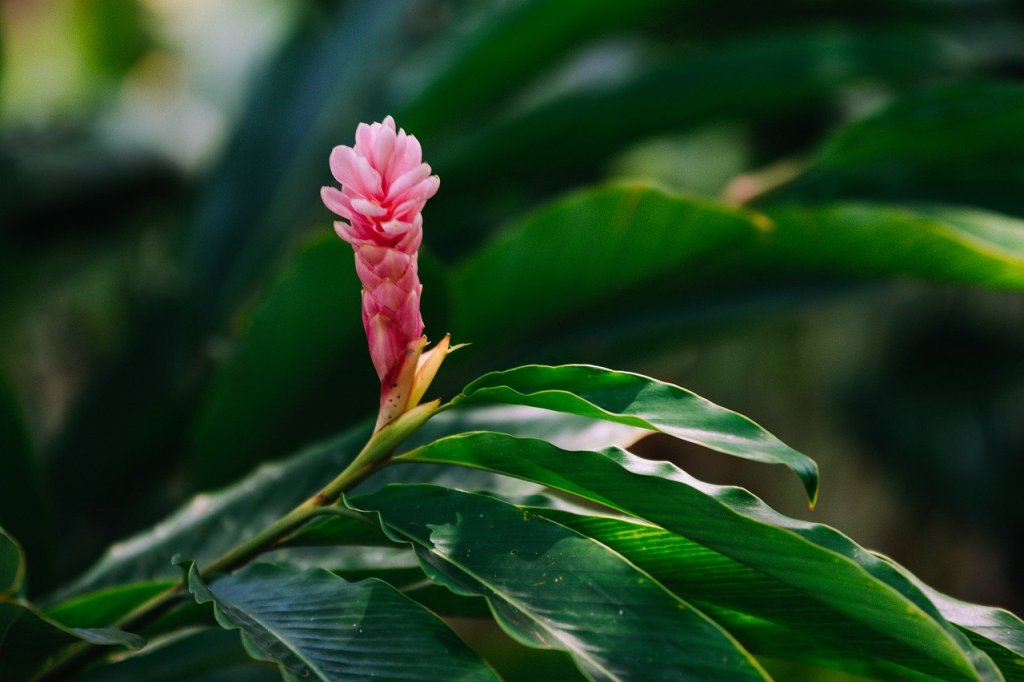
Ginger is the rooting part of a flowering Ginger plant . So obviously  we collect Ginger under soil .The binomial name of Ginger is Zingiber officinale . Ginger is closely connected to turmeric cardamom and some other spices .There are many types of Ginger all over the world .  The taste of the Ginger is very strong  & has a pungent smell .

Young ginger

Various Types of Ginger :   1) COMMON GINGER ( Its Scientific name is Zingiber Officinale . It is the most popular ginger in the world .)

COMMON GINGER

2) PEACOCK GINGER

PEACOCK GINGER Plant

3)MANGO GINGER (Its biological name is Curcuma amada .This type of Ginger has the taste and smell of raw sweet mango . )

Mango Ginger & its Paste

4)GINGER LILY

GINGER LILY Plant & Flower

5)CREPE GINGER ( Cheilocostus speciosus is its scientific name & grow in a white crepe paper flowering plant ) 

CREPE GINGER Plant & Flower

6)BUTTERFLY LILY GINGER (  Hedychium coronarium is its botanical name)

BUTTERFLY LILY GINGER Plant & Flower

7)DANCING LILY GINGER ( Scientific name is Globba winitii & have honey sweet smelling unique structural flower)

8)YELLOW GINGER (Its botanical name is  Hedychium flavescens )

YELLOW GINGER

 Apart from this type of these Gingers there are many more  Red Ginger ,Thai Ginger, Japanese Ginger ,Torch Ginger ,Shell Ginger ,Blue Hawaiian Ginger ,Beehive Ginger ,Bitter Ginger , Culinary Ginger ,Spring Ginger , Red Ginger etc.

Beehive Ginger Flowering Plant
Bitter Ginger Flower
Culinary Ginger
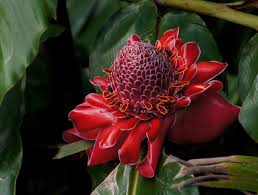
Flower of Torch Ginger Flower
Red Ginger
Ginger as common kitchen ingredient

Nutrients of Ginger :100 gm of ginger contain 

a)17.7 gram carbohydrate 

b) 1.7 gm sugar

c) 2 gram dietary fibre

d) 1.8 gram protein

e) 0.7 gram fat

f)  Some vitamins like – 0.7 mg vitamin B3 ,0.2 mg vitamin B5 ,0.16 mg Vitamin B6 ,5 mg Vitamin C ,0.26 mg Vitamin E                                                                                                                                        g) Some minerals – 16 mg calcium ,43 mg magnesium ,34 mg phosphorus ,415 mg potassium ,13 mg sodium ,0.6 mg iron ,0.2 mg manganese ,0.3 mg zinc .

h)Ginger also contains 79 gm water .

i) Ginger gives us 80 kilo cal energy .

j) Ginger also contains Vitamin B1 ,vitamin B2 ,folate . 

k)Ginger has excellent amount of Gingerol which is a powerful antioxidant

Effectiveness : 

1)Gingerol is a very strong and effective antioxidant ,which is found in Ginger in high amounts . It prevents the free radicals from damaging our body cells  by oxidation .

2)Ginger is very effective for pregnant women in the time of morning sickness . Ginger fights back the symptoms of nuisance .It is also helpful for nuisance created by chemical therapy for digestive nuisance and others .

3)Research in 2019 shows that Ginger has a low amount of fat so it is very good for a weight loss diet . 

4)Ginger is also helpful for osteoarthritis, joint pain and other bone problems . 

5)Ginger is able to act as a very powerful anti diabetic medicine which helps to decrease the amount of blood sugar in blood and protect our heart from any heart problems .

6)Menstrual pain during the monthly cycle is a very common problem for girls . This menstrual cramps is called Dysmenorrhea & Ginger is a very good pain reliever for Dysmenorrhea .

7)Some research  shows that Ginger has anticancer properties. It specially helps to prevent colorectal cancer .

8)Gingerol antioxidant which is present in Ginger , can ward off the infection problems .

9)Ginger is also good for an upset stomach ,indigestion and other digestion problems .

10)Ginger also prevents common cold and other symptoms of cold & cough .

Health & Ginger

Ginger is one of the common spices which is used all over the world .It is a very ordinary Spice which can be found in any kitchen . But did you know that it has extraordinary medicinal power? Yes ! Ginger is not only a spice but it is also an organic & aromatic medicine .Ginger is an important compound for making herbal tea which is used for various health purposes .Ginger is the important spice for Asian foods. Come and let’s talk about ginger .

Herbal tea
Ginger Powder as Spice

Ginger is the rooting part of a flowering Ginger plant . So obviously  we collect Ginger under soil .The binomial name of Ginger is Zingiber officinale . Ginger is closely connected to turmeric cardamom and some other spices .There are many types of Ginger all over the world .  The taste of the Ginger is very strong  & has a pungent smell .

Young ginger

Various Types of Ginger :   1) COMMON GINGER ( Its Scientific name is Zingiber Officinale . It is the most popular ginger in the world .)

COMMON GINGER

2) PEACOCK GINGER

PEACOCK GINGER Plant

3)MANGO GINGER (Its biological name is Curcuma amada .This type of Ginger has the taste and smell of raw sweet mango . )

Mango Ginger & its Paste

4)GINGER LILY

GINGER LILY Plant & Flower

5)CREPE GINGER ( Cheilocostus speciosus is its scientific name & grow in a white crepe paper flowering plant ) 

CREPE GINGER Plant & Flower

6)BUTTERFLY LILY GINGER (  Hedychium coronarium is its botanical name)

BUTTERFLY LILY GINGER Plant & Flower

7)DANCING LILY GINGER ( Scientific name is Globba winitii & have honey sweet smelling unique structural flower)

8)YELLOW GINGER (Its botanical name is  Hedychium flavescens )

YELLOW GINGER

 Apart from this type of these Gingers there are many more  Red Ginger ,Thai Ginger, Japanese Ginger ,Torch Ginger ,Shell Ginger ,Blue Hawaiian Ginger ,Beehive Ginger ,Bitter Ginger , Culinary Ginger ,Spring Ginger , Red Ginger etc.

Beehive Ginger Flowering Plant
Bitter Ginger Flower
Culinary Ginger
Flower of Torch Ginger Flower
Red Ginger
Ginger as common kitchen ingredient

Nutrients of Ginger :100 gm of ginger contain 

a)17.7 gram carbohydrate 

b) 1.7 gm sugar

c) 2 gram dietary fibre

d) 1.8 gram protein

e) 0.7 gram fat

f)  Some vitamins like – 0.7 mg vitamin B3 ,0.2 mg vitamin B5 ,0.16 mg Vitamin B6 ,5 mg Vitamin C ,0.26 mg Vitamin E                                                                                                                                        g) Some minerals – 16 mg calcium ,43 mg magnesium ,34 mg phosphorus ,415 mg potassium ,13 mg sodium ,0.6 mg iron ,0.2 mg manganese ,0.3 mg zinc .

h)Ginger also contains 79 gm water .

i) Ginger gives us 80 kilo cal energy .

j) Ginger also contains Vitamin B1 ,vitamin B2 ,folate . 

k)Ginger has excellent amount of Gingerol which is a powerful antioxidant

Effectiveness : 

1)Gingerol is a very strong and effective antioxidant ,which is found in Ginger in high amounts . It prevents the free radicals from damaging our body cells  by oxidation .

2)Ginger is very effective for pregnant women in the time of morning sickness . Ginger fights back the symptoms of nuisance .It is also helpful for nuisance created by chemical therapy for digestive nuisance and others .

3)Research in 2019 shows that Ginger has a low amount of fat so it is very good for a weight loss diet . 

4)Ginger is also helpful for osteoarthritis, joint pain and other bone problems . 

5)Ginger is able to act as a very powerful anti diabetic medicine which helps to decrease the amount of blood sugar in blood and protect our heart from any heart problems .

6)Menstrual pain during the monthly cycle is a very common problem for girls . This menstrual cramps is called Dysmenorrhea & Ginger is a very good pain reliever for Dysmenorrhea .

7)Some research  shows that Ginger has anticancer properties. It specially helps to prevent colorectal cancer .

8)Gingerol antioxidant which is present in Ginger , can ward off the infection problems .

9)Ginger is also good for an upset stomach ,indigestion and other digestion problems .

10)Ginger also prevents common cold and other symptoms of cold & cough .

OLYMPIC GAMES


The History of the Olympic Games

The Olympic Games are an international sports festival that began in ancient Greece. The original Greek games were staged every fourth year for several hundred years, until they were abolished in the early Christian era. The revival of the Olympic Games took place in 1896, and since then they have been staged every fourth year, except during World War I and World War II (1916, 1940, 1944).

Perhaps the basic difference between the ancient and modern Olympics is that the former was the ancient Greeks’ way of saluting their gods, whereas the modern Games are a manner of saluting the athletic talents of citizens of all nations. The original Olympics featured competition in music, oratory, and theater performances as well. The modern Games have a more expansive athletic agenda, and for 2 and a half weeks they are supposed to replace the rancor of international conflict with friendly competition. In recent times, however, that lofty ideal has not always been attained.

The Ancient Olympics

The earliest reliable date that recorded history gives for the first Olympics is 776 B.C., although virtually all historians presume that the Games began well before then.

It is certain that during the midsummer of 776 B.C. a festival was held at Olympia on the highly civilized eastern coast of the Peloponnesian peninsula. That festival remained a regularly scheduled event, taking place during the pre-Christian golden age of Greece. As a testimony to the religious nature of the Games (which were held in honor of Zeus, the most important god in the ancient Greek pantheon), all wars would cease during the contests. According to the earliest records, only one athletic event was held in the ancient Olympics — a footrace of about 183 m (200 yd), or the length of the stadium. A cook, Coroibus of Elis, was the first recorded winner. The first few Olympics had only local appeal and were limited to one race on one day; only men were allowed to compete or attend. A second race — twice the length of the stadium — was added in the 14th Olympics, and a still longer race was added to the next competition, four years later.

When the powerful, warlike Spartans began to compete, they influenced the agenda. The 18th Olympiad included wrestling and a pentathlon consisting of running, jumping, spear throwing (the javelin), discus throwing, and wrestling. Boxing was added at the 23rd Olympiad, and the Games continued to expand, with the addition of chariot racing and other sports. In the 37th Olympiad (632 B.C.) the format was extended to five days of competition.

The growth of the Games fostered “professionalism” among the competitors, and the Olympic ideals waned as royalty began to compete for personal gain, particularly in the chariot events. Human beings were being glorified as well as the gods; many winners erected statues to deify themselves. In A.D. 394 the Games were officially ended by the Roman emperor Theodosius I, who felt that they had pagan connotations.

The Modern Olympics

The revival of the Olympic Games in 1896, unlike the original Games, has a clear, concise history. Pierre de Coubertin (1863–1937), a young French nobleman, felt that he could institute an educational program in France that approximated the ancient Greek notion of a balanced development of mind and body. The Greeks themselves had tried to revive the Olympics by holding local athletic games in Athens during the 1800s, but without lasting success. It was Baron de Coubertin’s determination and organizational genius, however, that gave impetus to the modern Olympic movement. In 1892 he addressed a meeting of the Union des Sports Athlétiques in Paris. Despite meager response he persisted, and an international sports congress eventually convened on June 16, 1894. With delegates from Belgium, England, France, Greece, Italy, Russia, Spain, Sweden, and the United States in attendance, he advocated the revival of the Olympic Games. He found ready and unanimous support from the nine countries. De Coubertin had initially planned to hold the Olympic Games in France, but the representatives convinced him that Greece was the appropriate country to host the first modern Olympics. The council did agree that the Olympics would move every four years to other great cities of the world.

Thirteen countries competed at the Athens Games in 1896. Nine sports were on the agenda: cycling, fencing, gymnastics, lawn tennis, shooting, swimming, track and field, weight lifting, and wrestling. The 14-man U.S. team dominated the track and field events, taking first place in 9 of the 12 events. The Games were a success, and a second Olympiad, to be held in France, was scheduled. Olympic Games were held in 1900 and 1904, and by 1908 the number of competitors more than quadrupled the number at Athens — from 311 to 2,082.

Beginning in 1924, a Winter Olympics was included — to be held at a separate cold-weather sports site in the same year as the Summer Games — the first held at Chamonix, France. In 1980 about 1,600 athletes from 38 nations competed at Lake Placid, N.Y., in a program that included Alpine and Nordic skiing, biathlon, ice hockey, figure skating and speed skating, bobsled, and luge.

But the Summer Games, with its wide array of events, are still the focal point of the modern Olympics. Among the standard events are basketball, boxing, canoeing and kayaking, cycling, equestrian arts, fencing, field hockey, gymnastics, modern pentathlon, rowing, shooting, soccer, swimming and diving, tennis, track and field, volleyball, water polo, weight lifting, wrestling (freestyle and Greco-Roman), and yachting. New sports are added to the roster at every Olympic Games; among the more prominent are baseball, martial arts, and most recently triathlon, which was first contested at the 2000 Games. The Games are governed by the International Olympic Committee (IOC), whose headquarters is in Lausanne, Switzerland.

The Summer and Winter Games were traditionally held in the same year, but because of the increasing size of both Olympics, the Winter Games were shifted to a different schedule after 1992. They were held in Lillehammer, Norway in 1994, in Nagano, Japan in 1998, in Salt Lake City, Utah in 2002, in Turin, Italy in 2006, and in 2010, Vancouver, British Columbia, Canada. 

Politics and the Olympics

The ideology of nationalism, which swept the world during the early 20th century, left its mark on the Olympics. Athletic nationalism was brought to a peak by Nazi Germany, which staged the 1936 Games in Berlin and used the Olympics to propagandize its cause. The Germans built a powerful team through nationalized training and scientific advances and dominated the Games in terms of medals won.

The political overtones of the Olympics did not lessen with the fall of Nazi Germany. In 1956, Egypt, Iraq, and Lebanon boycotted the Melbourne Games to protest the Anglo-French seizure of the Suez Canal, and the Netherlands, Spain, and Switzerland boycotted as well to protest the USSR’s invasion of Hungary. In Mexico City in 1968, two African American runners used the victory pedestal to protest U.S. racial policies. In the Munich Olympics in 1972, 11 Israeli athletes were massacred by Palestinian terrorists. And in 1976 in Montreal, 33 African nations, to be represented by about 400 athletes, boycotted the Games to protest South Africa’s apartheid policies.

The most serious disruptions to the modern Olympics, however, occurred in 1980 and 1984. In 1980, under strong pressure from the Carter administration, the U.S. Olympic Committee voted to boycott the Summer Games in Moscow to protest the 1979 Soviet invasion of Afghanistan. About 40 nations followed suit, including West Germany, China, and Japan, depriving the Soviets of their chief athletic competition and raising doubts about the future of the Olympic movement. Although the 1984 Winter Games, in Sarajevo, Yugoslavia, proceeded without boycotts, the Summer Games, in Los Angeles, were undercut by an Eastern-bloc boycott led by the USSR. Fear of an openly hostile environment in Los Angeles was cited by the Soviet Olympic Committee as the reason for nonparticipation, but most commentators believed the reasons to be political: the poor state of recent U.S.-Soviet relations, revenge for the U.S. boycott in 1980, and possible embarrassment to the Soviets on worldwide television caused by planned anti-Soviet demonstrations and defections of Eastern-bloc athletes. The popularity and financial success of the 1984 Los Angeles Games were, however, greater than anticipated.

In 1988 the Winter Games — in Calgary, Alberta, Canada — went on without incident. At the Summer Games, in Seoul, South Korea, only six nations (including Cuba and North Korea) boycotted, and the focus returned to the athletes.The 1992 Winter and Summer Games (in Albertville, France, and Barcelona, Spain, respectively) were the first Olympics without the Eastern-bloc sports machine, were the last for the “Unified Teams” from the former USSR, and marked the return of South Africa to Olympic competition. The 1996 Summer Games, in Atlanta, Ga., were the largest ever; they were marred by a bombing that took the lives of two people. The 1994 and 1998 Winter Games transpired without incident. The 2000 Summer Games were held in Sydney, Australia, to great acclaim. In Sydney, politics took a back seat to the competition, although North and South Korea were temporarily reunited as their athletes marched as one country in the opening ceremonies. Athens, Greece — site of the first modern Olympics — was the site of  the Summer Games in 2004.  Though it has potential for political controversies due to its rapid modernization and its communist state-Beijing, China was selected for the 2008 Summer Games. 

Pain to Gain!

So the very title, and yes I probably do acknowledge how the initial word would appeal your mind. That’s fine. Stress, Failures, Rejections, Frustrations, Agony, Depression, Pessimism, cynicism, Indolence, Apathy, Indifference… How does these terms sounds like?.. Well am not the genius and even the experts couldn’t suggest a permanent lifetime solution to those who face these barriers. All I could do now is to suggest how they would  appear in someone’s lucid appearance, which may worth the time taken for your eyes to blink a second.

How mean it is to conceive that one is the most innocent victim for all the traps! So.. most probably, all of us would have come across this. While reading this, some amidst us may even think that they are the most experienced in all those. That’s not the issue. But the very thing lies in how we receive it. Again; it is an universal topic that it is not possible for me to discuss each corners and peripheral aspects of something called pain.

For instance a little boy gets slapped often by his parents, an innocent teenager is often blamed for something that he/she has not done, one feels sorry for themself in contrast with others state and what if one faces interruptions in all their endeavours.., It is definite to bring them some bitter feel. It’s never gonna be an astonishing fact that these bitterness is most often inflicted by the environment!

It would have caused much pain for the little boy when he realises someone is much happier next to his door, than the literal pain that he had received during his slaps. It would have caused much pain when someone does mistakes without being noticed whilst the innocent is blamed. It would have caused much pain to the one who is pursuing their studies for a long time while the other go for a work; and that other would feel for losing their studies for the sake of doing some job. It would have caused much pain when others get their things done easily, in accordance with time than the moment when that one person had repeatedly faced interruptions.

I couldn’t disagree with the point that we tend to live our lives with interdependence in this society. But it still remains as a wonder, why are we easily carried upon by others, as even the personal emotion is replaced with the very thought of others life. Pain is something which drives us in a good way when it is internalized. One tends to find the solution when he repeatedly sorts out his faults and amends it. The same feel could be disastrous when it is juxtaposed. There is a saying that ‘Everything appears upon our views’ and here, this could be the suitable one here! Such pessimistic thing would lead to an optimistic track when the pain is optimised in a personal manner.

I wouldn’t like to discuss about the gain here as it is a comfort zone for a  many. ‘Bed of thorns proves to be effective than the Bed of roses’ as as the senses in our skin as well as in our mind gets the strengthened stimulus. It really requires some effort to gain any a thing. It may also be success, happiness, cherishments, ecstacy, satisfaction… Both the pain and gain is something that is present in your ‘ain’ (Yourself).

“Turn the pain to gain, but not to disdain thy ain”!

Pain to Gain!

So the very title, and yes I probably do acknowledge how the initial word would appeal your mind. That’s fine. Stress, Failures, Rejections, Frustrations, Agony, Depression, Pessimism, cynicism, Indolence, Apathy, Indifference… How does these terms sounds like?.. Well am not the genius and even the experts couldn’t suggest a permanent lifetime solution to those who face these barriers. All I could do now is to suggest how they would  appear in someone’s lucid appearance, which may worth the time taken for your eyes to blink a second.

How mean it is to conceive that one is the most innocent victim for all the traps! So.. most probably, all of us would have come across this. While reading this, some amidst us may even think that they are the most experienced in all those. That’s not the issue. But the very thing lies in how we receive it. Again; it is an universal topic that it is not possible for me to discuss each corners and peripheral aspects of something called pain.

For instance a little boy gets slapped often by his parents, an innocent teenager is often blamed for something that he/she has not done, one feels sorry for themself in contrast with others state and what if one faces interruptions in all their endeavours.., It is definite to bring them some bitter feel. It’s never gonna be an astonishing fact that these bitterness is most often inflicted by the environment!

It would have caused much pain for the little boy when he realises someone is much happier next to his door, than the literal pain that he had received during his slaps. It would have caused much pain when someone does mistakes without being noticed whilst the innocent is blamed. It would have caused much pain to the one who is pursuing their studies for a long time while the other go for a work; and that other would feel for losing their studies for the sake of doing some job. It would have caused much pain when others get their things done easily, in accordance with time than the moment when that one person had repeatedly faced interruptions.

I couldn’t disagree with the point that we tend to live our lives with interdependence in this society. But it still remains as a wonder, why are we easily carried upon by others, as even the personal emotion is replaced with the very thought of others life. Pain is something which drives us in a good way when it is internalized. One tends to find the solution when he repeatedly sorts out his faults and amends it. The same feel could be disastrous when it is juxtaposed. There is a saying that ‘Everything appears upon our views’ and here, this could be the suitable one here! Such pessimistic thing would lead to an optimistic track when the pain is optimised in a personal manner.

I wouldn’t like to discuss about the gain here as it is a comfort zone for a  many. ‘Bed of thorns proves to be effective than the Bed of roses’ as as the senses in our skin as well as in our mind gets the strengthened stimulus. It really requires some effort to gain any a thing. It may also be success, happiness, cherishments, ecstacy, satisfaction… Both the pain and gain is something that is present in your ‘ain’ (Yourself).

“Turn the pain to gain, but not to disdain thy ain”!

Allergies

Health is something that we cannot avoid. We need to take good care of ourselves so that we can stay healthy. But what if I say, that there are still a lot of criteria of health that we avoid. There is nothing wrong in saying that sometime, even when the situations are not really good we do not seem to pay much attention to the measures that may keep us healthy. During this current pandemic w have seen a lot of people who are wondering around like its nothing.

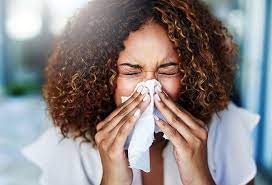
One more thing that we avoid like Covid-19 Guidelines are Allergies. Allergies are the conditions caused by hypersensitivity of the immune system to typically a harmless substance in the environment. It can be caused by any normal object and can result in fever, Food allergies, Sneezing, Rashes, Allergic Asthma, shortness of breathe, swelling and many more.

Most of us have some kind of Allergy but most of the people either avoid it or don’t know about it at all. Those who know about it, don’t consider an allergy more than a flu. But we need to know that there are different effects of different allergies. Some of which can lead to person’s death.

I am saying this cause I am allergic to Strong Smells. Whenever I am around someone who is wearing perfume even an hair oil with a strong smell. I get the headache that does not go away for weeks and results in flu and fever. Whenever I tell y family members to not to bring or use any perfume in the house, It’s just a topic for how is that even possible.

But it is possible. People suffer  lot from allergies and it causes a lot a trouble for them. 

Symptoms:

Many allergies give symptoms like, fever, irritation, itchiness, sneezing, redness in the eyes, shortness of breath, coughing and wheezing. Aside from these some of the allergies can lead to Swelling of the skin, Swelling in the eyes and Abdominal Pain, Bloating, Vomiting, Itchy skin and so much more. So, next time you get any of these symptoms do not ignore it. And try to figure out the what it is that you are allergic to. The chances of having a serious allergic reactions are rare but we still need to take care of ourselves.

Prevention:

In order to prevent the allergy you need to know about the cause of it and try not to get around that particular substance. And to get medication accordingly. You may get the medication for the allergy.

Tell us if you have any allergies and how do you deal with them.

Allergies

Health is something that we cannot avoid. We need to take good care of ourselves so that we can stay healthy. But what if I say, that there are still a lot of criteria of health that we avoid. There is nothing wrong in saying that sometime, even when the situations are not really good we do not seem to pay much attention to the measures that may keep us healthy. During this current pandemic w have seen a lot of people who are wondering around like its nothing.

One more thing that we avoid like Covid-19 Guidelines are Allergies. Allergies are the conditions caused by hypersensitivity of the immune system to typically a harmless substance in the environment. It can be caused by any normal object and can result in fever, Food allergies, Sneezing, Rashes, Allergic Asthma, shortness of breathe, swelling and many more.

Most of us have some kind of Allergy but most of the people either avoid it or don’t know about it at all. Those who know about it, don’t consider an allergy more than a flu. But we need to know that there are different effects of different allergies. Some of which can lead to person’s death.

I am saying this cause I am allergic to Strong Smells. Whenever I am around someone who is wearing perfume even an hair oil with a strong smell. I get the headache that does not go away for weeks and results in flu and fever. Whenever I tell y family members to not to bring or use any perfume in the house, It’s just a topic for how is that even possible.

But it is possible. People suffer  lot from allergies and it causes a lot a trouble for them. 

Symptoms:

Many allergies give symptoms like, fever, irritation, itchiness, sneezing, redness in the eyes, shortness of breath, coughing and wheezing. Aside from these some of the allergies can lead to Swelling of the skin, Swelling in the eyes and Abdominal Pain, Bloating, Vomiting, Itchy skin and so much more. So, next time you get any of these symptoms do not ignore it. And try to figure out the what it is that you are allergic to. The chances of having a serious allergic reactions are rare but we still need to take care of ourselves.

Prevention:

In order to prevent the allergy you need to know about the cause of it and try not to get around that particular substance. And to get medication accordingly. You may get the medication for the allergy.

Tell us if you have any allergies and how do you deal with them.

Dharavi: Asia's Largest Slum

Dharavi: Asia’s Largest Slum

Dharavi is a slum locality in Mumbai, Maharashtra, India and considered to be a one of the largest slum area in the Asia. Dharavi has a population of 10 lakhs and area of just over 2.1 square km. Dharavi has a population density of over 277,136/km.sq with this density, Dharavi is one of the most densly populated area in the world.


Demographics

The total current population of Dharavi slum is unknown, and estimates vary widely. Some sources suggest it is 300,000 to about a million. With Dharavi spread over 200 hectares (500 acres), it is also estimated to have a population density of 869,565 people per square mile. With a literacy rate of 69%, Dharavi is the most literate slum in India.

About 30% of the population of Dharavi is Muslim, compared to 14% average population of Muslims in India. The Christian population is estimated to be about 6%, while the rest are predominantly Hindus (63%), with some Buddhists and other minority religions. Among the Hindus, about 20% work on animal skin production, tanneries and leather goods. Other Hindus specialise in pottery work, textile goods manufacturing, retail and trade, distilleries and other caste professions – all of these as small-scale household operations. The slum residents are from all over India, people who migrated from rural regions of many different states. The slum has numerous mosques, temples and churches to serve people of Islam, Hindu and Christian faiths; with Badi Masjid, a mosque, as the oldest religious structure in Dharavi.

Location and characteristics

Dharavi is a large area situated between Mumbai’s two main suburban railway lines, the Western and Central Railways. It is also adjacent to Bombay Airport. To the west of Dharavi are Mahim and Bandra, and to the north lies the Mithi River. The Mithi River empties into the Arabian Sea through the Mahim Creek. The area of Antop Hill lies to the east while the locality called Matunga is located in the South. Due to its location and poor sewage and drainage systems, Dharavi particularly becomes vulnerable to floods during the wet season.

Slum shacks in Dharavi.

Dharavi is considered one of the largest slums in the world.The low-rise building style and narrow street structure of the area make Dharavi very cramped and confined. Like most slums, it is overpopulated.

Economy

An embroidery unit in Dharavi.

In addition to the traditional pottery and textile industries in Dharavi, there is an increasingly large recycling industry, processing recyclable waste from other parts of Mumbai. Recycling in Dharavi is reported to employ approximately 250,000 people.While recycling is a major industry in the neighborhood, it is also reported to be a source of heavy pollution in the area. The district has an estimated 5,000 businessesand 15,000 single-room factories.Two major suburban railways feed into Dharavi, making it an important commuting station for people in the area going to and from work.

Dharavi exports goods around the world. Often these consist of various leather products, jewellery, various accessories, and textiles. Markets for Dharavi’s goods include stores in the United States, Europe, and the Middle East. The total (and largely informal economy) turnover is estimated to be between US$500 million, and US$650 million per year, to over US$1 billion per year. The per capita income of the residents, depending on estimated population range of 300,000 to about 1 million, ranges between US$500 and US$2,000 per year.

A few travel operators offer guided tours through Dharavi, showing the industrial and the residential part of Dharavi and explaining about the problems and challenges Dharavi is facing. These tours give a deeper insight into a slum in general and Dharavi in particular.

Utility services

Potable water is supplied by the MCGM to Dharavi and the whole of Mumbai. However, a large amount of water is lost due to water thefts, illegal connection and leakage. The community also has a number of water wells that are sources of non-potable water.

Cooking gas is supplied in the form of liquefied petroleum gas cylinders sold by state-owned oil companies,as well as through piped natural gas supplied by Mahanagar Gas Limited.

There are settlement houses that still do not have legal connections to the utility service and thus rely on illegal connection to the water and power supply which means a water and power shortage for the residents in Dharavi.

Sanitation issues

Inside Dharavi

Mosque in Dharavi

Dharavi has severe problems with public health. Water access derives from public standpipes stationed throughout the slum. Additionally, with the limited lavatories they have, they are extremely filthy and broken down to the point of being unsafe. Mahim Creek is a local river that is widely used by local residents for urination and defecation causing the spread of contagious diseases. The open sewers in the city drain to the creek causing a spike in water pollutants, septic conditions, and foul odors. Due to the air pollutants, diseases such as lung cancer, tuberculosis, and asthma are common among residents. There are government proposals in regards to improving Dharavi’s sanitation issues. The residents have a section where they wash their clothes in water that people defecate in. This spreads the amount of disease as doctors have to deal with over 4,000 cases of typhoid a day. In a 2006 Human Development Report by the UN, they estimated there was an average of 1 toilet for every 1,440 people.

Epidemics and other disasters

Dharavi has experienced a long history of epidemics and natural disasters, sometimes with significant loss of lives. The first plague to devastate Dharavi, along with other settlements of Mumbai, happened in 1896, when nearly half of the population died. A series of plagues and other epidemics continued to affect Dharavi, and Mumbai in general, for the next 25 years, with high rates of mortality. Dysentery epidemics have been common throughout the years and explained by the high population density of Dharavi. Other reported epidemics include typhoid, cholera, leprosy, amoebiasis and polio.For example, in 1986, a cholera epidemic was reported, where most patients were children of Dharavi. Typical patients to arrive in hospitals were in late and critical care condition, and the mortality rates were abnormally high. In recent years, cases of drug resistant tuberculosis have been reported in Dharavi.

Fires and other disasters are common. For example, in January 2013, a fire destroyed many slum properties and caused injuries. In 2005, massive floods caused deaths and extensive property damage.

The COVID-19 pandemic also affected the slum. The first case was reported in April 2020.