Directive Principles of State Policy

Part IV of the Constitution under Article -( 36 to 51 ) contains the Directive Principles of State Policy.

Classification of the Directives-

(1) Certain ideals, particularly economic, which according to the framers of the Constitution, the State should strive for.

(2) Certain guidance to the Legislature and the Executive aimed in what counts the State should use their legislative and executive powers.

(3) Certain rights of the citizens which shall not be enforceable by the courts like the “fundamental rights”, but which the State shall nevertheless aim at securing, by regulation of its legislative and administrative policy.

Scope of the Directives– It shall be the duty of the State to follow these principles both in the matters of administration as well as in the making of laws. They embody the object of the State under the Republican Constitution, namely that it is to be a “Welfare State” and not a mere “Police State”. Most of these Directives, it will be seen, aim at the establishment of the economic and social democracy which is pledged for in the Preamble.

The 42nd Amendment- However, it should be noted that the objective of the State has been formulated to live ‘socialist’, by the amendment of the Preamble by the 42nd amendment. By the same amendment, certain other changes have also been introduced they are:

(i) Article 43A has been inserted to ensure the State provides free legal aid to the poor and to take other suitable steps to achieve equal justice for all, given by the Preamble.

(ii) It has been inserted to direct the State to ensure the participation of the workers in the management of industry and other undertakings. This is a positive step in the advancement of socialism in the sense of economic justice.

The 44th Amendment- The Janta Government sought to implement the promise of economic justice and equality of opportunity assured by the Preamble, by inserting a clause (2) in Article 38 by the 44th Amendment Act, 1978 carried– The State shall, in particular, strive to minimize the inequalities in income, and endeavor to eliminate inequalities in status, facilities, and opportunities, not only amongst individuals but also amongst groups of people residing in different areas or engaged in different vocations.

The 86th Amendment- The Constitution 86th Amendment Act, 2002 substituted Article 45 making provision for early childhood care and education to children below the six-year of age provides provision for free and compulsory education until they complete fourteen years of age.

The 97th Amendment- Article 43B in Part IV of the Constitution has been put to promote the voluntary formation of cooperative societies. Article 43B provided that: The State shall endeavor to promote voluntary formation, autonomous functioning, democratic control, and professional management of cooperative societies.

DPSP and Fundamental Rights-

The dpsp has to conform to and run as a subsidiary to the Chapter Fundamental Rights. Nevertheless, in determining the scope and ambit of the Fundamental Rights relied on by or on behalf of any person or body the court may not entirely ignore these Directive Principles of State Policy laid down in Part IV of the Constitution but should adopt the principle of harmonious construction and should attempt to give effect to both as much as possible.

Directive Principles of State Policy

Part IV of the Constitution under Article -( 36 to 51 ) contains the Directive Principles of State Policy.

Classification of the Directives-

(1) Certain ideals, particularly economic, which according to the framers of the Constitution, the State should strive for.

(2) Certain guidance to the Legislature and the Executive aimed in what counts the State should use their legislative and executive powers.

(3) Certain rights of the citizens which shall not be enforceable by the courts like the “fundamental rights”, but which the State shall nevertheless aim at securing, by regulation of its legislative and administrative policy.

Scope of the Directives– It shall be the duty of the State to follow these principles both in the matters of administration as well as in the making of laws. They embody the object of the State under the Republican Constitution, namely that it is to be a “Welfare State” and not a mere “Police State”. Most of these Directives, it will be seen, aim at the establishment of the economic and social democracy which is pledged for in the Preamble.

The 42nd Amendment- However, it should be noted that the objective of the State has been formulated to live ‘socialist’, by the amendment of the Preamble by the 42nd amendment. By the same amendment, certain other changes have also been introduced they are:

(i) Article 43A has been inserted to ensure the State provides free legal aid to the poor and to take other suitable steps to achieve equal justice for all, given by the Preamble.

(ii) It has been inserted to direct the State to ensure the participation of the workers in the management of industry and other undertakings. This is a positive step in the advancement of socialism in the sense of economic justice.

The 44th Amendment- The Janta Government sought to implement the promise of economic justice and equality of opportunity assured by the Preamble, by inserting a clause (2) in Article 38 by the 44th Amendment Act, 1978 carried– The State shall, in particular, strive to minimize the inequalities in income, and endeavor to eliminate inequalities in status, facilities, and opportunities, not only amongst individuals but also amongst groups of people residing in different areas or engaged in different vocations.

The 86th Amendment- The Constitution 86th Amendment Act, 2002 substituted Article 45 making provision for early childhood care and education to children below the six-year of age provides provision for free and compulsory education until they complete fourteen years of age.

The 97th Amendment- Article 43B in Part IV of the Constitution has been put to promote the voluntary formation of cooperative societies. Article 43B provided that: The State shall endeavor to promote voluntary formation, autonomous functioning, democratic control, and professional management of cooperative societies.

DPSP and Fundamental Rights-

The dpsp has to conform to and run as a subsidiary to the Chapter Fundamental Rights. Nevertheless, in determining the scope and ambit of the Fundamental Rights relied on by or on behalf of any person or body the court may not entirely ignore these Directive Principles of State Policy laid down in Part IV of the Constitution but should adopt the principle of harmonious construction and should attempt to give effect to both as much as possible.

SCHOOL LIFE!!!!

I think everyone have the memories of your school life which never fades. The most cherished and enjoyed part of our life would definitely be our school life, right? Though, we go to college or job but the happiness might not be equal to the happiness in school life. Am I right guys? But the children these days do not know the happiness of this school life. This would be a great regret in their life. This pandemic has affected our daily lives. This affected our life greatly. Due to this, the children miss their school life and focussed on the online classes which is the greatest regret of the parents these days. The usage of mobile phone in such a young age may develop the habit of laziness in children. They may have eye problems. Let me tell you about school life now and then. Yes, I will share you how I enjoyed my school life. We were the last batch to complete school life before the pandemic started. We feel lucky for that.

School Life - children off the 60s
School days before Covid-19

As I said, the most unforgettable part in our life is our school days. Yes, school makes one built their character and knowledge of life. The most things can be learnt only in school days. This is a palce where every student tries to be the best in his work and want to use the school life the most to be a successful person. There they learnt to be disciplined and how punctuality matters a lot. Punished for being late teaches them to be a punctual person and this can be applied wherever he goes. Schools shape our character, mold our mental attitudes and fashion the basic principles of life. Most of us would have spent the most happiest days in school only. Think about it.

Are school days the best days of our life? - Quora

The children fight among themselves to prove they are the best in the class. The attention of students towards teachers are very high those days. Though they didn’t do their homework or didn’t work hard, during the time when examination dates are announced they show their strength to the fullest. Yes, the competition to be the first is always a fire in their mind. School teaches us how to respect others and befriendly with everyone. School is the place where we first identify our talents. There were many competitions which encourage them to prove themselves. This brings out dancing ability, singing, etc. Some children are interested in sports and teachers help them to be the best in their sports. To say bluntly, teachers are the pillars of school life.

How Teachers can Help Students Set and Achieve Personal Goals
The best companion of School life

The loyal and life long friends can be made only in your school life. Yes, the school friends are the ones who befriend with you without any expectations. Everyone can’t be able to forget the attrocities done with your friend right? At times, getting punishments together or making your friend a scapegoat and these cannot be forgotten. Sharing food and snacks are the best parts. This teaches us to be friendly and generous to the people around us. In every class, there will always be a group of gang and fight between them for silly things are unforgettable. Possesiveness over your friend and ego clashes between them are the most enjoyable things in school life. But the children these days miss the school days and this pandemic has made the situation worst.

Group Of School Friends Holding Hands With Rear View On White.. Stock  Photo, Picture And Royalty Free Image. Image 79586669.
Friends

Days goes, trend changes. This pandemic has made things difficult for children. They have become lazy and didn’t know about their school at all. They are studing through online class. Will it cultivate all the good habits ? No, puntuality and other things can only be taught in school. They are sure to miss this. Attending classes online may bring health issues and eye problem etc., But we should adjust this and be safe for now. I hope the pandemic will end soon and the children will be able to attend their live classes and cultivate their character. Doctor advices children to hear the online classes rather than seeing the mobile or laptop for the full day.

Education now

Read more;

https://www.iaspaper.net/school-life-short-essay-children/


SCHOOL LIFE!!!!

I think everyone have the memories of your school life which never fades. The most cherished and enjoyed part of our life would definitely be our school life, right? Though, we go to college or job but the happiness might not be equal to the happiness in school life. Am I right guys? But the children these days do not know the happiness of this school life. This would be a great regret in their life. This pandemic has affected our daily lives. This affected our life greatly. Due to this, the children miss their school life and focussed on the online classes which is the greatest regret of the parents these days. The usage of mobile phone in such a young age may develop the habit of laziness in children. They may have eye problems. Let me tell you about school life now and then. Yes, I will share you how I enjoyed my school life. We were the last batch to complete school life before the pandemic started. We feel lucky for that.

School Life - children off the 60s
School days before Covid-19

As I said, the most unforgettable part in our life is our school days. Yes, school makes one built their character and knowledge of life. The most things can be learnt only in school days. This is a palce where every student tries to be the best in his work and want to use the school life the most to be a successful person. There they learnt to be disciplined and how punctuality matters a lot. Punished for being late teaches them to be a punctual person and this can be applied wherever he goes. Schools shape our character, mold our mental attitudes and fashion the basic principles of life. Most of us would have spent the most happiest days in school only. Think about it.

Are school days the best days of our life? - Quora

The children fight among themselves to prove they are the best in the class. The attention of students towards teachers are very high those days. Though they didn’t do their homework or didn’t work hard, during the time when examination dates are announced they show their strength to the fullest. Yes, the competition to be the first is always a fire in their mind. School teaches us how to respect others and befriendly with everyone. School is the place where we first identify our talents. There were many competitions which encourage them to prove themselves. This brings out dancing ability, singing, etc. Some children are interested in sports and teachers help them to be the best in their sports. To say bluntly, teachers are the pillars of school life.

How Teachers can Help Students Set and Achieve Personal Goals
The best companion of School life

The loyal and life long friends can be made only in your school life. Yes, the school friends are the ones who befriend with you without any expectations. Everyone can’t be able to forget the attrocities done with your friend right? At times, getting punishments together or making your friend a scapegoat and these cannot be forgotten. Sharing food and snacks are the best parts. This teaches us to be friendly and generous to the people around us. In every class, there will always be a group of gang and fight between them for silly things are unforgettable. Possesiveness over your friend and ego clashes between them are the most enjoyable things in school life. But the children these days miss the school days and this pandemic has made the situation worst.

Group Of School Friends Holding Hands With Rear View On White.. Stock  Photo, Picture And Royalty Free Image. Image 79586669.
Friends

Days goes, trend changes. This pandemic has made things difficult for children. They have become lazy and didn’t know about their school at all. They are studing through online class. Will it cultivate all the good habits ? No, puntuality and other things can only be taught in school. They are sure to miss this. Attending classes online may bring health issues and eye problem etc., But we should adjust this and be safe for now. I hope the pandemic will end soon and the children will be able to attend their live classes and cultivate their character. Doctor advices children to hear the online classes rather than seeing the mobile or laptop for the full day.

Education now

Read more;

https://www.iaspaper.net/school-life-short-essay-children/

The Bright Future of Technology

From the moment we wake up, to the moment we go back to sleep, technology is everywhere. The highly digital life we live and the innovations in our technological world has become the new normal. According to The International Telecommunication Union (ITU), almost 50% of the world’s population uses the internet, with over 3.5 billion daily searches on Google and more than 570 new websites being launched every minute. Adding to that, over 90% of the world’s data has been created in just the last couple of years!

A recent report predict that the COVID-19 pandemic will bring the public’s attention on the need to take action to deal with threats to our health and to prevent outbreak of future pandemics. Public attention will drive government policy, with carbon footprint becoming a subject of worldwide concern. Individuals, companies and countries will seek the quickest and most affordable ways to elimination of their carbon footprint. The creation of a sustainable, net-zero future will create energy transformation that significantly reduces the world’s carbon emissions. The report suggests that in just a few years the carbon management industry is going to emerge as one of the largest industries in the world, which will cause more and more players entering the market, thus creating rapid growth towards a sustainable planet.

By 2025, quantum computing will be able tackle meaningful, real-world problems. One major application of this new kind of computer will be the simulation of complex chemical reactions, a powerful tool that opens up new possibilities in drug development. Right now, the development of pharmaceuticals depends massively on trial and error, and a time-consuming and terribly expensive process. Quantum computers may soon be able to change this.

Of cause with this rapid evolution of technology, it makes perfect sense why most people are concerned. But the fear we developed from Hollywood films where artificial intelligence will outsmart humans and take over the world, is most likely not going to happen. Rather than viewing digital disruption as worrisome and challenging, we should be embracing the uncertainty and advances in new technologies, data analytics and artificial intelligence will bring that will benefit billions of people in healthcare and better lifestyle and living conditions for those who are deprived of that at the moment.

These days the biggest threat to humans in the digital world is cybercrime and hacking. Privacy is a topic that is being more and more popular by the day. Individuals and companies are working hard to counter the issue of hacking by working on years of research to enhance cybersecurity that will protect people from any potential danger.

With data growing faster than ever before, the future of technology is even more interesting than what is happening now. We’re just at the beginning of a revolution that will touch every life on this planet.

The Bright Future of Technology

From the moment we wake up, to the moment we go back to sleep, technology is everywhere. The highly digital life we live and the innovations in our technological world has become the new normal. According to The International Telecommunication Union (ITU), almost 50% of the world’s population uses the internet, with over 3.5 billion daily searches on Google and more than 570 new websites being launched every minute. Adding to that, over 90% of the world’s data has been created in just the last couple of years!

A recent report predict that the COVID-19 pandemic will bring the public’s attention on the need to take action to deal with threats to our health and to prevent outbreak of future pandemics. Public attention will drive government policy, with carbon footprint becoming a subject of worldwide concern. Individuals, companies and countries will seek the quickest and most affordable ways to elimination of their carbon footprint. The creation of a sustainable, net-zero future will create energy transformation that significantly reduces the world’s carbon emissions. The report suggests that in just a few years the carbon management industry is going to emerge as one of the largest industries in the world, which will cause more and more players entering the market, thus creating rapid growth towards a sustainable planet.

By 2025, quantum computing will be able tackle meaningful, real-world problems. One major application of this new kind of computer will be the simulation of complex chemical reactions, a powerful tool that opens up new possibilities in drug development. Right now, the development of pharmaceuticals depends massively on trial and error, and a time-consuming and terribly expensive process. Quantum computers may soon be able to change this.

Of cause with this rapid evolution of technology, it makes perfect sense why most people are concerned. But the fear we developed from Hollywood films where artificial intelligence will outsmart humans and take over the world, is most likely not going to happen. Rather than viewing digital disruption as worrisome and challenging, we should be embracing the uncertainty and advances in new technologies, data analytics and artificial intelligence will bring that will benefit billions of people in healthcare and better lifestyle and living conditions for those who are deprived of that at the moment.

These days the biggest threat to humans in the digital world is cybercrime and hacking. Privacy is a topic that is being more and more popular by the day. Individuals and companies are working hard to counter the issue of hacking by working on years of research to enhance cybersecurity that will protect people from any potential danger.

With data growing faster than ever before, the future of technology is even more interesting than what is happening now. We’re just at the beginning of a revolution that will touch every life on this planet.

Tagore’s Humanism and Gitanjali

The famous Gitanjali written by Rabindranath Tagore is a collection of poems. ―Gitanjali‖ is collection of poems which are originally in Bengali under the title ‘Prathana’ meaning Prayer but are later translated into English. It appears in the volume called ‘Naibebya’ in the year 1901. The poems of Gitanjali highlight simplicity of thoughts which are filled with Divine emotions. They are the thoughts about the offering of one own heart at the feet of God. No thought seems to be far away from Tagore‘s pen, from the famous Gitanjali ‘he focus on exploring Divine thought like a devotee finds his God, a seeker finds his master an explorer finds his destination, a lover find his beloved in this poems’. The main focus of his what to teach humans that service to mankind is service to God. He taught us that God lies in the poor and the wretched and we can see and feel God through our service to mankind. According to him man‘s life is a journey, and our destination is to reach the God. The only way to reach God is our kind/heartedness, generosity, love and help to our fellow human being.

Tagore that helps to develop Spiritualism and Humanism in one‘s heart and soul and service to mankind is the pure recognition of God. He also wants to highlight in his poems that human’s life shall be consider worth full and the main concern of one should be devotion towards their work and dedication towards goals. In Rabindranath Tagore‘s Gitanjali he explores the ideas that how he dreamed of a Nation which is free from all the evils and the thoughts that lead to destruction of oneself as well as for the whole nation. He prays to God that each human life shall be filled with happiness and peace and there shall be the spirit of brotherhood among the country men. He strongly criticized the feeling of fear in one‘s life and prays that a soul should be fearless and self-dignified. 

Where the mind is without fear

Where the mind is without fear

and the head is held high,

where knowledge is free.

Where the world has not been broken up into fragments by narrow domestic walls.

Where words come out from the depth of truth,

where tireless striving stretches its arms toward perfection.

Where the clear stream of reason has not lost its way into the dreary desert sand of dead habit.

Where the mind is led forward by thee into ever widening thought and action.

In to that heaven of freedom, my father,

LET MY COUNTRY AWAKE!

Summary of the poem 

It is one of the most popular and best known poems in the anthology called Gitanjali which was published in the year 1912 and won the prestigious Nobel Prize for literature in 1913. In the very first line of the poem ― “Where the mind is without fear”,  the poet prays to the Almighty that his country man should be free from any oppression, where no fear is bounded with any fourth compulsion and every head is held high with dignity and respect. He wishes of a country where every person should be fearless and the sense of self dignity in filled in once heart. Then he dreams of a nation where knowledge must be free for everyone. He also believes that there should be no restrictions for spreading knowledge on the basis of cast or class and every citizen shall be allow acquiring it. In the ongoing line he talks about the power of unity and desires unity not only for his country man but should be world wise. There should be no discrimination on the basis of cast, creeds, color, religion, as well as superstition should not be promoted to divide people and break the unity. Then he dream of truthful Nation where words should, come out from the heart of oneself. He motivates the reader that everyone should work so hard that they can achieve their goal with perfection. People should not be lazy and ignore their work and one must gain the spirit of dedication towards their job or work. Tagore very beautifully compares Reason or Logical thinking with ‘Clear Stream’. Then he compares ‘Dreary Desert’ with ‘Dead Habits’. Then he conveys to the reader that people should not believe blindly on negative aspect of life as well as baseless thoughts. From his poem he wants the reader to Good Bye the negative thinking or the thoughts that demotivate them as well as leads to a falling apart and should promote one thought that should be monitored by rational or positive thinking. In the ongoing line, he wishes the country men to be progressive and broad minded and one shall have the ability to do something extraordinary and overcome the narrowness of mind. Then he comes to the finale line or the poem in which Tagore wants to convey a message to the reader he is praying the Almighty God to awake his countrymen that they come out from the darkness, disunity and all evil traits that one have in their heart. 

In this concluding line he addresses “God as Father” and wants the people shall be free from heart so that they can attain freedom. He also wishes to lift up his country to such height where freedom would be realized in best form. Thus we can conclude that from this poem Tagore very beautifully and gracefully covey the message to his reader that one must have the spirit of fearlessness and a broad minded thinking in our heart and mind. He also discourages the superstition thoughts and believes that ultimately leads to division in the worldwide. He Prays to the Almighty that knowledge can be free from everyone and each head is held high with dignity and proud.

WHY CELLPHONE SHOULD NOT BE ALLOWED IN SCHOOL ?

Cell phones are extremely helpful. They assist us to contact with individuals. We can get different data about different things by means of web. Yet, are cellphones that vital in an understudy life that he/she can take that to class ? The appropriate response is no a result of the accompanying reasons:

1.Interruption/Distraction

While Cell telephones are in your grasp the entire day, warnings will continually go off. You’re compelled to looked without figuring it out. Understudies get diverted all for the duration of the day without seeing they are. The entirety of the data from their instructors go in one ear out of the other, and fail to remember all that they were educated. Many time understudies will have games on their telephones and consider passing a level and attempt and have a go at deduction they will complete it and afterward work, however without seeing when they finish a level the class is going to be done and you have no work done.

Distraction-Blocking Apps to Become a Better, More Productive Salesperson -  Salesforce Canada Blog

2.Grades Falling

At the point when children are on their telephones for the majority of their days, they don’t take care of job and grades drop drastically. At the point when you take a gander at your telephone it typically requires around 5 minutes to zero in again on whatever they were doing previously. Data isn’t being put away in your cerebrum so work isn’t possible.

More students got F's in first term of school year - The Washington Post

3.Can make understudies get vexed

With the pace of Cyberbullying going up numerous children will get singled out over web-based media and keep taking a gander at various things for the duration of the day and get vexed and not have the option to focus on their work. Likewise, say you and a companion or a beau/Girlfriend get in a contention, you will be more stressed over that than your school work.

4.Schoolwork

On the off chance that children are continually on their telephones at school, what makes you believe they’re not going to do exactly the same thing at home. In case they’re occupied for the duration of the day and not managing job in school, schoolwork is less inclined to complete at home. Grades continually drop as a result of understudies accomplishing school work, however significantly more due to schoolwork. On the off chance that Cell telephones weren’t permitted in school, understudies may basically have the option to complete their work in school and could decrease schoolwork.

5.Break course

Ordinarily when an understudy doesn’t get something or simply doesn’t have any desire to do it, they’ll go to their telephone as opposed to requesting help or clarification. By this point understudies don’t think often about their work. So they simply forget about it.

6.Insolence

At the point when an instructor is talking and showing something new to understudies, and many are on there telephones while few are attempting to learn, these children on the telephone are diverting the other. Indeed, even without sound being on, in case you’re playing a game or watching a video on quiet, more often than not another person can get an impression and not quit thinking back. This is slighting your instructor who is removing time from their day to show you and help you while you’re on your telephone.

7.Cheating

Kids are standing out enough to be noticed, so with regards to stepping through an exam they have no clue about what the appropriate responses are such countless understudies will cheat and not learn anything. In the event that an understudy is bamboozling they’re not picking up anything and by and by getting into a school turns out to be much harder.

Students caught cheating in Gujarat board exams, FIR lodged against Class  10 student - Education Today News

8.Public activity

I accept an understudies public activity is vital. It encourages children to interface with individuals for when they have some work further down the road. Understudies being secured in their telephones the entire day, they don’t understand there is a genuine world out there. Social connection isn’t simply messaging, it’s going out and verbally conversing with somebody. Commonly, without a genuine public activity it can likewise cause sorrow, it can make somebody think they have no companions and nobody likes them, however truly this is on the grounds that they’re generally on their telephones as opposed to going out and really attempting to interface with somebody.

RESOURCES:

https://www.addictiontips.net/phone-addiction/why-cell-phones-should-not-be-allowed-in-school/

Tagore's Humanism and Gitanjali

The famous Gitanjali written by Rabindranath Tagore is a collection of poems. ―Gitanjali‖ is collection of poems which are originally in Bengali under the title ‘Prathana’ meaning Prayer but are later translated into English. It appears in the volume called ‘Naibebya’ in the year 1901. The poems of Gitanjali highlight simplicity of thoughts which are filled with Divine emotions. They are the thoughts about the offering of one own heart at the feet of God. No thought seems to be far away from Tagore‘s pen, from the famous Gitanjali ‘he focus on exploring Divine thought like a devotee finds his God, a seeker finds his master an explorer finds his destination, a lover find his beloved in this poems’. The main focus of his what to teach humans that service to mankind is service to God. He taught us that God lies in the poor and the wretched and we can see and feel God through our service to mankind. According to him man‘s life is a journey, and our destination is to reach the God. The only way to reach God is our kind/heartedness, generosity, love and help to our fellow human being.

Tagore that helps to develop Spiritualism and Humanism in one‘s heart and soul and service to mankind is the pure recognition of God. He also wants to highlight in his poems that human’s life shall be consider worth full and the main concern of one should be devotion towards their work and dedication towards goals. In Rabindranath Tagore‘s Gitanjali he explores the ideas that how he dreamed of a Nation which is free from all the evils and the thoughts that lead to destruction of oneself as well as for the whole nation. He prays to God that each human life shall be filled with happiness and peace and there shall be the spirit of brotherhood among the country men. He strongly criticized the feeling of fear in one‘s life and prays that a soul should be fearless and self-dignified. 

Where the mind is without fear

Where the mind is without fear

and the head is held high,

where knowledge is free.

Where the world has not been broken up into fragments by narrow domestic walls.

Where words come out from the depth of truth,

where tireless striving stretches its arms toward perfection.

Where the clear stream of reason has not lost its way into the dreary desert sand of dead habit.

Where the mind is led forward by thee into ever widening thought and action.

In to that heaven of freedom, my father,

LET MY COUNTRY AWAKE!

Summary of the poem 

It is one of the most popular and best known poems in the anthology called Gitanjali which was published in the year 1912 and won the prestigious Nobel Prize for literature in 1913. In the very first line of the poem ― “Where the mind is without fear”,  the poet prays to the Almighty that his country man should be free from any oppression, where no fear is bounded with any fourth compulsion and every head is held high with dignity and respect. He wishes of a country where every person should be fearless and the sense of self dignity in filled in once heart. Then he dreams of a nation where knowledge must be free for everyone. He also believes that there should be no restrictions for spreading knowledge on the basis of cast or class and every citizen shall be allow acquiring it. In the ongoing line he talks about the power of unity and desires unity not only for his country man but should be world wise. There should be no discrimination on the basis of cast, creeds, color, religion, as well as superstition should not be promoted to divide people and break the unity. Then he dream of truthful Nation where words should, come out from the heart of oneself. He motivates the reader that everyone should work so hard that they can achieve their goal with perfection. People should not be lazy and ignore their work and one must gain the spirit of dedication towards their job or work. Tagore very beautifully compares Reason or Logical thinking with ‘Clear Stream’. Then he compares ‘Dreary Desert’ with ‘Dead Habits’. Then he conveys to the reader that people should not believe blindly on negative aspect of life as well as baseless thoughts. From his poem he wants the reader to Good Bye the negative thinking or the thoughts that demotivate them as well as leads to a falling apart and should promote one thought that should be monitored by rational or positive thinking. In the ongoing line, he wishes the country men to be progressive and broad minded and one shall have the ability to do something extraordinary and overcome the narrowness of mind. Then he comes to the finale line or the poem in which Tagore wants to convey a message to the reader he is praying the Almighty God to awake his countrymen that they come out from the darkness, disunity and all evil traits that one have in their heart. 

In this concluding line he addresses “God as Father” and wants the people shall be free from heart so that they can attain freedom. He also wishes to lift up his country to such height where freedom would be realized in best form. Thus we can conclude that from this poem Tagore very beautifully and gracefully covey the message to his reader that one must have the spirit of fearlessness and a broad minded thinking in our heart and mind. He also discourages the superstition thoughts and believes that ultimately leads to division in the worldwide. He Prays to the Almighty that knowledge can be free from everyone and each head is held high with dignity and proud.

WHY CELLPHONE SHOULD NOT BE ALLOWED IN SCHOOL ?

Cell phones are extremely helpful. They assist us to contact with individuals. We can get different data about different things by means of web. Yet, are cellphones that vital in an understudy life that he/she can take that to class ? The appropriate response is no a result of the accompanying reasons:

1.Interruption/Distraction

While Cell telephones are in your grasp the entire day, warnings will continually go off. You’re compelled to looked without figuring it out. Understudies get diverted all for the duration of the day without seeing they are. The entirety of the data from their instructors go in one ear out of the other, and fail to remember all that they were educated. Many time understudies will have games on their telephones and consider passing a level and attempt and have a go at deduction they will complete it and afterward work, however without seeing when they finish a level the class is going to be done and you have no work done.

Distraction-Blocking Apps to Become a Better, More Productive Salesperson -  Salesforce Canada Blog

2.Grades Falling

At the point when children are on their telephones for the majority of their days, they don’t take care of job and grades drop drastically. At the point when you take a gander at your telephone it typically requires around 5 minutes to zero in again on whatever they were doing previously. Data isn’t being put away in your cerebrum so work isn’t possible.

More students got F's in first term of school year - The Washington Post

3.Can make understudies get vexed

With the pace of Cyberbullying going up numerous children will get singled out over web-based media and keep taking a gander at various things for the duration of the day and get vexed and not have the option to focus on their work. Likewise, say you and a companion or a beau/Girlfriend get in a contention, you will be more stressed over that than your school work.

4.Schoolwork

On the off chance that children are continually on their telephones at school, what makes you believe they’re not going to do exactly the same thing at home. In case they’re occupied for the duration of the day and not managing job in school, schoolwork is less inclined to complete at home. Grades continually drop as a result of understudies accomplishing school work, however significantly more due to schoolwork. On the off chance that Cell telephones weren’t permitted in school, understudies may basically have the option to complete their work in school and could decrease schoolwork.

5.Break course

Ordinarily when an understudy doesn’t get something or simply doesn’t have any desire to do it, they’ll go to their telephone as opposed to requesting help or clarification. By this point understudies don’t think often about their work. So they simply forget about it.

6.Insolence

At the point when an instructor is talking and showing something new to understudies, and many are on there telephones while few are attempting to learn, these children on the telephone are diverting the other. Indeed, even without sound being on, in case you’re playing a game or watching a video on quiet, more often than not another person can get an impression and not quit thinking back. This is slighting your instructor who is removing time from their day to show you and help you while you’re on your telephone.

7.Cheating

Kids are standing out enough to be noticed, so with regards to stepping through an exam they have no clue about what the appropriate responses are such countless understudies will cheat and not learn anything. In the event that an understudy is bamboozling they’re not picking up anything and by and by getting into a school turns out to be much harder.

Students caught cheating in Gujarat board exams, FIR lodged against Class  10 student - Education Today News

8.Public activity

I accept an understudies public activity is vital. It encourages children to interface with individuals for when they have some work further down the road. Understudies being secured in their telephones the entire day, they don’t understand there is a genuine world out there. Social connection isn’t simply messaging, it’s going out and verbally conversing with somebody. Commonly, without a genuine public activity it can likewise cause sorrow, it can make somebody think they have no companions and nobody likes them, however truly this is on the grounds that they’re generally on their telephones as opposed to going out and really attempting to interface with somebody.

RESOURCES:

https://www.addictiontips.net/phone-addiction/why-cell-phones-should-not-be-allowed-in-school/

Child labour

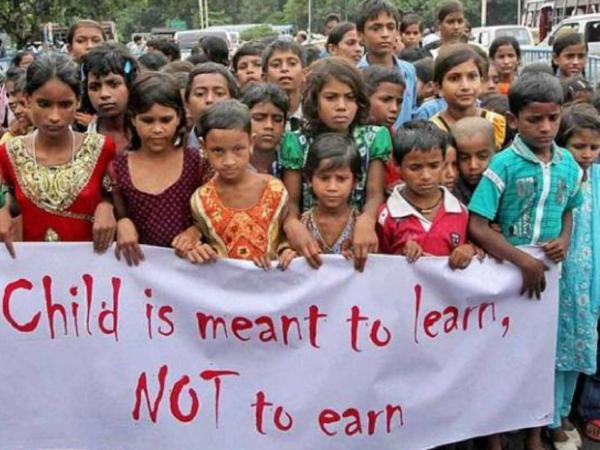
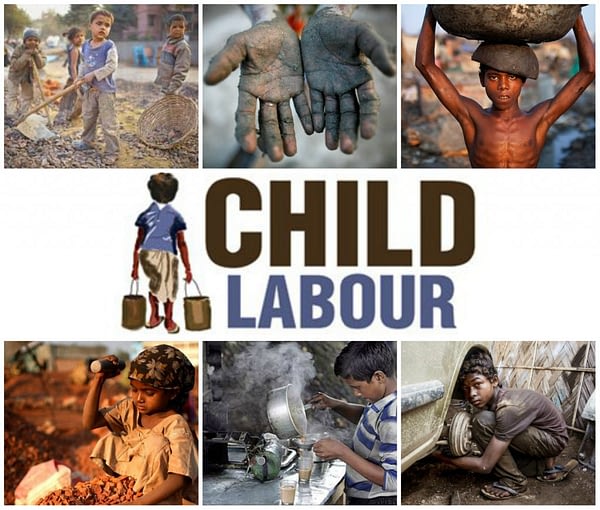
In India, kids are compelled to work wrongfully in numerous enterprises. In any case, Horticulture is the biggest area that utilizes youngsters to add to the family pay. Indian provincial areas utilizes 85% of kids because of different social factors that neglect to meet their way of life.

Not withstanding established arrangements to cancel Youngster Work, numerous kids stay abused under unsafe work conditions. Because of paid Work, youngsters leave their investigations to help their families. They are made to forego every one of the marvels of youth by the heartless world.

Reasons for Kid Work

The main sources of Kid Work in India are social imbalance, absence of training, and destitution. As indicated by UNICEF’s report, youngsters from the ruined and provincial pieces of the world have no accessible choices like educators and schools.
Various common organization’s need good school workplaces and the availability of school. The low paying economy blossoms with minimal expense, simple to recruit, and youngster Work. Other than the disorderly Rural area, kid Work exists in chaotic gathering, sloppy retail works, and sloppy exchange areas.

Different components of youngster Work incorporate the size of the casual economy, the failure of most Indian ventures to increase, absence of present day innovations, and the design and resoluteness of the Indian market.

Fortified youngster Work

Youngsters are utilized because of social commitment, or credits and obligations made by the families. As a rule, kids are compelled to utilize their families in block ovens, stone and quarries, and agrarian areas.

The offspring of the transient laborers and those that have a place with the minimized segments and Dalits in the general public are vowed to work in little creation houses and processing plants in the metropolitan regions. Youngster Workers on the bond are generally exposed to physical, enthusiastic, mental, and sexual maltreatment, in any event, prompting passing.

In Orissa, individuals of the lower segment of the general public sell their girls having a place with eight to 10 years old, as maidservants to the reasonable their obligations.

Absence of execution of Laws

The Youngster Work (Denial and Guideline) Act, 1986, was the lone ordered arrangement by the Indian Constitution against kid Work and its abominations. Various courses of action communicated by the Indian Constitution are:

Article 24 of the Indian Constitution expresses that no kid underneath the age of fourteen will utilize in any dangerous business or processing plant however not in non-unsafe ventures.

Article 39(f)) of the Indian Constitution expresses that youngsters and youthful grown-ups are to be secured against good and material relinquishment or any types of misuse.

Different Laws and the Indian Corrective Code, for example, The Plants Act,1948, The Mines Act,1952, the Adolescent Equity (Care and Assurance) of Youngsters Act-2000, and the Kid Work (Forbiddance and Abrogation) Act-1986 look to forestall the act of kid Work in India.

Shockingly, these laws and guidelines need dynamic and appropriate execution and authorization.

Elon Musk Founder of Tesla Replied to Youtuber Madan Gowri

A question for you before going into the topic. Why did Elon Musk, the second richest man in the world, respond to Madan Gowri of Tamil Nadu?

Don’t know? don’t worry. We now know why Elon Musk responded to YouTuber.

Brief Information About Tesla

Tesla is an American electric vehicle and clean energy company based in Palo Alto, California. Tesla’s current products include electric cars, battery energy storage from home to grid-scale, solar panels and solar roof tiles, as well as other related products and services. Elon Musk, the Tesla company’s founder, has said that Tesla’s car plant will definitely open in India if it offers a temporary exemption from import duty on electric cars. 

Why Elon Musk Replied to Youtuber Madan Gowri

Tamil Nadu celebrity YouTuber Madan Gowri has asked when the American company Tesla will introduce electric cars in India. Elon Musk responded by saying that Tesla was looking forward to the day, but that it was unlikely because India had the highest import duty in the world. He said India should not treat electric cars like petrol and diesel and that it would not be conducive to climate change in India. At the same time, he said that he expects the Indian government to provide a temporary tax exemption for electric cars, and if so, a Tesla car plant would be set up in India.

Meanwhile, government sources say that Tesla has written a letter to the Union Government of India to reduce the import duty on electric cars. It is noteworthy that a few days ago, Union Transport Minister Nitin Gadkari called for “Tesla to open a car manufacturing plant in India”.

What do people think?

The Union government has said it will impose higher taxes on foreign cars to encourage domestic carmakers. But economists blame rising Union Government taxes on rising petrol and diesel prices. The demand of the people is that the Union Government should reduce the tax on petrol and diesel or relax the taxes on electric vehicles and make it possible for them to buy them at cheaper prices.

Hope you now understand why Elon Musk has responded to Tamil Nadu YouTuber Madan Gowri.

Hope you liked this news. We will meet in the next article…

Thank You…!!!

Child labour

In India, kids are compelled to work wrongfully in numerous enterprises. In any case, Horticulture is the biggest area that utilizes youngsters to add to the family pay. Indian provincial areas utilizes 85% of kids because of different social factors that neglect to meet their way of life.

Not withstanding established arrangements to cancel Youngster Work, numerous kids stay abused under unsafe work conditions. Because of paid Work, youngsters leave their investigations to help their families. They are made to forego every one of the marvels of youth by the heartless world.

Reasons for Kid Work

The main sources of Kid Work in India are social imbalance, absence of training, and destitution. As indicated by UNICEF’s report, youngsters from the ruined and provincial pieces of the world have no accessible choices like educators and schools.
Various common organization’s need good school workplaces and the availability of school. The low paying economy blossoms with minimal expense, simple to recruit, and youngster Work. Other than the disorderly Rural area, kid Work exists in chaotic gathering, sloppy retail works, and sloppy exchange areas.

Different components of youngster Work incorporate the size of the casual economy, the failure of most Indian ventures to increase, absence of present day innovations, and the design and resoluteness of the Indian market.

Fortified youngster Work

Youngsters are utilized because of social commitment, or credits and obligations made by the families. As a rule, kids are compelled to utilize their families in block ovens, stone and quarries, and agrarian areas.

The offspring of the transient laborers and those that have a place with the minimized segments and Dalits in the general public are vowed to work in little creation houses and processing plants in the metropolitan regions. Youngster Workers on the bond are generally exposed to physical, enthusiastic, mental, and sexual maltreatment, in any event, prompting passing.

In Orissa, individuals of the lower segment of the general public sell their girls having a place with eight to 10 years old, as maidservants to the reasonable their obligations.

Absence of execution of Laws

The Youngster Work (Denial and Guideline) Act, 1986, was the lone ordered arrangement by the Indian Constitution against kid Work and its abominations. Various courses of action communicated by the Indian Constitution are:

Article 24 of the Indian Constitution expresses that no kid underneath the age of fourteen will utilize in any dangerous business or processing plant however not in non-unsafe ventures.

Article 39(f)) of the Indian Constitution expresses that youngsters and youthful grown-ups are to be secured against good and material relinquishment or any types of misuse.

Different Laws and the Indian Corrective Code, for example, The Plants Act,1948, The Mines Act,1952, the Adolescent Equity (Care and Assurance) of Youngsters Act-2000, and the Kid Work (Forbiddance and Abrogation) Act-1986 look to forestall the act of kid Work in India.

Shockingly, these laws and guidelines need dynamic and appropriate execution and authorization.

Village Panchayat

Local government which are function in villages are called Village Panchayats. The President and ward members are directly elected by the people. (Those who have attained the age above 18 to contest in the election one must have attained the age of 21 years) and their term of office is five years. District Collector act as the Inspector of Village Panchayat. Village Panchayats are constituted in each and every village wherever the population is above 500.

Functions of the Village Panchayat

• Supply of drinking water
• Maintenance of street lights
• Maintanence of roads
• Maintanence of Village libraries
• Maintanence of small bridges
• Granting permission to the housing plots
• Maintanence of drainage
• Construction of group houses
• Cleaning of streets
• Maintanence of burial grounds
• Maintanence of common lavatory facilities

Voluntary Functions

According to the Tamil Nadu Local Government Act passed in 1994, the following functions to be performed as voluntary functions to be local governments

• Maintanence of street lights in the villages
• Maintanence of markets and fairs
• Implantation of trees
• Maintanence of play grounds
• Maintanence of parking vehicles, slaughter houses and cattle sheds
• Control over places of exhibition

Revenue

Village Panchayat was the only one local government which was empowered to levy taxes in the three-tier system of Village Panchayat.

Historical Origin and Development of Local self Government in Tamil Nadu

In the post independence era, the first enactment in democratic decentralisation in the state was the Madras Village Panchayats Act, 1950. Pursuant to the White paper on the ‘Reform of local Administration’ in 1957, the Madras panchayats Act, 1958 and Madras District Development Council Act were enacted with the following salient features.

Taxes


• Property Tax
• Professional Tax
• House Tax
• Taxes for connection of drinking water
• Land Tax
• Taxes levied on shops

Meeting of Gram Sabha

In each and every village,the people living within its jurisdiction will be the members of panchayat. The President of the Panchayat will preside over its meetings. In the meeting of the Grama Sabha, the income and expenditure and the beneficiary of the schemes in the village are discussed.

Grama Sabha

Meetings of the Grama Sabha are conducted four times a year

1. January 26 – Republic Day
2. May 1 – Labourer Day
3. August 15 – Independence Day
4. October 2 – Gandhi jayanthi

Panchayat Union

Panchayat Union is formed by grouping of villages. Members of the Panchayat Union are directly elected by the people. The Chairman of the Panchayat Union is chosen from among the members.

Functions of the Panchayat Union

• supply of drinking water
• Maintanence of Village Health centres
• Maintanence of roads
• Establishment of Maternity Homes
• Establishment of Public fairs
• Establishment of Veterinary hospitals
• Maintanence of Social forests
• Repairing of Primary School buildings


The district collector, planning officer, concerned to supervise the development functions of the Panchayat Union.

District Panchayat

A district Panchayat is constituted in each district. One district Panchayat is constituted for every 50,000 people and the ward members are directly elected by the people. The Chairman is elected from one among its members and their term is 5 years.

Functions of District Panchayat

  • Advising the government about the developmental schemes of the Village Panchayat and Panchayat Union.
  • Supervising the functions of District planning Commission.

Town Panchayat

The area where more than 10,000 people live is called a Town Panchayat. Members and President of the town Panchayat are directly elected by the people. There is an Executive officer to look after the administration of the Town Panchayat and their term of office is 5 years and he is appointed by the government.

Municipality

The area where more than 1,00,000 people live is called a Municipality. The Members and the directly elected by the people and their term of office is five years. A Municipal Commissioner is appointed by the government to administer the Municipality.

Corporation

Municipal corporations are established in big cities where the city has many lakhs of population. The Municipal Commissioner is the Administrative Officer. The Mayor is the Chairman of the corporation. The term of office of the Mayor and other members is five years.
The Municipal Commissioner will be a person from the Indian Administrative Service (IAS). All the decisions of the Corporation Council will be implemented by him. He will be assisted by the office of the corporation.

Important functions of the Mayor

• He acts as a bridge between the members of the corporation and the government
• He presides over the meetings of the Corporation Council
• He receives the dignitaries from foreign countries

Types of other Panchayats

• Notified Area Committee
• Town Area Committee
• Cantonment Board
• Township
• Port Trust
• Special Purpose Agency

Elections to the local government in Tamil Nadu

The State Election Commission conducts the elections to the local government like general elections. The electrol roll is prepared ward wise. Seats are reserved for the SC &ST and also for the women in proportion to the population by rotation basis.

Problems and Challenges facing the Local Self Governments

Local self goverments are the crucial basis for our democracy. The Constitutional status of local self goverments adds more significance to their functioning. There are, however,a few critical concerns in the working of local self goverments in India. Major problems and Challenges may be mentioned as below:

• Lack of clear demarcation of powers and functions of local bodies
• Allocation of funds and needs assessment are not matched
• Role of caste, class and religion in decision-making at the local self goverments
• Poor accountability of elected members and officials at the grassroot levels of democracy

Village Panchayat

Local government which are function in villages are called Village Panchayats. The President and ward members are directly elected by the people. (Those who have attained the age above 18 to contest in the election one must have attained the age of 21 years) and their term of office is five years. District Collector act as the Inspector of Village Panchayat. Village Panchayats are constituted in each and every village wherever the population is above 500.

Functions of the Village Panchayat

• Supply of drinking water
• Maintenance of street lights
• Maintanence of roads
• Maintanence of Village libraries
• Maintanence of small bridges
• Granting permission to the housing plots
• Maintanence of drainage
• Construction of group houses
• Cleaning of streets
• Maintanence of burial grounds
• Maintanence of common lavatory facilities

Voluntary Functions

According to the Tamil Nadu Local Government Act passed in 1994, the following functions to be performed as voluntary functions to be local governments

• Maintanence of street lights in the villages
• Maintanence of markets and fairs
• Implantation of trees
• Maintanence of play grounds
• Maintanence of parking vehicles, slaughter houses and cattle sheds
• Control over places of exhibition

Revenue

Village Panchayat was the only one local government which was empowered to levy taxes in the three-tier system of Village Panchayat.

Historical Origin and Development of Local self Government in Tamil Nadu

In the post independence era, the first enactment in democratic decentralisation in the state was the Madras Village Panchayats Act, 1950. Pursuant to the White paper on the ‘Reform of local Administration’ in 1957, the Madras panchayats Act, 1958 and Madras District Development Council Act were enacted with the following salient features.

Taxes

• Property Tax
• Professional Tax
• House Tax
• Taxes for connection of drinking water
• Land Tax
• Taxes levied on shops

Meeting of Gram Sabha

In each and every village,the people living within its jurisdiction will be the members of panchayat. The President of the Panchayat will preside over its meetings. In the meeting of the Grama Sabha, the income and expenditure and the beneficiary of the schemes in the village are discussed.

Grama Sabha

Meetings of the Grama Sabha are conducted four times a year

1. January 26 – Republic Day
2. May 1 – Labourer Day
3. August 15 – Independence Day
4. October 2 – Gandhi jayanthi

Panchayat Union

Panchayat Union is formed by grouping of villages. Members of the Panchayat Union are directly elected by the people. The Chairman of the Panchayat Union is chosen from among the members.

Functions of the Panchayat Union

• supply of drinking water
• Maintanence of Village Health centres
• Maintanence of roads
• Establishment of Maternity Homes
• Establishment of Public fairs
• Establishment of Veterinary hospitals
• Maintanence of Social forests
• Repairing of Primary School buildings

The district collector, planning officer, concerned to supervise the development functions of the Panchayat Union.

District Panchayat

A district Panchayat is constituted in each district. One district Panchayat is constituted for every 50,000 people and the ward members are directly elected by the people. The Chairman is elected from one among its members and their term is 5 years.

Functions of District Panchayat

  • Advising the government about the developmental schemes of the Village Panchayat and Panchayat Union.
  • Supervising the functions of District planning Commission.

Town Panchayat

The area where more than 10,000 people live is called a Town Panchayat. Members and President of the town Panchayat are directly elected by the people. There is an Executive officer to look after the administration of the Town Panchayat and their term of office is 5 years and he is appointed by the government.

Municipality

The area where more than 1,00,000 people live is called a Municipality. The Members and the directly elected by the people and their term of office is five years. A Municipal Commissioner is appointed by the government to administer the Municipality.

Corporation

Municipal corporations are established in big cities where the city has many lakhs of population. The Municipal Commissioner is the Administrative Officer. The Mayor is the Chairman of the corporation. The term of office of the Mayor and other members is five years.
The Municipal Commissioner will be a person from the Indian Administrative Service (IAS). All the decisions of the Corporation Council will be implemented by him. He will be assisted by the office of the corporation.

Important functions of the Mayor

• He acts as a bridge between the members of the corporation and the government
• He presides over the meetings of the Corporation Council
• He receives the dignitaries from foreign countries

Types of other Panchayats

• Notified Area Committee
• Town Area Committee
• Cantonment Board
• Township
• Port Trust
• Special Purpose Agency

Elections to the local government in Tamil Nadu

The State Election Commission conducts the elections to the local government like general elections. The electrol roll is prepared ward wise. Seats are reserved for the SC &ST and also for the women in proportion to the population by rotation basis.

Problems and Challenges facing the Local Self Governments

Local self goverments are the crucial basis for our democracy. The Constitutional status of local self goverments adds more significance to their functioning. There are, however,a few critical concerns in the working of local self goverments in India. Major problems and Challenges may be mentioned as below:

• Lack of clear demarcation of powers and functions of local bodies
• Allocation of funds and needs assessment are not matched
• Role of caste, class and religion in decision-making at the local self goverments
• Poor accountability of elected members and officials at the grassroot levels of democracy