GROUP WORK V/S INDIVIDUAL WORK

Working on an assignment or a project requires a lot of work, working in a group helps in quicker results. Working in a group makes it easier to focus, having more people in the team means one can divide the workload according to one’s strength. The variety in skills and different thought processes will benefit everyone in the group. Combined knowledge with help in the analysis of the situation and chalk out a solution faster. It will also help an individual to learn something new in the process. Group work increases communication and promotes understanding between team members. Communication is the key to the better functionality of a team. Every individual is unique and working in a group will help provide a different perspective to the work at hand. Finishing off difficult tasks becomes easier and it also helps in the increase of creativity too.

Introverts find it difficult to function in a group though they are skilled and has what it takes to finish off the job at hand Individual projects are best for them. When a task requires a high level of concentration, individual work is the best. Working in the group would be a hindrance because of the constant interruption by other group members. While working individually one can work at their own pace without having to depend on someone else for the job. Planning becomes a lot easier. It increases the efficiency and quality of the work. Working individually means getting all the credit for the hard one has put behind the job.

Both group work and individual works have their pro and cons. Sometimes it also depends on the work at hand too. All projects do not require a group to finish the job and some can’t be done individually. Group projects help in building understanding between the team while individual projects help in developing skills and efficiency. Group work at times can be chaotic with lots of people hovering and putting forth their opinions while when one works alone, they can concentrate better and work faster. Both are good and bad in their own way.
GROUP WORK V/S INDIVIDUAL WORK

Working on an assignment or a project requires a lot of work, working in a group helps in quicker results. Working in a group makes it easier to focus, having more people in the team means one can divide the workload according to one’s strength. The variety in skills and different thought processes will benefit everyone in the group. Combined knowledge with help in the analysis of the situation and chalk out a solution faster. It will also help an individual to learn something new in the process. Group work increases communication and promotes understanding between team members. Communication is the key to the better functionality of a team. Every individual is unique and working in a group will help provide a different perspective to the work at hand. Finishing off difficult tasks becomes easier and it also helps in the increase of creativity too.

Introverts find it difficult to function in a group though they are skilled and has what it takes to finish off the job at hand Individual projects are best for them. When a task requires a high level of concentration, individual work is the best. Working in the group would be a hindrance because of the constant interruption by other group members. While working individually one can work at their own pace without having to depend on someone else for the job. Planning becomes a lot easier. It increases the efficiency and quality of the work. Working individually means getting all the credit for the hard one has put behind the job.

Both group work and individual works have their pro and cons. Sometimes it also depends on the work at hand too. All projects do not require a group to finish the job and some can’t be done individually. Group projects help in building understanding between the team while individual projects help in developing skills and efficiency. Group work at times can be chaotic with lots of people hovering and putting forth their opinions while when one works alone, they can concentrate better and work faster. Both are good and bad in their own way.

Tokyo Olympics 2021

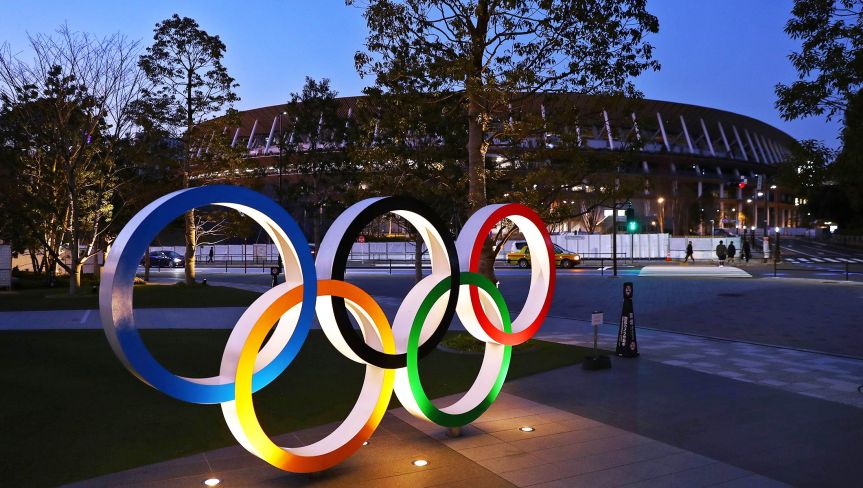
Olympics 2021 is finally here! After almost a year delay and many reschedules the Olympics have officially begin. This time the host is Tokyo, and this is the 32nd edition of Olympics game. On Friday night, that is 23 July the opening ceremony was held, and a great sports event had a grand opening ceremony.


This is for the first time that Olympics are taking place on an odd year, with no spectators and very limited number of athletes. The schedule is all prepared and its day one, which is very crucial for every country and its athlete. The key highlights are-
• Naomi Osaka renowned tennis player from Japan light up the cauldron.
She tweeted about the same as she felt grateful and honoured to be a part of opening ceremony calling it her greatest athletic achievement till date.
• The opening ceremony filled the night sky with firework and the use of drone display system. However, the ceremony took place in the absence of audience.
• The Olympic flame was passed to from Paralympic athlete Wakako Tasuchida to children from disaster hit region of Naomi, Osaka to Japanese medical workers and other athlete before it went to Naomi Osaka.
• The Opening declaration was done by Japanese Emperor Naruhito.
• In the opening ceremony parade 19 people represented India including six times world champion Boxer Marry kom and men’s Hockey captain Manpreet Singh.
• Indian Prime minister Narendra Modi cheered all the Athletes through video conference on representing India at Tokyo Olympics 2021 and wishing all the best to PM Suga and Japan on hosting the Olympics.
• In total there are 127 participants from India who are participating in 18 different sports including two team. The Indian athletes are participating in hockey, shooting, archery, rowing, judo, table tennis, badminton, weightlifting, rowing etc.

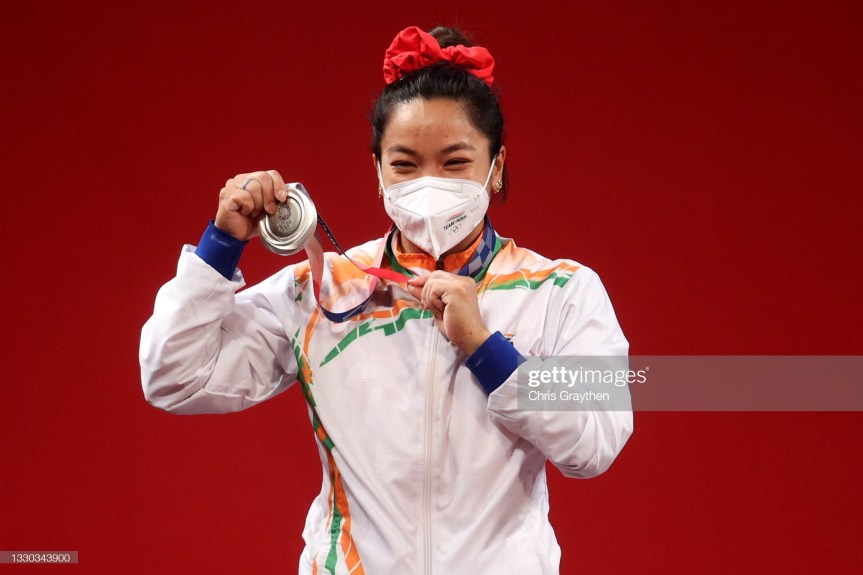
On day one Indian weightlifter Mirabai Chanu bagged a silver medal in weightlifting 49 kg category. With this achievement she becomes the second Indian women to win a silver after PV Sindhu and first athlete to win a medal at 2021 Tokyo Olympics. She belongs to Manipur situated in Northeast and have faced quite a lot of struggles on her way to win a medal today, Mirabai’s achievement has not only made all the Indians proud but, made the first day remarkable for everyone.
Indians have been actively participating in Olympic events and other sports evet from past three to four years in different category of sports and like every year the aim is to win “Gold”, represent the country at an international level and add the charm to the nation. Representing your country at such level is already counted as an achievement, representation brings responsibility and performance pressure which may affect the performance specially for the newcomers. Thus, it is important to keep the balance throughout the event and feel confident about the preparation and hard work an athlete has been doing for past many years. The competitive spirit should be high, and the goal is to be fulfilled.

Olympics amid a pandemic isn't a new thing

Every 4 years, the Olympics obtain the attention of the world by carrying forward its legacy to be one of the oldest sports festivals but this year, the Olympics amid pandemic made its arrangement quite different from other years. Is this the first time when Olympics organized amid a pandemic or it has already happened earlier too? Is this will being the first time when the audience is not there to cheer up players from the whole world?

A century ago, the 1920 Antwerp was awarded to organize Olympics to honour the suffering of Belgium during world war and it was just after a few months of Spanish flu that wreak havoc on the world. In 2010, the H1N1 virus (swine flu) outbreak before 7 months of the game, also threatened the Olympics then it was organized in Vancouver, Canada. In 2016, the Zika virus, a mosquito-born aliment has also affected the game. All these incidents reflect that this is not the first time when the Olympics hold amid a pandemic.

 Olympic takes place every four years and this very reason makes it popular among athletes. Four years of endeavour get one chance to represent the talent and it also breaks and makes astonishing records that let the participation countries proud. This year pandemic makes the game stressful and isolated – no outdoor walk to relieve the stress, no audience to cheer – up players, no outside meeting with people. Although, it is happening in the covid period is a big opportunity for athletes itself.

Tokyo Olympics 2021

Olympics 2021 is finally here! After almost a year delay and many reschedules the Olympics have officially begin. This time the host is Tokyo, and this is the 32nd edition of Olympics game. On Friday night, that is 23 July the opening ceremony was held, and a great sports event had a grand opening ceremony.

This is for the first time that Olympics are taking place on an odd year, with no spectators and very limited number of athletes. The schedule is all prepared and its day one, which is very crucial for every country and its athlete. The key highlights are-
• Naomi Osaka renowned tennis player from Japan light up the cauldron.
She tweeted about the same as she felt grateful and honoured to be a part of opening ceremony calling it her greatest athletic achievement till date.
• The opening ceremony filled the night sky with firework and the use of drone display system. However, the ceremony took place in the absence of audience.
• The Olympic flame was passed to from Paralympic athlete Wakako Tasuchida to children from disaster hit region of Naomi, Osaka to Japanese medical workers and other athlete before it went to Naomi Osaka.
• The Opening declaration was done by Japanese Emperor Naruhito.
• In the opening ceremony parade 19 people represented India including six times world champion Boxer Marry kom and men’s Hockey captain Manpreet Singh.
• Indian Prime minister Narendra Modi cheered all the Athletes through video conference on representing India at Tokyo Olympics 2021 and wishing all the best to PM Suga and Japan on hosting the Olympics.
• In total there are 127 participants from India who are participating in 18 different sports including two team. The Indian athletes are participating in hockey, shooting, archery, rowing, judo, table tennis, badminton, weightlifting, rowing etc.

On day one Indian weightlifter Mirabai Chanu bagged a silver medal in weightlifting 49 kg category. With this achievement she becomes the second Indian women to win a silver after PV Sindhu and first athlete to win a medal at 2021 Tokyo Olympics. She belongs to Manipur situated in Northeast and have faced quite a lot of struggles on her way to win a medal today, Mirabai’s achievement has not only made all the Indians proud but, made the first day remarkable for everyone.
Indians have been actively participating in Olympic events and other sports evet from past three to four years in different category of sports and like every year the aim is to win “Gold”, represent the country at an international level and add the charm to the nation. Representing your country at such level is already counted as an achievement, representation brings responsibility and performance pressure which may affect the performance specially for the newcomers. Thus, it is important to keep the balance throughout the event and feel confident about the preparation and hard work an athlete has been doing for past many years. The competitive spirit should be high, and the goal is to be fulfilled.

Euthanasia

Euthanasia is the painless killing of a patient suffering from an incurable and painful disease or in an irreversible coma. It is also known as mercy killing.

Active Euthanasia vs. passive Euthanasia

When most people think of euthanasia, they think of a doctor directly ending someone’s life. This is known as active euthanasia. Purposely giving someone a lethal dose of a sedative is considered active euthanasia.

Passive euthanasia is sometimes described as withholding or limiting life-sustaining treatments so that a person passes more quickly. A doctor may also prescribe increasingly high doses of pain-killing medication. Overtime, the doses may become toxic.

Photo by RODNAE Productions on Pexels.com

Controversy around euthanasia

1. Morality and religion

2. Physician judgement

3. Ethics

4. Personal choice

Passive euthanasia is legal in India. On 7th March 2011, the Supreme Court of India legalised passive euthanasia by means of withdrawal of life support to patients in a permanent vegetative state. The Supreme Court specified irreversible conditions to permit passive euthanasia law in 2011.

Photo by RODNAE Productions on Pexels.com

For example, Aruna Shan bhang case was terminally ill for a very long time and finally got relieved of the pain due to the above legal provision.

“Death with dignity” is a movement that encourages legislatures to allow people to decide how they want to die. Some people simply don’t want to go through a long dying process, often out of concern of the burden it puts on their loved ones. At the end it is upto us to decide what we want to do in such cases.

References

https://www.healthline.com/health/what-is-euthanasia#euthanasia-facts

Euthanasia

Euthanasia is the painless killing of a patient suffering from an incurable and painful disease or in an irreversible coma. It is also known as mercy killing.

Active Euthanasia vs. passive Euthanasia

When most people think of euthanasia, they think of a doctor directly ending someone’s life. This is known as active euthanasia. Purposely giving someone a lethal dose of a sedative is considered active euthanasia.

Passive euthanasia is sometimes described as withholding or limiting life-sustaining treatments so that a person passes more quickly. A doctor may also prescribe increasingly high doses of pain-killing medication. Overtime, the doses may become toxic.

Photo by RODNAE Productions on Pexels.com

Controversy around euthanasia

1. Morality and religion

2. Physician judgement

3. Ethics

4. Personal choice

Passive euthanasia is legal in India. On 7th March 2011, the Supreme Court of India legalised passive euthanasia by means of withdrawal of life support to patients in a permanent vegetative state. The Supreme Court specified irreversible conditions to permit passive euthanasia law in 2011.

Photo by RODNAE Productions on Pexels.com

For example, Aruna Shan bhang case was terminally ill for a very long time and finally got relieved of the pain due to the above legal provision.

“Death with dignity” is a movement that encourages legislatures to allow people to decide how they want to die. Some people simply don’t want to go through a long dying process, often out of concern of the burden it puts on their loved ones. At the end it is upto us to decide what we want to do in such cases.

References

https://www.healthline.com/health/what-is-euthanasia#euthanasia-facts

God Save Ganges- from us!

Photo by Roxanne Shewchuk on Pexels.com

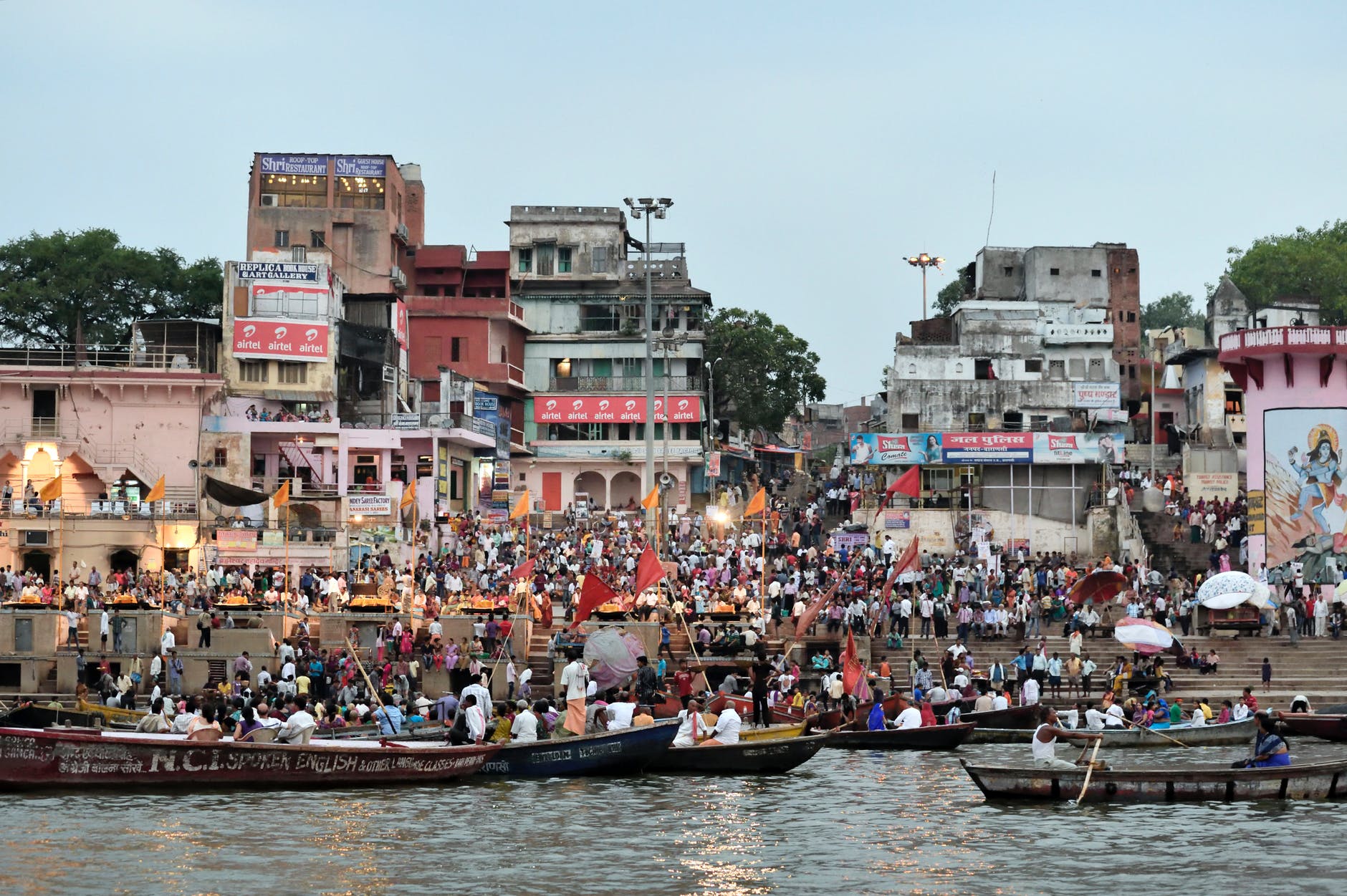
The Ganges River, or the Ganga as we call it, starts from high above in the Himalayas(Bhagirathi flows out of Gangotri glacier from the state of Uttarakhand) and drain into the Bay of Bengal, though before draining into the Bay of Bengal, it creates the world’s largest delta- The Ganges Delta. This delta is extremely fertile, spreading over a very large area and home to a large number of people. The river is known as Ganga from the region where the two rivers of Bhagirathi and Alaknanda meet ,i.e., Devprayag and flows onto the Indo-Gangetic plain. It thus forms a very large part of northern an eastern part of India and also Pakistan, Nepal and Bangladesh. It is the longest river of India and flows over a distance of 2,525, km. on it way downstream, it passes through the cities of Kolkata, Mirzapur, and Varanasi. The river Ganges is the holiest river of the Hindus and many people visit the region of Varanasi where the Ganges flows as it is considered the holiest of all those cities. According to our 2001 census, the Ganga basin alone supports 43 percent of our population. It has the largest drainage area in the whole world. Its tributaries originate from Bangladesh, China (Tibet) and Nepal.

So, now that we understand What is Ganga? Where does it originate? Where does it drain? Let us have a brief look at its importance, not that we need to, because we have been exploiting it since time immemorial. We, of course, know its importance better and its uses.

  1. With its basin spread across 11 north Indian states, it is the primary source of fresh water to people of many of those states.
  2. Not only does it provide water, it is a very important source of livelihood as people settle near its banks and depend on its water as well as fertile plains, producing  rice, wheat, potato, etc. that are important cash crops.
  3. It also provides space for animal husbandry and fisheries, river based trade and transport.
  4. It is home to many unique fauna species- eg. Ganga River Dolphin- our National Aquatic Animal, the endangered turtle and crocodilian species and so many more.
  5. River Ganges holds a very sacred place for the Hindus. The sandy banks are also the burial ground for their loved ones.
  6. Many industries are developed along the banks of the river. It acts as their dumping grounds. Not only for industries, it also acts as the dumping grounds for the nearby population.

But now, this lifeline to the country is the 5th most populated river in the world whose water is not deemed unfit to drink(without treating). (Source: Wikipedia). A recent report by a Delhi based NGO (http://toxicslink.org/docs/Quantitative%20analysis%20of%20Microplastics%20along%20River%20Ganga.pdf) found that the mighty Ganga is heavily polluted with microplastics, especially concentrated in Varanasi and Kanpur, followed by Haridwar. What’s even more shocking is their composition-  industrial and secondary broken-down plastics from articles of everyday use and, of course, religious offerings wrapped in non- degradable plastic. The days are coming when the glory of the Ganges will be a thing of the past. Is this how we treat something we respect, worship and adore? And if this is, as it definitely seems, then all the other natural bodies and organisms beware- Any of you might be our next target for the time of Ganga might come to an end.

God Save Ganges- from us!

Photo by Roxanne Shewchuk on Pexels.com

The Ganges River, or the Ganga as we call it, starts from high above in the Himalayas(Bhagirathi flows out of Gangotri glacier from the state of Uttarakhand) and drain into the Bay of Bengal, though before draining into the Bay of Bengal, it creates the world’s largest delta- The Ganges Delta. This delta is extremely fertile, spreading over a very large area and home to a large number of people. The river is known as Ganga from the region where the two rivers of Bhagirathi and Alaknanda meet ,i.e., Devprayag and flows onto the Indo-Gangetic plain. It thus forms a very large part of northern an eastern part of India and also Pakistan, Nepal and Bangladesh. It is the longest river of India and flows over a distance of 2,525, km. on it way downstream, it passes through the cities of Kolkata, Mirzapur, and Varanasi. The river Ganges is the holiest river of the Hindus and many people visit the region of Varanasi where the Ganges flows as it is considered the holiest of all those cities. According to our 2001 census, the Ganga basin alone supports 43 percent of our population. It has the largest drainage area in the whole world. Its tributaries originate from Bangladesh, China (Tibet) and Nepal.

So, now that we understand What is Ganga? Where does it originate? Where does it drain? Let us have a brief look at its importance, not that we need to, because we have been exploiting it since time immemorial. We, of course, know its importance better and its uses.

  1. With its basin spread across 11 north Indian states, it is the primary source of fresh water to people of many of those states.
  2. Not only does it provide water, it is a very important source of livelihood as people settle near its banks and depend on its water as well as fertile plains, producing  rice, wheat, potato, etc. that are important cash crops.
  3. It also provides space for animal husbandry and fisheries, river based trade and transport.
  4. It is home to many unique fauna species- eg. Ganga River Dolphin- our National Aquatic Animal, the endangered turtle and crocodilian species and so many more.
  5. River Ganges holds a very sacred place for the Hindus. The sandy banks are also the burial ground for their loved ones.
  6. Many industries are developed along the banks of the river. It acts as their dumping grounds. Not only for industries, it also acts as the dumping grounds for the nearby population.

But now, this lifeline to the country is the 5th most populated river in the world whose water is not deemed unfit to drink(without treating). (Source: Wikipedia). A recent report by a Delhi based NGO (http://toxicslink.org/docs/Quantitative%20analysis%20of%20Microplastics%20along%20River%20Ganga.pdf) found that the mighty Ganga is heavily polluted with microplastics, especially concentrated in Varanasi and Kanpur, followed by Haridwar. What’s even more shocking is their composition-  industrial and secondary broken-down plastics from articles of everyday use and, of course, religious offerings wrapped in non- degradable plastic. The days are coming when the glory of the Ganges will be a thing of the past. Is this how we treat something we respect, worship and adore? And if this is, as it definitely seems, then all the other natural bodies and organisms beware- Any of you might be our next target for the time of Ganga might come to an end.

India win’s its first medal at Tokyo 2020 Olympics

The Olympic flame was lit on 23 July’ 2021 in Tokyo, Japan and the competition for medals and glory is fierce and intense. Mirabai Chanu ended India’s 21-year wait for a weightlifting medal at the Olympics by clinching a silver medal in the 49kg category and opened the country’s account on Saturday. The 26-year-old lifted a total of 202kg (87kg+115kg) to better Karnam Malleswari’s bronze in the 2000 Sydney Olympics.

Who is Mirabai Chanu?

Saikhom Mirabai Chanu was born on 8 August 1994 in Nongpok Kakching, Imphal, Manipur, to a Meitei family. Her family identified her strength from an early age when she was just 12. She could easily carry a huge bundle of firewood home when her elder brother found it hard to even pick it up.

Chanu’s first major breakthrough came at the Glasgow edition of the Commonwealth Games; she won the silver medal in the 48 kg weight category.

Chanu was felicitated by the Chief Minister of Manipur, N. Biren Singh, who presented her with a cash prize of ₹2 million. She received India’s highest civilian sports honour Rajiv Gandhi Khel Ratna for 2018. In 2018, Chanu was awarded with the Padma Shri by the Government of India. In 2019, she won Gold at Qatar International Cup, after lifting 194kg

India win’s its first medal at Tokyo 2020 Olympics

The Olympic flame was lit on 23 July’ 2021 in Tokyo, Japan and the competition for medals and glory is fierce and intense. Mirabai Chanu ended India’s 21-year wait for a weightlifting medal at the Olympics by clinching a silver medal in the 49kg category and opened the country’s account on Saturday. The 26-year-old lifted a total of 202kg (87kg+115kg) to better Karnam Malleswari’s bronze in the 2000 Sydney Olympics.

Who is Mirabai Chanu?

Saikhom Mirabai Chanu was born on 8 August 1994 in Nongpok Kakching, Imphal, Manipur, to a Meitei family. Her family identified her strength from an early age when she was just 12. She could easily carry a huge bundle of firewood home when her elder brother found it hard to even pick it up.

Chanu’s first major breakthrough came at the Glasgow edition of the Commonwealth Games; she won the silver medal in the 48 kg weight category.

Chanu was felicitated by the Chief Minister of Manipur, N. Biren Singh, who presented her with a cash prize of ₹2 million. She received India’s highest civilian sports honour Rajiv Gandhi Khel Ratna for 2018. In 2018, Chanu was awarded with the Padma Shri by the Government of India. In 2019, she won Gold at Qatar International Cup, after lifting 194kg

Problems during travelling in India

 No Doubt that some places in India are beautiful to live and to travel. India has very good places in terms of nature, history, paintings and architecture.

This is all about travelling in the sense of tourism, going on a trip of 8-10 days, residing in a hotel etc . Is travelling all about visiting  places for a few days? Is travelling limited to tourism?
India is a country, where everything is available at walking distance, every single street, even the remote one has at least 2 small or big grocery shops. People do not need to travel even one mile distances for groceries.
One reason behind that is people cannot afford a car, not even a scooter or bike. It's hard for them to walk every day for such essentials. Secondly, most people in India are daily wagers. People do not purchase anything in bulk. They purchase loose items as per the daily need, as labour here get daily wages. In short, people have low income and are daily wage earners.
All the facts mentioned above are the reasons why public transportation in India is so prompt. People prefer public vehicles for travelling not only long distances but also short distances of 5 kms.
Travelling even 5km is not an easy task here.  As a large population depends on public transportation, facilities here are at least as per the ratio of people. India always tries to uplift itself in terms of technology, but due to inefficiency in the government, results are not always successful. If a person books a train, the app doesn't work. If a person books for a car, it's inaccessible. There is no fixed rate to travel which is fixed by the government. The bus owners demand as per their wish.
I believe that life of every creature on this earth is valuable, but in India life has no value. You can save yourself from viruses and health issues, but what about accidents on the road, in a bus, in a train, on the street? What about the untrained drivers who can mess up the lives of 30-50 people in one moment? What about illegal driving? What about the driving of children under 18? What about drinking and driving? What about not wearing seat belts and helmets? What about overspeeding?
While travelling you always have a sword hanging upon you, either you travel in a bus, car or any means of transportation. Anytime, anything can happen. There is no security of life, luggage and other things. How uncertain life and travelling is here?
If such incidents happen to you, it's not even useful to complain. In this country, bribes and politics are so dominant. Laws are only made to show democracy, to show efforts made by the government to reduce crimes. No one here wants to work for the service of people and country. All people need is money and less work.
If you complain about any crime or a person who is a threat to your life, that person can bribe an inspector, and no one is going to listen to you, you will just revolve around the police station and courts.
Life is so precious, and travelling is a day to day necessity. It's good to travel with public vehicle since, one, everyone cannot afford personal vehicles, two, it will decrease traffic and pollution, but the government should take care of safety as its responsibility. Every individual should also be responsible for each other's safety on the basis of humanity.
No one should be so hard-hearted that threatening someone's life is so easy, and you have no regret for your actions. If by mistake you have hurt someone you can't face yourself. I don't know how someone can kill, end someone's life intentionally? How can someone feel proud in killing someone, murdering someone.
I wonder if life is really so cheap here. It's uncertain.

Problems during travelling in India

 No Doubt that some places in India are beautiful to live and to travel. India has very good places in terms of nature, history, paintings and architecture.

This is all about travelling in the sense of tourism, going on a trip of 8-10 days, residing in a hotel etc . Is travelling all about visiting  places for a few days? Is travelling limited to tourism?
India is a country, where everything is available at walking distance, every single street, even the remote one has at least 2 small or big grocery shops. People do not need to travel even one mile distances for groceries.
One reason behind that is people cannot afford a car, not even a scooter or bike. It's hard for them to walk every day for such essentials. Secondly, most people in India are daily wagers. People do not purchase anything in bulk. They purchase loose items as per the daily need, as labour here get daily wages. In short, people have low income and are daily wage earners.
All the facts mentioned above are the reasons why public transportation in India is so prompt. People prefer public vehicles for travelling not only long distances but also short distances of 5 kms.
Travelling even 5km is not an easy task here.  As a large population depends on public transportation, facilities here are at least as per the ratio of people. India always tries to uplift itself in terms of technology, but due to inefficiency in the government, results are not always successful. If a person books a train, the app doesn't work. If a person books for a car, it's inaccessible. There is no fixed rate to travel which is fixed by the government. The bus owners demand as per their wish.
I believe that life of every creature on this earth is valuable, but in India life has no value. You can save yourself from viruses and health issues, but what about accidents on the road, in a bus, in a train, on the street? What about the untrained drivers who can mess up the lives of 30-50 people in one moment? What about illegal driving? What about the driving of children under 18? What about drinking and driving? What about not wearing seat belts and helmets? What about overspeeding?
While travelling you always have a sword hanging upon you, either you travel in a bus, car or any means of transportation. Anytime, anything can happen. There is no security of life, luggage and other things. How uncertain life and travelling is here?
If such incidents happen to you, it's not even useful to complain. In this country, bribes and politics are so dominant. Laws are only made to show democracy, to show efforts made by the government to reduce crimes. No one here wants to work for the service of people and country. All people need is money and less work.
If you complain about any crime or a person who is a threat to your life, that person can bribe an inspector, and no one is going to listen to you, you will just revolve around the police station and courts.
Life is so precious, and travelling is a day to day necessity. It's good to travel with public vehicle since, one, everyone cannot afford personal vehicles, two, it will decrease traffic and pollution, but the government should take care of safety as its responsibility. Every individual should also be responsible for each other's safety on the basis of humanity.
No one should be so hard-hearted that threatening someone's life is so easy, and you have no regret for your actions. If by mistake you have hurt someone you can't face yourself. I don't know how someone can kill, end someone's life intentionally? How can someone feel proud in killing someone, murdering someone.
I wonder if life is really so cheap here. It's uncertain.

Gaming addiction among youth.

Online games are a hot cake among youth these days with almost 81% of teenagers under 18s indulged. It is an emerging sector in India and has shown a robust increase in the number of gamers over the last few years. A substantial increase in gaming has been recorded in the year 2020 due to covid induced lockdown. The year 2020 has witnessed an investment of USD 544 million in India in the gaming sector.

As a result of the enhanced investment, more teenagers are recklessly running towards online gaming to have fun and connect socially and make new friends.

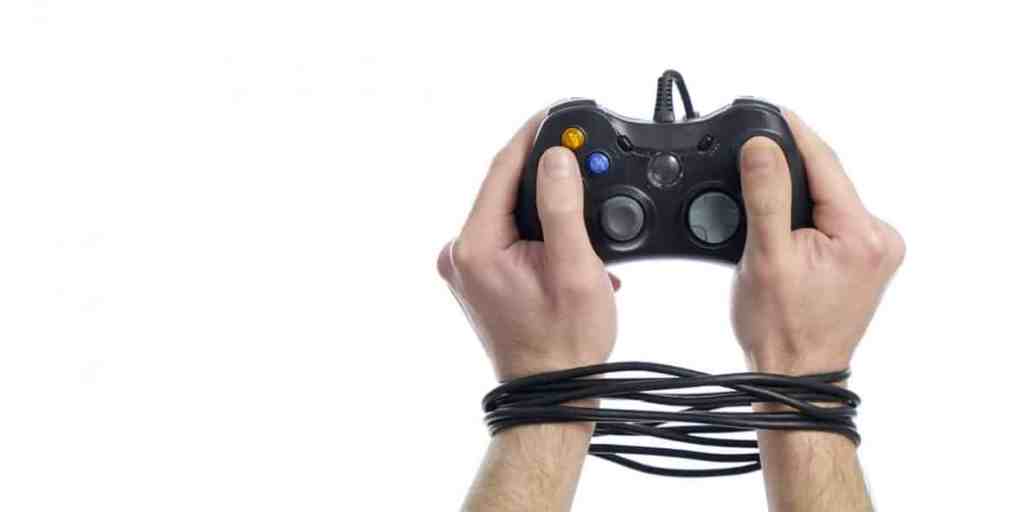
With the habit of online gaming comes many challenges including deterioration of the physical, emotional as well as social well being of youths.

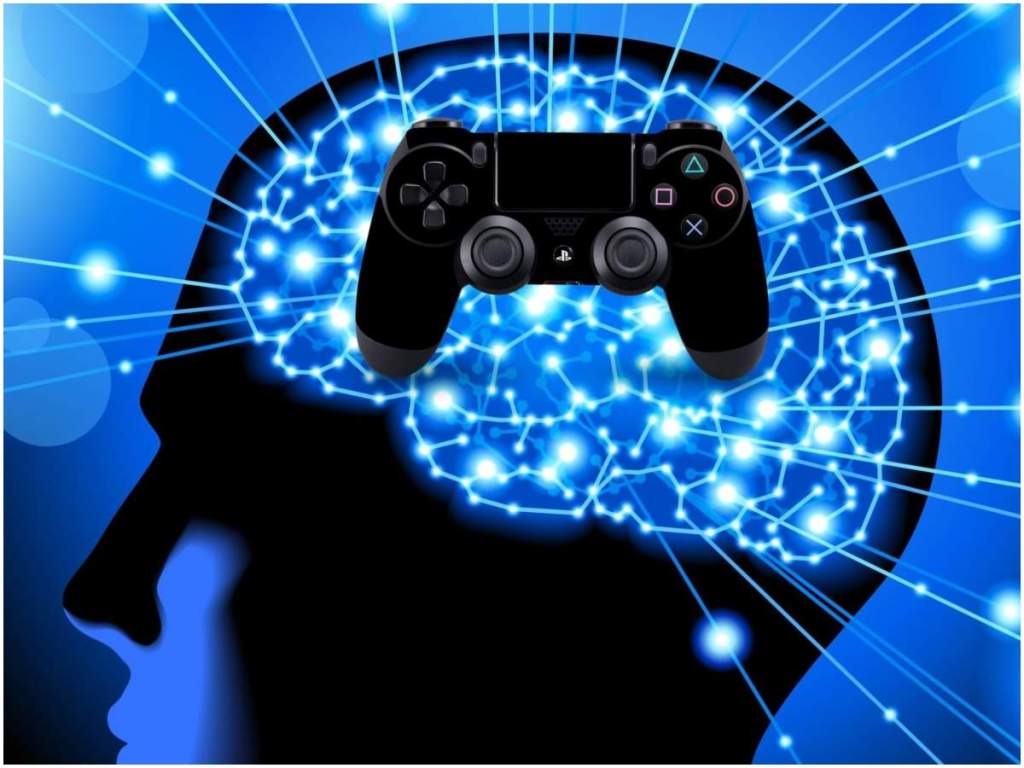
Brains addicted to games are more likely to be dormant in the normal real world thereby reducing capacity towards work efficiency. Such Kids are prone to isolation much easier that leads to a decrease in academic excellence and withdrawal from educational institutions. Impaired posture is another danger of prolonged gaming and often result in carpal tunnel syndrome (CTS) causing numbness in fingers especially in the thumb and first three fingers. Apart from CTS, migraine, cervical problem, as well as impaired eyesight at a very young age, is another serious issue.

Moreover, finances linked to gaming is another major drawback of this sector. Kids hastily invest money to unlock succeeding states of games using parents or carers credit cards. Scammers use the malware to capture the detail of gamers online accounts and hack it which is why it is subject to friendly fraud than any other industry.

It’s not easy to quit the habit of gaming that’s why it is necessary to take steps at the very early stage. Quit all the gaming apps and try to uninstall it from system if possible.Try to find a competing interest to invest your time and mind that pulls you away from video games. At the least keep pushing yourself away by taking a little step every day as it’s never too late to begin.

Refrences: https://www.therecoveryvillage.com/process-addiction/video-game-addiction/gaming-addiction-statistics/

https://m.timesofindia.com/life-style/health-fitness/de-stress/lockdown-loneliness-drives-up-gaming-addiction/amp_articleshow/78393084.cms

Gaming addiction among youth.

Online games are a hot cake among youth these days with almost 81% of teenagers under 18s indulged. It is an emerging sector in India and has shown a robust increase in the number of gamers over the last few years. A substantial increase in gaming has been recorded in the year 2020 due to covid induced lockdown. The year 2020 has witnessed an investment of USD 544 million in India in the gaming sector.

As a result of the enhanced investment, more teenagers are recklessly running towards online gaming to have fun and connect socially and make new friends.

With the habit of online gaming comes many challenges including deterioration of the physical, emotional as well as social well being of youths.

Brains addicted to games are more likely to be dormant in the normal real world thereby reducing capacity towards work efficiency. Such Kids are prone to isolation much easier that leads to a decrease in academic excellence and withdrawal from educational institutions. Impaired posture is another danger of prolonged gaming and often result in carpal tunnel syndrome (CTS) causing numbness in fingers especially in the thumb and first three fingers. Apart from CTS, migraine, cervical problem, as well as impaired eyesight at a very young age, is another serious issue.

Moreover, finances linked to gaming is another major drawback of this sector. Kids hastily invest money to unlock succeeding states of games using parents or carers credit cards. Scammers use the malware to capture the detail of gamers online accounts and hack it which is why it is subject to friendly fraud than any other industry.

It’s not easy to quit the habit of gaming that’s why it is necessary to take steps at the very early stage. Quit all the gaming apps and try to uninstall it from system if possible.Try to find a competing interest to invest your time and mind that pulls you away from video games. At the least keep pushing yourself away by taking a little step every day as it’s never too late to begin.

Refrences: https://www.therecoveryvillage.com/process-addiction/video-game-addiction/gaming-addiction-statistics/

https://m.timesofindia.com/life-style/health-fitness/de-stress/lockdown-loneliness-drives-up-gaming-addiction/amp_articleshow/78393084.cms