Remembering R K Narayan, The Creator of Malgudi

R K Narayan is arguably one of the brilliant storytellers who could create stories and characters that were relatable yet intriguing. He was one among the few writers of his era, who could weave magic with simple words and effortlessly spin a tale out of the mundane everyday events.

Born as Rasipuram Krishnaswami Iyyer NarayanaSwami in Madras, R K Narayan spent a part of his childhood in Madras with his grandmother and later moved to Mysore when his father, a school headmaster, was posted to the Maharajah’s College High School. An avid reader, he devoured the works of Dickens, Wodehouse, Thomas Hardy and Arthur Conan Doyle during his boyhood. 

If you were to observe the trajectory of R K Narayan’s life, you would find that he wasn’t someone who has had a smooth ride. From failing his university entrance exam, taking an extra year to complete his bachelor’s degree, quitting his rather short stint  as a school teacher, remaining jobless for a very long time to being ridiculed for his writing and facing a series of initial rejections, setbacks were a part and parcel of his life. Through all these, what kept him going was his intense passion for writing. 

During his initial days as a writer, he wrote occasionally  for local publications. His first short story Dodo – about a boy who wanted to earn pocket money to roam about and buy peanuts – was published by The Merry magazine. Thereafter he managed to get several other of his works printed by the magazine and by the Hindu. Later, he had also worked as a reporter for The Justice, a Madras-based paper, after his marriage to the love of his life, Rajam.

When he wrote his first book, Swami and Friends, it went through a string of rejections that, after a point, Narayan lost hope and asked his friend Kittu Purna in Oxford (whose address he had given as return address for the manuscript), to weigh manuscript  down with rocks and  drown it in the Thames if it were to be rejected again. Well, the novel did get rejected but his friend had a better idea than drowning it. He took it to Graham Greene, a writer who he had met in Oxford, who ended up loving it and even found a publisher for the book. The literary world would forever be indebted to Kittu Purna for not complying to his friend’s request or else the magical town of Malgudi would have forever remained hidden in the depths of the Thames. 

Around the time when he was gradually making a mark as a writer, life was not being particularly kind to him on the personal front. He lost his father and his wife within a gap of merely a couple of years, which left him devastated. In the face of losses, it was the world of words that held his hands and he managed to channel his grief into creating masterpieces in literature. The English Teacher, as he later acknowledged, was a reflection of his emotions during the time of his wife’s death.He went on to write several other novels and short stories during his career and most of them were set in Narayan’s very own Malgudi.
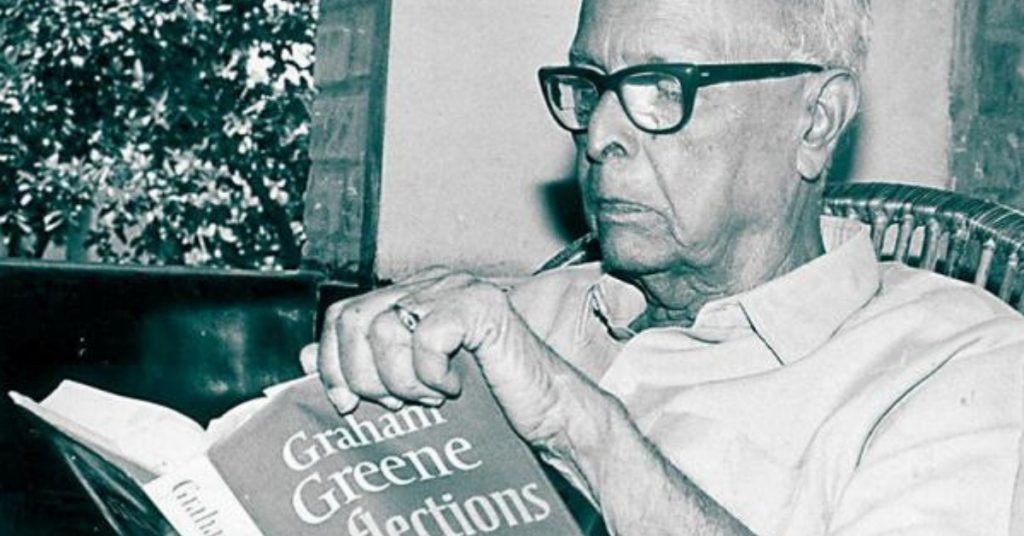
Image Credit: Farnaz Fever

Narayan was a brilliant storyteller who could capture the essence of the mundane everyday life and turn it into a literary masterpiece.Through simple words, punctuated cleverly by just the right amount of humour, he found his way into the hearts of millions of readers.

During the course of his literary career, he won various awards including the Sahitya Akademi Award for The Guide and the AC Benson Medal by the British Royal Society of Literature. He was also awarded Padma Bhushan and Padma Vibhushan  for his contributions to the country. 

He was a man of simple needs (well,  except for that coffee, which he needed exactly the way he liked it ! ) and just like his characters lived a rather simple life. He always made sure to keep himself rooted in reality.Even during his later years, he never missed the chance to have a chat with the people who he used to meet during his afternoon strolls. He treated these walks as his office hours for that is where he often met his characters. 

Narayan was a person who valued friendships more than anything else. Much of his later years were spent in having warm conversations and the perfect Narayan-style coffees with the people he treasured the most. Perhaps those were the things that kept him going after he lost his daughter to cancer.  His final novel, Grandmother’s Tale was dedicated to his daughter Hema. He was a writer who was so invested in his craft that he used to write around 1000 words daily, even while travelling (aspiring writers please make a note !). Even a few hours before he was shifted to the ventilator, all he wanted was for his friend, N. Ram, to get him a notebook for the next novel that he was planning to write. Unfortunately for the readers, that novel never got materialised as he passed away soon after, at the age of 94.

R K Narayan will always be remembered as one of the finest storytellers who inspired many generations of writers to discover the beauty of their own backyards and his legacy will live on through every reader, who secretly wish to pack their bags and move to Malgudi.


How to make the best use of time. 

This is an image for how to make the best use of time.
Photo by Eunice Lui on Pexels.com

Time is precious, it’s a saying that is reiterated often by everyone! We all are gifted with 24 hours everyday and many more during our whole lives. But often we don’t know how to utilize them. We understand how precious time is only when it passes away, leaving us with only a few hours left to turn in an assignment! This doesn’t have to repeat because here are some ways you can make the best use of time. 

Keep track of your time

When time passes you in a whiff, leaving you with the feeling of having nothing done from your ‘to do list’. The moment has come to identify how you have been utilizing your time. A simple note making activity along the week can do the trick. Keep tabs on the activities you do on a regular basis across different time periods. You can do this the old school way by writing down in a notebook or the modern way by typing in your smartphone. The aim of the activity is to figure out the tasks that waste your time by the end of the week and curb the duration of indulging in such activities. 

For example if using your mobile phone or watching television is eating up your time, leaving you with no time to do what is necessary. Keeping track of your time will help you understand this mishap and rectify your actions. Thus helping you to make the best use of time. 

Make a ‘To do list’, but avoid listing a ton of items. 

This is an image of  To do list.
Photo by Breakingpic on Pexels.com

Making a ‘To do list’ is supposed to motivate us to get things done for the day. But listing a ton of tasks kills the motivation to do the same. Listing even 3 important items to do for the day can help you get things done and motivate you to do more. Three tasks might seem very less, but it accounts for a day well spent as you accomplish the 3 most important tasks that need to be done, rather than listing 10 items in your ‘to do list’ and get nothing finished. 

Doing less also helps you focus and spend adequate time over your important tasks, making you less prone to make errors and getting things done efficiently. 

Plan your day before time

We all have heard the famous words of Benjamin Franklin, “If you fail to plan, you are planning to fail.” Although it sounds daunting and negative, it makes a lot of sense when you try to make the best use of time. When you haven’t given a thought about the day ahead, you end up spending the day doing mundane things that take up the majority of your time. 

It is best to plan the next day before going to bed or during the early hours of the day to make the best use of time. This helps you to remember the important things to be done for the day and keep you occupied. 

Take out the bad habits from your day

This is an image for bad habits
Photo by Maria Orlova on Pexels.com

We all develop some habits in our lives that are harmful or keep us from being productive. You might probably take your love for music to the next level by having your earphones plugged in for several hours. This could be harmful to your ears or reduce efficiency as you listen to music in the background while doing something important. Hence, it becomes necessary to fix a duration for plugging in some music rather than doing so all the time.

Similarly, you can curb other time consuming habits by spending less time over them or putting them away during your time of productivity. 

  • Put your phone away to resist the urge for checking messages while you study or work on an assignment. 
  • Turn off the Wifi or mobile data on your phone to prevent notifications from interrupting your work schedule. 

Begin with the most important task for the day

Although it sounds intimidating, waking up after the right duration of sleep leaves you with great energy and potential to complete important tasks that you have planned for the day. Maybe that’s why schools, colleges and offices expect people to arrive in the morning as they are equipped with sufficient energy for conveyance and other important things. 

Finishing the significant tasks in the morning such as studying or attending meetings, equips you with the necessary information and a sense of accomplishment to carry on with the rest of the day. Thus making the best use of time. 

Figure out what is important to you in the long run

This is an image for important
Photo by cottonbro on Pexels.com

Finally, it’s all in the bigger picture. You need to figure out what carries significance in your life. Some may want to explore while the others may want to settle down. What is important to you would determine your actions. 

Do tasks that provide good returns. 

Taking a break during the day from your studies or work is something you deserve. As you plan your activities and ‘to do lists’, it is also necessary to plan your time of leisure. Playing video games or watching television for 4 hours straight can be tempting, but it prevents you from reading the book you were planning on reading or meeting up with a good friend. 

It is better to limit your time over tasks that provide less returns and focus more on tasks that add value to your life.  So pick an interesting book while you feel the urge to binge watch or initiate a meet-up with friends which you have been putting off for a while. 

Because making the best use of time is to learn new things and add new experiences to your life. 

References

Chris Bailey, https://www.lifehack.org/articles/productivity/7-ways-make-better-use-your-time.html

Arda Ozdemir, August 25 2021, https://www.wikihow.com/Use-Your-Time-Wisely

John Rampton, May 1 2018, 8:00am, https://www.forbes.com/sites/johnrampton/2018/05/01/manipulate-time-with-these-powerful-20-time-management-tips/?sh=62c777857ab4

GANGA RIVER

GANGES

INTRODUCTION

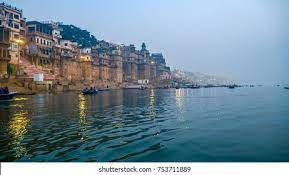
The Ganges is the largest river in India with a profound religious significance. It is known by several names, including Jahnavi, Gange, Shubhra, Sapteshwari, Nikita, Bhagirathi, Alaknanda, and Vishnupadi. Nothing can match the ever-lasting divinity of the holy River Ganga; the sacred river is a true mother by all means.

HISTORY

Bhagiratha was a legendary king of the Ikshvaku dynasty. He brought the River Ganga to Earth from the heavens because only shecould bestow nirvana to Bhagiratha’s ancestors who were cursed by Sage Kapila. After years of great penance, River Ganga descended on Earth and Lord Shiva agreed to channelize her flow. Therefore, River Ganga flowed from Lord Shiva’s hair. The place where the sacred river originated is known as Gangotri in present times, and since the river originated from Lord Shiva’s Jata (hair) it is also called Jatashankari. 

While flowing, the Ganga demolished the ashram of sage Jahna who became furious and stopped her movement. On Bhagirath’s appeal, the sage freed her; therefore, Ganga is also called Jahnavi. The Ganga then reached sage Kapil’s ashram, where Bhagirath’s ancestors were burnt to ashes and liberated to rest in peace.

HOLY RIVER

The Ganga is the only river that flows from all the three worlds – Heaven/Swarga, Earth/Prithvi, and Hell/Patala. The person who has traveled to all three worlds is addressed as Tripathaga in the Sanskrit language. 

In Hinduism, the holy River Ganga is personified and personalized as the Goddess Ganga. The followers of the Hindu religion believe that bathing in the pious Ganga can help wash all sins. People also believe that a mere touch of the river can help attain moksha (salvation) and so the ashes of the dead are immersed in the sacred river.

THE GANGA AARTI

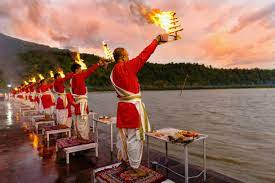
The famous Ganga Aarti takes place at twilight every day and is an incredibly moving ceremony. All the ghats are filled with the aroma of flowers and the fragrance of incense sticks. Several priests perform this ritual by carrying deepam and moving it up and down in a rhythmic tune of bhajans. Many Sodha Travelers have communicated that the Aarti was a profound highlight of their Indian experience, and we agree!

THE GANGA GHATS

 A ghat is a series of steps that lead to the river, and Hindus believe that bathing in Ganga is truly auspicious and will wash away all sins. Travelers often visit these ghats to bathe and witness the funeral rites. A funeral ghat is a place where families gather to cremate the bodies of their loved ones. Later, their ashes are offered to the river. The Manikarnika Ghat in Varanasi is a famous funeral ghat. 

“GANGA TO ME IS THE SYMBOL OF INDIA’S MEMORABLE PAST WHICH HAS BEEN FLOWING INTO PRESENT AND CONTINUES TO FLOW TOWARDS THE OCEAN OF THE FUTURE”

Innovation – A Favourable Change — All About Everything.

The concept of Innovation was conceived in the era of the industrial revolution in the late 19th century. This revolution created a whole new space that demanded newer and more efficient ideas to potentially lead to better results.          Innovation proves the ability of human brains to find multiple ways of doing things through creative […]

Innovation – A Favourable Change — All About Everything.

Foods with preventive powers.

There are a lot of benefits some foods serve us. Like mustard contains manganese and phosphorus, which contribute to strong bones and teeth so help prevent osteoporosis. Many other foods have similar preventive powers such as:

See the source image

Asparagus for high blood pressure.

Image result for asparagus

Asparagus contains the natural diuretic asparagine, which helps your body get rid of excess salt and fluid. For people with oedema caused by high blood pressure, eating asparagus can be very helpful. Asparagus also has B-vitamins that help fight early cognitive decline and depression.

Onions For lung cancer

Image result for onion

Studies have found that dietary flavonoids that are found in onions, reduce risk of lung cancer. Onions may also help boost your good cholesterol.

Cheese for dental health.

Image result for cheese

The fat that is naturally present in cheese coats your teeth and acts like a natural barrier against bacteria. Cheese also contains caesin, a protein that provides protection.

Lemons and limes for kidney stones

Lemons and lime contain citric acid that helps reduce the excretion of calcium in urine so it prevents kidney stones from forming. Lemon rinds are also rich in a component called rutin, which helps strengthen the walls of the capillaries, potentially reducing the pain and severity of varicose veins.

Papayas for arthritis

Image result for papaya

Papaya is an excellent source for vitamin C. Thus help prevent the ailment, if consumed regularly.

Beets for a better brain.

Beets produce nitric oxide, which helps blood flow throughout your body and brain. Which decreases the risk of developing Alzheimer’s disease and vascular dementia.

Image result for beets

Important things to keep in mind while choosing a college for admission

Important things to keep in mind while choosing a college for admission

If you are in high school and contemplating on what college would be best suited for you for pursuing your graduation, here are some things that you might want to keep in mind while doing so:
1) Subject
If you have a choice of subject and has already made up your mind on pursuing that specific subject, then this step is easy for you. You can make a list of potential colleges that offer your subject of choice and then filter out what is best suited for you. For instance, if you are willing to get an english honours, you might not only consider the subject alone but also look out for other programmes the college has to offer such as debates, writing competition, etc that would help you to brush up your skills further. If you have a senior or some acquaintance who is in the same field, you can go to then for suggestions too.

2) Public college or private college?
While public colleges are funded by the state, private colleges have relatively higher course fee structure than public ones. However, the high cost of education can have long lasting implications on your life since beacuse of the money involved, they might offer other programs and seminars and sometimes excursions which can help to develop your skills and increase your knowledge in the field.

3) Location
Do you want to study in a college in a big city? How is the weather there? Are you willing to stay away from family incase your college is far? What are the transportation facilities available? These are some of the questions you might consider asking yourself before choosing your college of choice.

4) Student Activities
Are you into sports or say dancing, drama or maybe music? Whatever your hobbies are, it is always better to choose a college that will allow you to pursue them. Sometimes a break from studies and doing what you enjoy the most would make your overall learning experience more fun. You can join clubs of your ineterest and take part in programmes and competitions as well. This will allow you to showcase your skills apart from academics and will help you to maintain a balance between your studies and social life.

5) Career services
Majority of students go to college so that they could land up a job and contribute towards the society. So, internship programs and list of companies that have come earlier for job recruitments are the things you might want to check out before taking admission.

Listed above are some of the basic points that you might want to keep in mind to ward off any future problems. You are free to choose the college of your dreams and pursue what you want. There are some top notch colleges that might be offering scholarships, so if you want to get into them you might as well work hard to get in on a scholarship. All the best for your future!

Everything You Need to Know About Narcissistic Personality Disorder

We often are annoyed when we find someone wanting all the attention, regardless of the causes and consequences, being extremely sensitive to anyone’s remarks. To handle them cautiously is advised, as those might be signs of a narcissistic personality disorder. 

What is Narcissism and Narcissistic Personality disorder? 

  • Narcissism, often described as increased importance given to own physical self, has been developed from the Greek example of Narcissus to a cultural conception in the United States labeled as a mental disorder by the late 20th century (Jauk et.al, 2021). 
  • We might also notice people wanting to stand out because of low confidence, feelings of loneliness, being vulnerable to remarks, which are features profound in Eastern Countries (Jauk et. al, 2021) 
  • The narcissist meaning and definition goes beyond culture, into certain common traits, divided into different criteria by the Diagnostic and Statistical Manual of Mental Disorders:
    1. The idea of being unique
    2. Attention seeking
    3. Wanting special treatment
    4. Lacking the will to understand others
    5. Feeling shamefulness and humiliation
    6. Hating criticism
  • These broad signs of a narcissist: portraying the need for creating a false sense of an impressive personality and the lack of relating to others, cause an alarm of concern, as they also stem from internal factors of low self-worth, lonely and sensitive feelings (Ronningstam, 2010)

Sub – divisions of Narcissistic Personality Disorder

The diverse nature of humans cannot be reduced to certain common traits. Caligor et. al (2015) analyze specific case studies to understand the sub-variations and severities that characterize narcissistic behavior: 

  • The grandiose overt narcissists: those seen as attention seekers and arrogant over their ability to charm others, coming off as dominative, with a lack of concern for others. 
  • The vulnerable covert narcissists: those who might respond negatively to criticism, often being disturbed over it, but might also compare themselves to others due to feeling inadequate or jealous. 
  • The high functioning and autonomous narcissists: They share traits with the grandiose overt types, but they also use them for their development, so being competitive and sexually advanced also fall under their category. As they come across like any other human, their cases are rare to come out. 
  • The malignant narcissists: the extreme kind, as their standoffish nature might turn to sadistic tendencies that they derive satisfaction from. The need to treat them and the difficulty faced thus increases. 

(To know more about the subtypes and their association with other disorders, visit https://ajp.psychiatryonline.org/doi/full/10.1176/appi.ajp.2014.14060723

Narcissists and Relationships

It is important to note that individuals carrying narcissistic personalities also communicate and form relationships, subject to the same socialization process. Vaknin (2004) explains the influences, varying from birth to them being adults, as markers of the narcissistic relationship: 

  • Those with narcissistic parents are often bound to share the same tendencies due to control seen in a positive light or opposite traits due to control seen in a negative light. This can also manifest as wanting to be with a narcissist, influenced by their upbringing. 
  • The narcissist, prone to known influences being the right way, may often mistake their abuse for love and understand criticism as hate.

So, what might seem like a narcissistic abuse relationship, is their inability to form a meaningful connection. The need to control turns into an unstable relationship.   

Treating Narcissistic Traits

The recent statistics of population segments that identify with narcissistic traits are patients seeking mental help, military servers, and medical students. Under therapy, it’s not unusual to find other conditions like depression, substance use, bipolar, and eating disorders (Hull,2021). 

Yakeley (2018) explains the problem faced during therapies involving narcissists:

  • The narcissists seek therapy due to the fault or difficulties they find in others that bother them, willing to less reflect on themselves. The therapist’s advice might strike the wrong side, leading back to square one of them being receptive to criticism.  
  • The willingness to have the upper hand for the narcissist might also affect the therapist who would have to deal with the pointed error of their ways or criticism to get to the healing process.

So, how do we treat those suffering from this disorder? Weinberg and Ronningstam (2020) analyze various patterns of therapies and suggest ways that can work better: 

  •  If the patient ever faces difficulties starting or even continuing the treatment, finding the causes behind them to create a healthy response to further development might help. Here, lining out an agreement or providing ultimatums that keep a constant check on their progress works.
  • To handle a patient’s criticism effectively that a therapist might face initially.
  • To provide clear-cut goals and achievable alternatives so that the therapist and the patient can work together.
  • To motivate the patients to work on themselves so they recognize the positive outcome of it. 
  • Once patients are aware of broadening their perception, the process of recognizing their strengths and weaknesses, can be initiated in an open-minded way. 

Conclusion

So, to be aware and not promote the tendencies that make a narcissist more confident should be discouraged, pointing out the abuse and seeking help should be recognized and applied practically and constructively. Along with therapies, daily communication also goes a long way.[1]

This article highlights the markers of someone having NPD, the cultural and psychological factors, the diagnosis and treatment for a varied population that falls under this category. To recognize and know the disorder, researching and learning about it, is the first step. Change starts when reflecting and acting becomes a norm with abnormality and harm. 


References

Caligor, E., Levy, K. N., & Yeomans, F. E. (2015). Narcissistic personality disorder: Diagnostic and clinical challenges. American Journal of Psychiatry172(5), 415-422.

Hull, Megan (2021). Narcissistic Personality Disorder Statistics. https://www.therecoveryvillage.com/mental-health/narcissistic-personality-disorder/npd-statistics/

Jauk, E., Breyer, D., Kanske, P., & Wakabayashi, A. (2021). Narcissism in independent and interdependent cultures. Personality and Individual Differences177, 110716.

Ronningstam, E. (2010). Narcissistic personality disorder: A current review. Current psychiatry reports12(1), 68-75.

Vaknin, S. (2010). Excerpts and Case Studies from the Archives of the Narcissistic Abuse Study Group. Narcissus Publishing.

Weinberg, I., & Ronningstam, E. (2020). Dos and don’ts in treatments of patients with narcissistic personality disorder. Journal of personality disorders34(Supplement), 122-142.

Yakeley, J. (2018). Current understanding of narcissism and narcissistic personality disorder. BJPsych advances24(5), 305-315.

ENVIRONMENTAL ISSUES

Environmental issues harmful to human beings, animals and plants.They are environmental issues like pollution, deforestation, climate change, Ozone depletion, waste management.

MAJOR TYPES OF ENVIRONMENTAL ISSUES:-

* Climate change

* Deforestation

* Ozone depletion

* Biodiversity Loss

* Acid rain

* Human overpopulation

* Global warming

CLIMATE CHANGE:-

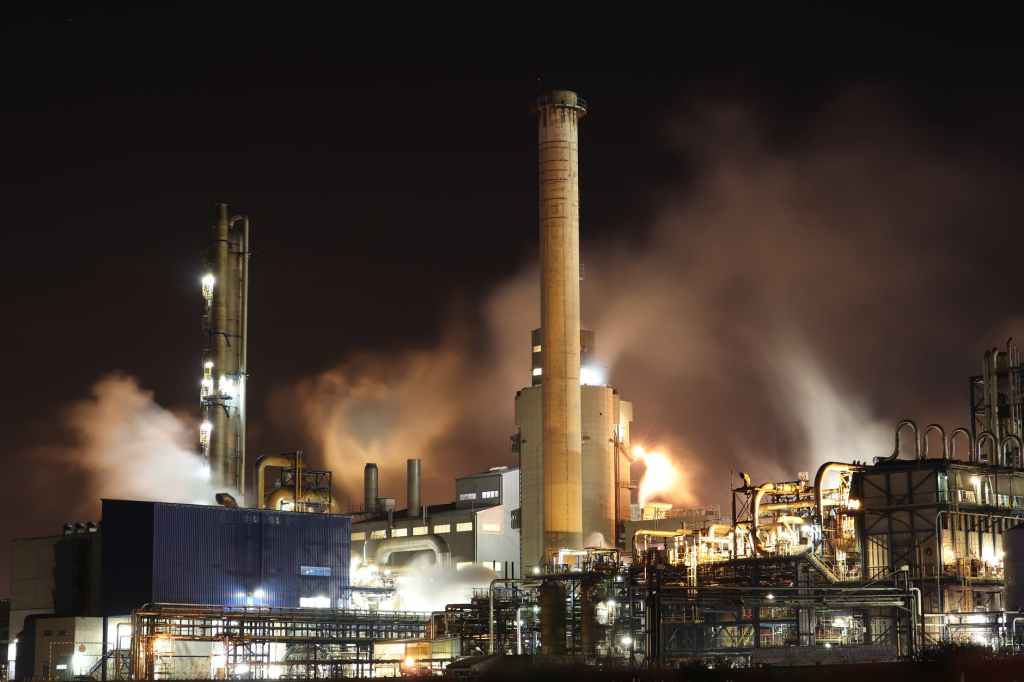
Climate change is the long-term alteration of temperature and typical weather patterns in a place. It is both natural or artificial.But most of the it is because of humans.By burning of fossil fuels and natural gases like oil,coal which causes the release of green house gases leads to the alternation of climate.

DEFORESTATION:-

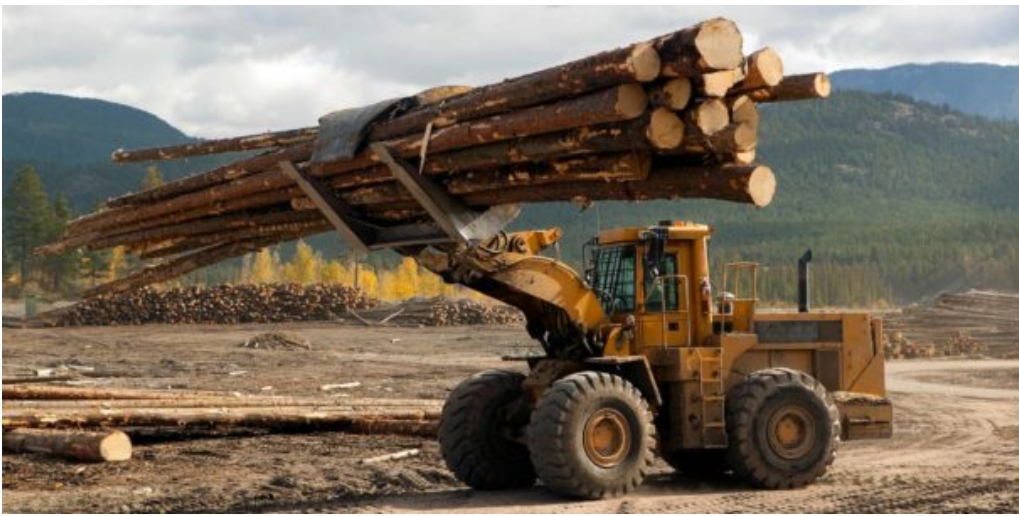
Deforestation is defined as removal of large amount of trees from forest and destroying agricultural lands for human deforestation is one of the major problem causes soil erosion,no rain, disturb water cycle and natural habitats.

OZONE DEPLETION:-

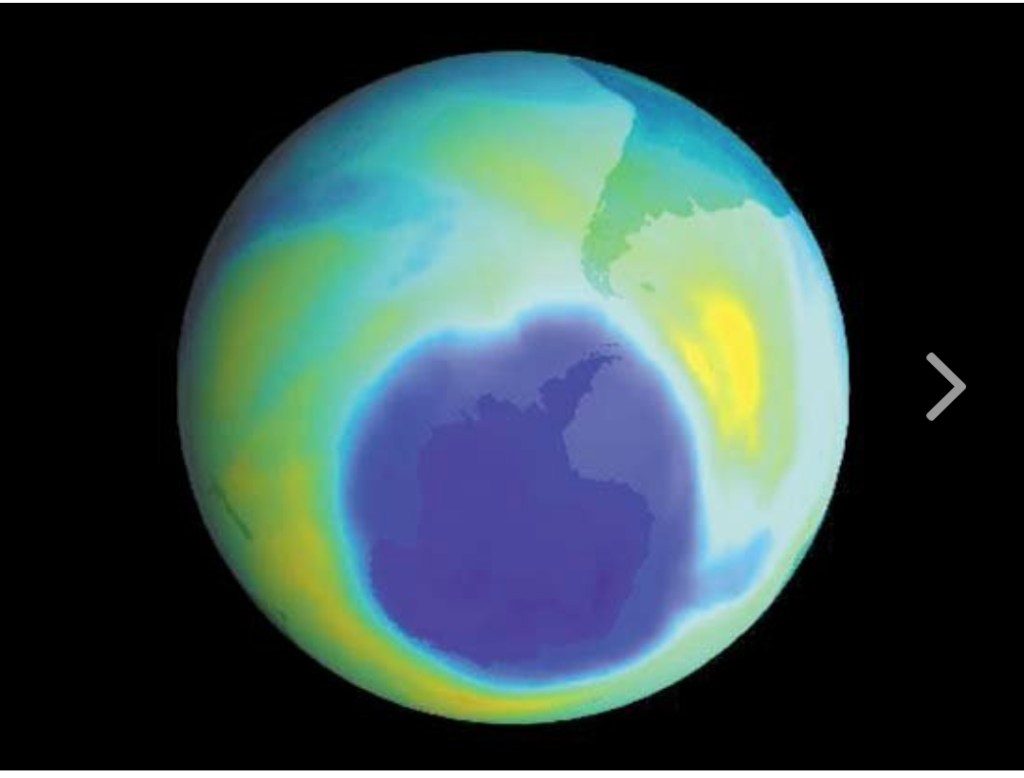
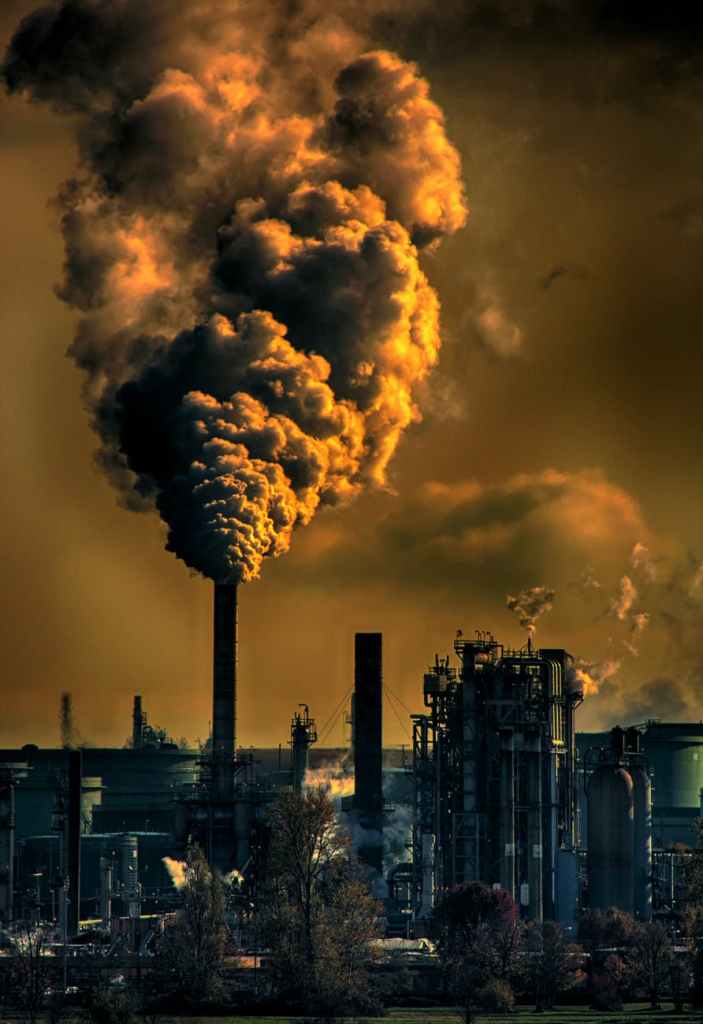
ozone depletion, gradual thinning of Earth’s ozone layer in the upper atmosphere caused by the release of chemical compounds containing gaseous chlorine or bromine from industry and other human activities.ozone depletion cause increase in uv radiation leads to skin cancer,eye cataracts,immune defeciency.It also affect plants growth and reduce agricultural productivity.In survey of 2020 17 percentage of ozone is destroyed.

BIODIVERSITY LOSS:-

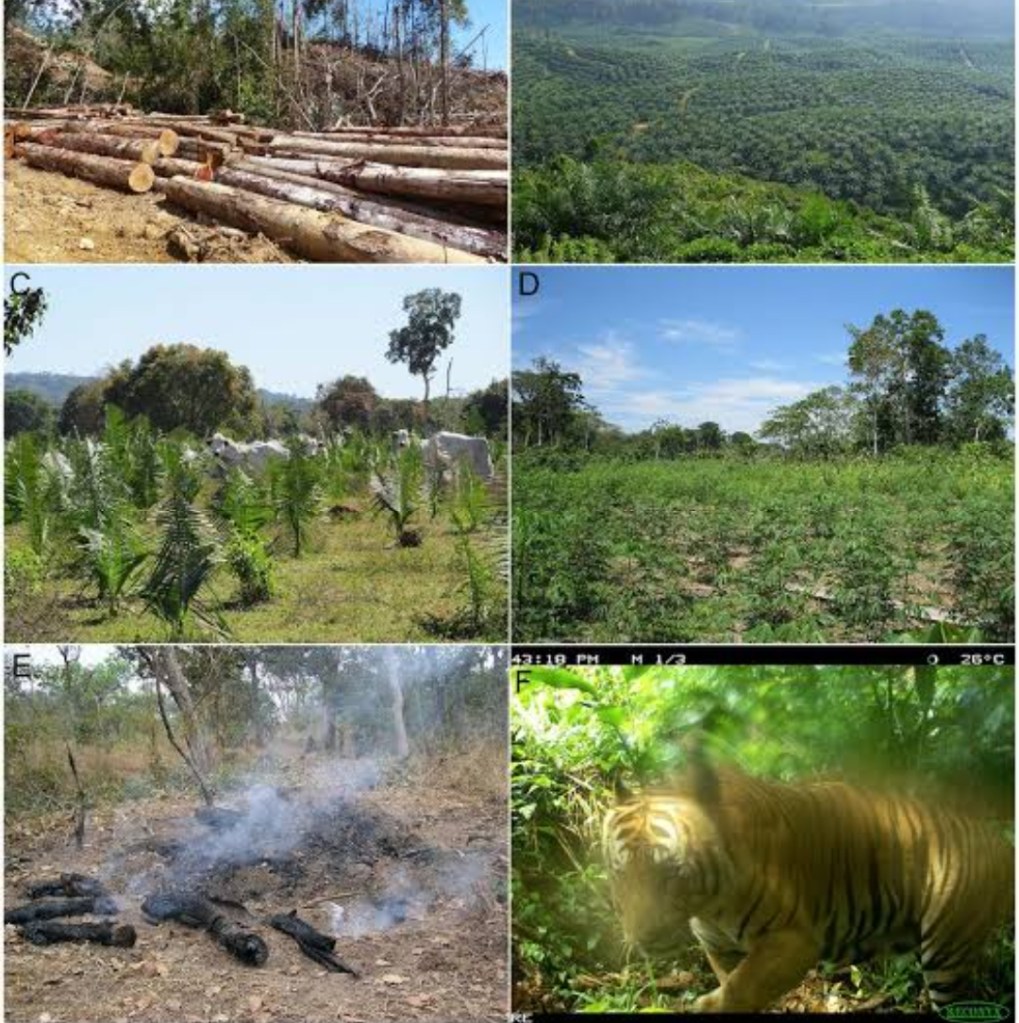
Biodiversity loss includes the extinction of species worldwide, as well as the local reduction of species in a certain habitat, resulting in a loss of biological biodiversity loss is caused by habitat loss, invasive species,ove exploitation, climate change and global warming.some example for biodiversity loss is extinction of plants and animals.Redicing rate of amphibians are some examples.

ACID RAIN:-

Acid rain, or acid deposition, is a broad term that includes any form of precipitation with acidic components, such as sulfuric or nitric acid that fall to the ground from the atmosphere in wet or dry forms.Acid rain is caused due to the chemical reaction with sulphur dioxide and nitrogen oxides introduced in air.It pollutes air and soil.It have impact on soil, freshwater cause killing aquatic life forms.It cause corrosion of steel structures.

HUMAN OVERPOPULATION:-

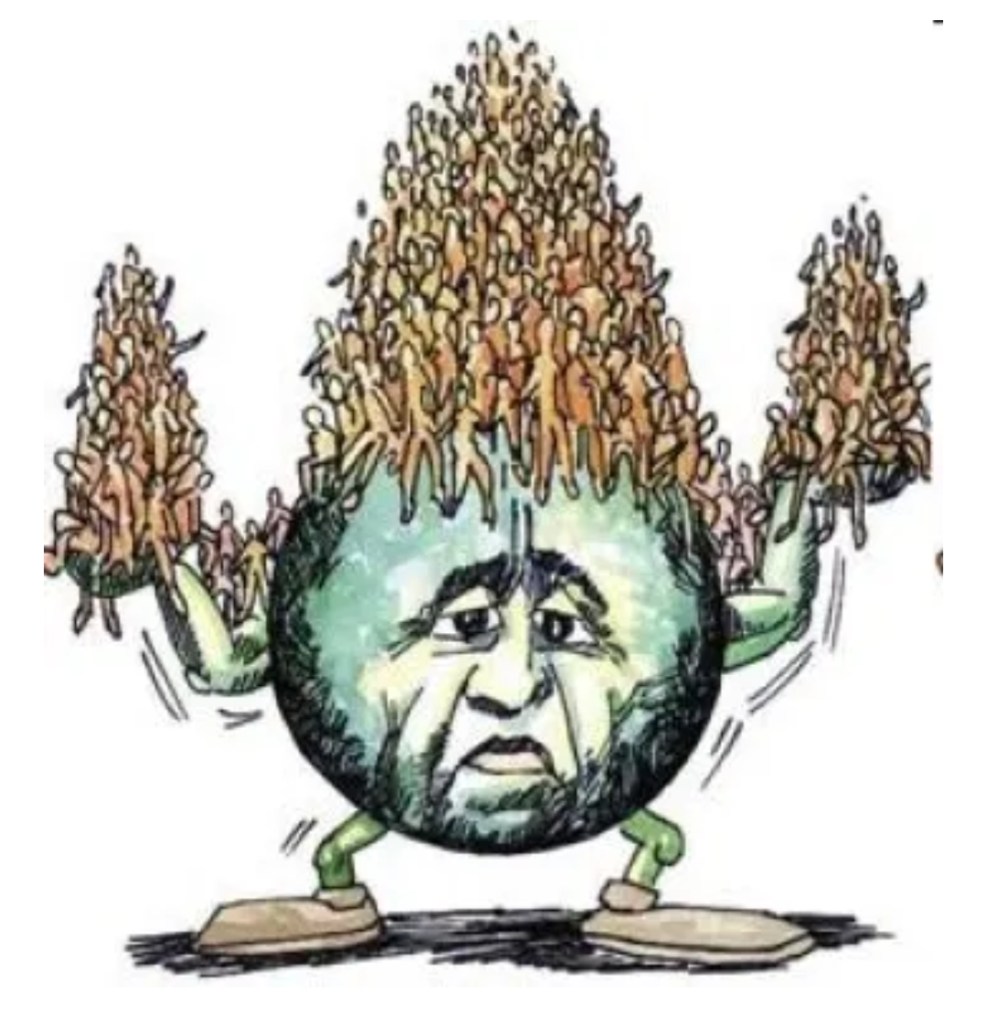
Human overpopulation means that human population becoming very large.It is mainly in developing countries like India,china . Human overpopulation is because of birth rate is higher than that of death rate.Human overpopulation leads toenvironmental issues, silently aggravating the forces behind global warming, environmental pollution, habitat loss, the sixth mass extinction, intensive farming practices and the consumption of finite natural resources.

GLOBAL WARMING:-

The excess heat in the atmosphere which causes the rise in temperature is called global warming.Global warming is mainly caused by climate change, industries and the green house gases.It is serious threat to life on earth in the forms of widespread flooding and extreme weather.Reduce water supply, Decrease agricultural yields , rise in temperature and drought.It is harmful to all living organisms in the earth.

“Earth is like a pressure cooker it controls itself only to limit If it exceeds everything is destroyed”.

THE IMPACT OF COVID 19 AND LOCKDOWN IN STUDENT’S LIFE

The WHO declared Covid 19 as a global pandemic on 11th March 2020. It is obvious that we all have been affected in an adverse manner. All parameters of society was unstable as a result of the outbreak of this pandemic. But the challenges faced by each individuals different according to their social status. For example, the digital age helped a lot of people to work during this pandemic. While some people tried to adopt to the current situation, through the advantage of technology, some other sections of the society was under a huge economic and mental stress. This stress even continues even after one year of the outbreak. The situation is similar with educational sector also. Students were largely affected by the pandemic as the government decided to temporarily close educational institutions in an attempt to reduce the spread of COVID 19. Even though online mode of education is provided by majority of educational institutions, there are many limitations to this mode.

Even though online education is significant during the pandemic, it has certain advantage and disadvantage. The major factor is the access to online study materials. Most of the students, especially college students use smartphones for accessing study materials. And the use of laptops and computers are less compared to smartphones. It is obvious that some students, who are from financially backward families, find it very difficult to access online study materials in time. And this adversely affects the consistency of their studies also. So the students who learn the given study materials on a regular basis are very less. Another problem faced by students during online classes is the connectivity issues. Many of them face connectivity issues, insufficient data and unfavorable environment. Even though online education permits students to sit in their comfortable environment at home, many students do not have suitable environment at home. Many families have more than one or two students at home and this is one of the reason for unfavorable environment and lack of privacy. And as per the result majority students go through mental stress.

Some educational institutions provide recorded classes to students, so that they can access them at their convenient time. And majority students prefer recorded classes than live classes so that their connectivity issues and insufficient data will not limit their learning.

While analyzing the impact of COVID 19, lockdown and online mode of education with respect to the life of students, it is evident that most of the students prefer offline education. It is good for learning, knowledge and mental health. Many students suffer from stress which is increased than pre covid times. More than learning offline classes helps the students to attain social skills by learning with their peers. To tackle this mental stress interactive counseling sessions with students, systematic scheduling of class hours and classwork will help.

Council raises GST on low-cost footwear, garments to 12%

In its first physical meeting in two years, the GST Council on Friday effected several long-pending tweaks in tax rates including an increase in the GST levied on footwear costing less than ₹1,000 as well as readymade garments and fabrics to 12% from 5%.


The new rates on these products, a decision on which had been deferred by the Council over the past year owing to the pandemic’s impact on households, will come into effect from January 1, Finance Minister Nirmala Sitharaman said.

The Council approved a special composition scheme for brick kilns with a turnover threshold of ₹20 lakh, from April 1, 2022. Bricks would attract GST at the rate of 6% without input tax credits under the scheme, or 12% with input credits.

While this will please States like Uttar Pradesh that had sought a special scheme for brick kilns, a decision on extending such a scheme for other evasion-prone sectors like pan masala, gutkha and sand mining was put off.


The Council also decided to extend the concessional tax rates granted for COVID-19 medicines like Amphotericin B and Remdesivir till December 31, but similar sops offered by the Council at its last meeting in June for equipment like oxygen concentrators will expire on September 30.

The GST rate on seven more drugs useful for COVID-19 patients has been slashed till December 31 to 5% from 12%, including Itolizumab, Posaconazole and Favipiravir. The GST rate on Keytruda medicine for treatment of cancer has been reduced from 12% to 5%.

Life-saving drugs Zolgensma and Viltepso used in the treatment of spinal muscular atrophy, particularly for children, has been exempted from GST when imported for personal use. These medicines cost about ₹16 crore, Ms. Sitharaman said.

Food delivery tax shift:
The Council also decided to make food delivery apps like Swiggy and Zomato liable to collect and remit the taxes on food orders, as opposed to the current system where restaurants providing the food remit the tax.

Revenue Secretary Tarun Bajaj stressed this did not constitute a new or extra tax, just the tax that was payable by restaurants would now be paid by aggregators. Some restaurants were avoiding paying the GST even though it was billed to customers.

“The decision to make food aggregators pay tax on supplies made by restaurants from January 1, 2022, seems to have been done based on empirical data of under reporting by restaurants, despite having collected tax on supplies of food to customers,” said Mahesh Jaising, Partner, Deloitte India.

“The impact on the end consumer is expected to be neutral where the restaurant is a registered one. For those supplies from unregistered, there could be a 5% GST going forward,” he added.

Aircraft on lease:
The GST Council has exempted Integrated GST levied on import of aircraft on lease basis. This will help the aviation industry avoid double taxation, the Finance Minister said, and will also be granted for aircraft lessors who are located in Special Economic Zones.

Goods supplied at Indo-Bangladesh border haats have also been exempted from GST.

What are Carbon Markets ?


Carbon Markets: Carbon markets facilitate the trading of emission reductions. Such a market allows countries, or industries, to earn carbon credits for the emission reductions they make in excess of their targets. These carbon credits can be traded to the highest bidder in exchange of money. The buyers of carbon credits can show the emission reductions as their own and use them to meet their reduction targets. Carbon markets are considered a very important and effective instrument to reduce overall emissions.


A carbon market existed under Kyoto Protocol but is no longer there because the Protocol itself expired last year. A new market under Paris Agreement is yet to become functional. Developing countries like India, China or Brazil have large amounts of carbon credits left over because of the lack of demand as many countries abandoned their emission reduction targets. The developing countries wanted their unused carbon credits to be transitioned to the new market, something that the developed nations had been opposing on the grounds that the quality of these credits — the question whether these credits represent actual emission reductions — was a suspect. A deadlock over this had been holding up the finalisation of the rules and procedures of the Paris Agreement.


The Glasgow Pact has offered some reprieve to the developing nations. It has allowed these carbon credits to be used in meeting countries’ first NDC targets. These cannot be used for meeting targets in subsequent NDCs. That means, if a developed country wants to buy these credits to meet its own emission reduction targets, it can do so till 2025. Most countries have presented climate targets for 2025 in their first NDCs.

The resolution of the deadlock over carbon markets represents one of the major successes of COP26.

Achievements of the Glasgow Summit 2021


What was achieved?

Mitigation: The Glasgow agreement has emphasised that stronger action in the current decade was most critical to achieving the 1.5-degree target. Accordingly, it has:

1. Asked countries to strengthen their 2030 climate action plans, or NDCs (nationally-determined contributions), by next year.

2. Established a work programme to urgently scale-up mitigation ambition and implementation.

3. Decided to convene an annual meeting of ministers to raise ambition of 2030 climate actions.

4. Called for an annual synthesis report on what countries were doing.

5. Requested the UN Secretary General to convene a meeting of world leaders in 2023 to scale-up ambition of climate action.

6. Asked countries to make efforts to reduce usage of coal as a source of fuel, and abolish “inefficient” subsidies on fossil fuels
Has called for a phase-down of coal, and phase-out of fossil fuels. This is the first time that coal has been explicitly mentioned in any COP decision. It also led to big fracas at the end, with a group of countries led by India and China forcing an amendment to the word “phase-out” in relation to coal changed to “phase-down”. The initial language on this provision was much more direct. It called on all parties to accelerate phase-out of coal and fossil fuel subsidies. It was watered down in subsequent drafts to read phase-out of “unabated” coal power and “inefficient” fossil fuel subsidies. But even this was not liking to the developing countries who then got it changed to “phase down unabated coal power and phase out inefficient fossil fuel subsidies while providing targeted support to the poorest and the most vulnerable in line with national circumstances…”. Despite the dilution, the inclusion of language on reduction of coal power is being seen as a significant movement forward.


Adaptation: Most of the countries, especially the smaller and poorer ones, and the small island states, consider adaptation to be the most important component of climate action. These countries, due to their lower capacities, are already facing the worst impacts of climate change, and require immediate money, technology and capacity building for their adaptation activities.

As such, the Glasgow Climate Pact has:

Asked the developed countries to at least double the money being provided for adaptation by 2025 from the 2019 levels. In 2019, about $15 billion was made available for adaptation that was less than 20 per cent of the total climate finance flows. Developing countries have been demanding that at least half of all climate finance should be directed towards adaptation efforts.


Created a two-year work programme to define a global goal on adaptation. The Paris Agreement has a global goal on mitigation — reduce greenhouse gas emissions deep enough to keep the temperature rise within 2 degree Celsius of pre-industrial times. A similar global goal on adaptation has been missing, primarily because of the difficulty in defining such a target. Unlike mitigation efforts that bring global benefits, the benefits from adaptation are local or regional. There are no uniform global criteria against which adaptation targets can be set and measured. However, this has been a long-pending demand of developing countries and the Paris Agreement also asks for defining such a goal.


Finance: Every climate action has financial implications. It is now estimated that trillions of dollars are required every year to fund all the actions necessary to achieve the climate targets. But, money has been in short supply. Developed countries are under an obligation, due to their historical responsibility in emitting greenhouse gases, to provide finance and technology to the developing nations to help them deal with climate change. In 2009, developed countries had promised to mobilise at least $100 billion every year from 2020. This promise was reaffirmed during the Paris Agreement, which also asked the developed countries to scale up this amount from 2025. The 2020 deadline has long passed but the $100 billion promise has not been fulfilled. The developed nations have now said that they will arrange this amount by 2023.

What does the Glasgow Agreement say?

Following are the major observations of the Glasgow Summit :

1. A deal aimed at staving off dangerous climate change has been struck at the COP26 summit in Glasgow.

2. Expressed “deep regrets” over the failure of the developed countries to deliver on their $100 billion promise. It has asked them to arrange this money urgently and in every year till 2025.

3. Initiated discussions on setting the new target for climate finance, beyond $100 billion for the post-2025 period.

4. Asked the developed countries to provide transparent information about the money they plan to provide.

5. Loss and Damage: The frequency of climate disasters has been rising rapidly, and many of these cause largescale devastation. The worst affected are the poor and small countries, and the island states. There is no institutional mechanism to compensate these nations for the losses, or provide them help in the form of relief and rehabilitation. The loss and damage provision in the Paris Agreement seeks to address that.


Introduced eight years ago in Warsaw, the provision hasn’t received much attention at the COPs, mainly because it was seen as an effort requiring huge sums of money. However, the affected countries have been demanding some meaningful action on this front. Thanks to a push from many nations, substantive discussions on loss and damage could take place in Glasgow. One of the earlier drafts included a provision for setting up of a facility to coordinate loss and damage activities. However, the final agreement, which has acknowledged the problem and dealt with the subject at substantial length, has only established a “dialogue” to discuss arrangements for funding of such activities. This is being seen as a major let-down.

What are Carbon Markets ?

Glasgow Summit 2021


Carbon Markets: Carbon markets facilitate the trading of emission reductions. Such a market allows countries, or industries, to earn carbon credits for the emission reductions they make in excess of their targets. These carbon credits can be traded to the highest bidder in exchange of money. The buyers of carbon credits can show the emission reductions as their own and use them to meet their reduction targets. Carbon markets are considered a very important and effective instrument to reduce overall emissions.


A carbon market existed under Kyoto Protocol but is no longer there because the Protocol itself expired last year. A new market under Paris Agreement is yet to become functional. Developing countries like India, China or Brazil have large amounts of carbon credits left over because of the lack of demand as many countries abandoned their emission reduction targets. The developing countries wanted their unused carbon credits to be transitioned to the new market, something that the developed nations had been opposing on the grounds that the quality of these credits — the question whether these credits represent actual emission reductions — was a suspect. A deadlock over this had been holding up the finalisation of the rules and procedures of the Paris Agreement.


The Glasgow Pact has offered some reprieve to the developing nations. It has allowed these carbon credits to be used in meeting countries’ first NDC targets. These cannot be used for meeting targets in subsequent NDCs. That means, if a developed country wants to buy these credits to meet its own emission reduction targets, it can do so till 2025. Most countries have presented climate targets for 2025 in their first NDCs.

The resolution of the deadlock over carbon markets represents one of the major successes of COP26.

A MACBETHIAN ANALYSIS OF JOJI

Malayalam movies are getting wider audience attention since the development of OTT platforms. Even before that Malayalam film industry was also considered as one of the best industries among Indian film industries. Joji (2021) is one of such movie which gained worldwide attention through its plot, making and casting. This 2021 film was written by Shyam Pushkaran and directed by Dileesh Pothan. In the title itself the makers said it is ” inspired from Shakespeare’s Macbeth”.

The plot revolves around a wealthy family of three sons, their father , daughter in law and grandson Poppy in Kerala. Joji , the character played by Fahad Faasil is the youngest son of the family is the protagonist of the movie who has a negative shade. Joji along with his elder brothers Jomon and Jaison lead a submissive life under their dominating father Panachel Kuttappan. Bincy (Unnimaya Prasad) is the daughter in law of the family. Though the father of the family is old, he is fit and active in the family affairs. The elder sons aids him in agriculture and business, but Joji is financially dependent on the father and running unsuccessful ventures, where Bincy, wife of Jaison manages the household chores and is always in the kitchen. As the movie progresses Kuttappan meets with an accident while engaging in affairs in pond and become paralyzes. However Kuttappan returns home bed ridden and unable to speak. Joji was happy for this but his other brothers arrange for his last rites. But after a surgery the father’s condition gets improved. At this all both sons ask money from him for their ventures , but he rejects. Here, we can see that Bincy is the brain behind these actions by Joji and Jaison. Bincy shares her frustration and also triggers Joji by saying that ” your good days will be wasted on this kitchen slab”. Joji finally decides to kill the father. Then Joji replaces father’s daily medication, and this is witnessed by Bincy. Bincy and Jaison too secretly wishes for the death of their father. Finally the father, Kuttappan dies soon. After the death, Dr Felix, a family friend presides for the partition of the dead father’s estate. After this an encounter with an employer of the plantation results in the death of Jomon. This was also a murder by Joji. Over the next few days the family members finds that Joji is the killer of Jomon, but Joji denies the claim. Towards the end Joji attempts suicide by firing the same air gun he used for killing Jomon. In the suicide note left by Joji he blames the family members and society for all his acts. In the final scenes we can see that Joji survives in the hospital bed , while the police officer asks Joji to confess his crime by blinking his eyes, Joji forcefully does not blink and at this the movie comes to an end.

While analyzing Joji in the light of Macbeth, Joji can be identified as Macbeth, with his aim towards power. The tragic flaw of Macbeth was over ambition. Here Joji’s character also shows this same ambition and power and he needed independence from the dominating power of his father. Macbeth’s ambition began from the moment, when he witnessed and heard the witches. Their prediction was one of the reason for his change. In the same way Dr Felix addressed Joji as “rich” and this triggered Joji. Whereas the character of Bincy (Unnimaya) who is Joji’s sister in law, resembles all the characteristics of Lady Macbeth. By being a mute witness to Joji’s acts, she agrees to all his acts. While Joji longs for power and money, Bincy’s motive behind these acts are independence from the patriarchal family. Like Macbeth and Lady Macbeth, Joji and Bincy are the powerful characters who shares same dependence. Bincy clearly knows the state of mind of Joji. That’s why she says to Joji in his father’s funeral to “wear a mask and come”. Whereas other son Jomon is loyal to their father like Banquo, who was loyal to King Duncan, and in many ways Macbeth’s opposite.

After the murder Joji feels the same kind of frustration and confusion, which Macbeth felt. But on the other hand Bincy is portrayed as powerful than Joji. The dream of dead father, resembles Macbeth’s three apparitions and visions. His soliloquies in the closed room (Joji’s Palace) also resembles that of Macbeth’s. But he was not ready to reveal and confess his crime, that’s why he blamed the society for all his acts. There is a slight deviation in the characteristics of Joji from Macbeth. Macbeth is the one who always was the winner, and this made him greed. He believed that with his greatness in the battlefield he deserves the throne of Scotland. But on the other hand Joji is the one who is an engineering dropout, who doesn’t have any ambition, but only greed.

Towards the end Macbeth is stripped of “honor, love, obedience, troops of friends” and there is a kind of sympathy towards Macbeth in the end. But in this film, the police says to Joji that “you didn’t die, so it is trouble for you and us as well”. Even though Joji resembles the plot and narrative aspect of theatre, there are a lot of variations. With the praiseworthy performance of Fahad Fasil, Unnimaya, Sunny and other casts, Joji fits in the universe of Macbeth. Dileesh Pothan brilliantly fits Macbeth in the twenty first century universe with Joji’s palace. The music and cinematography makes this film a classic one.