Review of the Book ‘The Beginning Of Infinity’ by David Deutsch

How far can we go—in science, mathematics, technology, medicine, the arts, even politics? Can our efforts in these fields advance indefinitely? Or will they eventually bump into limits? I have a weakness for such impossibly grand questions, and so, I was happy to discover, does the British physicist David Deutsch.

Mr. Deutsch has earned notice for his vigorous advocacy of the many-worlds interpretation of quantum mechanics—the idea that, although we see a particle follow only one path in our world, it actually follows all possible paths in other universes.

Mr. Deutsch touches on this and other esoteric concepts in “The Beginning of Infinity,” but his book is animated by an ambition much greater than defending a particular theory. Mr. Deutsch wants us to share his radically optimistic vision of humanity’s future, one in which progress continues forever.

I’m not a fan of “multiverse” theories, which I think of as science fiction with equations. And Mr. Deutsch knocks my 1996 book, “The End of Science,” for proposing that the glory days of science—especially pure science, the effort to map out and understand reality—may be over.

Mr. Deutsch equates my thesis with “dogmatism, stagnation and tyranny,” all of which, for the record, I oppose. But he makes the case for infinite progress with such passion, imagination and quirky brilliance that I couldn’t help enjoying his argument. More often than not I found myself agreeing with him—or at least hoping that he is right.

Mr. Deutsch notes that for most of history—apart from a few shining exceptions, such as Athens in the time of Pericles—knowledge scarcely evolved. Conformity reigned, and innovation was suppressed. But several centuries ago, Enlightenment figures such as Galileo, Newton and Voltaire helped propagate a powerful way of solving problems: propose an explanation of reality, test it and criticize it, pose a new and improved explanation, test and criticize that one, and so on.

Through this process we began to accumulate insight into nature, an achievement embodied by the scientific and industrial revolutions. We also advanced in the political realm, replacing archaic forms of governance with more just, representational systems.

The greatest threat to continued progress, Mr. Deutsch contends, is our belief that we can achieve—or, worse, have already achieved—ultimate solutions. We must accept that we are fallible, he says, and hence that our knowledge is tentative and improvable no matter how definitive it may seem at the moment.

He rejects end-points of all kinds, whether a “theory of everything” that answers every scientific riddle, a work of art so exquisite that it cannot be surpassed or even the Buddhist version of Enlightenment, a state of unsurpassable spiritual grace.

If we acknowledge our imperfections, Mr. Deutsch observes, then, paradoxically, there is no problem that we cannot tackle. Death, for instance. Or the apparent incompatibility between the two pillars of modern physics, quantum theory and general relativity.

Or global warming, which Mr. Deutsch believes we can overcome through innovation rather than drastic cutbacks in consumption. He gores the sacred cow of “sustainability”: Societies are healthiest, he declares, not when they achieve equilibrium but when they are rapidly evolving.

Making the case for science’s open-endedness, Mr. Deutsch mounts a compelling challenge to scientific reductionism, which explains all phenomena in terms of their physical components. Yes, atomic theory, chemistry and genetics have worked spectacularly well at explaining many features of nature. But small-scale processes, the author notes, spawn so-called emergent phenomena that require understanding on their own terms.

Bodies give rise to minds, which in turn give rise to ideas, which have no specific physical properties but can nonetheless influence human behaviour in profound ways, as the Enlightenment itself demonstrates.

Mr. Deutsch’s emphasis on the nonmaterial qualities of the mind dovetails with his insistence that progress stems, above all, from human creativity. Although we are subject to the laws of nature, he says, we can control our destiny through our own free choices.

This might not seem like a terribly controversial claim, but many leading scientists—from Albert Einstein and Francis Crick to Stephen Hawking—have argued that free will is an illusion, because our “choices” are pre-determined by physical processes beyond our conscious control. I am heartened that Mr. Deutsch resists this appalling scientific determinism.

“The Beginning of Infinity” is, as Mr. Deutsch’s own argument would stipulate, imperfect. He rejects appeals to authority but constantly defers to the philosopher Karl Popper, who can be a weirdly dogmatic opponent of dogmatism. And Mr. Deutsch’s optimism sometimes resembles that of a man standing on a mountaintop, high above the problems afflicting us ordinary folk in the lowlands.

Physics, for example, has stalled not for lack of a can-do spirit, as the author implies, but for mundane reasons: Society is reluctant to build the gigantic, expensive accelerators that might help physicists forge past current theories. It is true that neuroscience has the potential to yield discoveries of revolutionary import, but neuroscientists have yet to crack the code of the brain, which becomes more dauntingly complex as we learn more about it.

So when it comes to science it is easy to see limits where Mr. Deutsch sees boundless opportunities. But he has persuaded me that we can solve many of our problems as long as we don’t assume that we know more than we do. And, given a choice, why not choose hope?

ROLE OF YOGA IN BETTER HEALTH 

The Sanskrit word “Yoga” is derived from its root “Yuj” which means “to join” or “to unite”. What are the two things that join together? A jivatman (embodied soul) unites with the Paramatman (Supreme Self or Spirit). Although the jivatman is a face of the Paramatman, and in essence both are the same, the jivatman has become subjectively separated from Paramatman, or God.This union of jivatman with Paramatman, and the methods by which the union is attained, both are called Yoga. 

Yoga refers to that enormous body of spiritual values, attitudes, precepts and techniques which purify the mind and heart of a human being and enable him to realize his true nature, the Divinity within.

Importance & Benefits of Yoga

During this coronavirus pandemic yoga is the best thing to adopt as a lifestyle habit. It helps us build a strong physical, mental and spiritual health system. When combined with breathing and meditation, it acts as the best element to take care of our mind, body and soul. There are different forms of yoga that can help us to stay physically strong and mentally balanced. It could also be something you can motivate others in your family & social circle to do, as it could help them get through these times easily & healthily. Just like a normal walk in the park or 30 minutes of hard-core gym exercising, Yoga brings its own flavour and benefits to the table, which can be performed by people of all ages, and provides you with a holistic sense of health, which is especially required during these time.

Yoga offers physical and mental health benefits for people of all ages.

  • Physical Benefits of Yoga

1) Improves posture- Working for long hours on a desk could not only hurt your spine but also make you feel tired at the end of the day. Practicing certain yoga asanas could help you in improving your posture and also prevent pain in your neck and lower back.

2) Increases flexibility- When was the last time you wished you could easily touch your toes while bending forward? Well, practicing yoga could help you in that. Yoga can not only help you in increasing your flexibility but also let you perform complex asanas.

3) Builds muscle strength- Yoga could help in strengthening weak muscles of the body. It helps in toning which prevents frequent straining of the muscles.

4) Boosts metabolism– Yoga helps in retaining the vitality in your body along with keeping it fit. It motivates you towards healthy eating and improves the metabolic system of the body.

5) Helps in lowering blood sugar- Yoga not only helps in lowering blood sugar but also lowers bad cholesterol and boosts good cholesterol. It encourages weight loss and improves the body’s sensitivity to insulin.

6) Increases self-esteem– Practicing yoga would help you explore a different side of yourself. It would make you feel good about yourself and helps you take a positive approach in life.

7) Improves lung function– A lot of breathing exercises are said to improve lung function. Doing such exercises in a long run could cure respiratory problems. It also increases the capacity of your Lungs Open.

8) Helps you sleep better– Yoga helps in reducing stress and creates a routine which in turn makes a regular sleeping pattern. A relaxed encourages weight loss and improves the body’s sensitivity to insulin.

9) Increases blood flow– The relaxation exercises in yoga regulates blood to all parts of your body. Exercises such as handstand, helps venous blood from the lower part of the body to flow back to your heart, where it can be pumped back to the lungs to be oxygenated.

10) Keep diseases at bay– Yoga exercises have a beneficial effect on the immune system. It not only helps in destroying various viruses we catch during season change, but also boosts our immunity to fight off diseases.

  • Mental Benefits of Yoga

1) Relieves Anxiety– Many people begin practicing yoga as a way to cope with feelings of anxiety. Interestingly enough, there is quite a bit of research showing that yoga can help reduce anxiety.

2) Can Decrease Stress– Yoga is known for its ability to ease stress and promote relaxation. In fact, multiple studies have shown that it can decrease the secretion of cortisol, the primary stress hormone.

3) May Reduce Inflammation– In addition to improving your mental health, some studies suggest that practicing yoga may reduce inflammation as well.

4) Improves Quality of Life– Yoga is becoming increasingly common as an adjunct therapy to improve the quality of life for many individuals.

5) May Fight Depression– Some studies show that yoga may have an anti-depressant effect and could help decrease symptoms of depression. This may be because yoga is able to decrease levels of cortisol, a stress hormone that influences levels of serotonin, the neurotransmitter often associated with depression.

6) May Relieve Migraine– Traditionally, migraines are treated with medications to relieve and manage symptoms.

Conclusion 

Yoga is the medicine for nearly every problem. As you practice yoga, it does not only help you to improve your physical body but also helps in maintaining your inner peace and relaxing your mind. Thus, there is nothing that yoga will not help. Moreover, yoga is not just a one-day practice; it’s a lifelong commitment.

Choosing The Right Perfume

Perfume

Perfume plays a vital role, it act as a feel good factor that instantly lifts one’s state of mind.Since the beginning of time, perfume has been used for its fragrance, helping to neutralize body odors and ensuring that you smell good all day long.

Usually, perfumes describe odours from flowers or certain other things that belongs to the nature.For instance, A pine-scented perfume has a much stronger or heavier scent. Lilac scent is very close to perfume, but it has a more neutral connotation, making it more applicable.

For centuries, vanilla has been used as a natural aphrodisiac. It is no surprise, then, that men find it pleasing to smell in women.One major myth is that only costly perfumes are effective, but the truth is that it depends on who uses it.For some people it may last longer whereas in others it may last only for a while.It has nothing to do with the perfume.The secret lies in choosing right perfume that serves best for us.

Knowing the fragrance :


According to Dr. Hirsch, “Sweet and tasty scents are familiar to Women.If you are looking for a perfume that lasts longer, then undoubtedly you can go for perfumes made with musk, vanilla or amber. Musk, a fixative in perfumery is one of the most expensive animal products in the world.It is obtained from the musk pod, a gland in the abdomen of the male musk deer that inhabits a pouch, or sac, under the skin.Fresh musk is semiliquid, but dries to a grainy powder which compared with woodsy and earthy smells.It is said to smell like a baby’s skin.

An ambergris is a fossilized whale’s faeces that is often described as being musky and having a sweet earthy aroma or a mossy smell reminiscent of soil near a forest.Initially, ambergris has a marine, faecal smell. It ages to acquire a sweet, earthy scent similar to rubbing alcohol without the vaporous astringency.

How to choose the right perfume?


It might be slightly complicated, but it is worth the effort.With respect to time, the fragrance that linger on after the application of a perfume, can be divided into three categories as top, intermediate and base.Perfume notes are ingredients that make up a fragrance.

The top note of a scent represents the very first impression. Generally, the lightest note of all which is recognised immediately upon application of a perfume. The most common scents include citrus, light fruits and herbs.In perfumery, intermediate notes are generally pleasant and well-rounded with a blend of floral and fruity tones; sometimes spiced with hints of woodiness.

It is said to be the heart of the fragrance, and lasts longer than top notes.Base notes appear while the top notes have evaporated and mix with the heart notes to create a complete fragrance picture. Typically cedar wood, sandalwood, vanilla, amber, and musk are the most common base notes.

FRESH FRAGRANCES: Characterised by freshness and lightness, this group of scents is commonly known by their citrus or green notes. Often made from lemon, orange and bergamot; then accented with herbal tones to revive the senses.These perfumes evoke the senses for that jolt of crispness. Wear them on brunch dates or when you kick back by the pool.These include citrus, water, green and fruity flavours.

EARTHY & WOODY FRAGRANCES: Wild aromatic perfumes are often light in top notes, but filled with deep notes of patchouli, sandalwood, and oak moss to provide an air of sophistication and luxury. When evening comes, this strong, opulent scent will accent your date-night outfit.A scent with wood notes including cedar wood, oak moss and sandalwood. Woody notes are built upon a base of bark and moss, conjuring images of winding forest trails.

WARM & SPICY FRAGRANCES: This decadent blend features an earthy, animalistic base scent such as musk or ambergris, frequently combined with warm notes such as amber.Make an entrance at dinner with a perfume that is bold yet mysterious.

FLORAL FRAGRANCES: From a lone flower petal to a bouquet of flowers, floral scents are made for girly girls . They can be single notes, but usually blend the fragrances of various flowers such as lavender, rose, violet and jasmine to create a classy fragrance with a feminine appeal.When you want to leave a lasting impression, spritz on these light and slightly sweet scents.

How to Make the perfume Last Longer ?


While every perfume evaporates after few hours, few hacks can help you to retain the smell longer.


-Use petroleum jelly as a base for perfume, as it makes the perfume adhere to your skin.
-When you spray fragrance on your body immediately after a bath, your pores will be opened and your skin will be warm, allowing the perfume to absorb into your body.
-The scented area should be rubbed to reactivate the fragrance after a few hours.
-It is best to apply perfume directly to pulse points such as the wrists, navel, and collarbones in order to make it last longer.

Things to remember while choosing a perfume:

  • If you are unsure about a fragrance, don’t commit until you have smelled the base notes.
  • Whenever possible, mix and match your perfumes from different families. You should always change your perfume according to the seasons.
  • Choose your perfume with patience, as it is going to travel with you for a long period of time.
  • When we go on a perfume shopping spree in the evening, our sense of smell is sharper, since the air at that time is warmer and we are more able to smell the scents.
  • Do not spray the perfume directly on your skin without first spraying on a card and smelling it. After ten minutes, smell it again and only spray on your skin if you find it appealing.

Things to avoid while choosing perfume :

  • Try not to test out too many perfumes at once. Make a few visits to the perfume counter, sniff the jars of coffee beans on the counter, and then take another whiff. This allows your nose to breathe, clearing the olfactory perception s between the tests of different perfumes.
  • It is important to consider your skin type as well before choosing a perfume. Perfumes dissipate faster on drier skin tones, so a perfume oil with higher concentrations will have a greater impact.
  • When you smell a perfume on others, there’s a possibility that it won’t smell right on you. Perfumes come alive after mixing with your body heat and pheromones. That’s why every fragrance will smell differently on each person.

Bilingual Method Of Teaching English

What is Bilingual Method ?

Bilingual method is one of the newest method. where two languages are used one is the mother tongue of the students and the other is the target language (English). Mother tongue is used in the class to achieve the target language. This method is the midway approach of grammar translation method and direct method.

Bilingual Method is one of many teaching methods of English language.C.J Dodson had invented this method of teaching Foreign language   in 1967. Schools use this method where two languages i.e. the mother tongue and target language are used. In this method, teachers use the mother tongue to achieve the target language ( here it is English) .

The method is based on the principles of similarities and differences which is found between the two languages. These may be of situation, sounds, vocabulary, structure etc. If the learner/the teacher understands these differences, the learning of the target language is facilitated considerably.

When the child is learning his mother tongue, he becomes acquainted with the situations and picks up the language easily and correctly. While learning the foreign language, the teacher can create same situations again in order to make the child learn the foreign language.

Difference between Bilingual and Direct Method?

Direct Method is used in majority of English Medium schools and Bilingual method is used in majority of regional language medium schools.In Bilingual method of teaching English the teacher used both language English as well as mother tongue.

Science behind bilingual method

The advocates of bilingual method believe that it is merely wastage of time as there is duplicity of the same thing. We suggest you that you can utilise the saved time for giving practice in sentence pattern.

In this method, importance is given to the mother tongue and its culture. Thus it does not lead to substitution of one means of communication for another. This method of language learning ensures accessibility. When students start learning a language using this method, they find a level of familiarity.

Bilingual methods of teaching English

The history of language teaching in India has a long tradition background. The key part of learning procedure was attributed through memorization of vocabulary and translation of sentences. In India the ancient languages like Pali and Sanskrit were taught through the practice of memorization of texts, in this 20th century there should be a remarkable changes in language teaching.

The term bilingual education is stated to using of two or more languages in the classroom atmosphere for the better understanding. It is the process of teaching the target language through mother tongue of the student. Since English is not a medium of instructions in schools and colleges in India, Indian students can’t practice and perform their English pronunciation.

Even during in English classes most of the teachers teach English without providing students for proper practice in speaking because they are not well prepared enough to give practice it especially in rural engineering colleges in India. This paper focuses on teaching English through mother tongue for engineers with reference to the Indian context.

Advantages of Bilingual Method

1. The teacher is able to teach English to the entire satisfaction of the students.

2. The students are also able to understand English well.

3. Right use of mother tongue by the teacher does not spoil the environment of teaching English. It just helps in teaching English better.

4. This method helps in developing fluency in spoken English.

5. Bilingual Method also helps in giving proper training for different skills namely listening, speaking, reading and writing.

6. The use of mother tongue saves a lot time and makes learning easier. Complex things can be easily explained in the mother tongue.

Disadvantages of Bilingual Method

1. Using this method, the teacher teaches English through English language  and sometimes he uses his mother tongue and this practice diverts the attention of the students.

2. Sometimes it happens that the teacher of English language may not be good in both the languages. He doesn’t get perfection in any of the languages as his labor is also distributed between the two languages.

3. The use of mother tongue while teaching English language may spoil the continuity and fluency of the language.

4. It is the possibility that a few students in the class may be more attentive to mother tongue sounds and less attentive to English Sounds. As a result their pronunciation may become defective.

Positive Psychology

Positive psychology is a branch of psychology focused on the character strengths and behaviour that allow individuals to build a life of meaning and purpose—to move beyond surviving to flourishing. Theorists and researchers in the field have sought to identify the elements of a good life. They have also proposed and tested practices for improving life satisfaction and well-being.

The Basics of Positive Psychology

Positive psychology emphasizes meaning and deep satisfaction, not just on fleeting happiness.Martin Seligman, often regarded as the father of positive psychology, has described multiple visions of what it means to live happily, including the Pleasant Life , the Good Life , and the Meaningful Life.

Positive psychologists have explored a range of experiences and behaviours involved in different versions of positive living, including specific positive emotions, “flow” states, and sense of meaning or purpose.

While there is plenty of overlap, positive psychology has been described as different from other areas of psychology due to its primary interest in identifying and building mental assests , as opposed to addressing weaknesses and problems. 

TECHNIQUES USED IN POSITIVE PSYCHOLOGY

Positive psychotherapy is the application of positive psychology principles in a professional therapeutic setting. It is based on the concept that happiness may be broken down into three more manageable components:

  • Positive emotion
  • Engagement
  • Meaning

The exercises used in positive psychotherapy are designed to enhance one or more of these components in a person’s life.

Some of the techniques used in this form of therapy involve examining the activities of the person in therapy. In therapy, the positive implications of each activity are explored.Therapists may, with the consent of the person receiving therapy, beep the individual to remind them to record their experiences.

These records are expanded upon when a person adds daily entries to describe the details of the past day. They are then evaluated with long-term appraisals. These methods are often referred to as short-term sampling.

People in therapy are also often encouraged to keep a gratitude journal. This record is a reminder of the positive events and accomplishments of each day. The practice may help offset rumination on things that did not go according to plan. 

How to apply positive psychology?

Identifying one’s character strengths (such as courage, humanity, or justice) is considered an important step on the road to the good and meaningful life envisioned by positive psychologists. There are also positive psychology practices one can try at home to promote well-being.

For instance, gratitude exercises have been studied by psychologists as a way to increase happiness over time. Just what the name sounds like, these involve such simple actions as writing down each day three things for which one is grateful.

Although the focus of positive psychology is on happiness and fulfillment, it is important to understand that this does not mean people are advised to push away their negative emotions altogether. People who are flourishing make room in their lives for such inevitable states of mind.

Benefits of positive psychology

Practices associated with positive psychology such as gratitude interventions can boost social and emotional well-being.

Positive psychology has also led to explorations of how developing certain character strengths, positive emotions like awe, and other qualities, such as a sense of meaning and purpose in life, might contribute to positive life outcomes.

Measures of meaning in life have been found to relate to other positive life outcomes. For example, a study shows that the older adults who consider their lives worthwhile tend to have better physical and mental health.

How did Positive Psychology evolve?

Many psychologists admit that we have little knowledge of what makes life worth living or of how normal people flourish under usual, rather than extreme, conditions. In fact, we often have little more to say about the good life than self-help gurus. But shouldn’t we know better?

The Western world has long overgrown the rationale for an exclusively disease model of psychology. Perhaps now is the time to readdress the balance by using psychology resources to learn about normal and flourishing lives, rather than lives that are in need of help.

Perhaps now is the time to gather knowledge about strengths and talents, high achievement (in every sense of this word), the best ways and means of self-improvement, fulfilling work and relationships, and a great art of ordinary living carried out in every corner of the planet. This is the rationale behind the creation of positive psychology.

Beauty And Brains

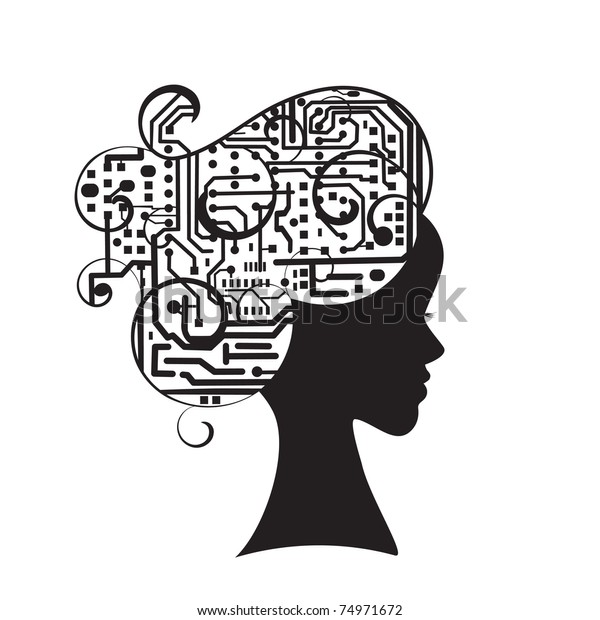
Beauty Brains Female Profile Computer Circuit Stock Vector (Royalty Free)  74971672

Usually, I start an article by writing a quote and speaking about my topic. Today, however, is one of those days where a quote will not speak about the importance of the topic. My article today is going to be about something that is alarming and yet very normal in every society. Let me ask all the readers out there how many times have you heard people say the sentence ‘beauty and brains’ to you or other people around you. I am sure the number of people who have heard it is very high. This is because society has set certain standards for beauty, which is highly questionable and even for brains though we know very little about this organ. Today my article is going to be about how problematic the idea s behind the sentence “Beauty and Brains”

Understanding the Sentence “Beauty and Brains”

The sentence beauty and brains mean that people who meet the societal standards of beauty and smartness fall under this category. The typical understanding of beauty in society is being fair, slim, long hair, clear skin, etc everything is perfect according to a man’s eyes. This is not just limited to women it is for men as well as men themselves. The idea of beauty that society holds is often questionable because beauty is not something that is just for a certain group of people rather it is a feeling that everyone must have for themselves and others. The idea that people who do not fall into this is category is not racial discrimination but also much more than that.

The idea of beauty stems from the rules and regulations that are by patriarchy, which tells people how they are supposed to look even though people have almost no control over how they will look. The idea of inclusion and exclusion plays an important role in categorizing people especially concerning the way they look. How many times have people with a darker shade of skin been asked to apply various kinds of cosmetic products just so that they can belong to the category of beauty? Alternatively, how many times have people been told to try various products so that one’s skin is clear and does not have any acne or blemishes? I am sure every woman or girl has been through this process because I have been through this myself. It takes a lot of time to unlearn such unhealthy practices that often push us to be a part of this category and that is completely normal. I would also like to say that having anything perfect is disbelief and it is high time we get over it. Nobody can nor should define your beauty.

The idea of beauty that is present in society is because of the perception of beauty made by people who made these rules. A few perceptions cannot be universal. Natural things are blessing should not be made something that needs to be rid of. It is time we accept the way we are and love ourselves for the way we look rather than trying to achieve the impossible standards set by others.

The other that is also problematic in this sentence is the idea of brains. In a constant society where smartness is parallel to the number of marks that one score, the “brain” of a person being put at stake is very sad and yet annoying. Another thing that needs consideration is that every human being is different and therefore each one will have a different level of intensity of intelligence. Just because, someone is not good at one thing does not mean they are not smart or do not have brains. People are learning something new every single day. The amount of time taken to grasp information is may vary but does not make them less smart or anything else.

The idea of brains again comes from the line of perfection and unattainable expectations that is set by people who themselves cannot reach them. We are in the 21st century and we are constantly developing so much yet there is a large amount of our brain that we do not know yet. A few subjects or a few exams cannot define our smartness. Therefore, it is very problematic when someone questions or judges a person based on a few situations and circumstances.

Things are slowly changing. People are redefining the sentence beauty and brains by bringing about changes, awareness, etc. However, we still find so many people enforcing this idea and sentence through the positive direction. This is not just problematic to them but also the society and community as well.

Stop Accepting The Phrase 'Beauty With Brains' As A Compliment

Why the sentence “Beauty and Brains” is problematic?

Saying the sentence beauty and brains to someone is problematic because it means you are subjecting to a kind of category. The belief that if someone has beauty then they will not have brains is portrayed in society in so many ways. Let me give you all an example. If a movie has to show a person who scores well then what do, they do. They show that person does not have clear skin, wears glasses, or has braces, which are inclined to show that the person has brains and no beauty. In the same manner, beauty with no brains is also shown this shows how categorization is deeply embedded in the minds of the people.

 If you have both beauty and brains then you are good enough. If you have either one of them then you are not that great and the worse thing is that if you do not have both according to society then you are nothing in society. It is painful to know that this still exists in society. Such ideas are responsible for creating a negative impact on people. People lose their self-confidence, feel worthless and useless and so much more. They might start doing things that they do not like just so that they are accepted in society. During this process, they put what others are saying and even lose themselves in this process.

We must stop categorizing people and bring about a better change in society so that people do not have to change themselves so that people are accepted in society.

To conclude, it is important to bring the natural self into society so that there is more acceptance, harmony, and understanding among the human civilization and bring about a happy future for the next generation.

References

  1. Google searches for images

Science Behind Procrastination And Effective Ways To Stop It.

What is Procrastination ?

Procrastination is one of the main barriers blocking you from getting up, making the right decisions and living the dream life you’ve thought of.

Recent studies have shown that people regret more the things they haven’t done than the things they have done. In addition, feelings of regret and guilt resulting from missed opportunities tend to stay with people much longer.

Sometimes all our opportunities seem to be on our fingertips, but we can’t seem to reach them. When you procrastinate, you waste time that you could be investing in something meaningful.If you can overcome this fierce enemy, you will be able to accomplish more and in doing so better utilise the potential that life has to offer.

We are aware that the world today is conducive to procrastinating and learning how to overcome, it is, therefore, one of the most important skills you can learn.

Why do people procrastinate?

Willpower is often perceived to be the leading cause of procrastination, but it is mainly our intrinsic motivation that helps us to overcome the habit of putting things off on daily basis.

Decision Paralysis

Despite having so many opportunities, modern society worships individual liberty under the belief that the more free people are, the happier they will be. But then why aren’t people today significantly happier than they were decades ago?

In the midst of more freedom to decide our own future and act in accordance with our desires, we’ve become confused about what matters most, what is crucial and what isn’t, as well as the right and wrong things to do, and have therefore been demotivated to act at all.

Ignoring the value of time

Our time on Earth is limited and finite and, unfortunately, we will all die at some point. For these reasons, time is the most valuable asset you have. It isn’t money; like money, you can borrow money, save money, or earn more.Each minute that is wasted can never be brought back.

A second wasted on waste is lost forever. Realising that life is finite leads to people managing their time more carefully. They reflect on how they would like to spend the remaining time of their lives.

Lack of self-discipline

Self-discipline or self-control is a moment when you give yourself orders, but you’re having a hard time following them. It is not the cause of procrastination, but it is an important component.

Discipline requires the right kind of motivation and a commitment to maintaining and adopting positive habits.

How to stop Procrastinating ?

If you do not integrate the information you learn about self-discipline, motivation, planning, and time management into your daily routine, your habits, and your thinking patterns, it will be just a piece of useless information.

Personal Vision

The personal vision is one of the core tools, it helps you understand your skills and priorities, and by creating one, you will never feel lost in what is it that you want to do with your life. The personal vision as well helps you to focus your effort on the right activities and set priorities to avoid continually switching between actions. Understand what motivates you, and you will be able to maintain your discipline and make the most out of each day.

To-Do list

Long to-do lists tend to pile on, and this leads to procrastination. Seeing the long list of tasks can frustrate us so much that we have tendencies to give up on them completely. The To-Do Today method is there to help you get the most important and urgent tasks done every day, while also helping you prioritize the work on your schedule and limit new tasks. With its help, you will be able to manage much more in a day, with less stress and tiredness.

Habit list

Learning new habits is one of the basic elements of personal development. If we make a habit of doing something, its implementation requires less mental energy to do it. Learning new habits is, therefore, very important. But there are several myths about what is working and what is not in learning new habits. The Habit-list is based on scientific research about proper planning, learning habits, and its tracking, which then motivates us even further.

Meeting with oneself

This tool will help to guide you through your own “Meeting With Yourself” a time allocated just for you! During your meetings, you can focus on long-term planning and the overall retrospective of your personal growth. It is designed to make you ask yourself how far you have moved forward recently. To consider which direction you would like to head in life and to think about what you can improve even further.

REFERENCE :

Review on ‘The Mistletoe Bride’ By Kate Mosse

A collection of 14 mini-stories and a short play based on the idea of haunting. Sometimes it has to do with ghostly phenomena, and sometimes with psychological phenomena that are more primal. The stories drift to us from different eras, past and present, but they all share a central theme: they all center around a troubled person. For example, Gaston, a French child who lost his parents just a few weeks earlier, witnesses an odd event on the beach.

A woman travels to a French castle with an appointment with her past in the inevitably touching but beautiful Red Letter Day. The Duet runs the risk of being completely different, drawing the viewer into a fascinating dialogue and then hitting a stinging note at the end. 


There are different lengths of stories, from the 36 pages of The Ship of the Dead (lights on for that one!) to the captivating 3-pager Why Yew Trees Live So Long. Yet the length does not matter because we’re drawn into the moment, and, in my case, the book is consumed in its entirety.

As silly as it sounds after saying that, I began reading The Mistletoe Bride with trepidation and anticipation. You see, I devoured Kate’s Languedoc Trilogy (Sepulchre, Labyrinth, Citadel) and am in awe of what she’s capable of spinning out to such lengths while weaving such an intriguing storyline.

Kate has proven to be an exemplar when it comes to writing long stories, but short stories are a different discipline altogether. No worries – these stories are not only enthralling, but they’re also more poignant than scary, so cowardly readers are not ostracized.


All of these plays have been published before since some of the plays have appeared in periodicals over the years, and Syrinx at the end has become a classic for American Drama. 
Nevertheless, Kate has tweaked and rewritten some of the originals as the first collection of the stories. In some cases, she has even rewritten the originals in a way that she is happier with at this juncture of her career.

A fascinating aspect of these stories is that we can actually trace the author’s inspiration from these stories. In The Yellow Scarf, for example, not only do strange things happen to a woman wandering around a castle, but we also see the roots of the time travel ideas that will later appear in the novel.
 The Drowned Village shows her love for French folklore, a love that was also evident in her later works, and in The Princess Alice, one of my favourites, she combines real history with what-ifs.


As part of Kate’s personal notes, she explains the origin of every story as she pre-empts or posts-scripts it. This is especially effective with the title story, a version of which we’ve all heard before (i.e. a game of hide-and-seek gone haywire).It is, however, Kate’s explanation of where and how the story originated that adds a fresh flavour to the tale.

As well as providing information on the author’s family members, the notes also inform us about Aunt Margaret, the first woman ordained in her diocese.As a result, Kate credits her own creative process to these people, showing us someone whose success did not eradicate humility or gratitude; a thought that is as comforting as curling up with these short stories before bedtime, as soon as children have gone to bed. 

Reference:

The Characteristics of Metaphysical Poetry

Metaphysical poetry is a group of poems that share common characteristics; they are all highly intellectualized, use rather strange imagery, use frequent paradox, and contain extremely complicated thought. The most common characteristic is that metaphysical poetry contained large doses of wit. Although the poets were examining serious questions about the existence of god or whether a human could perceive the world, the poets were sure to ponder those questions with humor. In addition, many of the poems explored the theme or carpe diem(seize the day) and investigated the humanity of life.

Delight in novel thought and expression The metaphysical poet deligthed in novel thoughts and expression. As Scott said, they played with thoughts. There is a fusion of passionate feelings and thought in their poems. Instead of the Elizabethan splendor of sound and imagery, the metaphysical employed subtlety of thought and verbal fancies.

conceit Metaphysical poetry uses conceit. A conceit is a far-fetched simile, an ingenious parallel between two highly dissimilar things. It is the ingenuity of a conceit rather than its justness that invites the reader’s attention. A metaphysical conceit is used to prove or define a point. In ‘A Valediction: Forbidding Mourning’, Donne compares two lovers to the two legs of a compass. In ‘The Ecstay’ he compares the eye beams of the lovers to a twisted thread that connects the lover’s eyes. This is exemplified in Cowley’s comparison of the experience of loving different women with traveling through different countries.

Concentration Metaphysical poetry is noted for its concentration. The reader is not allowed to pause and muse over the poem; he is required to pay attention and read on. A metaphysical poem tends to be brief. Words and thoughts are compressed. Length of line and rhyme scheme enforces the sense. Hence the reader is expected to concentrate.

Affectation, Hyperbole and Obscurity Metaphysical poetry is characterised by affectation and hyperbole, and occasional obscurity. The metaphysical poets had the license to say something unexpected and surprising. Their fancy and amplifications have no limit. In the task of finding verbal equivalents for their thoughts and feelings, the metaphysical poets often become obscure. As Dr. Johnson said, dissimilar ideas are yoked by violence together leading to obscurity. In Donne’s A Valediction of Weeping’, the use of geographical conceits makes it a little difficult to understand.

A Valediction of Weeping by John Donne

Argument and persuasion Argument and persuasion are two of the elements of a metaphysical poem. Every poem two is based on the memory of the experience. A need to argue arises out of it. The argument is done with help of conceit and dramatic presentation of thought and feelings.

The Scholarship of author Metaphysical poetry shows the scholarship of its authors. As Dr. Johnson pointed out they drew their similes and conceit from the recesses of learning unfamiliar to an average reader. The poems of Donne, Marvell, and Cowley especially show their vast learning in philosophy, literature, science, astronomy, and geography.

Love Metaphysical poetry includes the most impassioned love poetry in English. Donne’s poems like ‘The Anniversarie’, ‘The Good Morrow’, ‘The Canonisation’ and ‘The Extasie’ are love poems that raise the great metaphysical question of the relation of the spirit to the senses. Similarly is Marvell’s ‘To His Coy Mistress’. Some of the finest religious poems in English are also metaphysical poems. The poems of Herbert, Vaughan, and Marvell are examples.

The Good Marrow

https://track2training.org/2022/01/12/the-metaphysical-school-of-poetry/

*All About JEE Mains exam*

Joint Entrance Exam (JEE) Mains is a very important and well-known entrance examination in India that is administered by the National Testing Agency (NTA) for admission to various engineering colleges in India, including NITs, IITs and Centrally Funded Technical institutes. It is also a qualifying test for JEE Advanced through which the aspirants get admission in various IITs across India for technical courses .
Since engineering has become a very popular career path among students pursuing PCM in class 12, this exam has grown in popularity among the youths which in turns leads to arduous competition.
So, in this article, I will go over everything about this exam, including the eligibility criteria, paper pattern, syllabus, cracking strategies, and some frequently asked questions (FAQs).

* Eligibility criteria *

All candidates taking JEE Mains must have completed a class 12 or senior secondary education qualifying examination that including physics, chemistry, and math as compulsory subjects. No age limit is being set for this exam.

* Exam application fees*


The following are the application fees for the exam:
* General/OBC/EWS candidates:-
Boys — 650 Rs or $8.8

Girls — 325 RS or $4.4

*SC/ST/PWD candidates:-

For all — 325 Rs or $4.4.

*Paper pattern*


JEE Mains is a three-hour objective-based exam. The paper is divided into three sections: physics, chemistry, and math. Candidates must answer 75 questions. For each correct answer, the candidate will receive +4 marks, while each incorrect answer will result in a -1 mark. There will be no points awarded or deducted for questions that are not attempted.


* Syllabus*


The syllabus for JEE Mains is entirely based on class 11 and 12 physics, chemistry, and math topics..

  1. Goal setting
    First and the foremost tip is to set your goal and have faith in yourself to achieve the target . Aspirants are advised not to lower their motivation and morale.
  2. Consistency
    Consistency is the very important key to success everywhere and so in JEE Mains as well . JEE mains preparation requires consistent hard and smart work . Aspirants should stick towards the study schedule.
  3. Revision
    Aspirants should focus on all three subjects i.e physics, chemistry and maths equally. He/she should also refer to the previous year question papers. Take the mock tests that will show your preparation and the fields where more improvement is being required. In the last days candidates should revise all the topics thoroughly very well.
    Frequently asked questions about JEE Mains
  4. Is JEE Mains easy to crack?
    JEE Mains is not easy to crack as it requires months or even years of preparation and hard work.
  5. How many times an aspirant can write JEE Mains?
    A student can give JEE Mains exam for consecutive three years.
  6. What is the mode of Jee Mains exam?
    JEE main is being held in Computer Based Test (CBT) mode expect drawing test for BArch.

Earthquake Simplified

What is an Earthquake?

Earthquake occurs when two blocks of Earth suddenly slip over each other. The surface where slips occurs is called fault or fault plane. The location at which earthquake starts below the earth surface is called as Focus, and the location exactly above it of earth’s surface is called as Epicenter.


source: worldatlas.com

Why and where it occurs?

The earth is divided into three major layers they are as follows:

  • Crust :- Thickness of this layer ranges from 5 to 70 km. It is 1% of the whole earth.

  • Mantle :- The thickness of Mantle is 2900 km. It is 84% volume of earth.

  • Core :- It is 15% volume of earth. It is further divided into two parts as follows:

    a) Outer Core

    b) Inner Core

The crust and upper layer of mantle is divided into tectonics plate, and the edge of plate is called as plate boundaries. The plate boundaries consists of faults and most of the time earthquake occurs on these faults. The edges of plates are rough so they stick to each other. Even edges are stuck, the remaining part of plate keeps moving. When the plate has reached far enough at that time edges cannot hold each other and they unstick and move. Due to this Earthquake occurs.

Types of Earthquake Waves

Earthquake wave are of majorly three types. They are as follows:

  1. P wave or Longitudinal waves :- It is similar to sound wave. It can travel through solid, liquid and gases state.

  2. S wave or Transverse wave :- It can travel only through solid.

  3. L wave or Surface wave :- When body wave i.e. P and S wave, when interacts with surface of earth it is called Surface wave.

Effects of Earthquake

Earthquake has many effects and it can also lead to another diaster which can be caused due to earthquake as root cause

  • On ground :- Fissures settlements, Landslides, Liquefication, earth pressure and many more.

  • On manmade structures :- Cracking, Collapse of building, Buckling and many more.

  • On water :- Tsunami, Waves Hydro-Dynamic Pressure, etc.

Measurement of Earthquake

Siesmograph is used to measure earthquake.

Richter scale :- It is used to measure magnitude of earthquake and it ranges from 0-10.

Mercalli scale :- It is used to measure intensity of earthquake and it ranges from 1-12.

Why earthquake is a matter of concern to world?

Earthquakes occur suddenly at a place and it spreads to nearby places so very less time is provided to people to respond to it. The damage depends on severity of earthquake. It causes much damage to environment. Many lives of human, animals, birds and other living beings of an area are lost where earthquake occured with severity and less damage occurs where it occured with less severity. There are much loss causedfinancially to a country such as building collapse, cracks or hole in roads. The place where earthquake occurs resident people have to deal with so much of physical and mental pain and pressure. So earthquake is one of the dangerous natural disaster.

p { margin-bottom: 0.25cm; line-height: 115% }

United District Information System for Education Plus (UDISE+)

 Union Education Minister, Shri Ramesh Pokhriyal ‘Nishank’ today released the Report on United Information System for Education Plus (UDISE+) 2019-20 for School Education in India.

As per the UDISE+ report 2019-20, Gross Enrolment Ratio at all levels of school education has improved in 2019-20 compared to 2018-19. Pupil Teacher Ratio (PTR) has improved at all levels of school education.

According to the report, in 2019-20, enrolment of girls from primary to higher secondary is more than 12.08 crore. This is a substantial increase by 14.08 lakh compared to 2018-19. Between 2012-13 and 2019-20, the Gender Parity Index (GPI) at both Secondary and Higher Secondary levels have improved.

The UDISE+ report shows a remarkable improvement in the number of schools with functional electricity, with functional computers, internet facility in 2019-20 over the previous year.

Another major improvement is seen in the number of schools with hand wash facility. In year 2019-20, more than 90% schools in India had hand wash facility as compared to only 36.3% in 2012-13.

The UDISE+ system of online data collection from the schools was developed in the year 2018-19 to overcome the issues related to manual data filling in paper format and subsequent feeding at the block or district level, which was in practice in the UDISE data collection system from 2012-13. The present publication relates to UDISE+ data for the reference year 2019-20.

Highlights of Report on United District Information System for Education Plus (UDISE+) 2019-20:

  • In 2019-20, total students in school education from pre-primary to higher secondary have crossed 26.45 crore. This is higher by 42.3 lakh compared to 2018-19.


  • Gross Enrolment Ratio at all levels of school education has improved in 2019-20 compared to 2018-19.


    • Gross Enrolment Ratio increased to 89.7% (from 87.7%) at Upper Primary level, 97.8% (from 96.1%) at Elementary Level, 77.9% (from 76.9%) at Secondary Level and 51.4% (from 50.1%) at Higher Secondary Level in 2019-20 (from 2018-19).
    • Gross Enrolment Ratio (GER) has improved by nearly 10% in secondary between 2012-13 and 2019-20. GER for secondary has reached nearly 78% in 2019-20, compared to 68.7% in 2012-13.
    • Gross Enrolment Ratio (GER) has improved by more than 11% in higher secondary between 2012-13 and 2019-20. GER for higher secondary has reached 51.4% in 2019-20, compared to 40.1% in 2012-13.


  • In 2019-20, 96.87 lakh teachers have been engaged in school education. This is higher by about 2.57 lakh compared to 2018-19.
  • The Pupil Teacher Ratio (PTR) has improved at all levels of school education.
    • In 2019-20, the PTR for primary has become 26.5, PTR for upper primary and secondary has become 18.5 and PTR for higher secondary has become 26.1.
    • In 2019-20, the PTR for primary has become 26.5, whereas it was 34.0 in 2012-13. In 2019-20, the PTR for upper primary has become 18.5, whereas it was 23.1 in 2012-13.
    • In 2019-20, the PTR for secondary has become 18.5, whereas it was 29.7 in 2012-13.
    • In 2019-20, the PTR for higher secondary has become 26.1, whereas it was 39.2 in 2012-13.
  • To ensure universal accessibility of education for persons with disabilities, all-out efforts have been made. Enrolment of Divyang students has increased by 6.52% over 2018-19.
  • In 2019-20, enrolment of girls from primary to higher secondary is more than 12.08 crore. This is an increase by 14.08 lakh compared to 2018-19.


    • Gross Enrolment Ratio of girls has increased to 90.5% (from 88.5%) at Upper Primary level, 98.7% (from 96.7%) at Elementary Level, 77.8% (from 76.9%) at Secondary Level and 52.4% (from 50.8%) at Higher Secondary Level in 2019-20 (from 2018-19).
    • Gross Enrolment Ratio of girls at higher secondary level has increased by 13% between 2012-13 and 2019-20. It was 39.4% in 2012-13 and has become 52.4% in 2019-20. The increase is more than that of the boys. GER of boys for higher secondary is 50.5% in 2019-20, it was 40.8% in 2012-13.
    • Between 2012-13 and 2019-20, the GER for girls at both secondary and higher secondary level has increased more than that of the boys.
    • GER for girls at secondary level has gone up by 9.6% to reach 77.8% in 2019-20, it was 68.2% in 2012-13.


  • Between 2012-13 and 2019-20, the Gender Parity Index (GPI) at both Secondary and Higher Secondary levels have improved. Improvement of GPI has been most pronounced at the higher secondary level, which has gone up to 1.04 in 2019-20 from 0.97 in 2012-13.


  • More than 80% schools in India in 2019-20 had functional electricity. This is an improvement by more than 6% over the previous year 2018-19.


  • Number of schools having functional computers increased to 5.2 lakh in 2019-20 from 4.7 lakh in 2018-19.


  • Number of schools having internet facility increased to 3.36 lakh in 2019-20 from 2.9 lakh in 2018-19.


  • More than 90% schools in India had handwash facility in 2019-20. This is a major improvement, as this percentage was only 36.3% in 2012-13.


  • More than 83% schools had electricity in 2019-20, an improvement by almost 7% over the previous year, 2018-19. In 2012-13, about 54.6% schools had electricity.


  • More than 82% schools conducted medical check-up of students in 2019-20, an increase by more than 4% compared to previous year 2018-19. In 2012-13, about 61.1% schools conducted medical checkups.


  • More than 84% schools in India had a library/reading room/ reading corner in 2019-20, an improvement of nearly 4% compared to the previous year. In 2012-13, about 69.2% schools had library/ reading room/ reading corner.


For details, see the link:

https://www.education.gov.in/hi/statistics-new?shs%20term%20node%20tid%20depth%20=394&Apply=Apply


*****

NIPUN Bharat Programme

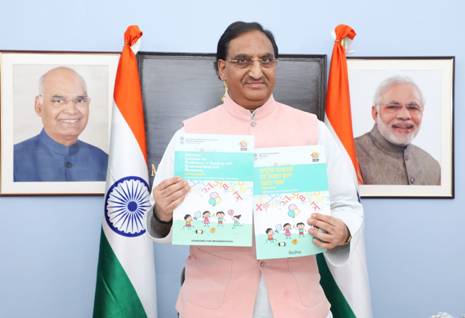
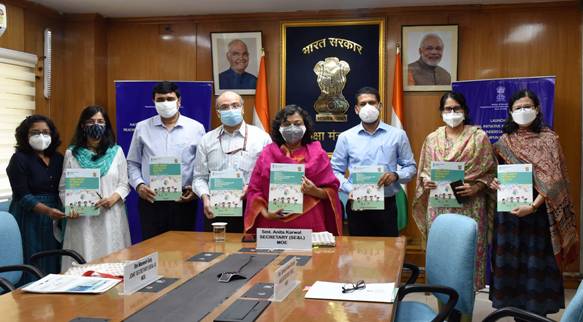
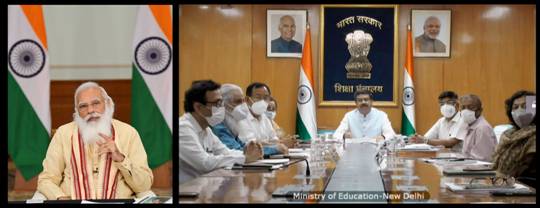
 Union Minister for Education, Shri Ramesh Pokhriyal ‘Nishank’ today virtually launched a National Initiative for Proficiency in Reading with Understanding and Numeracy (NIPUN Bharat), for ensuring that every child in the country necessarily attains foundational literacy and numeracy by the end of Grade 3, by 2026-27. The National Mission was launched in the presence of Minister of State, Shri Sanjay Dhotre, Smt. Anita Karwal, Secretary (SE&L), senior officers from the Ministry, all States and UTs, Senior Policy Makers and Heads of Institutions. On this occasion, a short video, anthem and NIPUN Bharat Guidelines were also launched. This Mission, which has been launched under the aegis of the centrally sponsored scheme of Samagra Shiksha, will focus on providing access and retaining children in foundational years of schooling; teacher capacity building; development of high quality and diversified Student and Teacher Resources/Learning Materials; and tracking the progress of each child in achieving learning outcomes.

WhatsApp Image 2021-07-05 at 4.02.11 PM.jpeg

Addressing the participants Shri Pokhriyal said that NIPUN Bharat aims to cover the learning needs of children in the age group of 3 to 9 years.  He said that teachers need to focus on every child for developing basic language; literacy and numeracy skills which will help them develop into better readers and writers. Thus, NIPUN Bharat envisages making the experience of learning at the foundational stage Holistic, Integrated, Inclusive, Enjoyable, and Engaging, he added.

The Minister underlined that the National Education Policy 2020 has laid down that attaining foundational literacy and numeracy for all children must become an immediate national mission. In keeping with this, the Department has developed a comprehensive guideline under NIPUN Bharat, through a series of intensive consultations with implementing partners, experts to make it flexible and collaborative, he added. Shri Pokhriyal said that it covers key technical aspects of foundational literacy and numeracy as well as the administrative aspects for effectively setting up an implementation mechanism at the National, State, District, Block and School level. He also informed that an approval of Rs 2688.18 crore has already been given under Samagra Shiksha scheme to the States and UTs for implementation of the various interventions for Foundational Stage in 2021-22.

Speaking on the occasion Shri Dhotre said that quality education is the bedrock of strong Nation building and, foundational education in literacy and numeracy skills is its core component. The Minister stated that in the coming years, this mission will change the outlook of our school education, and will strongly impact 21st Century India. Shri Dhotre stressed that NIPUN Bharat will not only help our students to take a big leap in their higher classes, but it will also have a major impact in making our students globally competitive.

The unique feature is that the goals of the Mission are set in the form of Lakshya Soochi or Targets for Foundational Literacy and Numeracy.Although, the overall aim is to achieve the desired learning outcomes by the end of grade 3, however, in order to generate greater awareness among the parents, community, volunteers etc. the Lakshyashas been developed from Balvatika to Grade 3. The Laskhyas are based on the learning outcomes developed by the NCERT and international research and ORF studies. For example, a child should be able to read 45to 60 words per minute and atleast 60 words per minute correctly by the end of Grade II and III respectively from an age appropriate unknown text with comprehension and clarity.

The success of NIPUN Bharat will primarily depend on teachers, so, there will be a special emphasis on capacity building of teachers.  A special package for foundational literacy and Numeracy under NISHTHA is being developed by NCERT and around 25 lakh teachers teaching at pre-primary to primary grade will be trained this year on FLN. 

Following outcomes have been envisaged from implementation of the goals and objectives of NIPUN Bharat Mission:

  • Foundational skills enable to keep children in class thereby reducing the dropouts and improve transition rate from primary to upper primary and secondary stages.
  • Activity based learning and conducive learning environment will improve quality of education.
  • Innovative pedagogies such as toy-based and experiential learning will be used in classroom transaction thereby making learning a joyful and engaging activity.
  • Intensive capacity building of teachers will make them empowered and provide greater autonomy for choosing the pedagogy.
  • Holistic development of the child by focusing on different domains of development like physical and motor development, socio-emotional development, literacy and numeracy development, cognitive development, life skills etc. which are interrelated and interdependent, which will be reflected in a Holistic Progress Card.
  • Children to achieve steeper learning trajectory which may have positive impacts on later life outcomes and employment.
  • Since almost every child attends early grades, therefore, focus at that stage will also benefit the socio-economic disadvantageous group thus ensuring access to equitable and inclusive quality education.

Thus, NIPUN Bharat is envisaged to support and encourage students, along with their schools, teachers, parents, and communities, in every way possible, to helprealise the true potential of our children and propel the country to new heights.

Click below to access presentation on NIPUN Bharat: 

https://static.pib.gov.in/WriteReadData/specificdocs/documents/2021/jul/doc20217531.pdf

Click below to access NIPUN Bharat Guidelines:

https://www.education.gov.in/sites/upload_files/mhrd/files/NIPUN_BHARAT_GUIDELINES_EN.pdf


*****

R&D institutions will play a major role in the upcoming decade

 Prime Minister Shri Narendra Modi interacted with Directors of Centrally Funded Technical Institutions on 8th July 2021 via video conferencing. More than 100 Heads of Institutions joined the Prime Minister for this interaction. Union Minister for Education and Minister of Skill Development & Entrepreneurship Shri Dharmendra Pradhan, MoS Smt. Annpurna Devi, MoS Dr. Rajkumar Ranjan Singh and MoS Dr. Subhas Sarkar and senior officials of the Ministry were also present during the interaction.

Prime Minister lauded the R&D work done by these institutions towards meeting the challenges posed by Covid. He appreciated the efforts of young innovators towards providing quick technological solutions.

Prime Minister said that there is a need to adapt higher education and technical education to keep in tune with the changing environment and emerging challenges. He added that this requires the institutions to reinvent and re-evaluate themselves, develop alternative and innovative models in accordance with the present and future needs of the country and society. He emphasized that our higher educational and technical institutions need to prepare our youth for continuous disruptions and changes, keeping in mind the fourth industrial revolution.

Prime Minister underlined the need to progress towards education models that are flexible, seamless, and able to provide learning opportunities as per the requirements of the learners. He said that access, affordability, equity, and quality should be the core values of such education models.

Prime Minister appreciated the improvement in the Gross Enrolment Ratio (GER) in higher education in the past few years & emphasized that digitization of higher education can play a big role in increasing GER, and students will have easier access to good quality and affordable education. Prime Minister also lauded the various initiatives taken by the institutions to increase digitization such as that of online bachelor and master degree programmes.

PM added that we need to develop an ecosystem of technological education in Indian languages and translate global journals into regional languages.

Prime minister said that ‘Aatmanirbhar Bharat Abhiyan’ will form the basis of dreams and aspirations of India in the coming 25 years when we celebrate 100 years of Independence. He added that technological, R&D institutions will play a major role in the upcoming decade, which is also being called as “India’s Techade”.

Prime Minister said that we need to focus on developing futuristic solutions in fields of education, healthcare, agriculture, defense, and cyber technologies.

Speaking on the occasion Shri Pradhan stated that India has got a New Education Policy after a period of 34 years. With the introduction of National Educational Policy-2020, the Indian education system has taken a giant leap in fostering an environment for a future-ready 21st century India, he added. He further said that the Government is committed to make students and youth the primary stakeholders in propelling India towards an equitable knowledge society.

Shri Pradhan emphasized that NEP will be instrumental in meeting the expectations of the Prime Minister from innovators, researchers and scientists. The Minister expressed his confidence that under the guidance of Prime Minister Shri Narendra Modi and the support of our academic institutions, Government will continue to set new benchmarks in integrating education with employment & making it more inclusive, holistic, multi-disciplinary and at par with global standards.

During the interaction, Prof Govindan Rangarajan of IISc Bangalore, Prof Subhasis Chaudhuri of IIT Bombay, Prof. Bhaskar Ramamurthi of IIT Madras, and Prof Abhay Karandikar of IIT Kanpur, gave presentations to the Prime Minister and highlighted various ongoing projects, academic work, and new research being done in the country. The Prime Minister was apprised about the Covid related research being done that encompasses developing new techniques for testing, Covid vaccine development efforts, indigenous oxygen concentrators, Oxygen generators, Cancer Cell Therapy, Modular hospitals, Hotspot prediction, Ventilators production, Efforts in the fields of Robotics, Drones, Online education, Battery technology. The Prime Minister was also informed about new academic courses, especially the online courses that are being developed, as per the changing nature of the economy and technology.

*****

Digital Education initiatives of the Ministry

 Union Education Minister Shri Dharmendra Pradhan reviewed the Digital Education initiatives of the Ministry of Education including PM e-Vidya, National Digital Education Architecture (NDEAR), Swayam, among others. Minister of State Smt Annpurna Devi;  MoS Shri Rajkumar Ranjan Singh and MoS Dr Subhas Sarkar also attended the meeting. Senior officials of the Ministry briefed the Ministers about these initiatives.

Emphasizing the importance of leveraging technology in Education, Shri Pradhan said that technology would help in achieving the goals of an open, inclusive and accessible education. A vibrant digital ecosystem in education will expand learning opportunities for the students, spur innovation and entrepreneurship in the Education sector, he added.

The Minister noted that COVID-19 pandemic necessitated a shift towards digital medium of education and assured that Digital initiatives taken by the Ministry to ensure continuity of Education will be further strengthened and institutionalised.

*****