Life of Pi by Yann Martel

Life of Pi is a Canadian philosophical novel by Yann Martel published in 2001. The novel has sold more than ten million copies worldwide. It was rejected by at least five London publishing houses before being accepted by Knopf Canada, which published it in September 2001. The UK edition won the Man Booker Prize for Fiction the following year. It was also chosen for CBC Radio’s Canada Reads 2003, where it was championed by author Nancy Lee.

Book Summary

This is a story about a young man named Piscine Patel, or Pi, whose family owns a zoo in India.  Growing up, Pi is interested in religion and so he converts to each of the major religions:  Christianity, Islam, and Hinduism. The family decides to move to Canada, but on the way there, their ship sinks and Pi finds himself on a lifeboat with a tiger, Richard Parker, a hyena, a zebra, and an orangutan.  

Pi manages to keep himself separated from the other animals and all he can do is watch as the hyena kills the zebra and orangutan. Pi is afraid that he will be next to be killed, but the tiger kills the hyena. Pi decides to build an adjoining raft that is connected to the lifeboat by rope and luckily finds survival supplies, such as food and water.

Instead of waiting for the tiger to die, Pi decides he must train the tiger to ensure his own personal survival.  Pi learns to fish and begins feeding the tiger, slowly training and taming him.

As food and water supplies dwindle, Pi suffers from health problems such as blisters and dehydration. He also becomes temporarily blind.  Pi encounters another blind man who is also floating on a boat.  However, the man comes aboard and the tiger eats him.

When Pi’s eyesight returns, he sees an island in the distance.  He arrives on the island and finds algae that he can eat.  The island has fresh water and is home to a large meerkat colony who eat fish. Life on the island is great, but then Pi realizes that the algae is carnivorous and so he gets back on the boat with the tiger and heads off.

The boat eventually reaches Mexico and Pi is rescued.  In the end, Pi is questioned by investigators about his journey and despite being skeptical, they believe his story.

Analysis

A lot can be said about this story, but what draws my interest and attention is the idea of how a zoo can actually be more beneficial for a wild animal than the wild.

Pi goes to great lengths to explain how harsh conditions are for wild animals and how nice life in a zoo really is.  We tend to have a romantic sense of what the wild is like for animals, but the reality is that animals in the wild are either looking for food or trying not to be food for something else.

It seems like a stressful existence in the wild, where each day could be your last and you are literally playing a game of life or death.  And most humans wouldn’t be able to survive in the wild, especially since we’ve modernized ourselves to the luxuries of technology and civilization.

This also brings a greater appreciation to what we, as humans, have done with our food and safety needs:  bringing them closer to us in a more controlled environment.

It’s comforting to know that our food is about twenty feet away from us whenever I want and if we run out of food, we can go to a building that has more food for us to buy.

We and our possessions are safe from the weather and we don’t need to worry about being attacked by predators.

So while it may seem lonely that the animals in zoos are confined to a limited space, we are looking at them through the eyes of a species that has, for the most part, everything it needs within reach.  We are smart enough to understand that protecting ourselves and surviving that way is far greater than being free in the wild and nature. 

The Pre-Raphaelite Poetry

The Pre-Raphaelite movement was started by two German painters based in Rome in 1810. The movement drew inspiration from Italian painters before Raphael such as Giotto, Bellini, and Fra Angelico. The movement was concerned with the art of painting. The Pre-Raphaelite Brotherhood was a group of English painters, poets, and art critics. It was formed in England in 1848 by William Holman Hunt, John Everett Millais, Dante Gabriel Rosetti, William Michael Rosetti, James Collinson, Frederic George Stephens, and Thomas Woolner who formed a seven-member “Brotherhood” modeled in part on the Nazarene movement. The Brotherhood was only ever a loose association and their principles were shared by other artists of the time, including Ford Madox Brown, Arthur Hughes, and Marie Spartali Stillman. Later followers of the principles of the Brotherhood included Edward Burne-Jones, William Morris, and John William Waterhouse.

The Pre-Raphaelite Brotherhood, founded in September 1848, is the most significant British artistic grouping of the nineteenth century. Its fundamental mission was to purify the art of its time by returning to the example of medieval and early Renaissance painting. Although the life of the brotherhood was short, the broad international movement it inspired, Pre-Raphaelitism, persisted into the twentieth century and profoundly influenced the aesthetic movement, symbolism, and the Arts and Crafts movement.

Firstly, Dante Gabriel Rossetti’s Girlhood of Mary Virgin (1849), in which passages of striking naturalism were situated within a complex symbolic composition. Already a published poet, Rossetti inscribed verse on the frame of his painting. In the following year, Millais’s Christ in the House of His Parents (1850) was exhibited at the Royal Academy to an outraged critical reception. The master of a brilliantly naturalistic technique, Millais represented biblical figures with closely observed portrayals of the features of real, imperfect models. In 1850 the Pre-Raphaelites also produced a literary and artistic magazine, the Germ, which was something of a manifesto for their artistic concerns and ran for only four issues.

The Girlhood of Mary Virgin by Dante Gabriel Rosetti

From the first, the Pre-Raphaelites aspired to paint subjects from modern life. In The Awakening Conscience (1854), Hunt represented a kept woman realizing the error of her ways, and in 1852 Madox Brown began the most ambitious of all Pre-Raphaelite scenes from modern life, Work (1852–1865). Although the brotherhood included no women, Christina Rossetti, sister of Dante and William, pioneered a Pre-Raphaelite style in poetry, and Elizabeth Siddall-model, muse,
and eventually wife of Dante Gabriel Rossetti-produced distinctive watercolors and drawings that went unrecognized in her lifetime but received critical attention after the advent of feminist art history in the late 1970s.

The Awakening Conscience by Hunt

Another element in Pre-Raphaelite poetry is perceived in love for beauty. The Pre-Raphaelite poets are lovers of beauty. Here they are the followers of the great poetic creed of Keats. In their rich sensuousness, they are also found to carry on the tradition of great romantic poetry. They are also found to be medievalistic in their attachment to the medieval past. This also constitutes another romantic aspect of Pre-Raphaelitism. Their attempt to follow Byron’s revolutionary spirit and Shelley’s inspiration for loveliness does not appear to have much succeeded, yet these elements are not ignorable in them. Pre-Raphaelite poetry, in this respect, appears to be the second phase of Romanticism in the nineteenth century. This, however, appears to lack in humanism and the idealistic vision of human life, so much marked in romantic poetry. The Pre-Raphaelite poets aimed at infusing the art and spirit of the Pre-Raphaelite painters into poetry.


The change in current of philosophy

  • Introduction
  • Early references
  • The conditions to mastery
  • conclusion

Many question the relevance of philosophy in current times. Every other subject or field of study is given due importance- physics, chemistry, mathematics, astronomy, geology, psychology, you name it! then why has philosophy dropped to simply graduate academics which very few people choose that too while being concerned about its scope and relevance in career and life. It is a matter of fact that all fields, if not all then majority have evolved from philosophy. The theories that have been expanded were once mere philosophical thought. For instance, the Archimedes principle.

This is where we need a change in perspective and practice.

Philosophy is to be studied, not for the sake of any definite answers to its questions, since no definite answers can, as a rule, be known to be true, but rather for the sake of the questions themselves.

Bertrand Russell, Problem of Philosophy

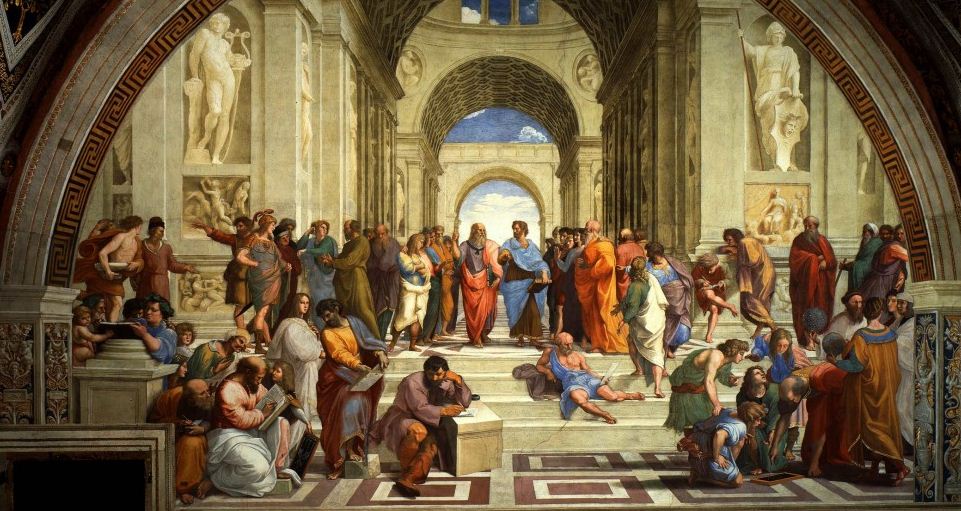
Philosophy, from Greek translates to love of wisdom. it involves rational, abstract and methodical consideration of reality as a whole, viewing it from multiple dimensions. Curiosity, rationality and abstractive are salient characteristics of philosophical thought. Philosophy, in primeval civilizations was considered to be art of living and not a subject of arts. Choosing a school, in that time, meant adopting their view of life and abiding by their ideals and practices. The school designed its students like an artist would design his piece of art. The schools of thought facilitated transformation of being and search for the eternal truth that would set human free from bondages and discover the intangible with its gifted intellect. Abilities were developed and put to test in these schools. The students were deeply engrossed in enquiry of reality both natural and abstract and its exportation to practice.

See the source image
The greek school of thought

Early references suggest that philosophy then was more intuitional, though it indicates a thought system acquired by intuitive experience and sustained by logical argument. Just like the Greeks term philos as love for wisdom; Indians call philosophy as Darshana and the field as darshan shastra. The word darshan in itself is vague but philosophically it means putting intuition to proof and propagating logically. A darshan is a spiritual perception, a whole view revealed to the soul sense. This soul sight, which is possible only when and where philosophy is lived, is distinguishing mark of a true philosopher. Only purity of soul can make a triumphant philosophy and an awakened philosopher. This purity is based on profound acceptance of experience, realized only when some point of hidden strength within man, from which he can not only inspect but comprehend life, is found. Philosophies arise from experiences of senses and soul and involves adroit introspection.

Philosophy seeks truth and the one in practice is a philosopher. The seeker after truth must satisfy certain essential conditions before he sets out on his quest. Samkara, in his commentary on first sutra of the Vedanta Sutras, makes out the four conditions essential for any student of philosophy.

Sri Samkara was a marvelous genius. He was a master of logic. Samkara’s philosophical conquests are unique in the world.  He expounded the doctrine of Advaita Vedanta.

The first condition is knowledge of the distinction between the eternal and the non-eternal.This means having a metaphysical bent that will not accept all it sees to be absolutely real and justified. There must be a questioning tendency in the inquirer and the spirit to probe all things, a burning imagination which could extract truth from mass of apparently disconnected data. The student must have a habit of meditation which allows him remain focussed.

The second condition is the subjugation of the desire for the fruits of action either in present life or a future one. It demands renunciation of all petty desires, personal motive and practical interests. The philosopher is a naturalist who should follow the movement of things without exaggerating the good and belittling the evil based on his prejudices. So, it is said that he must have no love of present or the future. Clear thinking and honest judgement must be developed.

To achieve a modest temper, he must suffer a change in heart, where a student is meant to acquire tranquillity, self-restraint, renunciation, patience, peace of mind and faith. This counts the third condition which asserts that only a trained mind which utterly controls the body can inquire and meditate endlessly till the end of life, never losing sight of the object and not for a moment letting it obscured by any terrestrial temptation. Such a courage to lose all for his highest end has to be developed. Physical and mental difficulties are to occur and in the midst of all suffering, he must build discipline. A spiritual discipline which includes pitiless self-examination will enable the seeker to reach his end of freedom.

The fourth condition is the desire for moksha or release. The one who has renounced all his material desires and is metaphysically minded has only one devouring desire to achieve the end or reach the eternal.

CONCLUSION

 Men have become so sceptical to trust their own decisions and judgements of life that they take refuge in scriptures, authority and tradition. Little do we create our own for ourselves and mankind.  The early geniuses – the philosophers, comprehended experiences on behalf of mankind, so the latter are eternally grateful to them. So, Question yourself and introspect how am I a philosopher? beacuse –

“The unexamined life is not worth living”

– Socrates

Sources

  • Indian Philosophy by S. Radhakrishnan

Youth Source Of Endless Energy.

Nathan Thomas, who was president of the Raleigh Midtown Rotary Club at age 23 and will become district governor in 2022-2023, witnessed the joy firsthand. Thomas, now 27, founded All We Are, a non-profit organization that oversees the Solarize Uganda Now (SUN) project. Working together, they secured a $2,000 grant from the clubs committee on international affairs to install LED lighting at a school and shelter for underprivileged young women in Uganda.

He invented the “International Youth Party” because it symbolized the movement and was a good pun. Abby Hoffman and the Yippies first proposed a “Festival of Life” in the park prior to the 1968 Democratic National Convention in Chicago.

First, it was intended to strengthen the reputation of the coal industry. Second, it was designed to secure coal as the main source of energy in today’s post-war society. It is one of nine paintings in a series commissioned in 1945 by the Coal Institute and the Benton and Bowles advertising agency. In this context, we might wonder what place this 1945 work occupies, which supposedly glorifies the power of industry over the common people, the workers.

It’s all about attitude, they say, as if attitude itself isn’t determined by energy. It often turns out that it is energy, strength and motivation that are not enough to achieve goals. Only the right profession can become an endless source of energy and strive for continuous improvement. The dedication, hard work and desire for knowledge of young people will not only help them lead a fulfilling life, but will also become their contribution to society.

It is important to recognize the role of young people in the success story and to educate and motivate them to build a better society. Hence, it is well said that youth is the powerhouse and storehouse of infinite energy and the pride of society. Our budding youth are seen as the future power as the leader of the nation. Needless to say, promising young people are seen as the future power as the leader of the nation.

They make the best decisions in life and are full of spark, courage, and work to bring about positive change in society. Youth activism is participation in a community organization for social change. If anyone can view young people as a national savings account, he should know that today it is like an investment, he will benefit from it in the next few years.

An immense amount of energy, feelings and enthusiasm in the blood, passion in the body, will know that these are the qualities of a young man. But a young person turns these hardships, stresses and problems into responsibility, passion and will, and this is the power of energy that young people have. The burden can be stress at work, money problems, not being able to get the job you want, not being able to do exactly what you want, being rejected, choosing the wrong path, etc.

In the battle of life, problems and difficulties will arise at every moment of life. Only young people can easily deal with these difficulties and win the battle of life. My hope is for you, “Imagine the power of boundless energy that a young man has, a great man putting his hopes in his youth. You can be young, smart, and hopeful, but if you feel it 100% of the time Frustrated and lethargic, then all your youth and potential is meaningless. Without the energy and ability to act and fulfill, all your best intentions don’t count as licking.

Energy is fuel. It inspires all the good things in life, whether it’s creativity, productive work, innovative solutions to life’s problems, personal development, rich relationships with others, or simply having a strong body, a clear mind and intense happiness from emotional well-being. The great thing about energy is that it nourishes and encourages oneself in a certain way. Energy, whether mental or physical, is like your personal life context.

You can think of energy as the most primitive and fundamental type of wealth. After all, we are all living beings; we are all organisms that need energy to work, move, communicate, and live. It doesn’t matter how many other good things happen in your life; if you don’t have the energy to interact with them properly, appreciate them, bring them to life, it’s like there are none of those good things at all.

The idea that you can train, train, or even heal in a constant state of enthusiasm, charisma, and contentment lends an air of devotion to the energy appreciation dance. Individuals endowed with it may attribute this to their virtue, perseverance, or self-discipline, and sometimes use the descriptor “low energy” as mild, as if Eeyore are contagious. Or it could be kindness, consideration, optimism, humor, the ability to make other people feel good.

The energies of B. and M. are of different types that you project or perceive in others, but are related. It is clear that despite our best efforts, energy is not distributed evenly due to heredity or fate, nature or upbringing. Victini (Pokemon) can generate unlimited energy that he can share with others to ensure absolute victory.

By removing his Inhibitor Rings and becoming a Shadow of Chaos, Shadow the Hedgehog (Sonic the Hedgehog) can absorb an infinite supply of Chaos Energy, becoming a raw and uncontrollable dynamo of power. Using food immersion, Toriko can absorb and store more nutrients from food in his body than normal, allowing him to store an almost unlimited amount of energy and survive for abnormal periods of time without food or water. Jugosa’s (Naruto’s) body constantly absorbs natural energy, providing him with an infinite supply of life energy to use at will, although it also corrupts his sanity from time to time.

The energy of this water cycle, which is powered by the sun, can be used to generate electricity or for mechanical activities such as grinding grain. Since the water cycle is an endless and constantly recharged system, hydroelectricity is considered a renewable energy.

There are various types of hydroelectric power plants; they all feed on the kinetic energy of the water flowing downstream. Turbines and generators convert energy into electricity, which is then fed into the power grid for use in homes, businesses, and industries. Aerobic metabolism uses oxygen from the blood as a way to produce energy.

Specifically, the researchers looked at how energy production and recovery rates after exercise differ between children (young male participants aged 8 to 12), endurance athletes, and adults who were not trained athletes.

In the lab, he hooked up subjects to an oscilloscope (one of them was the young Willy Brandt, future chancellor of West Germany) and, using a microscope, discovered pulsating particles he called “bions”, which he said were the source of a mysterious life force called orgone. . Rockwell Kents’ Infinite Energy for Infinite Life presents the vital role of man in turning coal into energy.

Need To Inculcate Healthy Dietary Habits

At the family level, recommendations for feeding infants should include information about their nutritional needs and strategies to promote healthy eating behaviors, including recognizing hunger and satiety cues in children and using appropriate food interactions. by modeling and avoiding stress and conflict while eating. When children switch to a family diet, the recommendations are not only about food, but also about the nutritional context. Healthy eating is not only about including healthy food in children’s diets. Healthy eating is an important part of a healthy lifestyle and should be taught from an early age.

A healthy diet and proper eating habits for your children can help them become stronger, healthier and more immune. Following a weekly meal and snack plan can also instill disciplined eating habits from an early age. Eat with them. Eating healthy, nutritious food like a family with kids can really help instill healthy eating habits in them. In addition, family meals are an opportunity for parents to introduce their children to new foods and become role models for healthy eating.

Kids love the predictability of family meals, and parents have the opportunity to keep up with their kids. Family meals together are how children learn to choose healthy foods and learn table manners. If you insist that the children sit with you, even if they are not ready for solid food or refuse to eat, they will begin to learn the rules of the dinner.

Educate your little eaters about healthy eating and the different types of essential nutrients and let them enjoy their meal. Make it easy for kids to choose healthy snacks by keeping fruits and vegetables ready to eat.

Do not buy single servings of snacks, yogurt and other products that cost more. Instead, buy in bulk or more and divide into smaller portions as needed.

Stick to real foods like vegetables, fruits, nuts, lean meats, low-fat dairy and whole grain pasta, rice, and bread. Eat a diet that is 45% carbs, 30% protein, and 35% fat that is good for you: olive oil, fish, or nuts. While you want to eat 5 to 6 meals and snacks a day, don’t overeat at any of your meals and make sure you choose healthy, nutrient-dense foods. Pay attention to when and what you eat, and pay attention to your behavior and feelings associated with food.

That way, you’ll be more likely to eat healthier foods and less likely to eat unhealthy foods. Instead of focusing on what you shouldn’t eat, think about what you can add to your plate to improve your health, like walnuts for heart-healthy monounsaturated fatty acids or raspberries for fiber and antioxidants. By eating fruits and vegetables rather than overeating less nutritious things, you are sending the right message.

Eating healthy foods and staying physically active can help you achieve and maintain a healthy weight and feel better. You may also find that moving more and eating better can help you cope with the demands of your busy life and be around the people who depend on you. By making healthy lifestyle choices together, you may find it easier to move more and eat better.

You can go for a walk after dinner or play frisbee with your kids. Just 15 minutes of light physical activity within 30 minutes of eating can help you reach your calorie expenditure goal, curb late-night cravings that lead to snacking, and may even help you sleep better. Research shows that optimistic people are more successful at changing their behavior, including healthy eating and weight loss. Your family, friends, and colleagues can be a great source of support as you strive towards healthier habits. Not only can our physical health improve when we prioritize healthy eating. Healthy eating can stabilize children’s energy, sharpen their minds, and even out their moods.

It also helps children feel good, maintain a normal weight, and have enough energy to go to school and play. A balanced diet is the key to a healthy diet because it provides children with the nutrients they need to grow. Regular meals throughout the day are essential to keep your child active and help them focus while they study. Some kids in this age group are still fussy, so offer them a variety of regular foods, meals, and snacks, and let them eat according to their appetites, without forcing or arguing. If children are allowed to eat according to their appetite, they can decide how much food they need for activity and growth.

Meal sizes vary because the amount of food a child needs depends on what else they eat during the day. Children continue to learn new cooking techniques and ideas when dining out. They can participate in the preparation of packed lunches and help their caregivers prepare healthy meals. Their “job” is to ensure that children are served healthy meals on a predictable schedule in a pleasant environment. 39 By developing meal schedules, caregivers can help children learn to predict when they will eat. Babies need three healthy meals and two snacks for physical development and immunity.

However, many can testify that getting children to eat healthy food is not always easy. Parents who teach their children about healthy eating from an early age can have a positive impact on their children’s eating habits later in life. Over the years, researchers have found evidence that eating behaviors and eating habits in early childhood affect the food preferences and eating patterns of children in adulthood.

Healthy eating during adolescence is important because changes in the body during this period affect a person’s nutritional and dietary needs. Instilling good eating habits in children can be very easy for parents if they set the right example. In addition to the level of education, an important element in achieving a healthy diet is the internalization of eating habits that make it possible.

We have seen that these habits increase with the age of the respondents. First, we noticed that with age, the socio-economic and living situation of the respondents stabilizes, which contributes to their eating habits becoming more regular and healthy, and at the same time, the awareness of the respondents of the need to lead a more regulated and healthy lifestyle increases. Thus, as the study “The influence of age and gender identity on the health of university students in eating in Spain”, on which this article is based, shows, all respondents know what a healthy diet is due to their high educational level. In particular, students who are most interested in healthy eating are also most concerned about buying foods that they believe are healthy.

NPST and NMM

 Union Education Minister Shri Ramesh Pokhriyal ‘Nishank’ today launched the “MyNEP2020” Platform of NCTE Web Portal. The platform seeks to invite suggestions/inputs/membership from the stakeholders for preparing draft for development of National Professional Standards for Teachers (NPST) and National Mission for Mentoring Program membership (NMM). The “MyNEP2020” platform will be operational from 1st April 2021 to 15th May 2021.

This exercise of digital consultation envisages the participation of teachers, education professionals, academicians, & other stakeholders in preparing the documents on teacher policy for sustainable and positive change in the Teacher’s Education Sector. For preparing the documents on above two major recommendations of NEP 2020, NCTE will work in close consultation with individuals/organizations.

Expert committee will extensively review the inputs collected during the consultation period and will finally formulate the Drafts for public review. Comments by the reviewers from the stakeholders will then be used to prepare a final Draft for notification.

*****

Causes Of Stress On The Modern Generation

Many sufferers experience feelings of “stress,” anxiety, and discomfort without an easily identifiable cause. Some people are stressed for clearly identifiable reasons: being fired, bereavement, or ill health. While this is something everyone experiences, the causes of stress can vary from person to person. Stress can be external and related to the environment [3], but it can also be caused by internal perceptions that cause a person to experience anxiety or other negative emotions associated with the situation, such as pressure, discomfort, etc., which he then considers. stress.

To better address this issue, it’s important to understand what causes stress and how modern life affects mental health. From persistent connections (see point 1 and this article “Why the modern world is bad for the brain”), to air pollution that affects our health, and noise pollution that affects our ability to hear our own thoughts… it’s no wonder we’re so easily exposed pressure. Our bodies and minds are caught up in everyday life, which results in a stressful environment. So, in fact, you can protect yourself by understanding stress and how to reduce these damaging effects of stress. With the development of society, the pace of modern life is getting faster and faster.

Financial stress is also linked to many health problems, including depression, anxiety, skin problems, diabetes and arthritis. Expected wages, timely promotions, material advancements like houses and cars, marriage, etc. often go hand in hand with anxiety, stress and lifestyle ailments. So, it can be said that today’s young people are very vulnerable to stress, and consumer culture is partly responsible for this.

From unattainable standards of beauty, lifestyle and social media performance, to constant stress at work and with friends, there are many ways online can lead to stress. Sometimes interpersonal stress can also be related to our relationships with people on social media like Facebook. For example, models and actors who adhere to society’s perception of beauty lead many to aspire to be like them, creating stress and anxiety when they try to do so.

Due to the increased use of technology, the number of face-to-face conversations or meetings has decreased, leading to loneliness, depression, and stress. Due to the increased use of technology, the number of conversations or face-to-face meetings has decreased, leading to loneliness, depression and stress. In addition, insomnia caused by the excessive use of technological gadgets has shortened the life expectancy of the modern generation.

Currently, people do less sports, physical work and consume more fast food, junk food, and due to family problems and stress, some are involved in criminal activities, which further increases stress and health problems. Studies show that stress levels in humans have reached noticeable levels in recent times. In this article, we will discuss the top 5 reasons why stress levels are on the rise these days. This article collects the reasons why the modern generation is so full of stress and mental problems.

The only word that comes to mind when we think about life in this century is stress. Stress affects all social groups and all age categories; no one can escape it.

Stress is a constant factor in the life of a five-year-old, young or old. Stress is a normal part of teenage life and can have many causes. At times, young people often feel stressed. Stress is actually a normal part of life, and sometimes useful.

But if you can’t manage stress and it becomes long-term, it can seriously interfere with your work, family life, and health. In the long term, financial stress causes distress, which can raise blood pressure and cause headaches, stomach pain, chest pain, insomnia, and general malaise.

Stress can also lead to various problems such as depression, diabetes, hair loss, heart disease, obesity, ulcers, cancer (possibly), sexual dysfunction, dental and gum disease, etc. It is impossible to completely eliminate stress from your life; however, applying some stress management techniques can mitigate some of the effects. Chronic stress and lack of coping resources available or used by the individual can often lead to the development of psychological problems such as depression and anxiety (see below for more information).

Signs of relationship-related stress are similar to common general symptoms of stress and can include sleep and physical health problems, depression, and anxiety. Toxic people are present in every area of ​​our lives, and the stress we experience as a result of these relationships can affect our physical and mental health.

High levels of parental stress can cause parents to become harsh, negative, and overbearing with their children. Older people find that retirement income can be a major stressor when adults are stressed to cope with family expenses. Getting a raise or a promotion is stressful, even just being fired from a job is stressful. On the one hand, this can be useful, but unfortunately, this constant pressure often leads to situations of increasing stress.

But if we’re going to deal with stress, we need to be on top of the basic building blocks, or our health can exacerbate the stress we experience.

In addition, people who do not believe that stress affects their health are not at high risk of getting sick, falling ill, or dying. Compared with younger generations, older adults are less likely to report high levels of stress, possibly in part because they are also more likely to recognize the importance of maintaining a healthy lifestyle or receive advice from a healthcare professional to reduce stress levels. Mature adults were significantly less likely than younger generations to report being irritable or angry due to stress in the past month (23% of adults, 42% of Baby Boomers, 51% of Gen X and 44% of millennials). Likewise, older adults are less likely to feel overwhelmed or saddened by stress in the past month than other generations (24% for Millennials and 38% for Gen X).

Three-quarters of millennials (76%) believe that stress can have a very high or high impact on health; this percentage rises steadily to 80% Gen Xers, 87% Boomers, and 92% adults. The American Psychological Association (APA) Stress in America 2020 report found that, on average, Gen Z adults reached a stress level of 6.1 out of 10 in the last month, with 10 being above. Americans aged 18 to 23, also known as Generation Z adults, report the highest stress levels of any generation in the country, according to the survey. Generation Z faces chronic stress from many environmental factors, including gun violence, harassment and abuse, anxiety about financial insecurity, politics, and even social media.

Portable tech-traditional eco-friendly mobile cremation system

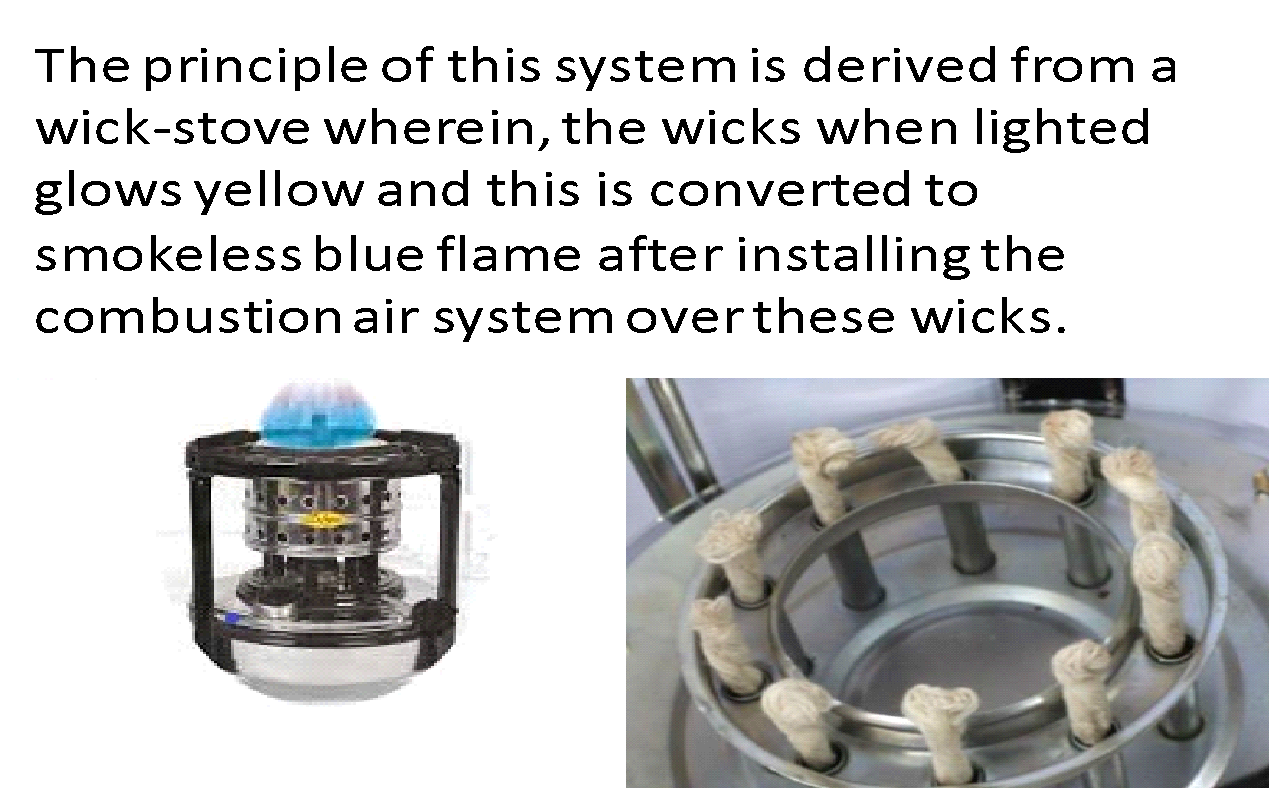
 Indian Institute of Technology, Ropar has developed a prototype of a moveable electric cremation system which claims to be using first of its kind technology that involves smokeless cremation despite using wood. It uses half of the wood otherwise required for the cremation and still is eco-friendly because of the technology that uses combustion air system.


It is based on wick-stove technology in which the wick when lighted glows yellow. This is converted into smokeless blue flame with the help of combustion air system installed over the wicks.


IIT Professor Dr Harpreet Singh, Dean, Industrial Consultancy and Sponsored Research and Industry Interaction (ICSR&II) who has developed the system said that the cremation system or incinerator heats up at 1044 degree Celsius which ensures complete sterilization.  


The cart-shaped incinerator has wheels and can be transported anywhere without much efforts. The cart is equipped with combustion air for primary and secondary hot air system. “The disposal of the body is completed within 12 hrs including cooling time as against 48 hours required in the normal wood-based cremation”, Prof. Harpreet added. Use of less wood can also reduce the carbon footprint by half. He said it requires less cooling time in the absence of refractory heat storage. It has stainless steel insulation on both sides of the cart for no heat loss and less wood consumption. It also has a tray beneath for easy removal of ashes.


Dummy-testing of the Prototype of electric cremation system.


He said that he has adopted tech-traditional model for cremation as it also uses wood. That has been done keeping in view our beliefs and traditions of cremating on wood pyre. 


Keeping in view the present pandemic situation “if this system can be adopted, may provide respectable cremation to the near and dear ones of those who cannot afford the financial burden of arranging wood”, said Harjinder Singh Cheema, MD, Cheema Boilers Ltd. who has made the prototype. He said that since this is portable, it can be taken to any place with the permission of the concerned authorities. This will also help people to avoid space crunch in crematoriums as is the case in present context. 


***************


Safety and academic welfare of students

 Union Education Minister Shri Ramesh Pokhriyal ‘Nishank’ chaired a meeting with School Education Secretaries of all States & UTs through video conferencing discuss the various measures adopted for management of education system during COVID and the different strategies adopted for online and offline learning in Schools so far and the way forward. Minister of State for Education Shri Sanjay Dhotre; Secretary, Higher Education Shri Amit Khare; Secretary, School Education and Literacy Smt Anita Karwal and senior officials of the Ministry were present in the meeting. Representatives from almost all the States and UTs attended the meeting including additional Chief Secretaries, Principal Secretaries and Secretaries Education Department; and with other State officials such as the State Project Directors, Director SCERT, etc. This is the biggest meeting held on School Education during the pandemic.

Addressing the meeting Union Minister said that the current situation of COVID-19 is unfortunate, but Government is committed to turn the situation into opportunity by doing new experiments to ensure safety and academic welfare of students.

The Minister emphasized the need to continue the coherent efforts made by the states and UTs in previous year and underscored the importance of reaching out to most vulnerable and marginalized children in this pandemic period. He further stated that the Department has taken up several Initiatives in 2020-21 for facilitating continuing learning during the pandemic. These include: expansion of DIKSHA under PM eVIDYA; DTH TV channels under the bouquet of SWAYAM PRABHA TV channels; launch of online NISHTHA training for teachers at DIKSHA; Launch of Manodarpan to cater to the socio-emotional and psychological needs of the students, etc. Also, several initiatives have been taken to reach out to children without access to digital education. He also underlined the importance of involving various stakeholders for effective implementation of the National Education Policy 2020. 

Shri Pokhriyal noted all the problems and suggestions made by the States. The States also appreciated the efforts made by the Ministry of Education providing all possible help to States to ensure academic welfare of students. The Union Minister thanked all the States for their commendable work in the field education and assured them that the Ministry will extend its full support in this difficult time and together we will fight this problem.

Acknowledging that the Government has adopted new and innovative methods in Indian education system to address the challenges arising due to covid pandemic, MoS Shri Sanjay Dhotre stressed upon exploring ways to provide hybrid education comprising of both offline and online teaching methods. For this we would need new learning methodologies, quality learning content and evaluation assessment model, he added. He emphasised that scientific temperament of students will play a deciding role in post covid world therefore education system of our country should focus on developing critical thinking ability, logical reasoning ability and scientific temper among students. He called upon everyone to work together as a team in furthering the spirit of NEP 2020 and effectively implementing it to achieve the desired goals.

A comprehensive COVID Response document has been issued by the Department on 4th May, 2021 and it delineates detailed action plan with corresponding timelines for all Stakeholders involved on Access, Retention, Continuous Learning, Capacity Building and Stakeholder engagement.

The major areas identified for intervention are: Identifying and mainstreaming of Out of School Children and ensuring sustained Enrolment, Retention and Transition; Academic learning & cognitive development of students; Capacity building- with specific focus on blended and home-based learning including student assessments and data use; Nutritional, socio-emotional support; Digital education and monitoring, tracking and remediation.

Further, the following components of Samagra Shiksha have been built into special and focused interventions in view of the present pandemic situation:

  • Learning enhancement/enriching programme to provide supplementary material to children
  • Library grant for ensuring availability of reading material to students
  • Special Training for Out of school children and Children With Special Needs.
  • Support for out of school children of age group 16 to 19 years through NIOS/State open schools.
  • SMC training to be utilized for ensuring community participation, parental support
  • Teaching learning Material at ECCE and primary grade
  • Setting-up a help desk at Panchayat level and creating awareness through use of mass media. It can also be used for conducting online learning and content dissemination over electronic media.
  • Child tracking funds may be utilized for preparing student registry
  • Special Grants to schools for sanitization and hygiene
  • Teachers grants for awareness on safety and security in online mode and for enabling them to use online means of education.
  • Grants for online content development and dissemination.
  • Grants for teachers for accessing NISHTHA training over DIKSHA platform.
  • Composite school grants to ensure continuity of learning and at least 10% of it to be used for Water, sanitation and hygiene in schools.


The Department has started conducting the meetings of the Project Approval Board for approval of Annual Work Plan and Budgets of the states under Samagra Shiksha in the virtual mode, so that the states and UTs can get timely approvals for implementation of the above interventions.

Further, ad-hoc grants to the tune of Rs 5228 crore have already been released to the states under Samagra Shiksha and an amount of Rs 2500 crore will be released soon to ensure continuity of various educational initiatives by the states and UTs.

All states and UTs have shared their strategy for continuing the learning process during the pandemic. It was reported that most of the children have received the textbooks and apart from this, various supplementary graded material has also been prepared by the states. Haryana and Gujarat shared the details about the assessment being done by the state while schools are not opened. Many states such as Jharkhand, Ladakh, Madhya Pradesh and Rajasthan have made digital apps to promote learning. The pivotal role of parents and communities have been highlighted by all the states and UTs. States and UTs also shared the details to promote online learning through digital devises, Doordarshan and Radio etc.


******

Virtual Imposters Beware of ‘FakeBuster’

 Researchers at the Indian Institute of Technology, Ropar in Punjab and Monash University, Australia have developed a unique detector named ‘FakeBuster’ to identify imposters attending a virtual conference without anybody’s knowledge. It can also find out faces manipulated on social media to defame or make a joke of someone.


In the present pandemic scenario when most of the official meetings and work is being done online, this standalone solution enables a user (organizer) to detect if another person’s video is manipulated or spoofed during a video conferencing. That means the technique will find out if some imposter is attending a Webinar or virtual meeting on behalf of one of your colleagues by morphing his image with his own. 

 “Sophisticated artificial intelligence techniques have spurred a dramatic increase in manipulation of media contents. Such techniques keep evolving and become more realistic. That makes detection difficult which could have far reaching security implications”, said Dr. Abhinav Dhall, one of the key members of a four-man team that developed the ‘FakeBuster’. “The tool has achieved over 90 per cent accuracy” assures Dr. Dhall. The other three members include Associate Prof. Ramanathan Subramanian and two students Vineet Mehta and Parul Gupta.

Byte of Dr. Abhinav Dhall

A paper on this technique – FakeBuster: A DeepFakes Detection Tool for Video Conferencing Scenarios – has been presented in the 26th International Conference on Intelligent User Interfaces, in USA, last month. 

Dr. Dhall said that the usage of manipulated media content in spreading fake news, pornography and other such online content has been widely observed with major repercussions. He said such manipulations have recently found their way into video-calling platforms through spoofing tools based on transfer of facial expressions. These fake facial expressions are often convincing to human eye and can have serious implications. These real time mimicked visuals (videos) known as ‘Deepfakes’ can even be used during online examinations and job interviews. 

This software platform is independent of video conferencing solutions and has been tested with Zoom and Skype applications.


The Deepfake detection tool-‘FakeBuster’ works in both online and offline modes. Since the device can presently be attached with laptops and desktops only “we are aiming to make the network smaller and lighter to enable it to run on mobile phones/devices as well”, informed Associate Prof. Subramanian. He said the team is working on using the device to detect fake audios also.

The team claims that this software platform ‘FakeBuster’ is one of the first tools to detect imposters during live video conferencing using DeepFake detection technology. The device has already been tested and would hit the market soon.

***************

IISc,IITs,IIITs,IISERs and NITs to review the situation of COVID management and imparting online education

 Union Minister of Education Shri Ramesh Pokhriyal ‘Nishank’ today chaired a meeting with Directors of IISc/IITs/IIITs/IISERs and NITs through Video Conferencing. Minister of State for Education Shri Sanjay Dhotre also attended the meeting. During the meeting, Shri Amit Khare, Secretary, Higher Education Ministry of Education and Directors of IITs, IISc, IISERs, NITs, IIITs were also present.

Union Minister exhorted that there is a need to maintain the quality education in these Institutes of National Importance besides taking adequate safety measures for managing COVID-19 situation. The status of imparting online education, virtual laboratory courses by these Institutes was also reviewed by the Minister. Directors of the institutes mentioned that they have already started online teaching since the commencement of initial lockdown in March’20.  Some of the institutions have also developed their own app for online teaching and evaluation.  They also informed that for students facing connectivity issue, the lecture contents were made available even for later use which they can download from anywhere and study. Teachers have interacted through online classes with their students and guided them.

The status of COVID cases in the campus of these institutions and handling of situation arising thereon by these Institutes was also discussed. The Minister impressed that the positive thinking and positive reactions to the current situation could avoid unnecessary anxiety among the students and teaching community.  An effort by the Institutes would be helpful in creating positive atmosphere in the Society. 

Shri Dhotre appreciated all the institutions for ensuring continuation of academic sessions during the covid period. He urged them to focus on science and technology and work on new innovations to tackle the unprecedented challenges caused due to covid. He spoke about the importance of emphasizing on hybrid learning to cater to the education needs of the students. He also stressed upon the need of implementing the National Education Policy to provide world class education to students.

The Institutes detailed their COVID-19 management strategy and also voluntary service extended to local administration for awareness and supply of necessary support for management of the situation in the respective State. The Institutes also briefed about the vaccination drive undertaken for the campus residents in consultation with local administration and as per the guidelines.

The main discussion was on the Research undertaken by these institutions of National importance in tackling Covid situation. Union Education Minister commended the institutes in developing low cost RT-PCR machines, kits, ventilators, mathematical modelling of predicting the trend of COVID-19 and successfully placing them at the disposal of State Health Departments.  Many of the research products have been commercialised through the Incubation Cells and Start ups set up by these Institutes.

Few of the notable research work done by these institutions includes development of Corona testing kit ‘Corosure’, research for development of vaccine which can be stored at room temperature, Genome sequencing to identify the variants of Corona Virus, ‘COVIRAP’ device for rapid diagnostic of pathogenic infection, methods to optimize use of Oxygen in ventilators, development of Oxygen concentrators, low cost portable ventilators, etc.

With regard to National Education Policy, 2020, it is noted that many of the institutions have already started new department/ multi- disciplinary programs. IISc Bangalore and IIT Kharagpur are soon to start courses in Medical sciences. Emphasis has been put by the institutions on teachers training/ mentorship and Internationalisation as well as academia- industry interaction.

******

Conduct of Class XIIth exams and professional courses entrance exams

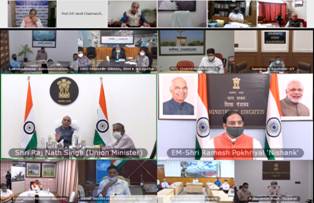
 A national consultation was arranged today by the Ministry of Education, Government of India with the Education Ministers and Administrators of all States and UTs. The consultation was chaired by the Union Defence Minister ShriRajnath Singh, and was attended by Union Education Minister ShriRameshPokhriyal‘Nishank’, Union Minister for Women and Child Development and Textiles, Smt. SmritiZubin Irani, Union Minister for Forest, environment and Climate change and Information and Broadcasting, ShriPrakashJavadekar and Minister of State for Education Shri Sanjay Dhotre. Secretary,  Higher Education Shri Amit Khare; Secretary, School Education Smt Anita Karwal  and senior officials of the Ministry also attended the meeting.

While opening the forum for discussions, the Minister for Education, Shri Ramesh Pokhriyal“Nishank’ expressed his gratitude to the cabinet ministers from Government of India who attended the meeting today for their extensive support in the preliminary discussions leading to this consultation and for remaining present in the meeting. It may be mentioned that a  high level meeting was held on 21st May 2021 under the chairmanship of the Prime Minister with nine Union Cabinet Ministers and senior officials to discuss about the conduct of Board exams for Class XII and All India Entrance  exams. The Minister expressed his gratitude to Defence Minister ShriRajnath Singh for giving his time and valuable suggestions relating to the exams. He thanked the Union Minister for Women and Child Development, Union Minister for Information and Broadcasting, Minister of State for Education for attending the meeting. The Minister of Education also expressed commitment towards the safety and security of children as the first priority of the Government of India.The Minister said the entire country has come together to ensure the safety and academic welfare of the students and smooth functioning of the education system.He said that despite challenges posed by Covid-19, the Government has left no stone unturned to successfully bring education to online mode. He said that the homes were converted into schools.

The Minister discussed the importance of the Class XII Board exams and the All India Entrance exams in shaping the future and defining the careers of students. The Minister said keeping in view the present circumstances we decided to cancel the CBSE Board examinations of Class X and evaluate through internal assessment but Class-XII examinations are very important to decide the future of a student.

He said that this meeting was called to enable Central and State Boards and other examination agencies to be able to examine various options available in the present challenging circumstances through a consultation process.ShriPokhriyal assured that the deliberations with all stakeholders in the meeting today will help in reaching a suitable decision on exams in the interest of all the students and ensuring a bright future for our children.

The discussions were held around two themes, i.e, board exams to be conducted for Class XII by the Central Board of Secondary Education and other State Boards and the All-India Entrance examinations for various higher education institutions and professional courses. Various options regarding the methodology, process, duration and timings of the exams were discussed. While a broad consensus was there, however, it was decided that States and UTs may like to further examine the matter and send their feedback in writing by the 25th of May,2021.

The meeting was attended by Chief Minister of Jharkhand and Goa, Deputy Chief Minister of Uttar Pradesh and Delhi  and State Education Ministers, State Education Secretaries, Chairpersons of Examination Boards , Administrators of Union territories, Secretaries of Higher Education Department and School Education Department of Government of India, Chairman CBSE, UGC and AICTE, DG NTA and several other  officials.

While summing up, Union Defence Minister, Shri Rajnath Singh thanked all the participants for putting forth their positive suggestions on the proposals for conducting examinations. He requested States and UTs to submit other suggestions, if any, to the Ministry of Education by this Tuesday i.e. 25th May. The Ministry will consider all those suggestions and take a final decision soon, he added. He reiterated that the priority of the Government is to conduct all the examinations in a safe and secure environment.

Earlier on 14th April, the Central Board of Secondary Education had notified that Class XII exams have been postponed and that further information with regard to Class XII board exams would be given to students by the 1st of June. In this context, following the consultative meeting with the States and UTs today, the Government of India will examine the suggestions received from the various State Governments this week and convey further information in this regard to the students by or before the 1st of June 2021.

******

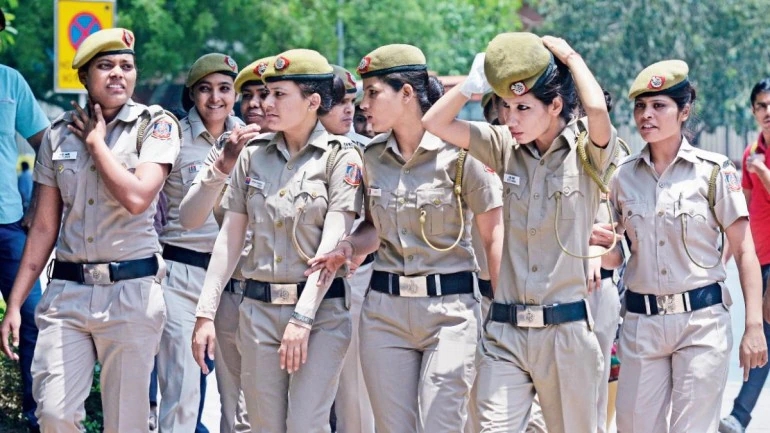
Need Of Having More Women In The Police Force

In fact, Evans and Davis studied the presence of female police officers on prime-time television shows by analyzing 46 programs from various networks and comparing them to local and state data on women in police departments. They also used data on crime victimization and found that with an increase in the representation of women among officers in the area, violent crimes against women in the area, especially domestic violence, were reported to the police at a significantly higher rate. The D.C. Metropolitan Police Department conducted a study by assigning a number of newly hired female officers to patrol jobs traditionally reserved for male officers.

Female patrol officers are often more effective than their male counterparts in avoiding violence and addressing potentially dangerous situations. A 2003 report by the UK’s National Women’s Police Centre also examined male and female officers’ responses to domestic violence calls. It found that male police officers were less likely than female officers to report a second call about domestic violence at their place of residence.

In all four cities—Cincinnati, Indianapolis, New Orleans, and Orlando—the rate of accidents among female officers was lower than that of their departments. Gender disparity is one of the main reasons why there are only a few female officers in the police force. With separate entry and promotion frames for different genres; basic infrastructure structures in police stations; women who are only pushed into the affairs of women and children, and so on. These are factors that are increasingly preventing women from entering the military.

Another huge obstacle for women to stay in the profession once they become police officers is that some face the treatment of their male counterparts. CHRI research shows that police are very apathetic towards women. There are far fewer women at the state level (Assistant Deputy Inspector of Police to the Deputy Commissioner of Police) than at the police level.

However, the percentage of women in different police departments varies greatly. In some major cities and counties, women make up over 20% of all officers, but in state police departments, they may make up less than 6% of officers. In many countries, such as South Africa, the United States, Australia and Canada, women in the police are much better represented (between 15 and 30%).

While the central government has the power to enact and amend criminal laws when necessary, including the participation of women in the police force, it cannot force state governments to increase the number of women in their police forces. So, even if we follow simple math, without having a minimum female representation in the police force of around 16%, the mandate of the various laws will not only be ignored, but will also affect the everyday social order (with the participation of women). public expectations.

Despite a fair amount of women in popular police dramas, the country’s 18,000 police departments are not swarming with women. Among the 20 of the nation’s 25 largest police departments that provided data to CNN, the proportion of women sworn in to the oath ranges from 10.6% in San Antonio to 25.2% in Detroit. In total, 400 female officers serve in the Baltimore Police Department out of 2,535 sworn members, or only 15.8%.

Upton Police Chief Michael Bradley, who is also vice president of the Massachusetts Police Chiefs Association, said he wished he had hired more women to better reflect society, but it has been difficult. Luther Reynolds, police chief of Charleston, South Carolina, said recruiting women is a top priority and recently fired or reassigned officers who questioned his decision to promote a young female lieutenant. Houston Police Chief Art Acevedo said he decided to promote more women. Over at least two decades, the percentage of women serving as agents in local police departments has risen slightly to around 12%.

A new study by the Commonwealth Human Rights Initiative (CHRI) suggests that women make up six percent of all police forces, much less than in other South Asian countries and even the BRICS countries. The NCRB data shows that while the average female police presence has increased from 2% in 2001 to 7% in 2016, it is still far from satisfactory to effectively tackle female-related crime. Although the number of women in the police has increased, there are many problems in the form of a lack of women in leadership and senior positions, their insignificant role in law enforcement in general, gender issues, lack of infrastructure and stereotype management by men. colleagues.

Coupled with a growing awareness of their potential to make a positive impact, more needs to be done to encourage women to work in law enforcement. An example of a recruiting effort that targets women is the US Border Patrol, and recruiting is exclusively targeted at women. In addition to women recruitment campaigns that encourage girls and offer mentoring, Montoya says, this is another way to get more women into the field.

The organization of police academies for boys, where up to 50% of the participants must be women, can help. Craven also said that police departments should consider creating recruitment groups that include women, even if they are not agents, to make them more welcoming. More female patrol officers will help police be “officers of the world, and not just rely on a sentinel or warrior mentality,” adds Victoria, who has a Ph.D. in the administration of justice and worked in the police force for 28 years.

Police service is also ideal for patriotic women who wish to serve their country and citizens. Women are more sensitive to social needs, so female officials are more confident than male officials. International research has also shown relatively positive outcomes in a police force with more female officers. Early research on women in the police showed that female police officers had a “sedating effect” on male partners, which in turn reduced civilian deaths at the hands of police officers.

Pew research shows that female officers believe that the culture of most police departments supports masculine values, which negatively affects women’s police experience, making them reluctant to stay in the force or even be the first to enter the field people. In addition to the perception that women are not physically fit for police work, some men may resent the presence of female police officers because they represent more “feminine” aspects of police work, such as social work and policing. Hiding behind the more heroic and aggressive side of the police. The police subculture, which is associated with “masculinity” and coercion, has less of an impact on women’s participation.

Police groups cite a variety of factors, including a small number of role models among female police officers, recruiting efforts that typically target men, and a lack of support systems for women who want to have children. Proponents argue that the increase in the number of female police officers cannot be dismissed simply as a matter of women’s rights. But she said she had read that past attempts to increase the number of women in the police force and firefighters had not been successful, and she was not entirely convinced that there was strong evidence that female officers were more effective in reducing violence.

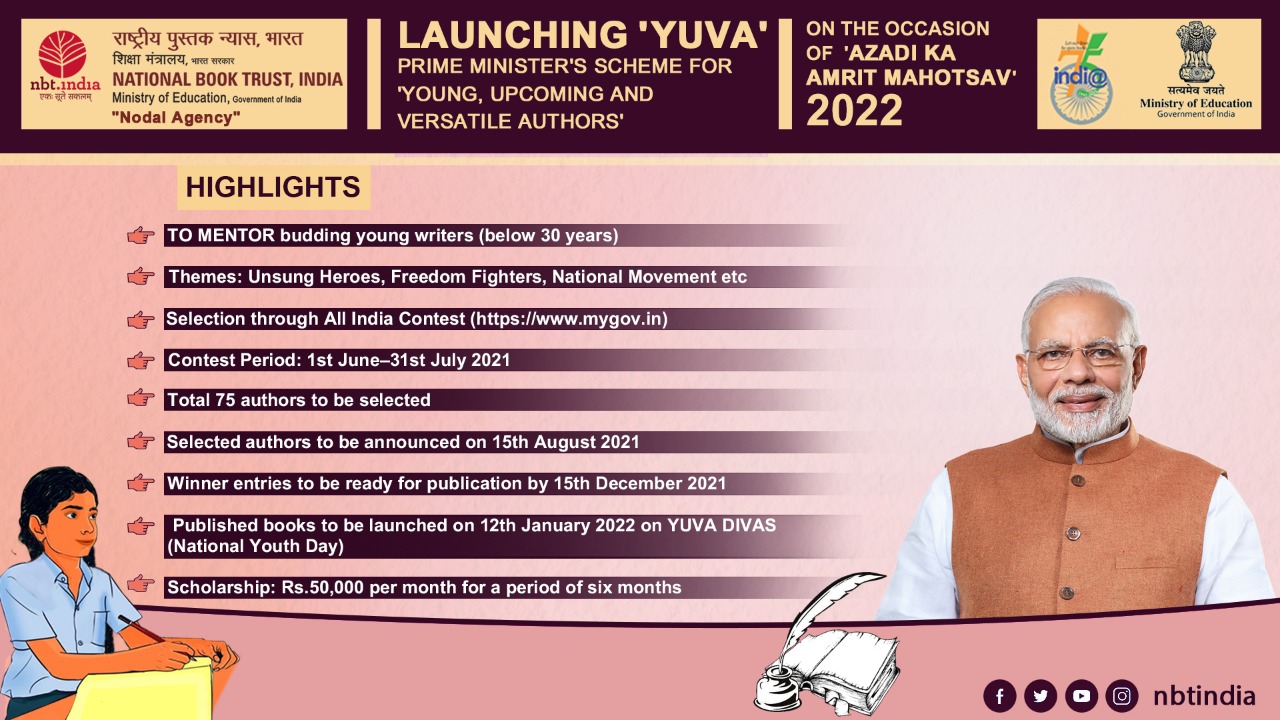
YUVA- Prime Minister’s Scheme For Mentoring Young Authors

 The Ministry of Education, Department of Higher Education today launched YUVA-  Prime Minister’s Scheme For Mentoring Young Authors, an Author Mentorship programme to train young and budding authors (below 30 years of age) in order to promote reading, writing and book culture in the country, and project India and Indian writings globally.

The launch of YUVA (Young, Upcoming and Versatile Authors) is in tune with PM’s vision to encourage young writers to write about India’s freedom struggle.  It was during Mann ki Baat on 31 January 2021, Prime Minister Shri Narendra Modi called upon the young generation to write about freedom fighters, incidents associated with freedom, the saga of valour during the period of freedom struggle in their respective areas – as the best tribute to the heroes of India’s freedom – as we celebrate 75 years of Indian Independence.

This will also prepare a category of thought leaders that will decide the course of the future”, said PM.

YUVA is a part of India@75 Project (Azadi Ka Amrit Mahotsav) to bring to the fore the perspectives of the young generation of writers on themes like Unsung Heroes, Freedom Fighters, Unknown and Forgotten Places and their role in National Movement, and other related themes in an innovative and creative manner. This scheme will thus help to develop a stream of writers who can write on a spectrum of subjects to promote Indian heritage, culture and knowledge system.

The National Book Trust, India under the Ministry of Education as the Implementing Agency will ensure phase-wise execution of the Scheme under well-defined stages of mentorship. ​The books prepared under this scheme will be published by National Book Trust, India; and will also be translated into other Indian languages ensuring the exchange of culture and literature, thereby promoting ‘Ek Bharat Shreshtha Bharat’. The selected young authors will interact with some of the best authors of the world; participate in literary festivals etc. 

NEP 2020 has emphasised on the empowerment of the young minds and creating a learning ecosystem that can make the young readers/learners ready for leadership roles in the future world. In this context, YUVA will go a long way in laying the foundation of the future leaders of the creative world.

Highlights of YUVA (Young, Upcoming and Versatile Authors):  

  • A total of 75 authors will be selected through an All India Contest to be conducted through https://www.mygov.in/ from 1 June – 31 July 2021.
  • The winners will be announced on 15 August 2021.
  • The young authors will be trained by eminent authors/mentors.
  • Under the mentorship, the manuscripts will be readied by 15 Dec. 2021 for publication.
  • The published books will be launched on 12 January 2022 on the occasion of National Youth Day (Yuva Diwas).
  • A consolidated scholarship of Rs.50,000 per month for a period of six months per author will be paid under the Mentorship Scheme

*****

MC/KP/AK

IIT Ropar develops "AmbiTAG"- India's first indigenous temperature data logger for the cold chain management

 Indian Institute of Technology, Ropar (IIT Ropar) in Punjab has developed a first-of-its-kind IoT device – AmbiTag that records real-time ambient temperature during the transportation of perishable products, vaccines and even body organs and blood. That recorded temperature further helps to know whether that particular item transported from anywhere in the world is still usable or perished because of temperature variation. This information is particularly critical for vaccines including Covid-19 vaccine, organs and blood transportation. 


Shaped as USB device, AmbiTag continuously records the temperature of its immediate surroundings “from -40 to +80 degrees in any time zone for a full 90 days on a single charge. Most of the similar devices available in the international market record data only for duration of 30- 60 days”, said AWaDH Project coordinator, Dr. Suman Kumar. He said it generates an alert when the temperature goes beyond a pre-set limit. The recorded data can be retrieved by connecting the USB with any computer. The device has been developed under Technology Innovation Hub – AWaDH (Agriculture and Water Technology Development Hub) and its Startup ScratchNest. AWaDH is a Govt of India project. Prof. Kumar said that the device is certified with ISO 13485:2016, EN 12830:2018, CE & ROHS.


Besides perishable items including vegetables, meat and dairy products it can also monitor the temperature of animal semen during transit. “So far, such devices are being imported by India in a massive quantity from other countries such as Singapore, Hong Kong, Ireland, and China,” said Amit Bhatti, one of the founders and directors of ScratchNest. 


AWaDH Project Director, Professor Pushpendra P. Singh informed that IIT Ropar Technology Innovation Hub is gearing for mass-production of AmbiTag. “The device will be made available to all companies involved in COVID vaccine transportation from production facilities to the last mile vaccination centers in the country at the production cost of Rs. 400. This device is our small contribution to the Nation for coming out of the never-seen-before-pandemic and a push towards the Atma Nirbhar Bharat”, said Prof. Singh. 


***************