

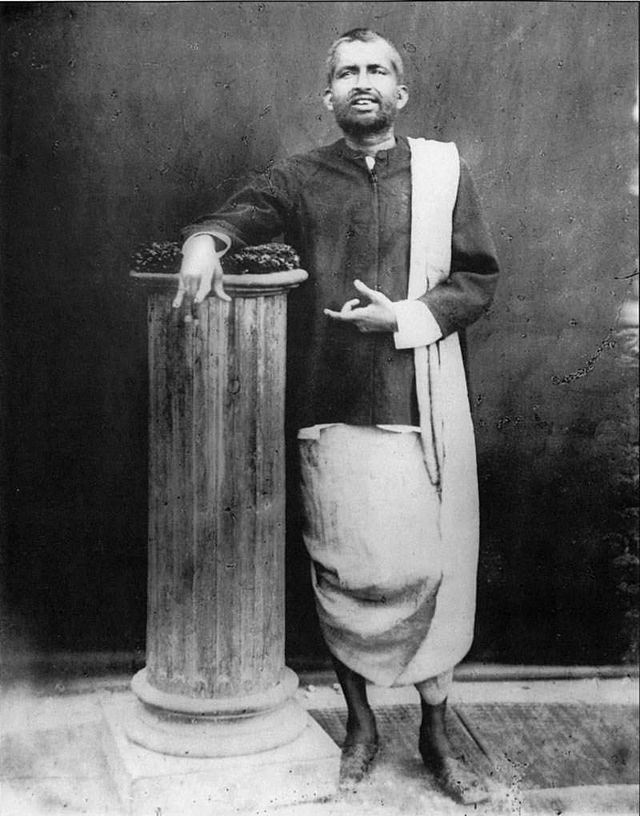
Sri Ramakrishna was an Indian Hindu religious leader and saint of 19th century Bengal who is known for his enlightening teachings on God and religion. On his 186th birth anniversary, let us take a look into his compelling life and ideals which has influenced and still remains influencing a great number of minds.
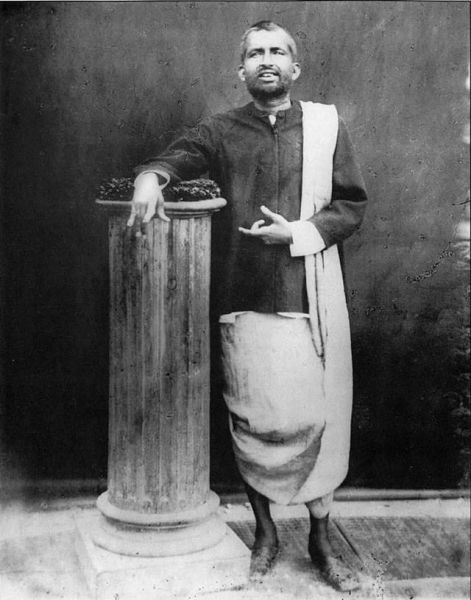
Sri Ramakrishna was born on 18 February 1836 to Kshudiram Chattopadhyaya and Chandramani Devi, in the village of Kamarpukur, West Bengal, in India. Born in a very poor, yet pious and orthodox household, he did not show much interest towards formal education, saying that he was not interested in “bread-winning education”.
Spirituality, Priesthood and Marriage
It was at the age of six that he went through his first experience of spiritual trance, when he came across the sight of a flock of white cranes flying against a background of black rain clouds and continued to have similar experiences throughout his childhood. He was also interested in spiritual discourses from an early age. The death of his father when he was just seven years old added to his introspective nature.
At sixteen, Ramakrishna travelled to Kolkata to help his brother Ramkumar who was the chief priest at the Dakshineshwar Kali Temple. When his brother died after a few months, Ramakrishna was made the priest. He now became completely absorbed in the worship of Goddess Kali. He spent days and nights in prayer, singing devotional songs and meditating, forgetting his priestly duties, longing for the divine vision of Mother Kali. Finally, on an occasion when he was in utmost despair yearning for Mother Kali, he was blessed with her vision, later describing it as an infinite sea of radiation and light which enveloped him and everything around him.
Rumors of Sri Ramakrishna’s unstable life resulted in his concerned family getting him married to Sarada, a five-year old from the neighboring village of Jayarambati. She later joined him in Dakshineshwar at the age of eighteen. Sri Ramakrishna had by this time been ordained a Sannyasin and thus observed the basic vows of monastic life. Thus, their marital life remained truly spiritual. He even worshipped Sarada as the Divine Mother while performing the Shodashi Puja in his room at Dakshineshwar.
After his marriage, Sri Ramakrishna returned to Dakshineshwar, where he proceeded to learn and experience different aspects of God he followed, with the help of various Gurus, and realized God through each path. Bhairavi Brahmani, an ascetic well-versed in scriptures, was the first Guru to arrive at Dakshineshwar in 1861 and teach Sri Ramakrishna various disciplines of the Tantric path. A Vedanta monk named Tota Puri arrived in 1865 and guided him to Nirvikalpa Samadhi, which is the highest spiritual experience according to Hindu scriptures. Sri Ramakrishna also went on to practice Islam and Christianity, wanting to experience God in all forms. He was able to attain the highest realization through each of them in a short span of time. He spent 12 years practicing various forms of religion and spirituality, finally expressing his spiritual realization as “So many religions, so many paths to reach one and the same goal”.
Disciples and Final Years
As his name and spiritual messages spread all over the country, it attracted people from different backgrounds. Disciples arrived from all over, wanting to learn from him. He divided his disciples into householders, who were taught to realize God while performing their family duties, and young, educated monks, who were tasked with spreading the universal message of Vedanta. One of his most influential disciples was Swami Vivekananda, who re-invigorated Hinduism and remains one of the most celebrated spiritual leaders in India.
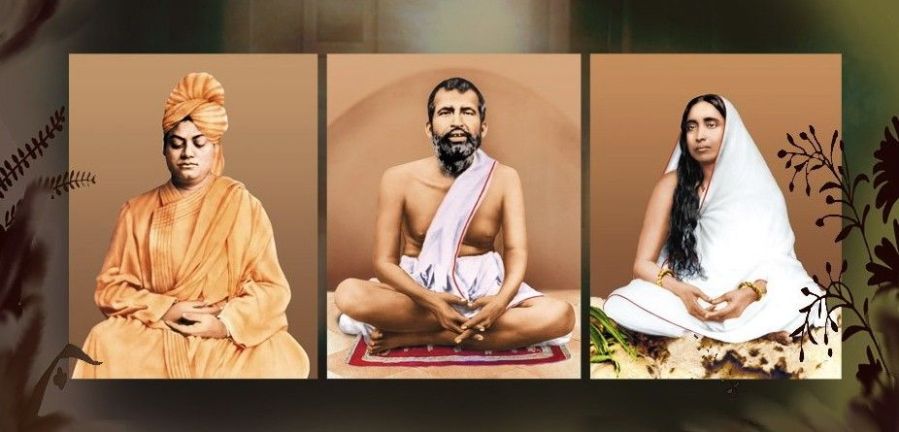
In 1885, Sri Ramakrishna was diagnosed with throat cancer after which he was shifted to a suburban villa where he was nursed by his disciples and Sarada Devi. He gave up his physical body on 16 August 1886, uttering “Ma” before passing away. Sri Ramakrishna’s disciples, led by Swami Vivekananda founded the Ramakrishna Math and Ramakrishna Mission. His illuminating conversations with visitors and disciples have been noted down by his disciple Mahendranath Guptha and published as a book “The Gospel of Sri Ramakrishna“, released in 1942.

 Eduindex
You must be logged in to post a comment.