Health Benefits of eating nuts everyday

Photo by David Disponett on Pexels.com

Nuts are very popular. They are tasty and can can be consumed even when you are on diet. They are eaten as a snack food and sometimes used in cooking as well. Listed below are some health advantages of consuming nuts :

1) Nuts are rich in fats and low in carbs. They are great sources of magnesium and Vitamin E. One can consume nuts when on a low carb diet.

2) Nuts can aid in weight loss despite being a high calorie food. Our body doesn’t absorb all the calories in nuts. Reasearch has further shown that consuming almonds can be beneficial while aiming for weight loss.

3) Nuts can help to lower cholestrol and triglyceride levels. Pistachios help to lower triglyceride levels while almonds and hazelnuts helps in lowering bad LDL Cholestrol and raises good HDL Cholestrol.

4) Nuts are rich sources of fiber which makes us full thus lowering our calorie consumption and improving our gut health.

5)  Daily consumption of walnuts can improve our cognitive function and reduce the risk of cardiovascular disease. Walnuts are rich sources of antioxidants and omega – 3 fatty acids that fights with inflammation.

Why Mother Tongue is important?

Mother tongue is the language that a child gets to hear after birth and grows up listening to it and adapting it. Mother tongue is also called as the native language and it helps to give shape to our thoughts and beliefs. In today’s world where a child is expected to be proficient in not just one but rather two to three languages, knowing one’s mother language by heart becomes secondary. However, learning one’s mother tongue is not only important but is beneficial for the child as well. If a child wants to be well versed in any foreign language, he must be well versed in his mother tongue the first thing. Below are some of the reasons as to why one’s mother tongue is so important and hence should not be taken lightly.

1) Our Mother tongue helps us to stay grounded to our traditional culture and values. It is a means of keeping our culture alive. No matter what part of the world, one must always take pride in one’s culture and help to bring it forth to the outer world but that can only be done if one is well known with one’s mother tongue

2) If one is well versed in one’s own mother tongue, he can learn a secondary language faster. He will also be a better communicator and will have better writing and reading skills in other languages.

3) If one is aspiring to become an entrepreneur, then knowing his mother tongue will benefit him while interacting with local customers. The possibilities of making money with one’s mother tongue has also increased globally.

4) Knowing one’s mother tongue is a matter of pride and honor. It boosts our self esteem and confidence while making us connected with our cultural identity.

Why Mother Tongue is important?

Mother tongue is the language that a child gets to hear after birth and grows up listening to it and adapting it. Mother tongue is also called as the native language and it helps to give shape to our thoughts and beliefs. In today’s world where a child is expected to be proficient in not just one but rather two to three languages, knowing one’s mother language by heart becomes secondary. However, learning one’s mother tongue is not only important but is beneficial for the child as well. If a child wants to be well versed in any foreign language, he must be well versed in his mother tongue the first thing. Below are some of the reasons as to why one’s mother tongue is so important and hence should not be taken lightly.

1) Our Mother tongue helps us to stay grounded to our traditional culture and values. It is a means of keeping our culture alive. No matter what part of the world, one must always take pride in one’s culture and help to bring it forth to the outer world but that can only be done if one is well known with one’s mother tongue

2) If one is well versed in one’s own mother tongue, he can learn a secondary language faster. He will also be a better communicator and will have better writing and reading skills in other languages.

3) If one is aspiring to become an entrepreneur, then knowing his mother tongue will benefit him while interacting with local customers. The possibilities of making money with one’s mother tongue has also increased globally.

4) Knowing one’s mother tongue is a matter of pride and honor. It boosts our self esteem and confidence while making us connected with our cultural identity.

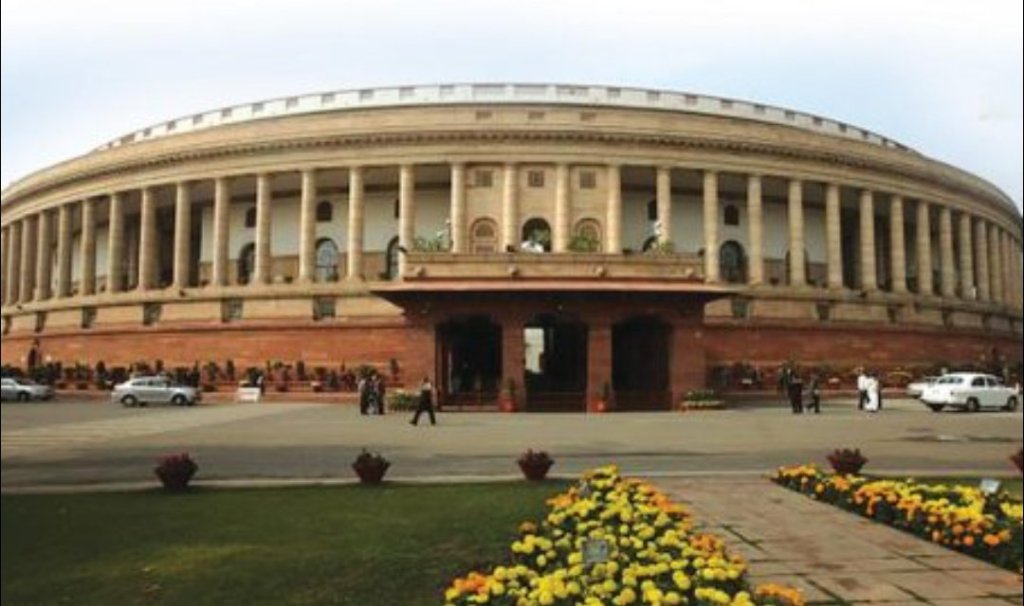
Effective Control of Parliamentary Committees on the Government

Source: Deccanherald

Parliamentary Committees are established to effectively control the governmental regular and constant activities. Parliamentary Committee is appointed by the house or nominated by the speaker or Chairman, shows its report to the house, work has been completed under the direction of speaker or Chairman. The Parliamentary system grants various ministries that are allotted without the elected Representatives of ministries.

The Constitution of India has mentioned these committees at different places but without making any specific provision regarding structure, tenure and functions. 

Types of Parliamentary Committee 

Parliamentary Committees are of two types : 

Standing Committee

The Standing Committee considers annual reports of ministries/departments. Examine bills pertaining to the concerned ministries. Overlook national basic long term policy documents presented to the houses. It considers the demands for grants of the concerned ministries departments before they are discussed and voted in the Lok Sabha. Report should not suggest anything of the nature of cut motions. It ensure economy and efficiency in Public expenditure for ministries and would be more careful in formulating their demands.

These committees are permanent and work on a continuous basis. These committees are classified into the six categories:

1) Financial committees

• Public accounts committee

• Estimates committee

• Committee on public undertaking

2) Departmental standing committees

3) Committees to inquire

4) Committees to scrutinize and control

5) Committees relating to the day to day business of the house

6) Housekeeping Committees or service committees

Financial Committees

Public Account Committee 

This Committee was set up first in 1921 under the provisions of the government of India Act 1919, which consists of 22 members (15 from Lok Sabha and 7 from Rajya Sabha). The members are elected by the parliament every year. The chairman of PAC is appointed by the speaker from its members.

The Committee examines Public expenditure not only from a legal and formal perspective of economy, prudence, wisdom and brings out the cases of corruption, inefficiency and expenses.

Some important functions of PAC are as under:

• To examine the appropriation accounts and the finance account of the Union Government and any other account laid before the Lok Sabha.

• To examine the accounts of stale corporation, trading concerns and manufacturing projects and audit report of CAG.

• To identify the money spent on any service during a financial  year in excess of the amount granted by the Lok Sabha.

• To formulate the account of autonomous and semi autonomous bodies, the audit which was conducted by the CAG.

Estimate Committee

To suggest alternative policies in order to bring alternative policies in order to bring about efficiency and economy in administration. To report what economies need to improve in organization, efficiency and administrative reforms consistent with the Policy underlying the estimates can be affected. To look how much money is spending out limits of the policy implied in the estimates.

The committee does not exercise its functions in relation to Public undertakings as are allotted to the committee on Public undertakings. It shall not be incumbent on the committee to examine the entire estimates for the year. 

Committee on Public undertakings

This Committee report of the CAG on Public undertakings. To exercise such other functions vested in the public accounts Committee and the estimates Committee in relation to the public undertaking . To examine the reports and accounts of PU and identify the affairs of the PU that are being managed in sound manner.

Departmental Standing Committee

The standing Committee is to secure more accountability of the executive to the parliament in the sphere of financial accountability. The term of office of each standing Committee, 8 work under the Rajya Sabha  and 16 under the Lok Sabha.

Committees to Inquire 

The main objective of this Committee is to identify petitions on bills and on general public importance. Matters associated with Union subjects. It is a semi-judicial system; examine the cases of breach of privileges of the house and its members and recommend action. The committee imposes the code of conduct of members of parliament. Also, look over the cases of misconduct and recommend action.

Committee to scrutinize and Control  

It is a committee that assures, promises and undertakings given by ministers from time to time on the time of house. It was established in 1953. It has the powers to make regulations or conferred by the Constitution. Its functions are to consider the reports of the National Commission for the STs to examine all the matters relating to welfare of SCs and STs like Implementation of constitutional and statutory safeguard. 

Committee Related to the day to day Business of the house

Committee regulates the programme and time table of the house. It allocated transactions of legislative and other business that came into the house or were introduced by the Government. The committee considers the matters of procedure and management in house and recommends necessary amendments. Classifies bills and allocates time for the discussion on bills and resolutions introduced by private members. 

Housekeeping Committees

The committee considers and advises on matters of the house that do not fall within the jurisdiction of any other parliamentary Committee. It deals with residential accommodation of members and other amenities like food, medical aid etc,. Conduct meetings related to the library of parliament and assist members in utilizing the library services. Committee also structure the salary, allowances and pension of members of Parliament Act 1954.

Effective Control of Parliamentary Committees on the Government

Source: Deccanherald

Parliamentary Committees are established to effectively control the governmental regular and constant activities. Parliamentary Committee is appointed by the house or nominated by the speaker or Chairman, shows its report to the house, work has been completed under the direction of speaker or Chairman. The Parliamentary system grants various ministries that are allotted without the elected Representatives of ministries.

The Constitution of India has mentioned these committees at different places but without making any specific provision regarding structure, tenure and functions. 

Types of Parliamentary Committee 

Parliamentary Committees are of two types : 

Standing Committee

The Standing Committee considers annual reports of ministries/departments. Examine bills pertaining to the concerned ministries. Overlook national basic long term policy documents presented to the houses. It considers the demands for grants of the concerned ministries departments before they are discussed and voted in the Lok Sabha. Report should not suggest anything of the nature of cut motions. It ensure economy and efficiency in Public expenditure for ministries and would be more careful in formulating their demands.

These committees are permanent and work on a continuous basis. These committees are classified into the six categories:

1) Financial committees

• Public accounts committee

• Estimates committee

• Committee on public undertaking

2) Departmental standing committees

3) Committees to inquire

4) Committees to scrutinize and control

5) Committees relating to the day to day business of the house

6) Housekeeping Committees or service committees

Financial Committees

Public Account Committee 

This Committee was set up first in 1921 under the provisions of the government of India Act 1919, which consists of 22 members (15 from Lok Sabha and 7 from Rajya Sabha). The members are elected by the parliament every year. The chairman of PAC is appointed by the speaker from its members.

The Committee examines Public expenditure not only from a legal and formal perspective of economy, prudence, wisdom and brings out the cases of corruption, inefficiency and expenses.

Some important functions of PAC are as under:

• To examine the appropriation accounts and the finance account of the Union Government and any other account laid before the Lok Sabha.

• To examine the accounts of stale corporation, trading concerns and manufacturing projects and audit report of CAG.

• To identify the money spent on any service during a financial  year in excess of the amount granted by the Lok Sabha.

• To formulate the account of autonomous and semi autonomous bodies, the audit which was conducted by the CAG.

Estimate Committee

To suggest alternative policies in order to bring alternative policies in order to bring about efficiency and economy in administration. To report what economies need to improve in organization, efficiency and administrative reforms consistent with the Policy underlying the estimates can be affected. To look how much money is spending out limits of the policy implied in the estimates.

The committee does not exercise its functions in relation to Public undertakings as are allotted to the committee on Public undertakings. It shall not be incumbent on the committee to examine the entire estimates for the year. 

Committee on Public undertakings

This Committee report of the CAG on Public undertakings. To exercise such other functions vested in the public accounts Committee and the estimates Committee in relation to the public undertaking . To examine the reports and accounts of PU and identify the affairs of the PU that are being managed in sound manner.

Departmental Standing Committee

The standing Committee is to secure more accountability of the executive to the parliament in the sphere of financial accountability. The term of office of each standing Committee, 8 work under the Rajya Sabha  and 16 under the Lok Sabha.

Committees to Inquire 

The main objective of this Committee is to identify petitions on bills and on general public importance. Matters associated with Union subjects. It is a semi-judicial system; examine the cases of breach of privileges of the house and its members and recommend action. The committee imposes the code of conduct of members of parliament. Also, look over the cases of misconduct and recommend action.

Committee to scrutinize and Control  

It is a committee that assures, promises and undertakings given by ministers from time to time on the time of house. It was established in 1953. It has the powers to make regulations or conferred by the Constitution. Its functions are to consider the reports of the National Commission for the STs to examine all the matters relating to welfare of SCs and STs like Implementation of constitutional and statutory safeguard. 

Committee Related to the day to day Business of the house

Committee regulates the programme and time table of the house. It allocated transactions of legislative and other business that came into the house or were introduced by the Government. The committee considers the matters of procedure and management in house and recommends necessary amendments. Classifies bills and allocates time for the discussion on bills and resolutions introduced by private members. 

Housekeeping Committees

The committee considers and advises on matters of the house that do not fall within the jurisdiction of any other parliamentary Committee. It deals with residential accommodation of members and other amenities like food, medical aid etc,. Conduct meetings related to the library of parliament and assist members in utilizing the library services. Committee also structure the salary, allowances and pension of members of Parliament Act 1954.

Kudumbashree and micro finance

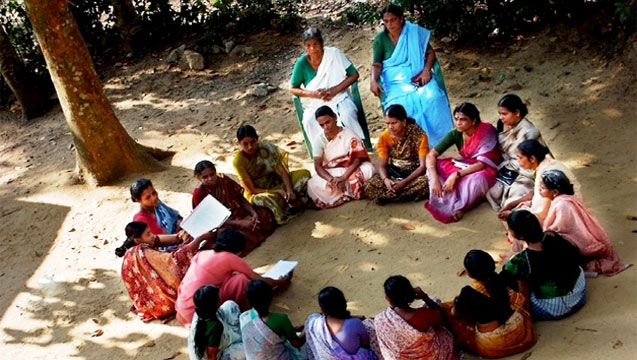
Kudumbashree, a community organization of Neighbourhood Groups (NHGs) of women in Kerala, has been recognized as an effective strategy for the empowerment of women in rural as well as urban areas: bringing women together from all spheres of life to fight for their rights or for empowerment. The overall empowerment of women is closely linked to economic empowerment. Women through these NHGs work on a range of issues such as health, nutrition, agriculture, etc. besides income generation activities and seeking micro credit.

Kudumbashree differs from conventional programs in that it perceives poverty not just as the deprivation of money, but also as the deprivation of basic rights. The poor need to find a collective voice to help claim these rights. Kudumbashree was conceived as a joint program of the Government of Kerala and NABARD implemented through Community Development Societies (CDSs) of Poor Women, serving as the community wing of Local Governments. Kudumbashree is formally registered as the “State Poverty Eradication Mission” (SPEM), a society registered under the Travancore Kochi Literary, Scientific and Charitable Societies Act 1955. It has a governing body chaired by the State Minister of LSG. There is a state mission with a field officer in each district. This official structure supports and facilitates the activities of the community network across the state.

KUDUMBASHREE MICROFINANCE

 This system operates by encouraging women to form small homogenous groups under the SHG-bank linkage program. The members of these minute groups were encouraged to meet frequently and amass minute thrift amounts from their members. They were also taught simple accounting methods to enable them to maintain their accounts. Individually these poor could never have had enough savings to open a bank account. The first step in establishing links with the formal banking system opened up when the pooled savings enabled them to open a formal bank account in the denomination of the group. These were followed by frequent group meetings. Pooled thrift was utilized to impart lean loans to members for meeting their diminutive emergent needs saving them from debt traps/ money lenders who demanded unusually high rates of interest and accelerated their empowerment through group dynamics, decision-making, and funds management. Peer- screening effect was engendered as borrowers themselves undertook the task of credit evaluation and reduced the transaction costs, community members had much more preponderant information than banks. Peer monitoring effect induced group members to utilize their imprests in productive ways. The desire to preserve valuable ties induced borrowers to spend extra effort if compulsory to secure timely payments. These ties were valuable because they sanctioned members’ borrowing and provided business connections. Moreover, a very consequential feature of group-lending was the collateral effect. Gradually the pooled thrift grew and soon 11 they were adept in receiving external funds in multiples of their group savings. Bank loans enabled the group members to undertake income- generating ventures.

 The various microfinance activities taken up by Kudumbashree are:

  Thrift and credit operations

NHGs are instrumental in thrift mobilization, encouraging the poor to save and to avail low -cost formal credit. They facilitate easy and timely credit to the unreached. The amount of loan to members and the purpose for which the loan should be utilized are decided by the NHG. The repayment is collected weekly during the NHG meetings. It is estimated that the thrift mobilized is on an average Rs 40 per month per member.

Linkage Banking.

NHG-Bank linkage scheme is one of the flagship programmes of Kudumbashree. NABARD SHG-Bank linkage grading procedures are applied while selecting eligible NHGs for availing loan. The NHGs are rated on the basis of a 15 -point index developed by NABARD. Bank will provide loans to those NHGs who pass 80 % of marks in the grading.

  Matching Grant.

 Matching grant is an incentive provided to NHGs. This grant linked to amount of thrift mobilized, performance of NHG in the Grading and loan availed from banks. An amount of 10% of the savings of the NHG subject to a maximum of Rs 5000/- is provided as matching grant to each NHG. The grant is released based on their assessment rated using 15-point grading criteria developed by NABARD.

  Interest Subsidy for Linkage loan.

 Govt of Kerala has introduced a new interest subvention scheme to promote Bank Linkage Program among Kudumbashree Neighborhood Groups. Under this scheme all Kudumbashree NHGs are eligible for interest subvention to avail the loan facility at an interest rate of 4% on credit up to Rs. 3 lakhs. The interest subsidy would be provided as annual instalments to the NHGs.

KAASS.

KAASS, the Kudumbashree Accounts & Audit Service Society; is a homegrown enterprise to ensure proper account keeping in the community network. Each district has been furnished with a KAASS team that has been 12 drawn from commerce graduates and is guided by professional chartered accountants

  Digitization of MIS’ and repayment Info System (E- SHAKTI)

 Keeping in view the Government of India’s mission for creating a digital India, NABARD has launched a project for digitization of all Self -Help Group (SHG) in the country.

Kudumbashree and micro finance

Kudumbashree, a community organization of Neighbourhood Groups (NHGs) of women in Kerala, has been recognized as an effective strategy for the empowerment of women in rural as well as urban areas: bringing women together from all spheres of life to fight for their rights or for empowerment. The overall empowerment of women is closely linked to economic empowerment. Women through these NHGs work on a range of issues such as health, nutrition, agriculture, etc. besides income generation activities and seeking micro credit.

Kudumbashree differs from conventional programs in that it perceives poverty not just as the deprivation of money, but also as the deprivation of basic rights. The poor need to find a collective voice to help claim these rights. Kudumbashree was conceived as a joint program of the Government of Kerala and NABARD implemented through Community Development Societies (CDSs) of Poor Women, serving as the community wing of Local Governments. Kudumbashree is formally registered as the “State Poverty Eradication Mission” (SPEM), a society registered under the Travancore Kochi Literary, Scientific and Charitable Societies Act 1955. It has a governing body chaired by the State Minister of LSG. There is a state mission with a field officer in each district. This official structure supports and facilitates the activities of the community network across the state.

KUDUMBASHREE MICROFINANCE

 This system operates by encouraging women to form small homogenous groups under the SHG-bank linkage program. The members of these minute groups were encouraged to meet frequently and amass minute thrift amounts from their members. They were also taught simple accounting methods to enable them to maintain their accounts. Individually these poor could never have had enough savings to open a bank account. The first step in establishing links with the formal banking system opened up when the pooled savings enabled them to open a formal bank account in the denomination of the group. These were followed by frequent group meetings. Pooled thrift was utilized to impart lean loans to members for meeting their diminutive emergent needs saving them from debt traps/ money lenders who demanded unusually high rates of interest and accelerated their empowerment through group dynamics, decision-making, and funds management. Peer- screening effect was engendered as borrowers themselves undertook the task of credit evaluation and reduced the transaction costs, community members had much more preponderant information than banks. Peer monitoring effect induced group members to utilize their imprests in productive ways. The desire to preserve valuable ties induced borrowers to spend extra effort if compulsory to secure timely payments. These ties were valuable because they sanctioned members’ borrowing and provided business connections. Moreover, a very consequential feature of group-lending was the collateral effect. Gradually the pooled thrift grew and soon 11 they were adept in receiving external funds in multiples of their group savings. Bank loans enabled the group members to undertake income- generating ventures.

 The various microfinance activities taken up by Kudumbashree are:

  Thrift and credit operations

NHGs are instrumental in thrift mobilization, encouraging the poor to save and to avail low -cost formal credit. They facilitate easy and timely credit to the unreached. The amount of loan to members and the purpose for which the loan should be utilized are decided by the NHG. The repayment is collected weekly during the NHG meetings. It is estimated that the thrift mobilized is on an average Rs 40 per month per member.

Linkage Banking.

NHG-Bank linkage scheme is one of the flagship programmes of Kudumbashree. NABARD SHG-Bank linkage grading procedures are applied while selecting eligible NHGs for availing loan. The NHGs are rated on the basis of a 15 -point index developed by NABARD. Bank will provide loans to those NHGs who pass 80 % of marks in the grading.

  Matching Grant.

 Matching grant is an incentive provided to NHGs. This grant linked to amount of thrift mobilized, performance of NHG in the Grading and loan availed from banks. An amount of 10% of the savings of the NHG subject to a maximum of Rs 5000/- is provided as matching grant to each NHG. The grant is released based on their assessment rated using 15-point grading criteria developed by NABARD.

  Interest Subsidy for Linkage loan.

 Govt of Kerala has introduced a new interest subvention scheme to promote Bank Linkage Program among Kudumbashree Neighborhood Groups. Under this scheme all Kudumbashree NHGs are eligible for interest subvention to avail the loan facility at an interest rate of 4% on credit up to Rs. 3 lakhs. The interest subsidy would be provided as annual instalments to the NHGs.

KAASS.

KAASS, the Kudumbashree Accounts & Audit Service Society; is a homegrown enterprise to ensure proper account keeping in the community network. Each district has been furnished with a KAASS team that has been 12 drawn from commerce graduates and is guided by professional chartered accountants

  Digitization of MIS’ and repayment Info System (E- SHAKTI)

 Keeping in view the Government of India’s mission for creating a digital India, NABARD has launched a project for digitization of all Self -Help Group (SHG) in the country.

Budget as Powerful Instrument of government

The budget is a vital, principle tool of Financial administration and is most powerful instrument of legislative control. Budget has mentioned important aspects as larger number of Policy questions in the course of making fiscal outputs. The term budget refers to the Financial papers. It has develop in middle ages, which has a feature of Absolute English regime as well as Europe.

The budget was a statement of revenue and expenditure and regarded as business affairs of the king and the state. Revenue was derived from king’s domains. At this time, all governmental expenditure were not subjected to parliamentary control. Full legislative control of main string of the century. Thus, the conception of the budget as the central tool of financial direction and control on monetary standards.

The budget system is the basis of efficient fiscal management. According to W F Willoughby, the real significance of budget system lies in providing for the orderly administration of the Financial affairs of a government. Fiscal management consists continuous chain of operations such as estimates of revenue and expenditure, revenue and appropriation acts, accounts audit and report.

The Public Account Committee states the object of budgeting in the form of “The budgeting is designed to provide for parliamentary control, for Administrative account that the expenditure incurred by the government is in the specific manner by specific authority.

 Objectives of Budget

• To structure delegation of operations as well as financial authority and responsiblity, by providing the basis for central control

• To conduct regular periodic reconsideration or revaluation of government purpose and objectives.

• To provide the framework of public account and fiscal accountability.

• To provide the legal basis for the expenditure of Public funds.

• To facilitate a comparative evaluation of different purposes and programmers in relation to each other and their relative cost.

Functions of Budget

The function of government budgeting is to administer the National finance in organized manner. No haphazard and unplanned expenditure and revenue. Financial operations of the government are to be properly planned and implemented through budgeting.

Functions as instrument of execution of the economic Policy of the government. An approved budget gives the administrator, a zest of the financial environment within which has to work out. During budget, the budget supplies data for decision making and acts as a guide to various departments heads for what they have to do. Budget is an instrument to make elected legislators accountable to the people and to the democratic system. It also secure the economic, social and cultural rights of people.

The also Important as review of the past accomplishment contains the figures of the previous financial years. In order to manage or set budgetary expectations reviewed by previous budget. Budget helps in knowing where Public money has been spent in favour of law and how far objectives has achieved.

Fundamentals of Budget

  • Planning and programming
  • Research of statistics and global conditions
  • Control Supervision
  • Balance Budget
  • Estimation of one year expenditure
  • Executive Discretion
  • Combination of Revenue in one unit

Significance of Budget

The goal of Administration is to attain economy and efficiency and budget plays important role in financial administration. It promotes rational planning effective Policy making and sound Decision Making to give strong foundation for attaining political and social objectives. The budget can help to promote policies and help in redefining the policy structure. Financial allocation of budget identified in physical outputs. Good Budget consider all aspects for financial and economic policies.

Organising the staffing require for creation of budget, all financial department to be included in the budget. To make administration effective need to apply overlapping. Direction with several departments and linkage of communication can strengthen the system. Coordination ensure the avoid of duplication and wastage and increase the effectiveness of implementation of Financial policies.

Reporting budget on widely discussed newspapers and journals for the information to Public for constructing their own opinions. Budget can supplement the efforts of government in supporting the policies for all section of Society. Modern technology helps connect with innovative changes in the areas of leadership, communication, decision making, democratisation of the organization. Above it, it makes possible to introduce and expedite the use of information technology in Financial administration.

Budget as Powerful Instrument of government

The budget is a vital, principle tool of Financial administration and is most powerful instrument of legislative control. Budget has mentioned important aspects as larger number of Policy questions in the course of making fiscal outputs. The term budget refers to the Financial papers. It has develop in middle ages, which has a feature of Absolute English regime as well as Europe.

The budget was a statement of revenue and expenditure and regarded as business affairs of the king and the state. Revenue was derived from king’s domains. At this time, all governmental expenditure were not subjected to parliamentary control. Full legislative control of main string of the century. Thus, the conception of the budget as the central tool of financial direction and control on monetary standards.

The budget system is the basis of efficient fiscal management. According to W F Willoughby, the real significance of budget system lies in providing for the orderly administration of the Financial affairs of a government. Fiscal management consists continuous chain of operations such as estimates of revenue and expenditure, revenue and appropriation acts, accounts audit and report.

The Public Account Committee states the object of budgeting in the form of “The budgeting is designed to provide for parliamentary control, for Administrative account that the expenditure incurred by the government is in the specific manner by specific authority.

 Objectives of Budget

• To structure delegation of operations as well as financial authority and responsiblity, by providing the basis for central control

• To conduct regular periodic reconsideration or revaluation of government purpose and objectives.

• To provide the framework of public account and fiscal accountability.

• To provide the legal basis for the expenditure of Public funds.

• To facilitate a comparative evaluation of different purposes and programmers in relation to each other and their relative cost.

Functions of Budget

The function of government budgeting is to administer the National finance in organized manner. No haphazard and unplanned expenditure and revenue. Financial operations of the government are to be properly planned and implemented through budgeting.

Functions as instrument of execution of the economic Policy of the government. An approved budget gives the administrator, a zest of the financial environment within which has to work out. During budget, the budget supplies data for decision making and acts as a guide to various departments heads for what they have to do. Budget is an instrument to make elected legislators accountable to the people and to the democratic system. It also secure the economic, social and cultural rights of people.

The also Important as review of the past accomplishment contains the figures of the previous financial years. In order to manage or set budgetary expectations reviewed by previous budget. Budget helps in knowing where Public money has been spent in favour of law and how far objectives has achieved.

Fundamentals of Budget

  • Planning and programming
  • Research of statistics and global conditions
  • Control Supervision
  • Balance Budget
  • Estimation of one year expenditure
  • Executive Discretion
  • Combination of Revenue in one unit

Significance of Budget

The goal of Administration is to attain economy and efficiency and budget plays important role in financial administration. It promotes rational planning effective Policy making and sound Decision Making to give strong foundation for attaining political and social objectives. The budget can help to promote policies and help in redefining the policy structure. Financial allocation of budget identified in physical outputs. Good Budget consider all aspects for financial and economic policies.

Organising the staffing require for creation of budget, all financial department to be included in the budget. To make administration effective need to apply overlapping. Direction with several departments and linkage of communication can strengthen the system. Coordination ensure the avoid of duplication and wastage and increase the effectiveness of implementation of Financial policies.

Reporting budget on widely discussed newspapers and journals for the information to Public for constructing their own opinions. Budget can supplement the efforts of government in supporting the policies for all section of Society. Modern technology helps connect with innovative changes in the areas of leadership, communication, decision making, democratisation of the organization. Above it, it makes possible to introduce and expedite the use of information technology in Financial administration.

What is Zoning

 Zoning describes the control by authority of the use of land, and of the buildings thereon. Areas of land are divided by appropriate authorities into zones within which various uses are permitted. Zoning is the process of planning for land use by a locality to allocate certain kinds of structures in certain areas. Zoning also includes restrictions in different zoning areas, such as height of buildings, use of green space, density (number of structures in a certain area), use of lots, and types of businesses. Levels or types of zoning include open space, residential, retail, commercial, agricultural, and industrial. 

Zoning is the application of common sense and fairness to public regulation governing the use of private land. Zoning can be defined as the creation by law of the zones such as residential, commercial, industrial, civic, institutional and recreational in which regulations prevent misuse of lands and buildings and limit their height and densities of population differing in different zones. Zoning sets apart different areas in the town for specific purposes. It prevents encroachment of one zone upon another adjacent to it. While planning a city the area of town can be divided into following zones.

1. Industrial zone 

2. Administrative zone 

3. Business zone 

4. Open space 

5. Residential zone 

    a) Different zone for different height 

    b) Zone for single family 

    c) Zone for two family 

    d) Zone for apartment houses 

6. Recreational zone 

7. Local administrative zone 

8. Agricultural zone 

Objectives of Zoning 

The objects or purposes of zoning are as follows. 

  • To lessen congestion in streets. 
  • To secure safety of fire and other hazards. 
  • To promote health and general welfare. 
  • To provide adequate light and air. 
  • To protect the value of property. 
  • To prevent over-concentration of population. 
  • To facilitate transportation, water supply, sewerage, schools, parks etc. 
  • To encourage the most appropriate use of land. 
  • The town planner gets ample opportunities for designing the future growth and development of town. 
  • Zoning proves to be an effective instrument in case of any review or modification in order to make town planning scheme more effective and successful.

Principles of Zoning 

The main principles of zoning can be briefly summarized as follows.
 
1. Arrangement of zones 

The usual pattern of zones is in central area and undeveloped area. The other pattern of zones would be to provide blocks or units for various uses in different parts of the town.
2. Boundaries 
The design of boundaries for different zones should be carefully made. A railway line or a park or an open green space may prove to be satisfactory boundary. 
3. Existing towns 
When zoning is to be applied to an existing town, the information regarding the existing use of land is gathered and as far as possible, the town is divided into zones by considering the predominant use in the particular areas. 
4. Flexibility 
The principles of zoning may be rigidly enforced. But at the same time, care should be taken to observe flexibility in working out the details for zoning. For instance, homes should be very near to places of work to reduce time of travel. Similarly, the small shopping centres for day today requirements should be allowed in residential zone. 
5. New towns 

For designing a new town of known population, the areas required for residence, industry and business are worked out with the help of suitable methods. The town is divided into suitable zones. 

Advantages of Zoning 

Following are the advantages of zoning. 
  • Business or commercial areas are separately located with their garages and service stations at a distance from the residential areas. 
  • The industrial area is located away from the residential area so it is not affected by dangerous gases, smoke etc. 
  • The population is distributed throughout the town by zoning, so there will be no concentration of population in any one particular zone. 
  • Height zoning regulates the height of the buildings. Hence high rise buildings will not be allowed to construct near small houses. 
  • The zoning permits the economic use of various public utility services such as water supply, drainage lines, and telephone lines etc. 
  • A land in the form of recreational area is provided to use as playgrounds, stadiums, parks, talkies, etc. 
  • Zoning promotes health, safety, prosperity, orderly development and overall welfare of community. 
  • The zoning results into minimum chances of fire occurrence. 
  • If zoning is adopted, it results into controlled future development of the town.

Densities of a Town 

  1. Overall town density = Total population / Total town area 
  2. Developed area density = Total population / Total developed area 
  3. Gross residential area density = Total population / Total residential area 
  4. Net residential area density = Total population / Net residential area 
  5. Accommodation density = Number of habitable rooms / Area 
  6. Occupancy rate = Number of persons / Number of habitable rooms 
  7. Floor Space Index = Total built up area / Plot area

Types of Zoning 

1) Density Zoning 

In density zoning, the density of population in the residential areas is controlled by means of suitable rules and regulations. The density of population per unit area may either be expressed as gross density or net density. The gross density is the average density of population per unit area of the whole area. The net density is defined as the average density of population per unit of the housing area, including local roads only, excluding open spaces, public institutions, shopping centres etc. 
The following are the indirect measures adopted to have effective density zoning. 
  • The front, side, and rear margins from the boundaries are specified. 
  • The maximum height of the building is specified. 
  • The minimum size of allotment for each house is specified. 
  • The number of houses per unit area is limited. 
  • The ratio of total site area to the total built-up floor area is specified. 
The advantages of density zoning are as follows. 
  • It promotes healthy conditions, as population is distributed throughout the town. 
  • It prevents over-crowding. 
  • It facilitates the proper layout and designing of various public amenities and services. 
  • The land values are stabilized. 
  • It ensures enough light and ventilation to the residences.

2) Height Zoning 

The main objects of height zoning are as follows. 
  • To supply enough daylight to the buildings 
  • To cause reasonable traffic movement 
It aims to control the height of buildings with due consideration of the following. 
  • Bulk and cubical contents of the buildings 
  • Street width and other adjacent marginal open spaces 
Due to height zoning, there is considerable setback in the design of high rise buildings or skyscrapers. The restriction on the height of buildings will depend on nature of building, type of zone and climatic conditions. 
Advantages of height zoning are as follows. 
  • It does not allow tall buildings to come up nearby smaller buildings. 
  • It establishes minimum standards in terms of light, air and space, thereby creates healthy conditions. 
  • It controls the setback from roads. 
  • It helps to construct the buildings with uniform height, which gives aesthetic appearance. 
  • It controls the land values. 

3) Use Zoning/Land Use Zoning 

  • The main principle of use zoning is to divide the city into different zones, in correct location with respect to the others. 
  • It avoids the encroachment of one zone upon another adjoining it.
  • Utilization of each zone according to the purpose for which it is allocated. 
  • Factories and industries on the residential areas can be completely avoided. 
  • This zone provides open spaces, privacy and good health for the inhabitants of the town. 
  • It results into stabilization of land values. 
  • It provides better traffic facilities, water lines, sewer lines and use of other public utility and amenities in an efficient way. 
Under the Use zoning the town is divided into the following. 

a) Residential Zone 

This is very important zone of the town, where the people of the town live together in large number. This zone covers an area of 40 – 50% of total land. The buildings coming under this zone are single family houses, semi-detached houses, group housing, chawl, flats, skyscrapers etc. 
The following are the points considered while locating residential zones. 
  • Near to the market, free from noise and smoke, parks and playgrounds should be close by. 
  • It should have certain amount of privacy and separated from other zones by wide strip of green belt which may consists of parks and parkways etc. 
  • Speedy travel and communication facilities. 
  • Peaceful surroundings, as far as possible from industries and business zones. 
  • Healthy environment with respect to hygienic and sanitary requirements.

b) Industrial Zone 

This zone covers an area of 5 – 20%. This is next to the residential zone in terms of importance. Hence great care should be exercised in locating the industries. The following are the points considered while locating industrial zones. 
  • Minor industries like bakeries, dairies, laundries may be grouped and located close to the residential zone for the benefit of inhabitants. 
  • Light industries and factories like manufacture of glass, porcelain, and ice etc. which use only electric power can be located anywhere on the periphery of the town. 
  • Heavy industries giving out obnoxious (or harmful) gases and the industries causing noise such as manufacture of cement, steel and other such material should be located on the outskirts of the town. 
  • The special industries producing undesirable trade wastes and by-products may be located far away from town in spacious grounds.

c) Commercial Zone 

This zone covers an area of 2 – 5%. This zone consists of markets, banks, ware-houses (go downs) and business offices. These should be located near centres of traffic and as far as along the road sides. 

d) Civic Zone 

This zone covers an area of 2 – 3%. This contains all public buildings like town hall, court, public libraries, post office, museum, auditorium, bank, showrooms, stores and houses for the employed under the government. 

e) Institutional Zone 

This zone covers an area of 1 – 2%. This zone contains schools, colleges, institutions etc.

f) Recreational Zone 

This is planned in the remaining area of the town, usually 15 – 20%. This is an important zone since it provides healthy environment for the people. It mainly includes parks, playgrounds, stadiums, cinemas, community centres. Generally, the various units of recreational zone are scattered throughout the town. 
In urban planning as well as transportation planning, land use is the object of zonal characterization. Each land use zone is subject to a series of regulations depicting what can be built in terms of nature, function and density, giving tools to municipal governments to influence urban development. Single use zoning, also known as Euclidean zoning, is a tool of urban planning that controls land uses in a city. 
There are four major types of land use zoning. 

1) Functional Zoning 

The most prevalent form of zoning where land use zones are defined according to their function such as commercial, residential or industrial. Each zone type is subject to specific rules and regulations concerning the type of activities that can be built. 

2) Form Based Zoning 

Define zones according to their physical characteristics, mostly from an urban identity perspective such as the downtown area. This form of zoning is usually easier to relate to the general population since it uses zonal definitions that are well known. 

3) Intensity Zoning 

Defines land use zones by the level of permitted intensity, such as the number of residential units per unit of surface or allowed commercial surface. Such regulation enables a level of flexibility in urban development since it permits developers to select which types of development takes place as long as this development abides by density constraints. 

4) Incentive Zoning 

Often part of revitalization or development plans where developers are allowed to build residential, commercial or industrial (manufacturing, warehousing) projects in specific areas through the provision of various incentives such as tax abatement or basic infrastructure (road, utilities, public transport services). 
It is common that more than one type of zoning will be applied to a city, which can lead to some conflicts and discrepancies between stakeholders. The issue is to try to establish a balance between the restrictions imposed by zoning regulations and the dynamic market forces of urban development.

Uses of land 

The use of land in town planning can broadly be classified in to following two categories. 

1) Profit Making Use 

The land which is developed with profit making motives, for e.g. sites developed for offices, residences, industries etc. 

2) Non Profit Making Use 

The land which is developed without any motive of making profit. It includes roads, parks, playgrounds, educational buildings and government offices. The main nonprofit making use in urban area will naturally be the roads.

RBI ACCOUNT AGGREGATOR FRAMEWORK

What will the future of banking look like in the Gulf? - Arabian Business

The Account Aggregator framework, introduced by the RBI, aims to make financial data more accessible by creating data intermediaries called Account Aggregators (AA) which will collect and share the user’s financial information from a range of entities that hold consumer data called Financial Information Providers (FIPs) to a range of entities that are requesting consumer data called Financial Information Users (FIUs) after obtaining the consent of the consumer.

For example, if a user wishes to apply for a loan, the lender (an FIU) will require access to the previous financial statements of the user – which reside with the user’s Bank (an FIP) – in order to check their creditworthiness. Here’s how an AA will facilitate the flow of information:

  1. The FIU will request the AA to share the desired financial information.
  2. The AA will request the user for their consent to share financial information with the FIU. The Account Aggregator must interact with the customer using either a web-based or a mobile app-based client.
  3. If the user consents, the AA will request the FIP (the User’s bank in this case) to share the financial information.
  4. The FIP will transfer the information, which will be encrypted, to the AA, which will then transfer it to the FIU.

Roles of each party:

  • Banks act as financial data providers. They supply the data required for Reserve bank of India to create a database of the account data and create reliable rankings.
  • Lenders act as financial data seekers. The lenders or financial institutions who provide fund to people acts as the seekers or demands the data aggregated by the Reserve bank.
  • Non-banking finance corporations act as mediums of communication between banks and lenders and they are the links.
  • Third-party service providers work with AAs.

Process

  • An individual or business opens an account with an account aggregator. Then, they link their bank accounts, insurance policies, etc. — which are accounts containing the customer’s financial data.
  • The customer can provide consent to a lender to access their financial data through the NBFC-AA.
  • After consent is provided, the account aggregator seeks permission from the financial data providers to access the customer’s data.
  • The data is sent to the account aggregator, which, in turn, empowers lenders to better evaluate the customer’s financial profile and risk associated with providing a loan.

Banks involved at present are:

These are the banks which act as the data providers:

State Bank of India

 ICICI Bank

Axis Bank

IDFC First Bank

 Kotak Mahindra Bank

 HDFC Bank

 IndusInd Bank

Federal Bank.

Advantages

  • Data scattered around the financial system can be made available under a single database.
  • This helps the institutions build a better understanding of potential customers and tailor their services accordingly.
  • It also enables the free flow of data between banks and financial service providers.
  • Helps financial institutions to make better assessment of creditworthiness of individuals and thus make better loan decisions.
  • Helps to eliminate the limitations of credit rating agencies.
  • Helpful for creditworthy customers

Disadvantages

  • It faces the issue of data privacy.
  • It is proposed as a self- Regulator framework, which would be an issue.
  • This data could be used for several other purposes.

RBI ACCOUNT AGGREGATOR FRAMEWORK

What will the future of banking look like in the Gulf? - Arabian Business

The Account Aggregator framework, introduced by the RBI, aims to make financial data more accessible by creating data intermediaries called Account Aggregators (AA) which will collect and share the user’s financial information from a range of entities that hold consumer data called Financial Information Providers (FIPs) to a range of entities that are requesting consumer data called Financial Information Users (FIUs) after obtaining the consent of the consumer.

For example, if a user wishes to apply for a loan, the lender (an FIU) will require access to the previous financial statements of the user – which reside with the user’s Bank (an FIP) – in order to check their creditworthiness. Here’s how an AA will facilitate the flow of information:

  1. The FIU will request the AA to share the desired financial information.
  2. The AA will request the user for their consent to share financial information with the FIU. The Account Aggregator must interact with the customer using either a web-based or a mobile app-based client.
  3. If the user consents, the AA will request the FIP (the User’s bank in this case) to share the financial information.
  4. The FIP will transfer the information, which will be encrypted, to the AA, which will then transfer it to the FIU.

Roles of each party:

  • Banks act as financial data providers. They supply the data required for Reserve bank of India to create a database of the account data and create reliable rankings.
  • Lenders act as financial data seekers. The lenders or financial institutions who provide fund to people acts as the seekers or demands the data aggregated by the Reserve bank.
  • Non-banking finance corporations act as mediums of communication between banks and lenders and they are the links.
  • Third-party service providers work with AAs.

Process

  • An individual or business opens an account with an account aggregator. Then, they link their bank accounts, insurance policies, etc. — which are accounts containing the customer’s financial data.
  • The customer can provide consent to a lender to access their financial data through the NBFC-AA.
  • After consent is provided, the account aggregator seeks permission from the financial data providers to access the customer’s data.
  • The data is sent to the account aggregator, which, in turn, empowers lenders to better evaluate the customer’s financial profile and risk associated with providing a loan.

Banks involved at present are:

These are the banks which act as the data providers:

State Bank of India

 ICICI Bank

Axis Bank

IDFC First Bank

 Kotak Mahindra Bank

 HDFC Bank

 IndusInd Bank

Federal Bank.

Advantages

  • Data scattered around the financial system can be made available under a single database.
  • This helps the institutions build a better understanding of potential customers and tailor their services accordingly.
  • It also enables the free flow of data between banks and financial service providers.
  • Helps financial institutions to make better assessment of creditworthiness of individuals and thus make better loan decisions.
  • Helps to eliminate the limitations of credit rating agencies.
  • Helpful for creditworthy customers

Disadvantages

  • It faces the issue of data privacy.
  • It is proposed as a self- Regulator framework, which would be an issue.
  • This data could be used for several other purposes.

Public policy And Politics in India : How institution matterBy kuldeep Mathur, Oxford University Press 2013; ISBN -13: 978-0-19-9466054

Public policy is a new discourse that emerged in the early 1950s. Public policy is designed as goal oriented action to stimulate decision making. Policy mounted on law & regulations, funding management with the concern of governmental representation. It is a discipline to solve the Conflict by making policies such as education Policy, health Policy, employment policy, foreign policy, Agriculture Policy and labor policy.

Public policy developed in the context of the Indian governance scenario; is becoming more and more significant in today’s world. The importance of civil societies, non-profit organizations, and the media have a communicative role in producing policies. 

This book carved out a few questions that needed to be answered like what is the nature of this new style of governance ? How does it affect the role of the state in framing public policy? And this book also delve deep into the nature and role of these networking to determine public policy, promoting the sledgehammer research in this area of public policy.

Kuldeep Mathur, the author of this book put forward his own research essays that focus on an analysis of Indian public policies. The theme of the book also concerned the processes of policy making. Author explores the impoverished aspects of Policies in india; what was lost in the dominant theme pursued by most scholars was that policy was an arena of Contestation – of bargaining & Compromises of politics. 

Questioning the bureaucratic imperative of impersonality and neutrality inhibited an understanding of how policies were formulated and implemented.

Main Content

This book emphasizes on certain Sphere or excessive involvement of political executive, exclusiveness of politics in Policy Making. Discuss the Guidance of Governance in India, Research bases Policy Analysis and how policy research organized in the South Asian region provides the understanding for Supreme Court, Technocrats and populist Politics in india in the sphere of Policymaking, importance of policy evaluation for education Policy. 

The impact of privatization, Liberalization and public sector Enterprises in India, how governance is used as networks between state, Business, NGOs for enhancement of relationships. Development of cognitivism towards strengthening the Bureaucracy: state and  Development in India, enforces the Administrative reform in india as policy fixation and Consequences.

 Following tenets explained by author; Book explained the Policy mechanism of different Commissions, Active inputs of parliamentary Committees, Concentrate on political and Administrative Constraints. Introductory policy Analysis from planning to implementation failure.

Articulation of how formulation of policies differ in South Asia; social political environment and character of Social Science research context that shapes the characteristics of policy research organization, emergence of policy research organization in South Asia. However, South Asian Countries do not have Common model for the growth of such institutions. Below mentioned important outlining from the book.

“Initiative taken by the govt establishing research institution at the beginning of the planning period indicates recognition of the fact that research can contribute to policy making”. Policy failure were seen to be located in the bureaucratic/managerial process rather than in programme design & formulation of objectives.

“The dilemma of increased political participation within a system of limited economic benefit is the major Challenge for policymakers as india enters the second millennium”.Author underline the role of supreme Court in Policymaking; Political Contestation & govt reluctance in implementing what had already long been on the statute books and nature of environmentalist politics. 

Explored the role of various actors in shaping outcomes, the impact of education policy since independence. The significance of privatization emphasis on the virtue of the market is highlighting the weaknesses of the public sector hence the need of privatization political leadership 

promoting economic reform in india, prescribed few reforms and possible reasons for failure lead to desirability of wholesome privatization.

Consideration of the role of legislation in the making of Public Policy has been a relatively neglected area of Political environment. Articulation of Governance as networks with ngos, state & market ponderability of relationship of the state with the corporate sector is based on a transformed view of the role of the state in neo liberal economic framework.

 Also, In this book the author emphasizes strengthening of bureaucracy for ameliorate the Governance. All the following, explanatory principles in the book require the administrative Reforms; changing the intellectual climate that provides understanding of the role & scope of Public Administration propelled this discourse.

Conclusion

I highly recommend this book not only to those who are studying Public Policy but to all who desire to acquire knowledge regarding public policies mechanisms & approaches of Public Policy in India. The language of the book is moderate to understand, easy to absorb and grasp.

Also, This book clear the idea of policy making, social science, economic decision making, necessity of pivotal agencies gravitate our attention towards policy 

processes rather than focus on consequences. Dominant Strategy of development and the state determined development outcomes. Propounded economic reform was a response to the economic crisis and became an instrument of crisis management by the government.

Critical significant stream in the general area of policy studies which here attracted considerable attention of policy evaluation. Critical evaluations of various policies and programmes have sought to identify the factors responsible for policy failures and to suggest what the Government should have done to improve their chances of successful Policy structure. 

Policies could not achieve their objectives without bureaucratic and administrative adequate sophistication. Discussion on little attention was paid to the policies themselves and their appropriateness by Government, Policies began to be assessed in relation to plan models, sectoral relationships and the global economic context. Importance of public policies have primarily focused on the dimensions of efficiency and effectiveness. 

Policies are shaped and designed. Social scientists need to fill the gap in our comprehension of how state institutions function particularly when policy is a political statement and not a techno-rational output of State action. This book provide all kind of reasoning and perception to improve the Public Policy structure.


Public policy And Politics in India : How institution matterBy kuldeep Mathur, Oxford University Press 2013; ISBN -13: 978-0-19-9466054

Public policy is a new discourse that emerged in the early 1950s. Public policy is designed as goal oriented action to stimulate decision making. Policy mounted on law & regulations, funding management with the concern of governmental representation. It is a discipline to solve the Conflict by making policies such as education Policy, health Policy, employment policy, foreign policy, Agriculture Policy and labor policy.

Public policy developed in the context of the Indian governance scenario; is becoming more and more significant in today’s world. The importance of civil societies, non-profit organizations, and the media have a communicative role in producing policies. 

This book carved out a few questions that needed to be answered like what is the nature of this new style of governance ? How does it affect the role of the state in framing public policy? And this book also delve deep into the nature and role of these networking to determine public policy, promoting the sledgehammer research in this area of public policy.

Kuldeep Mathur, the author of this book put forward his own research essays that focus on an analysis of Indian public policies. The theme of the book also concerned the processes of policy making. Author explores the impoverished aspects of Policies in india; what was lost in the dominant theme pursued by most scholars was that policy was an arena of Contestation – of bargaining & Compromises of politics. 

Questioning the bureaucratic imperative of impersonality and neutrality inhibited an understanding of how policies were formulated and implemented.

Main Content

This book emphasizes on certain Sphere or excessive involvement of political executive, exclusiveness of politics in Policy Making. Discuss the Guidance of Governance in India, Research bases Policy Analysis and how policy research organized in the South Asian region provides the understanding for Supreme Court, Technocrats and populist Politics in india in the sphere of Policymaking, importance of policy evaluation for education Policy. 

The impact of privatization, Liberalization and public sector Enterprises in India, how governance is used as networks between state, Business, NGOs for enhancement of relationships. Development of cognitivism towards strengthening the Bureaucracy: state and  Development in India, enforces the Administrative reform in india as policy fixation and Consequences.

 Following tenets explained by author; Book explained the Policy mechanism of different Commissions, Active inputs of parliamentary Committees, Concentrate on political and Administrative Constraints. Introductory policy Analysis from planning to implementation failure.

Articulation of how formulation of policies differ in South Asia; social political environment and character of Social Science research context that shapes the characteristics of policy research organization, emergence of policy research organization in South Asia. However, South Asian Countries do not have Common model for the growth of such institutions. Below mentioned important outlining from the book.

“Initiative taken by the govt establishing research institution at the beginning of the planning period indicates recognition of the fact that research can contribute to policy making”. Policy failure were seen to be located in the bureaucratic/managerial process rather than in programme design & formulation of objectives.

“The dilemma of increased political participation within a system of limited economic benefit is the major Challenge for policymakers as india enters the second millennium”.Author underline the role of supreme Court in Policymaking; Political Contestation & govt reluctance in implementing what had already long been on the statute books and nature of environmentalist politics. 

Explored the role of various actors in shaping outcomes, the impact of education policy since independence. The significance of privatization emphasis on the virtue of the market is highlighting the weaknesses of the public sector hence the need of privatization political leadership 

promoting economic reform in india, prescribed few reforms and possible reasons for failure lead to desirability of wholesome privatization.

Consideration of the role of legislation in the making of Public Policy has been a relatively neglected area of Political environment. Articulation of Governance as networks with ngos, state & market ponderability of relationship of the state with the corporate sector is based on a transformed view of the role of the state in neo liberal economic framework.

 Also, In this book the author emphasizes strengthening of bureaucracy for ameliorate the Governance. All the following, explanatory principles in the book require the administrative Reforms; changing the intellectual climate that provides understanding of the role & scope of Public Administration propelled this discourse.

Conclusion

I highly recommend this book not only to those who are studying Public Policy but to all who desire to acquire knowledge regarding public policies mechanisms & approaches of Public Policy in India. The language of the book is moderate to understand, easy to absorb and grasp.

Also, This book clear the idea of policy making, social science, economic decision making, necessity of pivotal agencies gravitate our attention towards policy 

processes rather than focus on consequences. Dominant Strategy of development and the state determined development outcomes. Propounded economic reform was a response to the economic crisis and became an instrument of crisis management by the government.

Critical significant stream in the general area of policy studies which here attracted considerable attention of policy evaluation. Critical evaluations of various policies and programmes have sought to identify the factors responsible for policy failures and to suggest what the Government should have done to improve their chances of successful Policy structure. 

Policies could not achieve their objectives without bureaucratic and administrative adequate sophistication. Discussion on little attention was paid to the policies themselves and their appropriateness by Government, Policies began to be assessed in relation to plan models, sectoral relationships and the global economic context. Importance of public policies have primarily focused on the dimensions of efficiency and effectiveness. 

Policies are shaped and designed. Social scientists need to fill the gap in our comprehension of how state institutions function particularly when policy is a political statement and not a techno-rational output of State action. This book provide all kind of reasoning and perception to improve the Public Policy structure.