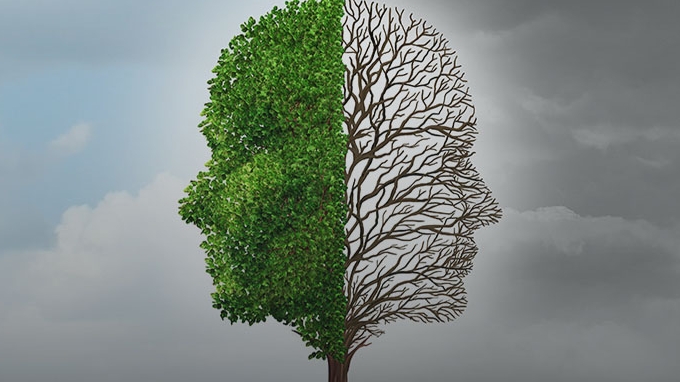
Inclusive growth and issues arising from it

Inclusive growth is defined as economic growth that generates job opportunities and aids in poverty reduction.
It entails poor people having access to basic health and education services. It entails ensuring equal opportunity for all, as well as empowering people through education and skill development.
To reduce poverty quickly and sustainably, people must be able to both contribute to and benefit from economic progress.
Rapid growth is required to eliminate poverty, but it must be broad-based across sectors and inclusive of a large portion of the country’s labor force to be long-term sustainable.According to the UNDP, inclusive growth is “the process and result of all groups of people participating in growth and benefiting equally from it.”
According to the OECD (Organisation for Economic Co-operation and Development), inclusive growth is defined as economic growth that is evenly dispersed across society and generates opportunity for everyone.

Unemployment

Because of illiteracy and over-dependence on agriculture, India’s employment quality and quantity are low.The lack of quality employment is a concern because more than 80% of individuals work in the informal sector and are not covered by social security.According to the NSSO’s Periodic Labour Force Survey (PLFS), the unemployment rate for the urban workforce was 7.8%, while the rural workforce had a rate of 5.3 percent, bringing the total unemployment rate to 6.1 percent.The following factors contribute to sluggish job growth:
°The industry has a low capital utilization °Low initial budget
°Agriculture’s expansion has been slow.
°According to economists, what is being referred to as a “demographic dividend” could turn out to be a moment of crisis defined by high unemployment and social unrest.

Backwardness in Agriculture

Agriculture employs 60% of the Indian population, either directly or indirectly. Agriculture, on the other hand, has a dismal growth rate of only 2%.
Agriculture production must be improved by policymakers and government officials in order to be more inclusive.Lack of access to capital for agriculture and small and medium enterprises, as well as a lack of social protection, have all contributed to underprivileged communities being left out of the growth picture.The following are some of the issues in agriculture:
°A gradual decrease in the employment share
°Land availability per capita is dwindling.
°Labor productivity is low.
°Agriculture yields are declining as a result of climate change, soil degradation, and water scarcity.
°Growth differences between regions and crops.

Social Development Problems:

One of the most important concerns for inclusive growth is social development. However, it has some issues, such as:
Regional, societal, and gender differences are all significant.Public spending, notably in health and education, is at a low level and growing slowly.Children’s malnutrition – India is ranked 102nd in the Global Hunger Index.

Disparities by Region

India’s regional differences are a key source of concern. Factors such as the caste system, the wealth gap, and others contribute to regional inequities, resulting in a society in which certain groups enjoy greater privileges than others.Kerala is the most literate state in the country, with a literacy rate of 93.1 percent; nevertheless, Bihar’s literacy rate is only 63.82 percent.


India is a vibrant nation whose strength lies in its commitment to equal rights and to speech, religious and economic freedoms that enrich the lives of all citizens. India is not only the world’s largest democracy; it is also a secular, pluralistic society committed to inclusive growth.

COCOA TO YOUR MOOD

N kavya

The secret affinity for cocoa which you publicly call Chocolate lover.

Cocoa, the must-do element in our deserts is slowly becoming one of the crops in our country. You can see this in Karnataka, Tamil Nadu, and Kerala. We can see cocoas cultivated as an intercrop for coconut because the coco tree sheds leaves that are converted naturally to organic manure and it helps in better yielding. The area under cocoa cultivation is under the supervision of many chocolate-producing companies, as contract farming areas. The cocoa is a small evergreen tree. The cocoa takes three years to yield. Then we can see it gives yields every three months in a year. After the process of fertilization, we can see the exocarp (outer layer) turning to green color. One week later, the exocarp ripens to a final yellow color indicating that it is ready for the harvesting process. Then, the plantation caretakers break the exocarp of cocoa which is a thick shell, and then remove the cocoa beans. You can see the cocoa beans covered fully with a white pulp so they make sure the beans are sundries as the white pulp drips out in the process. Later, they wash the cocoa beans thoroughly and then sundry beans for five days. Then, we can see the cocoa beans turning from pinkish to golden brown color. The caretakers store the cocoa beans away from sunlight. Then, every two months the respective company that signed the contract visits the plantation and collects the cocoa beans, and pays them accordingly to the market value. Currently, the market value of cocoa beans is rupees 170/per kg. The collectors later process the cocoa beans in the companies and the cocoa beans are granulated into powder-sized fine cocoa powder. Which we use for multiple purposes such as baking, cooking, and even pastry making.

Image Credits- Google

The plantation workers, collectors’ processors, and many other people involved in the process work hard and bring to us the cocoa powder and chocolate flavor that we all love. Cocoa is nutritious and is very easy to add to our diets. It helps maintain blood sugar and improves heart and brain health. It is rich in antioxidants and also promotes a healthy vision. It also has its demerits such as sleeplessness, increased urination, irritability, dehydration, nervousness, and has high-calorie count.

Cocoa also provides the raw material for the multi-billion global chocolate so the major chocolate-producing companies in India such as Amul, Hershey’s, and Cadbury encourage the coconut or areca nut plantation owners to grow the cocoa trees by giving free cocoa tr.ess and also providing the manure needed to the plants. The government also encourages providing subsidies to the farmers because it provides a livelihood for smallholder farmers. At last, cocoa powder, as well all know, is a must-have in any kitchen as it is very much loved by individuals of all age groups and is also a raw ingredient in many easy dishes such as chocolate custard, cake.

Image credits – google
Image credits- Google
Image credits – Google
Image credits- Google

The rising burden of E- waste

E- waste or electronic waste refers to the waste created by discarding the electronic devices which is rather caused due to its end of useful life, high repair cost , outdated technologies etc. which makes it underrated for further use. These waste includes TV, mobile phones, computer/ desktop, electronic items, wires, machineries etc. This is one of the fastest waste generated.

Everyday lakhs and lakhs of e-waste is generated. The country’s e-waste output is growing at over 30 per cent year on year, and stood at over 10 lakh tonnes in 2019-20, according to government data, comparable to about one lakh six-wheeled truckloads of waste.

It is the third largest in volume globally and growing at a rate ten times faster than its plastic waste output.

Mountains of e-waste pile up, which are as much a threat to the environment as they are to the health of their handlers .It proves vulnerable as people are sifting and processing the waste of the privileged without knowing that it could cause them cancer, reproductive disorders, endocrine disruption and other health complications.

Problems:

The most alarming aspect of e-waste is that less than a quarter of it is being processed.It possess hazardous metals and can contaminate soil, air, water, posing significant risk to human health by entering the food chain.

Unsafe disposal of e waste: About 95% of e waste is recycled by informal sectors and scrap developers without knowing the hazardous effect and use of safe handling practice.

Concern : Majority of e waste are imported to developing countries like India, China, Ghana etc from developed countries for recycling purpose.

With advancement in technologies, standard of living people are more inclined towards use of more gadgets, phones and tend to change them more frequently.

Way forward

E waste clinics for proper segregation, processing and disposal of e waste. Effective ways to implement proper and safe handling of waste.

Initiative taken by government includes: Prime Minister Narendra Modi launched the LiFE or Lifestyle for Environment movement in June—a concept that he said is borrowed from the past and focuses on the future.

The right to repair is introduced to reduce the e waste and it’s proper management as it is environmental friendly too. But this also concerns the major industries involved in sector as it could lead to their loss and some technologies can’t be added to existing devices .

What are Sustainable Development Goals explain?

The Sustainable Development Goals (SDGs), also known as the Global Goals, were adopted by the United Nations in 2015 as a universal call to action to end poverty, protect the planet, and ensure that by 2030 all people enjoy peace and prosperity.

The 17 SDGs are integrated—they recognize that action in one area will affect outcomes in others, and that development must balance social, economic and environmental sustainability.

Countries have committed to prioritize progress for those who’re furthest behind. The SDGs are designed to end poverty, hunger, AIDS, and discrimination against women and girls.

The creativity, knowhow, technology and financial resources from all of society is necessary to achieve the SDGs in every context.

1

NO POVERTY

2

ZERO HUNGER

3

GOOD HEALTH AND WELL-BEING

4

QUALITY EDUCATION

5

GENDER EQUALITY

6

CLEAN WATER AND SANITATION

7

AFFORDABLE AND CLEAN ENERGY

8

DECENT WORK AND ECONOMIC GROWTH

9

INDUSTRY, INNOVATION AND INFRASTRUCTURE

10

REDUCED INEQUALITIES

11

SUSTAINABLE CITIES AND COMMUNITIES

12

RESPONSIBLE CONSUMPTION AND PRODUCTION

13

CLIMATE ACTION

14

LIFE BELOW WATER

15

LIFE ON LAND

16

PEACE, JUSTICE AND STRONG INSTITUTIONS

17

PARTNERSHIPS FOR THE GOALS

New Education Policy 2022

 New Education Policy 2022

the central committee of the central government has approved a new education policy some months ago. there are a lot of changes that have been done to the old policy which we were following for the past few years.

What is NEP? NEP is a new education policy that has replaced the old one from 1986. In the new policy, the government has highly focused on primary and vocational education in rural & urban areas. the motive of introducing the new policy is to enhance the quality of education from 2022 onwards.

  • The policy states that now the education will be taught in more regional and mother tongues languages  prefeerd by different states.
  • in place of 10+2 now the 5+3+3+4 system will be applied which includes foundation, preparatory, middle, and secondary.
  • if someone wants to make a teacher then they should possess a four-year bachelor’s degree. 

major changes in NEP 2022:

  • for 3.5.8 grade students are mandatory to attempt the school exam conducted by the appropriate authority.
  •  for admission to higher education institutions, the students need to qualify common entrance exam named NTA.

  • the policy ensures 100 % literacy for youth and adults by 2030.
  • more focus is given to e-learning than textbook reading
  • regulation is expecting light but sticks for higher education.
  • the policy replaced 10+2 with 5+3+3+4.

  • students have an option of choosing the option of higher education.

features of NEP :

  • It has been enacted by the minister of education.
  • from now onwards education will be universal, except for law and medical discipline.
  • the science, commerce, and arts stream will be discontinued.
  • now the student will learn coding from 6 the standard
  • digital learning will be part of all schools.
  • 6% of GDP will spend on executing NEP.

  • Students now can learn Sanskrit if they wish.
  • A special focus will be given to child education.


New Education Policy : Key Highlights.

The Union Cabinet chaired by the Prime Minister have approved the new National Education Policy 2020, making way for large scale, transformational reforms in both school and higher education sectors. This is the first education policy of the 21st century and replaces the 34-year-old National Policy on Education (NPE), 1986.

The New Education Policy 2020 has come up as a in the education sector as it aims at creating an equitable and vibrant knowledge for the society by providing high-quality education to all. Also it encourages to develop a deep sense of respect towards the fundamental rights, duties and Constitutional values, bonding with one’s country, and a conscious awareness of one’s role and responsibilities in a changing world. The New Education Policy believes in instilling skills, values, and dispositions that support responsible commitment to human rights, sustainable development and living, and global well-being, thereby reflecting a truly global citizen.

The key highlights of NEP are.

Early Childhood Care Education

The policy focuses on the importance of providing education to children between the age group of 3-6 years at an early age. The kids in the age group 3-5 years will be provided education through the current set-up of pre-schools and anganwadis, and those between the ages of 5-6 years will be included in the schooling system by 2025.

School Education for All

Aiming to make education from pre-primary level till the 12th grade universally accessible, NEP 2020 is looking to achieve 100% Gross Enrollment Ratio in providing the school education by 2030.
New Curriculum & Pedagogical Structure.

The new policy has eliminated the 10+2 education system and replaced it with a more organized 5+3+3+4 structure, that is, 5 years of primary education (for the age group 3-8 years), 3 years of preparatory stage (for the age group 8-11 years), 3 years of middle stage (for the age group 11-14 years), and 4 years of secondary stage (for the age group 14-18 years).

The Flexibility of Choosing Courses

There will be no rigid demarcations between vocational and non-vocational, science and arts, curricular and extra-curricular activities, thus providing equal emphasis on all the subjects and courses. Also, the students will have more choices and flexibility while picking up the subjects they want to study so that their educational path is more focused on their skills and interests.

Emphasis on Mother Tongue & Multilingualism

The policy emphasizes on the inclusion of local language in the curriculum with the medium of instructions in all the schools till at least class 5 (but preferably till 8th standard and beyond) to be either in mother tongue or regional language. Subsequently, foreign languages will be offered as options for students in secondary schools. It also states that Indian Sign Language (ISL) will be standardized across the country.

Assessment System

As per the new policy, though the board examination for 10th and 12th grades will continue to be in place, the structure of the exams will be reformed to make them easier by focusing on core competencies of the students, thus eliminating the need of coaching classes at these stages. Also, the school examinations will be conducted by proper authorities only in grades 3, 5, and 8.

Multidisciplinary Education

The students will be provided with multi-disciplinary holistic education at the undergraduate level to ensure an integrated exposure with multiple entry and exit options. The 3 or 4-year duration undergraduate degree will have exit options (with certifications) during the entire course – a certificate after 1 year, diploma after 2 years and/or a bachelor’s degree after 3 years.

New Education Policy : Key Highlights.

The Union Cabinet chaired by the Prime Minister have approved the new National Education Policy 2020, making way for large scale, transformational reforms in both school and higher education sectors. This is the first education policy of the 21st century and replaces the 34-year-old National Policy on Education (NPE), 1986.

The New Education Policy 2020 has come up as a in the education sector as it aims at creating an equitable and vibrant knowledge for the society by providing high-quality education to all. Also it encourages to develop a deep sense of respect towards the fundamental rights, duties and Constitutional values, bonding with one’s country, and a conscious awareness of one’s role and responsibilities in a changing world. The New Education Policy believes in instilling skills, values, and dispositions that support responsible commitment to human rights, sustainable development and living, and global well-being, thereby reflecting a truly global citizen.

The key highlights of NEP are.

Early Childhood Care Education

The policy focuses on the importance of providing education to children between the age group of 3-6 years at an early age. The kids in the age group 3-5 years will be provided education through the current set-up of pre-schools and anganwadis, and those between the ages of 5-6 years will be included in the schooling system by 2025.

School Education for All

Aiming to make education from pre-primary level till the 12th grade universally accessible, NEP 2020 is looking to achieve 100% Gross Enrollment Ratio in providing the school education by 2030.
New Curriculum & Pedagogical Structure.

The new policy has eliminated the 10+2 education system and replaced it with a more organized 5+3+3+4 structure, that is, 5 years of primary education (for the age group 3-8 years), 3 years of preparatory stage (for the age group 8-11 years), 3 years of middle stage (for the age group 11-14 years), and 4 years of secondary stage (for the age group 14-18 years).

The Flexibility of Choosing Courses

There will be no rigid demarcations between vocational and non-vocational, science and arts, curricular and extra-curricular activities, thus providing equal emphasis on all the subjects and courses. Also, the students will have more choices and flexibility while picking up the subjects they want to study so that their educational path is more focused on their skills and interests.

Emphasis on Mother Tongue & Multilingualism

The policy emphasizes on the inclusion of local language in the curriculum with the medium of instructions in all the schools till at least class 5 (but preferably till 8th standard and beyond) to be either in mother tongue or regional language. Subsequently, foreign languages will be offered as options for students in secondary schools. It also states that Indian Sign Language (ISL) will be standardized across the country.

Assessment System

As per the new policy, though the board examination for 10th and 12th grades will continue to be in place, the structure of the exams will be reformed to make them easier by focusing on core competencies of the students, thus eliminating the need of coaching classes at these stages. Also, the school examinations will be conducted by proper authorities only in grades 3, 5, and 8.

Multidisciplinary Education

The students will be provided with multi-disciplinary holistic education at the undergraduate level to ensure an integrated exposure with multiple entry and exit options. The 3 or 4-year duration undergraduate degree will have exit options (with certifications) during the entire course – a certificate after 1 year, diploma after 2 years and/or a bachelor’s degree after 3 years.

PSYCHOLOGY: DEFINITION, APPLICATION & ITS IMPORTANCE


DEFINITION :
Psychology is the study of mind and behavior. It encompasses the biological influences, social pressures, and environmental factors that affect how people think, act, and feel.
Psychology encompasses in just a brief definition, but topics such as development, personality, thoughts, feelings, emotions, motivations, and social behaviors represent just a portion of what psychology seeks to understand, predict, and explain.

Psychology is a broad and diverse field that encompasses the study of human thought, behavior, development, personality, emotion, motivation, and more. As a result, some different subfields and specialty areas have emerged.
Some of the major areas of research in Psychology are
• Abnormal psychology is the study of abnormal behavior and psychopathology. This specialty area is focused on research and treatment of a variety of mental disorders and is linked to psychotherapy and clinical psychology.
• Biological psychology (biopsychology) studies how biological processes influence the mind and behavior. This area is closely linked to neuroscience and utilizes tools such as MRI and PET scans to look at brain injury or brain abnormalities.
• Developmental psychology is an area that looks at human growth and development over the lifespan including cognitive abilities, morality, social functioning, identity, and other life areas.
• Forensic psychology is an applied field focused on using psychological research and principles in the legal and criminal justice system.
• Industrial-organizational psychology is a field that uses psychological research to enhance work performance and select employees.
• Personality psychology focuses on understanding how personality develops as well as the patterns of thoughts, behaviors, and characteristics that make each individual unique.
• Social psychology focuses on group behavior, social influences on individual behavior, attitudes, prejudice, conformity, aggression, and related topics.
• Clinical psychology is focused on the assessment, diagnosis, and treatment of mental disorders.
• Cognitive psychology is the study of human thought processes including attention, memory, perception, decision-making, problem-solving, and language acquisition.
• Comparative psychology is the branch of psychology concerned with the study of animal behavior.

APPLICATION OF PSYCHOLOGY:
The most obvious application for psychology is in the field of mental health where psychologists use principles, research, and clinical findings to help clients manage and overcome symptoms of mental distress and psychological illness.

IMPORTANCE OF PSYCHOLOGY:
Psychology is both an applied and academic field that benefits both individuals and society as a whole. A large part of psychology is devoted to the diagnosis and treatment of mental health issues.
Some of the ways that psychology contributes to individuals and society include:
• Improving our understanding of why people behave as they do
• Understanding the different factors that can impact the human mind and behavior
• Understanding issues that impact health, daily life, and well-being
• Improving ergonomics to improve product design
• Creating safer and more efficient workspaces
• Helping motivate people to achieve their goals
• Improving productivity

Psychologists seek to understand many different aspects of the human mind and behavior, adding new knowledge to our understanding of how people think as well as developing practical applications that have an important impact on everyday human lives.

Cyber Security

Cyber Security is the practice of identifying the vulnerabilities and threats associated with digital systems and mitigating these risks. The term “cyber” refers to a nickname for an internet-connected computer or any other device that uses a processor, input/output and networking connections. The common threats include: viruses, worms, trojans and malware. A related term is cyber warfare which is the use of cyber tools in warfare to achieve objectives that would not be possible by using physical means such as bombs or missiles. The role of cyber security professionals is to protect critical systems and information. The main goal of cyber security is to prevent hackers from gaining access to information or using nefarious actions that would put the users’ information at risk.cyber security important because the government, military, law enforcement, and private industry use many critical resources that could be negatively affected by cyber attacks. Many of these systems are financial, such as banks, credit cards, ATMs, stock markets and networks. Government agencies use software to manage the US budget system and the military uses software to track troop movement. Because of these vital uses, cyber attacks could cripple important services or even destroy the country’s financial security.In order for companies to operate securely in today’s technological world they need to implement cyber security protections. These protections include firewall protection, anti-virus programs, encryption codes that keep hackers from easily accessing sensitive data and data backup systems in case any security breach occurs that causes damage to systems or information.

A major concern to cyber security is providing more efficient support to better protect against cyber related activities. This means an organization must have the information available to help identify possible threats including understanding what possible methods hackers may use to gain access, and how the organization can prepare for any potential attacks.
Cyber security is a constantly growing area of study and research. Some of the most recent research being done is focused on cyber security in cyber space. The purpose of this paper will be to analyze if a previous study found in 2012 correctly identified computers within an organization as well as their movement throughout the network. There are two main findings that are sought out which were: 1) how computers move across networks (e.g. LAN, WAN, etc.), and 2) how computers might behave in a network. The assumption is that computers within an organization move between locations (e.g., building or branch offices) and they may change their location(s). Also, the behavior of a computer can be tracked as observed (e.g., its IP address changes from one to another, or its Whois information changes from one domain name service provider to another).

Cyber security offers a variety of career paths depending on the level of experience you have and your area of expertise. You can be an analyst/engineer, network administrator, programmer, or data analyst and many more other positions available depending on your area of interest and experience. Some jobs a required while others are possible as long as it relates to your field in the security field such as computer science or finance. If you’re looking for a career that will pay well, then cyber security is the right choice for you because it’s relatively new and will only continue to grow.


“Security used to be an inconvenience sometimes, but now it’s a necessity all the time.”

National Educational Policy

Education is a fundamental requirement for the development of a just and just society and for achieving the full human potential for promoting national development. The whole world is passing through a rapid change in the knowledge landscape.In this context, the New National Policy 2020 was approved by the government of India on July 29, 2020 and approval was also given to change the name of Ministry of Human Resource Development to Ministry of Education. This New Education Policy 2020 will replace the 34 year old National Education Policy 1986.The vision of this New Education Policy 2020 should be to make students proud of being Indian not only in thought but also in behaviour, intellect and action as well as in knowledge, skills, values and thinking, which are important for human rights, sustainable development and be committed to the cause of survival and global well-being, so that they become truly global citizens.Built on the fundamental principles of easy access, equity, quality, affordability, and accountability for all, this New National Policy 2020 is in line with the 3030 Agenda for Sustainable Development.

Principles of the National Education Policy
•Flexibility: It seeks to provide flexibility to the learners to choose their pace of learning and choose their own path as per their talent.
•Multi-disciplinary: To provide holistic education in all fields like science, social science, coding, arts, humanities, sports, etc.
•Ethical and Constitutional Values: It aims to inculcate the values of empathy, respect for others, cleanliness, courtesy, scientific temper, liberty, responsibility, equality and justice. •Sustainable Policy: Formulation of policies based on regular assessment of ground reality. Keeping in mind the rich, diverse, ancient and modern culture and knowledge system and tradition of India.
•Equality and Inclusion: This will be the objective of all educational decisions, ensuring that all students can thrive in the education system.
•Life Skills: Focusing on building life skills such as collaboration, teamwork, communication, resilience, etc.
•Professional Value: All teachers and educators will be recruited through rigorous preparation. Emphasis will be placed on preparedness, continuous professional development, positive work environment & service development.
•Education as a Fundamental Right: Education is a public service and not a commercial activity. It should be available with sufficient quality to all. There must be strong and sustainable investment in a vibrant public education system as well as an ethical human and philanthropic private system.


Education is fundamental for achieving full human. potential, developing an equitable and just society, and promoting national development.

Top 10 medical colleges in India


Medical colleges in India provide medical education. It provides all the various medical courses and they can do training as well. The students can choose their career in the medical if they have a passion to study. There are various medical courses available in the best colleges in India.

1. Kasturba Medical College, Manipal

Kasturba medical college is established in 1953 in Karnataka, India. The colleges were established in a single unit and later became colleges with teaching hospitals.
2. King George’s Medical University
King George’s medical university is located in Lucknow, Uttar Pradesh, India. This is a medical college, and hospital which has 1250 undergraduate students including 280 dental students and 450 postgraduate students. In 2002 the Government of Uttar Pradesh, led by Mayawati of the Bahujan Samaj Party (BSP), granted university status to the college and renamed it Chhatrapati Shahuji Maharaj Medical University (CSMMU), under the Uttar Pradesh Chhatrapati Shahuji Medical University Act, 2002.
3. Maulana Azad Medical College

Maulana Azad medical college is a medical college in New Delhi, India affiliated with the University of Delhi and run by the Delhi government. It is established in 1959 at Bahadur Shah Zafar Marg near Delhi gate.
4. St. John’s medical college

It was established in 1963. St. John’s medical college is situated in Bangalore, India and is a private medical college. The college annually accepts 150 students for the MBBS undergraduate course based on a national entrance exam. It also accepts 100 postgraduate students (80 MD & 20 Diploma) in several medical specialities. The college culfest Autumn Muse is one of the oldest in South India.
5. Madras Medical College

Madras Medical College (MMC) is a public medical college located in Chennai, Tamil Nadu, India. Established on 2 February 1835, it is the third oldest medical college in India, established after the Jawaharlal Institute of Postgraduate Medical Education.
6. Dayanand Medical College

Dr Banarsi Dass Soni, former Captain in the Indian Military Service, conceived the idea in 1934 and started Arya Medical School in a rented building in Civil Lines, Ludhiana. In 1936, the management of the school was handed over to the Arya Samaj, Saban Bazar, Ludhiana, under the aegis of Arya Pratinidhi Sabha, Punjab.
7. Grant Medical College

The Grant Government Medical College, Mumbai, is a public medical college, affiliated with the Maharashtra University of Health Sciences. Founded in 1845, it is one of the oldest institutions teaching medicine in South Asia.
8. JSS Medical College

JSS Medical College (JSSMC) is a medical college based in Mysore, Karnataka, India. The graduate and post-graduate programs of the college are recognized by the Medical Council of India. The courses offered are also recognized by General Medical Council (UK), Sri Lanka Medical Council and WHO. The college has been recognized by the Royal College of Obstetricians. 
9. Armed Forces Medical College

Established in May 1948 as a post-graduate teaching institution after World War II on the recommendation of the BC Roy Committee, remnants of various Indian Army Medical Corps units were amalgamated to create the Armed Forces Medical Services. 
10. University College of Medical Sciences

The University College of Medical Sciences was founded in 1971 by efforts of the Health Minister of Delhi.[2] The Health Ministry proposed to provide medical education to every student who qualified. Even with the presence of two medical colleges in Delhi, MAMC and LHMC, many students were denied the opportunity to study medicine.

ONLINE PLATFORMS FOR LEARNING

BEST ONLINE EDUCATIONAL PLATFORMS

Everyone is searching for jobs and it has become very difficult to get one, so you have to acquire new skills to stand out from the crowd. Getting a platform to learn new skills is difficult. Online platforms are the escape in this scenario.
 

List of online learning platforms-

1) COURSERA – It is a global online platform that offers 3000+ courses to anyone, anywhere, with access to online courses and degrees from well-known universities.

  • courses- 3000+
  • cost- starting from 9 dollars.
  • certificate- yes

Why choose it?

It partners with 250 top universities to bring affordable, job- relevant courses.
It also provides hundreds of free courses .

2) UDEMY- It offers 185,000 online video courses along with extra additions every month.

  • cost- starts from INR449.
  • Certificate- yes but not for all.
  • authorised  institution- no

3) SKILLSHARE- It is a subscription-based online platform that offers around 70 different creative courses.

  • courses- 70+
  • cost- 14 dollar per month
  • certificate-no
  • authorised institution- no

why choose it ?

It provides 7-day free trial for subscriptions.

4) MASTERCLASS- It offers you to learn from the inspiring artists of the world.

  • courses- 100+
  • cost- 1295 INR per annum.
  • certificate- no
  • authorised institution- no

why choose it?

Memberships in MASTERCLASS gives unlimited access to all courses.

5) EdX- It has partnerships with top institutions like Harvard, MIT, Berkeley etc.

  • courses- 3500+
  • cost –
  • certificate- yes
  • Authorised institution – yes

why choose it?

It has bachelor’s as well as master’s degree programmes and also provides 90% financial assistance.

Difference between  E-learning vs live online learning

E-learning                                                                   Live online learning

1) Pre-recorded video lectures.                                              1) live lectures conducted by online tutors.
2) students have to understand the study materials.               2) Tutor guide the students.
3) Students can give test, quizzes any time .                           3) Students have to give test in presence of                                                                                                       tutor.

Tips to choose the best online learning platform-

1) Must have easy interface.
2) Quality lectures.
3) Must have demo lectures.
4) Must have assignments at the end of topic.
5) Must give certificate at the end of course.

Pros and Cons of learning online-

Pros                                                                                                      Cons

1) Easily accessible.                                                                                  1) Distraction.
2) Affordable.                                                                                            2) Isolated environment 
3) Choice of tutors.                                                                                     3) Technology issues
                                                                                                                 

Top 20 IIM in India

 Top 20 IIM in India

What is IIM?

The full form of IIM is Indian institute of Management. This is central government – owned – public business schools for management profession offering undergraduate, postgraduate, doctoral and executive programmes along with some additional courses in the field of business administration.
In India there are many colleges which offer the course of management online as well as offline but IIM has their own recognition if a person study in IIM she or he will getting better job and better offers that the normal one . 

List of top 20 IIM in India 

1. Indian Institute of Management Ahmedabad

2. Indian Institute of Management Calcutta

3. Indian Institute of Management Banglore 

4. Indian Institute of Management Lucknow

5. Indian Institute of Management Indore 

6. Indian Institute of Management Kozhikode

7. Indian Institute of Management Shillong

8. Indian Institute of Management Rohtak

9. Indian Institute of Management Udaipur 

10. Indian Institute of Management Ranchi

11. Indian Institute of Management Raipur 

12. Indian Institute of Management Kashipur 

13. Indian Institute of Management Tiruchirapalli 

 14. Indian Institute of Management Vishakhapatnam 

15. Indian Institute of Management Amritsar 

16. Indian Institute of Management Nagpur 

17. Indian Institute of Management Bodh Gaya

18. Indian Institute of Management Sirmaur 

19. Indian Institute of Management Sambalpur 

20. Indian Institute of Management Jammu

These are the top 20 IIM in India on the basis of NIRF ranking.

Some important points about IIM 

1. These IIMs colleges are known for their high paying placement opportunities in the corporate as well as government sectors.
2. IIM Ahmedabad, IIM Bangalore and IIM Calcutta are among the top 50 institutes for management education in the world .
3. For executive PGP courses , CAT and GMAT scores are accepted for shortlisting of candidates for WAT/ GD and PI rounds . 
4. IIMs are located all across the country and rank the highest in terms of pedagogy, faculty, infrastructure, and training.

Programmes offered by the IIMs in India 

1. MBA ( Master in Business Administration) / PGP ( Post Graduate Programme in Management) 
2. EPGP ( Executive Post Graduate Programme) 
3. IPM ( Integrated Programme in Management) 
4. PGPX 
5. FPM ( Fellow Programme in Management) 
6. Certificate Executive Programmes