Rural Development

 What is Rural Development?

Rural development is a method where you can enhance the quality if life. Now a days rural area is also getting developed but they need more good facilities to upgrade their life.

In rural areas people mainly do agriculture and forestry. It is their main occupation in which they are living their life. But today nature have also changed a lot. People of rural areas also need better and good facilities to upgrade themselves.

Rural development is important not only for the majority of the population residing in rural areas, but also for the overall economic expansion of the nation.

Rural development is considered to be of noticeable importance in the country today than in the olden days in the process of the evolution of the nation. It is a strategy that tries to obtain an improved  and productivity, higher socio-economic equality and ambition, and stability in social and economic development.

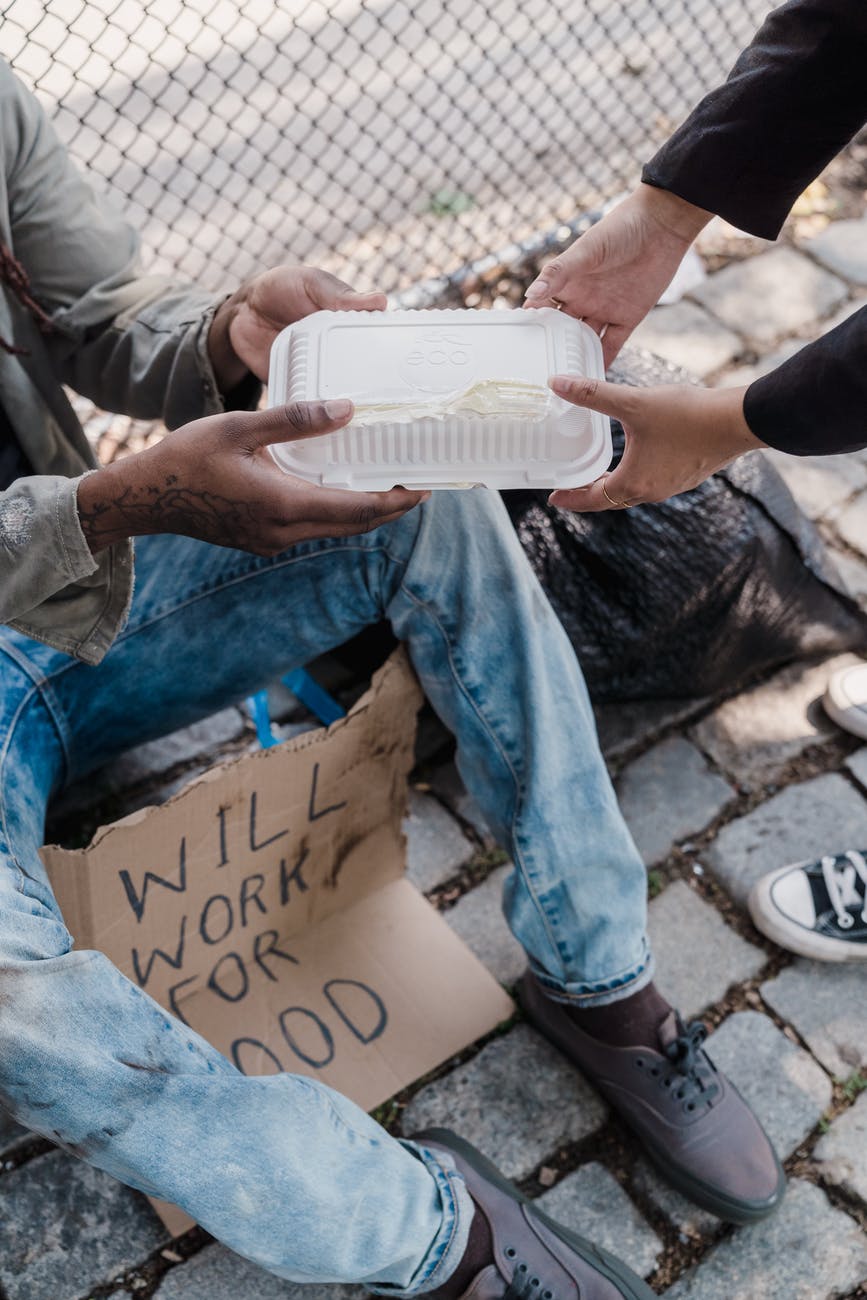
The primary task is to decrease the famine that exists in roughly about 70 percent of the rural population, and to make sufficient and healthy food available.

The secondary task is to ensure the availability of clothing and footwear, a clean environment and house, medical attention, recreational provision, education, transport, and communication.

SDG 2 : Zero Hunger.

In 2012, at the United Nations (UN) Conferences on Sustainable Development in Rio de Janeiro, Brazil, world representatives created the Sustainable Development Goals (SDGs). The purpose of creating SDGs was to produce a set of universal goals that meet the urgent environmental, political and economic challenges facing our world, according to the UN Development Programme. There are 17 SDGs that the UN hopes to meet by 2030, the second of which is Zero Hunger. More than 800 million people around the world are hungry. The United Nations’s second Sustainable Development Goal, Zero Hunger, aims to end world hunger by 2030.

Hunger is not caused by food shortage alone, but by a combination of natural, social, and political forces. Currently, natural resources that are necessary for human survival—like freshwater, the ocean, forests, soils, and more—are dwindling. Climate change is contributing to the degradation of precious resources, as severe weather events, like droughts, become more common and affect harvests, leading to less food for human consumption. Poverty and inequality are also two drivers of hunger, affecting who can buy food, as well as what kind of food, and how much, is available. Hunger is also a product of war and conflict. During periods of unrest, a country’s economy and infrastructure can become severely damaged. This negatively affects civilian access to food by either driving up food prices, interfering with food production, or forcing people from their homes. Some governments and military groups have even used starvation as a war tactic, cutting off civilians from their food supply. In 2018, the UN declared this tactic a war crime.

The total number of persons suffering from severe food insecurity has been on the rise since 2015, and there are still millions of malnourished children. The economic slowdown and the disruption of food value chains caused by the pandemic are exacerbating hunger and food insecurity. In addition, the upsurge in desert locusts remains alarming in East Africa and Yemen, where 35 million persons already experience acute food insecurity. Owing to the pandemic, some 370 million schoolchildren are missing the free school meals that they rely on. Measures to strengthen food production and distribution systems must be taken immediately to mitigate and minimize the impacts of the pandemic.

The world is not on track to achieve Zero Hunger by 2030. If recent trends continue, the number of people affected by hunger would surpass 840 million by 2030. According to the World Food Programme, 135 million suffer from acute hunger largely due to man-made conflicts, climate change and economic downturns. The COVID-19 pandemic could now double that number, putting an additional 130 million people at risk of suffering acute hunger by the end of 2020.

SDG 2 : Zero Hunger.

In 2012, at the United Nations (UN) Conferences on Sustainable Development in Rio de Janeiro, Brazil, world representatives created the Sustainable Development Goals (SDGs). The purpose of creating SDGs was to produce a set of universal goals that meet the urgent environmental, political and economic challenges facing our world, according to the UN Development Programme. There are 17 SDGs that the UN hopes to meet by 2030, the second of which is Zero Hunger. More than 800 million people around the world are hungry. The United Nations’s second Sustainable Development Goal, Zero Hunger, aims to end world hunger by 2030.

Hunger is not caused by food shortage alone, but by a combination of natural, social, and political forces. Currently, natural resources that are necessary for human survival—like freshwater, the ocean, forests, soils, and more—are dwindling. Climate change is contributing to the degradation of precious resources, as severe weather events, like droughts, become more common and affect harvests, leading to less food for human consumption. Poverty and inequality are also two drivers of hunger, affecting who can buy food, as well as what kind of food, and how much, is available. Hunger is also a product of war and conflict. During periods of unrest, a country’s economy and infrastructure can become severely damaged. This negatively affects civilian access to food by either driving up food prices, interfering with food production, or forcing people from their homes. Some governments and military groups have even used starvation as a war tactic, cutting off civilians from their food supply. In 2018, the UN declared this tactic a war crime.

The total number of persons suffering from severe food insecurity has been on the rise since 2015, and there are still millions of malnourished children. The economic slowdown and the disruption of food value chains caused by the pandemic are exacerbating hunger and food insecurity. In addition, the upsurge in desert locusts remains alarming in East Africa and Yemen, where 35 million persons already experience acute food insecurity. Owing to the pandemic, some 370 million schoolchildren are missing the free school meals that they rely on. Measures to strengthen food production and distribution systems must be taken immediately to mitigate and minimize the impacts of the pandemic.

The world is not on track to achieve Zero Hunger by 2030. If recent trends continue, the number of people affected by hunger would surpass 840 million by 2030. According to the World Food Programme, 135 million suffer from acute hunger largely due to man-made conflicts, climate change and economic downturns. The COVID-19 pandemic could now double that number, putting an additional 130 million people at risk of suffering acute hunger by the end of 2020.

New Education Policy 2022

 New Education Policy (NEP) 2022

New education policy (NEP) 2022 is a policy in which all the education systems have been taken to a new and good quality level. With this policy, you will get all the world-class education in which you will make your career better.

In 2022 new education policy system they have three language formulas and a 5+3+3+4 strategy.

Some of the points in which you will get to know more about policy:-

* They will have the three language formulas i.e regional language, Hindi and English.

* They have changed the 10+2 strategy and instead of that now they have 5+3+3+4. Students will have various stages. They are

5 – Foundational stage

3 – Preparatory stage

3 – Middle stage

4 – Secondary stage

* They have mainly aimed at vocational education as a new education policy which will aim the students to know their regional language, mother tongue till 5 the years.

* Till class 5 they will only have their local language and in school and higher education, they will include the Sanskrit subject. 

* To learn the students the regional language easily they will get their instruction in that regional language instead of English till class 5.

* Master’s degree will be longer required.

* The policy wants that all the students get quality and equitable education in India in the gas group of 3 – 18 years.


Foundational stage (5)

The foundational stage will be the first 5 years of a child’s schooling. After 3 years the education the children will go to Anganwadi, kidzee and the nursery’s play school.

For the next 2 years, the children will develop their basic knowledge, activity-based learning

Preparatory stage (3)

The next preparatory stage will start from 8 – 11 years in which the children will learn basic literacy and numeracy skills that will help students to know more about the various subjects.

Middle stage (3)

The middle stage will compromise 11 – 14 years in which they will learn academic skills like reading, writing and language competencies. They will also develop their teamwork, and problem-solving.

Secondary stage (4)

In this last stage, they will be 14 – 18 years of age. During this stage, the students will learn all the basic subjects like Social science, Mathematics, Science, and English and they get the opportunity to learn various elective subjects. The secondary stage aim is to provide students with the skills and the knowledge they need to prepare for further education.

In this new education policy 2022, they aim to provide all the students get a world-class education and they can gain the knowledge of various things which will help to make their life better.


Online Banking

 Online Banking

Online banking means accessing your bank account online and carrying out financial transactions through the internet on your smartphone, tablet, or computer. It’s quick, usually free, and allows you to do tasks, such as paying bills and transferring money, without having to visit or call your bank. Many banks have free apps which let you use these services on your phone at any time. 

Facilities offered by Online Banking

  • You can check your bank balance at any time
  • You can pay your bills and transfer money to other accounts
  • You can check any linked mortgages, loans, savings accounts or ISAs
  • You can check your bank statements and go paperless 
  • You can set up or cancel Direct Debits and standing orders
  • You can check on any investments you might have that are linked to your account.

Security in Online Banking

Banks take lots of precautions to make sure your online account is safe. These include encrypted websites, timed logouts, and many authentication processes. Accessing your bank account online is generally safe. You should learn how to use online banking safely to secure your account.

Here are a few tips to keep your account safe:

  • Check your statement often and report any unusual activity to your bank.
  • Don’t reply to emails that claim to be from your bank that ask for personal details or passwords.
  • Always remember to log out of your online banking session.
  • Only use secure wi-fi connections to access your bank account.
  • Public wi-fi connections are often not secure, so it’s important not to use them for banking or to make purchases. 
  • Keep your operating system and anti-virus software up to date.
  • If you notice anything strange on your account, or you accidentally make a payment to the wrong account, get in touch with your bank as soon as possible.
  • Some banks offer instant card freezing, where you can block your card in your app without having to call or visit a branch. 
  • Choose your password carefully – create it by combining three random words and don’t re-use the same one for different accounts.


You can easily set up online banking with the help of instructions provided by your bank or you can contact them to take help with using the online banking services.

What is new National Education Policy and the changes in the education system of India

 What is new National Education Policy ( NEP) 2022?

The National Education Policy ( NEP ) 2022 is a policy document released by the government of India on 29th July 2020.
As education is important sector for the country’s  development, Government must be focus on education sector of the country. Due to the importance of education, government make many changes to improve this sector and for providing better education to the people of India.
It generally focuses on the students individual needs. It aims to provide them with access to world class education. It also make sure that the students don’t have must stress regarding to their studies as we all know that day by day students get depressed because of not clearing their exams so government also put their efforts to make the education system more flexible and adaptive.
The new national policy lays down objectives for improving the quality of the education system. The policy aims at creating a ” Global Knowledge Superpower” in the field of education. The policy also makes it mandatory for schools and colleges to make their curriculum flexible and holistic.

It changes many things in the education system of India as this initiative is taken by looking the perspective of students, teachers , parents , education experts , and civil society organizations.

New Education Policy ( NEP ) important points .

The New Education Policy aims to give quality education to all the people of India whether they belong to the lower caste or upper caste. Government make education affordable to all the students.
Some are the important points of New Education Policy – 
1. The policy aims to provide quality and adaptive education to all the children in the age between 3- 18 years .
2. Students can choose different subjects while studying in college and inhance their skills .
3. Students will now be checked on their ability to apply concept to solving real problems and giving better decisions rather than on how well they remember things from books. 
4. Now student will focus on studying 3 language in the school premises 1. Regional 2. Hindi 3. English.
5. To make it easier for students to learn regional languages, instruction in the first five grades will be taught in those languages instead of English.
6. Policy focuses on using different technologies to make study more accessible as now everything you will get online without a doubt.
7. Now education is given in same quality whether the students belong to urban area or rural area they will get the same quality of  education.
8. The policy propose several measures to improve the quality of teaching, such as mandatory teacher eligibility tests, teacher professional development programmes , and teacher education programmes at the elementary, secondary and tertiary levels.
9. This policy introduce a new 5+3+3+4 education structure, which moves away from the current 10+2 system.
10. It aims to increase the Gross Enrollment Ratio in higher education to 50 percentage by 2035.
11. The Government has announced that all higher education institutes will be governed by a single regulator, except the Medical and Law colleges .
12. The policy proposes to set up a National Higher Education Regulatory Council to oversee the regulation of higher education institutions.


Quality Education- Part of Sustainable Development Goal

Quality Education- Part of Sustainable Development Goal


Sustainable development goals are actions to create a just, fair, and equitable world ensuring no one is left behind. In 2015, all member states of the United Nations adopted the 2030 Agenda for Sustainable Development. This agenda is comprised of 17 sustainable development goals (SDGs) that provide a shared blueprint for a more peaceful, prosperous, and sustainable future for all.

Quality education

Ensure inclusive and equitable quality education and promote lifelong learning opportunities for all. Education is a key to escaping poverty. Over the past decade, major progress was made towards increasing access to education and school enrolment rates at all levels, particularly for girls.

More than half of all children and adolescents worldwide are not meeting minimum proficiency standards in reading and mathematics. In 2020, as the COVID-19 pandemic spread across the globe, a majority of countries announced the temporary closure of schools, which affect the education of children worldwide.

The covid-19 has created a great education crisis. Most education systems in the world have been affected by education disruptions and have faced unprecedented challenges. School closures brought on by the pandemic have a great effect on children’s learning and well-being. It is estimated that 147 million children missed more than half of their in-class instruction over the past two years. This generation of children could lose a combined total of $17 trillion in lifetime earnings at present value. School closures have affected girls, children from disadvantaged backgrounds, those living in rural areas, children with disabilities, and children from ethnic minorities more than their peers.

Early indications from low-income countries based on phone surveys point to a small decline in attendance upon a return to school but a larger increase in repetition, which may increase dropout rates in coming years. The participation rate in organized learning one year before the official primary entry age rose steadily in the years before the COVID-19 pandemic, from 69 percent in 2010 to 75 percent in 2020. In most countries, early education facilities and schools were partially or fully closed for more than a full school year.

Insufficient skills are often mentioned as an impediment to effective information and communications technology use. Only 10 percent of countries could more than 70 percent of individuals carry out one of the activities that compose basic skills.

Gender inequalities remain for many indicators. Basic school infrastructure is far from universal. In 2020, approximately one-quarter of primary schools globally did not have access to basic services such as electricity, drinking water, and basic sanitation facilities.

Shares among least developed countries tend to be substantially lower. During the pandemic, schools in comparatively disadvantaged areas were less equipped to keep children and staff safe. In 2020, there were about 12 million pre-primary school teachers, 33 million primary school teachers, and 38 million secondary school teachers working in classrooms around the world, and 83 percent of primary and secondary school teachers were trained.

Thus, this sustainable goal aims to improve the education facility worldwide and provide good quality education which can lead to removing poverty.