

What is nutrition?
Provision to cells and organisms to support life. Nutrition is the science that interprets the interaction of nutrients and other substances in food in relation to maintenance, growth, reproduction, health and disease of an organism.
Nutrition is a critical part of health and development. Better nutrition is related to improved infant, child and maternal health, stronger immune systems, safer pre
Healthy children learn better. People with adequate nutrition are more productive and can create opportunities to gradually break the cycles of poverty and hunger.
Malnutrition, in every form, presents significant threats to human health. Today the world faces a double burden of malnutrition that includes both undernutrition and overweight, especially in low- and middle-income countries.
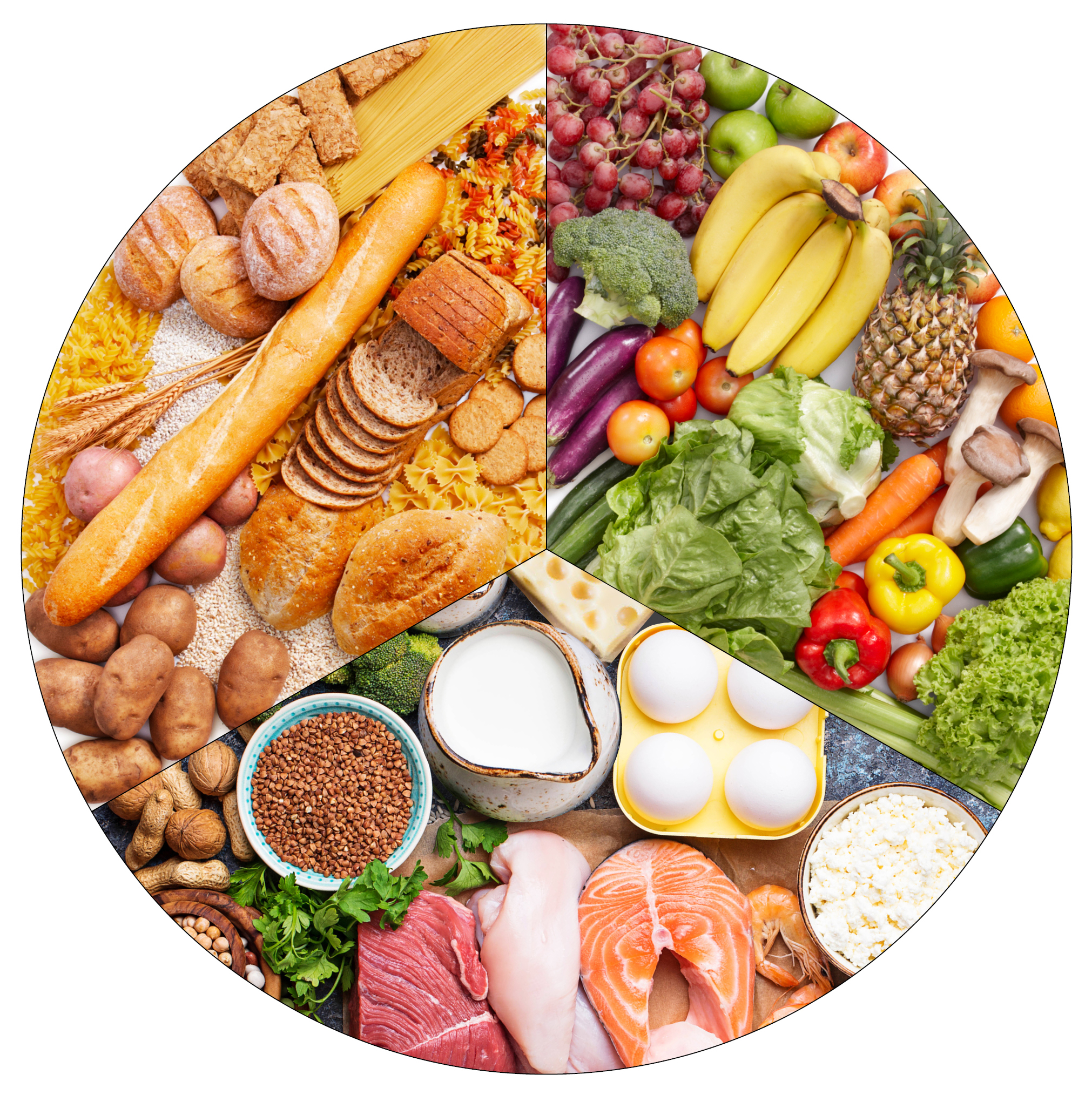
Types of Nutrition
Broadly, there are two types of nutrition among living organisms, namely:
• Autotrophic mode
• Heterotrophic mode
Autotrophic Nutrition
In the autotrophic mode, organisms use simple inorganic matters like water and carbon dioxide in the presence of light and chlorophyll to synthesize food on their own. In other words, the process of photosynthesis is used to convert light energy into food such as glucose. Such organisms are called autotrophs. Plants, algae, and bacteria (cyanobacteria) are some examples where autotrophic nutrition is observed.
During photosynthesis, carbon dioxide and water get converted into carbohydrates. These carbohydrates are stored in the form of starch in plants. Plants later derive the energy required from the stored starch.
In plants, stomata are the openings on leaves where gaseous exchange takes place and is regulated by guard cells. Plants take in and release gases through these stomatal pores.
In desert-like habitats, to avoid water loss, guard cells keep these pores closed during the daytime. Later, during the night time, stomata will be opened to absorb carbon dioxide and store in the vacuoles. During the daytime, they will use this stored carbon dioxide to perform photosynthesis.
Other than photosynthesis, plants also depend on soil for micro and macro elements. These elements are used to synthesize proteins and other essential compounds required for the proper functioning and growth of the plants.
Heterotrophic Nutrition
Every organism is not capable of preparing food on its own. Such organisms depend on others for their nutrition. The organisms which cannot produce food on their own and depend on other sources/organisms are called heterotrophs. This mode of nutrition is known as heterotrophic nutrition.
Fungi and all the animals including humans are heterotrophs. Heterotrophs can be of many varieties depending upon their environment and adaptations. Some may eat plants (herbivores) and others eat animals (carnivores) while few eat both (omnivores). Thus we can say survival of heterotrophs depends directly or indirectly on plants.
Heterotrophs are classified into different categories based on their mode of nutrition. They are:
• Parasites (e.g. leeches, ticks)
• Saprophytes (e.g. mushrooms)
• Holozoic (e.g. humans, dogs)

 Eduindex
You must be logged in to post a comment.