World population hits 8 billion.

The world population surged past 8 billion people on Tuesday, the United Nations said, warning that more hardship is in store for regions already facing resource scarcity due to climate change.

Whether its food or water, batteries or gasoline, there will be less to go around as the global population adds another 2.4 billion people by the 2080s, according to U.N. projections.

Resource pressure will be especially daunting in African nations, where populations are expected to boom, experts say. These are also among the countries most vulnerable to climate impacts, and most in need of climate finance.

In sub-Saharan Africa, where some 738 million people already live without adequate food supplies, the population is projected to jump by 95% by mid-century, according to the Institute for Economics and Peace. The think tank warned in an October report that much of sub-Saharan Africa will be unsustainable by mid-century.

Globally, the 8 billion population milestone represents 1 billion people added to the planet in just the last 11 years.

Reaching 8 billion people is“a sign of human success, but it’s also a great risk for our future,” said John Wilmoth, director of the U.N.’s population division.

Middle-income countries, mostly in Asia, accounted for most of that growth, gaining some 700 million people since 2011. India added about 180 million people, and is set to surpass China as the world’s most populous nation next year.

However, births have been steadily declining in the United States, Europe, and Japan. China, too, has struggled with the legacy of its One Child Policy program and last year urged families to have a second and even third child as it also limited access to non-medical abortions.

World population hits 8 billion.

The world population surged past 8 billion people on Tuesday, the United Nations said, warning that more hardship is in store for regions already facing resource scarcity due to climate change.

Whether its food or water, batteries or gasoline, there will be less to go around as the global population adds another 2.4 billion people by the 2080s, according to U.N. projections.

Resource pressure will be especially daunting in African nations, where populations are expected to boom, experts say. These are also among the countries most vulnerable to climate impacts, and most in need of climate finance.

In sub-Saharan Africa, where some 738 million people already live without adequate food supplies, the population is projected to jump by 95% by mid-century, according to the Institute for Economics and Peace. The think tank warned in an October report that much of sub-Saharan Africa will be unsustainable by mid-century.

Globally, the 8 billion population milestone represents 1 billion people added to the planet in just the last 11 years.

Reaching 8 billion people is“a sign of human success, but it’s also a great risk for our future,” said John Wilmoth, director of the U.N.’s population division.

Middle-income countries, mostly in Asia, accounted for most of that growth, gaining some 700 million people since 2011. India added about 180 million people, and is set to surpass China as the world’s most populous nation next year.

However, births have been steadily declining in the United States, Europe, and Japan. China, too, has struggled with the legacy of its One Child Policy program and last year urged families to have a second and even third child as it also limited access to non-medical abortions.

INTERNATIONAL ANIMAL RIGHTS DAY

Every year on December 10, International Animal Rights Day, we honor the rights of our four-legged friends. The event is celebrated alongside Human Rights Day, as it should be, because animals have the right to be treated with respect, and brutality against them must end just as much as it does against humans.

HISTORY OF INTERNATIONAL ANIMAL RIGHTS DAY

Man has been killing and mistreating animals for selfish gain for hundreds of years. The rationale that it is done out of need has been pushed, whether it is in the exploitation of meat or animal fur for fashion and art.

On December 10, 1948, the United Nations adopted the Universal Declaration of Human Rights in response to Nazi Germany’s torturing of people in concentration camps during World War II. Following this, groups, clubs, and individuals from all over the world began asking that this proclamation be extended to the animal realm and that December 10 be designated as a day to advocate for animal rights. The term “speciesism” was coined in 1970, 22 years after the United Nations passed its historic proclamation, to explore and stimulate dialogue on the discrimination against sentient beings based on their species.

The notion that animals are inferior and exist solely to meet the needs and desires of people is an illogical prejudice towards them. Animals suffer just as much, if not more than some sectors of the human race as a result of sexism and racism because they cannot protect themselves.

Even though this word was coined, it wasn’t until 1998 that an official statement on animal rights was issued. Uncaged, an animal advocacy organization, established International Animal Rights Day to bring attention to all forms of animal violence. Because animals cannot protest, vote, or campaign for their protection, the founders of this day argued that it is the responsibility of people to do so for them. The date of December 10 was purposefully chosen so that International Animal Rights Day coincides with Human Rights Day. Since then, events, demonstrations, and fundraisers have been conducted around the world to expose the realities of animal abuse and exploitation, which have often been reported by traditional media.

SIGNIFICANCE OF ANIMAL RIGHTS DAY 

Most people recognize that animals may experience pain. Many people believe that animals can experience and perceive emotions. For these reasons, it is critical to recognize that animals, like humans, have rights. Activists think that humans should do all possible to protect animal rights, including:


1) Instead of thinking of animals as human property, consider their companion animals rather than pets.

2) Avoid all animal products, including meat, leather, milk, wool, and silk.

3) Stop using animals in experiments.

4) Stop utilizing animals for entertainment and sporting events like rodeo, greyhound racing, and horseracing, employing them in movies and circuses, and displaying marine animals.

5) Humans should not hunt, fish, or wear fur, according to animal rights campaigners.

HOW TO OBSERVE ANIMAL RIGHTS DAY 

This day is marked by candlelight vigils held by animal lovers all across the world. This is to highlight the Universal Declaration of Animal Rights. According to this declaration, animal rights are a logical continuation of basic human rights. PETA (People for the Ethical Treatment of Animals) encourages people to observe this day by not eating animals. They also promote the adoption of a vegan lifestyle. According to PETA, this will save 100 animals every year. 

COST OF ORGANS

Organ donation is the process by which a person willingly donates a body organ to another person. It is also the process of allowing the removal of one’s organ for transplantation into another person. Furthermore, organ donation can legally occur with the donor’s consent while he is still alive. Organ donation can also take place with the consent of a deceased person’s next of kin. Because of advances in medical science, there has been a significant increase in organ donations. First and foremost, India uses an opt-in system for organ donation. Furthermore, anyone wishing to donate an organ must complete a mandatory form. Notably, this form is available on the website of the Government of India’s Ministry of Health and Family Welfare. Furthermore, the Transplantation of Human Organs Act of 1994 governs organ donation in India.

The demand for organ donation in the United States is increasing rapidly. Furthermore, the number of organ donors in the United States has increased significantly. Most importantly, in the United States, organ donation is only permitted with the consent of the donor or their family. Nonetheless, many organisations are advocating for opt-out organ donation. Organ donation is regulated by the member states within the European Union. Furthermore, many European countries have some kind of opt-out system in place. Furthermore, Austria, Spain, and Belgium have the most prominent opt-out systems. In England, no consent is assumed, and organ donation is entirely voluntary.

Argentina has a high level of awareness regarding organ donation. Most notably, Argentina’s Congress passed an opt-out organ donation policy. Furthermore, unless they or their family express a preference, everyone over the age of 18 will be a donor. However, Congress passed another law in 2018. The family requirement was eliminated by the new law. To begin with, organ donation is extremely beneficial to the grieving process. Furthermore, many donor families find solace and comfort in organ donation. This is because they recognise that their loved one has helped save the lives of others. Most importantly, a single donor can help save up to eight lives.

Many people’s lives can be improved by organ donation. A blind person may be able to see again after receiving an eye transplant. Similarly, donating organs could mean relieving others’ depression and pain. Most importantly, organ donation could eliminate the need for costly routine treatments.

Organ donation is extremely beneficial to medical research. Donated organs are an excellent resource for scientific research and experimentation. Furthermore, many medical students will benefit greatly from these organs. Most importantly, beneficial medical discoveries may result from organ donation. Donations of organs would also help the field of biotechnology.

To summarise, organ donation is a noble act. Furthermore, it demonstrates an individual’s contribution even after death. Most importantly, organ donation has the potential to save many lives. People must be made acutely aware of the importance of organ donation.

BROADENING OF LINE BETWEEN RICH AND POOR

The disparity between the rich and the poor is a major issue in India. It has been on the main agenda of most of the country’s major political parties, and it is still on the agenda, but there has not been much progress in this regard, even though the government and some NGOs are actively participating in activities that are very beneficial to the poor people’s status. In economic terms, the poor have less purchasing power, whereas the rich have more purchasing power. Poverty is one of the major impediments to the Indian economy. Poor people mostly live in villages and cities in search of work.

The government has made numerous attempts to close this gap, including plans that were part of five-year plans and excellent concepts from highly educated individuals, but due to corruption, they were not implemented as effectively as they could have been, and as a result, it is taking so long. Economic inequity: Because they cannot afford higher education, people in this class rely on their physical strength to earn a living, and they typically work in factories or other organisations. Their earnings and purchasing power are extremely low, and they are true victims of inflation. They become ill due to a lack of education and awareness about these issues, either because they truly avoid the health aspects of life or because they cannot afford the good stuff and quality foods. Only money is not the problem even though the Indian government is spending so much money on the poor’s and there are schemes like the Employment guarantee scheme under which they get a guarantee of having 100 days of work with the best wages available and rice and other food commodities are available in very low cost for people who comes in below poverty line. So money is not the problem and even policies which provide money will not be sufficient to solve this problem permanently. What is missing is motivation people in the low class are not motivated they are not able to maintain the label of motivation because they don’t have a clear goal defined for their goal there thinking is biased by their financial position. 

POPULATION AND AUTOMATION

The concept of automation, and the analysis of it using task-based models, leads to some general rules that appear to govern the interaction of machines and workers. Here are six fundamental tendencies in the operation of automation and its interaction with human labour that aid in assessment:

Labour is being replaced by automation.

If a machine can perform a task that humans currently perform, it will do so with greater precision, speed, and at a lower cost—but such substitution has limitations.

Machines replace tasks, not jobs.

A job is a collection of tasks, and even in the most extreme scenarios, machines are unlikely to replace all tasks in any one occupation.

Automation has the potential to increase demand and thus create jobs.

Automation-driven cost and quality improvements can boost demand to the point where any job losses are offset.

The addition of capital and labour promotes innovation.

When machines perform routine, time-consuming tasks, human capacity is freed up to develop new products and tasks.

Technology possibility is not the same as technological reality.

There are numerous reasons why technological adoption falls short of potential, so equating technological potential with likely projected outcomes is a mistake.

Workplace activity that isn’t taken over by automation is complemented by it, increasing the value of the remaining human tasks.

MIT economist David Autor offers a simplified framework for calculating the net impact of automation on employment and wages. He emphasises three primary dynamics in it:

What technology does not replace, it enhances.

Workers who perform tasks that machines can perform are more likely to benefit from automation than workers who perform tasks that machines can complete.

Wages will be determined by how easily in-demand roles can be filled.

Wage gains for remaining human-completed tasks will be greater as entry barriers (e.g., education, training, certification) rise.

The number of jobs in an industry will be determined by the complex interaction of price, quality, and wealth changes caused by automation.

In the AI era, almost no occupation will be unaffected by technological change. Office administration, production, transportation, and food preparation are among the most vulnerable occupations. Such jobs are considered “high risk,” with more than 70% of their tasks potentially automatable. All of these activities involve either routine, physical labour or information collection and processing.

However, “high-risk” jobs account for only one-quarter of all jobs. The remaining, more secure jobs cover a broader range of occupations, from highly educated professional and technical roles to low-paying personal care and domestic service work characterised by non-routine or abstract activities and social and emotional intelligence. 

Automation will occur everywhere, but the extent of its impact will vary depending on the local industry, task, and skill mix. Smaller, more rural communities appear to be significantly more vulnerable to the automation of current-task content than larger ones. This relationship holds true when comparing metropolitan areas to rural areas as well as metros of varying sizes. Workers’ educational attainment will be critical in the country’s 100 largest metros.

The labour market is sharply segmented by educational attainment, gender, age, and racial-ethnic identity, ensuring that some demographic groups will bear a greater burden of adjusting to the AI era than others. The likely divisions are obvious: Men, youth, and less educated workers, as well as underrepresented groups, appear to be particularly vulnerable to automation in the coming years. Young workers and Hispanics will be particularly vulnerable.

TECHNOLOGICAL ADVANCEMENTS: FUTURE POSSIBILITIES

Technology is evolving at a rapid pace today, allowing for faster change and progress, causing the rate of change to accelerate. However, it is not only technology trends and emerging technologies that are evolving; much more has changed this year as a result of the outbreak of COVID-19, making IT professionals realise that their role in the contactless world will not remain the same tomorrow. In 2023-24, an IT professional will be constantly learning, unlearning, and relearning (out of necessity if not desire). Natural language processing and machine learning advancements will make artificial intelligence more prevalent in 2023. Using this technology, artificial intelligence can better understand us and perform more complex tasks. It is predicted that 5G will change the way we live and work in the future.

What does this have to do with you? It entails keeping up with emerging technologies and the most recent technological trends. It also entails keeping an eye on the future to determine which skills you’ll need to know to secure a secure job tomorrow, as well as learning how to get there. Because of the worldwide pandemic, the majority of the global IT population is sitting back and working from home.

1. Computing Power

Computing power has already cemented its position in the digital era, with nearly every device and appliance computerised. And it’s here to stay, as data science experts predict that the computing infrastructure we’re currently constructing will only improve in the coming years. At the same time, we have 5G; prepare for a 6G era with more power in our hands and devices all around us. Even better, computing power is generating more tech jobs in the industry, but candidates will need to acquire specialised qualifications. This field will power the majority of employment in every country, from data science to robotics and IT management.

The more computing power our devices require, the more technicians, IT teams, and relationship managers will be needed, and the customer care economy will thrive.

RPA, or Robotic Process Automation, is an important branch of this field that you can learn today. RPA is all about computing and automation software at Simplilearn, and it can train you for a high-paying role in the IT industry. Here are some of the top jobs you can pursue after RPA:

AI Engineer Robotics Researcher AI Architect Robotics Designer AI Data Scientist

2. Artificial Intelligence

Artificial intelligence has been critical in making our world smarter and more efficient. It is not just simulating humans, but also going above and beyond to make our lives easier. These smarter devices will be around in 2023 and beyond, as data scientists work on AI home robots, appliances, work devices, wearables, and much more! Almost every job requires smart software applications to make our work lives easier. Smarter devices are another addition to the IT industry that is in high demand as more businesses transition to digital spaces. Nowadays, almost every higher-level job requires good IT and automation skills to thrive.

3. Datafication 

Ratification is simply the transformation of everything in our lives into data-powered devices or software. In a nutshell, Datafication is the transformation of human chores and tasks into data-driven technology. Data is here to stay for longer than we can remember, from our smartphones, industrial machines, and office applications to AI-powered appliances and everything else! As a result, keeping our data stored correctly, securely, and safely has become a high-demand specialisation in our economy.

Datafication increases the demand for IT professionals, data scientists, engineers, technicians, managers, and many other positions. Even better, anyone with a solid understanding of technology can pursue certification in data-related specialisations to find work in this field.

4. AI and Machine learning 

Artificial intelligence, or AI, has received a lot of attention over the last decade, but it remains one of the new technology trends because its significant effects on how we live, work, and play are still in their early stages. AI is already well-known for its superiority in image and speech recognition, navigation apps, smartphone personal assistants, ride-sharing apps, and a variety of other applications.

Aside from that, AI will be used to analyse interactions to determine underlying connections and insights, to help predict demand for services such as hospitals, allowing authorities to make better resource utilisation decisions, and to detect changing patterns of customer behaviour by analysing data in near real-time, driving revenues and enhancing personalised experiences.

By 2025, the AI market will be worth $190 billion, with global spending on cognitive and AI systems exceeding $57 billion in 2023. As AI spreads across industries, new jobs will be created in areas such as development, programming, testing, support, and maintenance, to name a few. Machine Learning, a subset of AI, is also being used in a wide range of industries, resulting in high demand for skilled professionals. According to Forrester, AI, machine learning, and automation will create 9% of new jobs in the United States by 2025, including robot monitoring professionals, data scientists, automation specialists, and content curators, making it yet another new technology trend to keep an eye on!

With people being accommodated and tangled with devices and technologies, confidence and trust in digital technologies have grown. This familiar digital trust is another important trend that will lead to more innovations. People who have digital conviction believe that technology can create a secure, safe, and reliable digital world and assist businesses in inventing and innovating without fear of losing the public’s trust.

Cybersecurity and ethical hacking are two major specialisations you can pursue to make the digital world a safer place. There are a variety of jobs available in these two industries, ranging from junior to senior levels. Professional certifications may be required for ethical hacking, whereas a diploma or even a master’s degree is sufficient for a high-paying job in cybersecurity.


CHILD LABOUR

You may have heard the term “child labour” in the news or in the movies. It is a crime in which children are forced to work for the average age a child to be considered suitable for work is fifteen years or older. Children under this age will not be permitted to engage in any type of forced labour. Why is this the case? Because child labour denies children the right to a normal childhood, a proper education, and physical and mental well-being. It is illegal in some countries, but it is still a long way from being completely eradicated.m a young age. It’s like expecting children to take on responsibilities like working and providing for themselves. Certain policies have placed restrictions and limitations on children working. Child labour occurs for a variety of reasons. While some of the reasons may be universal in some countries, others are unique to specific areas or regions. We will be able to fight child labour more effectively if we understand what causes it.

For starters, it occurs in countries with high levels of poverty and unemployment. When a family’s earnings are insufficient, the children are forced to work for the family to survive. Similarly, if the adults in the family are unemployed, the children must fill their shoes. Furthermore, when people lack access to education, they will eventually force their children to work. The uneducated are only concerned with the short term, which is why they put children to work to survive in the present.

Furthermore, the cost-cutting mindset of various industries is a major contributor to child labour. They hire children because they pay them less than adults for the same work. They prefer children because they work more than adults and for less money. They can easily influence and manipulate them. They are only concerned with profit, which is why they employ children in factories. If we want to eliminate child labour, we must devise some very effective solutions that will save our children. It will also benefit any country dealing with these social issues in the future. To begin, several unions dedicated solely to the prevention of child labour can be formed. It should encourage children to participate in this work and punish those who force them to do so.

Furthermore, we must keep parents informed to instil the value of education in their children. If we make education free and raise public awareness, we will be able to educate an increasing number of children who will not be forced to work as children. Furthermore, raising public awareness of the negative consequences of child labour is essential. In addition, family control measures must be implemented. This will lessen the family’s burden because, with fewer mouths to feed, the parents will be able to work for themselves rather than the children. The government must guarantee a minimum income to every family for them to survive.

To put it simply, the government and the people must work together. People must be provided with ample employment opportunities so that they can earn a living rather than putting their children to work. Children are our country’s future; we cannot expect them to maintain their families’ economic conditions instead of having a normal childhood.


IMPORTANCE OF MENTAL HEALTH

There is no single ‘official’ definition of mental health, according to WHO. Mental health is a person’s psychological, emotional, and social well-being; it affects how they feel, thinks, and behave. Mental health is defined as a state of cognitive and behavioural well-being. The absence of mental disease is also referred to as “mental health.” Keeping our minds healthy is what mental health entails. Mankind is generally more concerned with maintaining physical health. People have a tendency to disregard their mental state. The superiority of humans over other animals is due to their superior minds. Because of his highly developed brain, man has been able to control life. A person who is emotionally fit and stable feels vibrant and truly alive all of the time and can easily manage emotionally difficult situations.

 Physical fitness is required to be emotionally strong. Although mental health is a personal issue, what affects one person may not affect another; however, several key factors contribute to mental health problems. Many emotional factors, such as depression, aggression, negative thinking, frustration, fear, and so on, have a significant impact on our fitness level. A physically fit person is always in a good mood and can cope easily with situations of distress and depression, as a result of regular training contributing to a high level of physical fitness. 

A state of psychological well-being is implied by mental fitness. It denotes having a positive sense of one’s own feelings, thoughts, and actions, which improves one’s ability to enjoy life. It helps one’s inner ability to be self-determined. It is a proactive, positive term that rejects any negative thoughts that may arise. Psychologists, mental health practitioners, schools, organisations, and the general public are increasingly using the term mental fitness to refer to logical thinking, clear comprehension, and reasoning ability. We can become mentally ill in the same way that we become physically ill. Mental illness is defined as a state of health instability that includes changes in emotion, thinking, and behaviour. Stress or a reaction to an incident can both cause mental illness. It may also occur as a result of genetic factors, biochemical imbalances, child abuse or trauma, social disadvantage, poor physical health, and so on. Mental illness can be cured. One can seek help from experts in this field or overcome the illness through positive thinking and lifestyle change. Morning walks, yoga, and meditation have all been shown to be effective treatments for mental health. Aside from that, it is critical to maintain a healthy diet and get enough sleep. There are numerous symptoms of mental health issues that vary from person to person as well as between different types of issues. Panic attacks and racing thoughts, for example, are common side effects. As a result of this mental strain, a person may experience chest pains and difficulty breathing. A lack of focus is another sign of poor mental health. It happens when you have too much going on in your life at once and start making careless mistakes, resulting in a loss of your ability to focus effectively. Another factor is being constantly on edge. It’s obvious when you become easily irritated by minor events or statements, become offended, and argue with family, friends, or coworkers. 

It is caused by an accumulation of internal irritation. A sense of estrangement from loved ones may hurt your mental health. It makes you feel lonely and may even cause you to despair. You can prevent mental illness by taking care of yourself, such as listening to soft music to relax your mind, being more social, setting realistic goals for yourself, and taking care of your body. Surround yourself with people who understand your situation and value you as the unique individual that you are. This practice will help you deal with the illness successfully. Improve your mental health knowledge to receive the assistance you require to deal with the problem.

Many health experts believe that mental, social, and emotional health are critical components of overall fitness. Physical fitness is a synthesis of physical, emotional, and mental well-being. Emotional fitness has been defined as the ability of the mind to stay away from negative thoughts and focus on creative and constructive tasks. He should not overreact to events. Setbacks, which are a part of life, should not upset or disturb him. Those who do so are not emotionally fit, even if they are physically fit and healthy. There are no gyms to help us achieve emotional fitness, but yoga, meditation, and reading books that teach us how to be emotionally strong can help. Stress and depression can cause a wide range of serious health problems, including suicide in extreme cases. Being mentally healthy allows you to live a longer life by experiencing more joy and happiness. Mental health also boosts our self-esteem and improves our ability to think clearly. We can also connect with ourselves spiritually and serve as role models for others. We’d also be able to serve people without causing them mental stress.

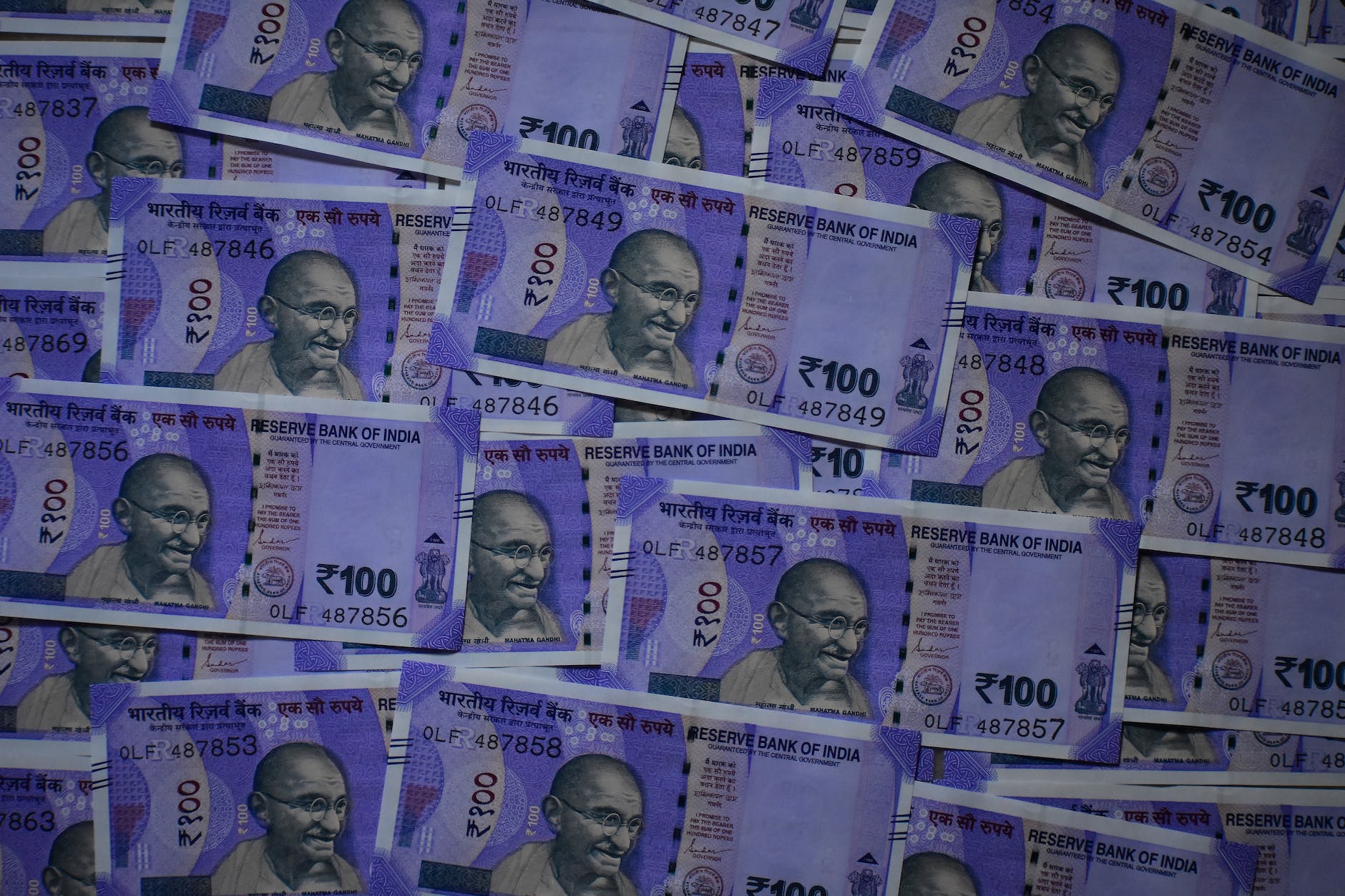
USA removes India from its currency monitoring list.

The United States Department of Treasury has taken off India’s name from the from its Currency Monitoring List of major trading partners. In its biannual report to Congress, the US’ Treasury Department conveyed that along with India, it had also removed Mexico, Thailand, Italy and Vietnam from the list. With this, seven economies that are now on the current monitoring list include Japan, China, Korea, Singapore, Germany, Malaysia and Taiwan.

The Currency Monitoring List closely follows the currency policies of some of the US’ major trade partners. If a country appears on the list, it is regarded as a “currency manipulator”. A ‘currency manipulator’ is a designation that the US government authorities give to countries that according to the US, engage in “unfair currency practices” for trade benefits. Thus, inclusion in the list simply means that the country is artificially lowering the value of its currency to get an advantage over others. This is because a lower currency value leads to reduced export costs from that country. 

Removal of India from the list by the US’ Treasury Department can be seen as a positive news both in terms of market aspect and India’s monetary policy-making. If Indian market experts are to be believed, the development means that the Reserve Bank of India (RBI) can now take robust measures to manage the exchange rates effectively, without being tagged as a currency manipulator. This may also be a big win from a markets standpoint and also signifies the growing role of India in global growth.

USA removes India from its currency monitoring list.

The United States Department of Treasury has taken off India’s name from the from its Currency Monitoring List of major trading partners. In its biannual report to Congress, the US’ Treasury Department conveyed that along with India, it had also removed Mexico, Thailand, Italy and Vietnam from the list. With this, seven economies that are now on the current monitoring list include Japan, China, Korea, Singapore, Germany, Malaysia and Taiwan.

The Currency Monitoring List closely follows the currency policies of some of the US’ major trade partners. If a country appears on the list, it is regarded as a “currency manipulator”. A ‘currency manipulator’ is a designation that the US government authorities give to countries that according to the US, engage in “unfair currency practices” for trade benefits. Thus, inclusion in the list simply means that the country is artificially lowering the value of its currency to get an advantage over others. This is because a lower currency value leads to reduced export costs from that country. 

Removal of India from the list by the US’ Treasury Department can be seen as a positive news both in terms of market aspect and India’s monetary policy-making. If Indian market experts are to be believed, the development means that the Reserve Bank of India (RBI) can now take robust measures to manage the exchange rates effectively, without being tagged as a currency manipulator. This may also be a big win from a markets standpoint and also signifies the growing role of India in global growth.

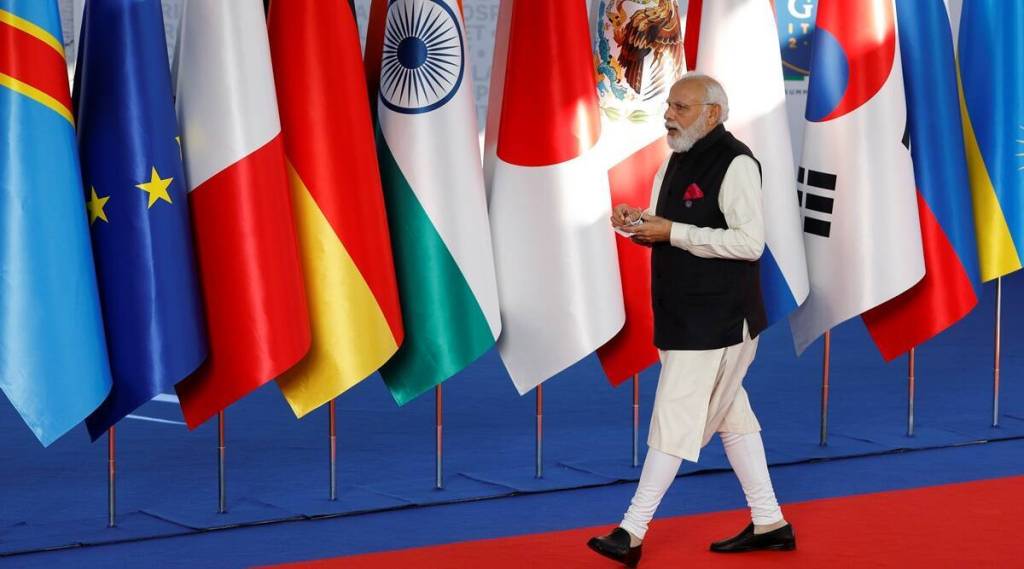
G20 Summit 2022 in Bali, Indonesia

Prime Minister Narendra Modi will hold bilateral discussions with G20 leaders on a range of issues including energy security, health, food, and environment at the summit in Bali, Indonesia.

  • India will officially assume the presidency of the G20 from 1 December 2022.
  • Prime Minister Modi will hold bilateral meetings with leaders of various G20.
  • PM Modi said that it will be a proud moment for India to preside over the G20.

Before leaving for Indonesia’s capital Bali to attend the G20 summit, the prime minister said in a statement that he would also underline India’s achievements and “unwavering commitment” in finding collective solutions to global challenges. On the sidelines of the G20 summit, I will meet several world leaders attending the summit and review the progress of India’s bilateral ties with them.

G20 Summit 2022 in Bali, Indonesia

Prime Minister Narendra Modi will hold bilateral discussions with G20 leaders on a range of issues including energy security, health, food, and environment at the summit in Bali, Indonesia.

  • India will officially assume the presidency of the G20 from 1 December 2022.
  • Prime Minister Modi will hold bilateral meetings with leaders of various G20.
  • PM Modi said that it will be a proud moment for India to preside over the G20.

Before leaving for Indonesia’s capital Bali to attend the G20 summit, the prime minister said in a statement that he would also underline India’s achievements and “unwavering commitment” in finding collective solutions to global challenges. On the sidelines of the G20 summit, I will meet several world leaders attending the summit and review the progress of India’s bilateral ties with them.

World Human Rights Day

World Human Rights Day encourages everyone to speak up and take action to stop all forms of prejudice, whenever and wherever it occurs. In a nutshell, this is the meaning of World Human Rights Day.

World Human Rights Day 2022, like all other World Human Rights Days, is a day to honour people who have campaigned for and protected human rights. It is also a day to think about the future and figure out what needs to be done to make society more equitable for all.


The United Nations has even established a reward, the United Nations Prize in the Field of Human Rights, which is awarded on World Human Rights Day to courageous persons who have done much to promote World Human Rights Day. There have been ten awards since the award’s inception in 1968, with numerous prize recipients.

On World Human Rights Day in 2022, many people should be honoured. UN Prize Winners, of course, as well as more famous personalities such as Nelson Mandela, but more importantly, common people and organisations who fight for Human Rights on a daily basis. Who, arguably, are the most important persons in the world.

What are Human Rights?

Human rights are rights that apply to everyone. This means that everyone, no matter who they are, should be treated equally and respectfully. People should not be discriminated against because of their gender, race, skin colour, sexual orientation, religion, or country of origin.

Why do we celebrate Human Rights Day? 

Human Rights Day commemorates the day in 1948 when the United Nations (UN) formally adopted the Universal Declaration of Human Rights. The United Nations was founded immediately after World War II to preserve the rights and freedoms of people throughout the world, and it still does so today.

The Declaration of Human Rights was written to serve as a “common standard of success for all peoples and states.” This document has been translated into over 500 languages and is the world’s most downloaded document

Eleanor Roosevelt, a former First Lady of the United States, was a key figure in the development of the Universal Declaration of Human Rights. She chaired the Commission on Human Rights and was later given the United Nations Human Rights Prize.

Human Rights Day 2022 Theme 

Human Rights Day has a different theme each year. Previous themes have included Equality (2021), Recover Better (2020), and Youth Standing Up for Human Rights (2019), among others.

The 75th Anniversary of the Universal Declaration of Human Rights will be the theme of Human Rights Day 2022.

When is World Human Rights Day 2022? 

Every year on December 10th, the world observes World Human Rights Day. On the same day in 1948, the United Nations enacted the Universal Declaration of Human Rights. This anniversary happens on a Friday in 2022. How will you commemorate World Human Rights Day in 2022?

DISASTER MANAGEMENT


Nature manifests itself in a variety of ways, both gentle and aggressive. We can see how it can be calm at times and then become fierce at others. Of course, everyone admires the calm side, but when the ferocious side emerges, devastation ensues. Because humans cannot control everything, certain natural phenomena are beyond our control. Similarly, when natural disasters occur, humans have no control over them. We can, however, prevent them. In other words, whenever a calamitous situation arises that threatens life and the ecosystem, we require immediate action to save and preserve lives. Natural disasters are unpredictable and can occur anywhere and at any time. To fully comprehend disaster management, we must first identify the various types of disasters. Looking at previous disasters, we can easily conclude that nature is not solely to blame for their occurrence. They occur for a variety of reasons. This is why we divided them into different groups. Then there are natural disasters caused by natural processes. They are the most dangerous natural disasters that cause loss of life and damage to the environment. Earthquakes, floods, volcanic eruptions, hurricanes, and other natural disasters are among the deadliest. There are also man-made disasters. They are the result of technological flaws or human negligence. Fires, nuclear explosions or radiations, oil spills, transportation accidents, terrorist attacks, and other man-made disasters are examples. Nature has little or no say in these kinds of disasters. Because no country is immune to natural disasters, India is no exception. India’s geographical location makes it a disaster-prone country. Every year, India is hit by a slew of natural disasters, including floods, earthquakes, tsunamis, landslides, cyclones, and droughts. When it comes to man-made disasters, India has seen the Bhopal Gas Tragedy as well as the Gujarat Plague. To prevent similar incidents from occurring in the future, we must improve our disaster management techniques. Disaster management is the effective management of resources and responsibilities to lessen the impact of a disaster. It entails a well-planned course of action so that we can make effective efforts to minimise the dangers caused by the disaster.

Most importantly, disaster management does not necessarily eliminate the threat, but rather reduces the impact of the disaster. It focuses on developing specific plans to accomplish this. In India, the National Disaster Management Authority (NDMA) is in charge of disaster monitoring. This organisation has several programmes in place to reduce risks and improve responsiveness. Proper disaster management can be accomplished by making citizens aware of the precautionary measures to be taken in the event of an emergency. For example, everyone should be aware that in the event of an earthquake, we should seek shelter beneath a bed or table. As a result, the NDMA must make more concerted efforts to reduce the damage caused by disasters. We can certainly save a lot of life and vegetation if all citizens learn the basic ways to save themselves and the government takes more responsive measures.