
Mesopotamia's cradle of civilization

Mesopotamia is a historical region located in the eastern Mediterranean, between the Tigris and Euphrates rivers, in what is now modern-day Iraq. It is considered to be one of the cradles of civilization, as it was home to some of the world’s earliest civilizations, such as Sumer, Akkad, and Babylon.


Credits – Pinterest

The first civilization to arise in Mesopotamia was the Sumerian civilization, which emerged around 4000 BCE. The Sumerians were one of the first groups to develop a form of writing, known as cuneiform, which they used to keep records and write literature. They also created a number of important innovations, including the wheel, plow, and irrigation systems, which allowed them to sustain large populations and build complex societies.

The Akkadian Empire emerged around 2334 BCE, and was founded by the Akkadian king Sargon. The Akkadians conquered much of Mesopotamia and created the first empire in history. The Akkadian Empire was known for its military prowess, as well as its contributions to art and culture. The empire lasted for about two centuries before falling apart due to internal strife and external pressures.

The Babylonian Empire emerged around 1894 BCE, and was founded by the Amorite king Hammurabi. Hammurabi is best known for his legal code, which was one of the first comprehensive legal systems in history. The Babylonian Empire was also known for its advances in mathematics, astronomy, and literature. The empire fell to the Assyrians in 612 BCE.

Throughout its history, Mesopotamia was subject to numerous invasions and conquests. The Assyrians, for example, emerged as a major power in the region around 1300 BCE, and went on to conquer much of Mesopotamia, as well as parts of Egypt and Anatolia. The Assyrians were known for their brutal tactics and their ability to create large, efficient armies.

Mesopotamia was also home to a number of important religious traditions, including the worship of the gods Enlil, Anu, and Marduk. The Mesopotamians believed in a pantheon of gods and goddesses, and their religious practices were closely intertwined with their daily lives.

Mesopotamia is a region that played a critical role in the development of human civilization. It was home to some of the world’s earliest civilizations, which made significant contributions to art, culture, and technology. Mesopotamia was also a region of great political and military turmoil, as various empires rose and fell throughout its history. Despite its challenges, Mesopotamia’s legacy endures to this day, as many of its achievements continue to influence our world.
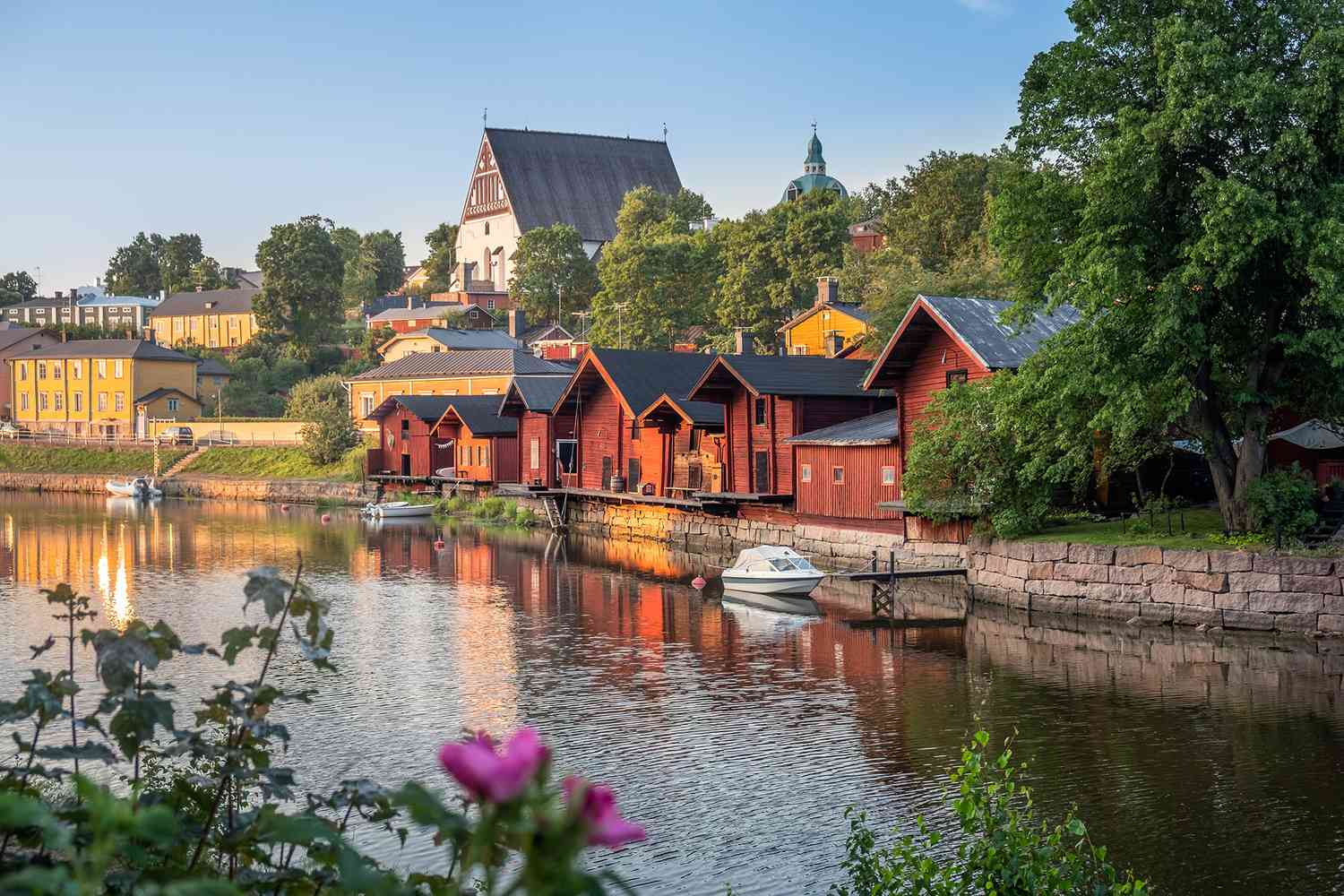
Finland ranked the 'happiest country' for sixth year in row

Finland is a Nordic country located in Northern Europe, and it has been ranked the happiest country in the world for six times in row. This ranking is based on the annual World Happiness Report, which measures the well-being of people in countries around the globe. In this article, you can read about why Finland is the happiest country in the world.

PHOTO: JANI RIEKKINEN/GETTY IMAGES

Finland has a high standard of living. The country has a robust social welfare system that provides its citizens with access to quality education, healthcare, and other basic needs. This means that the majority of people in Finland can enjoy a good standard of living, regardless of their socioeconomic background. In addition, the country has a low level of income inequality, which further contributes to a sense of well-being among the population.

Finland is a safe and peaceful country. Crime rates are low, and the country has a strong rule of law, which means that people can feel secure in their daily lives. Additionally, Finland has a long tradition of political stability and democratic governance, which helps to maintain a sense of social harmony and trust among its citizens.

Another factor that contributes to Finland’s happiness is its natural beauty. Finland has vast expanses of unspoiled wilderness, including forests, lakes, and rivers, which provide ample opportunities for outdoor recreation and relaxation. This connection with nature has been shown to have positive effects on mental health and well-being.

Furthermore, Finland has a strong sense of community and social cohesion. This is partly due to the country’s Nordic welfare model, which emphasizes equality, cooperation, and solidarity. Additionally, Finland has a strong tradition of volunteerism and civic engagement, which helps to create a sense of shared purpose and mutual support among its citizens.

Finally, Finland is a country that values work-life balance. The country has a culture that prioritizes leisure time and family time, and it has one of the shortest workweeks in Europe. This means that people in Finland have more time to pursue hobbies and spend time with loved ones, which can contribute to overall happiness and well-being.

To conclude, Finland’s happiness can be attributed to a variety of factors, including a high standard of living, safety and security, natural beauty, social cohesion, and a culture that values work-life balance. While no country is perfect, Finland’s commitment to social welfare, democratic governance, and environmental sustainability has made it a shining example of what a happy and prosperous society can look like.

Air Pollution – Causes

Air pollution refers to the presence of harmful substances in the air that we breathe. It can have serious effects on both human health and the environment. Some of the causes of air pollution include industrial activities, transportation, and natural events such as wildfires and dust storms.
Effects of air pollution:

Respiratory problems: Air pollution can cause a range of respiratory problems such as coughing, wheezing, and shortness of breath. It can also aggravate asthma and other respiratory conditions.
Cardiovascular problems: Air pollution has been linked to an increased risk of heart disease, stroke, and other cardiovascular problems.
Cancer: Exposure to air pollution, particularly to certain types of air pollutants such as benzene, has been linked to an increased risk of cancer.
Environmental damage: Air pollution can have serious environmental effects such as acid rain, ozone depletion, and damage to crops and forests.
Global warming: Air pollution is a major contributor to global warming, which has serious implications for the planet.
Causes of air pollution:
Industrial activities: The burning of fossil fuels in industries is a major source of air pollution. This includes burning coal, oil, and gas.
Transportation: Vehicles emit a range of pollutants into the air including carbon monoxide, nitrogen oxides, and particulate matter.
Natural events: Natural events such as wildfires and dust storms can also contribute to air pollution.
Agricultural activities: Agricultural activities such as the use of fertilizers and pesticides can release pollutants into the air.
Household activities: Household activities such as cooking, heating, and using cleaning products can also contribute to air pollution.
In conclusion, air pollution is a serious problem that can have a range of harmful effects on both human health and the environment. It is caused by a range of factors including industrial activities, transportation, and natural events. It is important that we take steps to reduce air pollution and protect our health and the planet.

The Seven Wonders of World

The New Seven Wonders of the World is a collection of remarkable architectural and engineering feats of the modern world that were chosen through a global vote held in 2007. The campaign was launched by the Swiss foundation New7Wonders, which aimed to promote cultural diversity and encourage the preservation of global heritage sites. The winners were announced on July 7, 2007, in Lisbon, Portugal.


Source – Wikipedia

  1. Great Wall of China:
    The Great Wall of China is an iconic symbol of Chinese civilization and one of the most visited tourist destinations in the world. It was built over 2,000 years ago to protect China from invading nomadic tribes. The wall stretches for over 13,000 miles and comprises a series of walls and fortifications.

  2. Petra, Jordan:
    Petra is an ancient city located in the deserts of Jordan that was carved into the sandstone cliffs by the Nabatean people over 2,000 years ago. It was an important trading center on the Silk Road and is famous for its impressive rock-cut architecture, including the Treasury and the Monastery.

  3. Christ the Redeemer, Brazil:
    Christ the Redeemer is a statue of Jesus Christ located in Rio de Janeiro, Brazil. It was built in the early 20th century and stands at 98 feet tall, including its pedestal. The statue is one of the most recognizable landmarks in Brazil and a symbol of Christianity worldwide.

  4. Machu Picchu, Peru:
    Machu Picchu is an ancient Incan citadel in the Andes Mountains of Peru. It was built in the 15th century and abandoned by the Incas a century later. The site was rediscovered by Hiram Bingham in 1911 and is now a popular tourist destination known for its stunning architecture and panoramic views.

  5. Chichen Itza, Mexico:
    Chichen Itza is a complex of Mayan ruins located in Mexico’s Yucatan Peninsula. It was built in the 9th century and features impressive pyramids, temples, and observatories. The most famous structure is the Kukulcan Pyramid, also known as El Castillo, which is renowned for its unique acoustic properties.

  6. Colosseum, Italy:
    The Colosseum is an iconic symbol of ancient Rome and a popular tourist destination. It was built in the 1st century AD and was used for gladiatorial contests and public spectacles. The Colosseum is the largest amphitheater ever built and could seat up to 50,000 spectators.

  7. Taj Mahal, India:
    The Taj Mahal is a white marble mausoleum located in Agra, India. It was built in the 17th century by Emperor Shah Jahan as a tribute to his beloved wife, Mumtaz Mahal. The Taj Mahal is renowned for its stunning beauty and intricate decorative elements, including its marble inlay work and intricate carvings.