
Lao People's Democratic Republic ; Laos

Laos, officially known as the Lao People’s Democratic Republic, is a landlocked country located in Southeast Asia. It shares borders with Vietnam to the east, Cambodia to the south, Thailand to the west, Myanmar to the northwest, and China to the north.
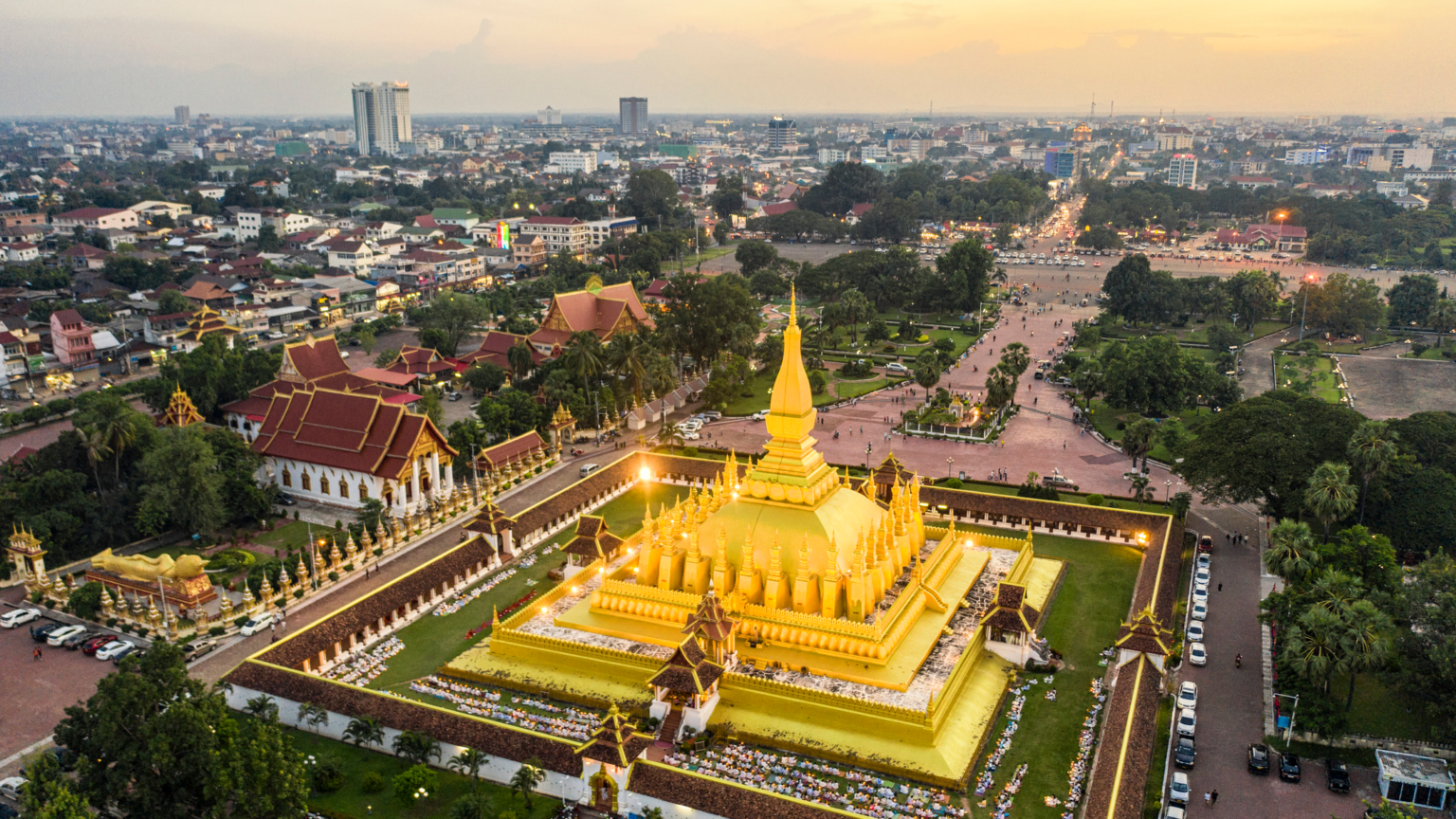
Source – https://smmr.asia/vientiane-nong-khai/

The country has a population of approximately 7.5 million people, with its capital and largest city being Vientiane. The official language of Laos is Lao, which is closely related to Thai, and the majority of the population practices Theravada Buddhism.

Laos has a rich cultural heritage, with influences from its neighboring countries, as well as from its history as a French colony. The country’s traditional arts and crafts include textiles, ceramics, and silverwork, and its cuisine is known for its spicy flavors and use of fresh herbs.

The economy of Laos is primarily based on agriculture, with rice being the main crop grown in the country. Other important crops include corn, vegetables, and fruits, and the country is also known for its coffee and tea production. The mining of minerals such as copper and gold has also become a major industry in recent years.

Laos has a diverse landscape, with mountainous regions in the north and central parts of the country, and the Mekong River running along its eastern border. The country is also home to several national parks and protected areas, including the UNESCO-listed Phong Nha-Ke Bang National Park.

Laos has a complex political history, with the country being a French protectorate from the late 19th century until the mid-20th century. Following independence in 1954, Laos became embroiled in a long and devastating civil war, with the communist Pathet Lao eventually coming to power in 1975.

Today, Laos is a one-party socialist state, with the Lao People’s Revolutionary Party being the only legal political party in the country. While the government has made efforts to modernize the economy and improve living standards for its citizens, Laos remains one of the poorest countries in Southeast Asia.

Tourism has become an increasingly important industry in Laos, with the country’s natural beauty and rich cultural heritage attracting visitors from around the world. Popular tourist destinations include the ancient capital of Luang Prabang, the Plain of Jars, and the Kuang Si Waterfalls.

In conclusion, Laos is a fascinating country with a rich cultural heritage, a diverse landscape, and a complex political history. While the country faces many challenges, including poverty and limited political freedom, its people are known for their warmth and hospitality, and its natural beauty and cultural treasures make it a unique and rewarding destination for travelers.
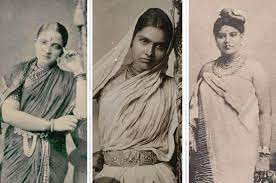

Evolution of Indian Saree Over Centuries

The Indian saree is a traditional garment that has evolved over thousands of years. It is a long piece of cloth that is draped around the body in different styles, and it is worn by women of all ages and social classes in India. The saree is a symbol of cultural heritage and feminine grace in Indian society.

The history of the saree can be traced back to the Indus Valley Civilization, which existed in present-day India and Pakistan around 2800-1800 BCE. Archaeological evidence suggests that women in the Indus Valley Civilization wore garments similar to the saree, which consisted of a long piece of cloth draped around the body.


The saree as we know it today began to take shape during the Maurya Empire (321-185 BCE). The Mauryan period saw the development of weaving techniques, and cotton and silk became popular fabrics for sarees. The saree also became a symbol of social status, with wealthy women wearing more elaborate and expensive sarees.

During the Mughal Empire (1526-1857), the saree became even more elaborate and luxurious. Mughal empresses like Nur Jahan and Mumtaz Mahal wore sarees made of fine silk, adorned with gold and silver thread, pearls, and precious stones. The Mughal period also saw the development of new saree styles, like the lehenga saree and the dupatta.

In the 19th and 20th centuries, the British colonial period had a significant impact on the saree. British textile mills began to produce inexpensive cotton fabrics, which became popular among Indian women. The introduction of the sewing machine also made it easier and faster to produce sarees. However, British colonialism also led to the decline of traditional weaving techniques and the loss of local textile industries.

After India gained independence in 1947, there was a renewed interest in traditional Indian textiles and fashion. The Indian government encouraged the revival of local textile industries and promoted handloom sarees made by skilled artisans. Designers like Ritu Kumar and Sabyasachi Mukherjee also played a significant role in promoting the saree as a fashionable and modern garment.

Today, the saree is worn by women all over the world, and it has become a symbol of Indian culture and fashion. The saree has evolved to include new styles and fabrics, like the chiffon saree and the georgette saree. Designers continue to experiment with the saree, incorporating new elements like embroidery, prints, and sequins. Despite these changes, the saree remains a timeless and elegant garment that embodies the beauty and grace of Indian women.

FooDi52

FooDi52…

Welcome to Foodi52, the ultimate destination for foodies! Whether you’re a beginner cook or an experienced chef, we have something for everyone. At Foodi52, you’ll find recipes, cooking tips and tricks, food history, and more to help you become a true foodie. Our mission is to provide you with the best resources and tools to become a master in the kitchen.

Cooking is an art and Foodi52 is the perfect place to learn it.”

Discover new recipes and ingredients to make your meals truly unique. We feature a variety of dishes from all over the world, from classic Italian dishes to Asianinspired creations. Plus, we provide stepbystep instructions and photos to make each dish simple and easy to follow. With our indepth guides and tutorials, you‘ll learn how to make the most of every ingredient and cooking technique.


Take the time to savor the flavors of life


At Foodi52, you‘ll find everything you need to become a successful home cook. From our comprehensive database of recipes to our helpful tips and tricks, you‘ll never be bored in the kitchen. So, what are you waiting for? Head over to Foodi52 today and start exploring the world of food. With our resources, you‘ll be able to become the master chef you‘ve always wanted to be!

Cooking is an act of love.”

Visit us today at https://foodi52.blogspot.com/ and start discovering the delicious recipes and helpful tips we have to offer. With our resources, you‘ll have all the tools you need to become a successful home cook. Start cooking today and make your meals truly unique!


Controversy of 'comfort women' in japan

During World War II, the Imperial Japanese Army forced thousands of women and girls into sexual slavery, known as comfort women. The majority of these women were from Korea, but also from other countries such as China, Taiwan, the Philippines, and Indonesia.

The Japanese military established comfort stations or brothels to provide sexual services to their soldiers. The women who were taken as comfort women were often kidnapped or coerced into working at these stations. They were subjected to horrific sexual abuse and violence, and many did not survive.

The exact number of women who were forced into sexual slavery is not known, but estimates range from tens of thousands to as many as 200,000. Many of these women were teenagers, and some were as young as 12 years old.

The issue of comfort women has been a controversial and sensitive topic, and Japan has faced criticism from other countries, particularly South Korea, for its handling of the issue. In recent years, Japan has issued official apologies and compensation to some of the surviving comfort women, but many feel that these actions have not gone far enough in acknowledging the atrocities that were committed.

One of the reasons that the issue of comfort women has been so contentious is that the Japanese government has been slow to acknowledge its role in the abuse. For decades, Japanese officials denied that comfort women existed or claimed that they were volunteers. It was not until the 1990s that the Japanese government began to acknowledge the reality of the situation and issue apologies.

Another reason for the controversy is that many surviving comfort women have demanded a formal apology and compensation from the Japanese government. While some women have received compensation, others have not, and there is still a sense among many that Japan has not fully taken responsibility for its actions.

The issue of comfort women has also caused tension between Japan and other countries, particularly South Korea. Many Koreans feel that Japan has not done enough to make amends for its actions, and the issue has strained relations between the two countries. In recent years, there have been some efforts to address the issue of comfort women. In 2015, Japan and South Korea reached an agreement in which Japan apologized and provided compensation to surviving comfort women. However, the agreement was controversial and criticized by many, including some of the surviving comfort women themselves.

Despite these efforts, the issue of comfort women remains unresolved. Many people continue to demand a formal apology and total compensation from the Japanese government, and the issue remains a contentious one between Japan and its neighbors.

Challenges of Sustainable Development

Sustainable development refers to a way of meeting the needs of the present generation without compromising the ability of future generations to meet their own needs. However, there are several challenges to achieving sustainable development, including:

Climate Change: Climate change is one of the most significant challenges facing sustainable development. The burning of fossil fuels and deforestation are major contributors to climate change, leading to rising temperatures, changing weather patterns, and more frequent natural disasters.
Poverty and Inequality: Achieving sustainable development requires reducing poverty and promoting equity. Poverty and inequality are major obstacles to sustainable development, as they can prevent people from accessing basic resources and opportunities.
Biodiversity Loss: The loss of biodiversity, caused by factors such as habitat destruction, overfishing, and pollution, threatens the balance of ecosystems and the sustainability of many industries that rely on natural resources.
Population Growth: The world’s population continues to grow, putting increasing pressure on natural resources and contributing to environmental degradation.
Unsustainable Consumption: Unsustainable patterns of consumption and production, such as overconsumption of meat and other animal products, can strain resources and contribute to environmental damage.
Political Will and Governance: Achieving sustainable development requires political will and effective governance. However, many governments lack the political will or capacity to enact policies that promote sustainable development.
Technological Innovation: Technological innovation has the potential to drive sustainable development, but it also presents challenges. New technologies can have unintended consequences and can be expensive to develop and implement on a large scale.
Overall, achieving sustainable development requires a collective effort to address these challenges and ensure that economic, social, and environmental goals are met in an integrated and equitable way.