Handloom Sarees of India

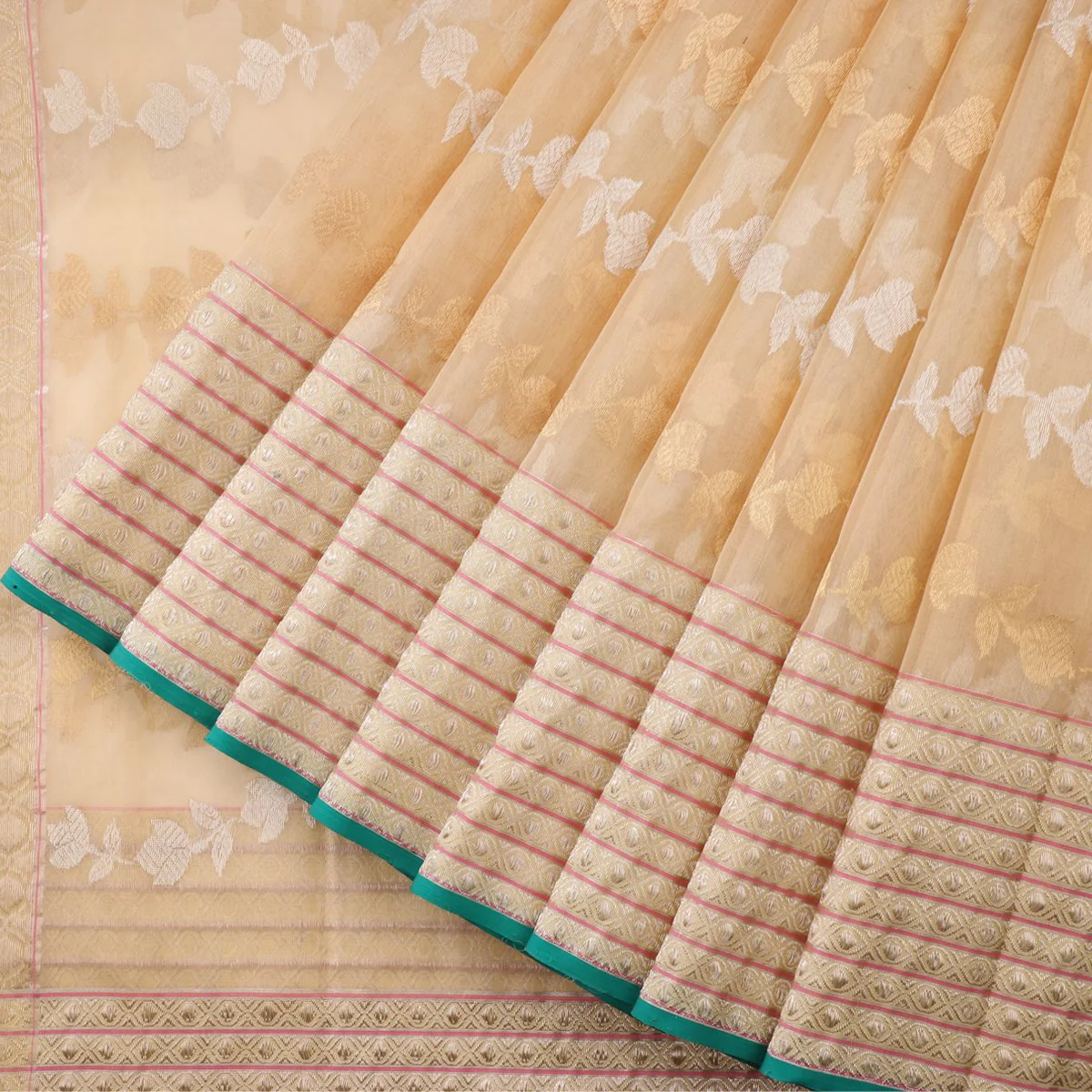
Handloom sarees are an integral part of India’s rich cultural heritage. These sarees are woven by hand using traditional techniques, making them unique and distinctive. They are available in a wide range of materials, designs, colors, and textures. Handloom sarees are also considered to be eco-friendly and sustainable as they do not require the use of electricity or heavy machinery for their production.

Handloom sarees are woven using a variety of techniques such as Jamdani, Banarasi, Patola, Kanjivaram, Chanderi, and many more. Each technique has its own unique style and texture, making handloom sarees a popular choice among women across India.

Jamdani sarees –

Jamdani sarees are woven using the traditional Jamdani technique, which involves weaving fine muslin cloth with intricate floral and geometric patterns. These sarees are lightweight and comfortable to wear, making them perfect for summer.


Banarasi sarees –

Banarasi sarees are woven in Varanasi, a city in Uttar Pradesh. These sarees are made from silk and have intricate designs woven with gold and silver threads. Banarasi sarees are considered to be one of the most expensive and luxurious sarees in India.

Patola sarees –

Patola sarees are woven in Patan, a city in Gujarat. These sarees are made from silk and have vibrant colors and geometric patterns. Patola sarees are considered to be a symbol of wealth and status in Gujarat.

Kanjivaram sarees –

Kanjivaram sarees are woven in Kanchipuram, a city in Tamil Nadu. These sarees are made from silk and have bold colors and intricate designs. Kanjivaram sarees are known for their durability and are considered to be a prized possession for every South Indian bride.


Chanderi sarees –

Chanderi sarees are woven in Chanderi, a town in Madhya Pradesh. These sarees are made from cotton and silk and have delicate designs woven with zari threads. Chanderi sarees are known for their lightweight and comfortable feel, making them a popular choice among women across India.


Handloom sarees are not just a piece of clothing but a piece of art that represents India’s rich cultural heritage. They are a symbol of tradition, elegance, and sophistication. With their unique designs and exquisite craftsmanship, handloom sarees are here to stay and continue to be an important part of India’s fashion industry.

Global Thematic Webinar on ‘Promotion of Cultural and Creative Industries and Creative Economy’

 As a part of the series of Global Thematic Webinars being organised by the Culture Working Group (CWG) under India’s G20 Presidency, the third webinar on “Promotion of Cultural and Creative Industries and Creative Economy” is scheduled on 19 April 2023, from 12.30 pm to 8.30 pm (IST).

The webinar will reflect on the current trends, challenges, and opportunities of the cultural and creative industries, bringing together experts from G20 members and guest nations, as well as relevant international organisations. Organised by the Ministry of Culture, Government of India, the webinar is being hosted and facilitated by UNESCO (Paris), knowledge partner of CWG.

The cultural and creative industries and creative economy, play a significant role in shaping our global landscape, contributing 3.1% to the worldwide Gross Domestic Product. This substantial economic impact contributes to the enrichment of our social and cultural fabric. Notably, the cultural and creative sector employs more people in the age group of 15-29, compared to any other and therefore demonstrates a strong potential for fostering youth employment.

Although the cultural sector makes a substantial contribution to the global economy, its long-term growth is hindered by the absence of a standard definition of the creative economy and insufficient collection of cultural data contributing to its informal nature. Today, 60% of the global creative economy is informal. These challenges not only affect the status of cultural practitioners but also have greater impacts on the larger economy.

The objective of this webinar is to foster an inclusive dialogue and facilitate an in-depth discussion from an expert driven perspective on promoting cultural and creative industries and creative economy. It seeks to encourage knowledge sharing; capitalise on the best practices and experiences; identify gaps, needs, and opportunities for increasing the creative economy’s share in the global GDP and improving cultural data collection for the creation of satellite accounts for the sector, a key step towards its formalisation. Being a subset of the national accounts, these will help better understand the economic impact of the sector and provide policy-makers with comprehensive data for developing policies and strategies that promote the growth and development of the sector. The webinar will also inform the reflection of the G20 membership in formulating tangible outcomes.

It will have three speaking segments and experts will be distributed across these segments based on their respective time zones. The webinar will be moderated successively by representatives of ILO, UNCTAD and WIPO with expertise on the topic. It will be live streamed on the YouTube channel of UNESCO (Paris). The final global thematic webinar is scheduled on 20 April 2023 and will discuss “Leveraging Digital Technologies for the Protection and Promotion of Culture”.

*****

Round Table Conference on ‘How to Effectively Redress the Grievances pertaining to Real Estate Sector’

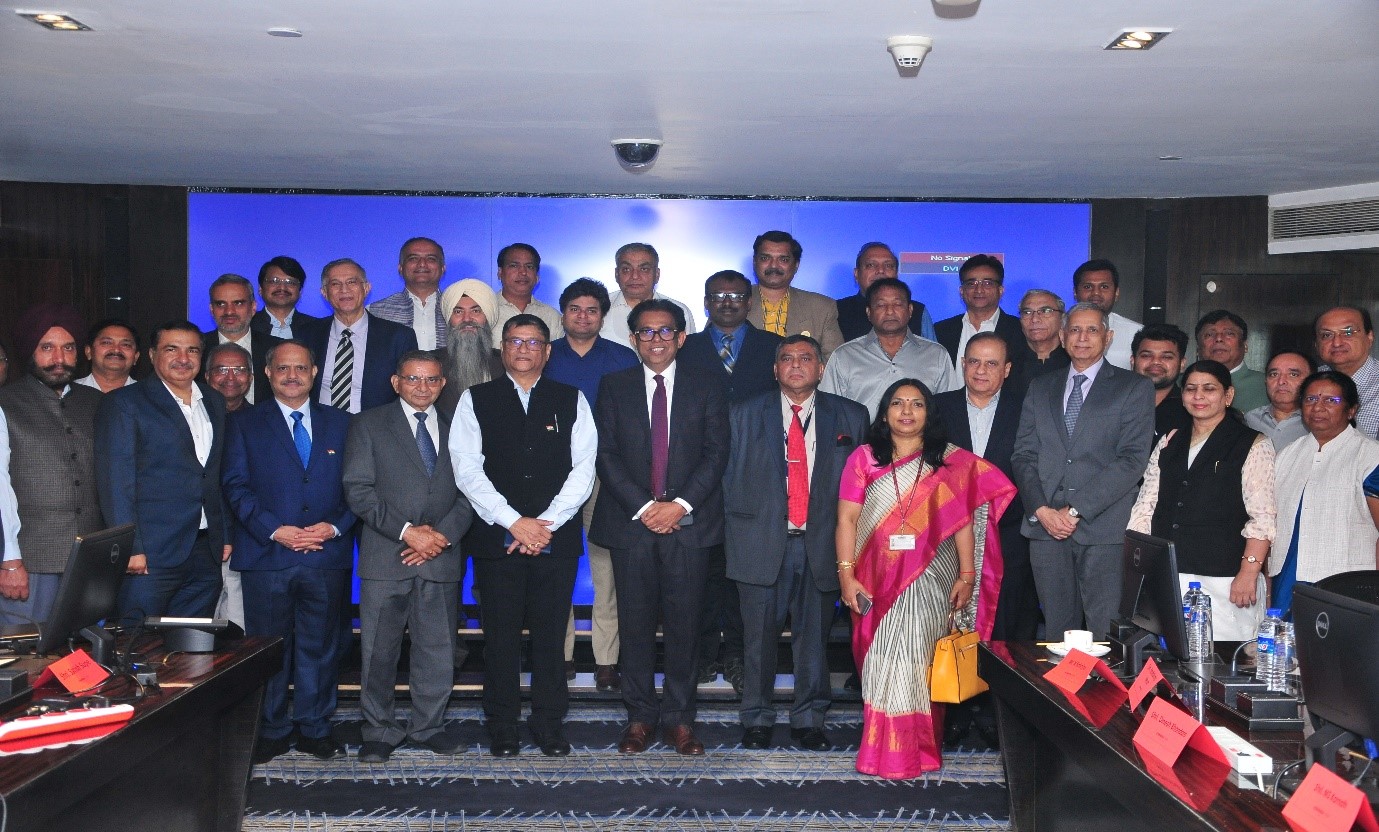
 Department of Consumer Affairs, in association with the Government of Maharashtra, organized a Round Table Conference on “How to Effectively Redress the Grievances Pertaining to Real Estate Sector” in Mumbai today (April 18, 2023). The conference had participation of a diverse group of stakeholders, including government officials,  Chairman of RERA, Delhi, Chairman MahaRERA, Officials  from MOHUA, IBBI, legal experts, industry leaders, and consumer rights activists, to identify actionable solutions to the pressing issues faced by homebuyers and builders in the real estate sector. Several topics related to real estate were covered during the conference, such as systemic policy interventions to reduce litigation in the housing sector, the reasons for the high number of cases filed before Consumer Commissions despite the existence of separate authorities like RERA specifically for housing sector cases, and ensuring effective and timely resolution of housing sector cases.

The Secretary of the Department of Consumer Affairs for the Government of India, Rohit Kumar Singh, in his address, highlighted the staggering number of pending cases in the housing sector at different consumer Commissions. Out of over 5.5 lakh cases currently awaiting resolution, over 54,000 cases  related to housing sector. This backlog of cases highlights the importance of providing speedy justice and streamlining the process for homebuyers.

To address these challenges, the Secretary suggested implementing a simple, model buyer agreement that could help to streamline the homebuying process and protect consumers from potential abuses. This agreement could help to reduce disputes between homebuyers and builders and ensure that consumers have access to effective, speedy, hassle-free, and inexpensive grievance redressal mechanisms.

The Secretary, Department of Consumer Affairs, also highlighted the significance of the Consumer Protection Act 2019, which recognizes housing construction as a service and categorizes developers as product sellers. This recognition helps to ensure that homebuyers have access to the same consumer protections that they would receive when purchasing any other type of product or service. It was also highlighted the need for continued focus on the housing sector in India, particularly when it comes to protecting consumers and streamlining the homebuying process. By implementing measures like model buyer agreements and effective grievance redressal mechanisms, the backlog of cases can be redressed and ensure that homebuyers are treated fairly and protected from potential abuses, he stated.

Additional Secretary, Department of Consumer Affairs, Govt of India, Nidhi Khare, in a detailed presentation outlined a comprehensive overview of the legal provisions under various statutes designed to protect the interests of homebuyers. She delved into the roles and responsibilities of homebuyers under the Real Estate (Regulation and Development) Act, 2016 (RERA), Consumer Protection Act, 2019, and the Insolvency and Bankruptcy Code, 2016. The presentation also addressed the increasing number of cases filed by homebuyers and the impact of these disputes on both homebuyers and builders, leading to distrust within the sector.

During the conference, Member NCDRC, Binoy Kumar, underscored the importance of the builder-buyer agreement as the fundamental document governing transactions in the real estate sector. He suggested that the buyer agreement should be made more efficient and in line with Supreme Court orders, which would subsequently reduce the number of cases filed by homebuyers.

During the conference, several key takeaways emerged as crucial points of discussion. The prevalence of real estate cases in consumer commissions led to suggestions for utilizing similar judgments to expedite the legal process and encouraging parties to engage in discussions to resolve disputes amicably. The success of conciliation in resolving disputes was emphasized, urging for better cooperation between consumer courts and RERA to prioritize conciliation over litigation. The importance of completing and distributing incomplete projects, rather than opting for insolvency under IBC, was stressed, along with a call for transparency among all stakeholders.

Insights were also provided on misleading advertisements in the real estate sector, emphasizing the need for enhanced transparency between buyers and developers to avoid future legal disputes. Lastly, recommendations were made to improve the Builder Buyer Agreement, including disclosing additional charges, outlining issue redressal processes, ensuring legal compliance by developers to keep consumers informed about project progress, and implementing initiatives to resolve minor issues through phone calls. These takeaways aim to enhance transparency and consumer protection in the real estate sector.

During the conference, key problems identified for the homebuyers are as follows:

  • Delay in delivery of possession of property to homebuyers.
  • No compensation for delay in possession to homebuyers.
  • Biased, one-sided, and unfair builder-buyer agreements.
  • Amenities not provided to homebuyers as per the agreement.
  • Misleading advertisements by developers and influencers for luring homebuyers.
  • Non-adherence to the model builder-buyer agreement proposed by RERA.

Key suggestions made during the deliberations included:

  • Sending the draft agreement to buyers before execution.
  • Clearly mentioning permissions and sanctions obtained from competent authorities on the first page of the agreement.
  • Prohibiting builders from launching projects before obtaining all necessary permissions and sanctions.
  • Including an exit clause for homebuyers in all agreements, valid until the Occupancy Certificate (OC) or Completion Certificate (CC) is obtained and possession is offered by the builder.
  • Including a schedule of additional charges beyond the cost of the unit/apartment in all agreements.
  • Requiring all agreements to contain mandatory declarations regarding no dues from any authority/banks and all necessary legal sanctions and approvals from competent authorities.
  • Taking strong action against unfair and misleading advertisements by developers and endorsers.
  • Forming a committee comprising members of the National Commission, various State Consumer Commissions, RERA, Department of Consumer Affairs, and IBBI to effectively deal with the issue.

The Department will also collaborate with other relevant authorities and organizations to ensure the effective implementation of the proposed measures, monitor their impact on the real estate sector, and make necessary adjustments as needed.

Furthermore, the Department of Consumer Affairs will maintain an open dialogue with stakeholders and the public, keeping them informed about progress in addressing real estate issues in consumer commissions and seeking their feedback for continuous improvement.

The Round Table Conference concluded with a commitment from all stakeholders to work collaboratively to establish a more effective and efficient framework for addressing disputes and grievances. This will ultimately lead to a more transparent and consumer-friendly real estate market.

In conclusion, the Round Table Conference on Consumer and the Real Estate Sector marks a significant step forward in tackling the pressing issue of pendency of real estate cases in consumer commissions. By bringing together key stakeholders to discuss and identify actionable solutions, the Department of Consumer Affairs demonstrated its commitment to protect consumer interests and ensuring a fair, transparent, and efficient housing market for all homebuyers.

*****

Department of Pharmaceuticals in partnership with Indian National Science Academy organizes a S20 Webinar on “An Integrated Approach to Combat Neo-Infections: A Way Forward, through Vaccines, Diagnostics and Therapeutics”

 Department of Pharmaceuticals (DoP), Ministry of Chemicals and Fertilizers, Govt. of India in partnership with the Indian National Science Academy (INSA), organized a S20 Webinar on “An Integrated Approach to Combat Neo-Infections: A Way Forward, through Vaccines, Diagnostics and Therapeutics” today with deliberation from eminent speakers across the G-20 counties like Australia, US, UK, Canada, South Africa, European Union, Brazil and Indonesia. This S20 webinar focused on discussing a need for collaborative models that would help to strengthen and support research and development (R&D) in Vaccines, Therapeutics, and Diagnostics (VTDs).

During the G20 Presidency of India, the Science 20 or the S20 engagement group has planned a number of webinars and workshops on topics of current interest. The Indian National Science Academy (INSA) is coordinating the S20 activities under the overarching theme, “Disruptive Science for Sustainable Development” with three subthemes focussing on “Clean Energy for Greener Future”, “Universal Holistic Health”, and “Science for Society & Culture”. The emphasis is on the disruptive innovation aspect of science that identifies with the nature and essence of the overarching theme.


An important objective of the sustainable development is to increase the healthy life expectancy of all humans, while promoting well-being across the whole life course. Indeed, creating better global health would not only mean creating better medical infrastructure or ease of access in medical care, it would also require sustainable practices which would help enhance cumulative global health standards. The idea is to create awareness among various stakeholders about disease agonistic platforms for new drug development and develop cost-effective therapeutics for priority pathogens. This could be done through a network of R&D institutions across G20 countries which would function in tandem in sustainable manner and contribute to collective preparedness for thwarting future pandemics.
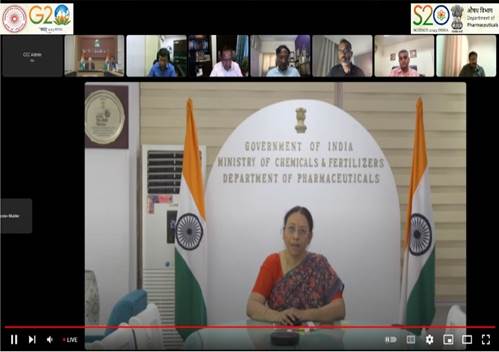
Sh. Rajneesh Tingal, Joint Secretary, Department of Pharmaceuticals, in his opening remarks highlighted various initiatives taken by DoP to foster innovation in India and the need of strengthening research collaboration in vaccines, therapeutics & diagnostics. This was followed by welcome address by Ms. S. Aparna, Secretary, DoP & Prof. Ashutosh Sharma, President INSA & S20 Chair. During her welcome address, Ms. S. Aparna, highlighted the need of creation of Global R&D Network which will help to fight future pandemics. She also emphasized in designing a roadmap by identifying and setting up priority areas for collaboration, strengthening cooperation and partnership among G-20 countries in the arena of Early stage research on vaccines therapeutics and diagnostics for coordinated approaches in fighting emerging disease threats and capacity building in medical countermeasures with the vision of strengthening the global health architecture “One Earth, One Health, One Future”. Prof. Ashutosh Sharma depicted the role of S20 in furthering the agenda of G20 where science will have to play a key role to achieve the economic growth to pull millions of people out of poverty while ensuring that development is inclusive and sustainable.

S20 Webinar featured notable eminent speakers across the G-20 counties. The therapeutics session was moderated by Dr. Girish Sahni, Ex-Director General, Council of Scientific & Industrial Research (CSIR), Govt. of India, involving speakers like Prof. Nicola Mulder, University of Cape Town, South Africa, Dr. Vishal Singh, Penn State University, Pennsylvania, United States, and Dr. Ahmed Aman, Leslie Dan Faculty of Pharmacy, University of Toronto, Canada.

The vaccines session was moderated by Dr. Pramod Kumar Garg, Executive Director, THSTI, Faridabad, India involving Mr. Sourabh Sobti, Coalition for Epidemic Preparedness Innovation, United Kingdom, Prof. Nikolai Petrovsky, Vaxine Pty Ltd., Flinders Medical Centre, Australia, and Dr. Marco Aurélio Krieger, FIOCRUZ University, Brazil as eminent speakers.

Finally, the diagnostics session was moderated by Dr. Anup Anvikar, Director, National Institute of Biologicals (NIB), Noida, India with the engagement of Dr. Nivedita Gupta, Scientist F, ICMR, New Delhi, India, Dr. Vinay K. Nandicoori, Director, CSIR-CCMB, Hyderabad, India, and Dr. Sara Frojdo, Senior Technology Officer, Business Intelligence, FIND, Diagnostics, Geneva, European Union.

Following this, a panel discussion for fireside chat was held, which was moderated by Prof. Narinder K. Mehra, Vice President (Int. Affairs), INSA, New Delhi, India with the engagement of peer-panelist across G20 countries representation from Prof. Nicola Mulder, University of Cape Town, South Africa, Prof. Satryo S. Brodjonegoro, Chairman, Indonesian Academy of Science, Indonesia, Prof. Anil Gulati, Chairman and CEO, Pharmazz Inc., United States.

Some of the key points deliberated by the esteemed speakers included:

  1. Creating a collaborative ecosystem for turning discovery into beneficial therapeutics.
  2. Collaborative efforts to generate important insights while keeping collaborators engaged and committed to their partnerships.
  3. Creating a self-sustaining network of industry-academia and cross-functional industrial collaborations.
  4. Workforce development as a key component of a robust discipline of innovative therapeutic development.
  5. Collaborative environment for innovation & learning to transform processes, technologies, and policy elements of innovation.

Various specific suggestions for building a collaborative ecosystem of the panel members to translate discoveries into effective therapeutics along with suggestions of the participants received during the feedback session were noted and the same would be utilized for developing a robust networked research ecosystem.

The webinar has got good response with more than 1500 registrations across the G-20 countries. This S20 webinar witnessed more than 500 viewers across the virtual platforms. Webinar concluded with a note of appreciation by Prof. USN Murty, Director, NIPER-Guwahati, India to all the S20 speakers, panellists, moderators, and wide participants for their valuable contributions & active participation.

*****

G20 Meeting of Agricultural Chief Scientists (MACS)

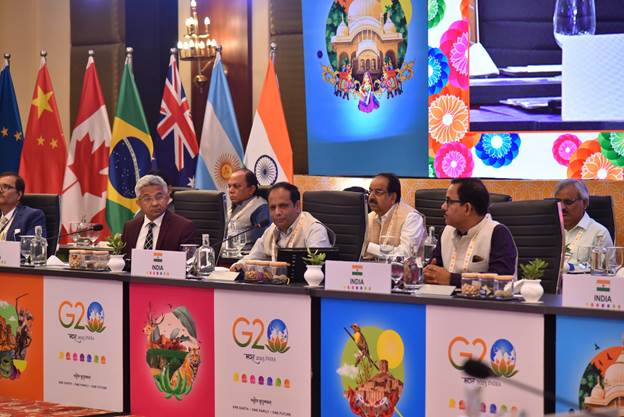
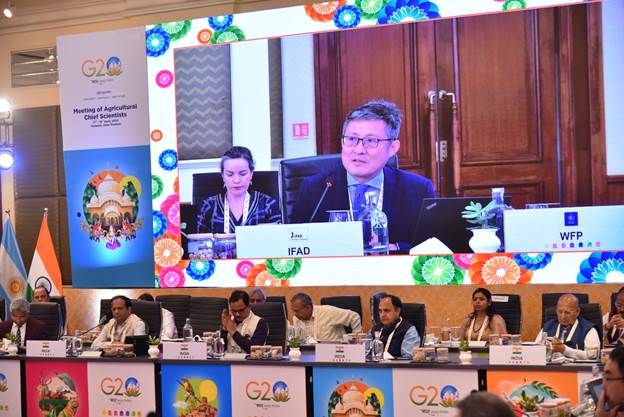
 On the second day of the G20 Meeting of Agricultural Chief Scientists (MACS) in Varanasi today, deliberations were held on Digital Agriculture and Sustainable Agri Value Chain & Public-Private Partnership in Agricultural R&D. MACS Communique was also discussed. Secretary (DARE) & Director General (ICAR), Dr. Himanshu Pathak, who is also the MACS Chair, led the discussions.

Morning session deliberations focused on Digital Agriculture and Traceability; Digital Technological Solutions for Reducing Food Loss and Waste; Agri-tech Startup Ecosystem; Pluralistic Agricultural Extension and Advisory Services (EAS): partnerships for improving lab to land and outreach, Smallholder and Family Farming: G20- Global South Cooperation for Agri-R&D, Public-private Agri-R&D for Public Goods: Experience in Generating and Accelerating Innovations.


Earlier today, a bilateral meeting was conducted with FAO. Dr. Pathak emphasized that the extension service through KVK to farmers would be a very important area of cooperation. FAO representatives also expressed keen interest in extending cooperation in extension service. Dr. Ishmahane Elouafi, Chief Scientist, FAO, and Dr. Selvaraju Ramasamy, Senior Agriculture Officer, FAO participated in the meeting.  They recognized India’s strength in the seed sector, which will be very useful to other countries.

Later in the evening the delegates visited the archaeological site and ASI Museum at Sarnath and witnessed the light and sound show.

The three-day G20 Meeting of Agricultural Chief Scientists (MACS) with the theme, “Sustainable Agriculture and Food System for Healthy People and Planet” is underway at Varanasi. The Meeting was inaugurated by the Union Minister of State for Civil Aviation, and Road Transport and Highways, General (Dr.) V K Singh (Retd) yesterday.

A session was conducted to discuss India’s initiative on Millets and Other Ancient Grains International Research Initiative (MAHARISHI). The representatives of G20 Nations, invited countries and International Organisations supported the MAHARISHI Initiative and expressed that millets being climate a smart crop and super health food, the International Research cooperation is pivotal for its promotion and adoption.

Dr. Himanshu Pathak and Mr. Philippe Mauguin, Chair & CEO, INRAE – National Research Institute for Agriculture, Food and the Environment (France) led their respective delegation in the bilateral meeting between India and France.

Both countries expressed keen interest in cooperation in the areas of climate change, crop diversification, soil & water conservation, natural farming and biofortified crops.

Last evening the delegates experienced Ganga Arati on a river cruise through the Ganges followed by an exhilarating cultural programme.

About 80 foreign delegates from the G20 Member States, Invited Guest Countries, International Organizations and Special Invitees by India are participating in the three day meeting.

On the concluding day on 19th April 2023 discussion on MACS Communique will continue.