Lateral Recruitment for Joint Secretary Level/ Director/ Deputy Secretary Level Posts on Contract Basis

In continuation to Union Public Service Commission’s advertisement No. 52/2023, dated 20.05.2023, inviting applications against 20 posts of the level of Joint Secretary/ Director/ Deputy Secretary on contract basis, as per the requisition received  from the Department of Personnel & Training (DoP&T), Government of India, applications are invited against additional 17 posts of the level of Joint Secretary/ Director/ Deputy Secretary on contract basis in the following Departments/Ministries of the Government:

  1. Department of Health and Family Welfare, Ministry of Health and Family Welfare
  2. Ministry of Power
  3. Department of Rural Development, Ministry of Rural Development
  4. Ministry of Agriculture and Farmers welfare
  5. Department of Financial Services, Ministry of Finance
  6. Ministry of Statistics and Programme Implementation

Three Joint Secretaries and 14 Directors/ Deputy Secretaries will be inducted through lateral recruitment in the above Ministries/Departments.

The detailed advertisement and instructions to the candidates will be uploaded on the Commission’s website on 3rd June, 2023. Interested candidates can apply from 3rd June, 2023 to 3rdJuly 2023.

Candidates will be short-listed for Interview on the basis of the information provided by them in their online application. They must ensure that such information is correct.

NTPC Green Energy Ltd. (NGEL) and Uttar Pradesh Rajya Vidyut Utpadan Nigam Limited (UPRVUNL)  to collaborate for development of Renewable Energy Power Parks and Projects

NTPC Green Energy Limited (NGEL) and Uttar Pradesh Rajya Vidyut Utpadan Nigam Limited (UPRVUNL) signed a Memorandum of Understanding (MoU) in Lucknow yesterday with an aim to collaborate in the development of Renewable Energy Parks and Projects and to facilitate in Government of India’s efforts towards energy transition. The MoU was signed by Shri Mohit Bhargava, CEO (NGEL) and Shri Nidhi Kumar Narang, Director (Finance), UPRVUNL in the presence of Shri P. Guruprasad, MD (UPRVUNL), Shri Praveen Saxena, Regional Executive Director (NR) of NTPC. Shri V V Sivakumar, GM (NGEL) and other senior officials of NTPC, NGEL and UPRVUNL were present during the occasion.

The MoU envisages the two organizations to collaborate through setting up of floating and ground mounted Solar Projects in the Rihand reservoir, other water bodies and any available vacant land, development of solar PV Project dedicated for solarization of Ayodhya city and setting up of Renewable energy Parks and Projects wherever land is made available. NGEL and UPRVUNL shall jointly work for formation of Joint Venture Company (JVC) to meet the Renewable Generation Obligation, Flexibility in Generation and Scheduling of Thermal/Hydro Power Stations through bundling with Renewable Energy and Energy Storage.

NTPC is India’s largest Power Utility, with a total installed capacity of about 72 GW (including JVs and subsidiaries). As part of increasing its renewable energy portfolio, a fully owned subsidiary “NTPC Green Energy Limited” (NGEL) has been carved out which shall take up Renewable Energy Parks and Projects including development in the areas of Green Hydrogen, Energy Storage Technologies and Round the Clock RE Power.

UPRVUNL was constituted to set up and operate Power-generating stations in the state of Uttar Pradesh. At present UPRVUNL is having four Thermal Power Stations within Uttar Pradesh with an installed capacity of 5820 MW and one Thermal Power Station with installed capacity of 1320 MW under JV with NTPC. UPRVUNL is in the process of adding further 3300 MW capacity with super critical technology on its own and another 1980 MW in Joint Venture with CPSEs. At present, UPRVUNL is looking to diversify into Renewable Energy and Energy Storage sectors.

*****

“Suvidha, Suraksha, Samman” to women

Last 9 years the Union Government under Prime Minister Narendra Modi has provided “Suvidha, Suraksha, Samman” to women. Thoughtfully planned schemes like Ujjwala for Gas connections, Swachhta for female toilets and Jal Jeevan for tap water in households not only provided Ease of Living to women but also gave them a sense of self-confidence with self-esteem.

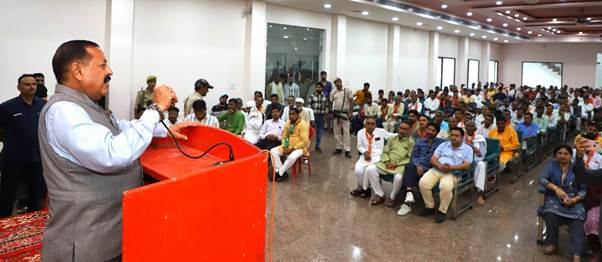
This was stated by the Union Minister of State (Independent Charge) for Science and Technology, MoS PMO, Department of Atomic Energy and Department of Space and MoS Personnel, Public Grievances and Pensions, Dr Jitendra Singh at Sambhal, Uttar Pradesh while addressing a congregation of Modi scheme beneficiaries, majority of whom comprised women.

The Minister said there has been a paradigm shift in Public Service Delivery and the implementation of Government schemes in the last 9 years. “Be it DBT, or provision of basic facilities like electricity, water, toilets to poor people, all these have brought a revolution at the grassroots level,” he said.

Dr Jitendra  Singh said Prime Minister Narendra Modi has put Nari Shakti at the forefront of India’s development journey. Mission Shakti comprises two sub-schemes ‘Sambal’ and ‘Samarthya’ for the safety, security and empowerment of women. The impact of this approach has been evident in the outcomes, such as an improved sex ratio at birth which is now for the first time 1020 women per 1000 men, a rise in institutional deliveries, declining infant mortality, and a lower maternal mortality rate.

With a promise to remove drudgery from the daily life of Women, Dr Jitendra Singh said the increased usage of LPG cylinders under the Ujjwala Yojana has saved crores of women from chronic respiratory disorders through smoke-free kitchens. With the success of Swachh Bharat Abhiyan, crores of women are now able to access toilets in their homes without any fear of safety or violation of dignity. Walking long distances to fetch water for daily consumption is becoming a thing of the past as households across the country are getting tap water connections under the Jal Jeevan Mission. Over 27 crore sanitary pads have been sold at One Rupee at Jan Aushadhi Kendras.

He said Women Empowerment is contingent upon the economic empowerment of women. Programmes such as MUDRA Yojana in which 68% of loans have been extended to more than 27 crore women, have enabled crores of women across the country to pursue micro-level entrepreneurship and become financially independent. 3.18 crore Sukanya Samriddhi Yojana accounts have been created. To promote financial inclusion among women, Mahila Samman Savings Certificate was introduced as part of the Union Budget 2023-24, which is a small savings scheme exclusively for female investors.

Under PM Awas Yojana, women are being made owners of the family home thus becoming active participants in household decision-making. In the 9 years of the Modi government, women have grown from strength to strength. Their success can be seen in the significant increase in the numbers of female police personnel, laurels won by sportswomen for the country and enrolment of women in the fields of Science, Technology, Engineering & Maths.

The government has transformed Women from being targets of welfare to agents of empowerment. “Today it is no longer women development, but women-led development,” he said.

*******

Enlightening session  on RTI Act, of 2005 organized by Pro Bono Club

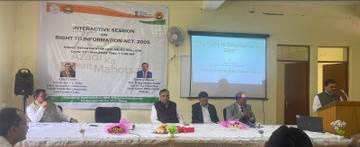
Under Department of Justice’s Nyaya Bandhu, the Pro Bono Club of NEHU, Shillong organised an enlightening session on the RTI Act, of 2005. It highlighted the significance of the Act, educating citizens about their right to access vital public information.

Image

Led by Dr. Ravi Kant Mishra, the esteemed guests Heimonglang Nongpluh & Prof. Prabha Shankar Shukla stressed the importance of employing this right when necessary, empowering individuals, and  promoting awareness in rural Meghalaya. It shed light on the Act’s numerous benefits and  its role in ensuring public authorities’ accountability.

Image

ATL Tinkerpreneur 2023: Atal Innovation Mission calls for registration

 Atal Innovation Mission (AIM), NITI Aayog has opened registration for ‘ATL Tinkerpreneur 2023’- a flagship summer boot camp under AIM’s Atal Tinkering Labs program.

ATL Tinkerpreneur is a 7-week long virtual summer bootcamp in June July which equips students with key digital skills and frameworks to create their own online venture by the end of the bootcamp. The last edition of the bootcamp witnessed 5000+ team innovations, the top 100 of them got internship & funding opportunities from Indian School of Business.

The bootcamp is open to students from all schools (ATLs and non-ATLs). Students will receive certificates, internships, and other attractive opportunities. The last date for registration is 5th June 2023.

Each of the registered teams shall be provided dedicated mentoring support for the whole duration of the bootcamp from NITI Aayog’s Mentors of Change. The bootcamp shall start from 8th June and shall last till 24th July. The students can submit their entries by 6th August.

Each week, there will be dedicated expert sessions for students on digital skills, product development and entrepreneurship skills, and handholding sessions for a more focussed approach.

This year, there will be special podcasts in regional languages, weekly challenges to solve and lots of learning through different sessions.

Unveiling the challenge, Mission Director AIM , Dr Chintan Vaishnav said “This is an exciting moment for all of us as. We have seen some brilliant innovations in previous two editions and we are sure this year too, we will get to see some exciting innovations. For students, ATL Tinkerpreneur is a great platform to traverse the journey from think to implementation”

Students can register themselves here: https://kid-ex.com/champions/atltnkr2023

For detailed brochure, click here: https://kid-ex.com/pdf/ATL_Tinkerpreneur_2023_Brochure.pdf

*****

Indian Deaf Cricket Team, winners of IDCA TR-Nation ODI for the Deaf against Bangladesh

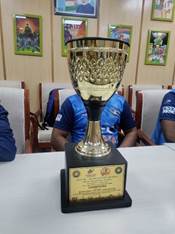
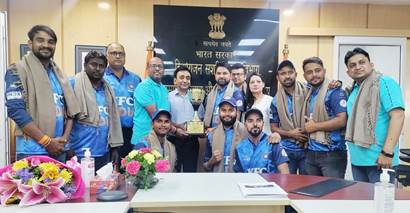
 Today on 1st June, 2023, Shri Rajesh Aggarwal, Secretary, Department of Empowerment of Persons with Disabilities (DEPwD) felicitated the winning team of IDCA TR-Nation ODI for the Deaf, 2023 in the conference hall of the Department at Pandit Deen Dayal Antyodaya Bhavan, CGO Complex, New Delhi. This International tournament was held between 29th April & 5th May and came to a successful close at Merlin Rise, Sport’s City, Club Pavilion Cricket Grounds, Rajarhat, Kolkata.  The Indian Deaf cricket team won IDCA TR-Nation ODI for the Deaf, 2023 by defeating Bangladesh Deaf Team by record 166 runs.

A trophy on a tableDescription automatically generated with medium confidenceA group of people sitting at a tableDescription automatically generated with medium confidence

Speaking on the occasion, Shri Rajesh Aggarwal, Secretary (DEPwD) congratulated all the team members including the coaches and president IDCA for their outstanding efforts. He interacted with each team member to know their background, employment status, etc. He wished victory of the team in the coming Deaf ICC ODI World Cup in Qatar.

A group of people posing for a photoDescription automatically generated

Ms. Reena Jain Malhotra, Patron of IDCA has informed that IDCA was formed in 2020 and registered under the Societies Registration Act 1860 with the sole aim to promote the game of Cricket amongst the deaf athletes of the country and to provide them with a platform to showcase their talent and to represent their respective States at a national level and country at international level. She further told that Indian Deaf Cricket Association (IDCA) is a governing body for deaf cricket in India and a member of DICC (Deaf International Cricket Council) which closely works with ICC to promote Cricket amongst Deaf Cricketers globally.

***

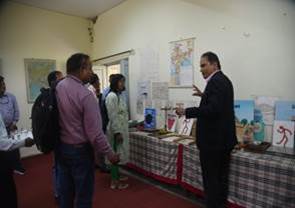
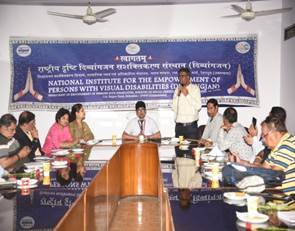
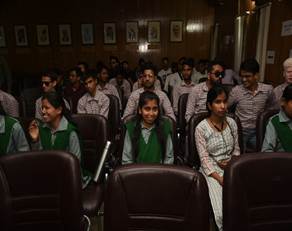
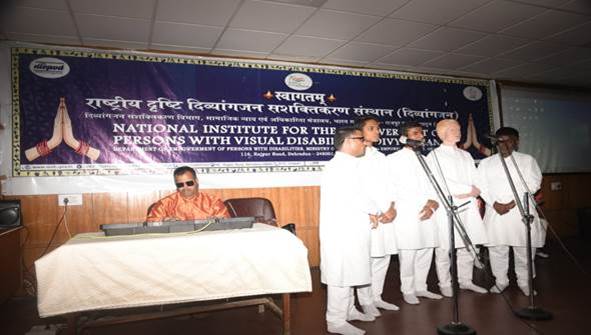
three-day visit to National Institute for Empowerment of Persons with Visual Disabilities

 The three-day visit to the National Institute for the Empowerment of Persons with Visual Disabilities (Divyangjan), Dehradun, concluded today. The institute focuses on various aspects of education and overall development for the visually impaired, including printing books. Education for disabled and visually impaired individuals requires joint effort from parents and teachers. The Cross Disability Early Intervention Center of the institute caters to children aged 4 to 12, where teachers educate them in the presence of their families. Teaching these young students poses significant challenges. Visually impaired children have limited vision capabilities.

To adapt to the modern era, the national institute for empowering Divyangjan is introducing new and contemporary courses, including Artificial Intelligence (AI). Starting this year, the institute has prepared to offer an AI course specifically tailored for Divyangjan students. This will enable them to excel in the IT sector through the utilization of cutting-edge technology. The institute has made provisions for the visually impaired students by providing Artificial Intelligence machines such as computer systems, expert systems, computing devices, sentence recognition applications, and other necessary equipment to facilitate their development.


The work of education and training of visually impaired children is being carried out in this institute for a long time. The children coming out from here are not only getting fully established in the mainstream of the society, but they are also securing great ranks in exams from UPSC civil services to CBSE Board exams. Apart from visually impaired children and adults, new research is being carried out daily for the training of other disabled people in this institute, as well as such human resources are also being prepared who can help others with their knowledge in other parts of the country.


Dr. Surendra Dhalwal, the Assistant Professor of Medical Psychology at the institute, explained that its origins can be traced back to the British era when it was established to assist soldiers who lost their eyes in war. After India gained independence, the government transformed it into a national institute, focusing on research and training for all types of disabled individuals, with a particular emphasis on visually impaired children. Today, the institute not only conducts research and training but also houses an intermediate-level college affiliated with the CBSE Board. This college provides education from primary to intermediate levels for visually impaired children from across the country.

Amit Kumar Sharma, the Vice Principal of the college, mentioned that the college currently has 254 registered students across different classes. These children are selected at a young age through an online application process. They reside in the hostel located within the college campus. During the Covid-19 pandemic, online education was introduced for the first time, and in 2021, the college’s students achieved remarkable results in the CBSE board examinations. In recognition of their outstanding performance, the CBSE Board awarded the college an A+ category certificate.

Mr. Sharma further stated that the college is planning to introduce the study of Artificial Intelligence (AI) as per the CBSE Board’s curriculum. In addition to general subjects, visually impaired students are being taught subjects like Information Technology. The students’ proficiency in computer education is so impressive that their visual impairment becomes inconspicuous.

The institute and college continue to evolve and adapt to modern education trends. Driven by a mission to empower visually impaired individuals, they strive to provide a nurturing environment where students can excel academically and acquire skills that enable them to overcome barriers.

Apart from general education, the National Institute for the Empowerment of Persons with the Visual Disabilities (Divyangjan) also works on skill development and economic empowerment and has a Central Braille Press. Special ballots prepared for the visually impaired in the general elections are also prepared from this institute. Training for courses like B.Ed and D.Ed is also given in this institute so that necessary human resources can be prepared for training the Divyangjans. Many pass outs from here are working in different parts of the country to teach visually impaired children. Along with making necessary equipment for the visually impaired, research is also being done on it. The institute has also prepared a special chess board for visually impaired children.

Apart from different states of the country, children from many other countries also come to study in this institute. Today this institute is setting an example at the world level.

***

62 desiccation-tolerant vascular plant species in India's Western Ghats

 India’s biodiversity hotspot, the Western Ghats, is home to 62 Desiccation-Tolerant Vascular Plant Species which could have applications in agriculture, particularly in areas with scarcity of water.

Desiccation-tolerant vascular (DT) plants are able to withstand extreme dehydration, losing up to 95% of their water content, and they revive themselves once water is available again. This unique ability allows them to survive in harsh, arid environments that would be uninhabitable for most other plants. DT plants have been studied for their possible applications in agriculture, particularly in areas with limited water resources. In tropical regions, they are the predominant occupants of rock outcrops. 

In India, DT plants have been relatively understudied. Although rock outcrops are common landscapes in the Western Ghats (WG), knowledge of DT plants in the region is poor.

A recent study by scientists from Agharkar Research Institute (ARI) Pune, an autonomous institute of the Department of Science and Technology (DST), has identified 62 DT species in the Western Ghats, many more than the earlier known nine species.

The research published in the Nordic Journal of Botany provides an overview of Indian DT plants, with a special focus on the WG, and includes an inventory of species with their habitat preferences.

In the inventory of 62 species, 16 are Indian endemic, and 12 are exclusive to the Western Ghats outcrops, highlighting WG’s importance as a global DT hotspot. In addition to rock outcrops, tree trunks in the partially shaded forests were also found to be crucial habitats for DT species, as per the study.

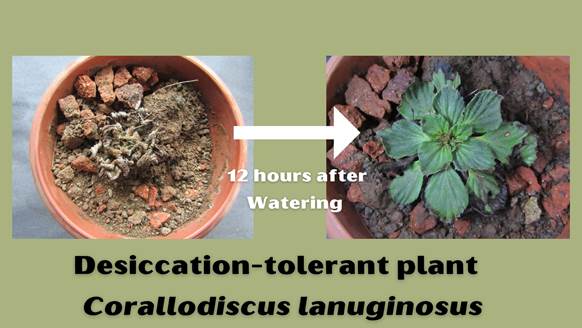
The team of researchers scrutinized outcrop species for their DT properties by seasonal field observations, followed by relative water content estimation protocols. Nine genera of DT plants are reported as new, also in a global perspective, with Tripogon capillatus representing the first record of an epiphytic DT angiosperm. The study also provides the first field observation-based proof of DT properties of the gesneriad Corallodiscus lanuginosus. Time-lapse video records the hydration process of this species.

The team led by Dr. Mandar Datar and involving Smrithy Vijayan, Aboli Kulkarni, and Bhushan Shigwan collaborated with Dr. Stefan Porembski from Rostock University Germany, who is recognized as an expert of tropical rock outcrops.

The findings of the study can provide valuable insights into the biodiversity and ecology of the Western Ghats and aid in the conservation of DT plant species. Besides, understanding the mechanisms by which DT plants can tolerate dehydration could lead to the development of crops that are more drought-resistant and require less water.

For further details, Dr. M. N. Datar (mndatar@aripune.org) 020 25325057 or 9850057605 corresponding author of the study, can be contacted.

Research paper details: Smrithy, V., Kulkarni, A., Shigwan, B. K., Porembski, S., & Datar, M. N. (2023). Desiccation‐tolerant vascular plants from Western Ghats, India: review, updated checklist, future prospects, and new insights. Nordic Journal of Botany, e03939. https://onlinelibrary.wiley.com/doi/abs/10.1111/njb.03939

A short video showcasing the desiccation tolerance of the plant Corallodiscus lanuginosus is available at https://youtu.be/DmCf-op_yKocapturing its fascinating time-lapse transformation.

Figure 1: Image of Corallodiscus lanuginosus


Unified Registration Portal For GOBARdhan

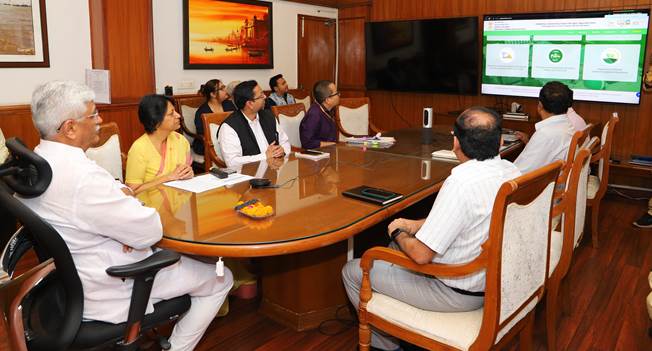
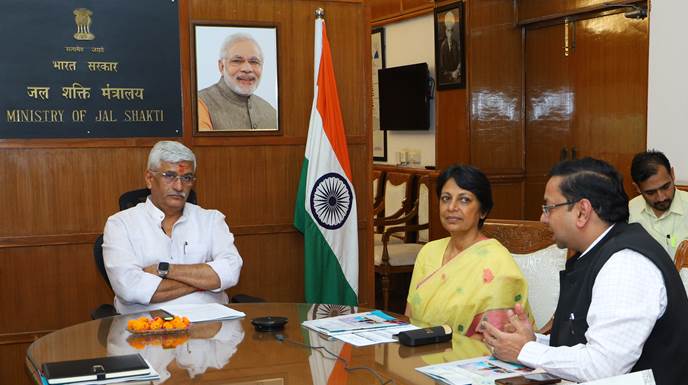
The Union Minister for Jal Shakti, Shri Gajendra Singh Shekhawat launched the Unified Registration Portal for GOBARdhan which will act as a one stop repository to assess investment and participation in Biogas/CBG sector at pan India level and more importantly streamline the process of setting up CBG/Biogas plants in India. Any government, cooperative or private entity operating or intending to setup a Biogas/CBG/Bio CNG plant in India can obtain a registration number by enrolling in this unified registration portal launched today. The registration number will enable availing of multitude of benefits and support from the Ministries & Departments of Government of India. States have been advised to get their CBG/Biogas plant operators registered on the portal on priority to avail existing and upcoming support from the Union Government.

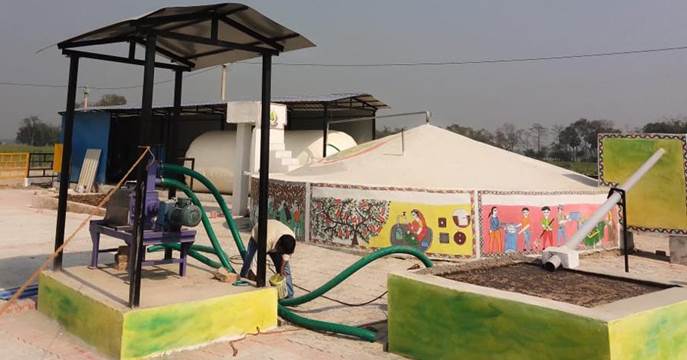
Galvanizing Organic Bio-Agro Resources Dhan (GOBARdhan) is a vital umbrella initiative of Government of India, based on the whole of Government approach and aims to convert waste to wealth towards promoting circular economy. Government of India intends to build a robust ecosystem for setting up Biogas/Compressed Biogas (CBG)/ Bio-Compressed Natural Gas (CNG) plants to drive sustainable economic growth and promote a circular economy. As the nodal department for GOBARdhan, Department of Drinking Water and Sanitation (DDWS), Ministry of Jal Shakti has developed this portal, which can be accessed at https://gobardhan.co.in. The launch was attended, in virtual mode, by Additional Chief Secretaries/Principal Secretaries (In charge of rural sanitation) of all States/UTs and representation of various central Ministries and Departments.

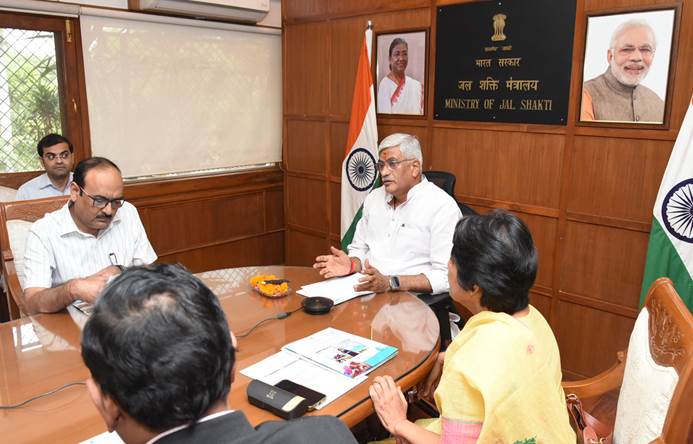
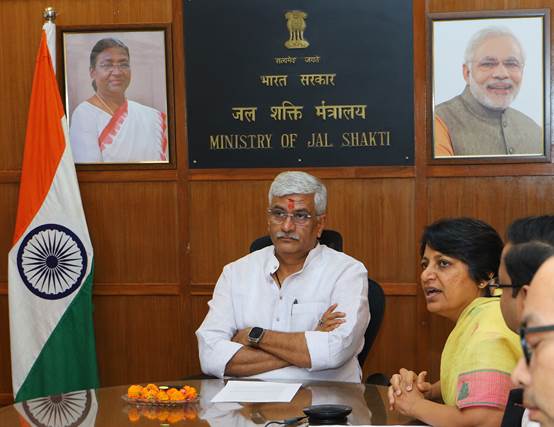
Addressing the gathering, the Union Minister for Jal Shakti, Shri. Gajendra Singh Shekhawat said that this Unified Registration Portal of GOBARdhan is a perfect example of Cooperative Federalism as the stakeholder Central Ministries, all line departments of Centre and States have come together in development and deployment of the portal. He stated, “Our visionary Prime Minister gave us the responsibility of ensuring ‘waste to wealth’ to which effect we launched the GOBARdhan initiative. With more than 650 GOBARdhan plants and this portal, we have made significant achievement in our waste to wealth generation journey”. The Union Minister further said that the portal will not only ensure Ease of Doing Business (EODB) but with aggregated data from all Ministries & Departments across Centre and States, the initiative will also attract greater investment from the private players. “I hope and urge everyone present here today that we must continue our concreted efforts to ensure faster pace and progress of outcomes – ‘gati aur pragati’ of the GOBARdhan initiative”, he added. Sh. Shekhawat highlighted that registering of new projects on the portal is a pre-requisite to avail any benefit/support of GoI schemes and programs (GOBARdhan related) and in that context he urged all private operators as well as Government stakeholders to register at the earliest on this Unified Registration Portal.Sh. Shekhawat concluded his address by congratulating all the Officers and stakeholders for all their efforts towards developing the portal.

Speaking on the occasion, Secretary, Department of Drinking Water and Sanitation, Ms. Vini Mahajan said that the Portal was the result of extensive consultative process among all stakeholder Ministries. She informed that the Portal was made live to all States, Ministries and Line Departments for dry run, to sort all technical issues. The CBG Producers Association was also made to test and explore the functioning of the portal. Ms. Mahajan added that the Portal displays information on both existing as well as proposed GOBARdhan projects and will be a valuable tool for investors as well as entrepreneurs of the sector.

Sh. Jitendra Srivastava, JS&MD, SBM(G) & GOBARdhan informed that as on date, more than 650 GOBARdhan plants have been reported by different stakeholders. He added that the portal is available in the public domain to ensure transparency as well as making data available for research and related purposes.

The objective of GOBARdhan is to generate wealth and energy by converting cattle dung, agri residue and other organic waste into Biogas, CBG and bio fertilizers. This initiative comprises the entire gamut of schemes, programmes, policies promoting the conversion of organic waste like cattle dung, agri-residue etc. to biogas/CBG/Bio CNG. It encompasses schemes/programmes under various Ministries & Departments viz. Waste to Energy Scheme of M/o New and Renewable Energy, SATAT (Sustainable Alternative Towards Affordable Transportation) scheme of M/o Petroleum and Natural Gas, SBM(G) Phase II of DDWS, Agri Infrastructure Fund (AIF) of Dept. of Agriculture Cooperation & Farmers Welfare and Animal Husbandry Infrastructure Development Fund (AHIDF) of Dept. of Animal Husbandry & Dairy. GOBARdhan is being implemented in partnership with State Governments and Private Sector including entrepreneurs, societies etc. Any plant/project producing CBG/Biogas (more than 10 cuM/day) and bio slurry as principal outputs is eligible to be under the ambit of GOBARdhan.

GOBARdhan initiative is envisioned to contribute significantly towards reaching India’s climate action goals particularly achieving net-zero emissions by 2070. With the highest livestock population in the world, India produces vast amounts of animal waste. CBG/Biogas sector can play a crucial role in India’s energy transition, ensuring energy security and affordability, enhancing entrepreneurship, providing rural employment, and boosting local economies. Transitioning to CBG/Biogas can contribute to job creation for semi-skilled and skilled labor in multiple areas viz. waste collection, operations, construction etc. It will benefit rural people in general and women in particular from the use of clean fuel, improved cleanliness in villages and consequent improvement in health outcomes (through decreased incidence of vector borne and respiratory diseases). Initiative will also augment nation’s efforts toward achieving the Sustainable Development Goals (SDGs) viz. SDG 3: Good Health and Wellbeing, SDG 6: Clean Water & Sanitation, SDG 7: Affordable & Clean energy, SDG 13: Climate Action; amongst others. Further, the initiative contributes significantly towards circular economy, and Govt.  of India’s Mission LiFE.

It encompasses schemes/programmes under various Ministries & Departments viz. Waste to Energy Scheme of M/o New and Renewable Energy, SATAT (Sustainable Alternative Towards Affordable Transportation) scheme of M/o Petroleum and Natural Gas, SBM(G) Phase II of DDWS, Agri Infrastructure Fund (AIF) of Dept. of Agriculture Cooperation & Farmers Welfare and Animal Husbandry Infrastructure Development Fund (AHIDF) of Dept. of Animal Husbandry & Dairy. Other stakeholder Ministries are M/o Housing and Urban Affairs, D/o Agriculture Research and Education, D/o Rural Development, D/o Fertilizers, M/o Environment Forest and Climate Change, D/o Science and Technology, M/o Skill Development and Entrepreneurship.

The Union Government is firmly committed in its endeavor to build a robust CBG/Biogas policy ecosystem in India. Few initiatives which are in the pipeline, aim to strengthen CBG/Biogas supply chain with special thrust on aggregation of biomass, grid pipeline connectivity, enabling organic farming practices, supporting Research & Development and constant engagement across CBG/Biogas stakeholders.

*****

Unified Registration Portal For GOBARdhan

The Union Minister for Jal Shakti, Shri Gajendra Singh Shekhawat launched the Unified Registration Portal for GOBARdhan which will act as a one stop repository to assess investment and participation in Biogas/CBG sector at pan India level and more importantly streamline the process of setting up CBG/Biogas plants in India. Any government, cooperative or private entity operating or intending to setup a Biogas/CBG/Bio CNG plant in India can obtain a registration number by enrolling in this unified registration portal launched today. The registration number will enable availing of multitude of benefits and support from the Ministries & Departments of Government of India. States have been advised to get their CBG/Biogas plant operators registered on the portal on priority to avail existing and upcoming support from the Union Government.

Galvanizing Organic Bio-Agro Resources Dhan (GOBARdhan) is a vital umbrella initiative of Government of India, based on the whole of Government approach and aims to convert waste to wealth towards promoting circular economy. Government of India intends to build a robust ecosystem for setting up Biogas/Compressed Biogas (CBG)/ Bio-Compressed Natural Gas (CNG) plants to drive sustainable economic growth and promote a circular economy. As the nodal department for GOBARdhan, Department of Drinking Water and Sanitation (DDWS), Ministry of Jal Shakti has developed this portal, which can be accessed at https://gobardhan.co.in. The launch was attended, in virtual mode, by Additional Chief Secretaries/Principal Secretaries (In charge of rural sanitation) of all States/UTs and representation of various central Ministries and Departments.

Addressing the gathering, the Union Minister for Jal Shakti, Shri. Gajendra Singh Shekhawat said that this Unified Registration Portal of GOBARdhan is a perfect example of Cooperative Federalism as the stakeholder Central Ministries, all line departments of Centre and States have come together in development and deployment of the portal. He stated, “Our visionary Prime Minister gave us the responsibility of ensuring ‘waste to wealth’ to which effect we launched the GOBARdhan initiative. With more than 650 GOBARdhan plants and this portal, we have made significant achievement in our waste to wealth generation journey”. The Union Minister further said that the portal will not only ensure Ease of Doing Business (EODB) but with aggregated data from all Ministries & Departments across Centre and States, the initiative will also attract greater investment from the private players. “I hope and urge everyone present here today that we must continue our concreted efforts to ensure faster pace and progress of outcomes – ‘gati aur pragati’ of the GOBARdhan initiative”, he added. Sh. Shekhawat highlighted that registering of new projects on the portal is a pre-requisite to avail any benefit/support of GoI schemes and programs (GOBARdhan related) and in that context he urged all private operators as well as Government stakeholders to register at the earliest on this Unified Registration Portal.Sh. Shekhawat concluded his address by congratulating all the Officers and stakeholders for all their efforts towards developing the portal.

Speaking on the occasion, Secretary, Department of Drinking Water and Sanitation, Ms. Vini Mahajan said that the Portal was the result of extensive consultative process among all stakeholder Ministries. She informed that the Portal was made live to all States, Ministries and Line Departments for dry run, to sort all technical issues. The CBG Producers Association was also made to test and explore the functioning of the portal. Ms. Mahajan added that the Portal displays information on both existing as well as proposed GOBARdhan projects and will be a valuable tool for investors as well as entrepreneurs of the sector.

Sh. Jitendra Srivastava, JS&MD, SBM(G) & GOBARdhan informed that as on date, more than 650 GOBARdhan plants have been reported by different stakeholders. He added that the portal is available in the public domain to ensure transparency as well as making data available for research and related purposes.

The objective of GOBARdhan is to generate wealth and energy by converting cattle dung, agri residue and other organic waste into Biogas, CBG and bio fertilizers. This initiative comprises the entire gamut of schemes, programmes, policies promoting the conversion of organic waste like cattle dung, agri-residue etc. to biogas/CBG/Bio CNG. It encompasses schemes/programmes under various Ministries & Departments viz. Waste to Energy Scheme of M/o New and Renewable Energy, SATAT (Sustainable Alternative Towards Affordable Transportation) scheme of M/o Petroleum and Natural Gas, SBM(G) Phase II of DDWS, Agri Infrastructure Fund (AIF) of Dept. of Agriculture Cooperation & Farmers Welfare and Animal Husbandry Infrastructure Development Fund (AHIDF) of Dept. of Animal Husbandry & Dairy. GOBARdhan is being implemented in partnership with State Governments and Private Sector including entrepreneurs, societies etc. Any plant/project producing CBG/Biogas (more than 10 cuM/day) and bio slurry as principal outputs is eligible to be under the ambit of GOBARdhan.

GOBARdhan initiative is envisioned to contribute significantly towards reaching India’s climate action goals particularly achieving net-zero emissions by 2070. With the highest livestock population in the world, India produces vast amounts of animal waste. CBG/Biogas sector can play a crucial role in India’s energy transition, ensuring energy security and affordability, enhancing entrepreneurship, providing rural employment, and boosting local economies. Transitioning to CBG/Biogas can contribute to job creation for semi-skilled and skilled labor in multiple areas viz. waste collection, operations, construction etc. It will benefit rural people in general and women in particular from the use of clean fuel, improved cleanliness in villages and consequent improvement in health outcomes (through decreased incidence of vector borne and respiratory diseases). Initiative will also augment nation’s efforts toward achieving the Sustainable Development Goals (SDGs) viz. SDG 3: Good Health and Wellbeing, SDG 6: Clean Water & Sanitation, SDG 7: Affordable & Clean energy, SDG 13: Climate Action; amongst others. Further, the initiative contributes significantly towards circular economy, and Govt.  of India’s Mission LiFE.

It encompasses schemes/programmes under various Ministries & Departments viz. Waste to Energy Scheme of M/o New and Renewable Energy, SATAT (Sustainable Alternative Towards Affordable Transportation) scheme of M/o Petroleum and Natural Gas, SBM(G) Phase II of DDWS, Agri Infrastructure Fund (AIF) of Dept. of Agriculture Cooperation & Farmers Welfare and Animal Husbandry Infrastructure Development Fund (AHIDF) of Dept. of Animal Husbandry & Dairy. Other stakeholder Ministries are M/o Housing and Urban Affairs, D/o Agriculture Research and Education, D/o Rural Development, D/o Fertilizers, M/o Environment Forest and Climate Change, D/o Science and Technology, M/o Skill Development and Entrepreneurship.

The Union Government is firmly committed in its endeavor to build a robust CBG/Biogas policy ecosystem in India. Few initiatives which are in the pipeline, aim to strengthen CBG/Biogas supply chain with special thrust on aggregation of biomass, grid pipeline connectivity, enabling organic farming practices, supporting Research & Development and constant engagement across CBG/Biogas stakeholders.

*****

PM SVANidhi fostering entrepreneurship and stability among Street Vendors

 Shri Hardeep S. Puri, Minister for Housing and Urban Affairs and Petroleum and Natural Gas complimented the Prime Minster Street Vendor’s AtmaNirbhar Nidhi (PM SVANidhi) Scheme on its successful completion of 3 momentous years. The Minister stated that PM SVANidhi yojana is witnessing one of the fastest roll-outs of government schemes. He further stated that PM SVANidhi has led an unparalleled wave of financial inclusion and digital literacy in India’s cities and towns that has provided dignity and stability to Street Vendors.

PM SVANidhi Scheme launched on 01 June, 2020, aiming to restore Swarozgar, Svavlamban, Swabhimaan (Self Employment, Self-Sustenance, and Self-Confidence) within street vendors has become one of the fastest growing micro-credit schemes of the Government of India and has provided its citizens access to credit and linkages to social security schemes.

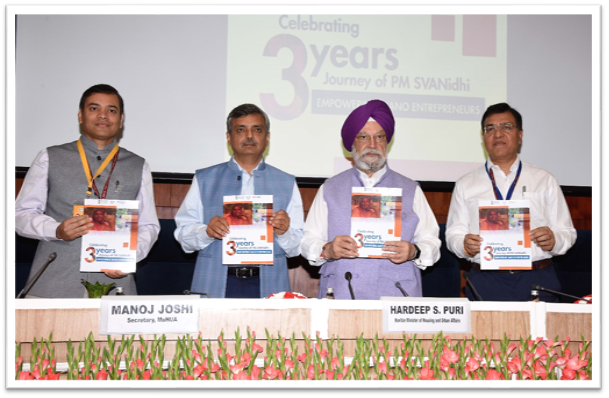
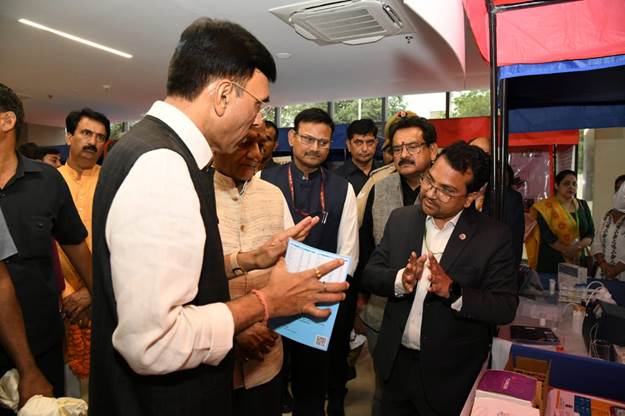
The Ministry of Housing and Urban Affairs (MoHUA) organised an event at Vigyan Bhawan to celebrate 3 years journey of PM Street Vendor’s AtmaNirbhar Nidhi (PM SVANidhi) Yojana, here today. The scheme has empowered COVID-19 affected street vendors to resume their livelihood. Not just that, it has achieved various milestones in financial inclusion and mainstreaming of street vendors. were highlighted. This scheme, launched amidst the pandemic, has made significant contributions to the lives of street vendors across the country.

During the event, a booklet highlighting the noteworthy achievements and initiatives implemented under the PM SVANidhi scheme was released. The booklet provides insights into the various initiatives and reforms undertaken by the scheme to transform the lives of street vendors and their families throughout the country. The event was attended by Shri Manoj Joshi, Secretary, MoHUA; Sh. Rajeev Jain, Addl. DG (Media); Sh. Rahul Kapoor, Jt. Secretary & Mission Director; and senior officials from Central Government, State Governments, Banks, Digital Payment Aggregators, key partners and the PM SVANidhi beneficiary Street Vendors.

In addition, the Minister launched a PM SVANidhi mobile app for street vendors, to ease the loan application process and provide various information to Street Vendors regarding the Scheme. Moreover, a facility for ‘Udyam’ registration and obtaining ‘Udyam Assist’ certificate for Street Vendors on PM SVANidhi portal was also launched with the help of Ministry of Small and Medium enterprises, MSME, to provide easy access to vendors for obtaining Udyam Registration Certificate for promotion of their business.

Further, States and lending Institutions which have shown good performance under the Scheme were also felicitated for their valuable contribution towards empowering the street vendors. Amongst the banks, State Bank of India, Bank of Baroda, and Union Bank of India were felicitated for offering large number of loans to street vendors. Amongst RRBs Andhra Pradesh Grameen Vikas Bank, and from State Cooperative banks Stree Nidhi Credit Cooperative Federation Ltd. were felicitated.

Shri Hardeep S. Puri, Minister, MoHUA also interacted with beneficiary Street Vendors of PM SVANidhi scheme and was apprised with the changes which the scheme has brought in their lives. He expressed his gratitude to all the stakeholders, including Central Ministries and State Governments, Urban Local Bodies, Lending Institutions, and partners for their enormous support and contribution to the success of the scheme.

PM SVANidhi scheme has achieved significant milestones over the past three years. The scheme facilitates working capital loans in three tranches to the Street Vendors. It has been providing microcredits to more than 36 lakh Street Vendors across India. As on June 30, 2023, 48.5 lakh loan applications have been sanctioned, with over 46.4 lakh loans disbursed to street vendors, amounting to a total of Rs. 5,795 crore. Digital on boarding and training have been a key component of the scheme and the Ministry is taking various efforts training all PM SVANidhi beneficiaries in making digital transactions and thus providing them social acceptance and dignity.

*******

Shri Amit Shah addressed a press conference in Imphal

 On last day of his four-day visit to Manipur, Union Home Minister and Minister of Cooperation, Shri Amit Shah addressed a press conference in Imphal today. Shri Amit Shah appealed to all sections in violence-hit Manipur to maintain peace, hold discussions and promote harmony. He appealed to the people of Manipur to not to pay heed to rumors and maintain peace. On behalf of Modi Government, Home Minister expressed deep condolences to the families of those killed in Manipur violence.

The Union Home Minister and Minister of Cooperation said that a judicial commission will be set up under the chairmanship of retired Chief Justice of the High Court to investigate the Manipur violence. He said that a peace committee would also be constituted under the chairmanship of the Governor of Manipur, in which representatives of all sections would be included.

Shri Amit Shah said that under the relief and rehabilitation package by Government of India and  Government of Manipur an amount of Rs 10 lakh will be given to the next of kin of those who lost their lives in the violence. Government of Manipur and Government of India each will provide Rs 5 Lakh which will be given through DBT in their bank accounts. He said that for better and non-partisan coordination among all agencies which are working to maintain security in Manipur, an Inter-Agency Unified Command would be set up under the chairmanship of Security Advisor, Shri Kuldiep Singh. Home Minister said that 6 cases including 5 identified cases from all registered cases and one case of general conspiracy will be investigated by the special team of CBI. The cause of the violence will be investigated without any bias and discrimination and strict action will be taken to punish the guilty to prevent such incidents.

The Union Home Minister said that to ensure uninterrupted supply of essential commodities to Manipur, the Government of India has sent 30,000 MT of rice over and above the prescribed quota. Apart from this, arrangements have also been made for the supply of gas cylinders, petrol and vegetables. He said that supply of essential commodities to Manipur from rest of the country would also be ensured by setting up a temporary platform at Khongsang railway station. Shri Shah added that temporary helicopter facility is being started from Churachandpur, Moreh and Kangpokpi, which will provide transport facility to airport and remote places with charges of Rs 2000 per person only. He said that the rest of the cost of this service would be provided by the Government of India and the Government of Manipur. He said that out of 8 medical teams formed by the Government of India, 3 teams have reached Manipur and 5 teams will reach soon. These teams will provide health facilities in Moreh, Churachandpur and Kangpokpi areas.

Shri Amit Shah said that to ensure that the competitive examinations and education system continue without any interruptions for the students of Manipur, the officials of the Ministry of Education, Government of India, along with the officials of the Manipur Education Department, are preparing a concrete plan to arrange online education, examinations and distance education, which will be ready within 2 days. He said that necessary arrangements are being made to facilitate appearing before the Manipur High Court from Churachandpur, Moreh and Kangpokpithrough virtual medium. Shri Shah said that to ensure smooth functioning of all the arrangements in Manipur, a Joint Secretary level officers of Union Home Ministry and five Director level officers of different ministries will be present in the state.

The Union Home Minister and Minister of Cooperation said that the trial work on fencing of 10 kms border along the Myanmar and Manipur border has been completed by the Government of India, while the tendering process for 80 kms fencing work is also completed and the survey for fencing on the remaining border area is underway. He said that the biometric and eye impressions of people coming from neighbouring countries are also being taken, so that no one can incite violence in the region.

Union Home Minister said that any kind of violation of the Suspension of Operation Agreement will be dealt with strictly and will be treated as a breach of the Agreement. He said that all the terms of the agreement should be strictly followed by the concerned parties. Shri Shah said that people should surrender their weapons to the police as strict action will be taken against those found possessing weapons during the combing operation by the police.

Shri Amit Shah appealed to all civil society organizations that it is time to establish peace and increase harmony within the society. He said that everyone should work towards establishing peace and enabling an environment for discussion and harmony.

The Union Home Minister said that violence between two groups started in Manipur on 29th April after a decision given by the court. He said that for the last 6 years, Manipur has been free from bandh, blockade, curfew and violence and under the leadership of Prime Minister Shri Narendra Modi and Chief Minister Shri N. Biren Singh, the double engine government of Manipur has achieved unprecedented progress in all parameters of development in the state. He added that past 6 years are the years of development and peace in the history of Manipur. A number of initiatives have been taken including opening central institutions in the region, strengthening the infrastructure, bringing industrial investment, making Manipur education and sports hub of the Northeast by smoothly running the educational institutions.

Shri Amit Shah said that during his stay in Manipur, he met people from all the sections, visited temporary relief camps, and interacted with delegations and victims in Imphal, Moreh, Churachandpur and Kangpokpi. Shri Shah said that he also held a meeting with state cabinet ministers and women’s organizations. Apart from this, Shri Shah held meeting with about 22 Civil Society Organisations (CSOs) of Meitei community and about 25 CSOs of Kuki community. He also discussed measures to restore peace with intellectuals, professors, retired officers and people from every section of the society during the past 2 days. He said that discussions were also held with 11 political parties. Additionally, discussions were held with sportspersons and elected representatives of all parties.

Detailed Information of Union Home Minister Shri Amit Shah’s 4-day Visit to Manipur

*****

National Training Centre for Food Safety and Standards Authority of India

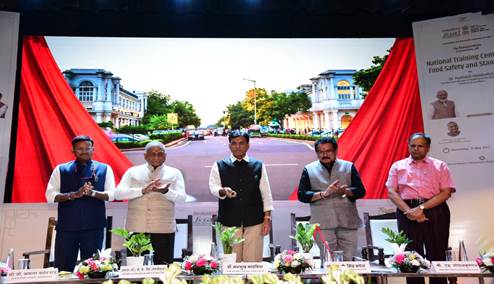
 “As we aim to become a developed nation in our Amrit Kaal, it is essential that our citizens are healthy. Swasth Nagrik creates a Swastha Rashtra, which leads to a Samruddha Rashtra.” This was stated by Union Minister for Health and Family Welfare, Dr Mansukh Mandaviya at the inauguration of the state-of-the-art National Training Centre for Food Safety and Standards Authority of India (FSSAI) at Ghaziabad, Uttar Pradesh yesterday. Prof. S.P. Singh Baghel, Minister of State (HFW) and General (Dr.) V.K. Singh, Minister of State (Civil Aviation, MoRTH) were also present at the event.

Reiterating Prime Minister Shri Narendra Modi’s focus on wellness and preventive healthcare, the Union Minister said that India’s traditional food habits and way of life should be adopted as ‘our kitchen is our hospital’. “Good quality nutritious food can go a long way in keeping diseases at bay”, he emphasized. Dr Mandaviya spoke of India’s rich heritage of health and wellness whether it was in preventive healthcare, consumption of millets, or in practicing Yoga. Highlighting the value of wellness and lifestyle as important components in health, he said, “The people who will train at the National Training Centre of FSSAI will play a significant role in creating healthy citizens in the country, as they will ensure quality standards for food are followed in the country.”

Talking about the challenge posed by food adulteration in the country, Dr Mandaviya said that FSSAI has formed a team along with State Authorities to crackdown on those who indulge in such malpractices. “There will be no tolerance to food adulteration in the country”, he stressed. He stated that large scale testing would be carried out across the country and action would be taken as per Food Safety and Standards (Act 2006) against those found guilty.

Terming the training centre as “Lok Swasth Arpan Bhawan”, Prof. S. P. Singh Baghel said that FSSAI has got a great responsibility of setting food standards in the country which touches everyone’s life. He added that it is also our responsibility to ensure that the food we eat follows these standards.

The National Training Centre of the Food Safety and Standards Authority of India (FSSAI) at Ghaziabad, Uttar Pradesh is an essential initiative aimed at providing structured instruction, practice, and learning experiences to bridge the gap between existing knowledge or skills and desired knowledge or skills in the field of food safety and standards. As mandated by the FSS Act 2006 and the Food Safety and Standards Rules, 2011, FSSAI is responsible for providing training to individuals involved in food businesses, including food business operators, employees, Food Safety Officers, and designated officers. Recognizing the importance of continuous skill upgrading for officials, food business operators, and other stakeholders, FSSAI has established the National Training Centre to offer various training programs. This dedicated center fills the void that previously existed, ensuring the development of a future-ready workforce committed to ensuring safe and wholesome food for the citizens of India.

On this occasion, an e- learning app- Food Safety and Certification (FoSTaC) developed by FSSAI that contains learning and training modules about food safety guidelines, such as proper food handling, storage, and hygiene practices etc., for street vendors was also launched.

Dr. Mandaviya also released two books developed by FSSAI – Millets (Shree Anna) Recipes- A Healthy Menu for Mess/Canteens and Healthy Gut, Healthy You – Traditional recipes with potential probiotic benefits.

The event was also attended by Shri S Gopalakrishnan, Special Secretary, Ministry of Health and Family Welfare, Shri G. Kamala Vardhana Rao, CEO FSSAI and other senior officials of the Food Safety and Standards Authority of India.

******

Mission LiFE on Agatti Island in the Union Territory of Lakshadweep

 The Ministry of Environment, Forest and Climate Change (MoEF&CC), Government of India envisages to celebrate the World Environment Day 2023 with a thrust on the Mission LiFE. The concept of LiFE, introduced by the Hon’ble Prime Minister of India, aims to promote sustainable living by encouraging individuals to make changes in their lifestyles and emphasizes responsible and conscious use of resources to safeguard and conserve the environment.

To generate widespread awareness and advocacy for LiFE across India, a month-long mass mobilization campaign on Mission LiFE is currently underway.  Following the “whole of government” and “whole of society” approach, the Ministry has mobilized Central Ministries/ Departments, State/ UT Governments/ Administrations, Institutions, and private organizations to spread the message of Mission LiFE. The ongoing mass mobilization campaign aims to amplify pan-India advocacy and awareness about LiFE, leading up to celebration on World Environment Day on 5th June 2023.

  1. National Centre for Sustainable Coastal Management

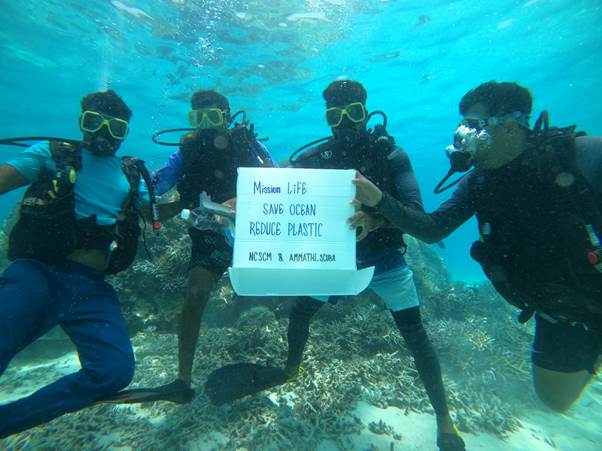
In an ongoing effort to promote the principles of Mission LiFE, Lifestyle for Environment, NCSCM scuba divers undertook a sea floor clean-up and awareness drive at the coral reefs of Agatti Island, one of the inhabited islands in the Lakshadweep Union Territory. The island, located in the Arabian Sea off the southwestern coast of India, is home to a diverse and vibrant coral reef ecosystem. Lakshadweep holds immense ecological and economic significance and is considered a biodiversity hotspot due to its rich marine life. The coral reefs of the islands support a wide range of organisms, including fish, mollusks, and other invertebrates, which attract tourists from around the world. The pristine beauty of these reefs, with their colourful corals and diverse marine life, makes them popular destinations for snorkelling, scuba diving, and other water-based recreational activities. Tourism associated with coral reefs contributes to the local economy and provides employment opportunities. Given their ecological, economic, and cultural significance, it is crucial to protect and conserve the coral reefs of Lakshadweep. Sustainable management practices, community engagement, and awareness campaigns can play a vital role in ensuring the long-term health and survival of these invaluable ecosystems. However, Lakshadweep Island has faced several environmental challenges in recent years, including marine litter.

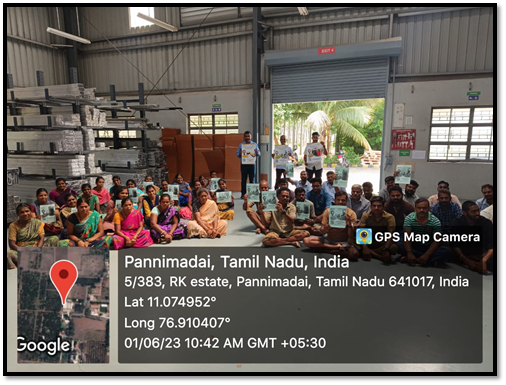
On the sea floor clean-up drive, NCSCM partnered with Ammathi Scuba to conduct a sea floor clean-up and sensitization programme at the coral reefs of Agatti Island. Divers recovered around 5 kg of seafloor litter, including pet bottles, abandoned, lost, or otherwise discarded fishing gear (ALDFG), ropes, packing materials, and food wrappers. This public awareness campaign aims to improve the health of the oceans through collective action and large-scale community participation (Janbhagidari). Participants in the event took part in the LiFE pledge to safeguard the environment. As part of the event, placards and LiFE mascots were displayed on the beach and underwater to describe Mission LiFE to regional and national audiences.
The NCSCM has launched yet another effort to promote Mission LiFE on Agatti Island, in the Union Territory of Lakshadweep. As part of Lifestyle for the Environment, NCSCM scientists undertook a public outreach and beach clean-up drive at Agatti Island. This is one of the inhabited islands in the Lakshadweep archipelago, and it holds cultural, demographic, ecological, and economic significance. Agatti Island is a popular tourist destination in Lakshadweep due to its scenic beauty, white sandy beaches, and vibrant marine life. The island offers opportunities for activities such as snorkelling, scuba diving, and boat tours. Fishing is an important economic activity on this island and throughout the Lakshadweep archipelago. The islanders have a long-standing tradition of fishing, and it plays a crucial role in their livelihoods. However, Lakshadweep Island has faced several environmental challenges in recent years, including marine pollution. Rising sea levels, coral bleaching, biodiversity loss, and extreme weather events are some of the specific environmental challenges associated with climate change in the islands.

Along with the NCSCM staff, the general public, including women, youth, and representatives from the fishing community, participated in the lagoon-side beach clean-up and awareness campaign. About 25 islanders took part in the clean-up drive, where about 20 kg of plastic waste, including discarded nets, were collected and handed over to a material recovery facility. NCSCM scientists sensitised around 60 islanders of various age groups on the services and functions provided by the several ecosystems (coral, seagrass, sandy beaches, and dune vegetation) and emphasised the need for conservation of these ecosystems. The public was made aware of the necessity of reducing plastics in such sensitive ecosystems by using eco-friendly alternatives to single-use plastics. The concept of a sustainable blue economy, including responsible tourism and fishing, waste segregation at the source and management (constructed wetlands), water (rainwater harvesting), energy (rooftop solar), biodiversity conservation, native coastal vegetation as a “bioshield” against these extreme events, and adopting a sustainable lifestyle, were also highlighted during the event. The scientists also emphasised the need to follow the litter minimization hierarchy (reduce, reuse, recycle, recovery, and disposal) for their daily litter footprint. The initiative provided a quick introduction to the islanders about the sensitivity of island ecosystems and the need to conserve the values of the sensitive ecosystems by avoiding “trampling” and “littering”. During the event, participants undertook the LiFE pledge in support of the LiFE mission and safeguarding the environment. Placards, posters, and LiFE mascots were displayed on the island to describe Mission LiFE to the local community.

 

  1. Zoological Survey of India

Zoological Survey of India, Kolkata organised a number of events for mass mobilisation of Mission LiFE at Netaji Subash Chandra Airport, Kolkata. The  ZSI team  spoke to  managers from different sectors at the airport on different  themes of Mission LiFE and asked them what steps they have taken to support LiFE.The manager of a  cake shop Floury’s said supporting ‘Say No to Plastics’ they have completely banned use of single use plastics and use cloth bags and paper packets instead of plastics. A young customer at  a cosmetic shop said she uses products which are free from chemicals, not tested on animals and sourced from natural plant products.She appealed to all To support LiFE. To Save water the taps in the toilets  are  installed with sensor or timers. The toilets are regularly cleaned and hygiene is maintained. Continuing with the mass mobilisation of LiFE the team spoke to passengers of Air Asia flight and a nine year old school girl said she supports Mission LiFE for her future.Through this campaign  Zoological Survey of India could spread awareness across 300 people of different age groups and different professions including passengers and also retail shop owners.

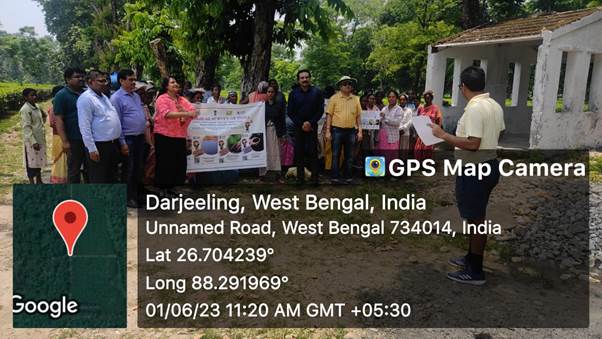
Zoological Survey of India, Kolkata conducted an awareness drive at Sanyasisthan Tea Gardens, Bagdogra, Dist Darjeeling, West Bengal in which the manager of the garden,Mr Mithilesh Singh told the tea garden workers about the importance of fauna and Mission LiFE. About 200 workers took the Mission LiFE pledge amidst  the lush green tea gardens.
 

  1. GB Pant National Institute of Himalayan Environment

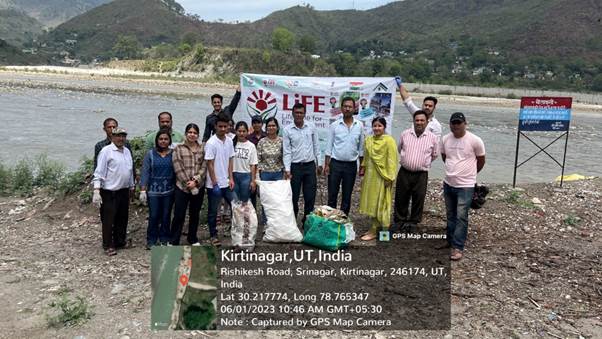
Garhwal Regional Centre (GRC) of the G.B. Pant National Institute of Himalayan Environment (NIHE) conducted an awareness program and cleanliness drive along the banks of Alaknanda River, Srinagar under the ‘Say no to Single Use Plastic’ theme of mission LiFE. A total of 25 kg of plastic waste was collected and disposed off at the waste collection point of Nagar Nigam. A total of 35 participants participated in the program including local, faculties, researchers, and staff. All the participants pledged to adopt environmentally friendly habits.
 

North-East Regional Centre (NERC) of the G.B. Pant National Institute of Himalayan Environment (NIHE) organized an awareness meeting under the theme “Mission Lifestyle for the Environment (LiFE)”. A total of 10 participants, including scientists, researchers, and office staff, attended the meeting. The program aimed to encourage the adoption of the following practices within the office premises including avoiding the uses of water resources for our daily uses, and avoiding using single-use plastic by replacing it with environment-friendly alternatives such as cloth/jute bags. All the participants took the LiFE pledge to sustain the natural resources in the Indian Himalayan region (IHR) and to contribute to environmental conservation.
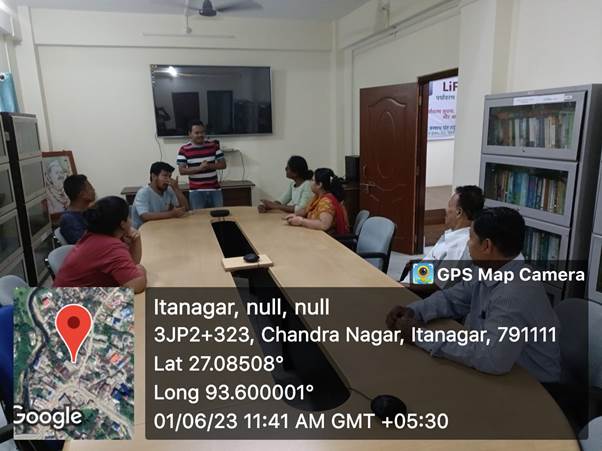
Centre for Socio-Economic Development (CSED) of the G.B. Pant National Institute of Himalayan Environment (NIHE) organized four awareness and action programs under the Mission LiFE on 01st June, 2023. Two awareness programs were conducted which were followed by two cleanliness events by faculty, research scholars and supporting staff of CSED at Jyoli Village of Almora district and its nearby spring (water source). A total of 30 participants including the shopkeepers and women from Jyoli village, Almora and tourists participated in the program. The participants were sensitized on reducing single-use plastic. All the participants took the LiFE pledge to sustain the natural resources in the Indian Himalayan region (IHR) and to contribute to environmental conservation.
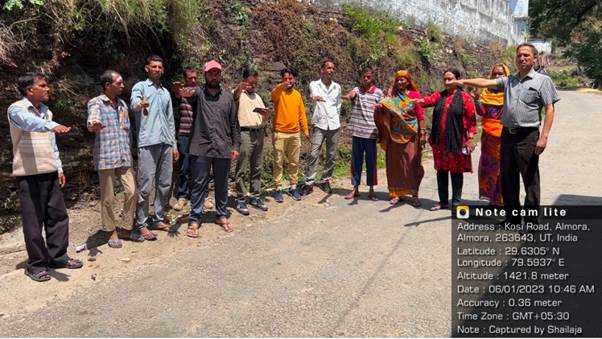
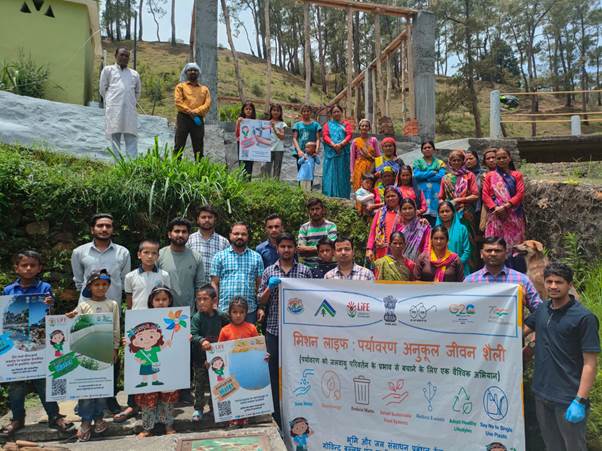
Centre for Land and Water Resource Management (CLWRM) of the G.B. Pant National Institute of Himalayan Environment (NIHE) conducted an awareness and action campaign under mission LiFE on 01 June 2023 at Badi Village, Almora, Uttarakhand. The participants were sensitized on various themes of mission LiFE themes viz. ‘Save Water’, ‘Adopt Sustainable Food Systems’ ‘Reduce Waste’ and ‘Adopt Healthy Lifestyles’ etc. Further, the participants were also informed about the role of spring rejuvenation in water security in the Himalayan region. A cleanliness drive was conducted with the villagers to clean the local water source (Naula) at Badi Village. With major participation from Women, a total of 50 participants from the village including faculties, researchers, and support staff of CLWRM, NIHE participated in the event. All the participants took LiFE pledge for adopting environment-friendly habits.
 

  1. Environmental Information, Awareness, Capacity Building and Livelihood Programme (EIACP):

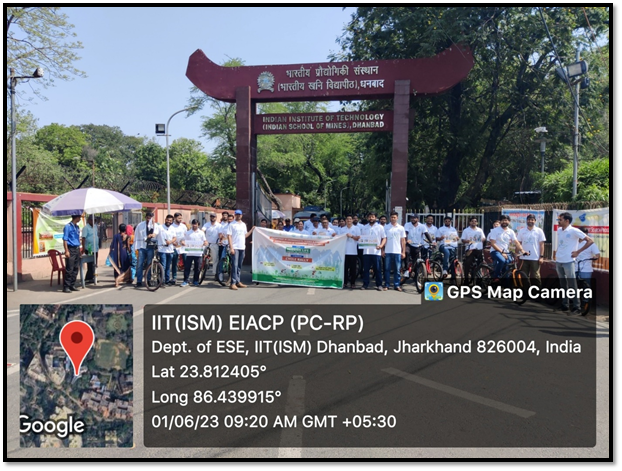
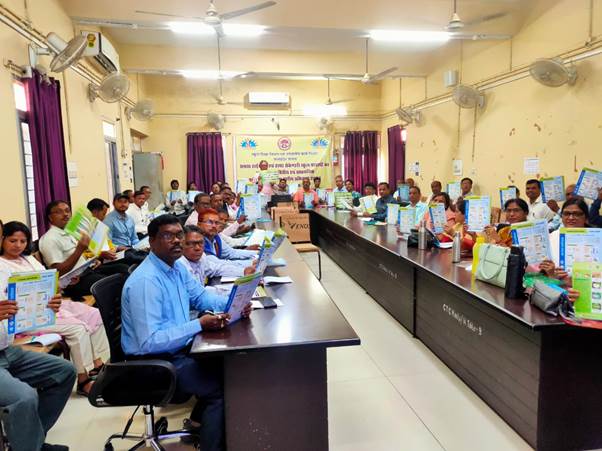
The program is dedicated to raising awareness, building capacity, and promoting sustainable actions among individuals and communities across India. On Thursday, 1st June, 2023, the EIACP Programme Centres conducted a series of activities as part of a mass awareness campaign on Mission LiFE leading up to the World Environment Day 2023 celebrations.

In a run up for WED Mission LiFE Campaign, EIACP PC Hubs and RPs conducted awareness drives to various stakeholders including government officials, academic institutions, government schools, colleges, etc. More than 20 activities and over 1400 participants took part in various events organised by EIACP Centres across India.
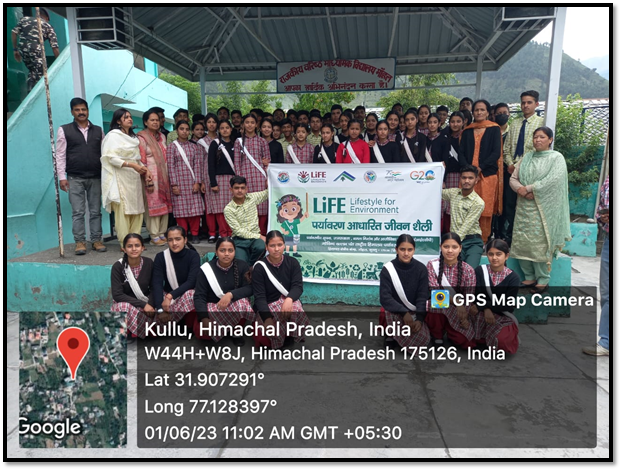


  1. Environment Education Programme (EEP)

Various Eco-clubs under Environment Education Programme (EEP) organized 1022 events for promiton of Mission LiFE with participation of more than 37,000 children on June 1, 2023. More than 36,000 LiFE pledges also were taken during the day’s events.

Under Mission LiFE mass mobilization campaign various schools in Madhya Pradesh organized LiFE pledge events, essay and painting competitions, etc.  for Eco-Club students. LiFE pledge was taken by all the Principals of HS and HSS, of District Mandla, MP under the leadership of Shri Rajesh Chatri, NGC In-Charge. The participants were also sensitized about EEP and also on environmental protection, water conservation, cleanliness, and biodiversity conservation. EEP resource materials were also distributed to the participants.
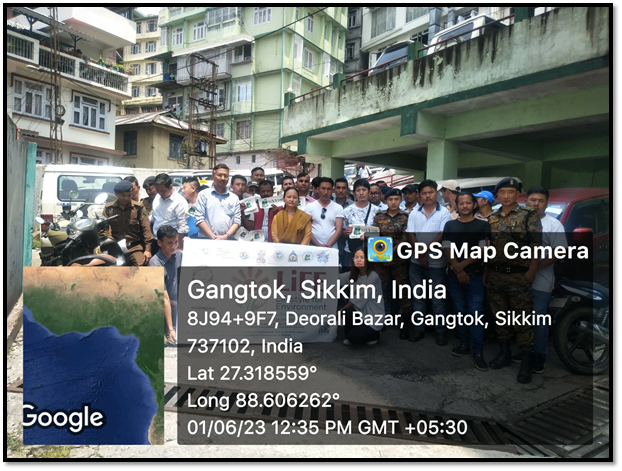
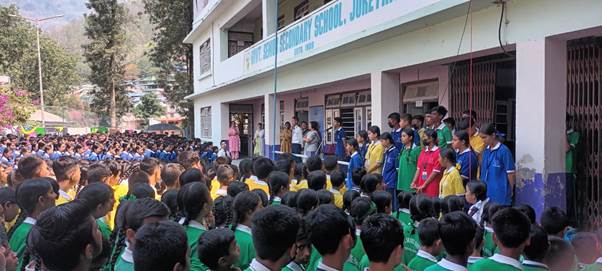
Around 20 Eco-club schools engaging 1000+ students took active part in Mission LiFE propagation and awareness in Sikkim. Activities included awareness on Mission LiFE theme on morning assembly, distribution of saplings and plantations, etc.
 

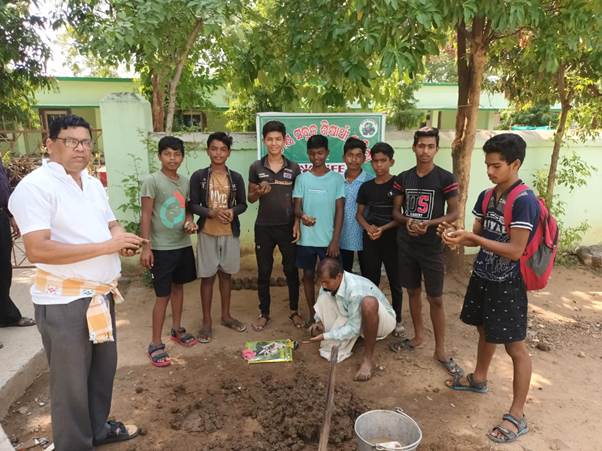
Students of Government Upgraded High School, Saintala, Bolangir district, Odisha have started collecting seeds and making seed balls for plantation in view of the rainy season.
******


Ministry of Education organising Janbhagidari events

 Guided by the vision of the Prime Minister Shri Narendra Modi for encouraging active participation of people as the central focus of India’s G20 Presidency, Ministry of Education is organizing a series of activities & programs aiming at promoting & endorsing the theme of “Ensuring Foundation Literacy and Numeracy (FLN)” especially in the context of blended learning.

Pursuant to this objective, Ministry of Education in partnership with all States & UTs is organizing Janbhagidari events throughout the country to create awareness & generate a sense of pride among various stakeholders like students, teachers, parents & community as a whole, about G-20, National Education Policy & FLN. In this context, a lot of activities including workshops, exhibitions, seminars and conferences have been planned from 1st to 15th June, 2023. The events would be widely organized all across the country at State, District, Block, Panchaayat and school level to involve people from all strata of life.

The Janbhagidari event would lead up to the main event i.e. 4th Education Working Group (4th EdWG) discussion at Pune, Maharashtra between 19th to 21st June 2023 and culminate with the Education Ministerial meeting on 22nd June 2023.

A schedule of the events being organized by the Ministry is as under:

  • Janbhagidari events on awareness about G20, NEP, FLN in all schools – 1st to 15th June, 2023.
  • Exhibition to showcase the best practices on the best practices in the field of school education, higher education and skill education from 17th to 22nd June, 2023 at Pune, Maharashtra.
  • 2-day National Conference on Foundation Literacy and Numeracy on 17th and 18th June, 2023.

*****