Urban Co-operative Banks (UCBs) in the country

  To realise Prime Minister Shri Narendra Modi’s vision of ‘Sahakar se Samridhi, four important initiatives have been taken to strengthen 1,514 Urban Co-operative Banks (UCBs) in the country. Pursuant to detailed discussions held by Union Home Minister and Minister of Cooperation Shri Amit Shah, with Finance Minister Smt. Nirmala Sitharaman and Governor, Reserve Bank of India, the RBI has notified these vital measures to strengthen Urban Co-operative Banks.

1. In order to expand their business, Urban Cooperative Banks (UCBs) can now open new branches.

UCBs can now open new branches up to 10% (maximum 5 branches) of the number of branches in the previous financial year without prior approval of RBI in their approved area of operation. In order to avail this facility, UCBs have to get the policy approved by their board and comply with the Financially Sound and Well Managed (FSWM) Norms.

2.      UCBs can also do One Time Settlement at par with Commercial Banks

RBI has notified a framework governing this aspect for all regulated entities including Urban Co-operative Banks. Now co-operative banks through board-approved policies may provide process for technical write-off as well as settlement with borrowers. This has brought cooperative banks at par with other commercial banks now.

3.      Revised timelines for PSL targets given to UCBs

The Reserve Bank of India has decided to extend the timeline for UCBs to achieve Priority Sector Lending (PSL) targets by two years i.e. up to March 31,2026. Deadline of March 31, 2023 to achieve PSL target of 60% has now also been extended to March 31,2024.The excess deposits, if any, after clearing the shortfall of PSL during FY 2022-23 will also be refunded to UCB.

Since UCB work in urban areas unlike commercial banks who have branches in rural areas as well, they were facing hardships on this score.

4.      Designating a Nodal Officer in RBI

    In order to meet the long pending demand of the cooperative sector for closer coordination and focused interaction, RBI has recently notified a nodal officer as well.

The above initiatives will further strengthen the Urban Co-operative Banks. Under the leadership of Prime Minister Shri Narendra Modi, the Ministry of Cooperation is committed to strengthen cooperatives and treat them at par with other forms of economic entities, both as beneficiaries and participants.

*****

A Great Developed Land Asset near Hyderabad: Kanha Shanti Vanam

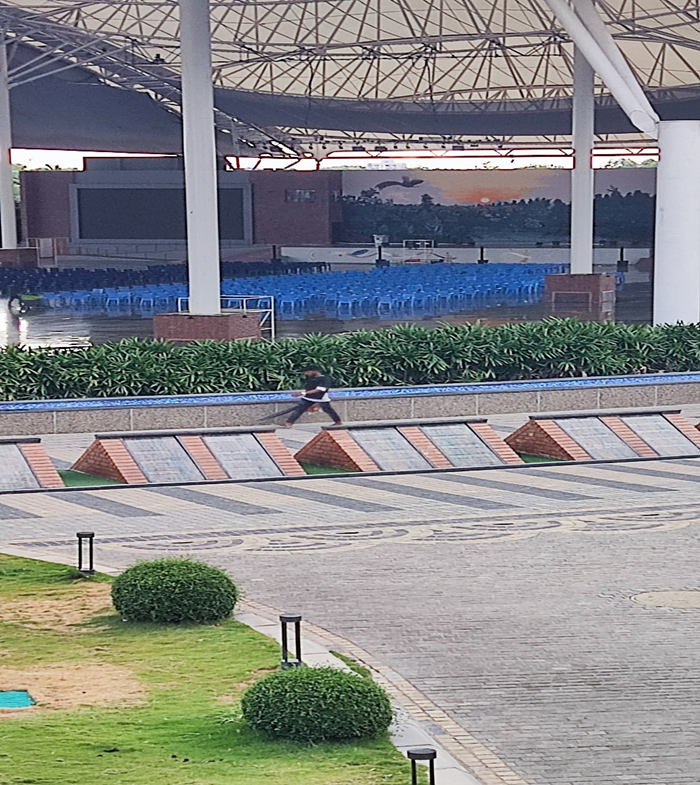
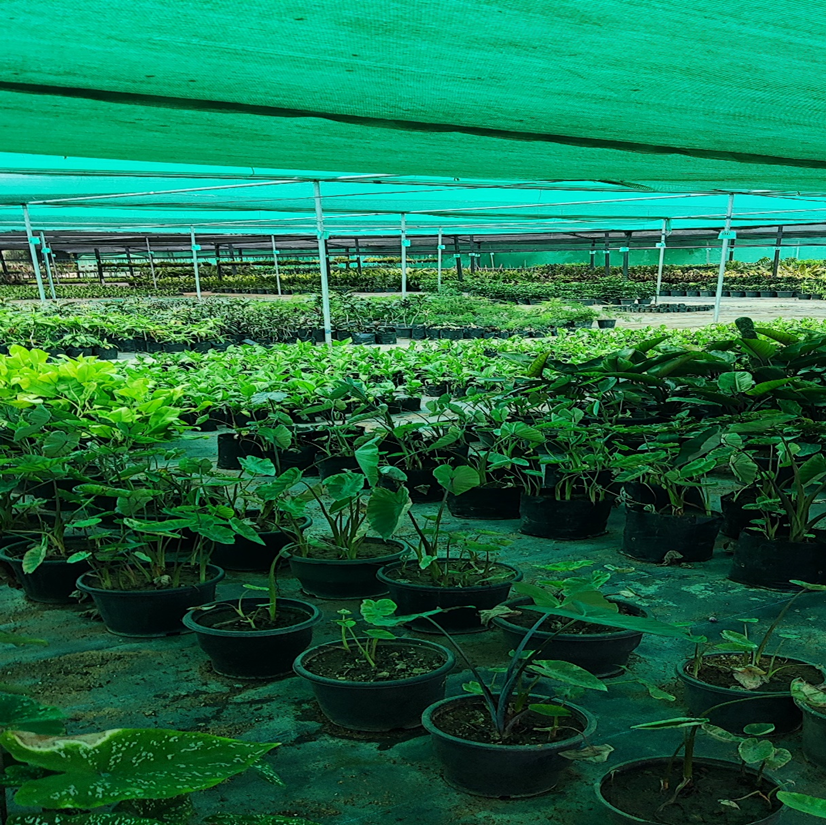
Hyderabad, a wonderful city and also a city of historical importance is popular in India and abroad because of many factors including educational institutions and medical tourism. In the vicinity of Hyderabad, many immovable assets mainly land assets which have been developed for different purposes are located. These attract Indians and foreigners. As an inhabitant of Hyderabad, I am proud of my city. Anyway, I am presenting a case which is known as Kanha Shanti Vanam. I visited the place on June 8, 2023, and spent the whole day there. Kanha Shanti Vanam is a spiritual center with an integrated township located around 25 kilometers away from Rajiv Gandhi International Airport, Hyderabad at Chegur village, Ranga Reddy District, Telangana. The Vanam is spread over an area of 1,200 acres of land. It provides many activities such as spiritual training and mentorship programmes, manages nurseries, shops of books and clothes, the canteen where varieties of foods both north Indians and south are available, etc. The Centre also boasts of environmental initiatives including water conservation and saving endangered plant species. It is pertinent to mention that more than 2500 species of plants of more than 300 plant families are available inter alia of which are aquatic plants, bonsai and medicinal plants, cycads, edible fruits, ornamental plants, shade-loving foliage, flowering plants, etc are available in the nursery. Further, it may be mentioned that as a part of its educational activities, the Heartfulness Institute has established the “Heartfulness Learning Center,” which intends to offer children from Pre-KG through Grade eight.
For the benefit of readers, I wish to mention the history of the place. Shri Ram Chandra Mission (SRCM) is a non-profit organization and a spiritual movement originating in India, which teaches the practice of “Sahaj Marg” or “Heartfulness Meditation”. It was registered in 1945 by Ram Chandra of Shahjahanpur, Uttar Pradesh but its headquarters is at Kanha Shanti Vanam, Kanha village, Ranga Reddy District Telangana. The organization was also registered as SRCM USA in California in 1997. Shri Ram Chandra Mission (SRCM) claims to have spread this system of meditation amongst millions of people across 160 countries. Internationally the place is popular. As per the statistics in Kanha Shanti Vanam, there is the largest meditation center in the world, accommodating 100,000 people at a time for meditation. The Organisation has established a medical center that has adequate medical facilities to assist the local people and visitors.
As a great achievement of the organization, the first-ever international conference on integrative health and wellbeing (IHW), took place at Kanha Shanti Vanam between 16 and 18 December 2022. The Conference combined traditional with integrative holistic approaches to health and wellness that were supported by research. Many prestigious national and international institutions provided support for the conference. There are dormitories, a large meditation hall, dining for 50,00 people, kitchens, toilets, and other facilities that could host a spiritual gathering of over 50,000 people. Many dignitaries visited the place. In December 2017, Ram Nath Kovind, the then Hon’ble President of India, E.S.L. Narasimhan, Governor of Andhra Pradesh and Telangana, visited SRCM’s Kanha Shanti Vanam Ashram and planted trees under the Green Kanha initiative.
This wonderful place is worth visiting. In addition to my visit and collecting information, the following websites have been consulted during the course of writing the article.

Prof Shankar Chatterjee, Hyderabad
References:
1) http://kanha.dev4srcm.org/the-kanha
2) https://en.wikipedia.org/wiki/Shri_Ram_Chandra_Mission

A Great Developed Land Asset near Hyderabad: Kanha Shanti Vanam

Hyderabad, a wonderful city and also a city of historical importance is popular in India and abroad because of many factors including educational institutions and medical tourism. In the vicinity of Hyderabad, many immovable assets mainly land assets which have been developed for different purposes are located. These attract Indians and foreigners. As an inhabitant of Hyderabad, I am proud of my city. Anyway, I am presenting a case which is known as Kanha Shanti Vanam. I visited the place on June 8, 2023, and spent the whole day there. Kanha Shanti Vanam is a spiritual center with an integrated township located around 25 kilometers away from Rajiv Gandhi International Airport, Hyderabad at Chegur village, Ranga Reddy District, Telangana. The Vanam is spread over an area of 1,200 acres of land. It provides many activities such as spiritual training and mentorship programmes, manages nurseries, shops of books and clothes, the canteen where varieties of foods both north Indians and south are available, etc. The Centre also boasts of environmental initiatives including water conservation and saving endangered plant species. It is pertinent to mention that more than 2500 species of plants of more than 300 plant families are available inter alia of which are aquatic plants, bonsai and medicinal plants, cycads, edible fruits, ornamental plants, shade-loving foliage, flowering plants, etc are available in the nursery. Further, it may be mentioned that as a part of its educational activities, the Heartfulness Institute has established the “Heartfulness Learning Center,” which intends to offer children from Pre-KG through Grade eight.
For the benefit of readers, I wish to mention the history of the place. Shri Ram Chandra Mission (SRCM) is a non-profit organization and a spiritual movement originating in India, which teaches the practice of “Sahaj Marg” or “Heartfulness Meditation”. It was registered in 1945 by Ram Chandra of Shahjahanpur, Uttar Pradesh but its headquarters is at Kanha Shanti Vanam, Kanha village, Ranga Reddy District Telangana. The organization was also registered as SRCM USA in California in 1997. Shri Ram Chandra Mission (SRCM) claims to have spread this system of meditation amongst millions of people across 160 countries. Internationally the place is popular. As per the statistics in Kanha Shanti Vanam, there is the largest meditation center in the world, accommodating 100,000 people at a time for meditation. The Organisation has established a medical center that has adequate medical facilities to assist the local people and visitors.
As a great achievement of the organization, the first-ever international conference on integrative health and wellbeing (IHW), took place at Kanha Shanti Vanam between 16 and 18 December 2022. The Conference combined traditional with integrative holistic approaches to health and wellness that were supported by research. Many prestigious national and international institutions provided support for the conference. There are dormitories, a large meditation hall, dining for 50,00 people, kitchens, toilets, and other facilities that could host a spiritual gathering of over 50,000 people. Many dignitaries visited the place. In December 2017, Ram Nath Kovind, the then Hon’ble President of India, E.S.L. Narasimhan, Governor of Andhra Pradesh and Telangana, visited SRCM’s Kanha Shanti Vanam Ashram and planted trees under the Green Kanha initiative.
This wonderful place is worth visiting. In addition to my visit and collecting information, the following websites have been consulted during the course of writing the article.

Prof Shankar Chatterjee, Hyderabad
References:
1) http://kanha.dev4srcm.org/the-kanha
2) https://en.wikipedia.org/wiki/Shri_Ram_Chandra_Mission

Antarashtriya Yoga Diwas Media Samman

 Ministry of Information and Broadcasting has today announced the second edition of Antarashtriya Yoga Diwas Media Samman.

Under the Antarashtriya Yoga Diwas Media Samman 2023, thirty-three Sammans will be given out under three categories viz Print, Television and Radio in twenty-two Indian languages and English as below

  1. 11 Sammans in 22 Indian languages and English – to be conferred under the category “Best Media Coverage in Yoga in Newspaper” 
  2. 11 Sammans in 22 Indian languages and English – to be conferred under the category “Best Media Coverage in Yoga in Electronic Media (TV)” 
  3. 11 Sammans in 22 Indian languages and English – to be conferred under the category “Best Media Coverage in Yoga in Electronic Media (Radio)” 

Announcing the awards for the year 2023 Union Minister Shri Anurag Thakur said that Thanks to Prime Minister Shri Narendra Modi, International Day of Yoga, celebrated on June 21 every year, has kindled a mass movement to promote health and well-being across the globe.

He has further said that Yoga has transcended borders and cultures, captivating the attention of millions worldwide. Its holistic approach to physical, mental, and spiritual well-being has garnered significant interest, making it a global phenomenon. This achievement would not have been possible without the tireless efforts of the media in spreading awareness and showcasing the transformative potential of yoga. In recognition of this, I am happy to announce that Ministry of Information and Broadcasting has decided to conduct the 2nd edition of Antarashtriya Yoga Diwas Media Samman this year.

Shri Thakur added that the Samman commends the instrumental role that the media plays in disseminating the outreach of yoga, both within India and abroad. As we celebrate the International Day of Yoga, it is crucial to recognize the immense power and responsibility that the media holds in promoting this ancient practice and its numerous benefits.

He also said that media has been a catalyst in fostering understanding, appreciation, and adoption of this profound practice. It has been successful in presenting it as a universal practice accessible to people of all ages, backgrounds, and abilities.

Thanking the media for playing this role as an enabler, Shri Thakur said “I express my heartfelt gratitude to the media for its invaluable contributions in disseminating the outreach of yoga in India and across the globe. Your unwavering dedication to sharing the transformative power of this practice has undoubtedly played a significant role in making yoga a universal language of wellness.”

The Samman will be recommended by an independent Jury.   The Samman will comprise of a special media/plaque/trophy and a citation.

The guidelines require Media Houses to submit details in a prescribed format along with relevant clippings of article(s) created and published or audio/visual content telecast/broadcast made during the period 10th June 2023 to 25th June 2023. The last date for entries is 1st July 2023.

Detailed guidelines can be found on the websites of Press Information Bureau (https://pib.gov.in/indexd.aspx ) and Ministry of I&B (https://mib.gov.in/ )

About Antarashtriya Yoga Diwas Media Samman

Acknowledging the positive role & responsibility of media in disseminating the outreach of Yoga in India and abroad, the Ministry of I&B had instituted the first Antarashtriya Yoga Diwas Media Samman (AYDMS) in June, 2019. The first edition of the awards was conferred on 7th January, 2020 and thereafter a hiatus was caused due to COVID19 pandemic. The Ministry of Information and Broadcasting has decided to revive the Samman and organize the second edition in 2023.

The International Day of Yoga has been celebrated annually on 21 June since 2015. The idea of International Day of Yoga was first proposed by the Prime Minister of India, Shri Narendra Modi, during his address at the United Nations General Assembly (UNGA), on 27 September 2014.

While proposing the idea the Prime Minister stated:

Yoga is an invaluable gift of India’s ancient tradition. It embodies unity of mind and body; thought and action; restraint and fulfilment; harmony between man and nature; a holistic approach to health and well-being. It is not about exercise but to discover the sense of oneness with yourself, the world and the nature. By changing our lifestyle and creating consciousness, it can help in wellbeing. Let us work towards adopting an International Yoga Day.”

Following this initial proposal, the UNGA held informal consultations on the draft resolution, entitled “International Day of Yoga”, on 14 October 2014. The consultations were convened by the delegation of India. On 11 December 2014, India’s Permanent Representative introduced the draft resolution in the United Nations General Assembly. The draft text received broad support from 177 Member States who sponsored the text, which was adopted without a vote. This initiative found support from most global leaders. A total of 177 nations co-sponsored the resolution, which is the highest number of co-sponsors ever for any UNGA resolution of such nature.


****

Saurabh Singh

Impact of 'Har Ghar Jal' Program on Public Health and Economic Savings

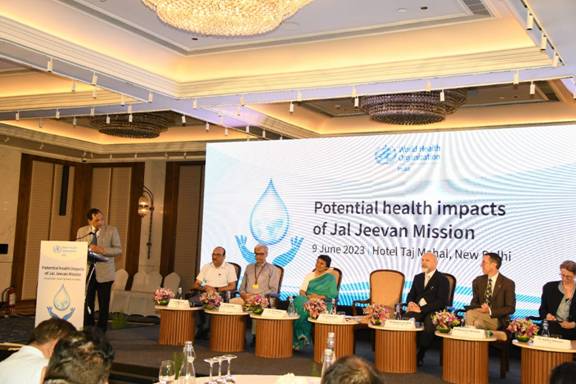
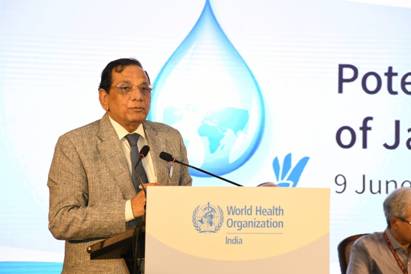
 “We are witnessing the role of safe drinking water in saving lives, empowering women and girls, and contributing to ease of living”. This was stated by Dr V K Paul, Member (Health), NITI Aayog at the launch of the groundbreaking report of WHO highlighting the substantial benefits of the ‘Har Ghar Jal’ program in India, here today. “No programme has this kind of direct impact on improving the lives of individuals and families physically, mentally, and financially”, he stressed. Dr. Paul commended the speed and scale of the programme and said, “A new connection is being added every second and transforming public health in India today.”

The report estimates that ensuring safely managed drinking water for all households in the country could avert nearly 400,000 deaths caused by diarrheal diseases and prevent approximately 14 million Disability Adjusted Life Years (DALYs) related to these diseases. This achievement alone would result in estimated cost savings of up to $101 billion. The analysis focuses on diarrhoeal diseases as it accounts for majority of WASH-attributable disease burden.

Smt Vini Mahajan, Secretary, Department of Drinking Water and Sanitation, Ministry of Jal Shakti, and Dr. Rajiv Bahl, Secretary, Department of Health Research, Director General, Indian Council of Medical Research, Dr. Roderico H. Ofrin, WHO Representative to India were also present.

Dr Bahl, DG, ICMR commended the achievement of Har Ghar Jal in providing citizens with access to clean drinking water. “Government of India’s investment in Jal Jeevan Mission has a significant multiplier effect on health as has been brought out by this study”, he stated.

The ‘Har Ghar Jal’ report focuses on diarrheal diseases as they contribute significantly to the overall disease burden related to water, sanitation, and hygiene (WASH) issues. The analysis underscores the urgent need to address these diseases and the potential for substantial gains in public health and economic well-being.

Prior to 2019, the situation of water supply in rural areas was challenging. The report reveals that in 2018, 36% of India’s total population, including 44% of the rural population, lacked access to improved drinking-water sources on their premises. The direct consumption of unsafe drinking water had severe health and societal consequences. The analysis indicates that in 2019, unsafe drinking water, along with inadequate sanitation and hygiene, contributed to 1.4 million deaths and 74 million DALYs globally.

The World Health Organization (WHO) monitors various Sustainable Development Goal (SDG) indicators, including the proportion of the population using safely managed drinking water services (Indicator 6.1.1) and mortality related to unsafe water, sanitation, and hygiene (Indicator 3.9.2). WHO has developed methods and tools to estimate the health gains associated with improvements in water, sanitation, and hygiene, particularly in reducing diarrheal diseases and other related health outcomes.

The report emphasizes the tremendous time and effort saved for women and girls through the provision of tap water. In 2018, women in India spent an average of 45.5 minutes daily collecting water to meet household needs. Overall, households without on-premises water spent a staggering 66.6 million hours each day collecting water, with the majority (55.8 million hours) occurring in rural areas. Universal coverage through tap water provision will result in substantial savings by eliminating the need for daily water collection efforts.

During the announcement, Smt.Vini Mahajan, Secretary DDWS, highlighted the remarkable progress of the Jal Jeevan Mission. She noted that rural tap water connections increased from 16.64% in 2019 to 62.84% within a span of 41 months, representing an average annual increase of 13.5% compared to a mere 0.23% per annum

About ‘Har Ghar Jal’ programme:

The Har Ghar Jal Programme, implemented by the Jal Jeevan Mission under the Ministry of Jal Shakti, was announced by Prime Minister Shri Narendra Modi on August 15, 2019. The program aims to provide every rural household with affordable and regular access to an adequate supply of safe drinking water through taps. The program’s components align with the WHO/UNICEF Joint Monitoring Programme for Water Supply, Sanitation, and Hygiene (JMP) to monitor progress on SDG 6.1 for safely managed drinking water services

******

MV/JJ

INDIA, FRANCE AND UAE COMPLETE MAIDEN MARITIME PARTNERSHIP EXERCISE

 India, France and UAE trilateral cooperation achieved another milestone in history with successful completion of first ever trilateral Maritime Partnership Exercise between three navies from 07 -08 Jun 23.

During the maiden edition of the exercise, a wide spectrum of operations at sea such as surface Warfare involving tactical firing and drills for Missile engagements, close quarter manoeuvres, Advanced Air Defence Exercise with French Rafale and UAE Dash 8 MPA, Helicopter Cross Landing Operations, Drills for Replenishment at sea were undertaken by the participating units.

The exercise also saw cross embarkation of personnel that facilitated exchange of best practices.

The exercise has further strengthened the maritime ties between the navies and enhanced interoperability to address traditional and non-traditional threats in the maritime environment thus ensuring safety of mercantile trade and freedom of navigation at high seas in the region.

VM/PS                               

‘TACTICAL LAN RADIO’

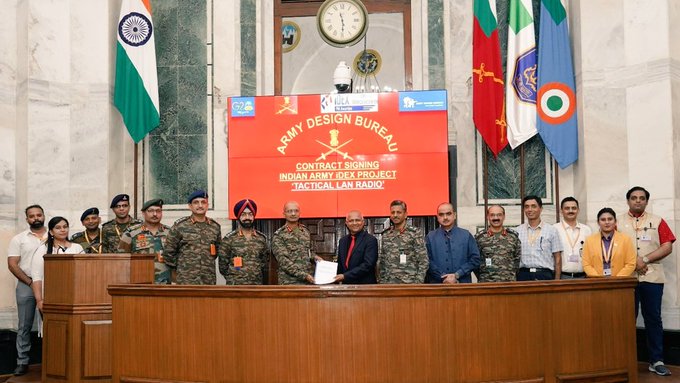
 Continuing with the commitment towards ‘Make in India’ initiative the Indian Army has signed the second procurement contract through Innovations for Defence Excellence (iDEX) on 09 June 2023. The contract with M/s Astrome Tech Pvt Ltd, Bangalore for procurement of indigenously developed ‘Tactical LAN Radio’ was signed in presence of Lt Gen MV Suchindra Kumar, the Vice Chief of Army Staff at New Delhi. With this initiative, the Indian Army has taken a lead by signing two contracts under iDEX till date.

Tactical LAN solution is being developed indigenously for creating secure tactical LAN in remote and difficult terrain. ‘Tactical LAN Radio’ is a state of the art high bandwidth backhaul wireless radio equipment for provisioning of reliable and failsafe communication. The solution offers an enhanced range of communication and embedded frequency hopping mechanism to preclude chances of interception and long-range point-to-multipoint high-bandwidth communication. The system also incorporates the enhanced safety features and can operate continuously for 48 hours on a single set basis without any breakdown.

iDEX was launched by Hon’ble PM on 12 April 2018 during Defence Expo India 2018. The aim of iDEX is to create an eco-system to foster innovations and encourage technological development in Defence and Aerospace by engaging R&D institutes, academia, industries including MSMEs, start-ups, individual innovators and provide them grants/ funding and other support to carry out R&D which has good potential for future adoption by Indian Defence and Aerospace Organisation. Over the past four years, iDEX under ‘Defence Innovation Organisation’ has emerged as a front runner in establishing right kind of contact with the start-ups and innovators and has gained substantial traction in the defence start-up community.

At present a total of 42 projects of the Indian Army are part of Defence India Start-up Challenge (DISC), Open Challenges and iDEX PRIME scheme which involves handholding of 41 start-ups for development of latest state of the art solutions for challenges posed by the Indian Army. For each challenge a dedicated nodal officer and a category ‘A’ establishment as ‘Centre of Excellence’ from the Indian Army has been nominated for handholding and continuous support for progress of the projects. Balance ‘Acceptance of Necessity’ accorded iDEX projects of the Indian Army are also under finalisation and are likely to fructify into contracts shortly.

"Hamari Bhasha, Hamari Virasat" on the occasion of 75th International Archives Day

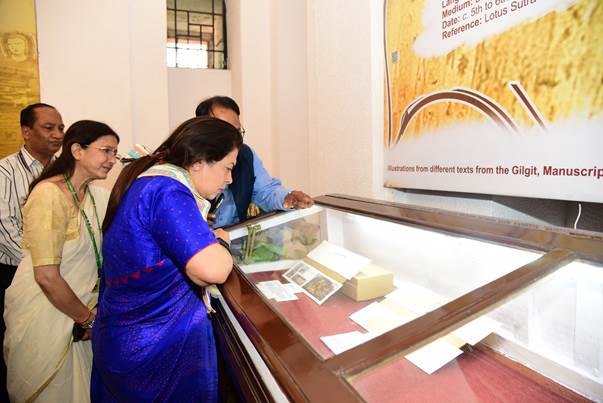
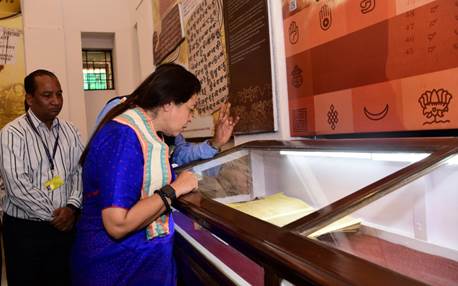
 Minister of State for Culture, Smt. Meenakashi Lekhi inaugurated an exhibition under the Azadi Ka Amrit Mahotsav (AKAM) titled “Hamari Bhasha, Hamari Virasat” today to celebrate 75th International Archives Day at National Archives of India, New Delhi.

This exhibition is an endeavour to commemorate the treasured heritage of India’s linguistic diversity as a Nation: “राष्ट्र एक भाषा अनेक” India is blessed with extraordinary language diversity. According to an estimate out of 7,111 languages spoken globally, about 788 languages are spoken in India alone. India is thus one of the four most linguistically diversified countries in the world, along with Papua New Guinea, Indonesia, and Nigeria.

On the occasion Minister of State for Culture, Mrs. Meenakashi Lekhi said , “On the occasion of International Archives Day, National Archives of India has made available the Gilgit Manuscripts written between the 5″ -6″ centuries CE, which is the oldest surviving manuscript collection in India. She also said that the birch bark folios documents written on pieces of inner layer of the bark of birch trees were found in Kashmir region and contain both canonical and non-canonical Jain and Buddhist works that throw light on the evolution of many religious-philosophical literature. She also added that Younger generation must get introduced to Gilgit Manuscripts.

She also said, “ I also congratulate  the National Archives of India for making approximately more than 72,000 manuscripts available at the premises and through the process of digitization it will reach all over the world, which will particularly help  our younger generation to get introduced to these manuscripts.”

The Exhibition presents a selection of original manuscripts drawn from the annals of the archival repository (such as the birch-bark Gilgit manuscripts, Tattvartha Sutra, Ramayana, and Srimad Bhagwad Gita, among others), official files of the government, proscribed literature under the clonial regime, private manuscripts of eminent personalities, as well as from the rich collection of rare books held in the NAI Library.


The Exhibition includes among the most ancient in the world —The Gilgit Manuscripts were discovered in three stages in the Naupur village (Gilgit region), and first announced by archaeologist Sir “Aurel Stein in the year 1931. Not only this, the exhibition further sheds light on the vast corpus of archival records pertaining to variegated languages spoken across the length and breadth of the nation.

As we are celebrating 75 years of our independence, through this exhibition the National Archives of India pay tribute to the linguistic diversity of our nation. The languages of India have from the earliest times been a subject of interest to not only those who spoke them, but to foreigners as well, who conducted a serious study of Indian languages (for instance, the Linguistic Survey of India). The exhibition will remain open for public viewing till 08 July 2023 from 10:00 am to 5:00 pm on each day including Saturday, Sunday and National Holidays.

The National Archives of India was established on 11 March 1891 at Kolkata (Calcutta) as the Imperial Record Department. Following the transfer of the capital from Calcutta to Delhi in 1911, the present building of the National Archives of India was constructed in 1926 which was designed by Sir Edwin Lutyens. The transfer of all records from Calcutta to New Delhi was completed in 1937.The National Archives of India is also the nodal agency for the implementation of the Public Records Act, 1993 and Public Record Rules, 1997.

National Archives of India has at present in its repositories a vast collection of records, which include files. volumes, maps, bills assented to by the President of India, treaties, rare manuscripts, oriental records, private papers, cartographic records, important collection of Gazettes and Gazetteers, Census records, assembly and parliament debates, proscribed literature, travel accounts, etc. A major chunk of Oriental records are in Sanskrit, Persian, Arabic, etc.

******

IICA and RRU sign MoU for academic and research collaboration

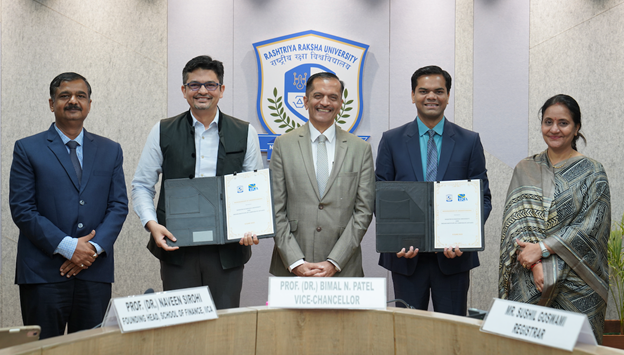
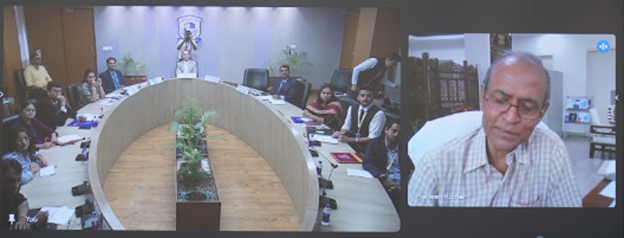
 A Memorandum of Understanding (MoU) was signed between Indian Institute of Corporate Affairs (IICA) and Rashtriya Raksha University (RRU) here today.

The MoU intends to synergise the professional capabilities of IICA and RRU towards capacity building, education, research and consulting in the domain of Internal Security, Financial Crimes, Law Enforcement, Corporate Frauds and other subject matters common to their mandate and objectives. The MoU also provides for exchange of knowledge and resources between IICA and RRU for conducting research, training and consultancy.

Shri Praveen Kumar, Director General and CEO of IICA in his virtual address stated, “Corporate frauds constitute one of the most serious economic offences as enormous public money is involved thereunder which abysmally impacts the economic health of the nation. IICA in collaboration with RRU look forward to safeguarding economic security of the country through training and upskilling the officers of relevant stakeholders from banks, financial institutions, investigating agencies and other professionals in the financial landscape.”

Prof (Dr) Bimal Patel, Vice-Chancellor of RRU in his address said, “Economic and Financial Security is a crucial facet of National Security and Economic Security of a country forms the very backbone for its good governance. It becomes imperative that the stakeholders in the financial and corporate system as well as personnel from law enforcement agencies must be adequately equipped for early detection and prevention of financial crimes. This collaboration between the two institutions would be a significant step towards strengthening of the existing financial system of the nation.”

The MoU was signed by Prof (Dr) Naveen Sirohi from IICA who also shared the purpose statement of the collaboration. Dr Dimpal T Raval, Director School of National Security and Law from RRU proposed vote of thanks along with articulating action plan.  

ABOUT IICA

IICA is an institution established by the Ministry of Corporate Affairs (MCA), Government of India as an autonomous body to act as a think-tank and a centre of excellence to support the growth of the corporate sector in India through an integrated and multi-disciplinary approach. RRU is an Institution of National Importance under the Ministry of Home Affairs. It is a pioneering national security and police University of India.

****

African region for strengthening Trade and Investment ties with India

 Union Minister of Commerce and Industry, Consumer Affairs, Food and Public Distribution and Textiles, Shri Piyush Goyal hosted fifteen Ambassadors from various countries of the Africa region yesterday in New Delhi. During the interaction with the Ambassadors, the Minister said that India and Africa share remarkable friendship across decades and have the potential of becoming the powerhouse of the future. The event aimed at fostering closer economic cooperation, enhancing trade relations and exploring areas of collaboration between India and Africa.

Shri Piyush Goyal welcomed the Ambassadors and highlighted the significant value of India-Africa relationship. The Minister emphasized the commitment of the Prime Minister, Shri Narendra Modi towards making Africa a top priority and deepening India’s engagement with Africa on a sustained and regular way. He encouraged the heads of missions to work in solidarity and extended a hand of friendship for the growth of the African and Indian sub-continent.

The Minister reiterated that this is the beginning of a new engagement and reaffirmed that India would act as a trusted partner to expand trade, commerce, business, investment and opportunities between the two nations. He said India is open to FTA negotiations bilaterally or individually with African countries or Africa as a whole.

The event witnessed the participation of 15 ambassadors from key African nations namely Algeria, Botswana, Egypt, Ghana, Republic of Guinea, Kenya, Malawi, Mozambique, Morocco, Rwanda, South Africa, Tanzania, Togo, Uganda and Zimbabwe. It provided a unique platform for diplomatic representatives to engage in fruitful discussions, strengthen bilateral ties, and forge new partnerships for mutual growth and development.

India and Africa share a long-standing history and a strong cultural bond. The African continent presents vast opportunities for Indian businesses, with its rapidly growing population, emerging middle class, and abundant natural resources. Through increased trade and investment, both India and Africa can benefit from each other’s strengths and expertise, fostering inclusive growth and job creation.

In addition to economic aspects, the gathering emphasized on the significance of cultural exchanges, people-to-people connections, and strategic collaborations between India and Africa. The event served as a platform to celebrate the rich diversity and heritage of both regions and strengthen the bonds of friendship.

***

Roadways project in Tripura

 The 49th Network Planning Group (NPG) meeting of PM GatiShakti National Master Plan (NMP) has recommended a roadways project in Tripura. Ms. Sumita Dawra, Special Secretary, Logistics Division, Department for Promotion of Industry and Internal Trade, Ministry of Commerce and Industry chaired the meeting of the NPG in New Delhi yesterday.

The road section of Khowai-Teliamura-Harina with a total length of 134.9 kms was considered for its improvement and widening to two lanes with paved shoulder of NH-208 in Tripura. It is a brownfield project with total cost of Rs 2,486 Crore. The project is planned with a multimodal connectivity approach; connectivity to industrial clusters and new SEZ namely Paschim Jalefa; efficient freight movement; reducing carbon footprint; optimized alignment and logistical efficiency.

The project road passes through Khowai, Gomati and South Tripura districts connecting places like Khowai, Teliamura, Twidu, Amarpur, Karbook and Harina in Tripura. It will also not only enhance connectivity interstate connectivity between Assam and Tripura but also give a boost to the economic and industrial activities in Tripura.

The planning of the project on NMP yielded the following key benefits-

  • Enhancing Logistics efficiency: By using NMP, the road length got reduced by 28 km (from 162 km to 134 km), thus reducing travel time by 2.5 hours.
  • Enhanced multi-modal connectivity: This project Corridor facilitates intermodal transport from Telimaura Railway Station and Manu Bazar Railway Station near Harina. The proposed road improves connectivity to the Airport at Agartala and proposed Multi-Modal Logistics Park (MMLP) at Udaipur.
  • Regional Connectivity: This corridor is very close to the Bangladesh border and it would connect Bangladesh through Kailashahar, Kamalpur and Khowai Border Check Post.
  • Connectivity to economic and social nodes: The road will boost connectivity to 4 economic nodes such as Industrial Cluster around Agartala, FCI depot, etc. and 13 social nodes such as Matabari Temple, Neer Mahal, Pilak Civilization Museum, Jampui Hills, Ambassa Eco Park, etc.
  • Facilitates Freight Movement from Kolkata to North Eastern States (majorly, Tripura, Mizoram and Manipur) to Bangladesh.
  • Boost to Industry and Exports Promotion: Project would facilitate movement of raw materials for Industry clusters in Tripura. Project would facilitate movement of manufactured goods like rubber, textile, bamboo, food processing etc., from economic nodes like i.e., SEZ located at Paschim Jalefa, Sabroom in South Tripura District and Industrial Clusters/Parks around Agartala and Udaipur.
  • The proposed road will connect North East India to Chittagong Port in Bangladesh. This would ensure EXIM connectivity.
  • Development in Tribal Area: Project enhances connectivity to 3 Tribal Districts- Khowai district, Gomati district, South Tripura district

The project is on Engineering Procurement & Construction (EPC) basis under Japan International Cooperation Agency (JICA) Official Development Assistance (ODA) Loan. The principles of PM GatiShakti NMP have been adopted during the planning of the road alignment. Alignment of the road is superimposed with data layers available on NMP Portal like railway lines, forest, power lines, water bodies etc. The intersections will be seen with forest and other sensitive zones to minimize environmental disruptions.

Institutional Mechanism of PM GatiShakti facilitated inter-ministerial consultations through NPG meeting for integrated planning and decision making. The 49th NPG meeting saw representation from Infrastructure Ministries/Departments including M/o Road Transport and Highways, M/o Railways, M/o Ports, Shipping and Waterways, M/o Civil Aviation, M/o Power, M/o Petroleum and Natural Gas, Department of Telecommunication (DoT), M/o New and Renewable Energy and NITI Aayog and from Tripura State Government, to discuss on the various aspects of the project.


****

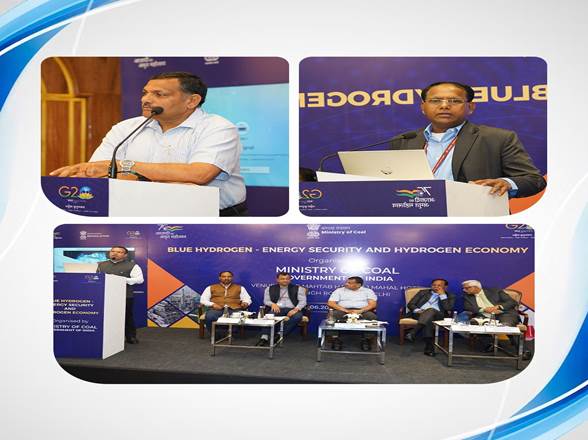
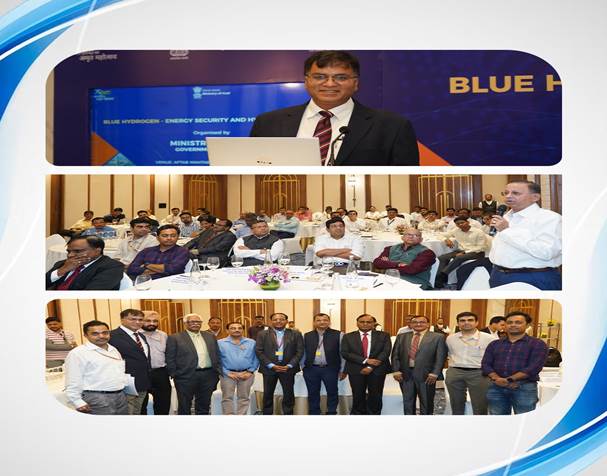
Seminar on “Blue Hydrogen-Energy Security & Hydrogen Economy”


Considering abundance of coal availability in the country, it’s time to act on the diversified use of coal to ensure energy security of the country to support Government’s decarbonising mission”,  stated  Shri Amrit Lal Meena, Secretary,  Ministry of Coal  while delivering the key note address  on “Blue Hydrogen-Energy Security and Hydrogen Economy” organised by the Ministry  here today. The Secretary said that the session must deliberate on the technologies available for coal to hydrogen, cost competitiveness, global experience and the way forward strategy. He further mentioned that the recommendations of the committee constituted by the Ministry of Coal to identify actionable points for coal sector to support Green Hydrogen Mission should be deliberated and action plan finalised.  Shri Meena also advised to constitute an Advisory Committee in the Ministry with all experts to deliberate on the subject in a regular manner to promote gasification.

In his welcome address, Shri M. Nagaraju, Additional secretary, Ministry of Coal outlined the policy initiatives taken by the Ministry to promote coal gasification to meet the energy demands of the country in a sustainable way.

Shri Debasish Nanda, Director BD CIL and Chairman of the committee presented the committee report on the Green Hydrogen Mission offering comprehensive analysis of the current status, challenges and future prospects of green hydrogen production in the country.

Presentations were also made by Prof R R Sonde, IIT Delhi, Dr. Ranjit Rath CMD, Oil India Limited; Prof Arnab Dutta, IIT Bombay; Naveen Ahlawat, Head (CCUS) JSPL; Sh. Varun Jindal, MD Dev Energy and Shri Prasad Chaphekar Dy. Sec MNRE. Shri Rajnath Ram Adviser, NITI Aayog also expressed his views on development of clean coal technologies.

Panel discussion was also chaired by Shri Debasish Nanda and coordinated by Shri Peeyush Kumar, OSD, Ministry of Coal. During the presentations and discussions, many new ideas came up for way ahead strategy. The session was dedicated to discussing the potential of hydrogen in decarbonizing steel making processes and shared views on innovative approaches and technologies to reduce carbon emissions in the steel industry contributing to a greener and more sustainable future. The discussion was also on exploring the potential applications of hydrogen in scaling Direct Reduced Iron (DRI) projects.

The program was attended by officials of NITI Aayog, Department of Science and Technology, Department of Fertiliser, Ministry of Steel, Ministry of Heavy Industries, IICT Hyderabad, CSIR besides officials from CIL, CMPDI, WCL, SECL, MCL, EIL, PDIL, BHEL, SCCL, NLCIL, SAIL, RIL, TATA STEEL, JSPL, Dev Energy, CGAI, CAPSEC and PSU watch. Discussion pertaining to development of Carbon Capture Utilization and Storage (CCUS) technology, which plays a crucial role in mitigating carbon emissions also held and emphasized the importance of sustainable practices.

The half-day session witnessed fruitful exchanges of ideas and knowledge on future uses of Hydrogen. The Ministry of Coal remains committed to promoting clean and sustainable energy solutions and will continue to facilitate such discussions to drive the nation’s progress toward a hydrogen-based economy.

*******

RKP

Paddy Straw Management Workshop

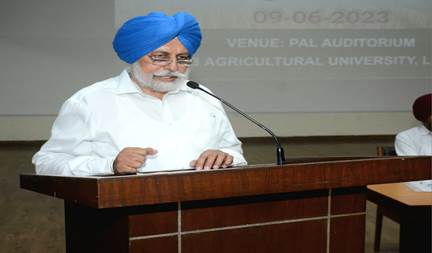
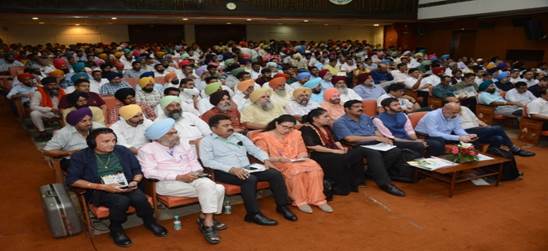
 Ministry of Agriculture and Farmers’ Welfare, Government of India, the state of Punjab and PAU organised workshop on ‘Paddy Straw Management and Action Plans’ commenced at Punjab Agricultural University, Ludhiana. Senior officers from govt of India and the state agriculture department, KVK, scantiest from PAU, stakeholders in the Central Government, State Governments of Punjab, Haryana, Uttar Pradesh, and NCR of Delhi, State Pollution Control Boards, Indian Council of Agricultural Research, academia, various stakeholder agencies, social groups and NGOs, agricultural machinery manufacturing industries, and biomass industry associations and more than 300 farmers participated in the workshop.

The Chief Guest, Shri K.A.P. Sinha (IAS), Additional Chief Secretary of the Ministry of Agriculture and Farmers’ Welfare in the Government of Punjab, highlighted the significance of farming by quoting, “Once in your life you need a doctor, lawyer, policeman, or preacher but every day — three times a day — you need a farmer.” He acknowledged the desire to eliminate the practice of paddy straw burning but identified obstacles hindering progress. Further he proposed increasing baler capacity, deploying more machinery in high-burning areas, involving cooperative societies to support SC beneficiaries, and replicating successful initiatives. He expressed his hope for no-burn agriculture to become the norm by the following year.
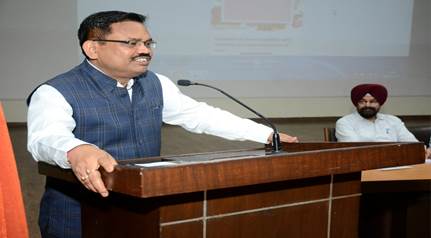
 

Dr Satbir Singh Gosal, PAU Vice-Chancellor, cautioned that stubble burning emits toxic pollutants which disperse in the surroundings and, eventually, affect the air quality and people’s health as well as soil health. He advocated the concept of conservation agriculture which up-cycles paddy straw without producing any waste. He called for synergy among the Department of Agriculture, NGOs, academia, industry and farmers to tackle the menace of paddy straw burning.


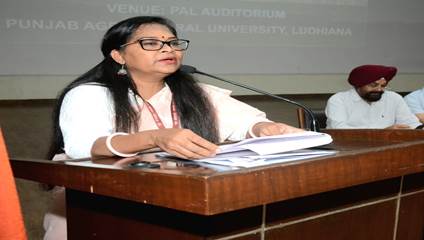
Smt. S. Rukmani, Joint Secretary, Department of Agriculture and Farmers’ Welfare, GoI, briefed about Central Sector Scheme to support for crop residue management. The scheme provides financial assistance of 50% for farmers to purchase designated machinery and 80% for Cooperative Societies, Farmers Producers Organization (FPOs), and Panchayats to establish Custom Hiring Centres (CHCs). While addressing she emphasized on air pollution and subsidizing machinery. Smt. Rukmani revealed a reduction of 30-40% in paddy straw burning since last year and emphasized the workshop’s goal of creating a value-chain plan to utilize paddy straw as a resource and minimize losses for farmers and express her thought on joint action plan for paddy straw management.
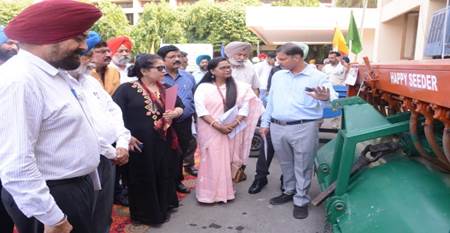


Shri Arvind Nautiyal, Member Secretary of the Commission for Air Quality Management (CAQM), New Delhi, underlined the detrimental effects of air pollution on the environment, climate, and human health. He recommended measures such as crop diversification, the DSR method, and promoting basmati varieties as well as short-duration and long straw-generating varieties. ex-situ management through strategic mapping of villages, establishing briquetting/pelleting plants at strategic locations, and developing a supply chain for utilizing straw as fuel in various industries and for biomass power generation, compressed biogas production, bio-ethanol, packaging material etc.
 

      Dr. Ajmer Singh Dhatt, PAU’s Director Research, sensitized the gathering and said that efforts being made by PAU to tackle the burning issue of paddy straw management with machines like Happy Seeder and Super Seeder as well as technologies for ex-situ and in-situ straw management. Further he encouraged farmers to adopt this cost-effective, eco-friendly, and water-efficient method to enhance soil health, crop output, and overall yield while reducing input costs. Dr Gurvinder Singh, Director Agriculture and Farmers’ Welfare, Punjab talked about the state’s paddy straw management strategies and action plans for the 2023 season. Earlier, Dr Gurmeet Singh Buttar, Director Extension of PAU delivered the welcome address while Dr G P S Sodhi, Additional Director of Extension Education proposed the vote of thanks. Dr Vishal Bector, Associate Director (Institution Relations) coordinated the programmme.

During the workshop the officers from Ministry of Power, Ministry of Petroleum and Natural Gas, Ministry of New and Renewable Energy highlighted the initiatives for utilization of biomass and paddy straw such as ‘Sustainable Alternative towards Affordable Transportation’ (SATAT) promote setting up of CBG projects using biomass as raw material, Oil Marketing Companies are setting up 2G ethanol plants based on various feed stocks including paddy straw in the country, Ministry of Power has issued revised policy on biomass utilization for power generation through co-firing in coal based power plants which mandates the use of 5 -7% biomass pellets made primarily of agro-residue along with coal in thermal power plants, Central Pollution Control Board (CPCB) has framed guidelines for providing one-time financial assistance for establishment of paddy straw based palletization and torrefaction plants,  MNRE is implementing Biomass Programme with the broader objectives of promoting technologies for optimum use of country’s biomass resources and the major recommendations have been summarized by joint secretary DA&FW and Dr. AN Meshram, Deputy commissioner, DA&FW offered vote of thanks.


*****