The Top 5 Crypto Trading Indicators for Fundamental Analysis

 As the world of cryptocurrencies continues to evolve and gain more mainstream acceptance, it’s becoming increasingly important for traders to understand the key indicators that drive market trends. One such set of indicators are those used in fundamental analysis, which aim to identify the intrinsic value of an asset based on economic and financial factors. If you’re interested in online trading platforms, you may have heard of https://quantumpro360.org/which is an automated trading software that allows users to invest in cryptocurrencies with ease.

Here, we’ll dive into the top 5 crypto trading indicators for fundamental analysis that can help traders make more informed decisions and potentially reap greater rewards. 

Photo by Anna Nekrashevich on Pexels.com

Market Capitalization

Market capitalization is a widely-used metric in the world of cryptocurrencies that refers to the total value of all the coins or tokens in circulation for a specific cryptocurrency. It is a critical indicator that can provide traders and investors with valuable insights into the overall health and performance of a cryptocurrency.

In essence, market capitalization reflects the market’s perception of the value of a cryptocurrency. It is calculated by multiplying the total number of coins or tokens in circulation by their current market price. The resulting figure represents the total value of the cryptocurrency in the market, and it is expressed in a currency such as US dollars, euros, or any other fiat currency.

A cryptocurrency’s market capitalization is an essential metric because it can provide traders and investors with a snapshot of the cryptocurrency’s current position in the market. A higher market cap typically indicates that the cryptocurrency has a more established network, greater liquidity, and a higher level of acceptance in the market. Conversely, a lower market cap can signify that the cryptocurrency is still in its early stages of development, and therefore, may be subject to higher levels of volatility and speculative risk.

Supply and Demand

Supply and demand are fundamental concepts in economics that play a crucial role in determining the price of any asset. The same holds true for cryptocurrencies. Cryptocurrencies are digital or virtual currencies that are created and managed using advanced encryption techniques, also known as cryptography. Cryptocurrencies have gained immense popularity in recent years due to their decentralized nature, transparency, and security.

The price of a cryptocurrency is determined by the forces of supply and demand. If the demand for a particular cryptocurrency is high, while the supply is limited, the price of that cryptocurrency will rise. On the other hand, if the supply of a cryptocurrency is high, while the demand is low, the price of that cryptocurrency will fall.

Traders and investors in the cryptocurrency market must keep a close eye on the supply and demand indicators to make informed decisions about buying, holding, or selling a particular cryptocurrency. These indicators are used to analyze the market trends and identify the potential price movements of cryptocurrencies.

One of the key indicators used by traders to evaluate supply and demand is the trading volume of a cryptocurrency. Trading volume refers to the total amount of a cryptocurrency that is bought and sold within a specific period. A high trading volume indicates that there is high demand for that cryptocurrency, which can lead to a rise in price.

Network Effect

Cryptocurrencies, such as Bitcoin, Ethereum, and Litecoin, have gained increasing popularity over the past few years, with more people adopting and using them. One of the key reasons for this adoption is the network effect, a phenomenon that occurs when the value of a cryptocurrency increases as more people use it.

The network effect is a concept that has been around for centuries, and it refers to the idea that the value of a product or service increases as more people use it. This is because a larger user base creates more demand, which in turn creates more value for the product or service.

Development Activity

Cryptocurrencies are digital assets that rely on advanced cryptographic techniques to secure and verify transactions. They operate on decentralized networks that use peer-to-peer technology, which means that they are not controlled by any central authority, such as a government or financial institution. Instead, they are maintained by a community of users who contribute to the development and maintenance of the network.

Development activity is a crucial aspect of any cryptocurrency, as it indicates the level of innovation and progress being made towards improving the underlying technology. This can include updates to the codebase, improvements to the consensus algorithm, or the addition of new features that enhance the overall functionality of the network.

Economic News and Events

Finally, economic news and events can have a significant impact on the cryptocurrency market, particularly in terms of price fluctuations. Traders should stay abreast of economic news and events such as central bank announcements, regulatory changes, and geopolitical events that can affect the value of a particular cryptocurrency.

Conclusion

These top 5 crypto trading indicators for fundamental analysis are essential tools that traders can use to make informed decisions and potentially maximize their profits in the volatile and dynamic world of cryptocurrencies. By keeping an eye on market capitalization, supply and demand, network effect, development activity, and economic news and events, traders can stay ahead of the curve and make the most of the opportunities available in this exciting market.


Top 5 Crypto Trading Indicators for Fundamental Analysis

 As the world of cryptocurrency continues to evolve and gain mainstream acceptance, more and more people are looking to get involved in crypto trading. However, with the volatility of the market, it can be challenging to make informed decisions when it comes to buying, selling, or holding various cryptocurrencies. That’s where fundamental analysis comes in. If you are looking for a trading platform, I recommend visiting https://bitcoin-mastery.app/.

Fundamental analysis involves analyzing various economic and financial factors to determine the intrinsic value of an asset. In the case of cryptocurrencies, it includes factors such as the development team, the technology behind the coin, the potential use cases, and more. While fundamental analysis is a critical part of any investment strategy, it can be challenging to know which indicators to pay attention to. In this article, we’ll explore the top 5 crypto trading indicators for fundamental analysis.

Photo by Kindel Media on Pexels.com

Development Team

Cryptocurrencies have gained significant popularity over the past decade, and with the rise of new digital currencies, it has become increasingly important to evaluate their potential success. One of the key factors that play a critical role in determining the success of a cryptocurrency is the development team behind it.

The development team is responsible for creating and maintaining the blockchain infrastructure that supports the cryptocurrency. Their expertise and experience in blockchain technology, cryptography, and programming are essential to the functionality and security of the cryptocurrency.

Technology

Cryptocurrency has revolutionized the way we perceive and conduct financial transactions. The technology behind it is equally crucial in ensuring the security, transparency, and decentralization of these transactions. This is where blockchain technology comes into play.

Blockchain technology is a decentralized, digital ledger that is used to record transactions. It is designed to be tamper-proof, which means that once a transaction is recorded on the blockchain, it cannot be altered. This ensures that the information stored on the blockchain is secure and transparent.

However, not all blockchains are created equal. Some blockchains are more scalable, faster, and better equipped to handle a higher volume of transactions than others. When analyzing a cryptocurrency, it is essential to consider the technology behind it and look for blockchains that meet these criteria.

Scalability is a crucial factor to consider when evaluating a blockchain’s technology. Scalability refers to a blockchain’s ability to handle a large number of transactions without compromising its performance. A blockchain that is not scalable will have slower transaction speeds and higher transaction fees, making it less desirable for users.

Transaction speed is another important consideration when evaluating a blockchain’s technology. A blockchain that can process transactions quickly is more attractive to users because it reduces the time needed for transactions to be confirmed. A fast blockchain also reduces the likelihood of network congestion and delays.

Use Cases

Cryptocurrencies have gained immense popularity over the last few years, with the market capitalization reaching billions of dollars. With this growth comes a range of different cryptocurrencies available in the market, making it difficult to decide which one to invest in. One critical factor to consider before investing in a cryptocurrency is its potential use cases.

The potential use cases of a cryptocurrency can be defined as the range of different purposes for which the cryptocurrency can be used. Cryptocurrencies with multiple use cases are considered to have long-term value compared to those that are only used for a single purpose. The reason for this is that a cryptocurrency with many use cases is likely to have a broader user base, increasing its chances of adoption and continued usage.

When selecting a cryptocurrency to invest in, it is essential to look for those that have real-world applications. These are cryptocurrencies that are already being used in various industries and are considered to have a practical use beyond just speculation. For example, cryptocurrencies used for remittances or cross-border payments are in high demand due to their ability to facilitate fast and low-cost transactions across borders. This makes them an attractive investment option as they are more likely to have a stable and predictable value.

Market Capitalization

Market capitalization is a measure of a cryptocurrency’s total value. It is calculated by multiplying the current price of a cryptocurrency by the total number of coins in circulation. Market capitalization can give you a good idea of how valuable a cryptocurrency is and how much potential it has for growth. However, it’s important to remember that market capitalization is just one indicator and should be used in conjunction with other factors when making investment decisions.

Social Media and News

Social media and news can be valuable indicators of a cryptocurrency’s potential. Keep an eye on social media platforms such as Twitter, Reddit, and Telegram to see what people are saying about a particular cryptocurrency. Additionally, pay attention to any news articles or press releases related to the cryptocurrency. Positive news and social media buzz can indicate that a cryptocurrency has potential for growth.

In conclusion, fundamental analysis is a critical part of any crypto trading strategy. When analyzing a cryptocurrency, consider factors such as the development team, technology, use cases, market capitalization, and social media and news. By paying attention to these indicators, you can make more informed investment decisions and increase your chances of success in the crypto market.

The Role of Cryptocurrency in Humanitarian Aid: An Exploration

 Cryptocurrency has taken the world by storm since its inception in 2009 with the launch of Bitcoin. Cryptocurrencies are decentralized digital currencies that are secured through cryptography and run on a decentralized blockchain network. They provide a secure, transparent, and efficient way to transfer funds across borders without the need for intermediaries like banks or financial institutions. If you’re thinking about engaging in cryptocurrency trading, it is crucial to select a trustworthy exchange such as Pattern Trader. This will guarantee the safety and security of your digital assets during the trading process.

However, cryptocurrencies are not just limited to financial transactions. They have the potential to revolutionize the way we provide humanitarian aid to those in need. The use of cryptocurrency in humanitarian aid can make aid distribution more efficient, transparent, and secure.

In this article, we will explore the role of cryptocurrency in humanitarian aid and how it can make a significant impact in providing aid to those in need.

Photo by RDNE Stock project on Pexels.com

Cryptocurrency and Humanitarian Aid

In times of crisis, such as natural disasters, wars, or pandemics, providing humanitarian aid to affected people is critical. However, the traditional methods of providing aid have several limitations, such as lack of transparency, corruption, and inefficiencies.

The use of cryptocurrencies can address these issues and make aid distribution more effective. Cryptocurrencies, can provide a transparent and secure way to transfer funds without intermediaries, reducing the risk of corruption and ensuring that aid reaches those who need it the most.

Moreover, cryptocurrencies can enable aid providers to track the distribution of funds and ensure that they are used for their intended purpose. This level of transparency can help build trust between donors, aid providers, and recipients.

Cryptocurrency and Refugees

One of the areas where cryptocurrency can make a significant impact is in refugee camps. Refugee camps often lack basic infrastructure and access to banking services. Cryptocurrencies can provide a solution to this problem by allowing refugees to receive aid through their mobile phones.

Moreover, cryptocurrencies can also enable refugees to use their digital wallets to purchase goods and services, reducing their dependency on aid providers. This can provide refugees with a sense of autonomy and empower them to take control of their lives.

Cryptocurrency and Donations

Cryptocurrency has the potential to revolutionize the way people donate to charitable causes. Charitable donations are an essential part of supporting social causes and philanthropic organizations. Cryptocurrencies can help ensure that donations reach the intended recipients and are used transparently.

One of the significant advantages of using cryptocurrency in charitable donations is the elimination of intermediaries. Traditional donation methods often involve intermediaries, such as banks or payment processors, who charge a fee for their services. With cryptocurrency, these intermediaries are not required, and therefore the transaction costs associated with traditional donation methods are reduced.

Furthermore, using cryptocurrencies in charitable donations enables donors to track the use of their donations. Blockchain technology, which underlies most cryptocurrencies, provides a transparent and tamper-proof ledger that records all transactions. This means that donors can verify that their donations have been received and are being used for their intended purpose. This level of transparency can increase trust between donors and aid providers, encouraging more people to donate.

Another advantage of using cryptocurrency in donations is the potential to reach a wider audience. Many people, especially in developing countries, may not have access to traditional banking services. However, they may have access to a smartphone or computer that can facilitate cryptocurrency transactions. Cryptocurrency can, therefore, make it easier for these individuals to donate to charitable causes.

Despite these advantages, there are also potential risks associated with cryptocurrency donations. Cryptocurrencies are subject to market fluctuations, and the value of a donation could decrease rapidly, potentially leading to a loss for the donor. Additionally, there is a risk of fraud or theft, as cryptocurrencies are not regulated by governments or financial institutions.

Conclusion

The use of cryptocurrency in humanitarian aid has the potential to revolutionize the way we provide aid to those in need. Cryptocurrencies can provide a transparent, secure, and efficient way to transfer funds without intermediaries, reducing the risk of corruption and ensuring that aid reaches those who need it the most.

Moreover, cryptocurrencies can also enable refugees to receive aid through their mobile phones and purchase goods and services, reducing their dependency on aid providers.

Cryptocurrencies can also enable donors to make secure and transparent donations, reducing the transaction costs associated with traditional donation methods, and ensuring that more funds reach those in need.

As the world becomes increasingly digital, the use of cryptocurrency in humanitarian aid will become more prevalent. By embracing this technology, we can make aid distribution more efficient, transparent, and secure, ensuring that we can provide aid to those who need it the most.

The Role of Cryptocurrency in Philanthropy: An Exploration

 In recent years, cryptocurrency has gained significant attention and popularity among various industries worldwide. Cryptocurrency is a decentralized digital currency that enables secure and private transactions without the need for intermediaries like banks. This innovative technology has revolutionized various sectors, including philanthropy. If you’re looking to start trading Bitcoin, you can visit https://bitcoinscode.org to begin your journey. This platform provides the necessary tools and resources for trading Bitcoin and helps you get started in the world of cryptocurrency trading.

Philanthropy is the act of giving or donating to charitable causes to promote the welfare of others. It has been an essential part of human culture and society for centuries. However, traditional philanthropy often involves intermediaries, such as banks and non-profit organizations, which can slow down the process and make it less transparent.

Photo by RDNE Stock project on Pexels.com

In this article, we will explore the role of cryptocurrency in philanthropy and how it can impact the world positively.

Increased Transparency

Cryptocurrencies have gained widespread attention and adoption in recent years. With the increasing popularity of cryptocurrencies, philanthropic organizations and donors have started to explore the potential of these digital assets in the world of giving. One of the significant benefits of cryptocurrency in philanthropy is transparency.

Traditional philanthropy involves intermediaries such as banks, payment processors, and charitable organizations, making it challenging to trace the flow of funds. In contrast, cryptocurrency transactions are recorded on a decentralized public ledger known as the blockchain. The blockchain provides a transparent and tamper-proof record of all transactions, making it possible for anyone to track the flow of funds in real-time.

This transparency is essential for ensuring that donations reach the intended beneficiaries without any intermediaries taking a cut. With traditional philanthropy, intermediaries such as banks and payment processors often charge fees for processing transactions, reducing the amount of money that ultimately reaches the intended recipients. With cryptocurrency donations, these fees are eliminated, ensuring that more funds reach those in need.

One of the significant benefits of cryptocurrency in philanthropy is transparency. Unlike traditional philanthropy, where donations can be opaque and hidden behind intermediaries, cryptocurrency enables transparent transactions. Every transaction is recorded on a public ledger known as the blockchain, which is accessible to everyone.

This transparency ensures that donations reach the intended beneficiaries without any intermediaries taking a cut. It also makes it easier to track the flow of funds, which helps prevent fraud and corruption. Additionally, donors can see precisely where their donations go and how they are used, which promotes trust and accountability.

Lower Transaction Costs

Another advantage of cryptocurrency in philanthropy is lower transaction costs. Traditional philanthropy often involves high transaction fees, which can take a significant chunk of the donated funds. However, with cryptocurrency, transaction costs are minimal, and in some cases, there are no fees at all.

This low cost of transactions enables philanthropic organizations to allocate more funds towards the actual charitable causes, rather than towards transaction fees. It also makes it easier for smaller donations to make an impact, as the funds are not reduced by high transaction costs.

Accessibility and Inclusivity

Cryptocurrency also promotes accessibility and inclusivity in philanthropy. Traditional philanthropy often requires donors to have a bank account, credit card, or other financial instruments. However, cryptocurrency enables anyone with an internet connection to participate in philanthropy, regardless of their financial status or location.

This inclusivity can significantly increase the number of people who can donate and promote charitable causes worldwide. Additionally, cryptocurrency can enable cross-border transactions without the need for intermediaries like banks, making it easier to support charitable causes globally.

Innovation and Experimentation

Finally, cryptocurrency promotes innovation and experimentation in philanthropy. The technology behind cryptocurrency is still in its early stages, and many innovative applications are yet to be discovered. Charitable organizations can experiment with new ways of raising funds and distributing them, which can lead to more effective and impactful philanthropy.

For example, cryptocurrency can enable crowdfunding campaigns, where donors can contribute to a specific charitable cause directly. This approach can be more efficient than traditional fundraising methods, which can involve high overhead costs and take more time.

Conclusion

In conclusion, cryptocurrency has the potential to revolutionize philanthropy by increasing transparency, lowering transaction costs, promoting accessibility and inclusivity, and encouraging innovation and experimentation. Cryptocurrency can make philanthropy more efficient, effective, and impactful, leading to positive changes worldwide.

The Impact of Climate Change on Oil Trading

 Climate change has been a widely discussed topic over the past few decades due to its significant impact on various aspects of our lives. The effects of climate change are global and affect not only the environment but also our economies, including the trading of commodities such as oil. If anyone is interested in trading oil, they can click here.

As one of the largest global markets, the oil trading industry is particularly vulnerable to the impact of climate change. The rising temperatures, extreme weather conditions, and changing sea levels all affect the production, transportation, and trading of oil. These factors can cause disruptions in supply chains, increase operational costs, and pose risks to the safety and health of workers in the industry.

Photo by Jonathan Borba on Pexels.com

To mitigate the effects of climate change, the oil trading industry is taking measures to become more sustainable. Many companies are investing in renewable energy sources, such as wind and solar power, to reduce their carbon emissions. Others are exploring new technologies, such as carbon capture and storage, to reduce their carbon footprint..

The Link Between Climate Change and Oil Trading

The relationship between climate change and oil trading is multi-faceted and intricate. On one hand, the production and consumption of oil are major contributors to greenhouse gas emissions, which are the primary cause of climate change. On the other hand, climate change is also having a significant impact on oil trading in several ways.

One of the most notable effects of climate change on oil trading is the growing demand for renewable energy sources. As more countries and companies are committing to reducing their carbon footprint, the demand for oil is expected to decline in the upcoming years. This shift in demand is already being felt in the oil industry, with many companies diversifying their investments to include renewable energy sources.

Another impact of climate change on oil trading is the escalating risk of supply chain disruptions due to extreme weather events. Storms, floods, and wildfires can damage oil infrastructure and disrupt transportation routes, affecting the supply of oil and leading to higher prices. This vulnerability of the oil industry to climate-related disruptions highlights the need for proactive measures to manage risks associated with climate change.

The Response of the Oil Industry

The oil industry is facing mounting pressure to address its impact on climate change, and many companies have committed to reducing their carbon footprint and transitioning to a more sustainable future. In response, the industry is investing in renewable energy sources as one way to combat climate change.

Oil companies are now diversifying their portfolios to include solar, wind, and other forms of renewable energy. This shift is driven not only by environmental concerns but also by economic considerations, as renewable energy sources are becoming increasingly cost-competitive. Investing in them can provide a stable revenue stream for oil companies in the long term.

Another way that the oil industry is responding to climate change is by implementing measures to reduce its carbon footprint. This includes investing in technologies that reduce emissions during the production and transportation of oil, such as carbon capture and storage (CCS) and more efficient transportation methods. By implementing these measures, the industry hopes to minimize its environmental impact while still meeting the growing demand for energy.

Conclusion

Climate change has had a significant impact on the oil trading industry. With the global push towards sustainability, there is a growing demand for alternative energy sources, leading to a decrease in the demand for oil. This has put immense pressure on the oil industry to adapt to this changing landscape.

However, the oil industry has recognized the need to mitigate the effects of climate change and transition towards a more sustainable future. Many companies are investing heavily in renewable energy sources such as wind and solar power to reduce their carbon footprint. Additionally, they are implementing various measures such as carbon capture and storage technologies to minimize their impact on the environment.

This transition towards sustainability not only reduces the industry’s environmental impact but also creates a more stable future for itself. As the demand for alternative energy sources grows, companies that adapt and invest in renewable energy will likely have a competitive advantage in the market.

The Societal Implications of Cryptocurrency: A Global Perspective

 Cryptocurrency has taken the world by storm in the past decade. Since the launch of Bitcoin in 2009, the market has seen the emergence of thousands of cryptocurrencies, with a total market capitalization of over $2 trillion as of April 2021. While cryptocurrency has its roots in the technology sector, its impact has far-reaching societal implications. In this article, we will explore the societal implications of cryptocurrency from a global perspective. If you’re interested in trading Bitcoin, you can visit https://thecryptogenius.software/ to start your trading journey. This platform provides a user-friendly interface and a secure environment for buying and selling Bitcoin.

Photo by Afta Putta Gunawan on Pexels.com

Financial Inclusion

One of the most significant benefits of cryptocurrency is financial inclusion. According to the World Bank, there are approximately 1.7 billion people in the world who are unbanked, without access to basic financial services. Cryptocurrency provides an alternative means of financial access, allowing individuals to transact without the need for a bank account. This is particularly important in developing countries where traditional financial systems are often inaccessible or unreliable.

Fraud Prevention

Cryptocurrency transactions are secured using blockchain technology, which is immutable and tamper-proof. This makes it almost impossible for fraudulent activities such as double-spending, hacking, or identity theft to occur. Traditional financial systems, on the other hand, are vulnerable to fraud, and the cost of fraud prevention is high.

Decentralization

Cryptocurrencies are decentralized, meaning they operate independently of central authorities such as governments or financial institutions. This gives individuals greater control over their finances and reduces the risk of censorship or manipulation by centralized authorities. Decentralization also promotes transparency and accountability in financial transactions.

Tax Evasion

Cryptocurrency has been criticized for its potential use in tax evasion and money laundering. While it is true that cryptocurrency can be used for illicit purposes, the same can be said for traditional financial systems. In fact, cryptocurrencies can be more transparent than traditional financial systems since all transactions are recorded on a public ledger.

Investment Opportunities

Cryptocurrency, also known as digital currency, is a form of decentralized currency that utilizes encryption techniques to regulate the generation of units of currency and verify the transfer of funds. This innovative technology has created new investment opportunities for both individuals and institutions in recent years.

One of the most significant advantages of cryptocurrency is its lack of government regulation and restrictions. Unlike traditional investments such as stocks and bonds, cryptocurrency investments are not subject to government regulations, which has created a new asset class that is accessible to anyone with an internet connection.

This means that cryptocurrency investments are not subject to the same rules and regulations as traditional investments, which can be a double-edged sword. On one hand, this lack of regulation means that investors have greater freedom to invest in cryptocurrencies without having to deal with the bureaucracy and limitations of traditional investments. On the other hand, it also means that cryptocurrency investments can be more volatile and unpredictable, as they are not subject to the same level of oversight as traditional investments.

Energy Consumption

One of the biggest criticisms of cryptocurrency is its energy consumption. Cryptocurrency mining consumes a significant amount of energy, and this has led to concerns about its impact on the environment. However, it is worth noting that traditional financial systems also consume a significant amount of energy, particularly in the form of physical cash production and transportation.

Volatility

Cryptocurrency, a type of digital or virtual currency that uses cryptography for security and operates independently of a central bank, is known for its extreme price fluctuations. The value of cryptocurrencies can often skyrocket or plummet within a matter of hours, days, or even minutes, leaving investors and traders constantly on edge.

While the volatility of cryptocurrency can be a disadvantage for some investors, it also presents opportunities for profit. In fact, some traders and investors actively seek out cryptocurrency markets with high volatility in order to capitalize on the price swings. This is because when a cryptocurrency’s value suddenly increases or decreases, there is potential to buy or sell it at a lower or higher price, respectively, and make a profit.

The high volatility of cryptocurrency is partly due to its relatively small market size and lack of regulation, making it vulnerable to manipulation by a small number of players. Additionally, the technology behind cryptocurrency is still in its early stages of development, meaning that unexpected news or events can have a significant impact on the market.

Conclusion

Cryptocurrency has far-reaching societal implications that extend beyond the technology sector. Financial inclusion, fraud prevention, decentralization, investment opportunities, and energy consumption are just a few of the factors that must be considered. While cryptocurrency may present some challenges, it also has the potential to revolutionize the way we think about money and financial transactions.

The Role of Cryptocurrency in Education Access: An Exploration

 In recent years, cryptocurrency has become an increasingly popular topic of discussion in various industries. While its primary purpose may have been to act as an alternative form of currency, it has since been adapted for various use cases, including education access. In this article, we will explore the role of Bitcoin in education access and how it is changing the landscape of education. If you are interested in oil, exploring the dynamics of oil trade can provide valuable insights into this important industry.

What is Cryptocurrency?

Cryptocurrency has emerged as a popular and rapidly evolving concept in the world of finance and technology. It refers to a digital or virtual currency that is secured through cryptographic algorithms and operates independently of a central bank or government. Unlike traditional currencies, cryptocurrency does not rely on physical money or paper currency, but instead uses blockchain technology to manage and record transactions.

The most well-known and widely used cryptocurrency is Bitcoin, but there are many others such as Ethereum, Litecoin, Ripple, and more. Each cryptocurrency has its unique features, purpose, and value proposition. Some are designed for faster transaction times, while others are focused on providing more privacy and security to users.

One of the most significant advantages of cryptocurrency is that it offers users a high level of anonymity and transparency in transactions. Users can send and receive payments without revealing their identity, which can be beneficial in protecting privacy and preventing fraud. At the same time, every transaction on the blockchain is recorded and publicly accessible, ensuring that the system remains transparent and trustworthy.

In recent years, cryptocurrency has been gaining traction in the education sector as well. Several universities and educational institutions around the world are starting to accept Bitcoin and other cryptocurrencies as a form of payment for tuition fees and other expenses. This is particularly useful for international students who may face difficulties with traditional payment methods due to cross-border regulations and currency exchange rates.

Moreover, some educational organizations are exploring the use of blockchain technology to improve the management and verification of academic credentials. By storing student records on a secure and tamper-proof blockchain, universities can prevent fraud and ensure the authenticity of degrees and certificates. This can be especially beneficial in developing countries where diploma mills and fake credentials are prevalent.

Photo by Fox on Pexels.com

Cryptocurrency and Education Access

The traditional education system has its limitations. For instance, it can be challenging for students from disadvantaged backgrounds to access education due to various factors such as poverty, lack of infrastructure, and the high cost of education. Cryptocurrency can help bridge this gap by offering an alternative payment method that is more accessible and cheaper.

One of the main advantages of cryptocurrency in education access is that it eliminates intermediaries in transactions. Students can pay for tuition fees and other education-related expenses directly to the institution using cryptocurrency without the need for intermediaries such as banks or payment processing platforms. This results in lower transaction fees and quicker processing times.

Another advantage of cryptocurrency in education access is that it eliminates geographical barriers. With cryptocurrency, students from anywhere in the world can access education from institutions that accept cryptocurrency payments. This opens up opportunities for students who would otherwise not have access to quality education due to their location.

Cryptocurrency and Student Loans

In addition to making education more accessible, cryptocurrency can also be used to revolutionize the student loan system. Currently, the student loan system is plagued with challenges such as high-interest rates, predatory lending practices, and complicated repayment terms. Cryptocurrency can offer a more transparent and fair alternative to the current system.

Cryptocurrency-based student loans can be facilitated through smart contracts. Smart contracts are self-executing contracts with the terms of the agreement between buyer and seller being directly written into lines of code. This eliminates the need for intermediaries and reduces transaction costs.

The use of smart contracts in student loans can also ensure that loan terms are transparent and fair. Loan conditions can be written into the code and cannot be changed once the contract is executed. This reduces the risk of predatory lending practices and ensures that students are not burdened with unfair loan terms.

Conclusion

Cryptocurrency is a game-changer in education access. It has the potential to make education more accessible, cheaper, and fairer. With the elimination of intermediaries and geographical barriers, students from all over the world can access quality education. Furthermore, the use of smart contracts in student loans can ensure fair and transparent lending practices.

In conclusion, cryptocurrency is a powerful tool that can be used to transform the education system. As the world becomes more digitized, it is essential to embrace new technologies such as cryptocurrency to ensure that everyone has access to education.

10 Women researchers from India & 2 from Germany to be supported to participate & collaborate in R&D&I projects under IGSTC

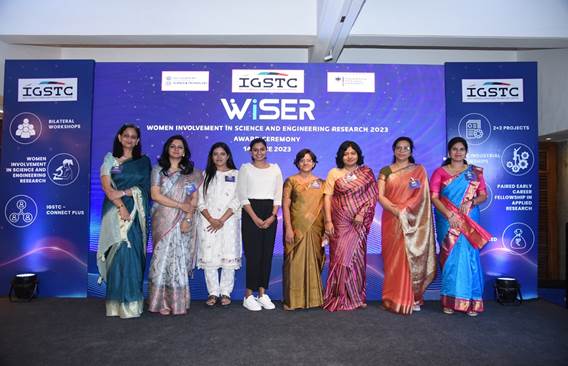
 Ten women researchers from India and Two from Germany were awarded under ‘Women Involvement in Science and Engineering Research’ (WISER) programme to promote women researchers in India/Germany to participate and collaborate in ongoing R&D and innovation projects on the occasion of 13 Foundation day of IGSTC (Indo-German Science and Technology Centre)They will receive financial assistance and will not need to apply for fresh project grants in partnering countries.

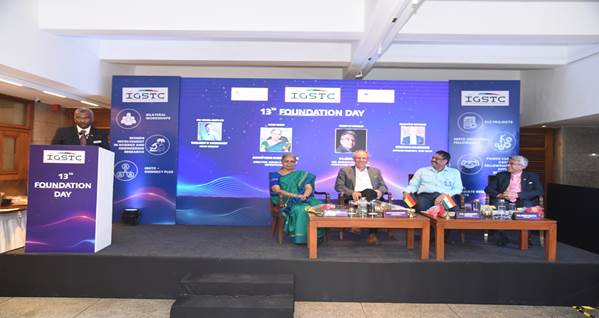
“Research efforts should be directed towards contributing to society and making a positive impact on people’s lives,” said S.K. Varshney Head of International Cooperation Division (ICD) at the Department of Science and Technology (DST) and Co-chair of IGSTC at the inauguration of the programme.

Stephan Grabherr, Charge d’Affaires of the German Embassy in Delhi, highlighted the significance of collaborations between industries and universities and stressed the need for fostering strong partnerships and knowledge-sharing between these two spheres.

R Madhan, Director, IGSTC emphasized the significant programs and achievements that have fostered a strong partnership between India and Germany while Annapurni Subramaniam, Director, Indian Institute of Astrophysics (IIA) and Chief Guest for the occasion emphasized on the significance of increasing the representation of women scientists and ensuring a proportional number of women-led projects for fostering inclusivity and diversity within the scientific fraternity.

IGSTC celebrated its 13th Foundation Day event on 14th June, 2023 to highlight its achievements and its role in promoting the Indo-German Science and Technology partnerships since its inception in the year 2010.

Industrial Fellowships-2023 Awards were given to 20 young Indian researchers from leading academic and research institutions spread across India. While, this fellowship provides exposure to young Indian researchers at German Industrial ecosystems and applied research Institutions for 06-12 months, the WISER program facilitates lateral entry of women for perusing research in Science and Technology, create avenues for long term Indo-German research collaborations and enhance capacity building & networking.

Mr. Rajesh Nath, Managing Director, German Engineering Federation (VDMA) in India also participated as guest of honour.

IGSTC also organised an outreach event on the day which was attended by scientists, academicians from around 30 Institutions in and around Delhi wherein the attendees were briefed about available opportunities at IGSTC for Indo-German collaboration in S&T. The success stories of IGSTC programmes were also presented during the event.

The Indo-German Science & Technology Centre (IGSTC),  a bilateral institution established by the Department of Science and Technology (DST), Government of India, and the Federal Ministry of Education and Research (BMBF), Government of Germany to promote Science and Technology collaboration with a focus on applied research and technology development, has supported 54 applied research projects on various thematic areas, 55 bilateral workshops, capacity building through 82 Industrial & early career fellowships, 23 WISER fellowships for Women researchers and small ignition funding for 07 projects.

The main focus of IGSTC over the years has been to provide a networking platform between the Indian and the German researchers/Industry personnel and has connected around 6300 + researchers / Industry personnel through its various programmatic activities.

SNC

Forbes’ “The Global 2000” List of top companies

 NTPC Limited, India’s largest power generation company, has climbed 52 positions to secure the 433rd rank in Forbes’ “The Global 2000” List for 2023. Rising from 485th rank in the list in the year 2022, the climb of 52 positions in just one year demonstrates NTPC’s emergence as a strong force in the global market. It is evidence of the company’s steady expansion, sound financial condition, and persistent dedication to excellence.

“The Global 2000” List recognizes the world’s largest companies based on four key metrics: sales, profits, assets and market value.
Considering Indian companies, NTPC has climbed up one place to secure the 10th rank among the largest Indian companies in the 2023 List. This ranking further solidifies NTPC’s status as a leading player in India’s corporate sector.

***

IIAS Annual Conference 2025

 India expressed its willingness to host the 2025 IIAS (International Institute of Administrative Sciences) Annual Conference at Kochi, Kerala, in February, 2025. The IIAS established in 1930, is a federation of member States, national sections and academic research centres jointly elaborating public administration solutions to the policy challenges of the day with headquarters in Brussels, Belgium.

The decision of the Government of India was conveyed in the meeting of the Council of Administration by V.Srinivas, Secretary Department of Administrative Reforms and Public Grievances in a virtual meeting today. The 2025 Annual Conference of IIAS would be attended by 30 Member Countries, 18 National Sections and over 50 IIAS Universities/ Institutes of Public Administration in Member Countries.

The Indian statement to the IIAS Council of Administration said the following:

The Department of Administrative Reforms and Public Grievances is an institutional member of the International Institute of Administrative Sciences IIAS since 1998. As a nation deeply committed to Multilateralism, Democracy, Meritocracy and Good Governance, India has under Prime Minister Modi, pursued far-reaching administrative reforms under the policy maxim “Maximum Governance–Minimum Government”. As an institutional member of IIAS, India has contributed significantly to the deliberative democracy, research publications, fiscal processes of budget/ audit through the institutional mechanisms of the Council of Administration and the Finance Committee.

Under the visionary leadership of Prime Minister Modi, the Governance landscape of India has radically changed in scale, scope and learning paradigms. India has succeeded in building modern-day digital institutions which benefit millions of Indians with e-services and digital public infrastructure. In its 75th year of independence, being celebrated as Azadi Ka Amrit Mahotsav, Prime Minister Modi has given a clarion call for adoption of Next Generation Reforms by bridging the gap between government and citizens under the theme Viksit Bharat. This vision of Next Generation administrative reforms of Prime Minister Modi has been diligently translated into a reality by DARPG. Secretariat Reforms, Benchmarking of Governance, Redressal of Public Grievances & Improving Service Delivery, Recognizing Meritocracy and Replication of good governance practices form the core of India’s good governance model.

The organizational reforms coupled with significant reforms in Personnel Administration represent a paradigm shift in India’s governance models. New India’s strong institutions are best symbolized by adoption of e-governance practices. The best manifestation of “Maximum Governance – Minimum Government” policy is a “Digitally Empowered Citizen” and a “Digitally Transformed Institution”. In accordance with India’s governance model, the theme for 2025 IIAS Annual Conference at Kochi is proposed as “Next Generation Administrative Reforms – Empowering the Citizens and Reaching the Last Mile”.

In 2023, India will be hosting the G-20 Leaders’ Summit and the SCO Leaders’ Summit. Over 200 meetings of G20 engagement groups/ working groups/ ministerial meetings are being conducted in 56 cities under the theme “Vasudhiava Kutumbakam – One Earth, One Family, One Future”. As the world’s largest democracy and amongst the most digitally advanced Nations in the world, India brings forth its unique experience of hosting important bilateral/multilateral summits backed by decentralized/ functional governance models. India has always viewed the IIAS as an important institution for international relations in public administration. The IIAS 2025 Conference in Kochi would represent a significant milestone for India’s pursuit of next generation administrative reforms.

India extends a warm and hearty welcome to all the 2025 IIAS Annual Conference delegates to visit Kochi. The conference dates and agenda would be worked out in consultation with the IIAS Secretariat. The Director General Indian Institute of Public Administration and Member of the Research Advisory Committee of IIAS would support DARPG in formulating the research agenda for the 2025 IIAS Conference at Kochi. India looks forward to host an inclusive and successful conference and envisage cordial and constructive collaboration with the IIAS in the run up to 2025.

Parliamentary Goodwill Delegation

  by Shashikant Nishant Sharma 

As part of celebration of 75 years of diplomatic relations between India and Brazil, and as a follow-up to the meeting between Prime Minister Shri Narendra Modi and President of Brazil, Mr. Luiz Inácio Lula da Silva on the side-lines of the G-7 summit in Hiroshima, the Union Minister of Parliamentary Affairs, Coal & Mines, Shri. Pralhad Joshi led a 10-member Parliament goodwill delegation to Brazil from June 11 to 13, 2023.

Shri G Srinivas, IAS, Secretary, Ministry of Parliamentary Affairs stated that this was the first Goodwill Delegation of Parliament and the visit underscores the high importance that India places on its relations with Brazil, a strategic partner since 2006.

 During their visit, the delegation paid homage to the busts of Father of the Nation Mahatma Gandhi, a symbol of the shared democratic values and peace between India and Brazil, situated at the heart of the city parks of Brasilia and Rio de Janeiro.

On 13 June, the delegation held a meeting with Mr. Rodrigo Otavio Soares Pacheco, the President of the Federal Senate, Upper House of Brazilian Parliament. The exchange during the meeting was a testament to the growing strategic partnership between India and Brazil, underlined by mutual understanding and cooperation. Mr Pacheco also thanked and accepted the invitation from Hon’ble Minister to visit India leading a delegation of parliamentarians.

The delegation also met Senator Nelson Trad, President of the India-Brazil Friendship Front, and other prominent members of the Front. This interaction laid the foundation for a further deepening of the diplomatic ties between the two nations.

This was followed by a productive meeting with Mr Marcos Pereira, Dy. President of the Congress and Federal Deputy Vinicius Carvalho, President of the India-Brazil Parliamentary Friendship Group, and several of its distinguished members.

During the visit, both sides expressed their satisfaction over the significant increase in bilateral trade over the past two years. The total bilateral trade surged by an impressive 115% from US$7.05 billion in 2020 to US$15.20 billion in 2022. This emphasis on strategic trade expansion reflects the commitment of both nations to forging a mutually beneficial partnership, driving economic development, and bolstering diplomatic ties.

During the course of the visit in both Rio de Janeiro and Brasília, the Minister Shri Joshi met with members of the Indian community residing in Brazil. He updated them on India’s swift socio-economic development, highlighting the various policy initiatives by the government that have contributed to this progress. The meetings offered an opportunity for community members to better understand and connect with the ongoing growth story of India, further strengthening the bond between the Indian diaspora and their motherland.

Ambassador Suresh Reddy noted that this visit by the Goodwill Delegation from the Indian Parliament marks a significant step in the rich history of India-Brazil bilateral relations. He stated that while, reinforcing our shared commitment to democratic values and paving the way for enhanced collaboration in various fields, the visit is also expected to facilitate visits of Parliamentary delegations from the Senate and Congress to India.

****

Law Commission of India solicits views & ideas of the public and recognized religious organizations about Uniform Civil Code

 The 22nd Law Commission of India is inter alia examining the Uniform Civil Code, a reference sent by the Ministry of Law & Justice.

Initially the 21st Law Commission of India had examined the subject on Uniform Civil Code and solicited the views of all the stakeholders through its appeal along with a questionnaire dated 07.10.2016 and further public appeals/notices dated 19.03.2018, 27.03.2018 and 10.4.2018. Pursuant to the same, overwhelming responses have been received by the Commission. The 21st Law Commission has issued the consultation paper on “Reforms of Family Law” on 31.08.2018. Since more than three years have been lapsed from the date of issuance of the said Consultation Paper, bearing in mind the relevance and importance of the subject and also the various Court orders on the subject, the 22nd Law Commission of India considered it expedient to deliberate afresh over the subject. 

Accordingly, the 22nd Law Commission of India decided again to solicit views and ideas of the public at large and recognized religious organizations about the Uniform Civil Code. Those who are interested and willing may present their views within a period of 30 days from the date of Notice through “click here” button or by Email at membersecretary-lci[at]gov[dot]in to the Law Commission of India.

************

Uniform Civil Code (UCC)

 The question of whether India needs a Uniform Civil Code (UCC) is a complex and debated topic. Here are some reasons that I wish to share in favor of implementing a UCC in India:

  1. Equality: UCC will ensure equality and non-discrimination among citizens, irrespective of their religion. India is a diverse country with multiple personal laws governing matters such as marriage, divorce, inheritance, and adoption based on religious affiliation. Implementing a UCC would provide a common set of laws applicable to all citizens, regardless of their religion, promoting equality before the law.

  2. Women’s Rights: UCC will help address gender inequality prevalent in personal laws. Some religious laws in India, such as those governing marriage, divorce, and inheritance, have been criticized for being discriminatory against women. A UCC could potentially ensure equal rights and protections for women across all communities, safeguarding their fundamental rights and promoting gender justice.

  3. Social Cohesion: India is a secular and diverse nation with a multitude of religions and faiths. The existence of different personal laws based on religious affiliations may create divisions and hinder social cohesion. Implementing a UCC could foster a sense of national unity by providing a common legal framework that applies to all citizens, irrespective of their religious beliefs.

  4. Simplification and Efficiency: Currently, the existence of different personal laws can lead to complexity and confusion in legal matters, particularly in cases involving interfaith marriages or inheritance across different religious communities. A UCC could simplify the legal process, reducing administrative burden, and making it easier for citizens to navigate legal matters.

It’s important to note that the implementation of a UCC in India is a highly sensitive and debated issue. The diverse religious and cultural fabric of India should be respected, but laws should be uniform for all citizen of the country. 

India's Creative Economy showcased at the Annecy International Animation Festival in France

 Annecy, June 14, 2023: India is participating at the The Annecy International Animation Festival (AIAF) for the first time this year. An Indian delegation led by the Secretary, Information and Broadcasting, Shri. Apurva Chandra with eminent personalities of the animation industry have been showcasing India’s prowess in creating animation and VFX content for global audiences at the AIAF. 

India has lately emerged as a preferred destination of VFX and animation content for global production houses. The animation and VFX market in India was pegged to be valued at Rs 109 billion in 2021, with the VFX business alone amounting to Rs 50 billion. This figure is expected to grow to Rs 180 billion by 2024 according to a E&Y report. India’s participation at Annecy therefore assumes greater importance as the country showcases its abilities in the sector to international buyers. 

Speaking about India’s participation, Shri. Chandra said, “The Animation, Gaming, Visual Effects and Comics (AVGC) Sector in India is making progress with the adoption of world-class techniques and innovative technologies, coupled with a pool of immensely talented professionals. India is one of the few countries providing cash incentive to foreign companies for making AVGC content in India. The incentives are the same as for shooting films in India. This is a huge opportunity for companies to benefit from this. As a country, we are committed to providing incentives to the industry, as well as supporting pre and post-production activities in India.” 

At the festival, Shri. Chandra met Michael Marin, director of AIAF and discussed the possibilities of strengthening India’s engagement at Annecy and the potential of collaboration between India and France to host an animation film festival in India. Shri. Chandra inaugurated the India Pavilion, which has been designed on the theme of the Saraswati Yantra and also interacted with the Indian creative community who have won entries in the prestigious Annecy festival competition in 2023. Young creators Arvind Jeena, Nikita Prabhudesai Jeena, Upamanyu Bhattacharyya, Kalp Sanghvi along with industry seniors such as Saraswati Vani Balgum, Kireet Khurana, Biren Ghosh, Anil Wanvari and Anne Doshi, among others, were present at the festival. 

Besides, Shri. Chandra interacted with delegates from other countries and the discussions centred around the various initiatives of the Ministry with regards to the AVGC sector, the incentives given by the Indian Government for ease of business in the sector. 

World Blood Donor Day

 “Blood donation is a noble cause and deeply ingrained in our rich culture and tradition of Seva and Sahyog. I implore and call on all citizens to come forward and donate blood as part of the countrywide Raktdaan Amrit Mahotsav. Donating blood is a significant service to society and mankind in addition to fulfilling the requirement for the country.” This was stated by Union Minister of State, Health & Family Welfare, Prof. S P Baghel while inaugurating blood donation camp at RML Hospital, New Delhi today.

The slogan for this year’s World Blood Donor Day campaign is ‘Give blood, give plasma, share life, share often’. It focuses on patients requiring lifelong blood transfusion support and underlines the role every single person can play by giving the valuable gift of blood or plasma.


Accentuating the importance of blood donation and Raktdaan Amrit Mahotsav, the Union Minister of State, Prof. S P Baghel said, “In India, the demand for blood transfusion arises for every 2 seconds. On an average, 14.6 million blood is needed every year and there is always a shortage of 1 million. Besides lack of understanding and awareness, several myths and facts are associated with a blood donation that could be discouraging healthy people from turning into blood donors. Patients like Cancer patients, Sickle cell anemia and Thalassemia patients, require blood frequently. In every two seconds, someone in India needs blood and one out of every three of us will need blood in our lifetime, he stated. “Despite the technological advancements, there remains no alternative to blood and 1 unit of blood can save as many as three lives’, Prof. S P Baghel noted. Raktdaan Amrit Mahotsav aims to increase awareness regarding regular non-remunerated voluntary blood donations and ensure that blood or its components (whole blood/ packed red blood cells/plasma/platelets) are available, accessible, affordable and safe.”

Debunking myths surrounding blood donation, S P Baghel stated that “Blood donation doesn’t cause weakness, this is a misconception. A person has 5 – 6 litres of blood in their body and can donate blood every 90 days (3 months).” Body can recover blood very quickly; blood plasma volume within 24 – 48 hours, red blood cells in about 3 weeks and platelets & white blood cells within minutes. No weakness comes from this, on the contrary, people have to understand that before donating blood, a blood checkup is done before that, and you cannot donate blood before 3 months, blood donation is very important.

Emphasizing on the fact that we need to create awareness about blood donation, he said, “We should understand and teach our future generation about the importance of blood donation and organ donation. He also appealed to the people of the world to donate blood. He also mentioned that we need to spread awareness about debunking the blood donation myths in rural areas, as people in rural areas are still more surrounded by these myths.”

Prof. S P Baghel met the donors at the blood donation camp and appreciated their selfless act of donating blood. He also felicitated the blood donors who donated blood more than 100 times.

He also highlighted the nationwide drive that is supported by the centralised blood bank management information system called, E-Rakt Kosh portal, which acts as a national repository of blood donors. This also ensures a robust record of blood donors and will expedite blood availability when in need.

Link for E-Rakt Kosh Portal:

 https://www.eraktkosh.in/BLDAHIMS/bloodbank/transactions/bbpublicindex.html

*****