Ministry of Social Justice & Empowerment and National Safai Karamcharis Finance & Development Corporation

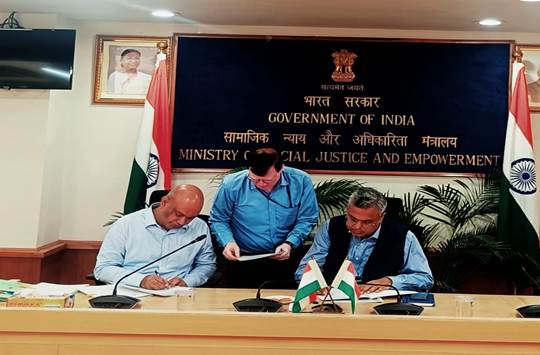
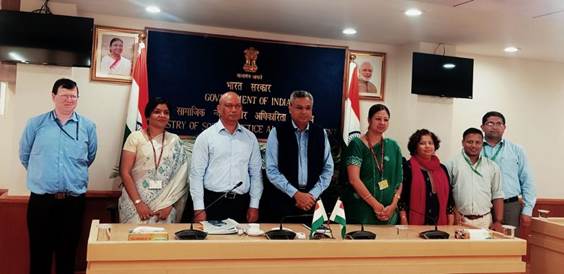
 A momentous collaboration has been cemented as the Ministry of Social Justice & Empowerment and the National Safai Karamcharis Finance and Development Corporation (NSKFDC) inked a Memorandum of Understanding (MoU) for the fiscal years 2023-24 and 2024-25. This strategic partnership aims to enhance the socio-economic upliftment of Safai Karamcharis, Manual Scavengers, Waste Pickers and their dependants focusing on empowering these marginalized communities across the nation.

The MoU underscores the commitment to accelerate inclusive growth through the effective allocation and utilization of funds for targeted welfare programs. The joint endeavor strives to amplify initiatives that promote safety, education, skill development, entrepreneurship, and sustainable employment opportunities, contributing to the holistic advancement of these workers who toil hard braving inclement weather to keep our surroundings clean.

NSKFDC, a prominent organization dedicated for this cause will collaborate closely with the Ministry to ensure the transparent and effective utilization of allocated funds. This alliance seeks to synergize expertise and resources for impactful implementation of programs that empower these marginalized populations.

The signing of this MoU is a testament to the shared vision of fostering equal opportunities and societal progress. Both parties are eager to channel their collective efforts to drive positive changes, fostering an environment where every individual can thrive and contribute to the nation’s growth.

****

CSIR-CMERI Developed Compact Electric Tractor- CSIR PRIMA ET11

 In India, agriculture is the primary source of livelihood for nearly 55% of Indian population, feeding 1.3 billion people and contributing significantly to the country GDP. Tractors play a crucial role in increasing agricultural productivity by mechanization. Indian tractor industry has come a long way in terms of production capacity and technology in last few decades.

CSIR CMERI is having the long history in Design and development tractors of various ranges and capacities. Its journey starts with the very first indigenously developed SWARAJ Tractor in 1965, followed by 35hp sonalika tractor in 2000 and then Small diesel tractor of 12hp Krishishakti  in 2009 for small and marginal farmers demand. To take the legacy to the next level CMERI started working with the advance technology in the tractor, in result this e-tractor has been developed.
Traditionally tractors use diesel, thus contributing significantly to the environmental pollution. According to an estimate they consume about 7.4% of our country’s annual diesel usage and account for 60% of total agricultural fuel usage. Also their PM2.5 and NOx emissions are likely to increase 4-5 times the current level in next two decades.
Global carbon foot print reduction strategy necessitates rapid transition of this sector towards electrification. In COP26 summit held at Glasgow in the year 2021, India announced to work towards reducing the total projected carbon emissions by one billion tones by the year 2030. Also target was kept to achieve Net Zero carbon emission by the year 2070. Therefore, electrification of tractors is a necessary step that aids our country in achieving these targets.
Considering the need to further reduces the greenhouse gas emissions and the eventual scarce availability of fossil fuels shortly, electric tractors have been identified as a possible solution in the context of more sustainable farming. However, most of the commercial equipment consists of high-power machines, which are only feasible to large area Farming and poses a challenge for Indian marginal farmers having around 2 hectare of farming land or less and this small & marginal farmer consist of more than 80% of farmer community.

Addressing to this, CSIR-CMERI has indigenously designed and developed compact 100% Pure Electric Tractor named CSIR PRIMA ET11 mainly to cater small and marginal farmers of India.

Salient features of the developed CSIR PRIMA ET11 are as follows:
1) The first very important point that entire tractor has been designed and manufactured with indigenous components and technologies.
2) Since the main purpose of the tractor is to cater the demand of agriculture field application, it has been designed in such a way that its dynamics, weight distribution, transmission engagements, then lever and pedal position everything has been well designed and considered.
3) Another USP of the developed technology is that it Women friendly. For this we have given special attention in the ergonomics, for eg: All the lever, switches etc has been placed for easy approach to the women. Further to minimize the effort many mechanical system is being replaced with electronic switches for easy operations.
4) The farmers can charge the tractor using conventional home charging socket in 7 to 8 hours and operate the tractor for more than 4 hours at field. Otherwise, tractor can run more than 6 hours in case of normal Haulage operation. We have seen that the usual practice of farmer in India that they start their work from morning and at noon they usually take the rest and during this time they can charge their tractor so that theyr can again use it for their work in the afternoon.
5) Coming to Transmission: The tractor is being designed with the robust and efficient transmission system by using the semi Synchronized type gearing system. The design helps to achieve the desired efficiency in min cost.
6) The tractor is equipped with best in class hydraulic with lifting capacity of 500 kg or more. It implies that tractor can lift implement required not only for field operation but also hauling operation. It is also to be mentioned that the tractor can tow 1.8-ton capacity trolley with a max speed of 25 kmph.
7) Its robust designed along with necessary covers and guards protects it from mud and waters.
8) Coming to electric aspects the battery we have chosen as the state of art Lithium ion battery with Prismatic cell confirmation. It has deep discharge capability for farming application and having a life of more than 3000 cycle.
9) The controller and the instrument cluster has been modified to suit the agriculture needs.
10) Another distinct feature, we have provided that there is a port called V2L i.e. vehicle to load, This means when the tractor is not in operation, it battery power can be utilized for other secondary application like pump and irrigation etc.

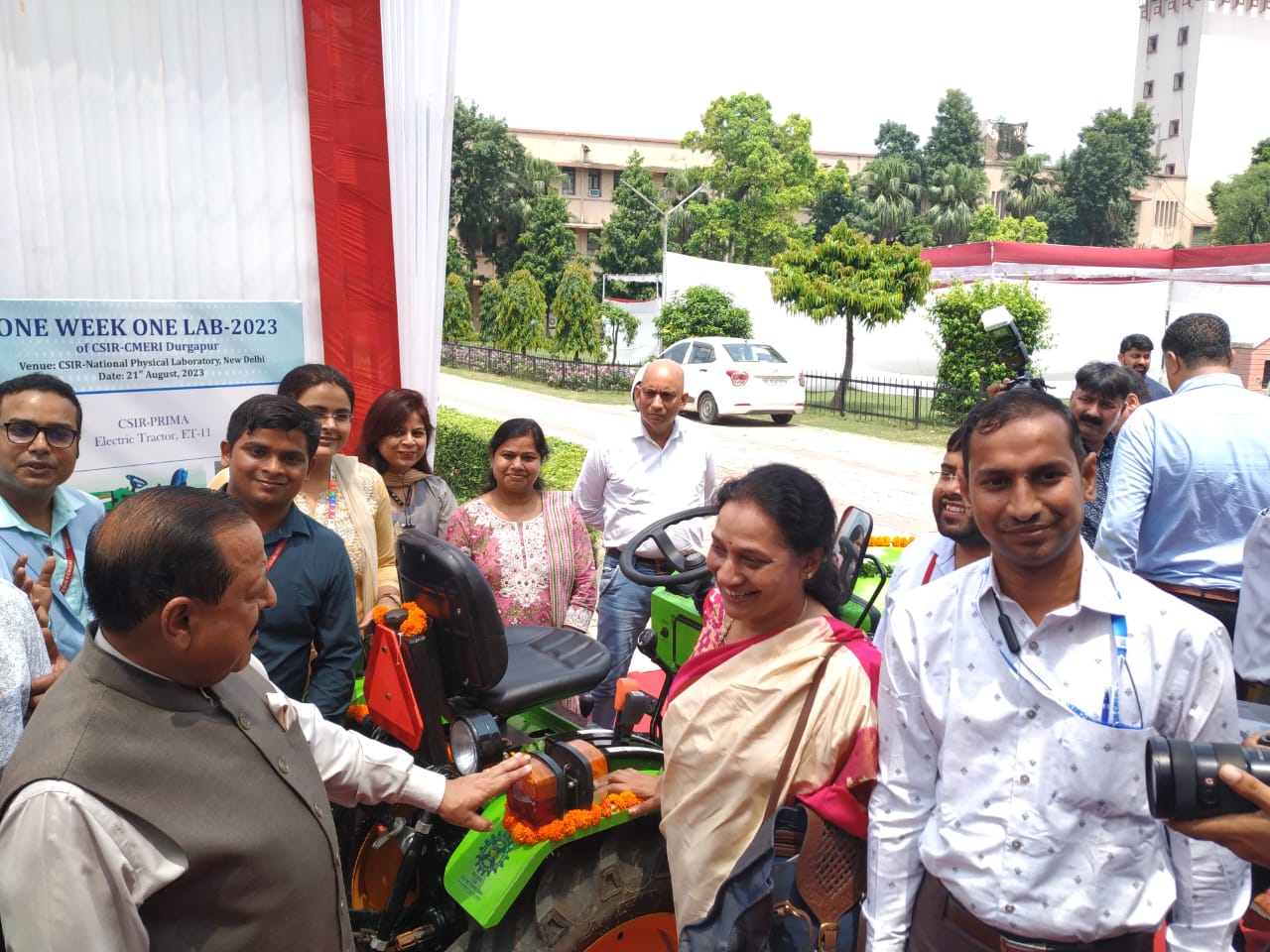
This first of it’s kind electric tractor has been launced by Union Minister for Science and technology Dr. Jitendra Singh in our One Week One lab curtain raiser ceremony held at New Delhi in the presence of, Secretary, DSIR Dr. N Kalaiselvi and many other dignitaries.

Also this impactful technology has been licensed to K N bioscience, Hyderabad based Company famous for its Kushal Tractor brand and many bioscience related development/product for take it to the ground level and mass production; we are hoping for its grand success.

It is expected that this tractor CSIR PRIMA ET11 will create a breakthrough in sustainable agriculture while meeting ch the demands of small and marginal farmers in India. And thereby this development will trigger to lead India in the global tractor industry with revolutionary vision of “Make for the World”

****

Renewable Energy Technology Action Platform under US – India Strategic Clean Energy Partnership

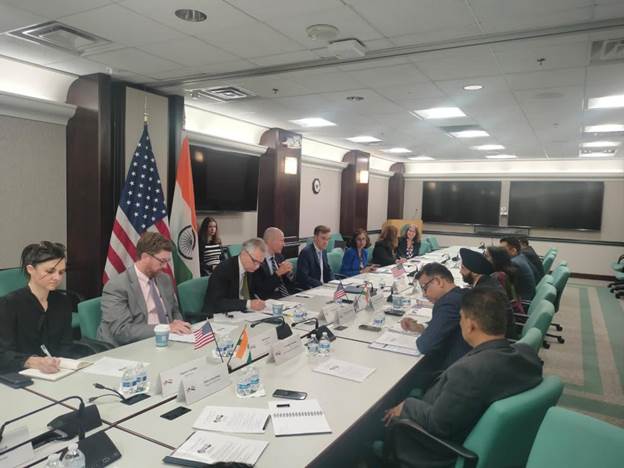
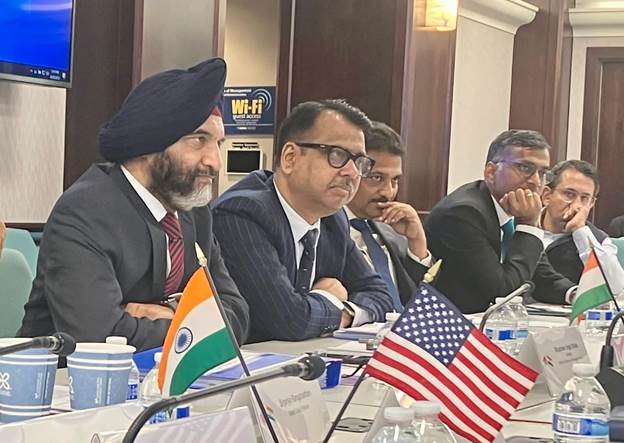
 A meeting between the U.S. Department of Energy (DOE) and the Ministry of New and Renewable Energy (MNRE), Government of India was held on August 29, 2023, to launch the new U.S. – India Renewable Energy Technology Action Platform (RETAP) under the Strategic Clean Energy Partnership. RETAP was announced during the June 22, 2023 meeting in Washington D. C., between His Excellency Joseph R. Biden, President of the United States of America and Prime Minister Shri Narendra Modi Prime Minister Modi, when the two leaders announced the expansion of collaboration on new and emerging technologies to accelerate the clean energy transition. This launch marks rapid translation of the leaders’ vision into reality.

Led by DOE Deputy Secretary David Turk and MNRE Secretary Bhupinder Singh Bhalla, the RETAP was established to take bilateral collaboration further with a result-oriented, time-bound technology-focus. It is intended to advance new and emerging renewable technologies with a view toward deployment and scaling. RETAP’s initial focus is to be on green/clean hydrogen, wind energy, long duration energy storage, and to explore geothermal energy, ocean/tidal energy and other emerging technologies as mutually determined in the future.

DOE and MNRE outlined an initial workplan regarding RETAP collaboration. Work is guided by five themes:

  • Research & Development
  • Piloting & Testing of Innovative Technologies
  • Advanced Training & Skill Development
  • Policy and Planning for Advancing RET and enabling technologies
  • Investment, Incubation and Outreach programmes

During the meeting, the delegations shared information about emerging technology developments in each country, including hydrogen, energy storage, wind, geothermal energy, and marine renewable energy technologies, and clean energy deployment programs.


Going forward, DOE and MNRE intend to enhance RETAP collaboration, including potentially through the creation of a RETAP Steering Committee, joint working groups and collaboration among subject matter experts.


***

3 lakh MSME units were benefitted

 On the occasion of ‘National Small Industries Day’, Union Minister for Micro, Small and Medium Enterprises Shri Narayan Rane took to Twitter to announce that 16 lakh youth have been trained subsequently benefiting over 3 lakh MSME units in the last 9 years, through 18 tool rooms and technology centres run by the Ministry of MSME across the country.

Shri Rane said that the Tool Rooms and Technology Centres working under the Ministry of MSME are making a significant contribution in realizing Hon’ble Prime Minister Shri Narendra Modi’s dream of a self-reliant India. These tool rooms and technology centres are also providing step by step support in manufacturing state of the art products.

Shri Rane said these tool rooms design and manufacture medium and small-size equipment as per international standards which are being used in industries related to sports goods, plastic, automobile, footwear, glass, perfume, foundry and forging, electronics and space sector. In the recently launched Chandrayaan-3 mission, Bhubaneswar Tool Room manufactured around 54,000 aero-space components of 437 types. Tool rooms have also played an important role in fulfilling the domestic needs of PPE kits, sanitizer machines, oxygen concentrators as well as in their exports to foreign countries in the difficult times of the Corona pandemic.

MSME Minister informed through his tweet that 15 more technology centres are being set up to further strengthen the MSME units of the country.

*****

Aatmanirbhar Bharat Rozgar Yojana (ABRY)

 The Central Government’s innovative employment incentive scheme, the Aatmanirbhar Bharat Rozgar Yojana (ABRY), has exceeded its initial employment generation goals, showcasing its success in fostering job creation and recovery during the COVID-19 pandemic.

Launched effectively from October 1, 2020, the ABRY was designed to stimulate the creation of new job opportunities by extending financial support to employers of establishments registered with the Employees’ Provident Fund Organization (EPFO). This scheme aimed to incentivize employment of unemployed individuals, including those who lost their jobs due to the pandemic, by covering both the employee and employer contributions (24% of wages) for establishments with up to 1000 employees. For establishments with over 1000 employees, only the employee’s EPF contributions (12% of wages) were covered in respect of new employees.

The scheme, which remained open for registrations until March 31, 2022, had set a target to benefit approximately 7.18 million employees across India. As of July 31, 2023, the ABRY has already achieved an enrolment of over 7.58 million new employees, surpassing its initial employment generation target.

To date, a total of 1,52,380 establishments, employing 60,44,155 new employees and upon fulfilling all the eligibility conditions, have availed benefits amounting to a sum of Rs. 9,669.87 Crore under the ABRY scheme. The scheme’s ensures the disbursements of benefits  to specific eligibility criteria, met by beneficiary establishments and employees on a month-to-month basis. 

The scheme’s emphasize substantial contribution to the job market’s revival, underscoring its role in boosting economic recovery during these challenging times.

For more information about the Aatmanirbhar Bharat Rozgar Yojana (ABRY), please visit <https://www.epfindia.gov.in/site_en/abry.php>.

****

Youth- Indian Ambassadors for Swachhata

 India is the youngest country in the world. A nation whose 65% population is less than 35 years old, a nation whose youth is incredibly tough, whose fingers have the deftness to be connected with the world via computers, a nation whose youth is determined to create its own future, that nation now does not need to look back,” said PM Shri Narendra Modi.
 

Gen Z has been showing a remarkable and innovative stance in addressing waste management in the modern era. Their proactive initiatives and creative solutions reflect a dedication to environmental preservation. Swiftly progressing on the path of “swachhata”, Gen Z’s agile mindset and tech-savvy nature empower them to drive positive change and shape a more sustainable future. Whereas Gen Alpha exhibits a remarkable consciousness for swachhata and eagerly fuses innovation with technology. They seek toys crafted from recycled materials, ingeniously reimagined to align with their eco-conscious perspective.
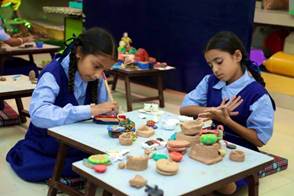


In line with this vision, the Ministry of Housing and Urban Affairs has taken initiatives like the Indian Swachhata League, Swachhata ke Do Rang, aimed at engaging India’s youthful populace in the Jan Andolan for cleanliness. In addition to this, MoHUA launched the ‘Swachh Toycathon’ in 2022, which revolved around the ‘Rethinking of Indian toy industry’. The national competition for individuals from all ages as well as groups and start-ups, aimed to bring forth innovation and circularity in design and packaging of games and toys. The competition witnessed entries for eco-friendly toy prototypes, waste-material toys, and inventive concepts reimagining the industry. Organizations like ToyBank are re-purposing old and discarded toys to ensure the ‘Right to Play’ of children of marginalized communities. Household waste items are being turned into toys that teach children about basic principles of science & sustainability. To encourage these crusaders of swachhata, in July 2023, numerous ULBs in Karnataka engaged schools via eco-clubs and started diverse initiatives on plastic waste management as part of the State’s “Plastic Free Campaign.” One notable effort was the introduction of the Reduce, Reuse, Recycle (RRR) concept, coupled with training sessions to underscore the significance of proper waste segregation and the SUP Plastic Muktha Abhiyana at Hebbagodi CMC.
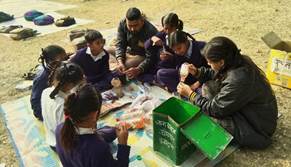
 

Uttarakhand-based NGO ‘Waste Warriors’ launched ‘Green Gurukul’ program to involve youth in city sanitation. Operating in 100+ schools, the initiative impacted 39,000+ students, engaging them in sustainable waste management. Integrated into education, it drives behavioral change among students and educators, ensuring compliance with 2016 SWM Rules, emphasizing source segregation and proper disposal. Interactive sessions, movies, games, quizzes, and creative workshops teach waste management to grades 6-12 in Himachal Pradesh and Uttarakhand.


Since its launch in 2014, Youth For Parivarthan started “Clean Bengaluru,” program revitalizing over 400 black-spots, garnering recognition from PM Shri Narendra Modi in the 93rd episode of Mann Ki Baat. Their “Recyclothon” campaign collects used notebooks during summers, recycling unused sheets into new books for rural Karnataka’s government school students. Youth For Parivarthan’s multifaceted endeavors have brought positive changes to Bengaluru’s environment and education system, embodying a commitment to sustainable change.
Since 2014, Satya Foundation, a youth group in Byataranapura, Yelahanka Zone, have introduced a course named, “Trashonomics,” teaching waste management as a resource in schools via young ambassadors bridging generations. Kids learn composting, upcycling, and the 3Rs (Reduce-Reuse-Recycle) to convert waste into resources.
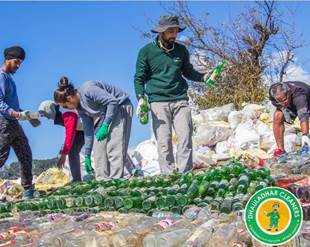
Since 2019, the Himachal-based ‘Dhauladhar Cleaners’ have been collecting trash from Dharamshala’s tourist spots every Sunday. Their goal is to educate and inspire youth towards a healthier, sustainable future. Through ‘cleanup picnics’, volunteers converge at scenic sites, combining cleanup drives with enjoyable outings. Their impact includes 40,000+ KG of waste collected from Himachal’s tourist destinations. items.
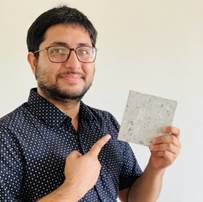


Since 2020, a young man from Gujarat, Dr. Binish Desai has initiated recycling of COVID-related bio-medical waste, by transforming them into advanced P-block bricks. His latest innovation, P-block 2.0, is lighter, stronger, and more versatile. During his tenure as Gujarat’s CM, PM Narendra Modi invited Binish to an event, commending his initiative’s efforts. His initiative, Eco Eclectic Tech, has repurposed 45 tons of PPE waste, diverting over 6700 metric tons from landfills and producing 150+ products from various wastes. It’s also facilitated the construction of 10,000+ toilets and 500+ structures. The eco-conscious Gen Z of India is shaping a future where responsible waste management is central to the society.

***********

Regional Rural Banks of Northern Region

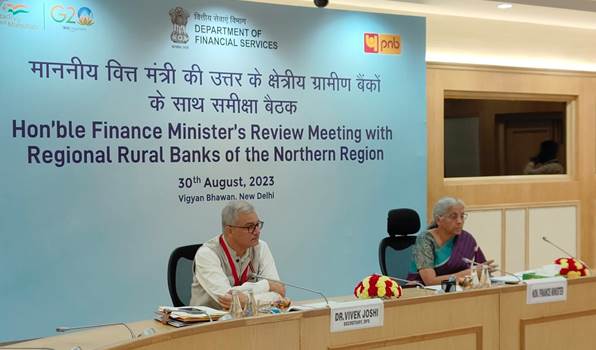
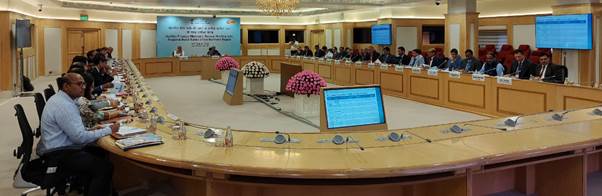
 Union Finance Minister Smt. Nirmala Sitharaman chaired a review meeting of Regional Rural Banks of Northern Region in New Delhi, today.

During the review meeting, the Union Finance Minister emphasised on digital capability upgradation of RRBs and instructed Managing Director & CEO, Punjab National Bank (PNB) to ensure that all RRBs with PNB acquire digital onboarding capability by 1st November 2023.

Finance Minister Smt. Sitharaman urged the RRBs to undertake removal of duplication of Pradhan Mantri Jan Dhan Yojana (PMJDY) accounts and facilitate storage facility for apple growers particularly in J&K and Himachal Pradesh.

The Union  Finance Minister also said that banks should map RRBs with MSME clusters and put greater thrust on increasing network of rural branches in cluster areas identified by the Ministry of Micro, Small and Medium Enterprises.

Finance Minister Smt. Sitharaman further emphasised on increasing penetration under Pradhan Mantri Mudra Yojana (PMMY) and Financial Inclusion and stated that a roadmap has to be prepared for completing the designated activities in a timebound manner. 

Also present during the meeting were Secretary, Department of Financial Services (DFS), Additional Secretary, other senior DFS officials, representatives of RBI, respective State Governments, NABARD, sponsor Banks and RRBs.

****

Global IndiaAI 2023

 Ministry of Electronics and Information Technology will be organizing the Global IndiaAI 2023, scheduled for October this year. There will be participation from leading AI players, researchers, startups, and investors in India and worldwide.

The conference is poised to cover a wide spectrum of topics, including Next Generation Learning and Foundational AI models, AI’s applications in healthcare, governance, and next-gen electric vehicles, future AI research trends, AI computing systems, investment opportunities, and nurturing AI talent.

Union Minister of State for Skill Development & Entrepreneurship and Electronics & IT, Shri Rajeev Chandrasekhar chairs the conference’s steering committee which is entrusted with the task of shaping the contours of the Global IndiaAI 2023. It draws members from MeitY’s Digital Economy Advisory group and other prominent leaders in the field of AI.

Speaking about the conference, MoS Shri Rajeev Chandrasekhar emphasized that the Government’s vision is to gather the world’s best and brightest minds under one roof to deliberate the future of AI and its impact in several sectors.

“The Global IndiaAI 2023 conference is tentatively planned for October 14/15 and it will bring together the best and brightest in AI from India and around the world. This summit is expected to evolve and become a must attend event on the annual calendar of the Global AI industry, startups, practitioners, researchers and students. The huge success of the past two editions of the SemiconIndia conference by Prime Minister Shri Narendra Modi ji firmly put India on the global semicon map. This enabled India to become a catalyst for investments and growth within the sector. The Global IndiaAI summit will also catalyze India’s AI landscape and innovation ecosystem,” the Minister said.

The conference will also serve as a showcase for the vibrant IndiaAI ecosystem that comprises key initiatives such as DI Bhashini, India Datasets Program, IndiaAI Futuredesign program for startups, and IndiaAI FutureSkills program dedicated to nurturing world-class AI talent.

Highlighting the comprehensive groundwork behind IndiaAI, MoS Shri Rajeev Chandrasekhar pointed out the pivotal role of the working groups that collaborated closely with industry, Startups & academia partners. These groups have presented a holistic framework for the IndiaAI initiative, which revolves around  pillars: AI in Governance, AI Computing & Systems, Data for AI, AI IP & Innovation and Skilling in AI. These pillars will form an integral part of the upcoming conference’s agenda.

“What makes India so attractive for AI is the diversity of it. Our diversity will be an addition to the quality of data sets for any large language model or any AI learning model. What we want is that AI should be responsible so that user harm is curbed and innovation is encouraged. Our primary aim is to ensure a collaborative and participatory approach, steering AI to enhance governance and transforming lives while building global partnerships and actively shaping the world’s technology landscape,” the Minister added.

***

DK/DK

Tractor testing guidelines as a step towards ease of doing business

 In a major step towards encouraging ease of doing business and promote trust-based governance, the Government has simplified the process of testing of tractors for performance evaluation on 28th August 2023. Tractor manufacturers shall now be allowed to participate in the subsidy scheme on the basis of CMVR/Conformity of Production (COP) certificates and a self-declaration to be given by the company that the tractor proposed for inclusion under subsidy conforms to the benchmark specifications given by Department of Agriculture & Farmers’ Welfare.  Simultaneously, the manufacturer shall also confirm that the tractor model has been submitted for tests and the  test report on the same shall be submitted to DA&FW within 6 months. The manufacturers shall give a minimum of three years warranty on the tractor to be supplied under subsidy.

The following process will henceforth be followed for the 4 (four) mandatory tests:  

  • Drawbar Performance Test : The drawbar performance test through the use of load car may be done at Central Farm Machinery Training and Testing Institute Budni or at Mahindra Research Valley (MRV), Chennai. The manufacturers shall also have an option to get it done from any other Government authorized institute or at their own facilities provided that adequate infrastructure is available to conduct this test. In case of the test done at the manufacturers facilities, the test data as may be provided by the manufacturers shall be included in the test reports released by the CFMTTI Budni or the chosen government authorized institution, with the remarks that the tests have not been carried out by the institute and performance results are self-certified by the manufacturer.


  • PTO Performance and Hydraulic Performance Test : Manufacturers shall have the option to conduct this test at their facilities and the test data  may be provided to the CFMTTI, Budni  or the chosen Government authorized institution for generation of the test report with a self-certification that this test has been carried out as per applicable BIS Codes.  The test data as may be provided by the manufacturers shall be included in the test reports released by the CFMTTI Budni or the chosen government authorized institution, with the remarks that the tests have not been carried out by the institute and performance results are self-certified by the manufacturers. The manufacturers shall also have the option of getting it done either at CFMTTI, Budni or at any other Government authorized institutes/facilities having adequate infrastructure to conduct this test.


  • Brake Performance: This test shall be done as per the requirements under CMVR. The test already done under CMVR at the authorized institutions shall not be repeated at CFMTTI Budni or any other Government authorized institutes and the same data shall be incorporated in the test reports.

The detailed guideline also provides for the process to be followed by for testing of tractors at CFMTTI, Budni.

******

India’s quantum leap in India’s Space research

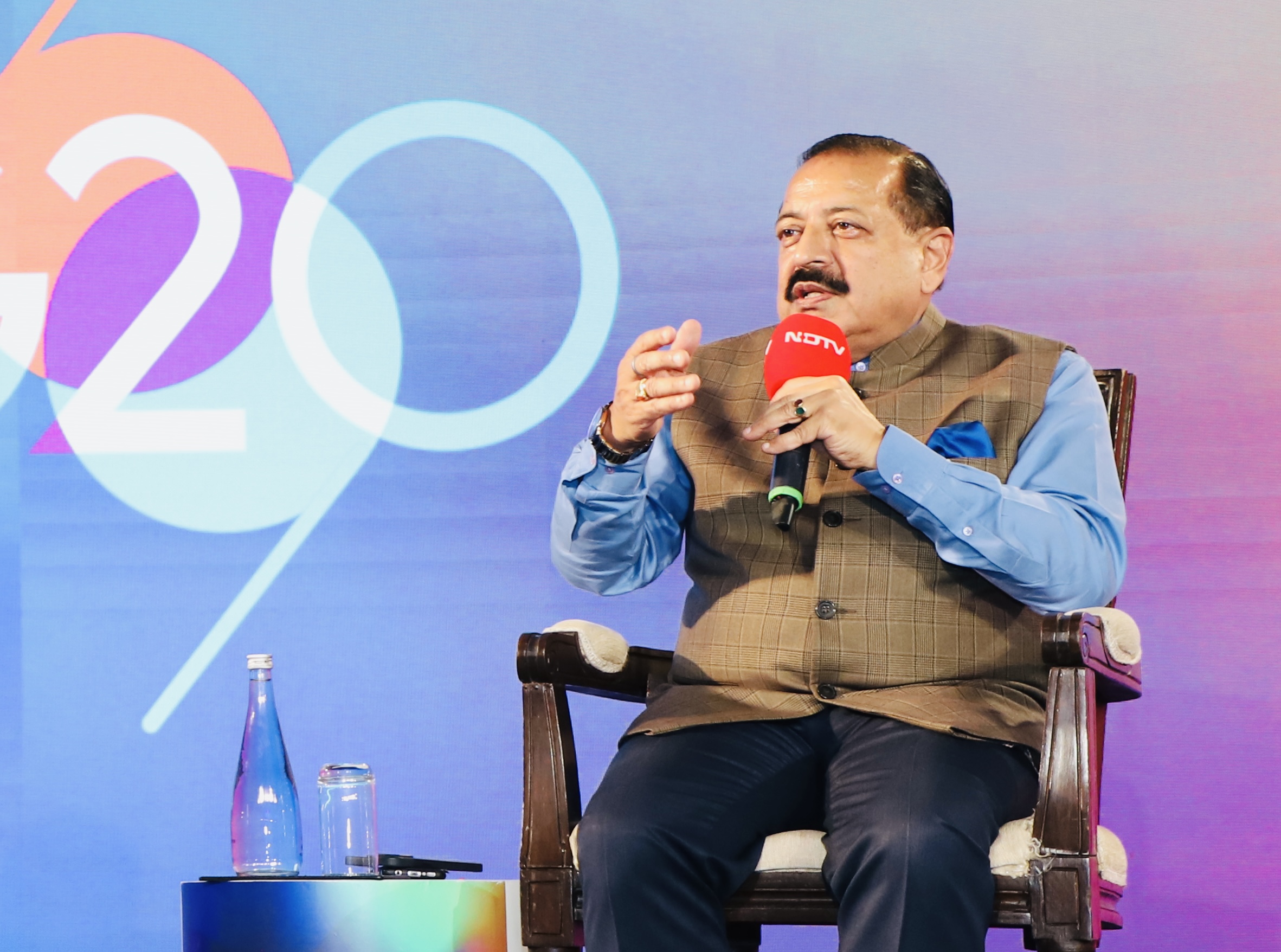
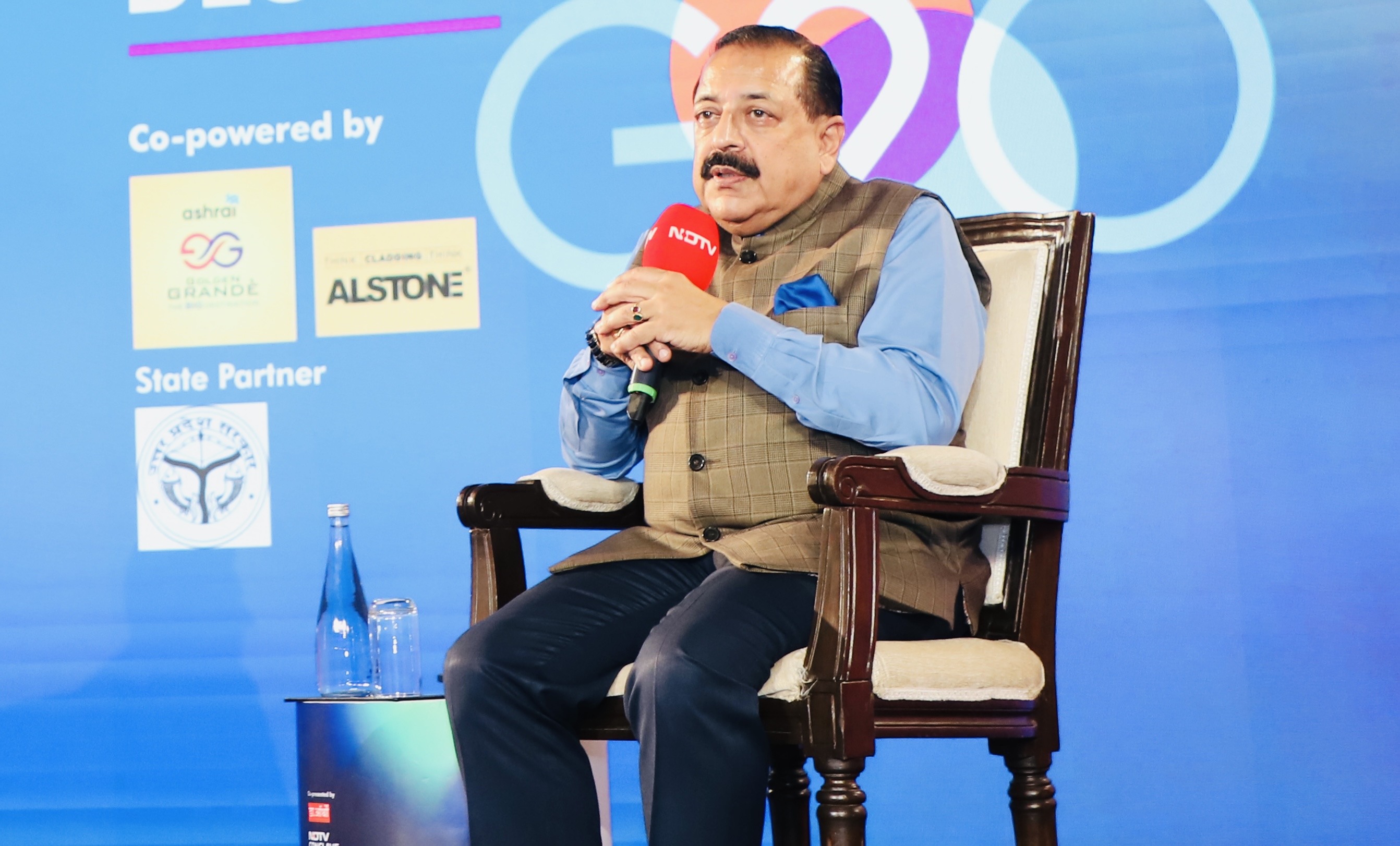
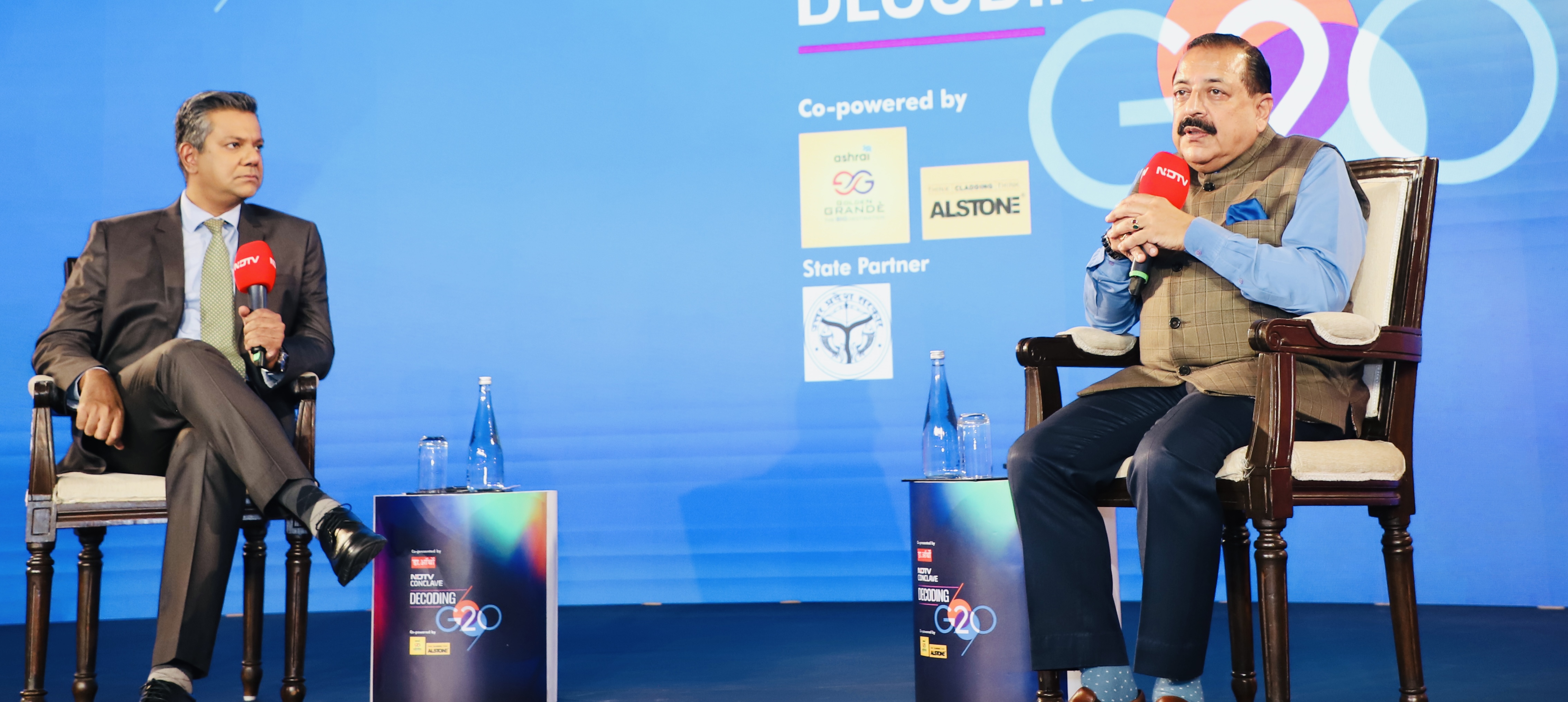
 Union Minister of State (Independent Charge) Science & Technology; MoS PMO, Personnel, Public Grievances, Pensions, Atomic Energy and Space, Dr Jitendra Singh has said, the world today acknowledges India’s quantum leap in the Space sector, following the massive push by Prime Minister Shri Narendra Modi when he took the courageous decision to “unlock” this sector from the shackles of the past.

“Prime Minister Modi has broken the taboos of the past and sometimes I wonder why this couldn’t have happened earlier. At the same time, even at the physical level, it has increased funding, it has enthused the private sector and the industry. Within just 3-4 years we have more than 150 Startups,” he said in an interview to a news channel.

Dr Jitendra Singh said ISRO has launched more than 380 foreign satellites, earning more than 250 Million Euros and more than 170 Million US Dollars by launching American satellites.

“Overall, India’s Space economy today stands at about $ 8 billion, viz 2% of the global (market share) but the entire world is recognizing increased pace and that’s why the conservative projections are $40 billion by 2040, but the other day, about 2-3 days back, we had the ADL (Arthur D Little) Report, which mentions that we could have the potential of $100 Billion by 2040, which is going to be a gigantic jump. And that’s what the world is now expecting, because we’ve started moving very fast, our launchings are also very frequent,” he said.

Dr Jitendra Singh said the ambitious Gaganyaan will have its first trial flight by the first or second week of October following the launch of first Sun Mission “Aditya-L1” on 2nd of September. In the second trial, possibly beginning of next year, a female robot named “Vyommitra” will be onboard the Gaganyaan before the first human mission which may include up to three astronauts, he said.

Denying that India is in competition with any other nation in Space exploration, Dr Jitendra Singh reiterated that India’s Space Research and Atomic Energy programmes are, as envisaged by the founding fathers, entirely peaceful and that the ISRO is collaborating with leading Space agencies and has put into orbit several satellites of private foreign entities and educational institutions.

Referring to applications of Space Technology to different sectors like Railways, Highways, Agriculture, Water Mapping, Smart Cities, Telemedicine and Robotic Surgery, which brought ‘Ease of Living’ for the common man, Dr Jitendra Singh said, Space tech has touched virtually every household in India.

*****

India’s G20 Presidency

 Principal Secretary to the Prime Minister, Dr P. K. Mishra chaired the 9th meeting of the G20 Coordination Committee on 30 August 2023. Principal Secretary took stock of arrangements for the G20 New Delhi Leaders’ Summit, including logistical, protocol, security and media-related arrangements. The meeting was attended by senior officers from G20 Secretariat and Ministries of External Affairs, Home, Culture, Information and Broadcasting and the Department of Telecom.

 It was noted that work on the ground and on site at Bharat Mandapam was proceeding satisfactorily. For a uniquely Indian experience, exhibitions on culture and ‘Mother of Democracy’ are being set up in Bharat Mandapam. Principal Secretary also reviewed progress in installation of the Nataraj statue at the venue and programme for Spouses of visiting leaders which has been especially curated for the guests.   

For the first time, a mobile App has been made for G20, called ‘G20 India’ which is now available for download, both on Android and iOS. G20 delegates and members of the media will also witness digital India first hand through the ‘Innovation Hub’ and ‘Digital India Experiential Hub’ which are being set up at Bharat Mandapam.

On logistics side, drills are being held and dress rehearsals are planned in the coming days. Principal Secretary was also briefed on security aspects by officers concerned. Traffic advisory has been issued for the public. Principal Secretary emphasised that though for security and protocol reasons, restrictions are being placed, efforts should be made so that least inconvenience is caused to public. He directed that essential services in the city should not be affected. Further, communications regarding traffic restrictions be made more user-friendly. 

Media arrangements for the Summit were also reviewed. So far, more than 3600 requests have been received including from foreign media and accreditation letters are being issued. Media Centre at Bharat Mandapam will be fully ready by the end of this week. 

Principal Secretary directed all concerned officers and heads of organisations to make every effort to host an impeccable Summit. For smooth coordination between various agencies, it was decided that a Multi-Agency Control Room will be set up at Bharat Mandapam. Principal Secretary will undertake field and site visits over next few days to check the state of readiness on the ground.  


***