TRIFED's Artisanal Treasures Steal the Spotlight at G20 Summit

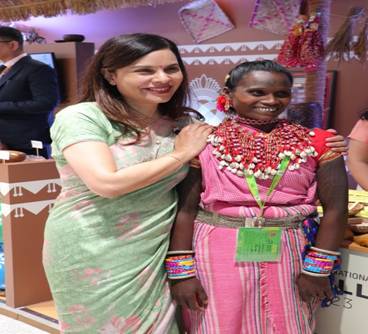
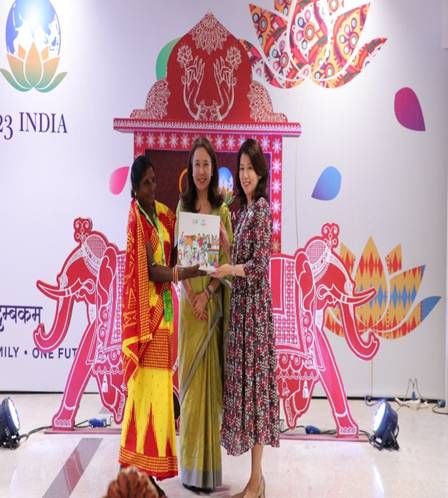
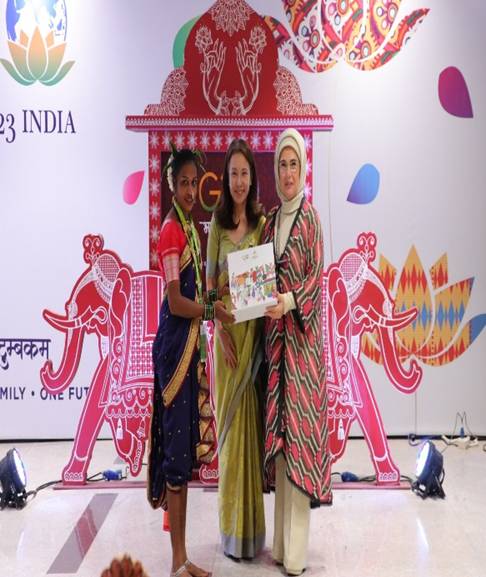
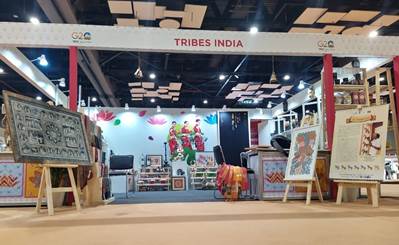
 The G20 Summit witnessed a remarkable showcase of India’s rich tribal heritage and craftsmanship, curated and presented by TRIFED (Tribal Cooperative Marketing Development Federation of India), Ministry of Tribal Affairs. Several exquisite products, handcrafted by tribal artisans from various  regions of India, captured the attention and admiration of delegates from around the  world. Acknowledged for his outstanding contributions, Shri Pareshbhai Jayantibhai Rathwa showcased his remarkable talent with a live demonstration of Pithora Art at the G20 Crafts Bazaar.
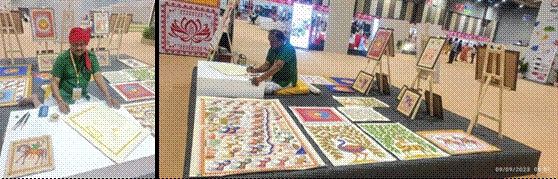
” Shri Pareshbhai Jayantibhai Rathwa showcasing his remarkable talent of Pithora Art


  Among the array of offerings, the following articles were the most reached and generated immense interest among the delegates:

  1. Longpi PotteryNamed after the village of Longpi in Manipur, the Tangkhul Naga tribes practice this exceptional pottery style. Unlike most pottery, Longpi does not resort to the potter’s wheel. All shaping is done with the hand and with the help of moulds. The characteristic gray- black cooking pots, the stout kettles, quaint bowls, mugs and nut trays, at times with a handle of fine cane are trademarks of Longpi but now fresh design elements are being introduced both to extend the product range as well as to embellish the existing pottery.


 

“Longpi Pottery is an art form that is shaping heritage, one pot at a time.”


  1. Chhattisgarh Wind Flutes: Curated by the Gond Tribe of Bastar in Chhattisgarh, the ‘Sulur’ bamboo wind flute stands out as a unique musical creation. Unlike traditional flutes, it produces melodies through a simple one-handed twirl. Craftsmanship involves meticulous bamboo selection, hole drilling, and surface etching with fish emblems, geometric lines, and triangles. Beyond music, the ‘Sulur’ serves utilitarian purposes, helping tribal men ward off animals and guide cattle through jungles. It’s a harmonious blend of artistry and functionality, showcasing the Gond Tribe’s ingenious craftsmanship.




“Wind flute is a beautiful creation by the Gond tribes of Bastar in Chhattisgrah”


  1. Gond Paintings: The Gond tribe’s artistic brilliance shines through their intricate paintings, reflecting their deep connection to nature and tradition. These paintings tell stories that resonate with art enthusiasts worldwide. Gond artists have ingeniously adapted to contemporary mediums, employing unique techniques. They start with dots, calculating image volume, which they then connect to form outer shapes filled with vibrant colors. These artworks, deeply influenced by their social milieu, artfully transform everyday objects. Gond painting stands as a testament to the tribe’s artistic ingenuity and their profound connection with their surroundings.

 

“Vivid Tales in Every Stroke: The World of Gond Art”


  1. Gujarat Hangings: Curated by the Bhil & Patelia Tribe in Dahod, Gujarat, Gujarati Wall Hangings, much loved for their wall-enhancing charm, stem from an ancient Gujarat art form. Crafted by the Bhil tribes of Western Gujarat, these hangings, initially dolls and cradle birds,

feature cotton cloth and recycled materials. Now, they boast mirror work, zari, stones, and beads, evolving to suit contemporary fashion while preserving tradition.


 

“Gujarat Hangings, Curated by the Bhil & Patelia Tribe in Dahod, Gujarat


  1. Sheep Wool Stoles: Originally featuring monochromatic schemes of white, black, and grey, the world of tribal craftsmanship is witnessing a transformation. Dual-colored designs now dominate, mirroring evolving market preferences. Bodh, Bhutia and Gujjar Bakarwal tribes from Himachal Pradesh/Jammu & Kashmir exhibit their ingenuity with pure sheep wool, fashioning a diverse range of apparel, from jackets to shawls and stoles. The process is a labor of love, meticulously performed on hand-operated looms with four pedals and stitching machines. Sheep wool threads are woven into intricate diamond, plain, and herringbone patterns. 
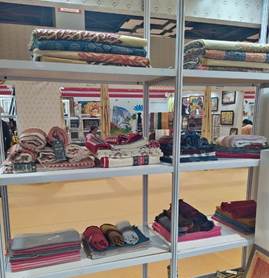
 

“Showcasing of Sheep wool from Himachal Pradesh/Jammu & Kashmir”


  1. Araku Valley Coffee: Hailing from the picturesque Araku Valley in Andhra Pradesh, this coffee is renowned for its unique flavors and sustainable cultivation practices. It offers a taste of India’s natural bounty. Cultivating premium coffee beans, they meticulously oversee the entire process, from harvest to pulping and roasting, resulting in an irresistible brew. Araku Valley Arabica Coffee, produced organically, boasts a distinguished reputation for its rich flavor, invigorating aroma, and unmatched purity.




“Display of Araku Coffee & other natural products”


  1. Rajasthan Artistry Unveiled: Mosaic Lamps, Ambabari Metalwork, and Meenakari Crafts:

Hailing from Rajasthan, these handcrafted marvels reflect a rich tribal heritage.

Glass Mosaic Pottery captures the mosaic art style, meticulously crafted into lamp shades and candle holders. When illuminated, they unleash a kaleidoscope of colors, adding vibrancy to any space.

Meenakari is an art of decorating metal surfaces with vibrant mineral substances, a technique introduced by the Mughals. This Rajasthan tradition demands exceptional skill. Delicate designs are etched onto metal, creating grooves for colors to nestle in. Each hue is fired individually, creating intricate, enamel-adorned pieces.

Metal Ambabari Craft curated by the Meena Tribe, also embraces enameling, a meticulous process that elevates metal decoration. Today, it extends beyond gold to metals like silver and copper. Each piece reflects Rajasthan’s rich cultural legacy and craftsmanship.




“Display of Home Décor products from Rajasthan”


These artisanal products are not just decorative items but living embodiments of India’s rich cultural diversity and heritage.


****
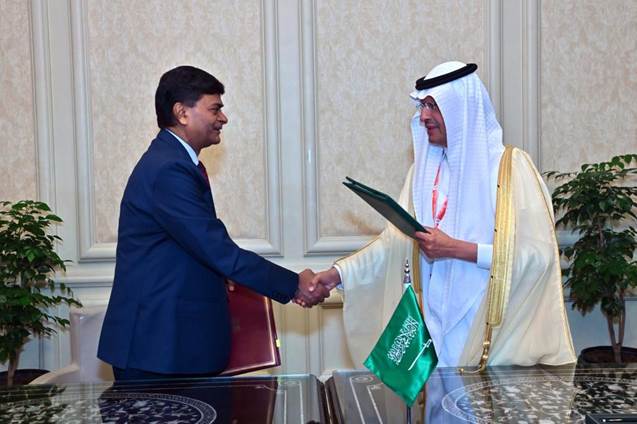
India and Saudi Arabia sign Agreement on Cooperation in Energy Sector

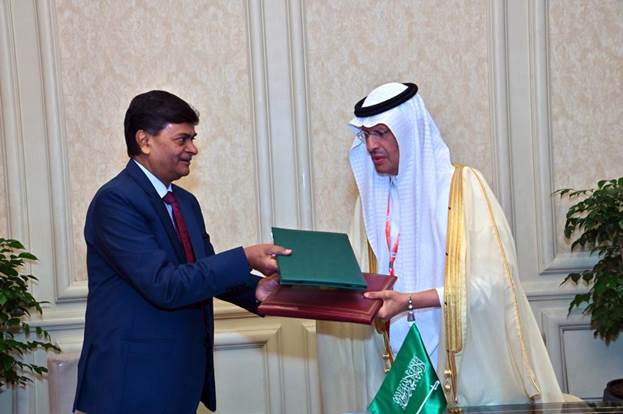
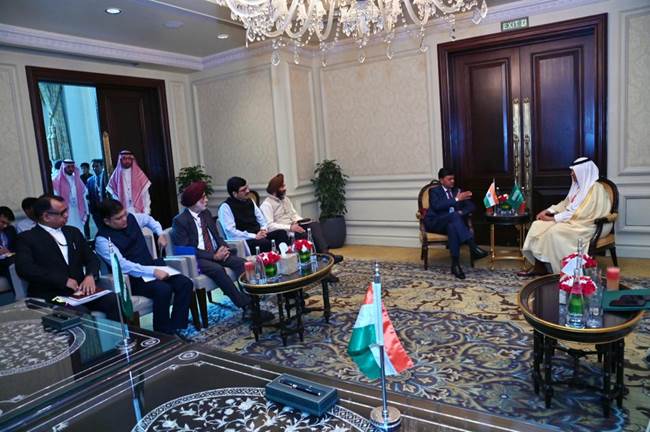
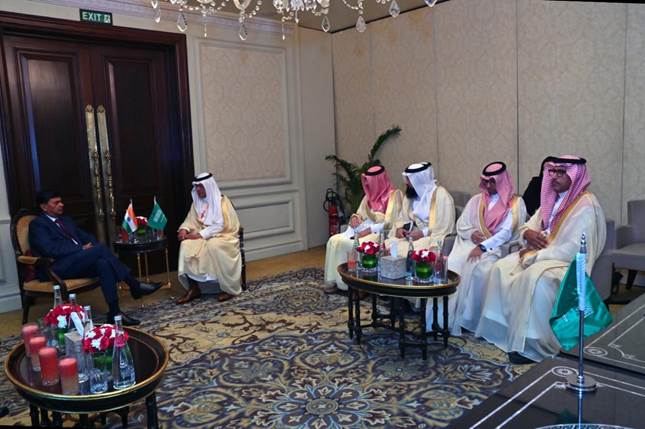
 India and Saudi Arabia have signed a Memorandum of Understanding on cooperation in the field of energy. The MoU between the Government of the Republic of India and the Government of the Kingdom of Saudi Arabia was signed in New Delhi on 10th September, 2023, by Union Minister for New Renewable Energy and Power, Government of India, Shri R. K. Singh for the Indian side and Minister of Energy for the Kingdom of Saudi Arabia, His Royal Highness Abdulaziz bin Salman Al-Saud for the Saudi side.

According to the MoU, India and Saudi Arabia will cooperate in the following areas:

    1. Renewable Energy, Energy Efficiency, Hydrogen, Electricity and Grid Interconnection between the two countries, Petroleum, Natural Gas, Strategic Petroleum Reserves and Energy Security.
    2. Encouraging bilateral investment in the field of Renewable Energy, Electricity, Hydrogen and Storage; and Oil Gas.
    3. Circular Economy and its technologies to reduce the effects of climate change, such as: carbon capture, utilization and storage.
    4. Promoting digital transformation, innovation and cyber-security and artificial intelligence in the field of Energy.
    5. Working on developing qualitative partnerships between the two countries to localize materials, products and services related to all sectors of energy, supply chains and its technologies.
    6. Strengthening the cooperation with companies specialized in the field of energy.
    7. Any other fields related to the energy field that the two countries agree upon.

The MoU will develop a stronger partnership between India and Saudi Arabia in the field of energy. The MoU will support India’s efforts for energy transition and transformation of global energy system towards combating climate change.


Related:

  1. Prime Minister Narendra Modi & Prime Minister and Crown Prince of Saudi Arabia Mohammed bin Salman at India-Saudi Strategic Partnership Council Meeting
  2. Prime Minister’s opening statement at the first meeting of the India-Saudi Arabia Strategic Partnership Council


***

New Delhi Leaders' Declaration reaffirms the world's commitment to equitable and sustainable education

 The Union Education Minister Shri Dharmendra Pradhan has expressed his deepest gratitude and sincere thanks to Prime Minister Shri Narendra Modi for his visionary leadership of the G20, in keeping with India’s  timeless spirit of ‘Vasudhaiv Kutumbkam’  and bringing in  a human-centric approach to ensure One  Future for this One Family living together on this One Earth. This inclusive vision has been  realized through India’s leadership in the successful inclusion of the African Union (AU) into this coveted group, truly democratizing the G20 and lending strength to the voice of the Global South. In a statement to the media ,Shri Pradhan   said India’s presidency is rightly being applauded for changing the global order  based on consensus, collaboration and cooperation.

Speaking about  educational priorities  under G20,  Shri Pradhan said that the New Delhi Leaders’ Declaration, by prioritizing deliberations on critical areas like Foundational Literacy and Numeracy (FLN), Tech-enabled learning , Building Capacities for Lifelong learning and the Future of Work and Strengthening Research and innovation through Collaboration, has renewed the global resolve to work for an equitable and sustainable future through education and has provided a roadmap for the same.  Shri Pradhan lauded the visionary leadership and clear narrative provided by our Prime Minister, Shri Narendra Modi to take forward the global education agenda under the G20 architecture. He said this has resulted in world recognition for India’s education and skill ecosystem and endorsement for the major principles and priorities of our National Education Policy 2020.

The Minister further added that the Leaders’ Declaration resonates with the education working group priorities on the three identified accelerators of Digital Transformation, Just Green Transition, and Women-led Development. This is reflected in the commitment to enhancing women’s meaningful participation as decision makers, including  in quality education; focus on developing Digital Public Infrastructure including in education,  and promoting LiFE. Shri Pradhan also thanked Prime Minister for emphasizing in the Leaders’ Declaration,  the need to support accessible, affordable, safe and nutritious food and healthy diets in school meal programmes, which is the objective of our PM POSHAN programme.

The Education Minister further highlighted the following points on education that have been included in the Leaders Declaration :

  • The importance of investment in supporting human capital development for transforming our education systems and responding to the challenges of the 21st century has been recognized.
  • As part of commitment to SDG 4 (Quality Education), the role of schools and the need to increase enrolment and retention of all learners, particularly for vulnerable learners has been emphasised.
  • The need for immediate and collective action to ensure all learners acquire foundational skills by 2030, reducing the percentage of children unable to read and do math by grade 2 or 3, especially girls and children with disabilities was also reaffirmed. This is the essence of India’s NIPUN Bharat programme
  • The emerging trends, changing patterns in the use of digital and technological solutions in education, the transformative potential of digital technologies as an enabler for developing affordable and accessible learning resources and need for building the capacities of institutions and teachers has been  recognised.  The   need  to keep pace with emerging technologies, including AI, and focus on building Digital Public Infrastructure (DPI)  in Education have also been highlighted. We are doing this through our programmes like SWAYAM, DIKSHA, among others.
  • The resolve to advance life-long learning with a focus on skilling, reskilling, and upskilling has been emphasized in the Leaders Declaration recognizes the need for a unified framework for skill development aligned to Inclusive Growth, Sustainable Development, and Digital Transformation.
  •  It is being carried out by us through PMKVY, skill centres in universities and other programmes.
  • The Leaders Declaration has  also recognized the importance of strengthening collaborations in research and innovation among Higher Education Institutions through joint academic and research initiatives like Joint/Dual, Twinning degree programmes, enhanced mobility of students and faculty.

Speaking on the follow up action being taken further to the G20 Education Working Group meetings, Shri Pradhan informed that research collaborations are being actively done with several countries.  This is being reflected through our joint initiatives such as the signing of  MoUs between Council of Indian Institutes of Technology (IIT Council), and the Association of American Universities (AAU) to establish the India-U.S. Global Challenges Institute, that  will bring together leading research and higher-education institutions from across our two nations,  to advance new frontiers in science and technology, spanning collaboration in sustainable energy and agriculture, health and pandemic preparedness, semiconductor technology and manufacturing, advanced materials, telecommunications, artificial intelligence, and quantum science. We are also witnessing a many new emerging multi-institutional collaborative education partnerships, such as those between New York University-Tandon and IIT Kanpur Advanced Research Center, the Joint Research Centers of the State University of New York at Buffalo and IIT Delhi, Kanpur, Jodhpur, and BHU, in the areas of critical and emerging technologies, IIT Bombay joining the Chicago Quantum Exchange and the start of the India-US Defence Accelaration Ecosystem (INDUS-X) Similarly we are exploring university level collaborations with other countries like Australia, UAE, Taiwan, UK  and others in many critical areas.

In the skill sector one of the key focus areas is the sanitization of transnational standards with member countries by creating an International Reference Classification of occupations based on skill and qualification requirements, leading to better cross-country comparability and mutual recognition of qualifications. This commitment included a pledge to establish well-managed, regular, and skills-based migration pathways that mutually benefit origin and destination countries. To support these efforts, they focused on identifying global skill gaps and prioritizing policies aimed at addressing them, which involved strengthening national statistical data and expanding the International Labor Organization (ILO) and OECD Skills for Jobs Databases to encompass G20 nations.

ILO and OECD proposed 12 basic and 14 extended indicators for monitoring and measuring global skill gaps. These indicators have been agreed to by the G20 countries. Going forward, ILO & OECD would be responsible for implementing the intervention to monitor and measure global skill gaps in G20 countries basis the agreed indicators.

Shri Pradhan shed light on how India’s G20 presidency gave our education priorities, contextual realities and national initiatives, an acceleration and a platform for demonstrating long term systemic policy vision.  By fostering collaboration, knowledge sharing, and innovative approaches, India and its G20 partners created impetus for furthering coordinated action on futuristic education and training systems, he added.

*****

Bharat: The Mother of Democracy'

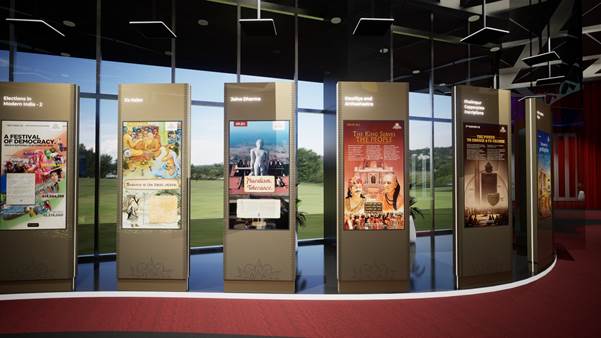
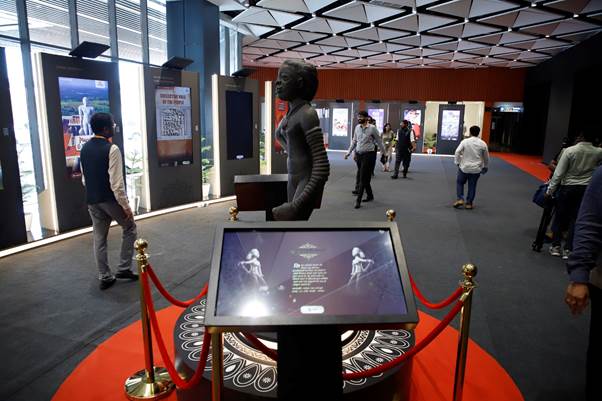
 Ministry of Culture, Government of India curated an exhibition on ‘Bharat: The Mother of Democracy’ at Hall No. 14 (foyer area), ITPO for G20 Summit during 8-10 September 2023. This curated experience displayed the democratic traditions of our country.

(The history of India’s democratic character was displayed in different languages through 26 interactive panels.)


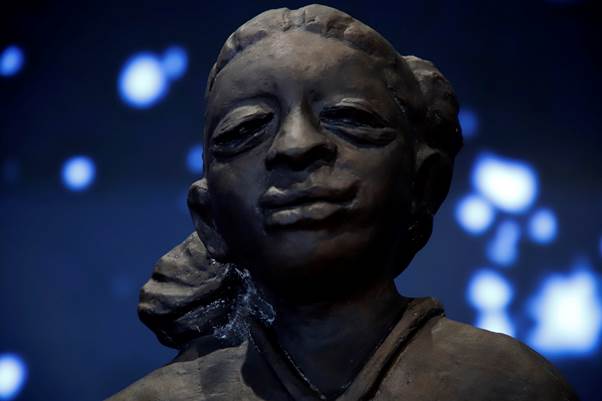
(The sculpture of the girl from the Sindhu-Saraswati Civilization in the centre)


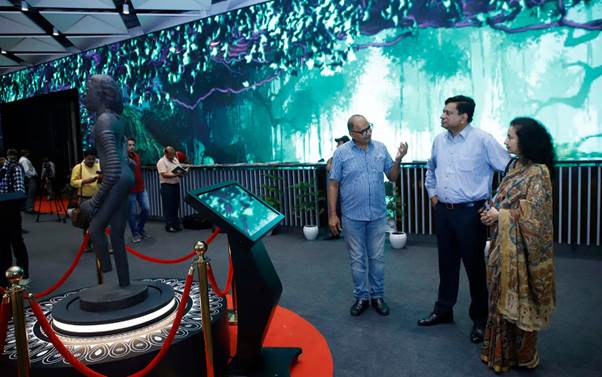
(A huge video screen at the back of the reception showcasing the visuals of India’s rich cultural traditions)


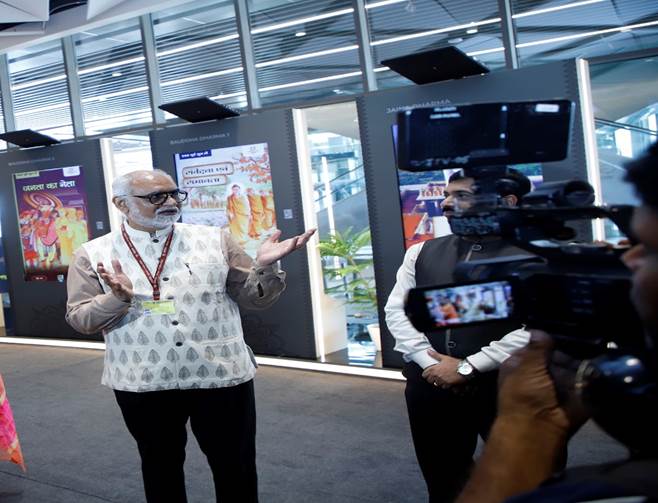
(Shri Sachchidanand Joshi, Member Secretary, IGNCA briefing the media about the ‘Bharat: The Mother of Democracy’ Exhibition)


She stands confident, self-assured and looking at the world eye-to-eye. Independent. Liberated. On her body, she wears jewellery much like the adornments that are worn every day by women in western India.The actual height of the object is 10.5 cm but the replica was created 5 ft. height and 120 kg weight in bronze.

 The history of democracy in India can be revisited through the 26 interactive panels on one side of the pathways where visitors can read content and listen to audio in 16 different languages. The panels include Local Self Governance, Elections in modern India, Krishna Deva Raya, Jain Dharma among others. The exhibition can be accessed digitally on the G20 application.

Democracy is an age-old concept in India. As per the Indian ethos, democracy comprises the values of freedom, acceptability, equality, and inclusivity in a society and allow its common citizens to lead a quality and dignified life. The Rigveda and the Atharvaveda, the earliest available sacred texts refer to participatory institutions like the Sabha, Samiti, and Sansad, the last term being still in currency denoting our parliament. The Ramayana and the Mahabharata, the great epics of this land, also talk about involving people in decision-making. There are also found in Indian textual instances that the authority to govern is earned through merit or common consensus and is not hereditary. There has been constant discourse on the legitimacy of the voter in various democratic institutions such as the Parishad and Samiti. The Indian democracy is truly a festive proclamation of veracity, cooperation, collaboration, peace, sympathy and collective strength of the people.


**

DEPwD's Vision of Inclusivity

 The Department of Empowerment of Persons with Disabilities (DEPwD) in India has embarked on a transformative journey. In its relentless pursuit of a more inclusive society, DEPwD has forged significant partnerships and implemented innovative initiatives to bring about lasting change. From a groundbreaking Memorandum of Understanding (MoU) with the Council of Architecture to the release of anonymous data through the Unique Disability ID (UDID) portal for research purposes, and the launch of the PM Daksh Portal, designed to empower persons with disabilities in their pursuit of skill development and employment opportunities. Additionally, this essay explores the compilation of pivotal disability rights judgments by Indian courts into a comprehensive booklet and sheds light on the advent of a cutting-edge online case monitoring portal by the Chief Commissioner for Persons with Disabilities. Hon’ble MoS, Kumari Pratima Bhoumik, Ministry of Social Justice and Empowerment, will launch the five initiatives of DEPwD mentioned below at DAIC. These initiatives collectively reflect DEPwD’s commitment to fostering inclusivity, advancing disability rights, and harnessing technology to improve the lives of persons with disabilities in India.

DEPwD’s five initiatives encompass a range of groundbreaking actions:

1. MOU with Council of Architecture: The department collaborates with the Council of Architecture (COA) to mandate universal accessibility courses in Bachelor of Architecture programs. This partnership extends to developing a certified course for architects and civil engineers to conduct accessibility audits in built environments, ensuring compliance with accessibility standards.

2. Releasing of Anonymous Data of UDID: DEPwD’s release of anonymous data through the UDID portal for research purposes facilitates data-driven decision-making in the disability sector, offering insights at various levels to enhance understanding and inform targeted interventions.

3. PM Daksh Portal: The department introduces the PM Daksh Portal as a comprehensive digital platform for Persons with Disabilities seeking training and employment opportunities, offering seamless registration, skill training options, job listings, and streamlined administrative processes.

4. Pathways to Access: Courts on Disability Rights: Notable judgments from India’s Supreme Court and High Courts on disability rights have been compiled into a booklet, providing a reference guide for persons with disabilities and stakeholders in the disability sector.

5. Online Case Monitoring Portal by CCPD: The Chief Commissioner for Persons with Disabilities adopts a cutting-edge application for handling grievances filed by persons with disabilities, making the entire process paperless and efficient, featuring seamless online complaint filing, automated reminders, and simplified hearing scheduling.

***

Global Biofuels Alliance (GBA)

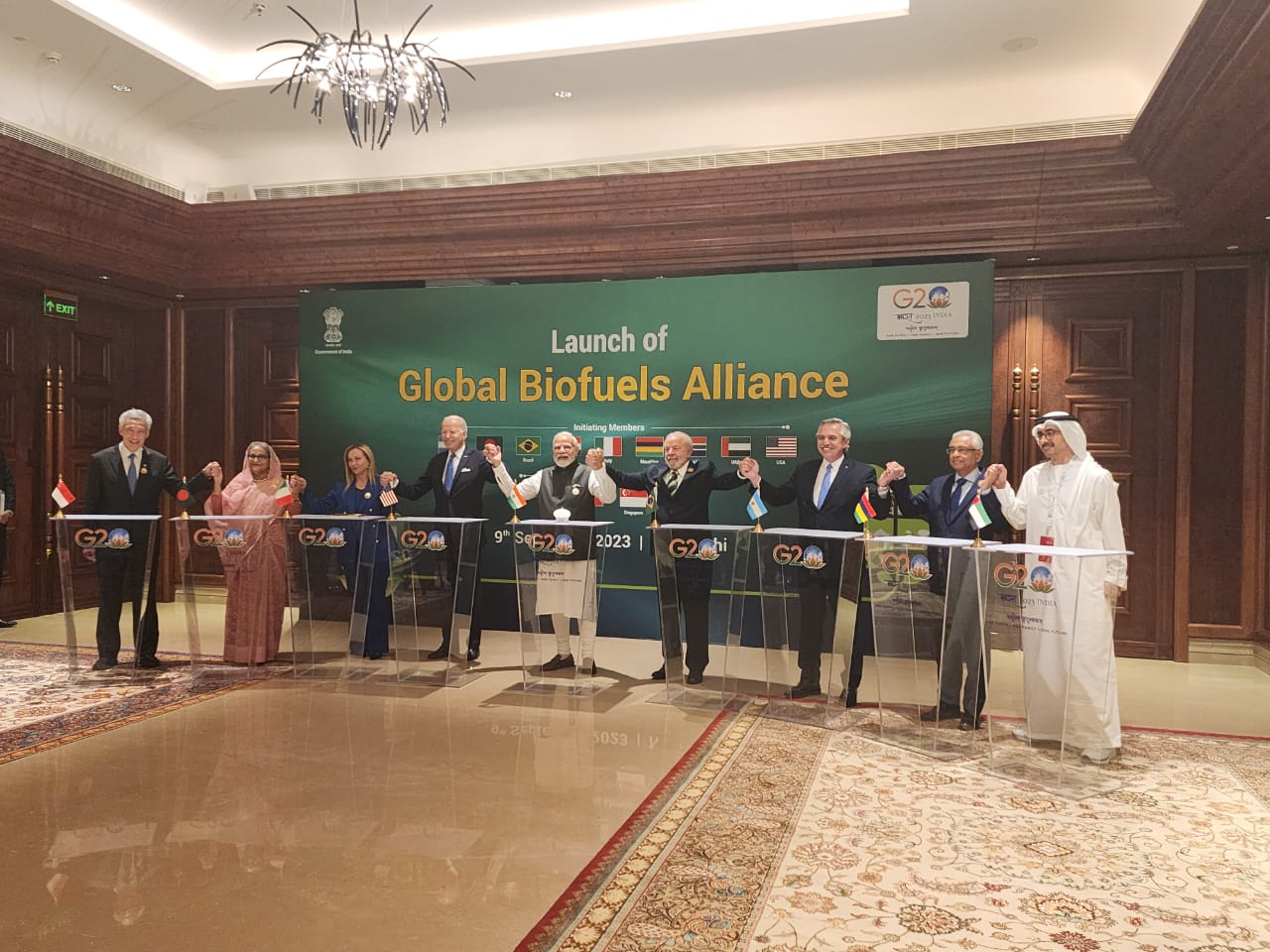
 Global energy sector has witnessed a historic moment today with announcement of the Global Biofuels Alliance (GBA) by Prime Minister Shri Narendra Modi on the sidelines of the G20 Summit.


GBA is an India-led Initiative to develop an alliance of Governments, International organizations and Industry to facilitate adoption of biofuels. Bringing together the biggest consumers and producers of biofuels to drive biofuels development and deployment, the initiative aims to position biofuels as a key to energy transition and contribute to jobs and economic growth.

Announcement of the GBA showcases the action oriented nature of India’s positive agenda as G20 President and representing the “Voice of the Global South’’. 

GBA will support worldwide development and deployment of sustainable biofuels by offering capacity-building exercises across the value chain, technical support for national programs and promoting policy lessons-sharing. It will facilitate mobilizing a virtual marketplace to assist industries, countries, ecosystem players and key stakeholders in mapping demand and supply, as well as connecting technology providers to end users. It will also facilitate development, adoption and implementation of internationally recognized standards, codes, sustainability principles and regulations to incentivize biofuels adoption and trade.

The initiative will be beneficial for India at multiple fronts. GBA as a tangible outcome of the G20 presidency, will help strengthen India’s position globally. Moreover, the alliance will focus on collaboration and will provide additional opportunities to Indian industries in the form of exporting technology and exporting equipment. It will help accelerate India’s existing biofuels programs such as PM-JIVANYojna, SATAT, and GOBARdhan scheme, thereby contributing to increased farmers’ income, creating jobs and overall development of the Indian ecosystem. The global ethanol market was valued at USD 99.06 billion in 2022 and is predicted to grow at a CAGR of 5.1% by 2032 and surpass USD 162.12 billion by 2032. As per IEA, there will be 3.5-5x biofuels growth potential by 2050 due to Net Zero targets, creating a huge opportunity for India.

Countries and organizations which have already joined GBA

19 countries and 12 international organisations have already agreed to join.

  • G20 countries (07) supporting GBA: 1. Argentina, 2. Brazil, 3. Canada, 4. India 5. Italy, 6. South Africa, 7..USA
  • G20 Invitee Countries (04) supporting GBA: 1. Bangladesh, 2. Singapore, 3. Mauritius, 4. UAE
  • Non G20 (08) supporting GBA: 1. Iceland, 2. Kenya, 3. Guyana, 4. Paraguay, 5. Seychelles, 6. Sri Lanka, and 7. Uganda have agreed to be initiating members of GBA, and 8. Finland
  • International organizations (12): World Bank, Asian Development Bank, World Economic Forum, World LPG Organization, UN Energy for All, UNIDO, Biofutures Platform, International Civil Aviation Organization, International Energy Agency, International Energy Forum, International Renewable Energy Agency, World Biogas Association.
  • GBA Members constitute major producers and consumers of biofuels. USA (52%), Brazil (30%) and India (3%),  contribute about 85% share in production and about 81% in consumption of ethanol.

***

Swachhata, Good Governance and Jan Bhagidaari to Deliver Happiness to each one, everywhere

 Department of Posts conducted Special Campaign 2.0 for cleanliness and good governance that was conducted from October 2 to 31, 2022 and was continued for each of the months subsequently from November 2022 to August 2023

Currently the Department is working towards a crescendo of its efforts on Swachhata over the last 10 years during the Special Campaign 3.0 in October 2023. As part of the National Postal Week during the campaign, a number of “Jan Bhagidaari” initiatives are also planned.

The Department has an enduring commitment to improve the service environment for customers and working environment for its employees. It has adopted several green  practices and put its limited resources to innovative use in the quest to improve the service experience associated with India Post. With its strong and wide citizen interface, a “Jan Bhagidaari” approach is inherent in all its special programmes. 

Achievements of Special Campaign 2.0

The Special Campaign 2.0 was implemented both at the Postal Headquarters in DakBhawan and all 24,000 field sub post offices spread across the length and breadth of the country, covering the remotest corner from 2 to 31 October, 2022. Some of the achievements during the Special Campaign, continued during the subsequent period till August 2023 are as follows:

  • 840 e-files closed.
  • Around 6 lakh files have been weeded out.
  • 24000 sites cleaned in Oct 2022 and 6713 sites in follow up swachhta activities from November 2022-August 2023.
  • Around 2.9 cr of revenue earned through disposal of scrap.
  • More than 2,90,000 public grievances have been disposed off.
  • Approximately 1,13,289 sq. ft. of space has been freed up.


Best Practices implemented in this period:

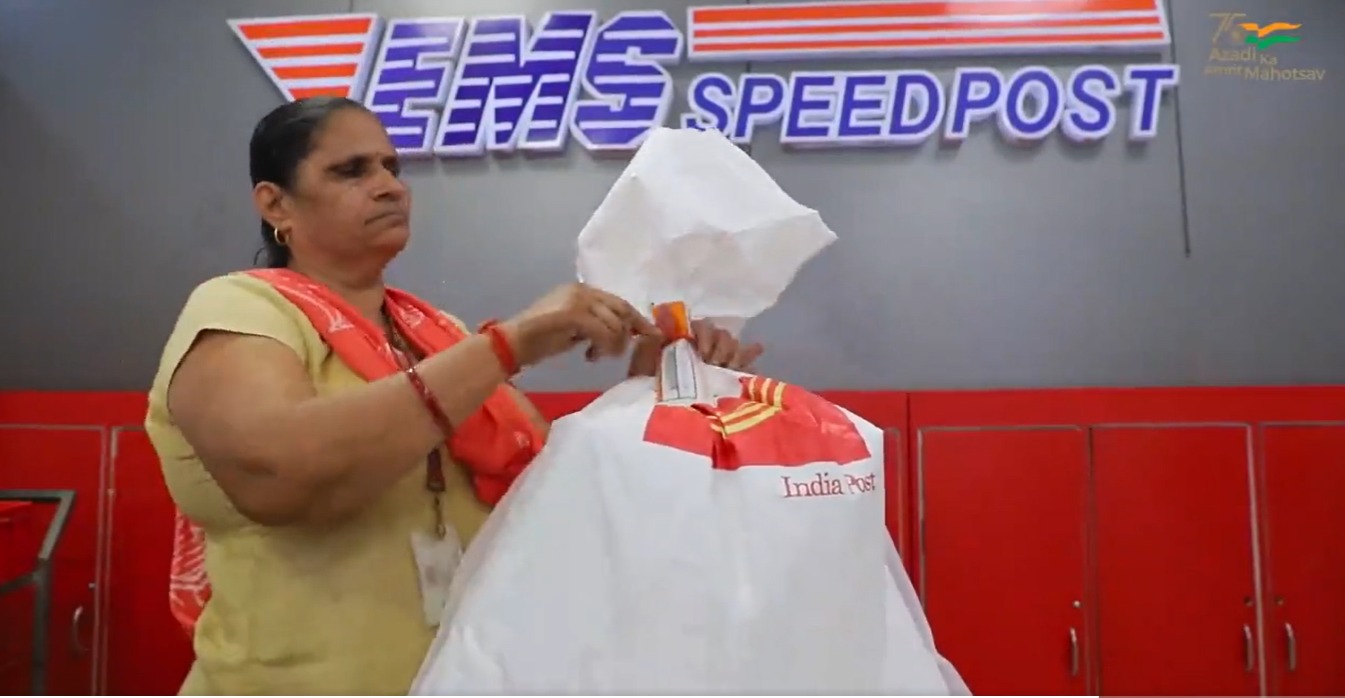
  • Discontinuation of Sealing Wax –  Sealing wax, previously employed to secure mail bags, has been phased out and substituted with eco-friendly, recyclable seals. This transition has been successfully implemented in all mail offices, marking an environmentally-conscious initiative that has not only preserved our ecosystem but also safeguarded the well-being of our staff.
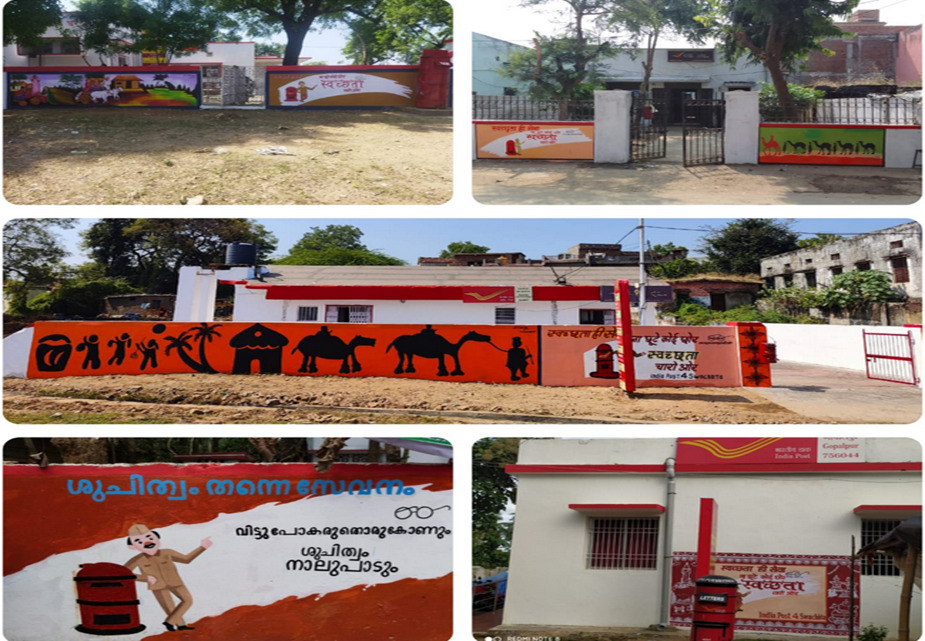
  • Dissemination of Swachhta Message through Wall Art – During this period, total of 888 walls have been painted to convey the Swachhta message in resonance with local culture.
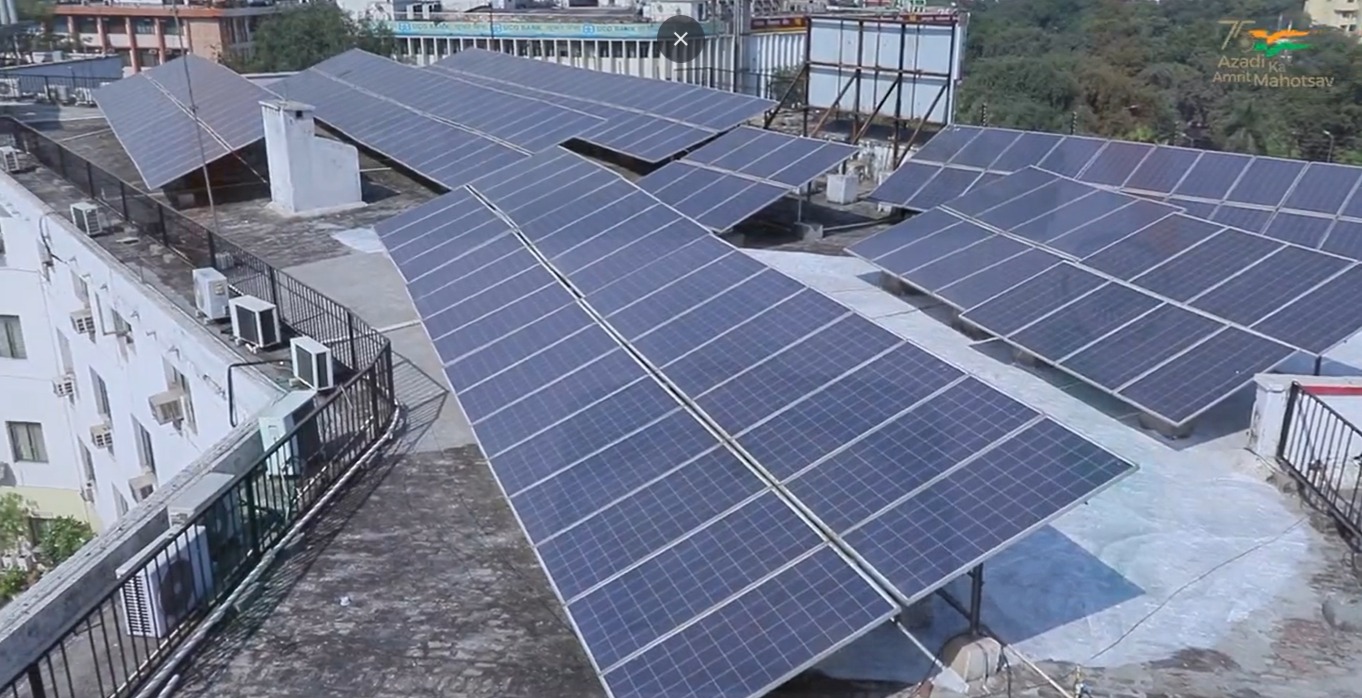
  • Installation of Solar Power Plant in DakBhawan– The installation of solar panels on the rooftop of DakBhavan has resulted in a significant reduction of the electricity bill, with savings of around 4 lakhs each month.
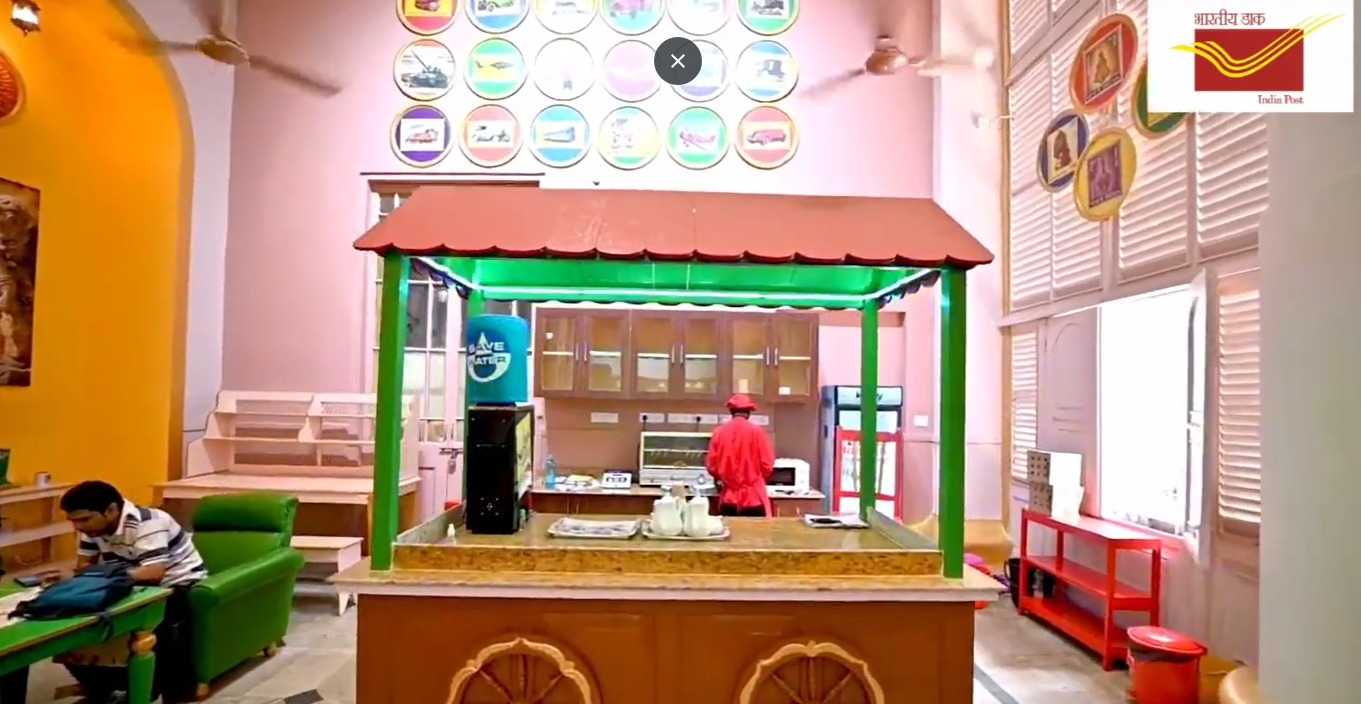
  • Parcel Café in Kolkata -A fully operational café within the Kolkata GPO has been creatively furnished using discarded items, including old sorting tables. This unique café also incorporates a parcel packaging unit for customers. 


Next steps:

The Special Campaign 3.0, coinciding with ten years of implementation of Swachhata initiatives  in the Department, is expected  to be special as the Department will consolidate its past efforts and also draw a road map for the future by highlighting initiatives that could be implemented over the next few years with support from all stakeholders in the national postal network. Consultations with stakeholders and collaborative action specific to the contesxt of each socio-geographic community around the post offices will be organised as part of India Post’s focused  “Jan Chetana” and “Jan Bhagidaari” activities.

***

G20 Leaders’ Summit

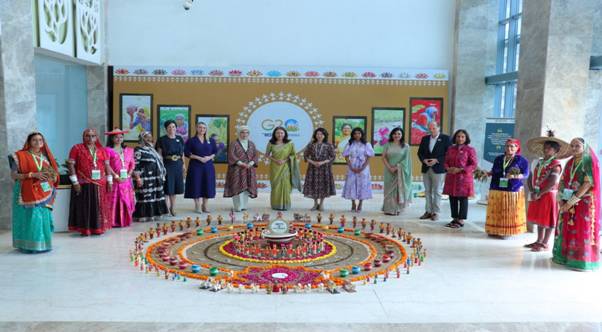
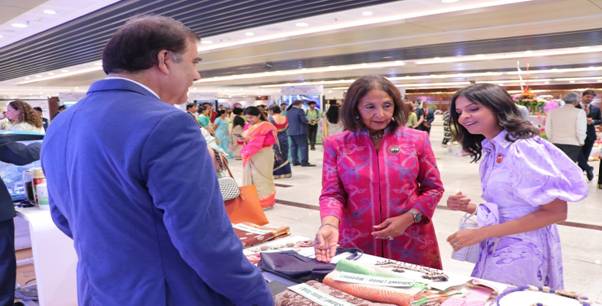
 The first ladies and spouses of G20 member countries experienced the Agricultural prowess of India first-hand, in a one-of-akind exhibition organized by Ministry of Agriculture and Farmers’ Welfare at IARI Campus,Pusa,today. The event featured a range of captivating components, such as a millet-focused live cooking session led by celebrity chefs KunalKapur, Anahita Dhondy, and Ajay Chopra, as well as the display of cutting-edge agricultural technology from prominent Indian startups, interaction with Indian women agri-champions, ‘Agri-Street’.

The spouses made their way to the exhibition area, prior to that they had a brief pitstop at the ‘Rangoli Area’, which featured two massive ‘Millet Rangolis’. The beautiful artworks were prepared using millet grains and local Indian motifs. The first rangoli captured the theme of “Harmony of Harvest” unveiling India’s deep-rooted agricultural traditions. This installation showcased India’s agricultural strength, emphasizing women’s pivotal roles in enhancing agricultural resilience. Curated with indigenous toys symbolizing women’s diverse agricultural contributions, millets, and rustic terracotta pots, this captivating Rangoli became a major highlight of the event. The second rangoli piece echoed India’s cultural philosophy – “The World is One Family”, emphasizing global unity. India as a prominent agriculture nation, plays a crucial role in global food security. The second rangoli, thus, celebrated India’s global commitment towards unity and sustenance.

In the exhibition area, the spouses witnessed the dynamic Agri-startup ecosystem, where 15 Agri-startups showcased their innovative tech solutions to address ground-level challenges and digitize agriculture. Climate Smart Agriculture, Innovation in Agriculture Value Chain, Agri-logistics & Supply Chains, Quality Assurance for Sustainable Consumption, and Millets: Sustaining Health, Empowering Agriculture, were a few themes that were covered in the exhibition. Additionally, diverse members of Farmer Producer Organizations (FPOs) from across the nation displayed a range of edible products marketed nationwide, aligned with the theme ‘Empowering Rural Prosperity through Collective Agriculture.’

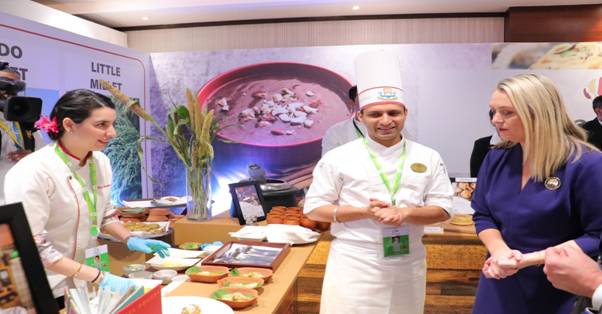
An enthralling ‘Live Cooking Session’ showcased a wide variety of millet-based culinary delights. This event was aligned with the celebrations of the International Year of Millets.It was helmed by three celebrity chefs – KunalKapur, Anahita Dhondy, and Ajay Chopra, who were joined by two culinary experts from the ITC Group, chef Kusha and chef Nikita.In the designated ‘Live Cooking Area,’ these five chefs prepared a ‘full course meal’ with a special focus on millets. This meal encompassed appetizers, salads, main courses, and desserts.

Chef Anahita, Chef Kunal, and Chef Ajay were each responsible for crafting a starter, main course, and dessert. For instance, Chef Anahita created a Raw Banana Barnyard Millet Tikki topped with puffed Amaranth. Meanwhile, Chef Kunal whipped up a delightful Jowar-Mushroom Khichda. Finally, Chef Ajay brought the multi-course millet experience to a close with a Millet Thekua and a Lemon Shrikhand Mille-feuille dessert. Within the exhibition, there was a dedicated culinary section that showcased millet-based dishes from all G20 member countries, paying homage to each nation that participated in the event.

The exhibition also highlighted India’s Research and Development achievements via the stalls presented by the Indian Council of Agricultural Research (ICAR), demonstrating the latest innovations in precision agriculture, agricultural technology, and mechanization advancements driving sector growth. Each stall showcased specific crop advancements backed by government initiatives. Some of the key stalls focused on themes like the journey of the Basmati revolution, its role in the prosperity of millions of Basmati farmers, and its status as a 5 billion USD forex earner. Another stall highlighted India’s status as the “Land of Spices” emphasizing the wide variety and global fame of Indian spices, along with future scope. A neighbouring stall provided insights into the nutritional and medicinal significance of mushrooms, their extensive diversity in India, and their potential for export. Additionally, the esteemed guests also viewed the sensor-based system that facilitated the real-time monitoring of environmental conditions during the transportation, storage, and ripening of bananas, among other interesting exhibits of ICAR.

The ‘Agriculture Street’ was another major component of the exhibition curated by the Ministry, serving as a captivating journey into India’s agricultural legacy and offering insight into its vibrant past as well as the future. Here the Ministry presented a comprehensive view of agricultural practices, uniting experts, scientists, and farmers under one roof. This street was composed of nine interactive stalls, each adorned with rustic decor, creating an immersive environment for the spouses of G20 Head of States. Here, they could explore the diverse facets of agriculture, with a particular emphasis on millets. It also highlighted India’s initiatives aimed at enhancing food and nutritional security. One of the key highlights of the Agri Gully were the exhibits of Lahri Bai, a young female farmer from Dindori, Madhya Pradesh who conserved more than 150 indigenous seed varieties including about 50 varieties of millet seeds in her two-room hut earning the title of ‘Millet Queen’ of India.

After the event concluded, the G20 Spouses received a token of appreciation in the form of a hamper. The hamper’s contents were carefully chosen to represent India’s vibrant cultural and artistic heritage. These items included handwoven stoles crafted from silk sourced from the Sal forests of Chhattisgarh, a handcrafted bell metal figurine created using an ancient lost wax technique reminiscent of the method used for the iconic ‘Dancing Girl’ artifact from the Harappan civilization (3300 BCE to 1300 BCE), and a Cheriyal Painting.

The visit provided the First Ladies and Spouses with an understanding of the progress India has made in the agricultural sector, including the area of millet farming. The women farmers who were invited from 10millet producing states which are Rajasthan, Maharashtra, Karnataka, Madhya Pradesh, Tamil Nadu, Uttarakhand, Odisha, Chhattisgarh, Bihar and Assam symbolize the grassroots-level changes occurringand interacting with them allowed the first ladies and spouses to gain insight into the evolving millet value chain in the country. Renowned chefs curated a remarkable feast to emphasize the versatility of millets and Indian cuisine to the distinguished guests, while Start-Ups and Farmer Producer Organizations (FPOs) showcased their latest technologies and products, creating a unique and memorable experience for all those in attendance.

***

G20 document prepared by World Bank lauds India’s progress

 Digital Public Infrastructure (DPI) has had a transformative impact on India, extending far beyond inclusive finance. The G20 Global Partnership for Financial Inclusion document (https://www.g20.org/content/dam/gtwenty/gtwenty_new/document/G20_POLICY_RECOMMENDATIONS.pdf) prepared by World Bank has lauded transformative impact of DPIs in India over the past decade under the Central Government.

The document highlights the groundbreaking measures taken by Central Government and the pivotal role of government policy and regulation in shaping the Digital Public Infrastructure (DPI) landscape.

  • Financial Inclusion: Lauding India’s DPI approach the World Bank document notes that India has achieved in just 6 years what would have taken about five decades.
    • JAM Trinity has propelled financial inclusion rate from 25% in 2008 to over 80% of adults in last 6 years, a journey shortened by up to 47 years thanks to DPIs.
    • The document categorically notes, “While DPIs’ role in this leapfrogging is undoubtable, other ecosystem variables and policies that build on the availability of DPIs were critical. These included interventions to create a more enabling legal and regulatory framework, national policies to expand account ownership, and leveraging Aadhaar for identity verification.”
    • Since its launch, the number of PMJDY accounts opened tripled from 147.2 million in March 2015 to 462 million by June 2022; women own 56 percent of these accounts, more than 260 million.
    • The Jan Dhan Plus programme encourages low-income women to save, resulting in over 12 million women customers (as of April 2023) and a 50% increase in average balances in just five months, as against the entire portfolio in the same time period. It is estimated that by engaging 100 million low-income women in savings activities, public sector banks in India can attract approximately Rs 25,000 crore ($3.1 billion) in deposits.
  • Government to Person (G2P) Payments:
    • In the last decade, India has built one of the world’s largest digital G2P architectures leveraging DPI.
    • This approach has supported transfers amounting to about $361 billion directly to beneficiaries from 53 Central government ministries through 312 key schemes.
    • As of March 2022, this had resulted in a total savings of $33 billion, equivalent to nearly 1.14 percent of GDP.
  • UPI:
    • More than 9.41 billion transactions valuing about Rs 14.89 trillion were transacted in May 2023 alone.
    • For the fiscal year 2022–23, the total value of UPI transaction was nearly 50 percent of India’s nominal GDP.
  • DPIs’ Potential Added Value for the Private Sector:
    • The DPI in India has also enhanced efficiency for private organizations through reductions in the complexity, the cost and the time taken for business operations in India.
    • Even some NBFCs have been enabled 8% higher conversion rate in SME lending, a 65% savings in depreciation costs and 66% reduction in costs related to fraud detection.
    • According to industry estimates, banks’ costs of onboarding customers in India decreased from $23 to $0.1 with the use of DPI.
  • Lower Cost of Compliance for Banks for KYC
    • India Stack has digitised and simplified KYC procedures, lowering costs; banks that use e-KYC lowered their cost of compliance from $0.12 to $0.06. The decrease in costs made lower-income clients more attractive to service and generated profits to develop new products.
  • Cross-Border Payments:
    • The UPI-PayNow interlinking between India and Singapore, operationalised in February 2023, aligns with G20’s financial inclusion priorities and facilitates faster, cheaper, and more transparent cross-border payments.
  • Account Aggregator (AA) Framework:
    • India’s Account Aggregator (AA) Framework aims to strengthen India’s data infrastructure, enabling consumers and enterprises to share their data only with their consent through an electronic consent framework. The framework is regulated by RBI.
    • Total of 1.13 billion cumulative accounts are enabled for data sharing, with 13.46 million cumulative number of consents raised in June 2023.
  • Data Empowerment and Protection Architecture (DEPA):
    • India’s DEPA grants individuals’ control over their data, enabling them to share it across providers. This promotes tailored product and service access without requiring new entrants to invest heavily in pre-existing client relationships, fostering innovation and competition.

****

Gati Shakti Vishwavidyalaya (GSV) Vadodara and Airbus sign Memorandum of Understanding (MoU) for aerospace teaching and research

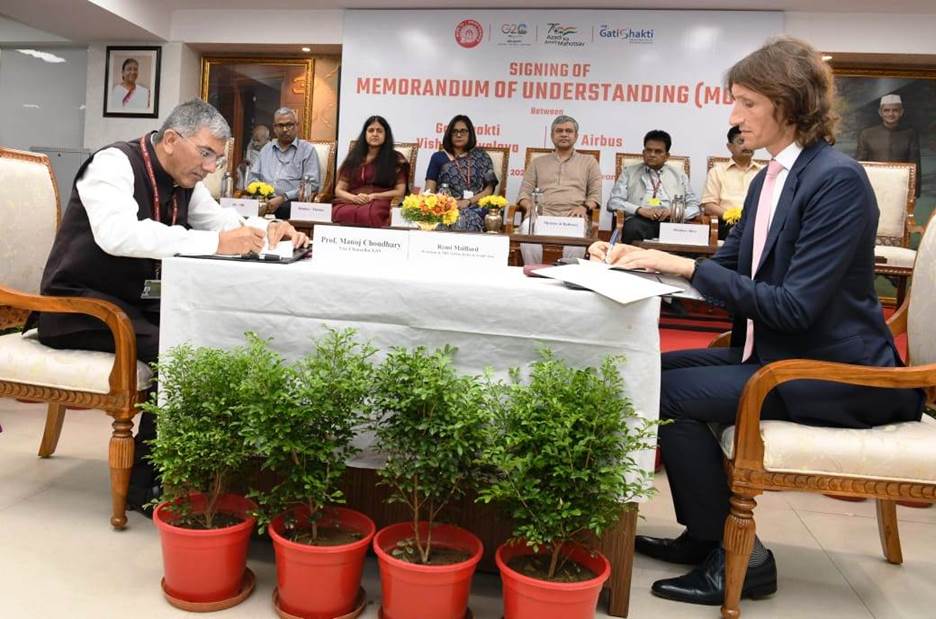
 Indian Railways’ Gati Shakti Vishwavidyalaya (GSV) Vadodara and Airbus today entered into collaboration to significantly strengthen the Indian aviation sector. An MoU (Memorandum of Understanding) was signed at Rail Bhawan, New Delhi between Mr. Rémi Maillard (President and Managing Director, AIRBUS India and South Asia) and Prof. Manoj Choudhary (Vice-Chancellor, Gati Shakti Vishwavidyalaya). The MoU was signed in the presence of Shri Ashwini Vaishnaw,  Minister of  Railways, Communications, Electronics and IT who is also the First Chancellor of Gati Shakti Vishwavidyalaya. Ms. Jaya Varma Sinha, the Chairperson and CEO, Railway Board and senior officials of the Railway Board were present on the occasion.

Airbus and Tata had recently announced a partnership to design, innovate, make, manufacture and develop in India C295 aircraft facility at Vadodara (Gujarat). Airbus is the world’s largest manufacturer of commercial aircraft and a leading producer of helicopters, defence and space equipment. The company has a long-standing relationship of symbiotic growth with India. The company recognises India as a key driver of global aviation as well as an indispensable talent and resource hub and is committed to maturing all the necessary building blocks to develop a fully integrated aerospace ecosystem in the country. Make in India is at the heart of Airbus’ business strategy in India and the company is steadily increasing India’s contribution to its global products.


Speaking on the occasion, Shri Ashwini Vaishnaw said, “GSV will focus on intense industry-academia partnerships. All its courses will be designed in collaboration with industry. The students who study at GSV will be industry ready. They will be highly sought after for employment in transportation and logistics sectors. Today’s MoU with Airbus is a significant step in achieving this goal.”

Speaking at the event, Mr. Rémi Maillard, President and Managing Director, Airbus India and South Asia, said, “As a company that is committed to developing the aerospace ecosystem in India, we realise our responsibility to invest in human capital development. The partnership with Gati Shakti Vishwavidyalaya will develop a strong pipeline of skilled workforce in the country that will be future ready to serve its fast-growing aerospace sector.”

This industry-academic partnership will enable co-development and co-delivery of sector-relevant skilling courses and programs for regular students and working professionals, joint research and industry experiences for faculty, internships and placements for students and scholarship programs. It will create job opportunities for students as per the industry requirements. It is expected that 15000 students are likely to be placed in Airbus Indian operations.

Gati Shakti Vishwavidyalaya (GSV) Vadodara was established through an Act of Parliament in 2022, for creating best in class manpower and talent for the entire transportation and logistics sectors. This Central University is sponsored by the Ministry of Railways, Govt. of India and has Shri Ashwini Vaishnaw, Minister of  Railways, Communications, Electronics and IT as its First Chancellor.

Focusing exclusively on transport and logistics sectors, GSV is a “first of its kind” university aiming to fulfil the mandate of the National Developmental Plans (PM Gati Shakti National Master Plan 2021 and National Logistics Policy 2022) across railways, shipping, ports, highways , roads, waterways, and aviation etc. Following a demand-driven curriculum and leveraging state of the art infrastructure of all the Centralized Training Institutes of Indian Railways, the GSV shall create a resource pool of professionals across technology, economics, management and policy comprising multidisciplinary teaching (bachelors/masters/doctoral), executive training and research. GSV shall also undertake trainings for Indian Railways probationers and serving officers.

Being an Industry-driven and Innovation-led university, GSV already has several collaborations with leading institutions and industries across the world.

***

Increasing investment and sharing responsibility for overcoming air pollution

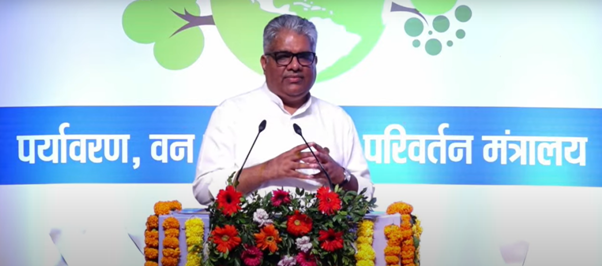
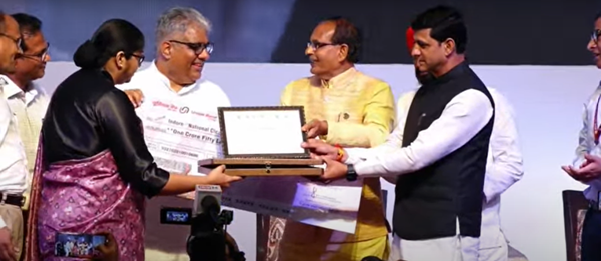
 nion Minister for Environment, Forest and Climate Change and Labour and EmploymentShri Bhupender Yadavannounced the awardsof Swachh Vayu Sarvekshan 2023 in Bhopal ,Madhya Pradesh today. Under the 1st category (million plus population) Indore ranked first followed by Agra and Thane.  In second category (3-10 lakhs population), Amravati secured first rank followed by Moradabad and Guntur. Similarly, for third category (less than 3 lakhs population) Parwanoo secured first rank followed by Kala Amb and Angul. Chief Minister of Madhya Pradesh Shri Shivraj Singh Chauhan was also present on the occasion.

Speaking on the occasion Shri Yadav said this year, 4th International Day of Clean Air for blue skies (Swachh Vayu Diwas 2023) is to create stronger partnerships, increase investment, and share responsibility for overcoming air pollution, with the global theme of “Together for Clean Air.”

The Union Minister said on 15th August 2020, the Hon’ble Prime Minister Shri Narendra Modi displaying government’s commitment to ensure clean air to all the people of the country, assuring them a healthy and productive life, announced the intent and plan to improve the air quality in more than 100 cities through holistic approach. He said the Ministry of Environment, Forest and Climate Change (MoEF&CC) has been implementing a National Clean Air Programme (NCAP) as a national-level strategy outlining the actions for reducing the levels of air pollution at city and regional scales in India since 2019.He saidthe National Clean Air Programme (NCAP) aims to systemically address air pollution by engaging all stakeholders and ensuring necessary action.

Shri Yadav said 131 cities have been identified for the implementation of the city specific action plans under this Programme. NCAP focuses on preparation and implementation of national level action plan, state level action plans & city level action plans of the targeted 131 cites.The coordinated implementation of these plans would help to achieve improvement in air quality in targeted 131 cities as well as in the entire country, he added.

Shri Yadav said with the coordination, collaboration, participation and sustained efforts of all stakeholders, objectives of National Clean Air Programme will be achieved.

The Union Minister said under NCAP Ministry has also launched “PRANA” a portal for monitoring implementation of NCAP. In this portal, action plans of cities, states and line ministries will be reflected and monitored for their implementation status. In addition, best practices adopted by cities are shared on PRANA portal for adopting these practices by other cities.

Shri Yadav said during the UNFCCC, COP 26 held in Glasgow in 2021 Hon’ble prime Minister launched the “Mission LiFE” which means Lifestyle for Environment. He said the mission aims to create and nurture a global network of individuals, having a shared commitment to adopt and promote environment friendly lifestyles and make life a mass movement (Jan Andolan).

Shri Yadav highlighted the notification of  waste management rules covering solid waste, plastic waste, e-waste, bio-medical waste, battery waste, Construction & Demolition waste and tyre and hazardous wastes. He said Extended Producer Responsibility and Polluter Pays Principles have been incorporated to ensure producers/manufacturers are responsible for management wastes in environmentally sound manner.

The Union Minister said the SATAT (Sustainable Alternative Towards Affordable Transportation) scheme of the Government aims to set up Compressed Bio-Gas (CBG) production plants and make CBG available in the market for use as a green fuel.Moving forward he said today we have a statutory Commission for Air Quality Management for Delhi-NCR and adjoining areas working comprehensively, taking the entire airshed as its jurisdiction.

MJPS

Draft Guidelines for Prevention and Regulation of Dark Patterns

 The Department of Consumer Affairs, Government of India, has sought public comments on Draft Guidelines for Prevention and Regulation of Dark Patterns. Draft Guidelines are placed on the website of the Department of Consumer Affairs and are accessible through the link (https://consumeraffairs.nic.in/sites/default/files/file-uploads/latestnews/Draft%20Guidelines%20for%20Prevention%20and%20Regulation%20of%20Dark%20Patterns%202023.pdf). Public comments/suggestions/feedback are solicited and may be provided to the Department within 30 days (until 5th October 2023).

The draft Guidelines for Prevention and Regulation of Dark Patterns have been framed after detailed deliberations with all stakeholders including e-commerce platforms, law firms, Government and Voluntary Consumer Organizations (VCO’s).

The Department of Consumer Affairs (DoCA) conducted an interactive stakeholders consultation on “Dark Patterns” on 13th June 2023, which was attended by Advertising Standards Council of India (ASCI), various e-commerce platforms, NLU’s, Law firms etc. In the meeting, there was a general consensus that Dark Patterns are a cause of concern and need to be dealt with proactively.

Thereafter, a letter dated 28.06.2023 was sent by the Secretary, Department of Consumer Affairs to E-commerce companies, Industry Associations and participants of stakeholder consultation, requesting them to refrain from incorporating any design or pattern in the online interface of their platform that may deceive or manipulate consumer choice and fall in the category of dark patterns. It strongly advised online platforms to not engage in ‘unfair trade practices’ by incorporating dark patterns in their online interface to manipulate consumer choice and violate ‘consumer rights’ as enshrined under Section 2(9) of the Consumer Protection Act, 2019.

A Task Force was subsequently formed consisting of representatives from Industry Associations, ASCI, NLU’s, VCO’s and e-commerce platforms including Google, Flipkart, RIL, Amazon, Go-MMT, Swiggy, Zomato, Ola, Tata CLiQ, Facebook, Meta, Ship Rocket and Go-MMT. That 5 meetings of the members of the Task Force were held, wherein inputs for draft policy were taken from all the members of the task Force.

Based on these deliberations and draft Guidelines submitted by the Task force to the Department of Consumer Affairs, present Draft Guidelines for prevention and regulation of dark patterns have been drafted and are now being put up for public consultation. Proposed Guidelines shall be issued under section 18 (2) (l) of the Consumer Protection Act 2019.

The draft guidelines define dark patterns as any practices or deceptive design patterns using UI/UX (user interface/user experience) interactions on any platform; designed to mislead or trick users to do something they originally did not intend or want to do; by subverting or impairing the consumer autonomy, decision making or choice; amounting to misleading advertisement or unfair trade practice or violation of consumer rights. Under the Guidelines, following Dark patterns have been specified:

  1. False Urgency” means falsely stating or implying the sense of urgency or scarcity so as to mislead a user into making an immediate purchase or take an immediate action, which may lead to a purchase


  1. Basket sneaking” means inclusion of additional items such as products, services, payments to charity/donation at the time of checkout from a platform, without the consent of the user, such that the total amount payable by the user is more than the amount payable for the product(s) and/or service(s) chosen by the user


  1. Confirm shaming” means using a phrase, video, audio or any other means to create a sense of fear or shame or ridicule or guilt in the mind of the user, so as to nudge the user to act in a certain way that results in the user purchasing a product or service from the platform or continuing a subscription of a service.


  1. Forced action” shall mean forcing a user into taking an action that would require the user to buy any additional good(s) or subscribe or sign up for an unrelated service, in order to buy or subscribe to the product/service originally intended by the user


  1. “Subscription trap” means the process of making cancellation of a paid subscription impossible or a complex and lengthy process including similar other practices


  1. “Interface interference” means a design element that manipulates the user interface in ways that (a) highlights certain specific information; and (b) obscures other relevant information relative to the other information; to misdirect a user from taking an action desired by her.


  1. “Bait and switch” means the practice of advertising a particular outcome based on the user’s action but deceptively serving an alternate outcome.


  1. “Drip pricing” means a practice whereby-elements of prices are not revealed upfront or are revealed surreptitiously within the user experience; and/or other such practices


  1. Disguised advertisement” means a practice of posing, masking advertisements as other types of content such as user generated content or new articles or false advertisements.


  1. Nagging”shall mean a dark pattern due to which users face an overload of requests, information, options, or interruptions; unrelated to the intended purchase of goods or services, which disrupts the intended transaction.

Guidelines would be made applicable to all the persons and online platforms including sellers and advertisers. Under the draft guidelines, certain specified dark patterns have been defined and illustrated with examples, to bring more clarity.  The objective of the Guidelines is to identify and regulate such practices which tend to manipulate or alter consumer choices, often by using deceptive or misleading techniques or manipulated user interfaces/web designs. Thus, the proposed Guidelines seek to oversee such practices which are prejudicial to the consumer interests.

The department is committed to safeguarding consumer interests and promoting a fair and transparent marketplace, especially in the increasingly expanding and penetrative digital space. The proposed guidelines will further strengthen the industry and protect consumer interests.

For more information on the new guidelines, visit the link: (https://consumeraffairs.nic.in/sites/default/files/file-uploads/latestnews/Draft%20Guidelines%20for%20Prevention%20and%20Regulation%20of%20Dark%20Patterns%202023.pdf).

****

Human-Centric Globalisation: Taking G20 to the Last Mile, Leaving None Behind

 ‘Vasudhaiva Kutumbakam’ – these two words capture a deep philosophy. It means ‘the world is one family’. This is an all-embracing outlook that encourages us to progress as one universal family, transcending borders, languages, and ideologies. During India’s G20 Presidency, this has translated into a call for human-centric progress. As One Earth, we are coming together to nurture our planet. As One Family, we support each other in the pursuit of growth. And we move together towards a shared future – One Future – which is an undeniable truth in these interconnected times.

The post-pandemic world order is very different from the world before it. There are three important changes, among others.

First, there is a growing realisation that a shift away from a GDP-centric view of the world to a human-centric view is needed.

Second, the world is recognizing the importance of resilience and reliability in global supply chains.

Third, there is a collective call for boosting multilateralism through the reform of global institutions.

Our G20 Presidency has played the role of a catalyst in these shifts.

In December 2022, when we took over the Presidency from Indonesia, I had written that a mindset shift must be catalysed by the G20. This was especially needed in the context of mainstreaming the marginalized aspirations of developing countries, the Global South and Africa.

The Voice of Global South Summit, which witnessed participation from 125 countries, was one of the foremost initiatives under our Presidency. It was an important exercise to gather inputs and ideas from the Global South. Further, our Presidency has not only seen the largest-ever participation from African countries but has also pushed for the inclusion of the African Union as a permanent member of the G20.

An interconnected world means our challenges across domains are interlinked. This is the midway year of the 2030 Agenda and many are noting with great concern that the progress on SDGs is off-track. The G20 2023 Action Plan on Accelerating Progress on SDGs will spearhead the future direction of the G20 towards implementing SDGs.

In India, living in harmony with nature has been a norm since ancient times and we have been contributing our share towards climate action even in modern times.

Many countries of the Global South are at various stages of development and climate action must be a complementary pursuit. Ambitions for climate action must be matched with actions on climate finance and transfer of technology.

We believe there is a need to move away from a purely restrictive attitude of what should not be done, to a more constructive attitude focusing on what can be done to fight climate change.

The Chennai HLPs for a Sustainable and Resilient Blue Economy focus on keeping our oceans healthy.

A global ecosystem for clean and green hydrogen will emerge from our presidency, along with a Green Hydrogen Innovation Centre.

In 2015, we launched the International Solar Alliance. Now, through the Global Biofuels Alliance, we will support the world to enable energy transitions in tune with the benefits of a circular economy.

Democratising climate action is the best way to impart momentum to the movement. Just as individuals make daily decisions based on their long-term health, they can make lifestyle decisions based on the impact on the planet’s long-term health. Just like Yoga became a global mass movement for wellness, we have also nudged the world with Lifestyles for Sustainable Environment (LiFE).

Due to the impact of climate change, ensuring food and nutritional security will be crucial. Millets, or Shree Anna, can help with this while also boosting climate-smart agriculture. In the International Year of Millets, we have taken millets to global palates. The Deccan High Level Principles on Food Security and Nutrition is also helpful in this direction.

Technology is transformative but it also needs to be made inclusive. In the past, the benefits of technological advancements have not benefited all sections of society equally. India, over the last few years, has shown how technology can be leveraged to narrow inequalities, rather than widen them.

For instance, the billions across the world that remain unbanked, or lack digital identities, can be financially included through digital public infrastructure (DPI). The solutions we have built using our DPI have now been recognised globally. Now, through the G20, we will help developing countries adapt, build, and scale DPI to unlock the power of inclusive growth.

That India is the fastest-growing large economy is no accident. Our simple, scalable and sustainable solutions have empowered the vulnerable and the marginalised to lead our development story. From space to sports, economy to entrepreneurship, Indian women have taken the lead in various sectors. They have shifted the narrative from the development of women to women-led development. Our G20 Presidency is working on bridging the gender digital divide, reducing labour force participation gaps and enabling a larger role for women in leadership and decision-making.

For India, the G20 Presidency is not merely a high-level diplomatic endeavour. As the Mother of Democracy and a model of diversity, we opened the doors of this experience to the world.

Today, accomplishing things at scale is a quality that is associated with India. The G20 Presidency is no exception. It has become a people-driven movement. Over 200 meetings will have been organised in 60 Indian cities across the length and breadth of our nation, hosting nearly 100,000 delegates from 125 countries by the end of our term. No Presidency has ever encompassed such a vast and diverse geographical expanse.

It is one thing to hear about India’s demography, democracy, diversity and development from someone else. It is totally different to experience them first-hand. I am sure our G20 delegates would vouch for this.

Our G20 Presidency strives to bridge divides, dismantle barriers, and sow seeds of collaboration that nourish a world where unity prevails over discord, where shared destiny eclipses isolation. As the G20 President, we had pledged to make the global table larger, ensuring that every voice is heard and every country contributes. I am positive that we have matched our pledge with actions and outcomes.

*******

AI a Friend or a Foe: Striking a Balance in the Age of Automation

By-Aditi Chhetri 

Artificial intelligence (AI) has evolved as a potent force in the quickly changing technological world that can be both an ally and an enemy. It has a significant influence on society and affects almost every facet of our daily life. We must consider AI’s potential advantages as a friend and the difficulties it poses as a foe in order to fully comprehend its duality.


• AI as a Friend:

1. Enhanced Productivity: One of the most significant advantages of AI is its ability to enhance productivity. AI-powered automation streamlines processes, reducing human error and freeing up valuable time for more creative and strategic tasks. For businesses, this means increased efficiency and cost savings.

2. Improved Healthcare: AI is revolutionizing the healthcare industry. It aids in diagnosing diseases, analyzing medical images, and even predicting patient outcomes. With AI as a friend, healthcare professionals can provide more accurate and timely care, potentially saving lives.

3. Personalized Experiences: AI-driven algorithms are behind the personalized experiences we enjoy on social media, streaming platforms, and online shopping. They analyze our preferences and behaviours to offer tailored recommendations, making our digital interactions more enjoyable.

4. Environmental Impact: AI can be a friend to the environment as well. It helps optimize energy consumption, reduce waste, and improve resource management. This technology is crucial in the fight against climate change.

5. Space Exploration: AI plays a vital role in space exploration, from autonomous rovers on Mars to guiding spacecraft through the cosmos. It allows us to explore the universe beyond our planet’s boundaries.

• AI as a Foe:
1. Job Displacement: The fear of AI taking human jobs is a legitimate concern. Automation can lead to job displacement in industries such as manufacturing, customer service, and even data analysis. It raises questions about retraining the workforce for new roles.

2. Bias and Discrimination: AI systems can inherit biases from their training data, leading to discrimination in areas like hiring, lending, and criminal justice. This poses a significant ethical challenge that must be addressed.

3. Privacy Concerns: With the proliferation of AI-powered surveillance systems and data collection, privacy concerns are on the rise. The constant monitoring and data mining by AI can infringe upon personal freedoms.

4. Security Threats: AI can be weaponized for cyberattacks and misinformation campaigns. The rapid development of AI-driven malware and deep fakes poses a significant threat to cybersecurity
5. Loss of Human Control: As AI systems become more advanced, there is a risk of losing control over them. Ensuring that AI operates in alignment with human values and ethics is a growing challenge.

6. Striking a Balance:
The key to harnessing AI’s potential while mitigating its negative impacts lies in striking a balance. Here are some strategies to achieve this equilibrium:

(a) EthicalAIDevelopment: Developers and organizations must prioritize ethical AI development, including fairness, transparency, and accountability.

(b) Education and Re-skilling: Investing in education and reskilling programs can help workers adapt to the changing job landscape caused by automation.

(c) Privacy Regulations: Governments should enact and enforce robust privacy regulations to protect individuals from invasive AI practices.

(d) Human-AI Collaboration: Emphasizing collaboration between humans and AI systems can lead to more productive and equitable outcomes.,

(e) Oversight and Governance: Implementing oversight and governance mechanisms is crucial to ensure that AI serves the greater good.


AI is a double-edged sword, capable of both tremendous good and harm. To harness its potential as a friend and mitigate its negative impacts as a foe, we must adopt a proactive and responsible approach. The future of AI in our society depends on our ability to strike the right balance, ensuring that it serves humanity’s best interests while safeguarding our values and ethics.