Articles by Kavya Gupta

Articles by  Kavya Gupta 

(1)             https://www.track2training.org/2023/09/10-travel-destinations-in-world.html


(2)             https://www.track2training.org/2023/09/importance-and-health-benefits-of.html


(3)             https://www.track2training.org/2023/09/the-importance-of-smart-boards-in.html


(4)             https://www.track2training.org/2023/09/top-10-rose-tea-benefits.html


(5)             https://www.track2training.org/2023/09/rainwater-harvesting.html


(6)             https://www.track2training.org/2023/09/what-is-public-speaking-10-ways-to.html


(7)             https://www.track2training.org/2023/09/ensuring-smooth-streaming-experience.html


(8)             https://www.track2training.org/2023/09/environmental-issues-and-corporate.html


(9)             https://www.track2training.org/2023/09/why-to-choose-career-in-digital.html


(10)          https://www.track2training.org/2023/09/yogas-importance-in-our-daily-lives.html


(11)          https://www.track2training.org/2023/09/why-are-internships-important-for.html


(12)          https://www.track2training.org/2023/10/some-popular-myths-about-nutrition.html


(13)          https://www.track2training.org/2023/10/advantages-of-extracurricular.html


(14)          https://www.track2training.org/2023/10/western-and-eastern-ghats.html


(15)          https://www.track2training.org/2023/10/central-highlands.html


(16)          https://www.track2training.org/2023/10/advantages-of-drinking-water-first.html


(17)          https://www.track2training.org/2023/10/importance-of-natural-vegetation-in.html


(18)          https://www.track2training.org/2023/10/strategies-for-using-google-docs-more.html


(19)          https://www.track2training.org/2023/10/the-era-of-delhi-sultanate.html


(20)          https://www.track2training.org/2023/10/introduction-to-indus-valley.html


(21)          https://www.track2training.org/2023/10/5-ways-to-manage-stress.html


(22)          https://www.track2training.org/2023/10/emergence-of-sociology.html


(23)          https://www.track2training.org/2023/10/effects-of-volcanism.html


(24)          https://www.track2training.org/2023/10/history-of-television-in-india.html


(25)          https://www.track2training.org/2023/10/5-suggestions-for-successful-interview.html


(26)          https://www.track2training.org/2023/10/the-french-revolution.html


(27)          https://www.track2training.org/2023/10/the-european-union.html


(28)          https://www.track2training.org/2023/10/marine-protected-areas-in-india.html


(29)          https://www.track2training.org/2023/10/the-history-of-indian-radio.html


(30)          https://www.track2training.org/2023/10/sociological-theories-of-power.html

The Roadmap to Success: A Look at Axioma Token's Future Plans

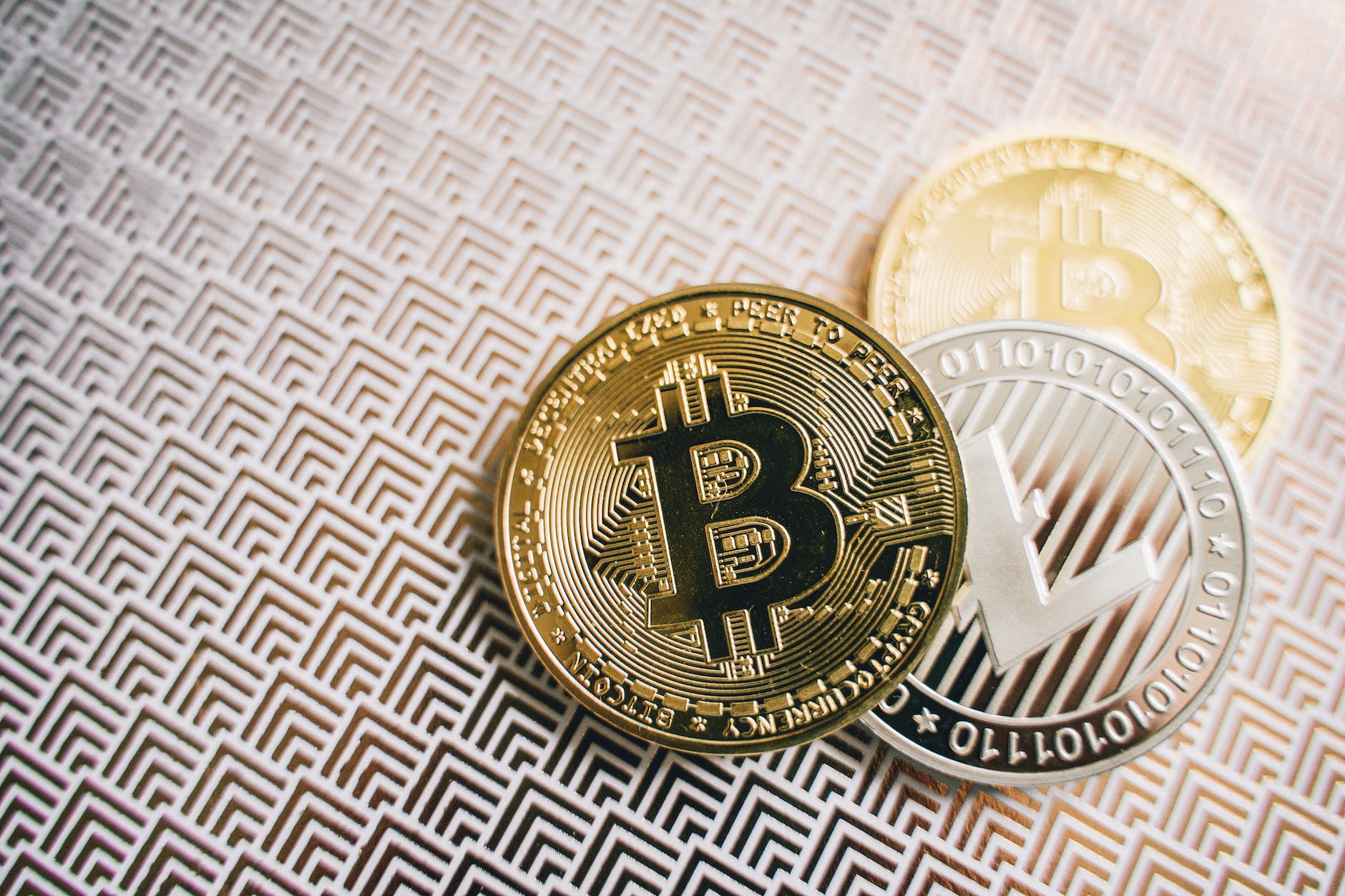
In this comprehensive article, we will delve into the exciting future plans of Axioma Token, a leading blockchain project that aims to revolutionize the financial industry. Axioma Token has been making significant strides in the world of decentralized finance (DeFi) and is on a mission to redefine the way people interact with financial systems. This article will provide a detailed roadmap of the upcoming developments and initiatives that Axioma Token has in store, showcasing its potential for future growth and success. In the evolving landscape of digital assets, platforms like AltrixEdge offer valuable insights and tools for traders. As we dive into the future plans of Axioma Token, understanding the broader market dynamics becomes essential.

Photo by Pavel Danilyuk on Pexels.com

Understanding Axioma Token

Before we dive into the future plans of Axioma Token, let’s briefly understand what it stands for and the technology behind it. Axioma Token is a decentralized blockchain platform. It serves as a financial ecosystem that enables users to access a wide range of financial products and services in a decentralized manner. The platform’s native cryptocurrency, Axioma (AXT), powers the entire ecosystem and is the backbone of its operations.

Expanding the Ecosystem

One of the primary goals of Axioma Token’s future plans is to expand its ecosystem and bring more financial services under its umbrella. Currently, Axioma Token offers various DeFi applications, such as decentralized lending and borrowing, yield farming, and staking. However, the team behind Axioma Token aims to introduce new features and functionalities to cater to a broader audience.

Launching a Decentralized Exchange (DEX)

One of the most anticipated developments is the launch of Axioma Swap, a decentralized exchange that allows users to trade various cryptocurrencies securely and efficiently. Axioma Swap will leverage the latest blockchain technology to provide liquidity and a seamless trading experience for its users. By creating a DEX within its ecosystem, Axioma Token aims to eliminate the need for third-party intermediaries and enhance the overall DeFi experience.

Integrating Cross-Chain Support

To foster interoperability and expand its reach, Axioma Token plans to integrate cross-chain support. This means that users will be able to interact with other blockchain networks directly from the Axioma Token platform. By bridging the gap between different blockchains, Axioma Token aims to create a more interconnected and accessible DeFi ecosystem.

Enhancing Security and Scalability

As Axioma Token continues to grow, ensuring the security and scalability of its platform becomes paramount. The team is committed to implementing cutting-edge security measures and improving the scalability of its blockchain to handle a higher volume of transactions efficiently.

Implementing Layer 2 Solutions

Layer 2 solutions, such as rollups and sidechains, will play a significant role in enhancing the scalability of the Axioma Token blockchain. By moving some of the transaction processing off-chain, the platform can achieve higher throughput without compromising security. This move will also result in lower transaction fees, making DeFi accessible to a wider audience.

Strengthening the Governance Model

Decentralized governance is a fundamental aspect of any successful DeFi project. Axioma Token plans to empower its community members by allowing them to participate in the decision-making process. By implementing a decentralized governance model, users can propose and vote on various protocol upgrades, ensuring the platform evolves based on the collective wisdom of its community.

NFT Marketplace and Beyond

In addition to the expansion of its financial ecosystem, Axioma Token is exploring the potential of Non-Fungible Tokens (NFTs). NFTs have gained immense popularity in recent times, and Axioma Token sees an opportunity to integrate NFTs into its platform.

Launching an NFT Marketplace

Axioma Token plans to create an NFT marketplace that allows artists, creators, and collectors to mint, buy, and sell NFTs seamlessly. By leveraging blockchain technology, the platform will ensure the authenticity and ownership of digital assets, opening up new possibilities in the world of art, and intellectual property.

Exploring Real-World Asset Tokenization

Beyond the world of digital art and collectibles, Axioma Token aims to explore the tokenization of real-world assets. By converting physical assets into digital tokens, Axioma Token can facilitate fractional ownership and streamline the process of investing in traditionally illiquid assets, such as real estate and fine art.

Collaborations and Partnerships

Axioma Token recognizes the power of collaborations and partnerships in achieving its vision. The team is actively seeking strategic partnerships with other DeFi projects, blockchain platforms, and financial institutions to foster innovation and create a more interconnected DeFi ecosystem.

Conclusion

Axioma Token’s future plans are ambitious and promising, aiming to redefine the future of decentralized finance. With its expanding ecosystem, enhanced security, and innovative features like NFT marketplace and cross-chain support, Axioma Token is positioning itself as a major player in the DeFi space.As an investor and enthusiast, keeping an eye on Axioma Token’s progress is crucial. Its commitment to continuous improvement, community-driven governance, and cutting-edge technology makes it a strong contender for success in the ever-evolving blockchain landscape. By staying true to its roadmap and vision, Axioma Token has the potential to leave other projects behind and emerge as a frontrunner in the decentralized finance industry.

Counter Strike First Person Shooter

Since its inception in the late 1990s, Counter-Strike has remained a cornerstone in the world of first-person shooters (FPS). Its impact on gaming culture, esports, and the broader gaming community is nothing short of profound. Developed by Minh “Gooseman” Le and Jess “Cliffe” Cliffe as a Half-Life modification, Counter-Strike emerged as a pioneer in team-based multiplayer gaming, reshaping the FPS landscape forever.

Birth of a Legend

The year was 1999 when the first iteration, Counter-Strike&nbsp, was released. Its premise was simple yet compelling: two teams, Terrorists and Counter-Terrorists, engaged in tactical combat across various maps. Players could buy weapons and equipment, encouraging strategic gameplay and teamwork. The formula struck a chord with gamers worldwide, captivating audiences with its intense gameplay and skill-based mechanics.

A Community-Driven Phenomenon

What truly distinguished Counter-Strike was its grassroots evolution. As the gaming community embraced it, a fervent modding scene emerged. Countless custom maps, game modes, and modifications flooded the internet, breathing new life into an already addictive experience. This collaborative effort not only sustained the game’s popularity but also nurtured an engaged and passionate player base.

Competitive Foundations

The competitive aspect of Counter-Strike laid the groundwork for what would become a thriving esports ecosystem. LAN parties and local tournaments served as the breeding grounds for aspiring pro players, fostering a competitive spirit that transcended casual gaming. The birth of leagues and events like the Cyberathlete Professional League (CPL) and the Electronic Sports World Cup (ESWC) catapulted Counter-Strike into the realm of professional esports.

Evolution and Global Domination

Counter-Strike underwent multiple iterations, with each version introducing new mechanics, maps, and updated visuals. The release of Counter-Strike: Source and later, Counter-Strike: Global Offensive (CS:GO) in 2012, marked significant milestones. CS:GO, in particular, not only retained the essence of its predecessors but also introduced improved graphics, refined gameplay mechanics, and a more accessible interface, captivating both veterans and newcomers.

Cultural Impact

Beyond its gaming prowess, Counter-Strike has left an indelible mark on popular culture. Its influence extends to movies, television, and even traditional sports. References to the game are widespread, showcasing its penetration into mainstream consciousness. The game’s iconic maps like Dust II and gameplay mechanics like bomb defusal have become synonymous with gaming itself.

The Future of Counter-Strike

As of my last update in 2022, Counter-Strike remains a force in the gaming industry. Valve Corporation, the game’s developer, continues to support CS:GO with updates, tournaments, and a thriving esports scene. However, the gaming landscape is dynamic, and new challenges and opportunities will undoubtedly arise.

Conclusion

Counter-Strike’s journey from a humble mod to a global phenomenon is a testament to its enduring appeal. Its impact on the gaming industry, esports, and popular culture is profound, shaping the way we play and experience games. As it continues to evolve, one thing remains certain: Counter-Strike’s legacy as an FPS icon is firmly cemented in gaming history.

Sociological Theories of Power

The word “power” is derived from the Latin word “potere,” which means “to be able.” Max Weber, a well-known sociologist, defined power as the capacity to bring about the desired outcome despite opposition from others. Different sociological theories of power cover the implications of each type of power. These are the class theory of power, the elite theory of power, the pluralist theory of power, and the gender theory of power.


Class theory of power
 

Sociology’s “class theory of power” is linked to Karl Marx and his Marxism. It claims that each society has two classes. The rich (haves) belong to one class, while the impoverished (have-nots) belong to the other. Economically speaking, the wealthy elite is dominant and controls the means of production. They are also influential on a social, political, and ideological level. They are able to keep their hegemony thanks to this power. Thus, they are the dominant group. The low class, on the other hand, is economically weaker and is taken advantage of on a social, political, and economic level. They are ruled over and oppressed by the wealthy class. The wealthy class uses the state as a tool to keep up their position of dominance.

Marxist theory holds that at every stage of social development, the wealthy class has used its position of power. For instance, masters used it against the slaves during the slave stage. Landowners then preferred using it for peasants. Other Marxist academics, like Weber, believed that the dominant class with power might come from any class, whether it be the bureaucracy or an ideologically dominant class. Marx therefore claimed that the economically wealthy class had power, despite the opinions of other academics who believed that any class, not just the economically wealthy one, could have power.


Elite theory of power

According to the elite theory of power, a select few people, or the elite group, control each civilization. They are in charge of establishing the laws and regulations of society. Therefore, the elite, or power elite, as we like to call them, holds the power. They control society’s minority because they are the hub of power in it. Even in a democracy, the elected elite holds the reins of power. In this sociological theory of power, Pareto, O.Y. Gasset, Robert Michels, James Burnham, Mosca, and C. Wright Mills are the main protagonists. Each of them believed that this small elite group of people’s influence was a result of both their unique traits and their organisational prowess. Knowledge, fortune, social standing, power, or skill are only a few examples.

In simple language, this theory holds that the elites control power in every community. They are the minority group that uses politics to uphold their hegemony. A small group of people, or an elite, controls each social class or aspect of society.


Pluralist theory of power

One of the sociological theories of power that rejects both the class and elite theories is this one. It claims that no elite or class uses their position of power in any society. Yet different groups make use of it. There are numerous groups of people in every community, and each one represents some important interests. These organisations are always vying with one another for control of society’s influence and power. All of these groups collaborate and use their actions to shape the opinions and policies of society and its government. So, social groups exercise their sovereign rights.


Gender theory of power

One of the most significant sociological theories of power holds that men hold the majority of power and oppress women in all societies. The group of men holds the reins of power. So, it has to do with gender dominance. This sociological theory of power is endorsed by numerous feminist authors and activists. According to this theory, men and women are the predominant groups in each society. The liberation of women from damaging and anti-democratic male supremacy is promoted. Furthermore, it asserts that in order for women to participate equally in the exercise of power, patriarchy must be replaced by effective social, economic, and political equality.


Conclusion

 We are all endowed with power, and we are also constantly surrounded by it. It comes in a variety of shapes and sizes, and we may use it to have an influence, either positive or negative. It’s crucial to recognise how certain people and groups might influence our social reality when studying society. Consequently, we can see that the class, elite, pluralist, and gender theories are the four main sociological theories of power. These sociological theories of power each give a different perspective on how power is distributed and used in society.


The History of Indian Radio

The history of Indian radio is the development of radio broadcasting in India since the establishment of a private radio station in Chennai in 1924. The Indian Broadcasting Company received a licence from the British government the same year to start radio stations in Mumbai and Kolkata. Later, when the business went bankrupt, the government assumed control of the transmitters and started the Indian State Broadcasting Corporation, which is now in operation. It was renamed All India Radio (AIR) in 1936, and the Department of Communications took over complete management of it.


After India gained its independence, All India Radio became an independent department. There are five regional headquarters for All India Radio, one in each of the following locations: New Delhi for the North Zone, Kolkata for the East Zone, Guwahati for the North-East Zone, Mumbai for the West Zone, and Chennai for the South Zone.


The Ministry of Information and Broadcasting, which is in charge of Akashvani, renamed All India Radio to that name in 1957. Only six radio stations totaled the entire nation during the time of independence. However, All India Radio’s network expanded to over 146 AM stations in the late 1990s. The Integrated North-East Service also concentrated on connecting with people in northeast India. In addition to Hindi, English, and many more regional and local languages, All India Radio broadcasts programmes.


Commercial radio services debuted in India in 1967. Vividh Bharati and Commercial Service, who have their main offices in Mumbai, took the initiative. Vividh Bharati gathered money via numerous sponsorships and ads. In the middle of the 1990s, 31 AM and FM stations were still broadcasting.


Around 85 FM stations and 73 shortwave stations connected the entire country by 1994. Broadcasting technology in India is largely local and covers a wide range of listeners, including farmers who need varied, updated agricultural information. The number of radio receivers multiplied dramatically—almost five times—between 1970 and 1994. The figure rose to a startling 65 million from the initial 14 million. The External Services Division of All India Radio offers broadcasting services from other nations. With the aid of 32 shortwave transmitters, about 70 hours of news and entertainment programming were aired in several languages in 1994.


Indian radio was seen as a crucial networking and communication tool after independence, largely due to the absence of other channels. Radio carried all the important social and political events of the day. Indian radio has contributed to the social integration of the entire country. The promotion of national consciousness and overall national integration were the key areas of attention for All India Radio.


The sole goal of organising and creating programming was to promote national political unification. This assisted in overcoming the pressing situation of political instability that was brought about following independence. Thus, the broadcasting of scheduled broadcasts assisted in political upgrading and progressive nation-building initiatives.


Additionally, All India Radio contributed to improving the nation’s economic standing. Indian radio was specifically created and programmed to promote the social betterment process, which was a necessary prerequisite for economic improvement. The dominant theories of development at the time identified development-related issues as the main ones in developing countries.


The purpose of broadcasting opened the door for the explosion of new ideas. Later, as the nation became more modernised, television was introduced, and broadcasting attained a new level of prominence. But by that point, radio was an established form of media in India. Numerous shows, including comedies and uplifting music, were broadcast everywhere. One of the biggest radio networks in the world is still Akashvani, or All India Radio.

Marine Protected Areas in India

India has designated sections of its oceans and estuaries as marine protected areas, where local wildlife can be preserved. These zones’ abundant biodiversity aids local and national governments in making significant income from marketing and tourism. The Andaman and Nicobar Islands, Tamil Nadu’s Gulf of Munnar, Maharashtra’s Thane Creek, West Bengal’s Sundarbans, etc. are a few instances of marine protected areas in India.


The marine diversity of India has been identified by the International Union for Conservation of Nature as one of the top twenty biodiversities worldwide. As a result, stringent regulations have been enacted to protect wildlife in national parks and marine water bodies spread across nine states and all of the nation’s union territories.


There are a total of 31 marine protected areas in India when taking into account the national parks along the coastlines of the peninsular Indian subcontinent as well as the sanctuaries in the islands and Union Territories.


According to the provisions of the Wildlife Protection Act of 1972, the Bureau of the Interior Department monitors human interference with marine life in four key national parks.


The first is Bhitarkanika National Park, which has received recognition on a global scale as one of the few wetlands in the world with a diverse population of ducks. Along with the endangered saltwater crocodiles, Asian water monitors, King Cobras, Chital deer, and black-coloured Ibis also find refuge in this forest block. This swampy region is separated from the Bay of Bengal by the Gahirmatha coastline.


The second is the Sundarbans in West Bengal, another mangrove forest. A portion of this extensive mangrove forest is located along the Hooghly River’s bank, even though the majority of this deltaic region is administratively part of Bangladesh. The marine protection department is in charge of overseeing the ecoregion of mangrove forests where a few critically endangered species, like the Bengal tiger, reside. 


The third is the Gulf of Mannar Marine Conservation, which spans 21 uninhabited islands across 10 square kilometres and is located in Tamil Nadu. An endangered class of creatures known as dugongs call this national park home. Humpback whales, green turtles, and the well-known clownfish are some examples of other exotic wildlife.


Fourth is the Gulf of Kachchh, which is located in Gujarat’s southern region on the western frontier. Numerous varieties of corals are among the diverse flora, and numerous birds soar above the well-known Jamnagar coastline region. The area’s coral reefs are home to numerous species of jellyfish, prawns, and crabs.


There are several well-known marine sanctuaries in the nation, including Chorao Island in Goa, Chilka in Odisha, Malvan Sanctuary and Thane Creek Sanctuary in Maharashtra, and Pulicat Lake in Andhra Pradesh. In addition to maritime conservation, bird enthusiasts will love Chorao Island. The oasis is home to a variety of unusual birds in addition to the ordinary kingfisher, including the white sea eagle, Grey Plover, Pintail, and Indian Pond Herons. Tourists board ships leaving for the island from Old Goa.


In the weedy Nalbana Sanctuary, which surrounds Chilka Lake, thousands of different bird species can be found. It covers roughly 6 square miles. Some of the seasonal birds that are noted in great numbers in the shallow waters of Chilka are Short-legged Flamingos from Iran, Spot-billed Pelicans, Peregrine Falcons, Goliath Herons, and Black-headed Ibis. In the monsoon, the island submerges.


Perennial wildlife is on display at the Malvan Sanctuary in Sindhudurg, Maharashtra. The corals, pearl oysters, and mollusks all call this mangrove reserve home. One of Maharashtra’s lush coastline regions is home to the Thane Creek Sanctuary. Between December and May, it is one of the state’s less visited regions where flamingos can be seen. This marine sanctuary covers a distance of over 18 kilometres from the Sewri jetty to the Elephanta Caves.


The Tirupati area of Andhra Pradesh is home to Lake Pulikat. After Chilka, it is the second-largest brackish water body in the nation. Numerous kinds of waterfowl, including the bar-headed geese, Eurasian wigeon, whiskered tern, garganey, etc., are drawn to the three significant wetlands in this area. In addition to its extensive biodiversity, this marine reserve features 59 distinct species of aquatic plants.


Numerous protected zones exist in the union territories of Lakshadweep and the Andaman and Nicobar Islands to conserve marine life. The Andaman and Nicobar regions contain more than a hundred islands that are swampy and home to a profusion of aquatic mammals, reptiles, arthropods, and birds.


The Wildlife Conservation Society has been successful in lowering human impregnation in these marine areas for the past few decades. As a result, they are dedicated to protecting the Indian coastal region’s natural riches.


Conclusion

There is a wide diversity of species in India’s marine protected areas, which draws tourists from around the world. The Wildlife Conservation Society has worked hard to protect marine biodiversity ever since the 1972 passage of the Wildlife Protection Act. Large sections are still unprotected. The animals that make our country proud and are a vital part of our rich heritage must be protected, and we Indians must make a commitment to doing so.


The European Union

The European Union (EU) is an association of 27 states that are all located in Europe. The EU has 447 million people living in it. Establishing a unified, consistent system across Europe was its primary goal. The Euro, which was created by the European Union, is used as the primary currency by the majority of its member nations.

As of 2020, 5.8% of the world’s population resided in the EU. In nominal terms, the European Union’s GDP is USD 17 trillion. These nations rank first in terms of the human development index and also have a high GDP per capita. In 2012, the EU received the Noble Peace Prize. The G7, G20, UN, and NATO are international organisations that the European Union belongs to. Along with Russia, China, India, and Brazil, the EU is regarded as a rising global superpower.


History of the European Union

Europe has been regarded as a worldwide superpower since the 1900s. The current world in which we live was significantly shaped by it. Some civilizations dominated the globe for protracted periods of time. The French Empire, the British Empire, the Dutch Empire, and the German Empire are all included in this. The Roman Empire, Charlemagne’s France, the Byzantine Empire, and the Holy Roman Empire are a few noteworthy European empires. In the 20th century, there was a struggle for power in Europe. At least 50% of the earth’s landmass was dominated by the British and French Empires. After the union, the German Empire grew stronger. The borders of Eastern Europe caught the Russian Empire’s attention.

Technology has advanced significantly. Beginning in 1917, World War I might extend up to four years. The Second World War broke out twenty years later. The most expensive conflict in terms of both lives lost and dollars spent After the war, Western Europe was going through a recovery period. Soviet Russia had taken control of Eastern Europe. On the eastern front, conflict broke out after the collapse of the Soviet Union. Split into pieces, Yugoslavia fell apart. There were numerous treaties signed, including the Rome Treaty, the Maastricht Treaty, and the Lisbon Treaty. These agreements guaranteed the peace and cohesion of the European nations. Thus, as a result of this unity, the European Union was established.


Member states of the European Union

The European Union was founded by Belgium, the Netherlands, Italy, West Germany, France, and Luxembourg. The Copenhagen criteria must be followed by the member nations. The majority of the rules and regulations outlined in the treaties should be accepted. In 2020, the United Kingdom became the first nation to formally quit the EU. Denmark’s independent region of Greenland exited the EU in 1985. Albania, Iceland, North Macedonia, Montenegro, Serbia, and Turkey are among the nations that have expressed interest in joining. Potential candidates include Bosnia and Herzegovina. Non-EU nations that use the euro include Monaco, San Marino, and Vatican City.


Impact of the European Union

On the member nations, the European Union had a significant influence. The post-war economic recovery of numerous nations was made possible by the EU. Since they joined the EU, European nations have seen growth in their collective GDP and have largely escaped severe financial crises. Here, the financial condition in Greece is not included. After the Soviet Union fell in 1991, democratic administrations were established in eastern Europe. The European Union has become a stronger global superpower. After China and the United States of America, it has the third-largest GDP worldwide. People living in countries engaged in active conflict have received antagonism from the EU. The Middle East is where most of the migrants are from.


Conclusion

The political and economic union of European nations is known as the European Union. The EU has a total of 27 members. Its major objective is to advance justice, security, and peace within EU boundaries. The EU has 447 million people living in it. Establishing a unified, consistent system across Europe was its primary goal. In nominal terms, the European Union’s Gross Domestic Product (GDP) is USD 17 trillion. In 2012, the EU received the Noble Peace Prize. The European Union is a participant in international bodies like the G7, G20, UN, and NATO. The founding members of the European Union were Belgium, the Netherlands, Italy, West Germany, France, and Luxembourg.


The French Revolution

The French Revolution, also referred to as the Revolution of 1789, was a revolutionary movement that shook France between 1787 and 1799, reaching a crescendo in 1789. The name “Revolution of 1789” refers to this event because it marked the end of France’s ancien régime and separated it from the later French revolutions of 1830 and 1848.

The French Revolution was by far the most violent and globally significant of all revolutions in the Western world towards the end of the 18th century because it featured both universal and specific traits. The Western social structure was the first of the general causes.

In other regions of Europe, the feudal system had already vanished or was on the decline. In nations where it did not yet exist, the bourgeoisie, a burgeoning and opulent class of wealthy commoners—merchants, manufacturers, and professionals—aspired to political power. The majority of landowners among the peasants had improved their standard of life and education, and they wished to see the end of feudalism so that they might have complete ownership rights and the opportunity to increase their holdings.

Additionally, since roughly 1730, increasing living standards have led to a marked decline in adult death rates. The population of Europe doubled between 1715 and 1800 as a result of this and other circumstances, an unparalleled rise. France, the most populous nation in Europe in 1789 with 26 million residents, saw the worst effects of the issue.

Food and consumer items were in greater demand as the population increased. Around 1730, new gold mines were found in Brazil, and as a result, prices in the West increased, signalling a booming economy. This development slowed after 1770, and the frequency of economic crises increased, sparking fear and even unrest. Social change arguments started to develop.

The philosophes (intellectuals whose publications served as the basis for these arguments) were influenced by 17th-century thinkers like René Descartes, Benedict de Spinoza, and John Locke, but they arrived at very different conclusions about political, social, and economic matters. To put the ideals of Montesquieu, Voltaire, or Jean-Jacques Rousseau into practice, a revolution was necessary.

Through the numerous “societies of thought” that were established at the time, including masonic lodges, agricultural societies, and reading rooms, the Enlightenment was disseminated among the educated classes.

The French Revolution and its politics

Whether a revolution would have taken place in the absence of a political crisis is unknown. In order to collect money for the expensive wars of the 18th century, European kings began taxing the clergy and aristocracy, who had previously enjoyed exemptions in the majority of nations. The rulers disguised themselves as “enlightened despots,” defending their position by referencing the logic of eminent philosophers. Europe’s affluent estates, diets, and bodies responded rapidly.

The North American Revolution, which got its start when people refused to pay a tax imposed by the British king, was ignited by this reaction. The aristocracy’s reaction was to be subdued by the monarchs, and both the ruling and privileged classes looked to the nonprivileged bourgeois and peasants for support.

Although there is still some scholarly disagreement over the specific causes of the revolution, the following elements are frequently brought up:

(1) The bourgeoisie felt left out of positions of honour and political power;

(2) The situation was well known to the peasants, who were becoming more and more hesitant to uphold the archaic and oppressive feudal system.

(3) More people in France than anywhere else have read the philosophes.

(4) French involvement in the Revolution had brought the government dangerously close to bankruptcy.

(5) France was the most populated nation in Europe.

In February 1787, Charles-Alexandre de Calonne, the controller general of France’s finances, called a meeting of “notables” (prelates, great noblemen, and a few members of the bourgeoisie) to discuss reforms intended to reduce the budget deficit by raising taxes on the privileged classes. The Estates-General, which included clergy, aristocracy, and the Third Estate (commoners), had not met since 1614. The assembly advocated calling a meeting of the Estates-General but refused to take responsibility for the reforms.

The so-called “aristocratic bodies” uprising, which included the parlements (the highest courts of justice), whose authority had been curtailed by the edict of May 1788, was ignited by Calonne’s successors’ attempts to impose fiscal measures in the face of resistance from the privileged classes.


Conclusion

Paris, Grenoble, Dijon, Toulouse, Pau, and Rennes all experienced turbulence during the spring and summer of 1788. Louis XVI, the monarch, was made to capitulate. He reappointed Jacques Necker, a reform-minded finance minister, and declared he would call the Estates-General on May 5, 1789. In actuality, he also gave the press freedom, which led to a flood of pamphlets in France calling for the state to be reinstated. Because of the bad 1788 harvest, there was more agitation during the Estates-General elections, which were held between January and April 1789. Voting was nearly completely unrestricted, and participants wrote out their frustrations and aspirations on cahiers de doléances. 300 members of the aristocracy, 300 clergy, and 600 members of the Third Estate were chosen.


5 Suggestions for a Successful Interview

The job interview is a crucial step in the employment search process. Here are 5 suggestions that will help you ace your job interview!


1. Attend your interview on time.

Attending a job interview on time is essential. Come early rather than merely on time. Your punctuality and organisation will be displayed to your prospective employer. You are 10 minutes late if you are not 10 minutes early.


2. Research the company.

You must be well familiar with the company as a whole. Visit their website to learn more about their background and core principles. They could also inquire about your motivation for applying for the post.

Recommendation: Work on the job offer so you’ll be prepared to respond to inquiries about the position. For instance, what are the job-related tasks?


3. Remember to use nonverbal indicators when communicating.

In a job interview, nonverbal communication is quite important. Do you have your eyes on your feet? Have you crossed your arms? Do you sit in your chair, leaning back? The interviewer will not feel free to get to know you better because all these indications will demonstrate inward-looking attitudes. Ensure that you keep this in mind. Additionally, employers will assess your appearance and manner of presentation. Dress neatly and soberly.

Recommendation: Before and after the interview, be sure to shake the employer’s hand firmly.


4. Always be courteous to others.

Actually, with everyone! With every employee you come across, smile heartily and be friendly. After the interview, the employer might inquire about your impressions of the staff.


5. Come prepared for your interview.

Always bring your resume, cover letter, and references with you if you want to demonstrate your commitment to the position and your level of motivation. Your organisational skills will make a good impression on the employer!

Profitable Paradise: Analyzing Investment Opportunities in Reptoid Coins

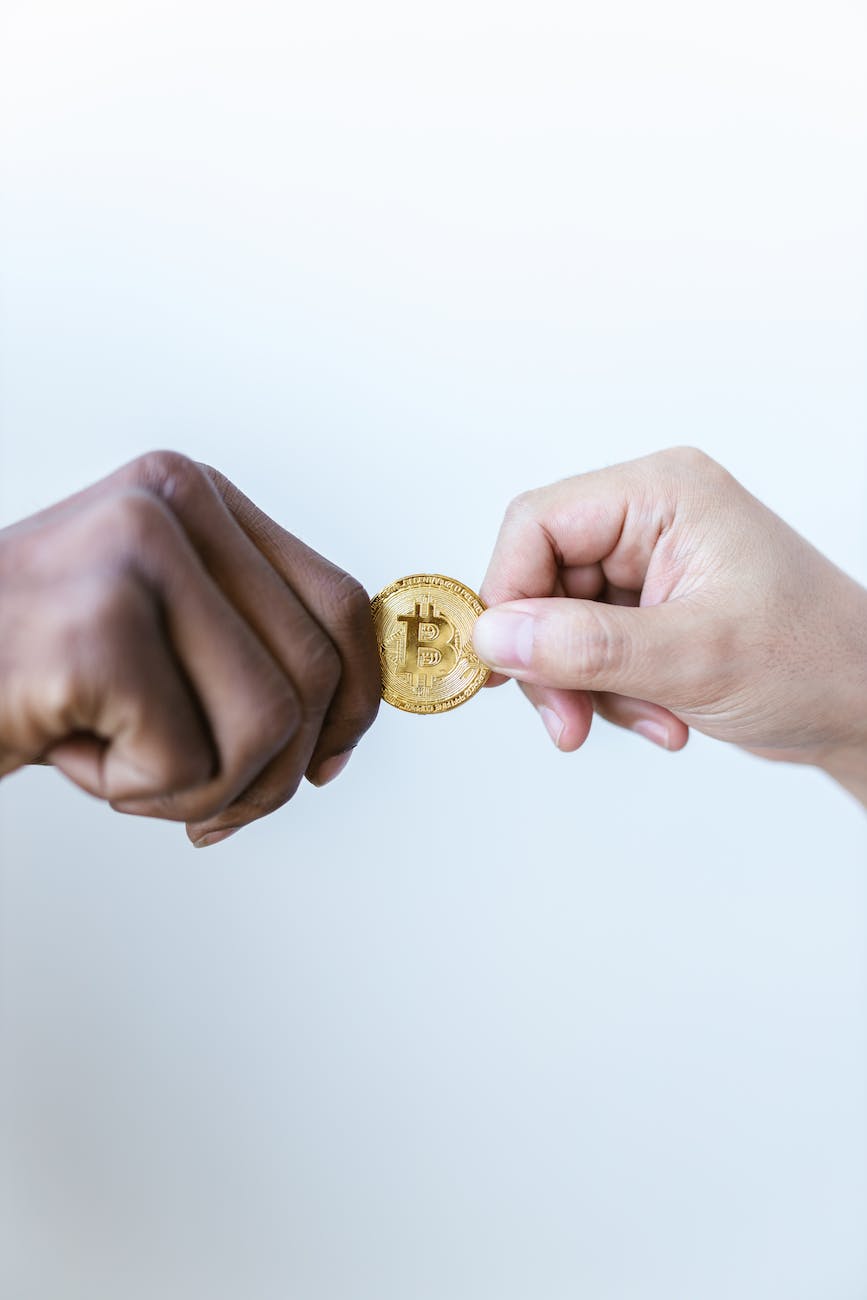
 The world of cryptocurrencies has grown exponentially, and with it, the emergence of various investment opportunities. In this article, we will delve into the potential of Reptoid coins as an investment option and explore the reasons why they might be worth considering in your investment portfolio. While analyzing the nuances of Reptoid Coins in ‘Profitable Paradise’, it’s essential to have the right tools at your disposal. Using platforms like FBC Edge can offer deeper insights into these investment opportunities.

What are Reptoid Coins?

Reptoid coins represent a novel category of cryptocurrency, drawing inspiration from reptilian-themed art, mythology, and cultural symbolism. Similar to well-established cryptocurrencies like Bitcoin, these coins are built upon blockchain technology. The unique reptilian theme has generated significant interest among both crypto enthusiasts and investors, resulting in a surge in popularity in recent times. As with other cryptocurrencies, Reptoid coins offer potential opportunities for financial transactions and investments within this distinct and evolving digital asset landscape.

Photo by Alesia Kozik on Pexels.com

Understanding the Appeal of Reptoid Coins

Unique Branding and Design

One of the primary reasons behind the growing interest in Reptoid coins is their unique branding and design. These coins feature captivating artwork and themes related to reptiles, which sets them apart from other cryptocurrencies. The creative and imaginative branding has attracted a niche community of investors who resonate with the reptilian symbolism.

Potential for High Returns

As with any investment, the potential for high returns is always a driving factor for investors. Reptoid coins have experienced significant price fluctuations, presenting opportunities for traders to capitalize on short-term price movements. However, it’s essential to remember that high returns come with higher risks, and investing in cryptocurrencies should always be approached with caution.

Community and Social Media Engagement

The success of any cryptocurrency project often relies on its community. Reptoid coins have fostered a vibrant and engaged community on social media platforms. This active community not only supports the project but also contributes to its growth and adoption.

Risks and Challenges

While the potential for high returns is enticing, it’s crucial to recognize the risks associated with investing in Reptoid coins.

Market Volatility

Cryptocurrency markets are well-known for their considerable volatility, with prices capable of experiencing sharp surges one day and sudden drops the next, which exposes investors to substantial risks. Reptoid coins, like other cryptocurrencies, are not immune to these market fluctuations. Therefore, investors should be well-prepared to handle such ups and downs to safeguard their investments effectively.

Lack of Regulation

The cryptocurrency industry is relatively new, and its regulatory landscape is continuously developing. As a result, Reptoid coins, similar to other alternative cryptocurrencies (altcoins), face limited regulatory oversight. This situation could potentially put investors at risk, as it may create opportunities for scams and fraudulent projects to emerge within the market. Thus, investors should exercise caution and conduct thorough research before investing in Reptoid coins or any other altcoins.

Limited Adoption

The success of cryptocurrencies often depends on their adoption and real-world use cases. While Reptoid coins have gained some traction, widespread adoption remains a challenge. As a result, their long-term potential may be uncertain.

Evaluating Reptoid Coins as an Investment

When considering Reptoid coins as an investment, it’s essential to conduct thorough research and due diligence.

Project Fundamentals

Examine the project’s fundamentals, including its whitepaper, development team, and road map. A transparent and well-documented project is more likely to inspire confidence among investors.

Community Sentiment

Monitor the sentiment within the Reptoid coins community and broader cryptocurrency forums. A positive and supportive community can indicate a healthy and thriving project.

Risk Management

Diversification is a key aspect of managing risks in any investment portfolio. Avoid putting all your funds into a single cryptocurrency, including Reptoid coins, and allocate your investments across different assets to mitigate potential losses.

Conclusion

Reptoid coins offer a unique and imaginative approach to the cryptocurrency market, attracting investors with their captivating themes and potential for high returns. However, investors must be cautious and fully aware of the risks associated with investing in this volatile and speculative market.As with any investment decision, thorough research and a balanced approach are crucial. The cryptocurrency market is dynamic and subject to constant change, making it essential for investors to stay informed and updated on developments in the space.

The Role of Ethereum in the Crypto Market Ecosystem

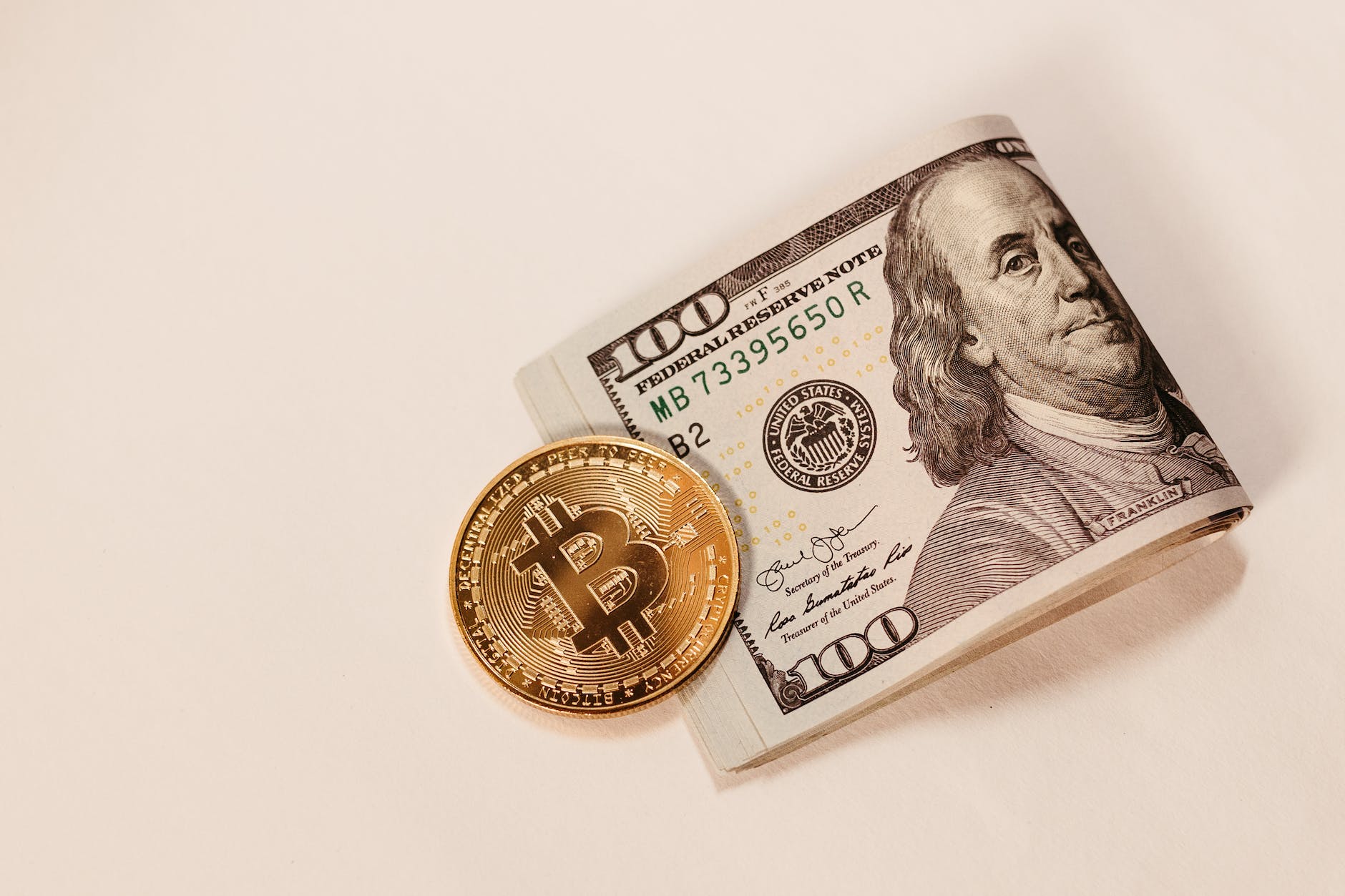
 In the ever-evolving landscape of cryptocurrencies, Ethereum has emerged as a pioneering force that has significantly shaped the entire crypto market ecosystem. Its innovative technology, smart contracts, and decentralized applications have not only revolutionized the way we perceive blockchain but have also established Ethereum as a driving force behind the broader adoption and acceptance of digital currencies. In this comprehensive article, we delve into the multifaceted role of Ethereum within the crypto market and its far-reaching implications. If Ethereum trading is your daily practice, make sure you don’t miss to check out Ethereum Code (Official App) and start trading using it. 

Introduction to Ethereum: Unveiling the Foundation

Ethereum, often referred to as the “world computer,” was conceptualized by Vitalik Buterin in 2013 and later introduced to the world in 2015. Unlike Bitcoin, which primarily functions as a digital currency, Ethereum serves as a decentralized platform for building and deploying smart contracts and decentralized applications (DApps). This fundamental difference positions Ethereum as a catalyst for a diverse range of applications beyond traditional financial transactions.

Photo by RDNE Stock project on Pexels.com

Ethereum’s Impact on Decentralized Finance (DeFi)

One of the most significant contributions of Ethereum to the crypto market ecosystem is its role in driving the growth of Decentralized Finance, or DeFi. DeFi encompasses a wide array of financial services and applications built on blockchain technology, including lending, borrowing, yield farming, decentralized exchanges, and more. Ethereum’s smart contract functionality provides the backbone for these DeFi protocols, enabling users to engage in financial activities without intermediaries.

The rise of DeFi has democratized access to financial services, allowing individuals from around the world to participate in a global, permissionless financial system. Ethereum’s openness and programmability have facilitated the creation of various DeFi projects that continue to innovate and reshape the traditional financial landscape.

Smart Contracts: Redefining Digital Agreements

Ethereum’s introduction of smart contracts revolutionized the way agreements are formulated and executed in the digital realm. Smart contracts are self-executing contracts with the terms of the agreement directly written into code. These contracts automatically enforce the terms without the need for intermediaries, reducing the risk of fraud and increasing efficiency.

Industries beyond finance are exploring the potential of smart contracts. Sectors like supply chain management, real estate, and healthcare are integrating Ethereum’s smart contracts to enhance transparency, traceability, and automation.

Ethereum’s Role in NFTs and Digital Ownership

Non-Fungible Tokens (NFTs) have taken the art and entertainment world by storm, and Ethereum lies at the heart of this cultural and technological shift. NFTs represent ownership of unique digital assets, such as art, music, and collectibles. These tokens are indivisible and tamper-proof, making them ideal for proving ownership and authenticity.

Ethereum’s ERC-721 standard paved the way for the NFT explosion, allowing creators to tokenize their work and connect directly with audiences. This innovation has redefined the concept of ownership in the digital age, empowering creators and collectors alike.

Scalability and Ethereum 2.0: Addressing Challenges

As Ethereum gained popularity, it faced scalability and energy-efficiency challenges. Ethereum 2.0, an upgrade currently underway, aims to address these concerns by transitioning from a Proof of Work (PoW) to a Proof of Stake (PoS) consensus mechanism. This upgrade will improve transaction throughput, reduce energy consumption, and pave the way for a more sustainable and scalable Ethereum network.

Interoperability and Future Prospects

Ethereum’s influence extends beyond its native ecosystem. The concept of interoperability, which allows different blockchain networks to communicate and share information seamlessly, has gained prominence. Ethereum’s compatibility with other blockchain networks enhances collaboration, opening doors for cross-chain DeFi and the development of a connected blockchain universe.

Looking ahead, Ethereum’s continued growth and development hold the potential to reshape various industries and contribute to the establishment of a decentralized internet.

Conclusion: Ethereum’s Enduring Legacy

In conclusion, emphasizing the pivotal role of Ethereum in the crypto market ecosystem is essential. This code serves as a valuable tool that simplifies interactions within the network, enhancing user experience and efficiency. Beyond this navigation enhancement, Ethereum has spearheaded a profound technological and financial revolution, catalyzing the creation of decentralized finance (DeFi) platforms that redefine traditional financial services. The introduction of smart contracts has further revolutionized the way agreements are executed and verified, while Ethereum’s contribution to the explosive growth of non-fungible tokens (NFTs) has reshaped digital ownership and artistic expression. Amid all these achievements, Ethereum remains committed to addressing scalability and sustainability challenges, striving to forge a more efficient and environmentally conscious future for blockchain technology.

WOJINU Unleashed: Exploring the Viral Phenomenon Shaking Up Cryptocurrency

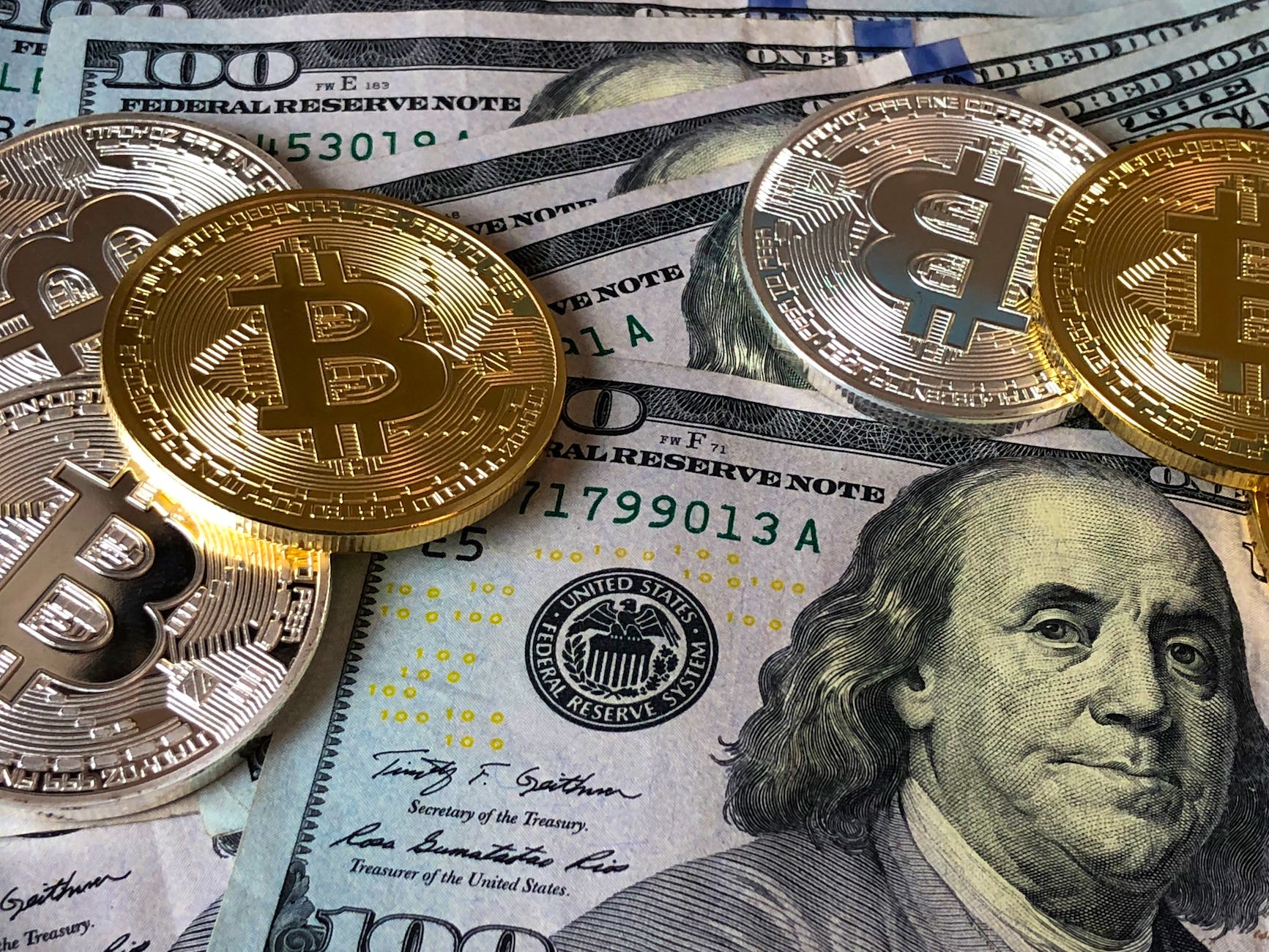
 Amidst the ever-evolving landscape of cryptocurrency, characterized by its constant influx of innovation, a particular phenomenon has emerged that is causing ripples of excitement. WOJINU, a prominent name that has swiftly seized the interest of investors, enthusiasts, and skeptics. Through its viral prominence and avant-garde strategies, WOJINU is redefining the conventional norms, prompting us to embark on an exploration of the captivating narrative that underlies WOJINU’s journey and its pivotal role in shaping the intricate tapestry of the digital financial domain. While the buzz around WOJINU continues to gain traction, those looking for a deeper dive into online trading can explore platforms like quantum-fbc.org for comprehensive insights.

The Genesis of WOJINU: A Breakthrough Concept

Central to every revolution is a transformative concept, and WOJINU encapsulates precisely that. It emerges from the imperative to connect conventional financial systems with the digital epoch, exemplifying a pioneering notion that fuses tangible real-world assets’ reliability with the boundless capabilities of blockchain technology. This ingenious methodology has not only attracted substantial spotlight but also prompted inquisitive reactions throughout the entire spectrum of cryptocurrency.

Photo by Anna Tarazevich on Pexels.com

The Mechanics Behind WOJINU: Bridging Real and Digital Assets

WOJINU’s uniqueness lies in its ability to tokenize real-world assets on the blockchain. This process involves converting physical assets such as real estate, precious metals, and even artworks into digital tokens, representing ownership rights. These tokens are then traded on a decentralized platform, providing investors with exposure to tangible assets without the traditional barriers of entry.

The underlying technology, often referred to as “asset tokenization,” revolutionizes how investments are made, democratizing access to a broader range of assets and fostering financial inclusion on a global scale.

The Viral Surge: Unleashing the Power of Social Media

What sets WOJINU apart from its counterparts is its rapid and widespread adoption, largely driven by an ingenious social media strategy. Harnessing the power of viral marketing, WOJINU’s team strategically leveraged social media platforms to create a buzz around the concept. This strategic move ignited a wave of curiosity and FOMO (fear of missing out), prompting individuals from all walks of life to dive into the cryptocurrency world through WOJINU.

Navigating Challenges: Regulators and Skeptics

As with any disruptive innovation, WOJINU faced its fair share of challenges. Regulatory bodies worldwide grappled with how to classify and regulate these novel asset-backed tokens. The complexity of bridging real-world regulations with the borderless nature of blockchain technology raised eyebrows and initiated crucial discussions around the future of decentralized finance.

Moreover, skeptics voiced concerns about the sustainability and stability of a system built on the intersection of physical and digital assets. However, WOJINU’s proponents argue that the meticulous asset backing and transparency inherent in its structure address these concerns head-on.

The Road Ahead: Shaping the Future of Cryptocurrency

Navigating a terrain characterized by its propensity for volatility, relentless innovation, and sporadic upheavals, WOJINU emerges as a resounding affirmation of humanity’s limitless inventiveness. Its trajectory has ignited profound dialogues, upended established conventions, and ushered in uncharted avenues of opportunity. As WOJINU’s evolution persists, its influence on our perspectives, investment strategies, and interaction with assets holds the potential to fundamentally reshape the underpinnings of the financial landscape as we know it.

Embracing the Evolution: Adapting to a Paradigm Shift

As the cryptocurrency realm continues to evolve, it becomes increasingly apparent that WOJINU’s influence extends beyond the digital tokens it represents. Its disruptive concept of merging real and digital assets serves as a reminder that innovation knows no bounds. From art galleries tokenizing masterpieces to fractional ownership of landmark properties, the boundaries of what can be tokenized and traded are continuously expanding.

Conclusion: WOJINU’s Enduring Legacy

In the grand tapestry of the cryptocurrency universe, WOJINU has etched a chapter that resonates with innovation, audacity, and a relentless pursuit of redefining possibilities. Its viral journey from obscurity to ubiquity stands as a testament to the power of a well-crafted idea backed by a strong vision.

The story of WOJINU is a reminder that within the vast expanse of the digital age, revolutions can sprout from the convergence of seemingly disparate realms. As we witness its impact unfold, one thing is certain: WOJINU has unleashed a viral phenomenon that will continue to reverberate through the corridors of cryptocurrency for years to come.

A Stablecoin for Every Occasion: HUSD's Versatility in a Volatile Market

 Amidst the rapid and dynamic nature of today’s financial landscape, the importance of ensuring stability and adaptability within the cryptocurrency market has grown significantly. The cryptocurrency market, renowned for its inherent volatility, frequently compels investors and traders to seek out a dependable and safe refuge that safeguards their valuable assets. Complementing this, HUSD, a distinctive stablecoin, further contributes to this pursuit of stability by offering a unique approach, thus establishing a comprehensive framework that nurtures stability for all types of investors. HUSD’s adaptability in the market is clear, and tools like the Immediate Peak App are becoming indispensable for traders navigating such volatility.

Understanding HUSD: A Stablecoin Revolution

What is HUSD?

HUSD is a fiat-backed stablecoin that stands out from the crowd due to its versatility and innovative design. Unlike other stablecoins that are pegged to a single fiat currency, such as the US Dollar, HUSD takes a different approach. It is backed by a diversified portfolio of stablecoins, which include but are not limited to USD Coin (USDC), TrueUSD (TUSD), and Paxos Standard (PAX). This unique blend ensures that HUSD remains stable across various market conditions and economic fluctuations.

Photo by Jonathan Borba on Pexels.com

The Versatility Factor

One of the standout features of HUSD is its versatility. In a market where stability is often elusive, HUSD provides a reliable option for users who require stability for different purposes. Whether you are a trader looking to mitigate risks during volatile market swings, a merchant seeking a consistent pricing mechanism for your products and services, or an individual looking to protect your savings from inflation, HUSD can cater to your specific needs.

The Benefits of Choosing HUSD

Mitigating Volatility Risks

HUSD acts as a shield against the inherent volatility of the cryptocurrency market. Its diversified backing ensures that it remains relatively stable, reducing the risk of sudden and drastic value fluctuations. This makes it an ideal choice for traders who wish to minimize their exposure to market volatility while still participating in the crypto space.

Seamless Transactions

With HUSD, transactions become more predictable and seamless. Users can confidently send and receive payments without worrying about value fluctuations during the transaction process. This is especially beneficial for businesses that rely on consistent pricing to provide their customers with a reliable shopping experience.

Hedging Against Inflation

Inflation is a concern that affects both traditional and digital currencies. HUSD offers individuals a way to safeguard their wealth from the erosive effects of inflation. By holding HUSD, investors can retain the purchasing power of their assets over time, regardless of external economic conditions.

Enhanced Accessibility

HUSD’s versatility extends to its accessibility. It can be used on various cryptocurrency exchanges and platforms, making it convenient for users to acquire and utilize. This accessibility promotes its adoption and contributes to its growing popularity in the crypto community.

How HUSD Works: A Closer Look

Creation and Redemption

HUSD operates on a transparent and straightforward creation and redemption mechanism. Users can mint HUSD by depositing a variety of stablecoins into the HUSD platform. These stablecoins are then aggregated and converted into HUSD at a 1:1 ratio. Conversely, users can redeem their HUSD for the underlying stablecoins, allowing for a seamless transition between the two forms.

Diversified Collateral

The foundation of HUSD’s stability lies in its diversified collateral pool. By holding a mix of stablecoins, HUSD ensures that it remains insulated from the volatility that may affect a single fiat currency. This approach adds a layer of security and resilience, making HUSD a reliable choice for those seeking stability in a dynamic market.

Embracing Stability in an Unpredictable Market

In conclusion, HUSD distinguishes itself as a prominent and resilient contender within the dynamic cryptocurrency landscape, owing to its exceptional adaptability and unwavering stability. As the cryptocurrency market undergoes constant transformation, the significance of possessing a steadfast stablecoin capable of withstanding market fluctuations becomes increasingly evident. This significance transcends various roles – from traders seeking reliability, to business proprietors aiming for consistency, and individual investors navigating the intricacies of the crypto realm. HUSD stands as a pivotal solution that adeptly bridges the gap between the conventional financial realm and the captivating, albeit uncertain, domain of cryptocurrencies, thereby fortifying one’s financial ventures with a steadfast and dependable tool.

MoneyToken (IMT) Adoption: Transforming the Way We Manage Money

 In a world where digitalization is rapidly becoming the norm, managing money has evolved beyond traditional means. Cryptocurrencies have emerged as a new and innovative way to handle finances, and among them, MoneyToken (IMT) stands out as a leading player. However, amidst the growing interest in digital currencies, it’s essential to be cautious about the platforms we choose. In this article, we delve into the adoption of MoneyToken (IMT) and explore how it is transforming the way we manage money. An Online trading platform, astral-edge.com is one such platform that has gained attention in the cryptocurrency space. 

Photo by RDNE Stock project on Pexels.com

Understanding MoneyToken (IMT)

MoneyToken (IMT) is a decentralized financial platform that facilitates loans and lending in the crypto space. Founded on the principles of blockchain technology, MoneyToken offers users the ability to leverage their digital assets while still maintaining ownership. The platform’s native token, IMT, plays a crucial role in ensuring seamless transactions and unlocks various benefits for its holders.

The Advantages of MoneyToken (IMT)

Collateralized Loans

One of the standout features of MoneyToken is its provision of collateralized loans. Unlike traditional lending systems that demand credit checks and extensive paperwork, MoneyToken accepts various cryptocurrencies as collateral, enabling users to borrow funds without undergoing the hassles of credit assessments.

No Credit Score Impact

In conventional financial settings, borrowing often affects the borrower’s credit score. However, with MoneyToken, this concern becomes a thing of the past. Since loans are backed by collateral, credit scores do not play a role in the borrowing process, making it an inclusive platform for individuals with limited or no credit history.

Cross-Border Transactions Made Easy

Sending money internationally can be expensive and time-consuming due to various intermediaries involved in the process. MoneyToken leverages the power of blockchain to enable instant and cost-effective cross-border transactions, regardless of geographical boundaries.

Earn Passive Income with Staking

IMT token holders have the opportunity to earn passive income by staking their tokens on the MoneyToken platform. Staking rewards participants with interest, creating an avenue for investors to generate additional income with their holdings.

Decentralization and Security

MoneyToken operates on a decentralized blockchain network, making it less susceptible to hacking and fraud. The blockchain’s immutability ensures transparency and security, providing users with peace of mind when managing their digital assets.

The Rising Popularity of MoneyToken (IMT)

The adoption of MoneyToken (IMT) has been on a steady rise, attracting users from various sectors of the financial world. Let’s explore the factors contributing to its growing popularity.

Trust and Reliability

MoneyToken has established a reputation for being a trustworthy platform. Its transparent and secure blockchain infrastructure has garnered the trust of both individual users and institutional investors alike.

Financial Inclusivity

Traditional financial systems often exclude individuals with limited access to credit. MoneyToken’s collateralized loan system opens up financial opportunities for a broader user base, enabling financial inclusivity on a global scale.

Lower Transaction Costs

Sending money across borders can incur significant fees through conventional channels. MoneyToken’s blockchain-based platform reduces transaction costs, making it an attractive choice for remittances and international transactions.

Growing Crypto Community

As the cryptocurrency community continues to expand, so does the demand for versatile financial tools. MoneyToken’s services cater to this growing community, providing a user-friendly gateway to leverage crypto assets.

Integration with DeFi Ecosystem

MoneyToken’s integration with the decentralized finance (DeFi) ecosystem has further enhanced its utility. Users can access a wide range of DeFi applications while benefiting from MoneyToken’s features, creating a symbiotic relationship within the blockchain space.

Use Cases of MoneyToken (IMT)

Instant Cash Flow Management

For entrepreneurs and businesses, managing cash flow is crucial. MoneyToken provides quick and easy access to funds through collateralized loans, allowing businesses to meet their financial requirements promptly.

Diversified Investment Opportunities

Investors can leverage their crypto holdings to access capital for diversifying their investment portfolio. By staking IMT tokens, they can also enjoy passive income, further enhancing their financial gains.

Cross-Border Remittances

Immigrants and expatriates can use MoneyToken to send money back home without incurring hefty fees. The platform’s fast and cost-effective cross-border transactions make it an ideal choice for remittances.

Cryptocurrency Arbitrage

Traders can take advantage of price differences between various cryptocurrency exchanges by using MoneyToken to access liquidity and execute arbitrage strategies.

Conclusion

MoneyToken (IMT) has undeniably transformed the way we manage money in the digital era. Through its innovative platform and blockchain-based approach, it offers financial inclusivity, lower transaction costs, and new investment opportunities to users worldwide. As cryptocurrencies continue to gain traction, MoneyToken’s adoption is expected to soar even higher, driving the shift towards a more decentralized and efficient financial landscape.

TLSD Coin's Journey: From Inception to Prominence

 In this comprehensive article, we will delve into the fascinating journey of TLSD Coin, from its inception to becoming a prominent player in the cryptocurrency market. TLSD Coin, short for “Tech-Led Sustainable Development Coin,” is a revolutionary digital asset that aims to address global environmental and social challenges through blockchain technology and sustainable development initiatives. Join us as we explore the milestones, accomplishments, and the future potential of TLSD Coin. Here is the official platform of Immediate Alpha which has been making crypto trading easy and moreover accessible to everyone across the globe. What is holding you back? Get started now!

The Genesis of TLSD Coin

The idea behind TLSD Coin was conceived in late 2018 by a group of visionaries who believed in the potential of blockchain technology to drive positive change in the world. They recognized the growing urgency of environmental and social issues and saw an opportunity to harness the power of cryptocurrencies for sustainable development. After months of research and discussions, the team laid the foundation for TLSD Coin in mid-2019.

Photo by David McBee on Pexels.com

Building the Ecosystem 

The early stages of TLSD Coin’s development were focused on building a robust ecosystem to support its vision. The team assembled a group of experts from various fields, including blockchain development, environmental sciences, finance, and marketing. Collaborations were established with NGOs and environmental organizations to ensure the alignment of TLSD Coin’s mission with real-world sustainability efforts.

Implementing Sustainable Practices

One of the core tenets of TLSD Coin is its commitment to sustainability. The team made a conscious decision to adopt environmentally friendly practices in every aspect of the project. They opted for a proof-of-stake (PoS) consensus mechanism, which consumes significantly less energy compared to traditional proof-of-work (PoW) systems. Additionally, a portion of the transaction fees is directed towards funding sustainable development projects globally.

The Road to Prominence 

TLSD Coin officially launched its mainnet in early 2020, marking the beginning of its journey towards prominence. The team strategically partnered with prominent exchanges to facilitate easy access to TLSD Coin for investors worldwide. As adoption grew, so did the community around TLSD Coin, with enthusiasts and supporters advocating for its positive impact on sustainability.

Weathering the Storms 

Like any new venture in the cryptocurrency space, TLSD Coin faced its fair share of challenges. Price volatility and market fluctuations tested the resilience of the project. However, the team’s unwavering dedication and commitment to the mission allowed TLSD Coin to weather the storms and emerge stronger.

Real-World Impact 

One of the most remarkable aspects of TLSD Coin’s journey is the tangible impact it has had on sustainable development projects. By directing a portion of transaction fees towards such initiatives, TLSD Coin has contributed to reforestation efforts, clean energy projects, and poverty alleviation programs across the globe. The transparent and auditable nature of blockchain technology ensures that the funds are utilized effectively and reach their intended beneficiaries.

Community Engagement 

A thriving community is at the heart of TLSD Coin’s success. The team recognized early on that fostering a supportive and engaged community is vital for sustainable growth. Regular updates, educational content, and interactive events were organized to keep the community informed and involved in the decision-making process.

Embracing Innovation 

In an ever-evolving industry like cryptocurrency, staying ahead of the curve is crucial. TLSD Coin embraced innovation and technology advancements to enhance its ecosystem. Smart contract capabilities were integrated to enable decentralized applications (DApps) focused on sustainability. The team also explored cross-chain interoperability to extend TLSD Coin’s reach to multiple blockchain networks.

Regulating with Responsibility

As TLSD Coin gained prominence, regulatory compliance became a top priority. The team worked closely with legal experts to ensure that the project adhered to all relevant regulations and guidelines. Emphasizing transparency and compliance has helped build trust among users, investors, and regulatory authorities.

Looking Ahead 

The future of TLSD Coin holds immense promise. The team envisions a world where cryptocurrencies play a significant role in driving sustainable development and addressing global challenges. The continuous expansion of partnerships, development of innovative solutions, and community-driven initiatives will pave the way for TLSD Coin’s continued growth and impact.

Conclusion 

In conclusion, TLSD Coin’s journey from inception to prominence is a testament to the power of blockchain technology when harnessed for the greater good. Through a strong focus on sustainability, responsible practices, and community engagement, TLSD Coin has positioned itself as a leader in the sustainable development space. As it continues to make a real-world impact and inspire positive change, TLSD Coin stands tall as a shining example of what can be achieved when vision and technology unite for a better tomorrow.