Women Entrepreneurship Platform – NITI Aayog State Workshop on Women-Led Development

 The inaugural edition of the Women Entrepreneurship Platform (WEP) – NITI Aayog State Workshop Series on Enabling Women-led Development through Entrepreneurship was organized at CSIR-National Institute of Oceanography (NIO) Auditorium, Goa on 3rd October 2023. The workshop was held in collaboration with the Government of Goa with a focus on the western region of the country.

The workshop recorded over 500 participants, including women entrepreneurs, local self-help groups (SHGs) and clusters, government officials, industry representatives, incubators/accelerators, financial institutions, philanthropic foundations, and more. The primary focus was deliberating on a hub-and-spoke model aimed at extending women-led development to grassroots levels, covering the last mile. Eminent dignitaries, including Dr. Pramod Sawant, Hon’ble Chief Minister of Goa, Dr. V. K. Saraswat, Member, NITI Aayog, and Shri B.V.R Subramanyam, CEO, NITI Aayog, graced this landmark workshop.

Dr Pramod Sawant, Honorable Chief Minister, Government of Goa, stated that the Goa State Vision 2047 will be prepared with help from NITI Aayog. Celebrating the three-year milestone of the Swayampurna Goa initiative, Dr. Sawant emphasized its focus on skill development and the deployment of “Swayampurna Grameen Mitras” for the doorstep delivery of government services in every block and Panchayat. Furthermore, the Chief Minister reiterated the role of women in socio-economic progress, announcing the Swayampurna e-bazaar during Dussehra, aimed at expanding market access through Common Service Centres.

Highlighting NITI Aayog’s mandate for cooperative federalism, Dr. V.K. Saraswat, Member, NITI Aayog, emphasized the pivotal role of states in driving the nation’s growth. He emphasized three key priorities: maintaining the employment-to-education ratio, promoting women’s entrepreneurship, and restructuring the workforce

NITI Aayog CEO, B. V. R. Subrahmanyam, reaffirmed the central government’s unwavering commitment to women-led development as the top priority. He underscored NITI Aayog’s support in assisting state governments to set up institutions like itself in each state “It need not necessarily be a separate institution; it could be a department or an existing body. But just make it the central point to think and plan for the future. Its staff should not be engaged in any other work,” he said while urging states to tap the expertise at NITI Aayog.

A series of new collaborations were announced to support women entrepreneurs. Key highlights are the partnership between the Institute of Chartered Accountants of India (ICAI) and NITI Aayog; the launch of Udyam Uplift – an initiative of CAxpert to strengthen compliance among women-led businesses and the launch of the first two cohorts under WEP’s Award to Reward(ATR) initiative. The first ATR cohort led by WEP Partners Microsave Consulting and SIDBI titled WEP-Unnati is accepting applications from green entrepreneurs pan-India. The second cohort titled WeNurture would be led by Atal Incubation Centre – Goa Institute of Management.


***
International Research Conference on ‘From research to impact: Towards Just and Resilient Agri-Food Systems’

 President of India, Smt. Droupadi Murmu, will inaugurate the international research conference, From research to impact: Towards just and resilient agri-food systems, on October 9, 2023 at NASC Complex, Pusa in New Delhi. The four-day long conference is hosted by the CGIAR GENDER Impact Platform and the Indian Council of Agricultural Research (ICAR). The two institutions are joining forces to leverage national and international research to ensure that women take up their rightful leadership roles and spearhead the transformation of agriculture and food systems everywhere. Other honorable key speakers will include Minister of Agriculture & Farmers Welfare Shri Narendra Singh Tomar; India’s G20 Sherpa Shri Amitabh Kant; and CGIAR interim Executive Managing Director Professor Andrew Campbell.   

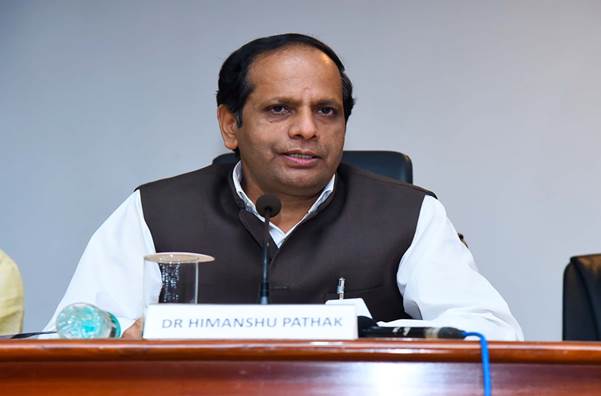
Briefing media about the conference today, Director General of Indian Council of Agricultural Research (ICAR) Dr Himanshu Pathak said that the conference, and its theme, is significant in wake of the recent G20 Summit that unequivocally endorsed women-led development. “This includes recognizing and promoting leadership and decision-making roles for women in relation to climate change, food security and nutrition”, Dr. Pathak added.

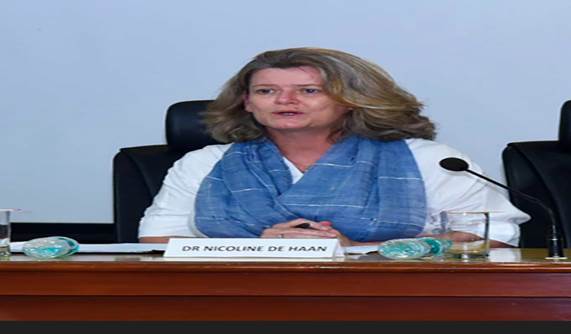
The conference is designed to share cutting-edge knowledge and bridge the gap between research and practice to foster gender-equal and socially inclusive, resilient food systems, added Dr Nicoline de Haan, Director of the CGIAR GENDER Impact Platform.

“Globally, gender inequality in agri-food systems remains a very significant challenge – and current inequalities are being made worse by crises such as COVID-19 and climate change. Overall, women are often less food secures than men, and they are hit harder by external shocks, such as floods and droughts. We are combining research, evidence and practical understanding to guide policy-makers and investors towards best-bet solutions that can help us get on track to achieve global goals on gender equality and women’s empowerment,” Dr de Haan added.

In this conference, the CGIAR GENDER Impact Platform and the Indian Council of Agricultural Research are convening a one-of-a-kind global network of gender researchers and bringing them together with other researchers, practitioners and policymakers to take stock of agricultural gender research to date and propose innovations that can help make agri-food systems more equitable, just and resilient.

More than 140 oral presentations, 85 posters, 25 high-level plenary and keynote speakers as well as 60 parallel sessions will be featured in this event. International exhibitors and Indian women entrepreneurs will showcase their work and innovations. Conference delegates will represent a wide range of research institutes, national agricultural research and extension systems, non-government organizations, civil society organizations, funding partners, policy-making bodies and the private sector.

ICAR, accompanied by CGIAR and other research partners, continues to guide and shape the future of India’s 126 million smallholder farmers. As a CGIAR Impact Platform, GENDER aims to broker knowledge to co-create agricultural solutions that work for women and contribute to equitable, resilient and prosperous societies. Partnering with ICAR, one of the world’s biggest national agricultural research and extension systems, offers CGIAR and its research partners a unique and welcome opportunity to collaborate, connect with on-the-ground demand and achieve large-scale impact.

ICAR, with its 113 ICAR institutes and 76 agricultural universities spread across India, will play an essential role in identifying evidence-based priorities and innovations that can translate the G20 commitments on women’s leadership on climate action, food security and nutrition into positive outcomes for women and men farmers, as well as for entire communities. CGIAR can contribute to this process by providing world-class expertise, evidence and proven solutions.

*****

Rising economic growth and strengthening partnership

 Union Minister of Commerce & Industry, Consumer Affairs, Food & Public Distribution and Textiles, Shri Piyush Goyal expressed confidence in strengthening UAE-India Partnership. While addressing at a meeting with top Business Leaders from India & UAE hosted by Abu Dhabi Chamber, the Minister said that rising economic growth of the two countries and strengthening partnership offers opportunities for businesses on both sides to tap into for faster growth.

Shri Goyal emphasized the UAE’s pivotal role in this partnership, citing it as India’s second-largest export destination, third-largest trade partner, and the largest investor in terms of foreign direct investment. The Comprehensive Economic Partnership between the two countries forms a strong foundation for collaboration, he said. Both nations share a rich history, culture, and tradition, combined with present-day capabilities and future possibilities, which the Minister believes will provide the impetus for this partnership to thrive.

Shri Piyush Goyal said that the crucial areas of collaboration between India and UAE range from food security, education, energy security, climate change mitigation to space technologies. The promotion of each other’s cultures and initiatives like the Startup20, B20, the UAE-India Business Council and Bharat Bazaar were also highlighted by the Minister. 

The Minister stated India’s role as a large market with 1.4 billion aspirational citizens, presenting a significant opportunity for businesses in the UAE. He outlined the “30 by 30 by 30” opportunity, with India’s average age being under 30 for the next 30 years and a goal to add $30 trillion to its GDP by 2047. He encouraged businesses to seize these opportunities and collaborate in the spirit of cooperation and competition.

Shri Goyal emphasized the warmth of the welcome he received and the infectious enthusiasm to bolster the UAE-India partnership. The Minister said that the incredible love and affection that the people of India and the people of the UAE have for each other, along with the immense contribution that businesses are making to strengthen this geopolitical strategic partnership, is set to make this the defining partnership and brotherhood of the 21st century.

He said that India has witnessed remarkable economic growth over the last nine years  under the leadership of the Prime Minister Shri Narendra Modi, transforming from one of the fragile five economies globally to now being the world’s fifth-largest economy. Shri Goyal highlighted this impressive journey and the ambitious goal of becoming the world’s third-largest economy within the next four years. He termed the next 25 years as the golden period for India’s development.

In his closing remarks, Shri Piyush Goyal compared the UAE-India partnership to a rising tide lifting all boats and expressed his belief that the growing friendship and cooperation between the two nations will offer tremendous opportunities for businesses on both sides.

***

Virtual Certificate Course in Research Methodology

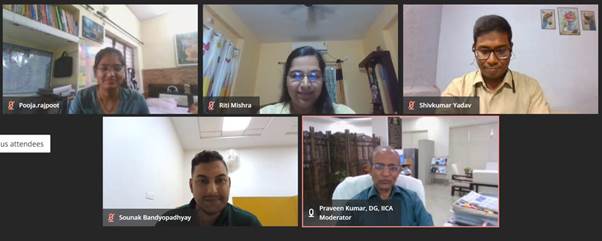
 The Valedictory Programme of the first batch of the three months virtual Certificate Course in Research Methodology conducted by Knowledge Resource Centre at Indian Institute of Corporate Affairs (IICA) was held on Wednesday. The course had started on July 7th and was conducted online via Blackboard in October. The event was graced by esteemed dignitaries and witnessed the culmination of this unique programme. 

Chief Guest Shri Praveen Kumar acknowledged the corporate institution IICA’s role in the research field and shared his appreciation for the feedback from the participants and the successful completion of the programme’s first batch. Shri Kumar also presented digital certificates to the participants in recognising their achievements.

Prof. Sangeeta Jauhari, the Guest of Honor, Pro V C Rabindranath Tagore University, Bhopal, highlighted the significance of quality research in the current scenario, emphasising its value and impact.

Earlier, moderating the function, Dr. Lata Suresh, Course Director, IICA, introduced all the participants and thanked them for actively participating in the programme. Dr. Suresh also acknowledged the dedication and collective efforts of the esteemed faculty members, including Ms. Oluwatoyin Oyekenu, Dr. Santosh H, Dr. Sumit Narula, Ferdinand, Dr. Adesh Chaturvedi, and Dr. Ameer Hussain.

The students shared their positive feedback on the course, reflecting on their experiences and the knowledge they’ve gained and gathered much knowledge in the field of research methodology and writing research proposals.

The programme concluded with a vote of thanks, expressing gratitude to all attendees, guests, faculty, and participants for their contributions and support in making the First Batch of the Certificate Course in Research Methodology a success.

****

FROM FINDING HISTORY TO MAKING HISTORY

 Archaeological Survey of India (ASI) is planning to establish gift shops in its monuments creating an opportunity for the Cultural and Creative Industries to work closely with the monuments. ASI intends to leverage souvenirs for generating interest and promotion of heritage monuments.

In order to enhance interest and recognition of Indian cultural crafts and heritage leading to their conservation, development and sustaining livelihood of the associated artisans and their communities the ASI has released an Expression of Interest on www.eprocure.gov.in and www.asi.nic.in. An entire list of 84 monuments is available on the EOI.

For the past two years the ASI has been deliberating the policy for running high quality souvenir shops at monuments of national importance. The souvenir shops intend to provide a visitor experience that the people of India can engage with in order to connect with their heritage. Souvenir varieties will range from replicas of highlighted features of the site, such as architectural fragments, important sculptures, inclusion of One District One Product (ODOP) and artifacts of antiquarian value. Besides replicas, this souvenir shop can serve as a playground for creative ideas where craftspeople, artisans, corporate conglomerates, boutique manufacturers and startups can participate in manufacturing items that speak directly to the culture of India.

This public amenity was formerly provided by the ASI in the form of a publications counter. This humble publication counter now will evolve into a more multidimensional offering for the general public where the scope of the souvenirs will be defined by the ASI with academic support in better understanding a monument.

The intent of the ASI in this EOI is beyond a simple gift shop which only sells magnets and souvenir mugs. Instead interested parties are encouraged to imagine far more exciting offerings using technology and historic techniques that are regionally important and globally relevant. From the use of 3D printing for creating replicas, inclusion of One District One Product (ODOP) products, to redeveloping and packaging old games of Ancient and Medieval India, could expand the relevance of souvenirs that are well thought out.

Link for Expression of Interest is given below:

www.eprocure.gov.in  and www.asi.nic.in.

****

Regional Community Health Officers starts at Nashik, Maharashtra

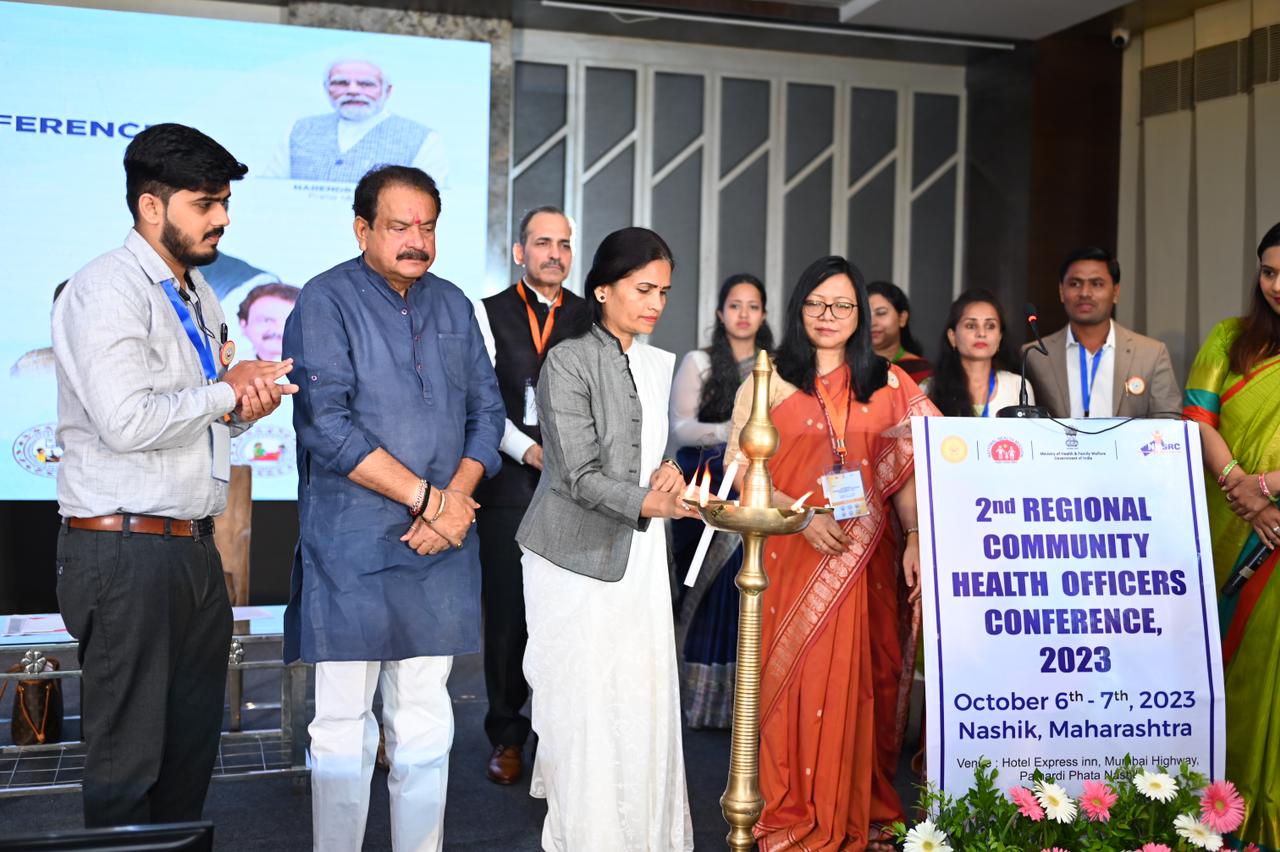
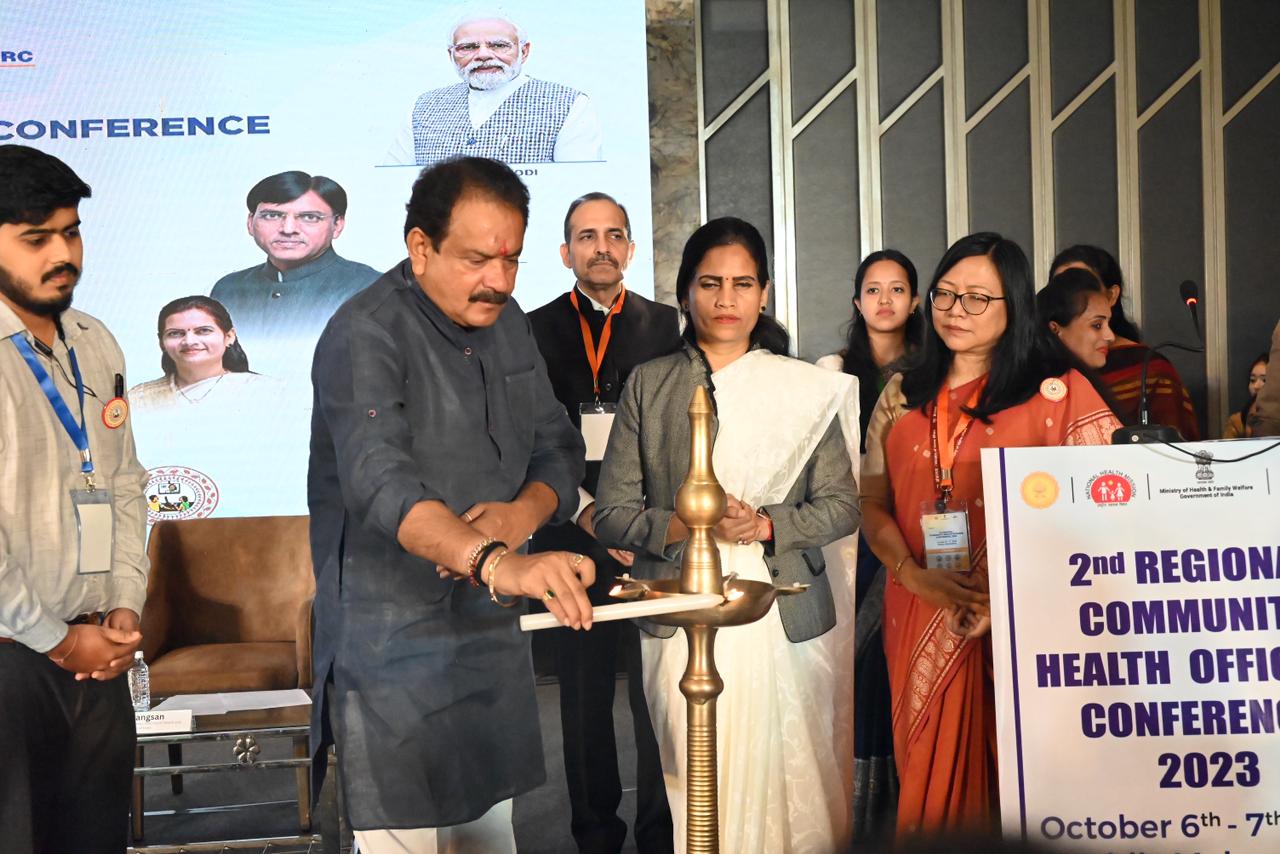
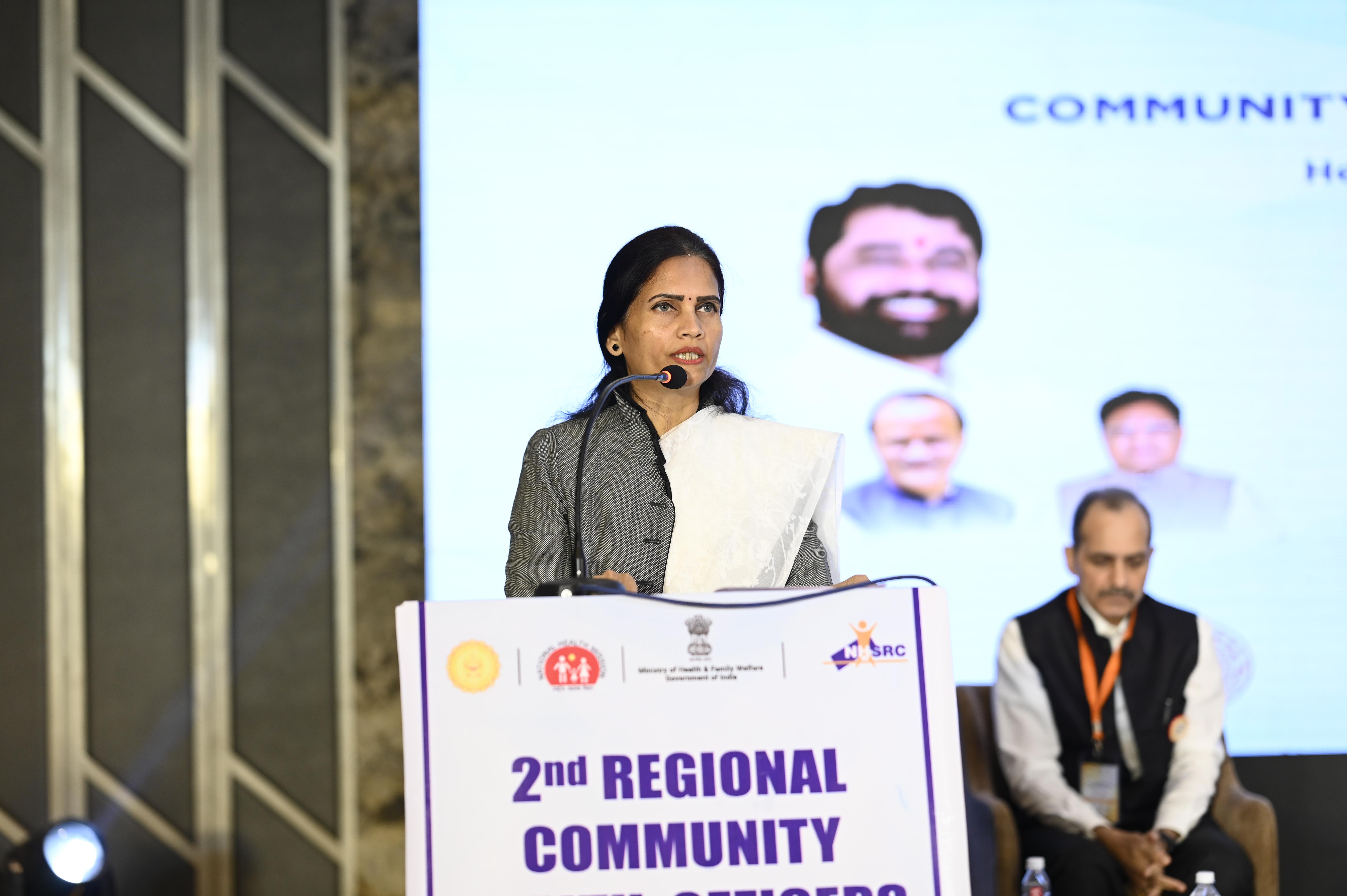
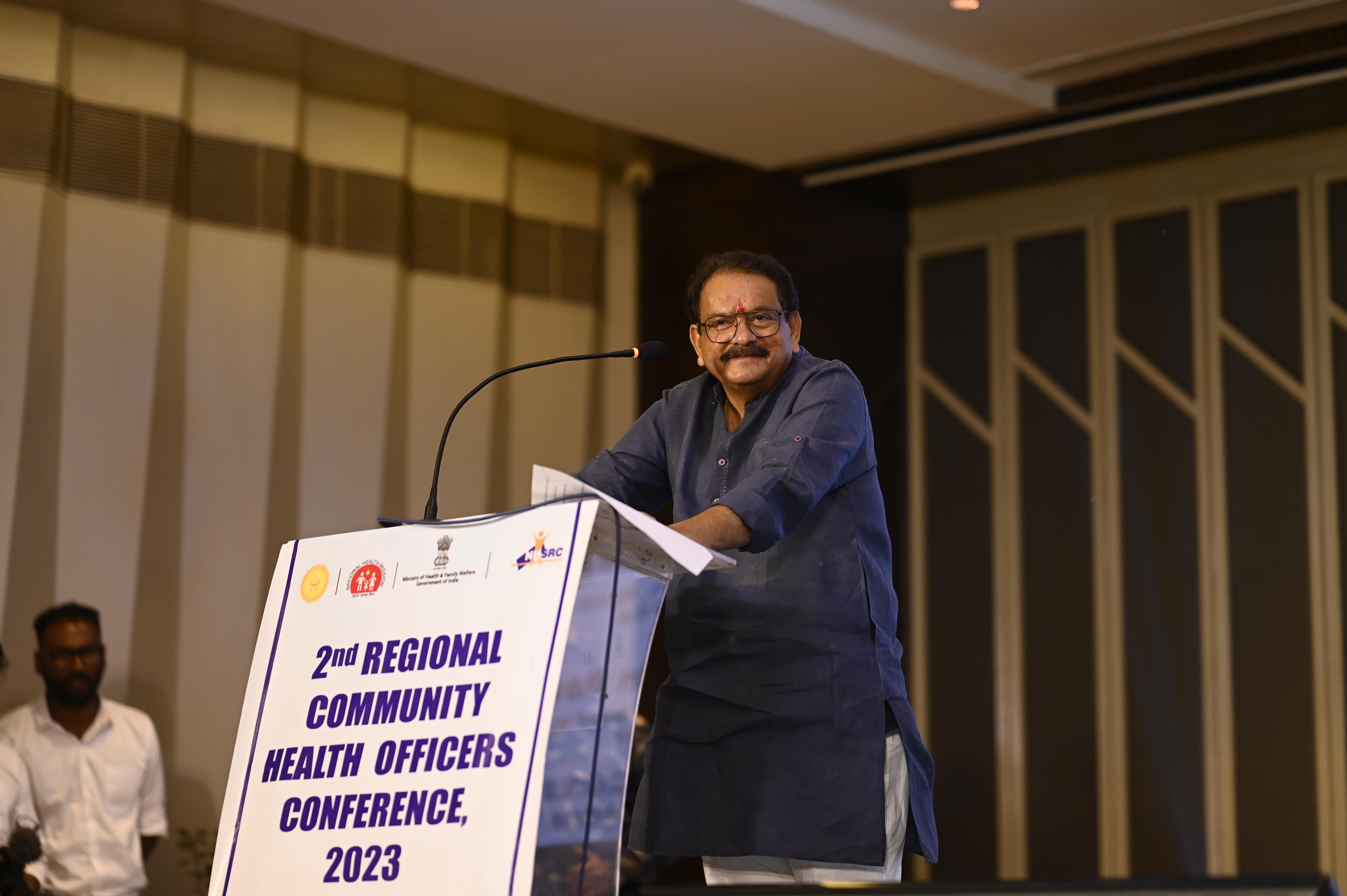
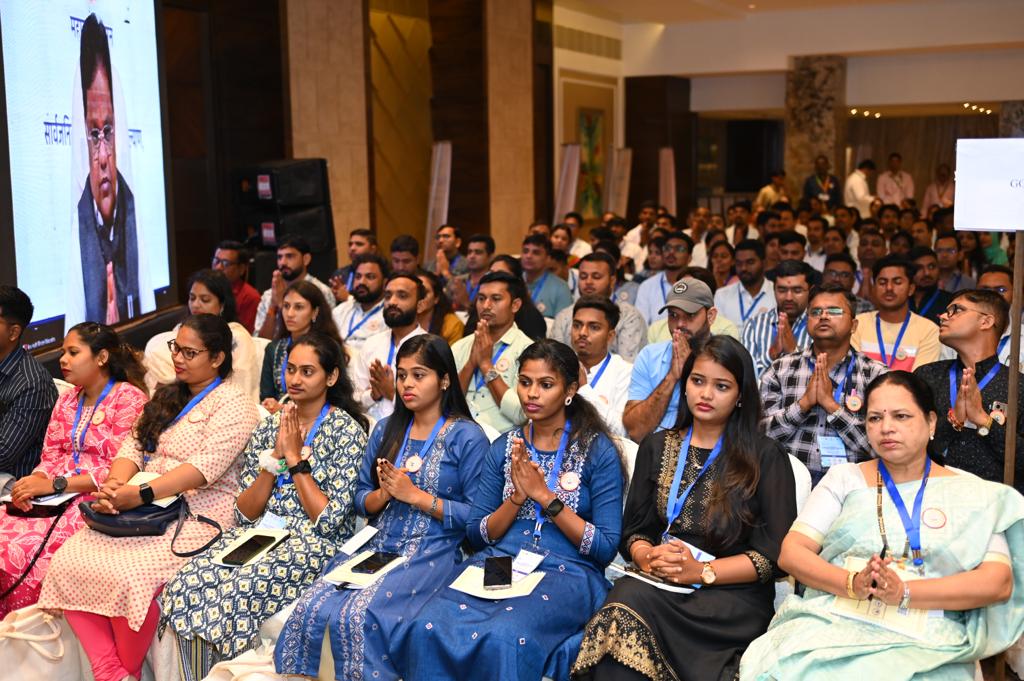
 The second Regional Community Health Officers (CHO) Conference was jointly inaugurated by the Minister of State for Health and Family Welfare Dr. Bharati Pravin Pawar and Prof. S.P. Singh Baghel, at Nashik in Maharashtra today.  This conference is being held for the second time after the success of the first regional CHO conference in Varanasi in December 2022. This time of the CHO Conference was “Towards Health For All- CHOs leading the way” has been organized for western India states and UTs such as Maharashtra, Gujarat, Karnataka, Goa and Dadra & Nagar Haveli, and Daman & Diu.

Welcoming all CHOs, Bharati Pravin Pawar said, CHOs have been leading the key healthcare reforms such as promotion of wellness, early disease detection through screening, availability of diagnostics and drugs, use of technology such as tele-consultation to ensure continuum of care. Health and Wellness Centres play an important role by providing free primary health care facilities to all, she said.  Promotive, preventive, curative and rehabilitative healthcare services are provided in these centres. “The CHOs play an important role in this initiative of the Government of India of providing universal health coverage to all. She said that the dedication of CHOs towards ensuring good health of all brings about long-term benefits and is a cornerstone for the country’s progress and prosperity. We have strong healthcare system to face future healthcare challenges, but for the best results, CHOs cooperation is needed”, Dr Bharati Pravin Pawar said.

Government of India has taken up many missions like Eradication of Tuberculosis  by 2025, to eradicate sickle cell disease by 2047 and many more. She urged all CHOs and health care workers to add impetus to these missions, so that socio-economic indicators of health like livelihood, nutrition, access to education, cleanliness and connectivity can also be stressed upon.


Speaking on the occasion, Dr. Bharati Pravin Pawar stated that the country is moving towards realizing the commitment of ‘Universal Health Coverage’ which will in-turn ensure fulfilling Pradhan Mantri Shri Narendra Modi’s vision of ‘Healthcare For all’. The Union MoS (H & FW) explained that universal health coverage means access for all to quality healthcare services where and when one may require it. “Equity, accessibility, affordability are important parameters of universal health coverage. The historic Ayushman Bharat programme based upon four important pillars – Ayushman Bharat Health and Wellness Centres, PM-Jan Arogya Mission, PM Ayushman Bharat- Health Infrastructure Mission, and Ayushman Bharat Digital Mission are focused on ensuring that the last mile gets the access to healthcare facilities the involvement of  community health care planning to achieve the status of ‘Ayushman Gram Panchayat’ or ‘Ayushman Bhav’ initiative is a great example of it.

Dr. Bharati Pravin Pawar further said that the share of out-of-pocket expenses in overall healthcare expenditure has dipped from 62% in 2014-15 to 47% in 2019-20. This shows progress towards ensuring financial protection and universal health coverage for citizens.

Speaking about the deliberations of earlier CHO Conference held at Varanasi, MoS (H& FW) Dr. Bharati Pravin Pawar stated that an important issue that was deliberated then was the provision of a training portal, where all CHOs can have access to presentations, reading materials etc. and developing and sharing of a repository of various online study materials. She also assured that this issue has been addressed by the Health Ministry and all modules on expanded packages of materials for CHOs are available for registered users on Shashakt portal and NHSRC portal as well.

Minister of State (Health and Family Welfare) Prof. SP Singh Baghel hailed the community health workers coming from different states and UTs of western India for their service towards humanity and said that they are in a noble profession where they take care of people’s health. He said that the health workers in our country, starting from doctors to paramedics to nurses to ambulance drivers, had given an excellent service to the people during the pandemic days, notwithstanding any health hazards.

The Minister of Public Health and Family Welfare, Government of Maharashtra Prof Dr Tanajirao Sawant had virtually addressed in the inaugural session. The dignitaries present in the inaugural session included Additional Secretary and Mission Director, Union Ministry of Health and Family Welfare, Smt L S Changsan and Executive Director, National Health Systems Resource Centre, Maj Gen (Prof) Atul Kotwal.

The two-day conference will focus on the four following themes: Clinical & public health functions, Managerial functions, Community connect & AYUSH integration, and IT initiatives. On the second day of the workshop, CHOs from west zone states will make presentations on the four themes and eminent experts will speak on comprehensive primary health care.

**** 

Left Wing Extremism

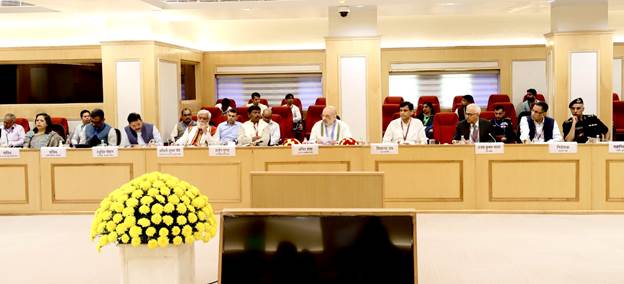
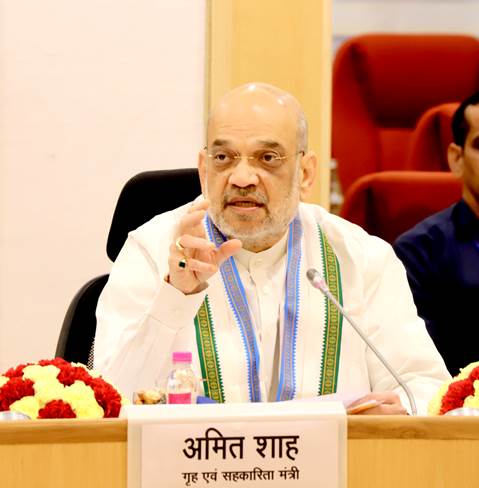
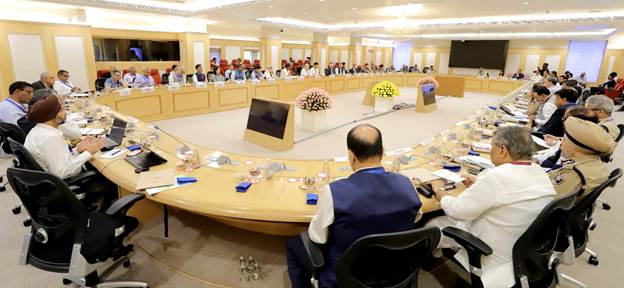
 Union Home Minister and Minister of Cooperation, Shri Amit Shah along with the Chief Ministers and Deputy Chief Ministers and other concerned officials of Left Wing Extremism affected states, chairs a review meeting on Left Wing Extremism in New Delhi, today. Union Ministers, National Security Advisor, Union Home Secretary, Director Generals of Central Armed Police Forces (CAPFs), Secretaries to the Central Government, Chief Secretaries of States, Director Generals of Police and other senior officials also attended the meeting.

In his address, Union Home Minister said that under the leadership of Prime Minister Shri Narendra Modi, success has been achieved in curbing leftist extremism in the last few years and now this fight has reached to a decisive phase. He said that with the determination of Prime Minister Modi and the cooperation of all the states affected by Left Wing Extremism, major successes have been achieved against it in 2022 and 2023. He said that Left Wing Extremism will be completely uprooted in next 2 years.

Shri Amit Shah said that vacuum areas have been shrinking since 2019, we have established 195 new camps of CAPFs, 44 more new camps will be established. Shri Shah said that the deployment of Central Armed Police Forces (CAPFs) against left-wing extremism, rationalization of development and setting up camps in vacuum areas are the priorities of the Modi government.

Union Home Minister and Minister of Cooperation said that there is a need to maintain constant surveillance in the areas liberated from Left Wing Extremism so that this problem does not revive there again. He said that there is also a need to monitor that left wing extremists from areas where this problem has been eliminated do not take shelter in other states.

Shri Amit Shah said that the Modi government has adopted a policy of zero tolerance against left wing extremism since 2014. He said that As a result of our zero tolerance policy, the lowest level of violence and deaths has been recorded in 2022 in last 4 decades. There has been a decline of more than 52 per cent in Left Wing Extremism related violence, 69 per cent in deaths, 72 per cent in security forces deaths and 68 per cent in civilian deaths between 2014 and 2023 compared to the period from 2005 to 2014.

Union Home Minister said that the National Investigation Agency (NIA) and the Enforcement Directorate (ED) are working closely with all state agencies to attack the financing of Left Wing Extremism. He added that all the affected states need to make efforts by forming a joint team of civil and police administration to dismantle the network of financial support of Left Wing Extremism. He said that the Modi government had increased the ex-gratia amount for victims of Left Wing Extremism from Rs 5 lakh to Rs 20 lakh in 2017, now it has been further increased to Rs 40 lakh.

Shri Amit Shah said that the Modi government is taking several steps to speed up the development in Left Wing Extremism-affected states. He said that special attention is being given to areas like road construction, telecommunication, financial inclusion, skill development and education. Shri Shah said the Centre government has launched more than 14,000 projects under the Special Central Assistance (SCA) scheme to accelerate development in the districts most affected by Left Wing Extremism. He said more than 80% of these projects have been completed and Rs 3,296 crore has been released to Left Wing Extremism-affected states under the scheme. He said under the Special Infrastructure Scheme (SIS), projects worth Rs 992 crore have been sanctioned for the construction of Fortified Police Stations, strengthening of State Intelligence branches and Special Forces of Left Wing Extremism-affected states. In last 9 years, Modi government has increased the Security Related Expenditure (SRE) by more than double in comparison to the earlier period.

A glimpse at the data on the significant decline in violent incidents of Left Wing Extremism from 2014 to 2023 as compared to 2005 to 2014-


Security achievements related to Left Wing Extremism


Indicators

From May 2005-April 2014

From May 2014- April 2023

Percent Decline

Total Incidents of violence

14,862

7128

52% Decline

Left Wing Extremism related deaths

6035

1868

69% Decline

Security Personnel’s Deaths 

1750

485

72% Decline

Civilian Deaths

4285

1383

68% Decline

Districts reporting violence

96 (2010)

45 (2022)

53% Decline

Police Stations reporting violence 

465 (2010)

176 (2022)

62% Decline


***


Efficient Resolution of Pending Matters and Office Cleanliness to Enhance Citizen Convenience

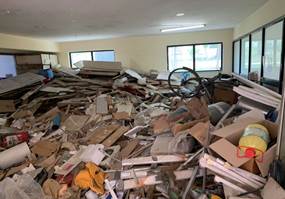
 Under the Special Campaign 3.0, the Ministry of Labour and Employment has set targets to liquidate pendency in the MP’s Reference, References from State Governments, Inter-Ministerial References, Parliamentary Assurances, PMO references, Public grievances and Public grievances Appeals. Ministry is also set to review the existing rules and procedures so as to reduce the compliance burden and promoting ease of living for the citizens. Further, Ministry is aiming at overall cleanliness of its offices with special focus on space management and enhancing work experience in subordinate offices /attached offices/ autonomous bodies under it.

The Preparatory phase of the campaign (from 15th September, 2023 to 30th September, 2023) ended with Ministry setting targets for liquidating pendency, review of existing rules, disposal of pending matters and cleanliness of which following are crucial targets:

More than 5 lakhs physical files are to be reviewed.

More than 1500 sites across the nation to be cleaned creating more than 1.75 lakh    sq. ft. of space.

More than 50 lakh rupees of revenue to be earned from the disposal of scrap and redundant materials.

This ambitious undertaking is expected to yield substantial results. During the preparatory phase senior officers were directed to channel their utmost efforts into achieving the predetermined targets during the campaign period. As part of the Swachhata Hi Seva Campaign, the Secretary of Labour and Employment administered the Swachhata pledge to all Ministry officials, underscoring the commitment to foster a clean and garbage-free India.

In Implementation phase that runs from 2nd October, 2023 to 31st October, Ministry is diligently tracking the progress towards achievement of the set targets and updating progress reports on daily basis. 

*** 


Department of Biotechnology

 The Department of Biotechnology is committed to reducing pendency of matters like VIP references, public grievances, record management, disposal of scrap and freeing up and beautifying office and outdoor spaces. With a view to this the Department and its autonomous bodies and PSUs (total locations 17) have started the work in full swing.

Under the Campaign the Department and its ABs and PSUs have identified more than 23,000 physical files and 700 e-files for review. Of the identified physical files more than 14,000 file have been reviewed and more than 13,000 files have been identified for weeding during the 1st week of the Campaign. Out of 700 e-files, 134 files have been closed. About 25,000 sq.ft of space has been freed and is being utilized as children-park and recreational area. 70% of VIP references have been disposed off so far. More than 50% of pending public grievances have been replied to.


The Department is actively utilizing social media for posting various activities under the Campaign across all its institutions. So far more than 60 tweets have been issued by the Deptt. and its ABs.

The Campaign activities and progress is being reviewed regularly by the Nodal Officer of the Deptt. and Secretary, Department of Biotechnology to ensure that all the pending matters are disposed expeditiously.

*****

Enhance Workspace Efficiency and Resolve Pending Matters

 To bolster workspace management, foster a more productive environment, and address pending matters, the Ministry of Skill Development & Entrepreneurship (MSDE) announces its active participation in Special Campaign 3.0. This groundbreaking initiative is aimed at decluttering and enhancing efficiency within national institutes, organizations, research councils, subordinate entities, and its own premises. 

The journey towards Special Campaign 3.0 commenced on October 2, 2023, with the identification of crucial targets to be addressed during this campaign period. Special campaign 3.0 lays a special focus on achieving space management and elevating the workplace experience in offices. This campaign represents a significant step forward in maintaining the highest standards of cleanliness and operational excellence.

During the preparatory phase of Special Campaign 3.0, MSDE set ambitious targets to reduce pendency and resolve all pending matters within the campaign’s duration. As per the Ministry’s records, the current pendency stands as follows:

  • References from MPs: 24
  • Parliamentary Assurance: 4
  • IMC Reference (Cabinet Proposals): 3
  • State Govt. References: 3
  • Public Grievances: 201
  • PMO References: 2

MSDE is fully committed to disposing of all these pending matters during the Special Campaign 3.0, emphasizing its dedication to efficiency and accountability. In preparation for the campaign, Shri Atul Kumar Tiwari, Secretary, MSDE reviewed the progress of the initiative with all the nodal officers and division heads on October 6, 2023. Senior officers have been directed to put forth their best efforts to achieve the established targets during the campaign period. A dedicated team is monitoring daily progress closely to ensure the successful execution of the campaign’s objectives.

Shri Atul Kumar Tiwari, Secretary, MSDE applauded all divisions for their remarkable efforts in the Swachhta Hi Seva campaign. Further, he said that all divisions should continue to contribute towards making their surroundings clean and green and meeting the parameters set under the Special Campaign 3.0.

In the second edition of the initiative, Special Campaign 2.0, Ministry of Skill Development and Entrepreneurship disposed of 32 public grievances, reviewed 12,830 e-files, weeded out 2115 physical files, conducted 6954 cleanliness campaigns, freed 5783 sq.ft. of space earned a revenue of INR 373175.

*****

National Conclave on Agrotech – Accelerating productivity of agriculture & horticulture products

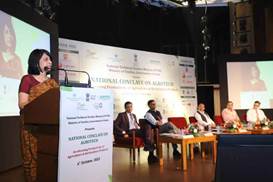
 Ministry of Textiles, under its flagship scheme National Technical Textiles Mission (NTTM), organized National Conclave on Agrotech emphasizing on the importance of accelerating productivity of agriculture & horticulture products in India in association with ITTA and SASMIRA, here today.


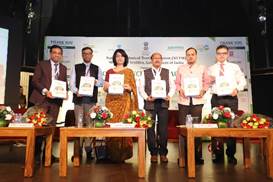
The event encompassed 5 technical sessions focusing on innovations for sustainable and resilient agriculture, Indian Standards and QCOs under Agrotextiles, performance and sustainability of Agrotextiles and recent advances in Agrotech technology including digital transformation in Agriculture and Horticulture. There was a special session also discussing future growth and opportunities in Agrotextiles. A Conclave Booklet and a Report on Indian Agrotech Industry Opportunity: Fibre to Field, were released during the National Conclave.

More than 150 participants attended the conclave including officials and representatives from Central Ministries, user Departments of Central and State Governments, Institutes, industry leaders, scientific experts, researchers, and professionals related to Agro textiles.

Ms. Rachna Shah, Secretary, Ministry of Textiles, Government of India, highlighted that agriculture plays a significant role in the Indian economy and the life of its citizens. Agriculture is also a major contributor with its share in country’s GDP has a long-term trend of around 18-20%.

She opined that Agro textiles can play an important role in addressing the unique agricultural challenges like climate variations, water constraints and high demand of agri-produce with limited arable land available. Use of Agro textiles plays a significant role in improving agricultural productivity and quality of Agri-based products by extending the growing cycle of crops, shielding plants from weather conditions and pests etc.

She stated that research and studies have shown that the use of Agro textiles in horticulture leads to increase in farm productivity by 2-5 times, increase in crop intensity, reduction in water consumption by 30- 45%, reduction in fertilizer usage by 25- 30%, and higher harvest cycle per year.

A collaborative approach between Certification Agencies, Research Organizations, Industry, Academia and Ministry is imperative to address the cost implications of Agro textiles and work together in increasing awareness and education amongst farmers for wider adoption by the larger agricultural community for the growth of the sector, she further added.

Shri. Shri. Z. P. Patel, Vice Chancellor, Navsari Agriculture University highlighted that there is an average farming production loss of 10-40% due to climate change, especially in the rain-fed areas. Agrotextiles such as Crop Cover, Mulch mats, Polyhouses, etc. hold the potential to manage and stimulate the microclimate for crops during farming leading to higher productivity for agriculture products, he emphasized.

He mentioned that on the back of diverse geographical location-based benefits of Agrotextiles, the segment has proved to be tremendously beneficial for the agricultural sector in India. There is a need for bio-degradable agro-fibre based agrobags which can be automatically degraded in the soil after the mulching process overtime, leading to planting process and sustainability.

There is a need of developing innovative Agro textile products like soil- degradable Agro-fabrics, artificial soil which are nutrient rich and has water holding capacity, super- absorbent polymer fibres to prevent waterlogging in high-rain areas, weather, and micro-organisms resistant fabrics, etc., he further added.

Shri. Rajeev Saxena, Joint Secretary, Ministry of Textiles, Government of India, highlighted that the India holds a tremendous potential in the global Agro textiles market of ~USD 12 Bn wherein India’s share is ~3%. Though India is one of the biggest markets for Fishing Nets, other Agro-textile products like mulch-mats, anti-bird nets holding significant share in global demand, can also be promoted in the context of Indian domestic market.

To ensure superior quality, wider safety, and comprehensive reliability of products in Agro textiles, he mentioned that Ministry of Textiles has notified QCO for 20 Agrotextile items, which will come in-effect from 1st April 2024.

Further, Ministry has also sanctioned 11 R&D projects in Agro textiles valuing INR 13.67 Cr for development of innovative products.

He also announced that Ministry of Textiles is going to establish a Climate Smart Agrotextile Demonstration Center to Revolutionize Agriculture through Digitized Microclimate Farming in partnership with SASMIRA.

Shri Priya Ranjan, Joint Secretary (INM Horticulture), Ministry of Agriculture & Farmers Welfare stated that Agrotextiles has a critical role to play in overcoming the unprecedented challenges agriculture sector faces due to climate change, soil degradation, and water scarcity which can threaten the very foundation of our food security. 

Schemes such as Mission for Integrated Development of Horticulture (MIDH) has incorporated the different agrotextile products for wider usage and penetration. Furthermore, other collaborative segments within Ministry of Agriculture and Farmers’ Welfare are being looked into for further inclusion of agrotextile products, he further added.

He stated that by adopting the advanced technologies under Agrotextiles, our farmers can not only increase the agriculture yields but also increase functional benefits and reduced input costs. This, in turn, will translate into increasing farmers income and the

growth and development of the overall agriculture sector.

Shri Ashok Tiwari, Senior Director, SASMIRA appreciated the support of Ministry of Textiles and appreciated the participation of dignitaries from other organizations.


****