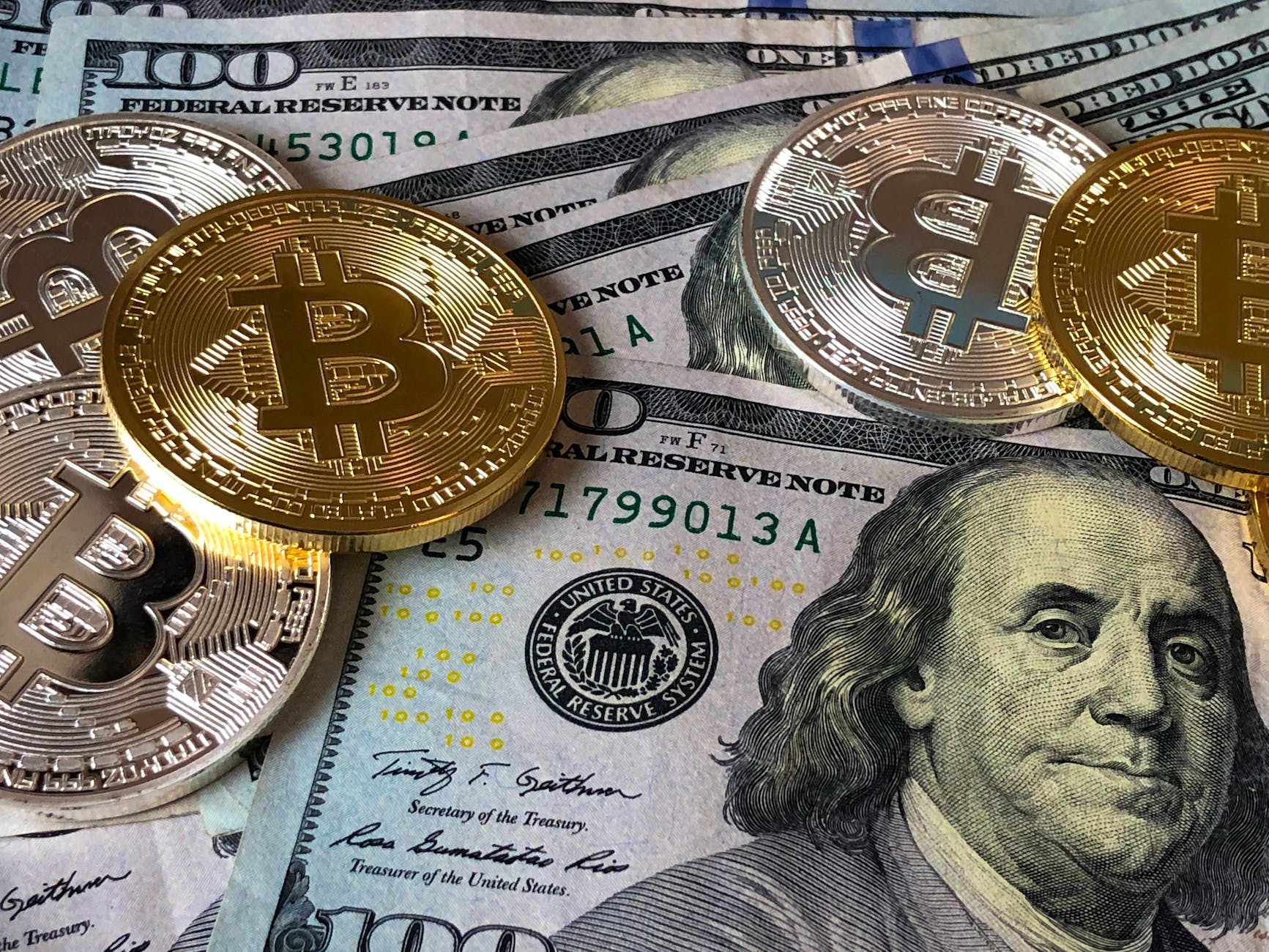
A Stablecoin for Every Occasion: HUSD's Versatility in a Volatile Market

 Amidst the rapid and dynamic nature of today’s financial landscape, the importance of ensuring stability and adaptability within the cryptocurrency market has grown significantly. The cryptocurrency market, renowned for its inherent volatility, frequently compels investors and traders to seek out a dependable and safe refuge that safeguards their valuable assets. Complementing this, HUSD, a distinctive stablecoin, further contributes to this pursuit of stability by offering a unique approach, thus establishing a comprehensive framework that nurtures stability for all types of investors. HUSD’s adaptability in the market is clear, and tools like the Immediate Peak App are becoming indispensable for traders navigating such volatility.

Understanding HUSD: A Stablecoin Revolution

What is HUSD?

HUSD is a fiat-backed stablecoin that stands out from the crowd due to its versatility and innovative design. Unlike other stablecoins that are pegged to a single fiat currency, such as the US Dollar, HUSD takes a different approach. It is backed by a diversified portfolio of stablecoins, which include but are not limited to USD Coin (USDC), TrueUSD (TUSD), and Paxos Standard (PAX). This unique blend ensures that HUSD remains stable across various market conditions and economic fluctuations.

Photo by Jonathan Borba on Pexels.com

The Versatility Factor

One of the standout features of HUSD is its versatility. In a market where stability is often elusive, HUSD provides a reliable option for users who require stability for different purposes. Whether you are a trader looking to mitigate risks during volatile market swings, a merchant seeking a consistent pricing mechanism for your products and services, or an individual looking to protect your savings from inflation, HUSD can cater to your specific needs.

The Benefits of Choosing HUSD

Mitigating Volatility Risks

HUSD acts as a shield against the inherent volatility of the cryptocurrency market. Its diversified backing ensures that it remains relatively stable, reducing the risk of sudden and drastic value fluctuations. This makes it an ideal choice for traders who wish to minimize their exposure to market volatility while still participating in the crypto space.

Seamless Transactions

With HUSD, transactions become more predictable and seamless. Users can confidently send and receive payments without worrying about value fluctuations during the transaction process. This is especially beneficial for businesses that rely on consistent pricing to provide their customers with a reliable shopping experience.

Hedging Against Inflation

Inflation is a concern that affects both traditional and digital currencies. HUSD offers individuals a way to safeguard their wealth from the erosive effects of inflation. By holding HUSD, investors can retain the purchasing power of their assets over time, regardless of external economic conditions.

Enhanced Accessibility

HUSD’s versatility extends to its accessibility. It can be used on various cryptocurrency exchanges and platforms, making it convenient for users to acquire and utilize. This accessibility promotes its adoption and contributes to its growing popularity in the crypto community.

How HUSD Works: A Closer Look

Creation and Redemption

HUSD operates on a transparent and straightforward creation and redemption mechanism. Users can mint HUSD by depositing a variety of stablecoins into the HUSD platform. These stablecoins are then aggregated and converted into HUSD at a 1:1 ratio. Conversely, users can redeem their HUSD for the underlying stablecoins, allowing for a seamless transition between the two forms.

Diversified Collateral

The foundation of HUSD’s stability lies in its diversified collateral pool. By holding a mix of stablecoins, HUSD ensures that it remains insulated from the volatility that may affect a single fiat currency. This approach adds a layer of security and resilience, making HUSD a reliable choice for those seeking stability in a dynamic market.

Embracing Stability in an Unpredictable Market

In conclusion, HUSD distinguishes itself as a prominent and resilient contender within the dynamic cryptocurrency landscape, owing to its exceptional adaptability and unwavering stability. As the cryptocurrency market undergoes constant transformation, the significance of possessing a steadfast stablecoin capable of withstanding market fluctuations becomes increasingly evident. This significance transcends various roles – from traders seeking reliability, to business proprietors aiming for consistency, and individual investors navigating the intricacies of the crypto realm. HUSD stands as a pivotal solution that adeptly bridges the gap between the conventional financial realm and the captivating, albeit uncertain, domain of cryptocurrencies, thereby fortifying one’s financial ventures with a steadfast and dependable tool.

MoneyToken (IMT) Adoption: Transforming the Way We Manage Money

 In a world where digitalization is rapidly becoming the norm, managing money has evolved beyond traditional means. Cryptocurrencies have emerged as a new and innovative way to handle finances, and among them, MoneyToken (IMT) stands out as a leading player. However, amidst the growing interest in digital currencies, it’s essential to be cautious about the platforms we choose. In this article, we delve into the adoption of MoneyToken (IMT) and explore how it is transforming the way we manage money. An Online trading platform, astral-edge.com is one such platform that has gained attention in the cryptocurrency space. 

Photo by RDNE Stock project on Pexels.com

Understanding MoneyToken (IMT)

MoneyToken (IMT) is a decentralized financial platform that facilitates loans and lending in the crypto space. Founded on the principles of blockchain technology, MoneyToken offers users the ability to leverage their digital assets while still maintaining ownership. The platform’s native token, IMT, plays a crucial role in ensuring seamless transactions and unlocks various benefits for its holders.

The Advantages of MoneyToken (IMT)

Collateralized Loans

One of the standout features of MoneyToken is its provision of collateralized loans. Unlike traditional lending systems that demand credit checks and extensive paperwork, MoneyToken accepts various cryptocurrencies as collateral, enabling users to borrow funds without undergoing the hassles of credit assessments.

No Credit Score Impact

In conventional financial settings, borrowing often affects the borrower’s credit score. However, with MoneyToken, this concern becomes a thing of the past. Since loans are backed by collateral, credit scores do not play a role in the borrowing process, making it an inclusive platform for individuals with limited or no credit history.

Cross-Border Transactions Made Easy

Sending money internationally can be expensive and time-consuming due to various intermediaries involved in the process. MoneyToken leverages the power of blockchain to enable instant and cost-effective cross-border transactions, regardless of geographical boundaries.

Earn Passive Income with Staking

IMT token holders have the opportunity to earn passive income by staking their tokens on the MoneyToken platform. Staking rewards participants with interest, creating an avenue for investors to generate additional income with their holdings.

Decentralization and Security

MoneyToken operates on a decentralized blockchain network, making it less susceptible to hacking and fraud. The blockchain’s immutability ensures transparency and security, providing users with peace of mind when managing their digital assets.

The Rising Popularity of MoneyToken (IMT)

The adoption of MoneyToken (IMT) has been on a steady rise, attracting users from various sectors of the financial world. Let’s explore the factors contributing to its growing popularity.

Trust and Reliability

MoneyToken has established a reputation for being a trustworthy platform. Its transparent and secure blockchain infrastructure has garnered the trust of both individual users and institutional investors alike.

Financial Inclusivity

Traditional financial systems often exclude individuals with limited access to credit. MoneyToken’s collateralized loan system opens up financial opportunities for a broader user base, enabling financial inclusivity on a global scale.

Lower Transaction Costs

Sending money across borders can incur significant fees through conventional channels. MoneyToken’s blockchain-based platform reduces transaction costs, making it an attractive choice for remittances and international transactions.

Growing Crypto Community

As the cryptocurrency community continues to expand, so does the demand for versatile financial tools. MoneyToken’s services cater to this growing community, providing a user-friendly gateway to leverage crypto assets.

Integration with DeFi Ecosystem

MoneyToken’s integration with the decentralized finance (DeFi) ecosystem has further enhanced its utility. Users can access a wide range of DeFi applications while benefiting from MoneyToken’s features, creating a symbiotic relationship within the blockchain space.

Use Cases of MoneyToken (IMT)

Instant Cash Flow Management

For entrepreneurs and businesses, managing cash flow is crucial. MoneyToken provides quick and easy access to funds through collateralized loans, allowing businesses to meet their financial requirements promptly.

Diversified Investment Opportunities

Investors can leverage their crypto holdings to access capital for diversifying their investment portfolio. By staking IMT tokens, they can also enjoy passive income, further enhancing their financial gains.

Cross-Border Remittances

Immigrants and expatriates can use MoneyToken to send money back home without incurring hefty fees. The platform’s fast and cost-effective cross-border transactions make it an ideal choice for remittances.

Cryptocurrency Arbitrage

Traders can take advantage of price differences between various cryptocurrency exchanges by using MoneyToken to access liquidity and execute arbitrage strategies.

Conclusion

MoneyToken (IMT) has undeniably transformed the way we manage money in the digital era. Through its innovative platform and blockchain-based approach, it offers financial inclusivity, lower transaction costs, and new investment opportunities to users worldwide. As cryptocurrencies continue to gain traction, MoneyToken’s adoption is expected to soar even higher, driving the shift towards a more decentralized and efficient financial landscape.

TLSD Coin's Journey: From Inception to Prominence

 In this comprehensive article, we will delve into the fascinating journey of TLSD Coin, from its inception to becoming a prominent player in the cryptocurrency market. TLSD Coin, short for “Tech-Led Sustainable Development Coin,” is a revolutionary digital asset that aims to address global environmental and social challenges through blockchain technology and sustainable development initiatives. Join us as we explore the milestones, accomplishments, and the future potential of TLSD Coin. Here is the official platform of Immediate Alpha which has been making crypto trading easy and moreover accessible to everyone across the globe. What is holding you back? Get started now!

The Genesis of TLSD Coin

The idea behind TLSD Coin was conceived in late 2018 by a group of visionaries who believed in the potential of blockchain technology to drive positive change in the world. They recognized the growing urgency of environmental and social issues and saw an opportunity to harness the power of cryptocurrencies for sustainable development. After months of research and discussions, the team laid the foundation for TLSD Coin in mid-2019.

Photo by David McBee on Pexels.com

Building the Ecosystem 

The early stages of TLSD Coin’s development were focused on building a robust ecosystem to support its vision. The team assembled a group of experts from various fields, including blockchain development, environmental sciences, finance, and marketing. Collaborations were established with NGOs and environmental organizations to ensure the alignment of TLSD Coin’s mission with real-world sustainability efforts.

Implementing Sustainable Practices

One of the core tenets of TLSD Coin is its commitment to sustainability. The team made a conscious decision to adopt environmentally friendly practices in every aspect of the project. They opted for a proof-of-stake (PoS) consensus mechanism, which consumes significantly less energy compared to traditional proof-of-work (PoW) systems. Additionally, a portion of the transaction fees is directed towards funding sustainable development projects globally.

The Road to Prominence 

TLSD Coin officially launched its mainnet in early 2020, marking the beginning of its journey towards prominence. The team strategically partnered with prominent exchanges to facilitate easy access to TLSD Coin for investors worldwide. As adoption grew, so did the community around TLSD Coin, with enthusiasts and supporters advocating for its positive impact on sustainability.

Weathering the Storms 

Like any new venture in the cryptocurrency space, TLSD Coin faced its fair share of challenges. Price volatility and market fluctuations tested the resilience of the project. However, the team’s unwavering dedication and commitment to the mission allowed TLSD Coin to weather the storms and emerge stronger.

Real-World Impact 

One of the most remarkable aspects of TLSD Coin’s journey is the tangible impact it has had on sustainable development projects. By directing a portion of transaction fees towards such initiatives, TLSD Coin has contributed to reforestation efforts, clean energy projects, and poverty alleviation programs across the globe. The transparent and auditable nature of blockchain technology ensures that the funds are utilized effectively and reach their intended beneficiaries.

Community Engagement 

A thriving community is at the heart of TLSD Coin’s success. The team recognized early on that fostering a supportive and engaged community is vital for sustainable growth. Regular updates, educational content, and interactive events were organized to keep the community informed and involved in the decision-making process.

Embracing Innovation 

In an ever-evolving industry like cryptocurrency, staying ahead of the curve is crucial. TLSD Coin embraced innovation and technology advancements to enhance its ecosystem. Smart contract capabilities were integrated to enable decentralized applications (DApps) focused on sustainability. The team also explored cross-chain interoperability to extend TLSD Coin’s reach to multiple blockchain networks.

Regulating with Responsibility

As TLSD Coin gained prominence, regulatory compliance became a top priority. The team worked closely with legal experts to ensure that the project adhered to all relevant regulations and guidelines. Emphasizing transparency and compliance has helped build trust among users, investors, and regulatory authorities.

Looking Ahead 

The future of TLSD Coin holds immense promise. The team envisions a world where cryptocurrencies play a significant role in driving sustainable development and addressing global challenges. The continuous expansion of partnerships, development of innovative solutions, and community-driven initiatives will pave the way for TLSD Coin’s continued growth and impact.

Conclusion 

In conclusion, TLSD Coin’s journey from inception to prominence is a testament to the power of blockchain technology when harnessed for the greater good. Through a strong focus on sustainability, responsible practices, and community engagement, TLSD Coin has positioned itself as a leader in the sustainable development space. As it continues to make a real-world impact and inspire positive change, TLSD Coin stands tall as a shining example of what can be achieved when vision and technology unite for a better tomorrow.

Numeraire (NMR) and Machine Learning: Revolutionizing Financial Prediction

 In today’s rapidly evolving financial landscape, maintaining a competitive edge is paramount for achieving success. The ongoing advancements in technology have ushered in a transformative era, with the integration of machine learning into financial prediction standing out as a significant game-changer. Numeraire (NMR), a cryptocurrency, leads this financial revolution by pioneering innovative approaches to predictive analytics. This article aims to provide an in-depth exploration of how Numeraire and the power of machine learning are reshaping the financial industry, offering traders and investors invaluable data-driven insights to enhance their decision-making processes and achieve more informed financial outcomes. For those seeking a platform to navigate the online trading landscape, consider exploring immediate-growth.com. Their resources and insights can provide a deeper understanding of topics like Numeraire (NMR) and the role of machine learning in financial predictions.

Photo by Worldspectrum on Pexels.com

The Rise of Numeraire (NMR)

What is Numeraire (NMR)?

Numeraire (NMR) is a unique and groundbreaking cryptocurrency introduced in 2017. Created by Numerai, a hedge fund based in San Francisco, NMR serves as a utility token that incentivizes data scientists to participate in their machine learning competition. The competition allows data scientists from around the world to develop predictive models on financial data.

How does the Numeraire Competition Work?

Numerai releases encrypted financial data to data scientists who compete to create the most accurate predictive models. Unlike traditional data competitions, Numerai does not know the real identities of its participants, fostering a trustless and decentralized environment. Participants use NMR to stake their predictions, and if their models perform well, they are rewarded with additional NMR tokens. This unique structure aligns the interests of data scientists with those of the hedge fund, creating a symbiotic relationship between the two.

Machine Learning and Its Role in Financial Prediction

Machine learning has transformed numerous industries, and the financial sector is no exception. Its ability to analyze vast amounts of data and identify patterns enables more accurate predictions. Financial institutions are increasingly integrating machine learning algorithms into their decision-making processes, and the results are promising.

Data-Driven Insights

Machine learning models can analyze historical market data, economic indicators, and even social sentiment to generate insights and predictions. These data-driven insights provide a significant advantage to traders and investors, allowing them to make well-informed decisions.

Risk Management

Managing risk is a critical aspect of financial trading and investment. Machine learning algorithms can assess risk more effectively than traditional methods, identifying potential pitfalls and mitigating losses.

Trading Algorithms

Automated trading algorithms driven by machine learning are gaining popularity. These algorithms can execute trades at lightning speed, reacting to market changes and opportunities instantly. They eliminate human emotions from the trading equation, leading to more rational and disciplined decision-making.

The Synergy of Numeraire and Machine Learning

Empowering Data Scientists

Numeraire’s unique approach empowers data scientists to build better predictive models. By providing them with encrypted financial data and rewarding successful predictions with NMR tokens, Numerai attracts top talent from around the world. The competition cultivates a community of data-driven enthusiasts who collaborate and push the boundaries of financial prediction.

Enhanced Accuracy and Performance

Combining machine learning with the Numeraire competition creates a dynamic environment where participants continuously improve their models. This leads to enhanced prediction accuracy over time. As the pool of talent and data grows, the predictions become more robust, enabling better financial decision-making.

Democratizing Financial Prediction

Numeraire and machine learning have the potential to democratize financial prediction. Traditionally, sophisticated financial forecasting tools were limited to large institutions with substantial resources. However, Numeraire’s decentralized model opens the door for anyone with data science expertise to contribute and be rewarded for their skills.

Real-World Applications

Asset Management

The integration of Numeraire and machine learning has significant implications for asset management firms. Hedge funds, mutual funds, and other investment institutions can leverage these technologies to generate alpha and improve portfolio performance.

Quantitative Trading

Quantitative trading, or algorithmic trading, relies heavily on data and mathematical models to identify trading opportunities. Numeraire’s competition and machine learning algorithms can enhance quantitative trading strategies, making them more effective and profitable.

Risk Assessment and Fraud Detection

The financial industry faces various risks, including credit risk, market risk, and fraud. Machine learning models can analyze historical data and patterns to assess risks accurately and detect fraudulent activities in real-time.

Conclusion

Numeraire (NMR) and machine learning are a formidable duo that is reshaping the financial landscape. The integration of these technologies empowers data scientists, improves prediction accuracy, and democratizes financial forecasting. As the financial industry continues to evolve, embracing innovation will be crucial for staying competitive. Numeraire and machine learning offer a glimpse into the future of finance, where data-driven insights drive smart decision-making, and the boundaries of possibility are continually pushed.

Redesigning Token Economics with Lunar Wisdom: LUNARBURN (LUNAR) Revolution

 Amidst the rapidly evolving realm of cryptocurrency and blockchain technology, pioneering initiatives persistently redefine the limits of what can be achieved. Among these, the LUNARBURN (LUNAR) Revolution stands out as a particularly innovative venture, striving to overhaul the very foundations of token economics with a fresh and distinctive strategy that draws inspiration from lunar wisdom. By shedding light on its fundamental principles, potential ramifications, and its role in reshaping the landscape of cryptocurrencies, this piece offers a comprehensive understanding of the significant contributions made by the LUNARBURN Revolution. Another project buzzing amongst the traders is Digital Yuan! Learn about the risks of Digital Yuan and the 51% attack. 

Photo by David McBee on Pexels.com

Understanding Token Economics

Prior to delving into the intricacies of the LUNARBURN Revolution, it is crucial to gain a comprehensive understanding of the pivotal role that token economics occupies within the realm of cryptocurrency. Token economics encompasses the intricate orchestration and oversight of a token’s essential characteristics, encompassing its supply dynamics, equitable distribution mechanisms, and the diverse range of functions it serves within its designated ecosystem. These interwoven elements wield a profound influence in shaping a token’s valuation trajectory and its overall embracement within the broader digital landscape.

The Birth of LUNARBURN

Central to the essence of the LUNARBURN Revolution is a deeply rooted philosophy intricately intertwined with the rhythmic cadence of lunar phases and their inherent cyclical patterns. In a display of visionary foresight, the project’s founders astutely identified the imperative for cultivating a token ecosystem characterized by sustainability and equitable dynamics. Drawing wisdom from the moon’s ever-changing journey across the sky, they harnessed its timeless guidance as a source of inspiration to forge a new path in the realm of cryptocurrency.

Lunar Wisdom: A Paradigm Shift

LUNARBURN introduces a unique concept inspired by the lunar phases: token burning cycles. Just as the moon waxes and wanes in a predictable cycle, LUNARBURN employs a systematic approach to token burning. This innovative strategy involves periodic token burns, effectively reducing the circulating supply over time.

Reinventing Scarcity and Value

Scarcity has always been a fundamental driver of value. By implementing a consistent token burn mechanism, LUNARBURN enhances scarcity, thereby potentially increasing the token’s intrinsic value. This novel approach challenges traditional inflationary models and offers a deflationary alternative that could have profound implications for the broader cryptocurrency market.

Community Engagement and Governance

LUNARBURN places a strong emphasis on community engagement and decentralized governance. Token holders are actively involved in shaping the project’s direction through voting mechanisms that determine aspects like the frequency of token burns and allocation of resources. This democratized approach fosters a sense of ownership and empowerment among stakeholders.

Redefining Utility

In addition to its tokenomics, LUNARBURN redefines token utility. The burnt tokens are not merely destroyed; they are transformed into a new form of utility within the ecosystem. This innovative approach bolsters the overall utility of the LUNAR token, potentially attracting a wider user base and driving increased adoption.

Navigating Challenges

Amidst its promising potential, the LUNARBURN Revolution stands poised at the intersection of possibility and challenges. Navigating the intricate landscape of its journey, the project encounters a mosaic of factors ranging from the complexities of regulatory frameworks and the ever-evolving technological terrain to the nuanced shifts in market dynamics that collectively influence its path forward. Yet, a steadfast dedication to principles of transparency, relentless innovation, and a robust foundation of community engagement instills the project’s endeavors with the resilience needed to adeptly navigate and surmount these challenges on its quest for transformative impact.

Conclusion

The LUNARBURN (LUNAR) Revolution represents a groundbreaking shift in token economics, driven by lunar wisdom and a commitment to redefining value, utility, and sustainability. With its unique token burning cycles, community-driven governance, and innovative approach to scarcity, LUNARBURN has the potential to reshape the cryptocurrency landscape.

As the blockchain ecosystem continues to evolve, projects like LUNARBURN inspire us to explore new avenues and challenge existing paradigms. By harnessing the wisdom of the moon and translating it into a revolutionary token model, LUNARBURN paves the way for a more balanced and prosperous digital economy.

In a space characterized by rapid change and innovation, LUNARBURN stands as a beacon of transformative potential, inviting us to reimagine the future of token economics. The journey of the LUNARBURN Revolution has just begun, and its impact on the crypto world is poised to be nothing short of revolutionary.

Book Promotion Services at Edupedia Publications Pvt Ltd

Pen2Print is a unique service in the book marketing industry, offering promotions to garner Kindle book reviews, ranking, and book sales with proven and trackable results.

It has become increasingly difficult to promote books on Amazon and Goodreads over the last year. Amazon’s algorithm favors high-selling titles from Big Five publishers, and although there are many services offering the potential for sales, it is harder to deliver on that promise because the market has become oversaturated.

At Edupedia Publications Pvt Ltd, we have worked on hundreds of launches for a wide range of publishers and authors from all over the world. Unlike other services, you will never have to guess what a promotion will achieve because we will not stop working on your promotion until the range of sales/reviews shown on our site have been reached, normally within four to six weeks.

We have an extremely well-maintained list started in 2008, featuring qualified US and UK customers who review on Amazon, marketed entirely within Amazon’s guidelines. We are unique because of the speed at which we can deliver a promotion, and the reliability of our mailers, resulting in verified reviews and sales. 

Book promotion services that a publishing company like Edupedia Publications Pvt Ltd offer:

  1. Online Marketing and Promotion:
    • Utilizing various online platforms to promote books, including social media marketing, email marketing, and online advertisements.
  2. Author Website and Blogging:
    • Helping authors set up personal websites or blogs to showcase their books, provide author information, and engage with readers.
  3. Book Reviews and Blog Tours:
    • Organizing book reviews by reputable reviewers or arranging blog tours where different bloggers review the book and share their thoughts.
  4. Author Interviews:
    • Arranging interviews with authors, either written or video, to discuss their book, writing process, and experiences.
  5. Press Releases:
    • Creating and distributing press releases to announce the book’s launch or any significant events related to the book.
  6. Book Signings and Events:
    • Coordinating book signing events or other public appearances to promote the book and connect authors with readers.
  7. Book Awards and Competitions:
    • Submitting books to various literary awards or competitions to gain recognition and exposure.
  8. Collaborations and Partnerships:
    • Collaborating with other authors, publishers, or organizations to cross-promote books and extend the reach of the promotional efforts.

Write a mail to editor@pen2print.org

Submit Your Manuscript for Publication with Edupedia Publications Pvt. Ltd

Dear Scholar,

Are you a passionate writer eager to share your knowledge and insights with a broader audience? Edupedia Publications Pvt. Ltd, a renowned publishing house committed to fostering educational and informative content, invites you to submit your manuscript for consideration and potential publication.

At Edupedia Publications Pvt. Ltd, we prioritize quality, relevance, and impact when selecting manuscripts for publication. We believe in providing a platform for authors like you to showcase their expertise and contribute to the academic and educational realms. Your work could be the next insightful addition to our collection of esteemed publications.

If you have a completed manuscript or a work in progress that aligns with our mission of promoting educational excellence and enhancing knowledge dissemination, we encourage you to take the next step. Submit your manuscript for our team of dedicated editors and experts to review and evaluate its potential for publication.

To submit your manuscript, please follow these steps:

  1. Send your manuscript to editor@pen2print.org
  2. Create an author account or log in if you already have one.
  3. Fill out the required information and provide a brief synopsis of your manuscript.
  4. Upload your manuscript and any accompanying materials.

Our team will carefully review your submission and provide timely feedback. We appreciate your interest in Edupedia Publications Pvt. Ltd and eagerly await the opportunity to collaborate with you in bringing your literary work to the world.

If you have any questions or need further assistance, feel free to reach out to us at [contact email/phone]. Let’s work together to make a meaningful impact through your words.

Best regards,

John Morgan

Acquisitions Editor

Edupedia Publications Pvt. Ltd

editor@pen2print.org

Re-registration for July 2023 Session

The last date for Re-registration in July, 2023 session has been extended upto 10th October, 2023 with a late fee of Rs. 200/-
Welcome to the Re-registration Portal for July 2023 Session. On this portal you can submit your re-registration form for the next year/semester and make online payment.This portal is open for both Indian and International students of the University.
Before you proceed, please read the following instructions carefully:
1. You will need to register on the Portal. Please click “New Registration’ button to proceed. Please provide your correct mobile number and e-mail ID, because we shall be able to send you confirmation and other important update only if we have your correct mobile number and e-mail ID.
If you have already registered on the portal, you may use your Username and Password to log in.
In case you face difficulty in registering on the portal (not getting OTP/ forgot Username/Password or any other difficulty), please approach your Regional Centre for re-setting of your account/updating email ID or mobile number.
2. Choose your courses (wherever option is given) carefully. Please go through your Programme Guide for details of the courses on offer. Change of course at a later stage may result in loss of time available to you for your studies.
3. Please exercise due caution in making online transaction. Please do not share your card details or OTP with anyone. As far as possible, please use your own card/net banking to make payment. You can also make payment through UPI, including BHIM App. Students of International Division may use online payment options available to them.
4. Please do not wait for the last date for submission of your re-registration form.
5. In case online payment made by you does not get updated, please do not make the second payment immediately. Please wait for a day, check the payment status and then decide.
6. In case you make payment two times for the same application, one of the payments shall be refunded to your account.
7. In case you are using third-party services (cybercafé or some other outlet) for submission of your re-registration form, please ensure that the courses have been correctly chosen and payment of programme fee has been made successfully. Please obtain a printout of the form submitted and payment confirmation.
Please provide us your feedback on the Gyan Darshan and Gyan Vani Programmes of IGNOU : click here to share your feedback
I have read and understood the instructions given above.

Last date to Apply Online for TEE December-2023 is 15-Oct-2023 18:00 PM without Late fee.

The December, 2023 Term-end Examinations of the University is likely to commence from 01st December, 2023 and conclude on 06th January, 2024 (30 working days). Online link for submission of the examination form (TEE, PROJECTS SUBMISSION & PRACTICAL EXAMINATIONS) by the students for December-2023 Term-end Examination is now open along with the schedule and necessary instructions/guidelines thereof. The students may submit online examination form accordingly.

January 2023 admission cycle onwards, the University has implemented the Project Evaluation Fees and Practical Examination Fees for having Project and Practical component of the Programmes. Accordingly SED has notified its Notification vide No. F.No.IG/SED/Practicals/Projects/2023/12295 dated 07.03.2023
Therefore, the students of January 2023 admission cycle are required to submit the online fee for Project Evaluation and Practical Examination, along with the TEE in this Portal
SCHEDULE
Dates Prescribed Fee for Student admitted till December 2022 admission cycle Exam/Practical/Project Fees from the January 2023 Admission Cycle onwards ALLOTMENT OF THE EXAM CENTRE
I. 01st September, 2023 to 15th October, 2023 (upto 6 PM) Rs. 200/- per course. (Theory courses and practical/lab courses) (i) Examination Fee Rs.200/- per theory course
(ii) Practical FeesUpto 4 Credit Rs. 300/- Per course
Above 4 Credit Rs. 500/- per course
(iii) Project FeesUpto 4 Credit Rs.300/- per course
Above 4 Credit Rs.500/- per courseThe late fee will be remain same The University will try to accommodate the students in the examination centre opted by them. (In case, the sitting at the centre has exhausted, student may choose the nearest/alternate exam centre under the jurisdiction of the same Regional Centre).
However, the University reserves the right to shift the students from one exam centre to another exam centre.
II. 16th October, 2023 to 25th October, 2023 (upto 6 PM) Rs. 200/- per course. (Theory courses and practical/lab courses) with Late fee of Rs.500/-
III. 26th October, 2023 upto 10th November 2023 (upto 6 PM) Rs. 200/- per course. (Theory courses and practical/lab courses) Rs. 200/- per course with Late fee of Rs.1100/-
NOTE: The University reserves the right to reschedule/cancel examinations/papers at any time in all the Examination Centre across the Country or in any particular Examination Centre/ State due to any exigency or any other reason.
PRE-REQUISITE FOR SUBMISSION OF EXAM FORM:Registration for the courses is valid and not time barred.
Required number of assignments in the courses must have been submitted by the due date wherever applicable as per the provision of your programme.
Have completed minimum time to pursue these courses as per the provision of the Programme.
Schedule for conduct of Practical Examinations other than Programmes of CIT, BCA, MCA, MSC (MACS), PGDAST, PGCGI, MSCIS, PGDIS, DBPOFA, DMOP, ACISE & BLIS will be provided by the concerned Regional Centre.
The Hall Ticket should be retained for future purpose including attending Project submissions/Practical Examinations, The copy of hall ticket may be submit along with Project Reports/Dissertation/Field Work Journal/Internship/Practicum at the time of submission either in online mode or offline mode, and also for attending Practical Examinations.
(I) THE CLASH OF EXAM DATE/SESSION WILL NOT BE CONSIDERED IN THE FOLLOWING CASES:The courses are from the same group (Group-1 to Group-6) as the exam of courses in a particular group is conducted on same date and time.
The courses are backlog courses (from different years).
The courses are from different Programmes.
In MP Programmes, courses from different specialization.
(II) THE EXAM OF COURSES IN A GROUP ARE CONDUCTED ON SAME DATE AND TIME. NO REQUEST FOR CHANGE IN DATES FOR THE COURSES WILL BE ENTERTAINED.
Group-1 EHD01/BGSE001/BHDE101/EHD05/ BEGE101/EHI01/ EHI07/ BHIE107/EEC11/EPA01/ MTE01/BPY001/ BULE001/BSWE04/BPC001/
Group-2 EHD02/BHDE108/BEGE102/ EHI02/ /BPAE102/ BRDE101/MTE02/BPY003/BULE002/ BPC004/ BECE002/
Group-3 EHD03/BEGE103/BEGE108/EHI03/EEC10/EEC13/EPS03/EPS08/EPA03/ESO013/BPY005/BSWE05/BULE03/BPC006/ MTE07/MTE08/
Group-4 BHDE106/EHD06/BEGE105/EPS07/EHI04/ BECE214/EPA04/BPAE104/ /MTE09/BPY006/ BSWE06/BULE004/ ESO14/
Group-5 BHDE107/EEG06/BEGE106/EPS15/EHI05/BECE15/EPA5/ESO15/MTE11/BPY009/BULE005/BECE016/BPCE14/BPCE15/BPCE17/ ECO08/ BCOE108/
Group-6 EHD04/BEGE104/BEGE107/EPS06/EPS09/EEC07/BECE107/EHI06/EPA06/ESO16/MTE13/ BPY011/ BULE006/
(III) THE EXAM OF CBCS COURSES IN A GROUP ARE CONDUCTED ON SAME DATE AND TIME. NO REQUEST FOR CHANGE IN DATES FOR THE COURSES WILL BE ENTERTAINED.
Group-1 English Hindi Urdu Sanskrit
Group-2 Sociology Education
Group-3 Political Science Public Administration Mathematics Philosophy
Group-4 Economics Anthropology
Group-5 History Psychology
Group-1 Physics
Group-2 Chemistry
Group-3 Mathematics Botany
Group-4 Zoology Geography
Group-5 Geology
INSTRUCTIONS AND GUIDELINES TO BE FOLLOWED DURING FILLING ONLINE EXAM FORM:
Answer to the question paper will be accepted in the language (s) in which the Programme is offered. Answer script attempted in any other language will not be evaluated and cancelled without any information. However, students have an option to attempt the examination of the course’s in Hindi medium irrespective of registration of the same in English medium (except for language programmes).
June, 2023 Term-end Examination results are being uploaded on IGNOU website (www.ignou.ac.in) in phased manner. In case, the result of any course(s) is not declared on or before the last date of submission of online exam form for December, 2023, students are advised to fill the exam form without waiting for the complete result to avoid future consequences.
In no circumstances the student will be allowed to write Examination for two courses in a session even if both the courses are reflected in the Hall Ticket for the same session & time.
Jail Inmates are advised to submit exam form at the concerned Regional Centre only. The jail inmates will not be permitted to appear in regular exam centres under any circumstances, as exam centre for jail inmates are activated in respective jail itself. In case any Jail inmates submit exam form and opt for exam centre outside the jail, it will be reverted back to the same jail where the inmate is in custody.
Overseas Students may contact Director, International Division, Block-15, IInd Floor, Section-K, IGNOU, Maidan Garhi, New Delhi – 110068, Contact No:-+91-+91-011-29533987,29571682,29571689 Fax No:-+91-+91-011-29535502, Email id:- internationaldivision@ignou.ac.in, directorid@ignou.ac.in with regard to submission of examination form for appearing in December 2023 TEE.
STEPS FOR ONLINE SUBMISSION OF THE EXAMINATION FORM (TEE, PROJECTS SUBMISSION & PRACTICAL EXAMINATION) AND PAYMENT OF EXAM FEE:
(The Exam Form MUST be filled with utmost care and accuracy. No request for any kind of amendments will be entertained after the submission of Exam Form)Select the Regional Centre and Exam Centre code of your choice carefully.
Exam Centre will be allotted as first come first serve basis. In case the sitting capacity at the chosen exam centre is full, you may opt for the nearest/alternate exam centre.
Please ensure that the exam form for all the course(s) for which exams to be written are filled in one attempt, as next attempt to add the course(s) can result in change of exam centre/ non availability of sitting capacity at the same exam centre.
In case the validity of the registration shown as INVALID or course(s) for which you are eligible for appearing in the December, 2023 Term-end Examination is/are not reflected in the drop-down box, you have to contact to Registrar SRD on email registrarsrd@ignou.ac.in or over phone no. 011-29571301.
Students may select payment gateway as indicated in the portal to make payment using Debit Card/Credit Card and Internet Banking of any bank. Examination fee once paid shall neither be adjusted nor refunded in any case.
Once all the parts of the examination form are filled, the summary of the same will be reflected on screen before proceeding for payment. Check the same carefully to avoid future consequences.
Take the print out of the acknowledgement for future references.
In some cases the status of submission of exam form is generated within 72 hours after making the payment. The University will not be held responsible, in case, the status of the submission of exam form shown as Transaction Failed after the last date of submission of exam form is over. You are advised not to wait for the last date for submission of the exam form. Click on SEARCH OPTION to check the examination form status.
If no status appears, it means that you are required to re submit the examination form with prescribed fee on or before the last date for submission of exam form.
Click here to view List of Examination Centre (Tentative).
REFUND OF EXCESS/UNSUCCESSFUL EXAMINATION FEEIn case of excess and unsuccessful payment, the student is required to approach the bank to take the charge back after the issuance of Hall Ticket.
The result shall be withheld/cancelled for the students who have taken back the examination fee through charge back process form the concerned bank and appeared in the examination illegally.
The excess/unsuccessful fee amount will be adjusted/refunded as the case may be, to the account from which the payment was made after due verification of records of the concerned bank.
OPTION FOR CHANGE IN EXAM CENTRES:
No request for change of exam centre will be entertained in any case.
ISSUE OF HALL TICKETHall Ticket (TEE, Course Code of Project Report, Course Codes for appearing Practical Examinations) to the eligible students will be uploaded on the University website (www.ignou.ac.in) approximately one week prior to the commencement of the Term-end Examination.
Students are directed to take the print out of the Hall Ticket and report at the address of the Examination Centre on the date and time mentioned on the Hall Ticket well before the commencement of the examination.
Entry to the Examination Hall is strictly on the basis of the valid Hall Ticket and University Identity Card.
The copy of the Hall Ticket may be enclosed at the time of submission of Final Projects Reports/ Dissertation Reports/ Field Work Journals/ Internship Reports.
Request towards add on of course (s) in the Hall Ticket after updating of Hall Ticket on the website will not be entertained in any case.
WHOM TO CONTACT/E-MAIL ID:For any query regarding non receipt of the control number or about status of Examination Form and for refund of excess examination fee, please send email to (termendexam@ignou.ac.in) or contact over phone no. 011-29572209.
NOTE: Kind attention is drawn to the IGNOU notification vide no.IG/SED/Exam-II/Dec-2023/TEE/2023 dated 14.08.2023 uploaded on the website of IGNOU & RC Imphal regarding filling up of Online Exam Form for December 2023 TEE and adjustment of FEE thereof (Only for students registered under RC Imphal)
Declaration:
I hereby declare that I have gone through all the above instructions carefully and have followed due procedure while filling online examination form. If any of my information is found to be false in future, I will have no right to claim for appearing in examination, declaration of results and refund of examination fee. I shall abide by the rules and regulations of the University. I assure that I will not indulge myself in any Unfair activities relating to the Term-end Examination of the University. In case found to be indulged in any unfair means activities at any stage, action under Statute 20(2) of the IGNOU Act may be taken.


History of Television in India

On September 15, 1959, television was first broadcast in India on a trial basis for three days a week. Only instructional broadcasts for a small region around New Delhi were included in the scope of the programmes. There were 180 tele clubs set up within a 40-kilometre radius of the transmitter. Every club received a television from UNESCO. The engineering and the software for the programming were supplied by All India Radio.

Due to two factors, the Indian government decided to establish TV on an experimental basis, firstly, to provide staff with this new technological training and, secondly, to learn how television may promote community development.

At this early stage, television was largely seen as a teaching instrument rather than an entertainment medium. The television project received financial help from the Indian government. Teachers’ television programmes first debuted in 1961. Television programmes started to be broadcast regularly in 1965. During this year, a daily, one-hour service was initiated.


1972-1982

The medium experienced a tremendous expansion between 1972 and 1982. Bombay received television services in 1972. The Satellite Instructional Television Experiment (SITE), which was launched in 1975–1976, brought television to 2,400 villages in underdeveloped regions of Rajasthan, Andhra Pradesh, Bihar, Karnataka, Madhya Pradesh, and Orissa. 

One of the world’s largest communication experiments, according to descriptions of this initiative Television broadcasting was separated from All India Radio in 1976 and placed under a separate agency called Doordarshan.


AFTER 1982

The colour transition to Doordarshan began on August 15, 1982. Additionally, a regular satellite link between Delhi and various transmitters was established this year. The Asian Games that were hosted in New Delhi in 1982 served as the primary catalyst for these improvements.

Since 1982, television infrastructure has been quickly increasing, and for a brief time, the nation received a new transmitter every single day. Over time, there have been a lot more transmitters and centres for producing television programmes. In New Delhi, a second channel was introduced on November 19, 1984. Later, the Metro entertainment channel launched on April 1, 1993. Doordarshan currently broadcasts content on 19 channels. The main channel, or DD-1, is Doordarshan’s flagship.


SATELLITE INSTRUCTIONAL TELEVISION EXPERIMENT (SITE)

Since its foundation in 1959, Indian Television has produced content that is aligned with the social, agricultural, economic, and political objectives of the government. Programming executives followed the lead of Indian politicians and ignored television’s entertaining appeal in favour of its instructional and informative value.

When Doordarshan, still a part of AIR, started the Satellite Instructional Television Experiment (SITE), one of the most ambitious undertakings in television history, this predisposition for moral, useful, and instructive programming became even more obvious. Vikram Sarabhai, a renowned physicist and the head of the Indian Atomic Energy Commission, was the inspiration behind SITE. In order to introduce satellite television to India, Sarbhai urged the Department of Atomic Energy (DAE) and the National Aeronautics and Space Administration (NASA) of the United States to collaborate. He also authorised India to use the NASA Application Technology Satellite (ATS-6) for the duration of the one-year trial.

Doordarshan transmitted farm, health and hygiene, and family planning programmes to 2400 villages in rural India via the ATS-6 satellite from August 1, 1975, to July 31, 1976. Additionally, entertainment programmes, primarily featuring rural art, music, and dancing, were broadcast on SITE. The majority of the time, because so few people had their own TVs, they watched SITE programming in public spaces with TVs that were specifically set up for viewing.

The main goal of SITE was to bring together the various and multilingual audiences of the country by exposing them to one another’s cultures, in addition to educating people about solutions to the challenges facing the nation.

At production facilities in New Delhi, Hyderabad, and Cuttack, SITE programmes were created with the assistance of university professors, social workers, and other professionals. A division of the DAE called the Indian Space and Research Organisation (ISRO) also contributed to the production of some of the shows. The televisions used for the experiment were installed and maintained by ISRO as well. Generally speaking, these sets were just regular television sets with a front-end converter and a chicken-mesh antenna for receiving satellite signals.

The outcomes of SITE were less impressive than its plans. A 1980 assessment by Krishan Sondhi said that the farm schemes had less of an effect than anticipated. Because they had already learned about the improvements via AIR’s farm bulletins and programming, farmers in SITE viewing areas were not more innovative than farmers who were not exposed to SITE programmes. Another flaw was that the farm programmes were not useful to farmers since they were not adjusted to the vastly different farming methods used in the SITE viewing zones. The family planning and health efforts did not yield notable advancements either.


PRASAR BHARATHI

Since its founding, Doordarshan has been a government-controlled institution. When television experimentation began in India in 1959, Doordarshan was merely an addendum to All India Radio. Despite being cut off from All India Radio in 1976, Doordarshan now has direct oversight from the Indian government’s Ministry of Information and Broadcasting. 

The different governments at the centre not only had influence over the electronic media but also used it to advance their own covert goals. In order to stifle opposition and advance personality cults, political leaderships have allegedly misused All India Radio and Doordarshan (television) for blatantly partisan and personal purposes, according to I.B. Singh. This has been true for each and every New Delhi-based government since they have come into power.

The quest for broadcast media autonomy was gaining more and more momentum. In order to provide the country’s broadcast media autonomy, the National Front Government, led by Mr. V.P. Singh, tabled the bill in the first Parliamentary session in January 1990. The Prasar Bharathi Act, however, was not implemented for seven years. 

Finally, on September 22, 1997, the Act became operative. In order to give Doordarshan and All India Radio autonomy, the Prasar Bharathi Board was established.

Effects of Volcanism

A volcano’s eruption releases molten rock (lava), gases, rock fragments, ash, and other volcanic material onto the surface of the ground. Volcanism is the term for the phenomenon where the aforementioned substances are released onto the surface of the ground. Both the negative and positive impacts of volcanism exist.


Constructive effects

Fertile soil: 

When volcanoes erupt, ash is released onto the Earth’s surface close to the eruption site. The soil nutrients in the ash vary depending on the type of magma that was released from the volcano and how it was disseminated. Silica and oxygen are the nutrients that are most frequently found. This ash improves the soil and acts as a fertiliser for it. Certain volcanic rocks are also ejected onto the surface of the Earth as a result of volcanism. Magnesium, potassium, and iron are frequently abundant in these rocks, further enhancing the soil’s fertility.

Contact Metamorphism: 

In geology, metamorphism is the alteration of a rock body’s structure from that of which it was originally produced. The temperature of the rocks is raised when magma, which is emitted as a result of volcanism, interacts with them. They end up getting contaminated by magma fluid as a result. Contact metamorphism is the term for this process. Rocks like marbles and hornfels are produced as a result of it.

 Land formation: 

New materials are forced onto the surface of the Earth by a volcanic eruption through volcanism. New landforms result from this. For instance, the Hawaiian Islands were created as a result of numerous volcanic eruptions over the same area. The Aleutian Islands, the Mariana Islands, the Ryukyu Islands, and many other islands were all created as a result of volcanic eruptions.

Emission of gases: 

During volcanism, a large number of gases are released. The most significant of these is sulphur dioxide. This gas transforms into sulfuric acid aerosols as it reaches the stratosphere. When tiny water-based particles are released into the atmosphere, like when fog forms, the result is an aerosol. These aerosols rapidly coat the atmosphere and linger there for many years. This causes a cooling effect, which lowers the temperature.

Volcanic lakes: 

Occasionally, a sizable crater is created on the surface of the Earth as a result of huge volcanic eruptions. These craters frequently become submerged in water once the volcano ceases to be active. Rain, groundwater flow, or any other mechanism could cause this. These are frequently referred to as crater lakes.


Destructive effects

Earthquakes: 

The movement of magma, which is located under a volcano’s surface, frequently causes earthquakes. In order for the material inside the volcano to be spread across the surface of the land during an eruption, the magma begins to move towards the Earth. Large earthquakes may result from this shift. Because of this, living near a volcano can be exceedingly dangerous and puts people’s lives in the immediate region at risk. Large ground fractures could result from earthquakes, which could result in several fatalities and considerable property damage.
 

Effects on climate: 

Because of the gas eruptions that take place during volcanism, volcanic eruptions have a significant impact on the climate of the world. Once in the atmosphere, the gases have a significant impact on the world and cause erratic weather.

Pyroclastic Flows: 

A volcanic eruption frequently produces “pyroclastic flows,” which are hot gas clouds. It is made mostly of detritus and tiny volcanic rocks. They move at an incredibly fast pace and have an incredibly high temperature. They instantly kill anyone who is caught in them or comes into contact with them.

Volcanic ash: 

Volcanic ash frequently contains volcanic glass in addition to numerous microscopic rock and mineral bits. If breathed in, these have a severe negative impact on both human and animal life.


Conclusion

Volcanism is the process through which a volcano erupts and spews material onto the surface of the planet. It is a noteworthy geological event that has both considerable positive and negative effects. In its wake, a volcanic eruption causes extensive property damage and human casualties. For those residing close to the eruption site, it takes several years for its effects to pass and for life to return to normal. In addition, it generates many dangerous aerosols, large-scale earthquakes, and pyroclastic flows. The creation of new landforms, the development of more fertile soils, the formation of new lakes, etc. are all examples of how volcanic eruptions have benefited the globe over time. As a result, despite their initial appearance as being highly destructive, volcanoes actually have a lot of positive and advantageous consequences for the earth.

Emergence of Sociology

At the end of the 18th century, the Industrial Revolution and the French Revolution both got started. The three major revolutions described above had an impact on the development of sociology. to comprehend social behaviour in relation to aspects including the environment, genetics, culture, and group. 

‘The Great Transformation’ was authored by the Austrian-Hungarian philosopher Karl Polanyi. He noted how the same three factors inspired the book’s title, “The Great Transformation.” The book claims that the “great transformation” had a number of effects, one of which was the birth of the science of sociology. 

Around 1789, the French Revolution began, and that is when history began to shift. After the French Revolution, the Enlightenment began, creating a new framework of beliefs about nature, society, and humanity. The industrial revolution came after social and economic transformations had started and advanced. 


Changes occurred during the French Revolution

Of all the revolutions like the French Revolution, which lasted for ten years, the French Revolution was the first ideological and contemporary revolution. The effects of the French Revolution’s impacts on society were profound. The socioeconomic divisions between the people and the feudal society were abolished by this revolution. The people now possess the power that had been removed from the church. People started to feel like citizens for the first time.

Furthermore, the clerical hierarchy persisted as long as they retained their property and rights. These modifications had a considerable impact on the historical, political, and social circumstances in Europe and France. Aristotle and Plato became visible in the historical and social worlds as a result of the French Revolution.

The French Revolution brought about a number of major changes, including the pronouncement of human rights, substantial alterations to the family, the church losing its enormous authority and power, the clerical hierarchy relinquishing its rights and possessions, establishing “civil marriage” and “divorce”, and modifications to religion and education.

The beginning of the Industrial Revolution

The second key factor behind the development of sociology was the commencement of the Industrial Revolution. In the 18th century (1870), England witnessed the beginning of the Industrial Revolution. 

After this revolution, civilizations underwent a number of changes, including rapid population expansion, which had an impact on the economy. Since there was a greater need for commodities as a result of the rapid population development, more employees were required to optimise the production of those items. This kind of job was carried out traditionally before the Industrial Revolution, such as by employing labourers or using crude tools.

The Enlightenment Period

Since there were so many philosophers during the Enlightenment, it was a fascinating period. Jean Condorcet (1743–1794), Charles Montesquieu (1689–1755), and Jacques Tugot (1729–1781) were notable figures in this paradigm. These three individuals questioned established beliefs and customs. 

In the late 18th and early 19th centuries, sociology began to take shape as a result of a number of key developments, one of which was the Enlightenment. Simply put, being enlightened means having critical thinking skills and understanding the rationale behind society’s fundamental principles. 

A new framework of varied perspectives on people, society, and nature is what is meant by enlightenment. Before, there were ideas that were firmly anchored in a conventional viewpoint. Christianity is largely responsible for this phenomenon (Hamilton, 23).

Emergence of Sociology in India

Earlier, anthropology in the West was used to study India. When sociology first began to emerge in India, social anthropology—a combination of anthropology and sociology—was used to study the country. creation of sociology Several changes, including ones in the middle class’s educated parts, were brought about in India. 

Around the 1920s, sociology first began to take off in India. Although sociology was taught at Bombay University as early as 1914, the founding of sociology departments in Lucknow and Mumbai marked the real beginning of sociology in India. The introduction of sociology research and its study were influenced by nationalism on the Indian subcontinent.

Conclusion 

The main three factors that inspired or contributed to the development of sociology were the Industrial Revolution, the French Revolution, and the Age of Enlightenment. Sociology first came into being in the late 18th and early 19th centuries. During this historical era, everyday life was significantly better and simpler for the average person. People began to live better lives with a variety of possibilities as a result of all the developments that took place throughout this time. All of these developments marked a significant turning point in that era, spurring a technological and economic boom and assisting individuals in learning how to coexist in society.